
There’s a specific kind of comfort that comes from a warm, steaming mug of vanilla chai tea. It’s more than just a drink; it’s a sensory experience. The sweet warmth of vanilla rounds out the sharp, fragrant bite of cinnamon, cardamom, and clove, all carried by a creamy, rich texture. For many, this is a daily or weekly coffee shop indulgence, a welcome and expensive ritual. But the secret is, the most incredible, soul-warming vanilla chai latte you’ve ever had can come directly from your own kitchen, for a fraction of the cost and with far more flavor than you might expect.
Forget the overly sweet powders and syrups. We’re going to break down how to build this exquisite beverage from the ground up. By understanding the core components—the tea, the spices, the milk, and the vanilla—you gain complete control. You can make it spicier, sweeter, creamier, or stronger. This guide is your roadmap to mastering a homemade vanilla chai tea that will rival, and likely surpass, your favorite café’s version.
What Exactly Is Vanilla Chai Tea?
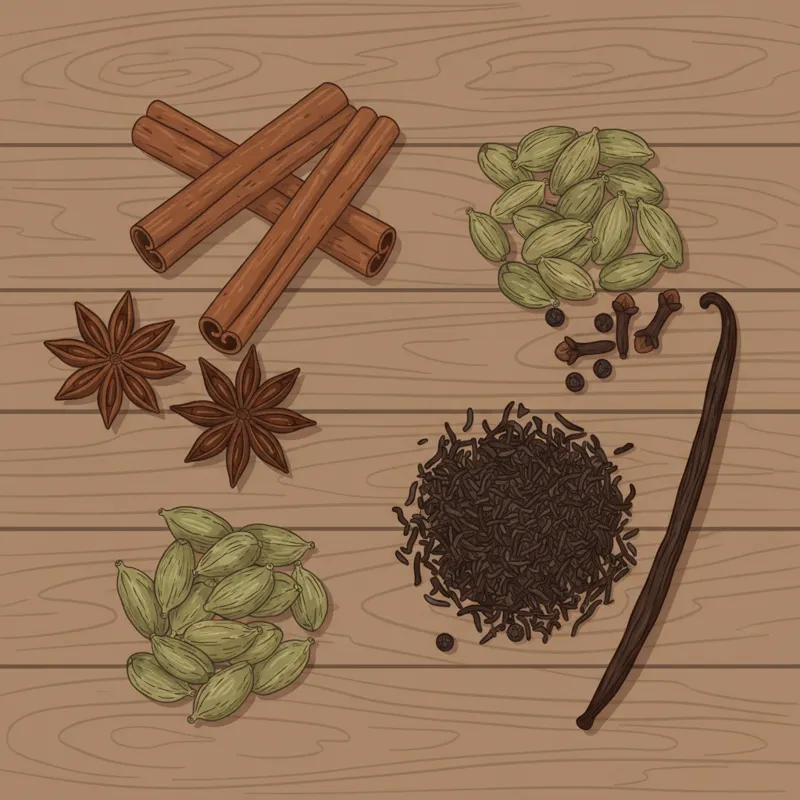
At its heart, “chai” is simply the Hindi word for “tea.” What most Americans refer to as chai is more accurately called masala chai. As detailed in its rich history, masala chai is a beverage from the Indian subcontinent made by brewing black tea with a mixture of aromatic spices and herbs. The specific spice blend, or “masala,” can vary dramatically by region and even by family, but it typically includes a warming mix.
The common players in this spice blend are:
- Cardamom: The quintessential chai spice, offering a complex sweet, floral, and slightly minty flavor.
- Cinnamon: Provides a familiar sweet and woody warmth.
- Ginger: Adds a pungent, zesty heat.
- Cloves: Intensely aromatic with a slightly sweet and peppery note.
- Black Peppercorns: Delivers a gentle, piquant kick that balances the sweetness.
A Vanilla Chai Tea is a modern, Westernized adaptation of this traditional drink. It takes the classic masala chai base and softens its spicy edges with the creamy, aromatic flavor of vanilla. This addition creates a smoother, more dessert-like profile that has become incredibly popular in coffee shops across the United States.
Why Make It at Home? The Coffee Shop vs. Your Kitchen

The allure of a coffee shop is strong—the ambiance, the convenience, the trained barista. But when it comes to vanilla chai, the homemade version has some serious advantages.
First, the cost. A daily chai latte habit can easily add up to over $1,500 a year. The raw ingredients to make it at home—tea, whole spices, milk, and vanilla—are a fraction of that cost. You can make a week’s worth of chai concentrate for the price of a single large latte.
Second, and more importantly, is quality and control. Most coffee shop chai lattes are made from a pre-mixed commercial syrup or concentrate. These are often overwhelmingly sweet, masking the nuanced flavors of the actual spices. When you make it yourself, you control everything:
- Sweetness Level: You decide whether to use sugar, honey, maple syrup, or a non-caloric sweetener, and exactly how much.
- Spice Intensity: Love the kick of ginger? Add more. Prefer a cardamom-forward blend? You can do that.
- Tea Strength: You can choose a robust Assam for a powerful base or a milder Ceylon, and you control the steeping time.
- Dairy Choice: You can use whole milk for ultimate creaminess, or experiment with oat, almond, or soy milk to find your perfect match.
Making your own chai is a simple luxury. The ritual of simmering the spices and tea fills your home with an incredible aroma. It’s a rewarding process that can make a weekend morning feel special, a perfect companion for breakfast in bed (just make sure you have a good king size mattress protector to guard against spills!).
The Core Components: A Deep Dive into Your Ingredients
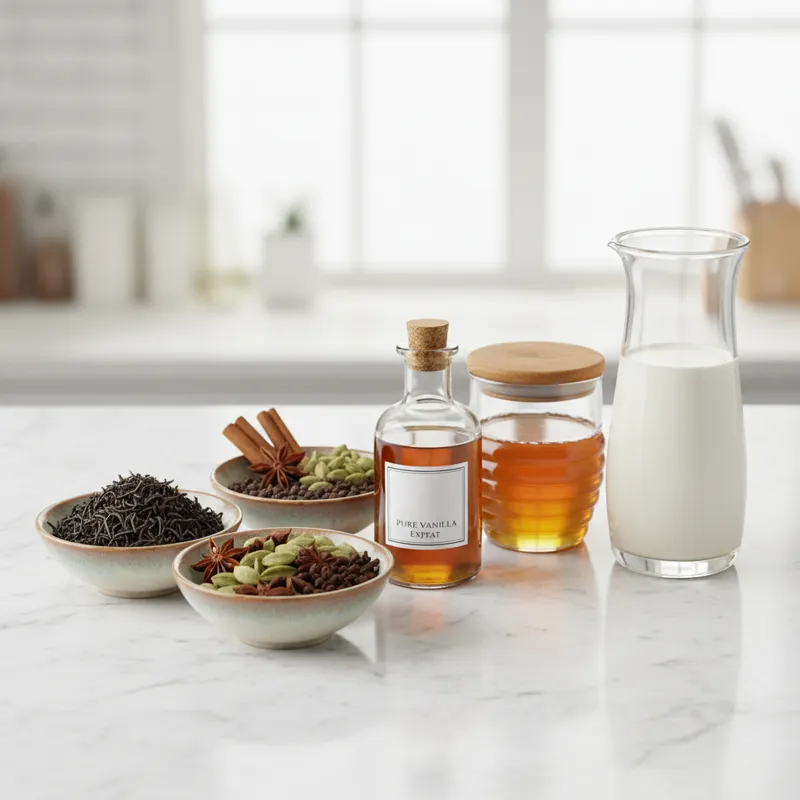
A great vanilla chai is the sum of its parts. Using high-quality ingredients will make a world of difference. Let’s break down what you need.
The Tea Base: Choosing the Right Black Tea
You need a strong, bold black tea that can stand up to the spices and milk. A flimsy or delicate tea will get lost. The best choices are typically robust, malty Indian black teas.
- Assam: This is the classic choice. Its full-bodied, malty flavor is the perfect backbone for chai.
- Ceylon: A bit brighter and more brisk than Assam, but still has enough strength to work well.
- English Breakfast/Irish Breakfast Blends: These are usually Assam-based blends and are excellent, readily available options.
You can use either loose-leaf tea or tea bags. Loose-leaf generally provides a more complex flavor, but good quality tea bags will also produce a delicious result. Aim for about 8 tea bags for every 1/4 cup of loose-leaf tea.
The Spice Symphony (Masala): Whole vs. Ground
This is where the magic happens. For the most vibrant, authentic flavor, always use whole spices whenever possible. Pre-ground spices lose their aromatic oils and potency quickly. Lightly toasting and crushing whole spices just before simmering them releases their essential oils, creating a flavor that is leagues beyond anything from a tin of powder.
Your starter kit for a classic masala blend should include cinnamon sticks, green cardamom pods, whole cloves, and black peppercorns. From there, you can add star anise for a hint of licorice, fresh ginger slices for heat, or even fennel seeds for a subtle sweetness.
The Vanilla Element: Extract, Bean, or Syrup?
How you add the vanilla is a matter of preference and budget.
- Vanilla Extract: The most practical and accessible option. Use pure vanilla extract, not imitation. You’ll add this at the end of the cooking process so the alcohol base doesn’t cook off and leave a bitter taste.
- Vanilla Bean: For the ultimate decadent flavor. Split a bean lengthwise, scrape out the seeds, and add both the seeds and the pod to your simmering spices. It’s more expensive but delivers an unmatched depth of flavor.
- Vanilla Syrup: You can make your own simple syrup (equal parts sugar and water, heated until dissolved) and infuse it with a vanilla bean or extract. This is a good option if you like your chai on the sweeter side, as it combines the sweetener and vanilla in one step.
The Milk: Dairy and Non-Dairy Choices
The milk transforms your spiced tea into a creamy latte. The fat content is key to a rich mouthfeel.
- Whole Dairy Milk: The traditional choice for the richest, creamiest result. It froths beautifully.
- 2% Dairy Milk: A good compromise if you want a slightly lighter latte.
- Oat Milk: The reigning champion of non-dairy alternatives. A “barista blend” oat milk will froth almost as well as dairy milk and has a naturally creamy, neutral flavor that complements the spices.
- Soy Milk: Another great option that froths well and offers a rich texture.
- Almond Milk: Can be a bit thin and its flavor can sometimes compete with the spices, but it works. Choose an unsweetened, creamy version if possible.
Homemade Vanilla Chai Latte Recipe (The Main Event)
This recipe is broken into two parts. First, you’ll create a spiced tea concentrate. This is the flavorful base that you can store in your fridge for up to a week. Second, you’ll learn how to combine it with milk to assemble the perfect latte on demand.
Part 1: Crafting the Spiced Tea Concentrate
This recipe makes about 4 cups of concentrate, enough for 4-8 lattes depending on your preferred strength.
Yields: ~4 cups
Prep time: 5 minutes
Cook time: 25 minutes
Ingredients:
- 4 cups filtered water
- 2-3 cinnamon sticks
- 15-20 green cardamom pods
- 10 whole cloves
- 1 tsp black peppercorns
- 2-3 star anise (optional)
- 2-inch piece of fresh ginger, thinly sliced
- 1/4 cup loose-leaf black tea (or 8 black tea bags)
- 1/2 cup sweetener of choice (e.g., brown sugar, maple syrup, or honey)
- 1 tbsp pure vanilla extract (or 1 vanilla bean, split and scraped)
Instructions:
- Toast the Spices: Place a medium saucepan over medium heat. Add the cinnamon sticks, cardamom pods, cloves, peppercorns, and star anise (if using). Toast for 2-3 minutes, shaking the pan frequently, until they are highly fragrant. This step is critical for waking up the essential oils.
- Crush the Spices: Remove the toasted spices from the pan. Gently crush the cardamom pods and peppercorns using the flat side of a knife or a mortar and pestle. You just want to crack them open, not pulverize them.
- Simmer the Base: Return the crushed spices to the saucepan. Add the 4 cups of water and the sliced ginger. If using a vanilla bean, add the pod and seeds now. Bring the mixture to a boil, then reduce the heat to low, cover, and let it simmer gently for 15 minutes. Your kitchen will start to smell amazing.
- Steep the Tea: Turn off the heat. Add the loose-leaf black tea or tea bags to the pot. Stir once, cover, and let it steep for 10 minutes. Do not boil the tea, as it can make it bitter.
- Strain and Sweeten: Pour the mixture through a fine-mesh sieve into a heatproof bowl or large measuring cup to remove all the spices and tea leaves. Discard the solids. While the concentrate is still hot, whisk in your sweetener of choice until it is completely dissolved.
- Add Vanilla: Once the concentrate has cooled slightly, stir in the vanilla extract. If you used a vanilla bean, you can skip this step.
- Store: Let the concentrate cool completely, then pour it into a sealed jar or bottle. It will keep in the refrigerator for 7-10 days.
Part 2: Assembling the Perfect Vanilla Chai Latte
Now for the fun part. This is for a single serving.
Ingredients:
- 1/2 to 3/4 cup Vanilla Chai Concentrate, chilled or reheated
- 1/2 to 3/4 cup milk of your choice
Instructions:
- Combine Ratios: The standard ratio is 1:1 concentrate to milk, but feel free to adjust this to your taste. For a stronger, spicier latte, use more concentrate. For a milkier, creamier drink, use more milk.
- Heat and Froth: Heat your milk on the stovetop or in the microwave until it’s hot but not boiling. To get that coffee-shop foam, use a handheld milk frother, a French press (just pump the plunger up and down rapidly), or a steam wand on an espresso machine. You can also just shake the hot milk vigorously in a sealed jar.
- Assemble: Pour your chai concentrate into your favorite mug. If you prefer your drink extra hot, heat the concentrate first. Gently pour the steamed, frothy milk over the concentrate. Spoon any remaining foam on top.
- Garnish (Optional): For a final touch, sprinkle a tiny pinch of ground cinnamon or nutmeg over the foam.
Common Mistakes to Avoid for a Perfect Chai
Making chai is simple, but a few common missteps can lead to a disappointing result.
- Using Pre-Ground Spices: This is the number one mistake. You lose so much of the aromatic depth. Toasting and crushing whole spices takes two extra minutes and provides a tenfold return in flavor.
- Boiling the Tea: Black tea contains tannins, which can become unpleasantly bitter and astringent when boiled. Always add the tea after you’ve turned off the heat from simmering the spices.
- Not Simmering Spices Long Enough: Don’t rush the simmering process. Giving the spices a good 15 minutes in the water is essential to extract their complex flavors into the concentrate.
- Boiling the Milk: When making your latte, never bring the milk to a rolling boil. It can scorch and alter the flavor and texture. Heat it until it’s steaming and small bubbles form around the edges.
The ritual of making something warm and comforting by hand sets a great tone for the day, much like perfecting your morning routine, whether that involves a perfect cup of tea or finding the right styling tools for your hair.
Caffeine Content: What to Expect
A common question is how much caffeine is in a vanilla chai latte. The answer depends on your preparation, but we can make a good estimate.
According to the U. S. Food and Drug Administration, an 8-ounce cup of black tea typically contains around 47 mg of caffeine. An 8-ounce cup of coffee can contain 95 mg or more.
Since our vanilla chai latte recipe is roughly half tea concentrate and half milk, a standard 12-ounce latte would contain approximately 6 ounces of tea. This puts the caffeine content at roughly 35-50 mg per serving. This is significantly less than a standard cup of coffee, making it a great option for a gentler afternoon pick-me-up.
If you’re sensitive to caffeine, you can easily make a decaffeinated version by using your favorite decaf black tea bags or loose-leaf tea.
Frequently Asked Questions (FAQ)
How can I make an iced vanilla chai latte?
It’s easy! Just fill a tall glass with ice. Pour in your chilled chai concentrate until the glass is about halfway full. Top it off with cold milk of your choice, stir, and enjoy.
Can I use chai tea bags instead of whole spices?
You can, but the flavor won’t be as fresh or intense. If you’re in a pinch, steep 4-5 high-quality chai tea bags in 2 cups of hot water, then proceed with adding sweetener and vanilla to create a “cheater’s” concentrate. It’s a quick alternative, but making it with whole spices is worth the effort.
How do I make a “dirty” vanilla chai?
A dirty chai simply includes a shot of espresso. Prepare your vanilla chai latte as usual, then pour a shot of freshly brewed espresso right on top. It’s the perfect fusion of coffee and tea.
Is this recipe gluten-free and vegan?
Yes, as long as you use a plant-based milk (like oat, soy, or almond) and a vegan-friendly sweetener (like maple syrup or brown sugar instead of honey), this recipe is completely vegan. All the core ingredients are naturally gluten-free.
What is the best way to store the chai concentrate?
Store it in an airtight glass jar or bottle in the refrigerator. Glass is preferable to plastic as it won’t absorb the strong spice flavors. It should stay fresh and delicious for up to 10 days.
There’s a deep satisfaction in mastering a craft, even one as simple as a perfect cup of tea. It allows you to unwind and create a moment of peace. Imagine settling into a comfortable evening, ready for a restful night’s sleep—especially if you’ve found the best mattress for side sleepers—with a warm mug of your own perfectly spiced, homemade vanilla chai in hand. It’s a small indulgence that makes a big difference.