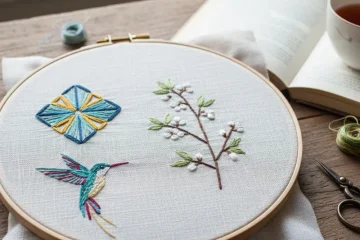
Navigating the vast and ever-evolving landscape of textile arts can feel overwhelming, especially when you’re seeking designs that truly stand out. If you’re looking for fresh inspiration and a distinctive style & aesthetic, finding quality contemporary embroidery designs can be challenging. The craft has dramatically shifted from purely utilitarian or traditional decorative applications, moving into a vibrant space of modern artistic expression. Today’s contemporary embroidery pieces push boundaries, blend techniques, and challenge conventional notions of what fabric and thread can achieve.
Understanding Contemporary Embroidery Designs in 2026

Contemporary embroidery, as we define it in 2026, encompasses a broad range of artistic practices that break from historical and folk traditions. It’s less about faithfully recreating established patterns and more about utilizing thread and needle as a medium for personal expression, social commentary, or innovative design. This shift has democratized the art form, making it accessible to a wider audience and fostering incredible creativity.
The core characteristic of contemporary embroidery designs is their willingness to experiment. Artists are no longer confined to specific stitches, materials, or subjects. Instead, they freely explore new combinations, integrate digital tools, and find inspiration in everything from urban street art to scientific diagrams. This open-ended approach is what makes this segment of the craft so exciting and dynamic.
Many artists who create these unique pieces are featured on platforms dedicated to embroidery artists, showcasing a global movement toward textile art as a serious, compelling medium. Their work often reflects current cultural trends, utilizing visual language that resonates with a modern audience.
Breaking from Traditional Molds
Traditional embroidery often evokes images of intricate floral motifs, monograms, or historical scenes. While these styles remain beautiful and relevant, contemporary designs actively challenge these conventions. You’ll find a strong emphasis on abstraction, minimalism, and conceptual themes.
Artists might deconstruct familiar imagery, reduce forms to their simplest lines, or use thread to create textures that evoke emotions rather than represent objects directly. The focus shifts from realistic depiction to evoking an idea, a feeling, or a statement.
Artistic Expression Versus Utility
Historically, embroidery often served a practical purpose: decorating clothing, household linens, or religious vestments. While functional embroidery certainly still exists, contemporary embroidery often exists purely as art. These pieces are intended for display, much like a painting or a sculpture.
This recontextualization allows artists to explore complex narratives, engage with challenging themes, and prioritize aesthetic impact over durability or daily use. It’s about viewing thread and fabric as a canvas for fine art.
Influence of Digital Culture and Social Media
The digital age profoundly shapes contemporary embroidery. Artists find inspiration on platforms like Instagram and Pinterest, discover new techniques through YouTube tutorials, and sell their work globally through online marketplaces. This connectivity accelerates trends and exposes artists to a vast array of global influences.
Social media, in particular, has become a critical platform for showcasing unique embroidery designs. The visual nature of embroidery makes it highly shareable, fostering communities and allowing artists to gain recognition rapidly. It also encourages innovation as creators strive to produce visually compelling content.
Key Styles and Aesthetics Dominating the Scene

The sheer diversity within contemporary embroidery is one of its most compelling aspects. Here are some of the dominant styles you’ll encounter in 2026:
Abstract and Geometric
Many contemporary pieces move away from representational forms entirely, focusing on color, texture, and shape. Abstract embroidery might feature overlapping geometric patterns, organic forms, or chaotic bursts of color. It draws inspiration from abstract painting and modern architecture.
These designs often play with negative space, thread direction, and stitch density to create optical illusions or a sense of movement. They invite interpretation rather than dictating a specific image.
Minimalist and Line Art
Simplicity often defines elegance in contemporary art. Minimalist embroidery uses sparse lines and limited color palettes to create powerful images. Often, a single continuous line or a few well-placed stitches can convey an entire figure, object, or emotion.
This style emphasizes precision and thoughtful composition, proving that less can indeed be more. Think delicate outlines of faces, botanical elements, or subtle landscapes.
Illustrative and Portraiture
Modern embroidery artists increasingly use thread to “draw” and “paint” intricate illustrations and realistic portraits. This isn’t your grandmother’s sampler; these pieces often achieve a stunning level of detail, depth, and emotional resonance.
Artists employ various techniques, including needle painting (long and short stitch), satin stitch, and intricate layering, to create gradients and textures that mimic traditional drawing or painting. You might see everything from whimsical character designs to photorealistic depictions.
Text-Based and Typography
Words carry power, and contemporary embroiderers frequently leverage text as a central design element. This can range from bold, graphic statements to delicate, handwritten script. Typography embroidery often incorporates witty phrases, poetic excerpts, or personal mantras.
The choice of font, thread color, and stitch style all contribute to the message and mood of the piece. It’s a powerful way to convey a message directly, combining visual art with linguistic meaning.
Mixed Media and Assemblage
Pushing the boundaries of what constitutes “embroidery,” many contemporary artists integrate other materials directly into their fabric work. This could include beads, sequins, metallic wire, natural fibers, found objects, paint, or even digital prints.
The result is a tactile, multi-dimensional artwork that blurs the lines between traditional crafts and contemporary fine art. These pieces often have an experimental feel, with unexpected textures and visual interest.
Conceptual and Narrative
Some of the most thought-provoking contemporary embroidery pieces are those that tell a story or explore a specific concept. These might delve into themes of identity, memory, politics, nature, or personal experience.
The embroidery itself becomes a vehicle for deeper meaning, often requiring the viewer to engage with the piece on an intellectual or emotional level. These works are less about technical perfection and more about the impact of their message.
Beyond the Hoop: Innovative Materials and Surfaces

The evolution of contemporary embroidery isn’t just about new designs; it’s also about a radical expansion of the materials used. Artists are constantly experimenting with different fibers, fabrics, and embellishments to achieve unique effects.
Fabric Choices: Tulle, Denim, Leather, and Unconventional Textiles
While cotton and linen remain staples, contemporary artists are venturing far beyond.
- Tulle: Delicate and transparent, tulle creates ethereal, floating designs, often with a dreamlike quality. The sheer nature of the fabric makes the stitches appear almost suspended in air.
- Denim: Durable and ubiquitous, denim offers a fantastic canvas for bold, graphic designs. The contrast between rugged denim and intricate stitching creates an interesting visual dynamic. Many find inspiration for sweater embroidery ideas and other apparel from denim work.
- Leather and Suede: These materials offer a luxurious and durable surface, lending themselves well to more structural or minimalist designs. Working with leather requires specialized needles and techniques, but the results are striking.
- Unconventional Textiles: Artists might embroider on silk organza, neoprene, felt, canvas (often leading to embroidered canvas art), or even repurposed clothing, giving new life to discarded items.
Thread Varieties: Metallic, Variegated, Glow-in-the-Dark, and Unconventional Fibers
The thread itself is a critical design element.
- Metallic Threads: Adding sparkle and dimension, metallic threads catch the light beautifully, perfect for highlights or futuristic designs.
- Variegated Threads: These threads change color along their length, creating natural gradients and organic transitions without needing to switch threads.
- Glow-in-the-Dark Threads: For an unexpected twist, glow-in-the-dark threads allow designs to transform when the lights go out, adding an interactive element.
- Unconventional Fibers: Beyond cotton and silk, artists experiment with wool roving, raffia, thin wire, fishing line, or even strips of fabric to create highly textured and sculptural effects.
Embellishments: Beads, Sequins, Wire, and Found Objects
Incorporating embellishments adds sparkle, texture, and a three-dimensional quality.
- Beads and Sequins: From tiny seed beads to large statement pieces, these can add shimmer, weight, and intricate detail.
- Wire: Fine wire can be couched onto the fabric or used to create sculptural elements that stand proud of the surface.
- Found Objects: Small buttons, washers, discarded plastic, bits of bark, or even feathers can be stitched onto a piece, turning refuse into art and adding a unique narrative.
New Substrates: Paper, Wood, Metal
Embroidery isn’t strictly for fabric anymore.
- Paper: Artists punch holes into thick paper or cardstock and embroider through them, creating delicate and intricate designs that blur the line between drawing and stitching.
- Wood: Small wooden panels can be drilled with patterns and then stitched, combining the warmth of wood with the texture of thread.
- Metal: While more challenging, some artists etch or drill metal sheets to incorporate stitching, creating robust and unconventional mixed-media pieces.
Tools and Technology Driving Modern Creations
The tools available to embroiderers have evolved significantly, allowing for greater precision, complexity, and creative freedom. In 2026, technology plays an integral role in shaping contemporary embroidery designs.
Digital Design Software: Adobe Illustrator, Procreate, Specialized Embroidery Software
The design phase often begins digitally.
- Adobe Illustrator & Procreate: Many artists use graphic design software like Illustrator or tablet-based drawing apps like Procreate to sketch, refine, and digitize their initial concepts. These tools allow for easy experimentation with color, composition, and scale before a single stitch is made.
- Specialized Embroidery Software: Programs like Embrilliance, Hatch Embroidery, or Wilcom are essential for machine embroidery. These allow users to convert vector graphics into stitch files, choose stitch types, adjust density, and optimize designs for various fabrics. They even offer features for generating complex embroidery patterns automatically.
Machine Embroidery: Advanced Capabilities, Customization, Multi-Needle Machines
Machine embroidery has moved far beyond simple monograms.
- Advanced Capabilities: Modern embroidery machines can handle intricate details, a vast array of colors, and diverse stitch types with incredible speed and precision. They allow for mass production of consistent designs, as well as the creation of elaborate, one-off artistic pieces.
- Customization: Digitizing software enables complete customization, from precise scaling to mirroring and rotating elements, ensuring the design fits the specific project perfectly.
- Multi-Needle Machines: For commercial or serious hobbyists, multi-needle machines significantly reduce the time spent changing thread colors, making complex, multi-color designs more efficient to produce.
Hand Embroidery Tools: Ergonomic Hoops, Specialized Needles, Lighting
Even traditional hand embroidery benefits from modern advancements.
- Ergonomic Hoops and Frames: Lighter, more comfortable hoops made from plastic or even silicone provide better tension and are easier to hold for long periods. Stand-alone frames free up both hands for stitching.
- Specialized Needles: Beyond basic sharps, you’ll find needles specifically designed for beads, ribbon, or working with thicker yarns, each optimizing the stitching process for particular materials.
- Lighting and Magnification: High-quality LED lamps and magnifying glasses (often integrated) are indispensable for intricate work, reducing eye strain and allowing for finer detail.
AI-Assisted Design and Pattern Generation
Artificial intelligence is starting to make inroads into creative fields, including embroidery.
AI tools can help generate initial design concepts based on text prompts, suggest color palettes, or even convert simple sketches into complex patterns suitable for digitization. While still an emerging field, AI offers potential for quickly iterating on ideas and discovering unexpected combinations. This technology assists artists in brainstorming and streamlining parts of the design process, offering a new frontier for developing the coolest embroidery concepts.
For instance, an artist might prompt an AI with “abstract floral design, muted colors, organic shapes” and receive several unique visual concepts to adapt and refine into a stitchable pattern. It’s a tool, not a replacement for human creativity, but a powerful one.
Finding Inspiration and Resources in 2026
Discovering fresh contemporary embroidery designs requires looking beyond traditional craft stores and embracing digital landscapes. The internet is a treasure trove of inspiration, resources, and communities.
Online Marketplaces: Etsy, Patternbank, Specific Artist Platforms
- Etsy: Still a powerhouse for handmade goods, Etsy connects you directly with independent artists offering unique finished pieces, digital patterns, and custom orders. You’ll find a vast array of contemporary embroidery designs.
- Patternbank & Creative Market: These platforms cater more to design resources, often featuring vector graphics and digital illustrations that can be adapted for embroidery.
- Specific Artist Platforms: Many prominent contemporary embroiderers run their own websites and online shops, offering exclusive patterns, kits, and original artworks not found elsewhere. Supporting these artists directly ensures fair compensation for their unique visions.
Social Media: Instagram, Pinterest, TikTok as Discovery Tools
These platforms are visual goldmines for embroidery enthusiasts:
- Instagram: A primary hub for visual artists, Instagram allows you to follow hashtags like #contemporaryembroidery, #modernembroidery, #textileart, or #hoopart. You can discover thousands of artists, study their techniques, and see emerging trends. Many artists also use it as a portfolio.
- Pinterest: Excellent for visual bookmarking and organizing inspiration boards. Pinning images of designs, color palettes, and techniques helps you curate your own style reference library.
- TikTok: Short-form video content on TikTok offers quick tutorials, process videos, and glimpses into artists’ studios, providing a dynamic and engaging way to learn and discover.
Online Courses and Workshops
Learning from the best has never been easier:
- Skillshare, Domestika, Creativebug: These platforms host a wealth of online courses, taught by professional artists, covering everything from beginner stitches to advanced contemporary techniques.
- Independent Artist Workshops: Many contemporary embroiderers offer their own specialized online workshops, providing deep dives into their signature styles and methods.
Community Forums and Guilds
Connecting with other embroiderers offers invaluable support and knowledge sharing:
- Online Forums & Facebook Groups: Dedicated forums and Facebook groups for embroidery and textile art provide spaces to ask questions, share progress, and get feedback.
- Embroidery Guilds: While many guilds have traditional roots, an increasing number now embrace and promote contemporary work. Many have online presences and virtual events. The American Craft Council, for instance, often highlights textile artists pushing modern boundaries.
Connecting with embroidery artists directly through these channels is often the best way to understand their process and find truly original contemporary embroidery designs.
What Most People Get Wrong About Contemporary Embroidery
Despite its growing popularity, contemporary embroidery still faces some common misunderstandings. Addressing these can help you approach the art form with a more open and informed perspective.
“It’s Just for Grandmas”
This is perhaps the most pervasive misconception. While embroidery has deep historical roots and is often associated with older generations, the contemporary movement has utterly transformed this perception. Young artists, fashion designers, and even fine artists are embracing embroidery as a cutting-edge medium. It’s vibrant, experimental, and deeply connected to modern aesthetics. To see its global reach and diverse applications, you might look at resources like Wikipedia’s overview of embroidery, which touches on its ancient origins and modern resurgence.
“It’s Purely Decorative, Not Fine Art”
For a long time, crafts like embroidery were relegated to a lower status than “fine art” like painting or sculpture. However, contemporary embroidery is actively dismantling this hierarchy. Many artists use thread and fabric to create museum-quality pieces that explore complex themes, emotional depth, and intricate narratives. Galleries and art institutions increasingly exhibit textile art, recognizing its artistic merit and profound expressive potential.
“It’s Always Expensive to Start”
While high-end materials and specialized machines can be an investment, getting started with contemporary embroidery doesn’t have to break the bank. A basic kit including a hoop, needles, a few skeins of thread, and a piece of fabric is quite affordable. Many artists begin with simple tools and inexpensive materials, focusing on technique and creative vision. The accessibility of basic supplies is one of the craft’s strengths.
“It’s Only Hand-Stitched”
While hand embroidery is a cherished and fundamental aspect of the craft, machine embroidery has become an indispensable tool for many contemporary artists. Modern machines offer precision, speed, and the ability to create complex, multi-layered designs that would be incredibly time-consuming by hand. Machine embroidery is not a shortcut; it’s a different technique that opens up new creative possibilities, allowing for innovative approaches to texture and scale.
“You Need a Special Talent to Be Good”
Like any art form, practice and persistence are key. While some individuals might have a natural aptitude, contemporary embroidery is a skill that anyone can develop with dedication. Online tutorials, workshops, and supportive communities make learning accessible. The beauty of contemporary work is that “perfection” isn’t always the goal; often, unique style and expressive quality are valued above flawless execution.
Getting Started with Your Own Contemporary Designs
If you’re inspired to create your own contemporary embroidery, the journey is rewarding. Here’s a practical guide to getting started:
Developing a Concept
Before you even pick up a needle, think about your idea. What message do you want to convey? What visual elements appeal to you?:
- Brainstorm: Look at other art, photography, nature, or even abstract patterns. Keep a sketchbook or a digital mood board.
- Simplify: Contemporary designs often benefit from a clear, concise vision. Don’t try to cram too many ideas into one piece.
Sketching and Digitizing
Translate your concept into a tangible design:
- Sketch it Out: Draw your design by hand on paper. This helps you work out composition and scale.
- Refine Digitally: Use an app like Procreate or a simple photo editor to refine your sketch. You can easily experiment with color, line weight, and arrangement.
- Transfer to Fabric: Print your design and use a light box, water-soluble pen, or heat-transfer pencil to get it onto your chosen fabric. For machine embroidery, digitize your design using specialized software.
Material Selection
Your choice of materials will significantly impact the final look:
- Fabric: Consider the weight, weave, and color. Will it support your stitches? Does its texture complement your design? For some truly simple embroidery designs, even a plain cotton can be highly effective.
- Thread: Experiment with different types (cotton floss, perle cotton, metallic, silk) and weights. How will they interact with each other and the fabric?
- Embellishments: If using beads or sequins, ensure they are appropriate for the scale and theme of your piece.
Execution Tips
Bringing your design to life:
- Learn Basic Stitches: Even complex designs are built on foundational stitches like backstitch, satin stitch, French knots, and chain stitch. Mastering these gives you a versatile toolkit.
- Practice: Don’t expect perfection on your first attempt. Practice on scrap fabric to get a feel for tension and stitch consistency.
- Experiment: Don’t be afraid to deviate from your original plan. Sometimes the best discoveries happen accidentally. Try combining stitches, layering threads, or even leaving areas intentionally sparse.
- Finish Strong: Ensure your back is neat, if applicable, and consider how you’ll display the finished piece. Framing in a hoop is popular, but mounting on canvas or stretching over a board are other options for hand embroidery artwork.
The Future Landscape of Embroidered Art
As we look ahead from 2026, contemporary embroidery is poised for even more innovation and integration into new realms. The intersection of craft, technology, and sustainability will likely define its next evolution.
Integration with AR/VR
Imagine wearing an embroidered garment where the stitches come to life through an augmented reality app on your phone, or exploring a virtual gallery of textile art in a VR headset. This integration could offer new ways to interact with and experience embroidered pieces, adding layers of digital storytelling and interactivity. Designers might create digital ‘skeins’ of thread to test patterns in a virtual space before committing to physical materials.
Sustainable Practices
The craft world, like many industries, is increasingly focusing on sustainability. Future contemporary embroidery designs will likely see a greater emphasis on using ethically sourced materials, recycled fabrics, and natural dyes. Artists will explore ways to minimize waste, repurpose textiles, and create long-lasting pieces that stand against fast fashion. The use of organic cotton, linen, and even innovative plant-based threads will become more prevalent. Organizations like the U. S. Environmental Protection Agency (EPA) are working to promote sustainable practices across various industries, including textile production, influencing material choices even at the craft level.
Increased Recognition in Fine Art
The boundary between craft and fine art will continue to blur, with textile art gaining even greater recognition in mainstream galleries and museums. Contemporary embroidery’s ability to tackle complex themes, its tactile nature, and its unique visual language make it an increasingly compelling medium for critical artistic discourse. Expect to see more significant exhibitions and academic study devoted to this vibrant field. The global art market is increasingly recognizing textile works, as highlighted in reports from sources like Forbes Arts & Lifestyle, showcasing a broader appreciation for diverse artistic forms.
Frequently Asked Questions (FAQ)
Is contemporary embroidery hard to learn?
No, not necessarily. While some advanced techniques can be challenging, the basics are quite accessible. Many contemporary styles, especially minimalist or abstract ones, can be achieved with just a few simple stitches. Online tutorials and beginner-friendly kits make it easy to start, and practice is the key to improvement.
What are essential tools for beginners in contemporary embroidery?
You’ll need an embroidery hoop, a few embroidery needles (sizes 3-9 are common), embroidery floss (DMC cotton floss is popular), a pair of small, sharp scissors, and a piece of plain cotton or linen fabric. A water-soluble pen for transferring designs is also very helpful.
Where can I find unique contemporary embroidery designs and patterns?
Online marketplaces like Etsy, independent artist websites, and platforms like Instagram (by following hashtags like #contemporaryembroidery or #modernembroidery) are excellent places. Many artists sell digital patterns that you can download and print at home. You can also explore free resources like Pinterest for inspiration and basic patterns, or even design your own simple patterns, including those for neckline embroidery designs.
How do I protect and display my contemporary embroidery work?
For pieces in hoops, simply trim and finish the back of the fabric, then display the hoop directly. For larger or more intricate pieces, you can stretch and mount them on canvas, frame them behind glass (to protect from dust and UV), or even display them in shadow boxes. Ensure your display method is acid-free to prevent damage over time.
Can I use a regular sewing machine for embroidery?
Yes, some basic forms of machine embroidery can be done on a regular sewing machine if it has an embroidery or darning foot. You’d typically lower the feed dogs (or cover them) and manually move the fabric to create free-motion embroidery. For complex, digitized designs, however, a dedicated embroidery machine is required.