
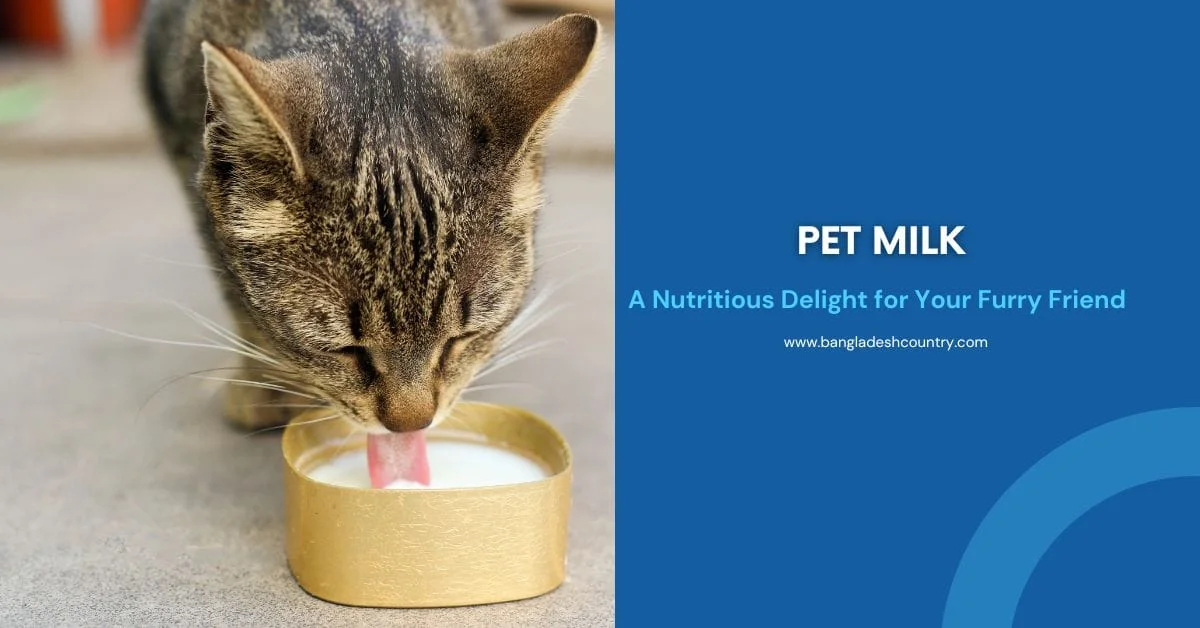
When you spot a can labeled “PET Milk” in the baking aisle or nestled in your pantry near the pumpkin pie mix, a logical question arises: Is this for my dog or cat? The name is confusingly direct, yet the answer requires a distinct separation between a heritage dairy brand and the biological needs of your animal. In 2026, as pet nutrition science advances, we know that while the idea of a saucer of milk is nostalgic, the reality of dairy digestion in carnivores is complex. This article breaks down the crucial difference between the famous evaporated milk brand found in grocery stores and lactose-free liquid products specifically formulated for feline and canine consumption.
Understanding this distinction prevents digestive distress. Many well-meaning owners assume that because a can says “PET,” it is intended for pets. In reality, that capitalized brand name refers to a company founded in 1885, originally producing evaporated milk for humans—a product that is essentially a concentrated lactose bomb for an animal. Conversely, modern “pet milk” (lowercase concept) refers to fortified, lactose-reduced liquids designed to mimic the hydration and nutrient profile suitable for dogs and cats. We will dissect the mechanics of lactose intolerance, the processing differences between evaporated and formulated milks, and how to safely treat your animal without causing a mess.
The Two Definitions of “Pet Milk”
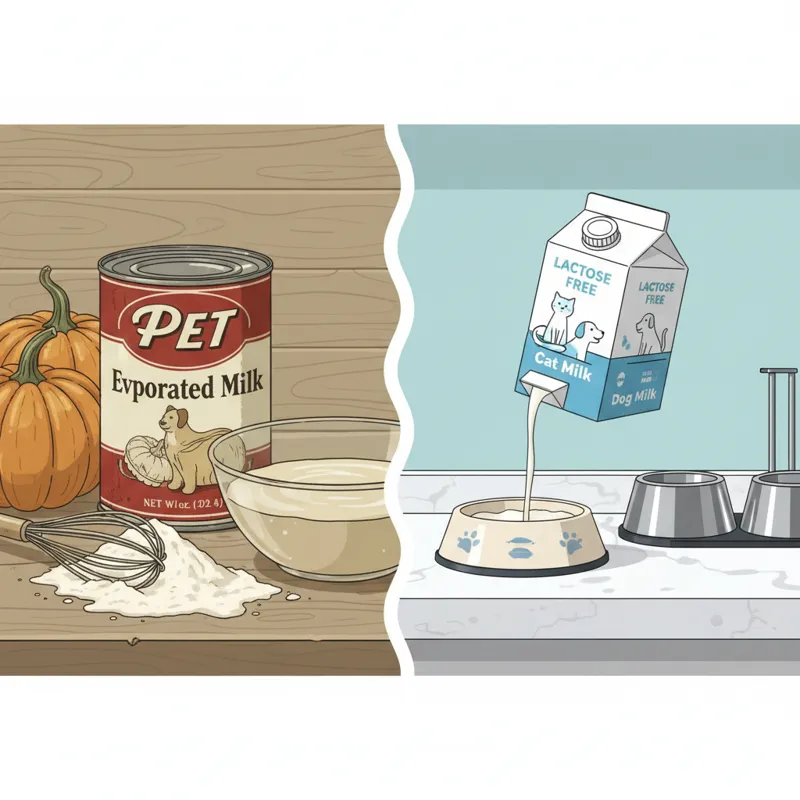
Clarity begins with terminology. If you are holding a metal can that lists “evaporated milk” and Vitamin D3 on the label, you are holding a baking ingredient intended for humans. This product is cow’s milk that has been heated to remove about 60% of its water content. The result is a creamy, shelf-stable liquid that is chemically dense. Because the water is removed but the solids remain, the concentration of lactose (milk sugar) and casein (milk protein) is significantly higher by volume than in regular whole milk.
On the other side of the spectrum is functional pet milk. You find these products in the pet food aisle, usually in small cartons or pouches. Manufacturers treat these liquids with an enzyme called lactase, which pre-digests the milk sugar. They often add taurine (essential for cat heart health) and remove excess fat. This distinction is critical because the human version focuses on texture and shelf stability for cooking, while the animal version focuses on bioavailability and digestion.
The Mechanism of Lactose Intolerance in Animals
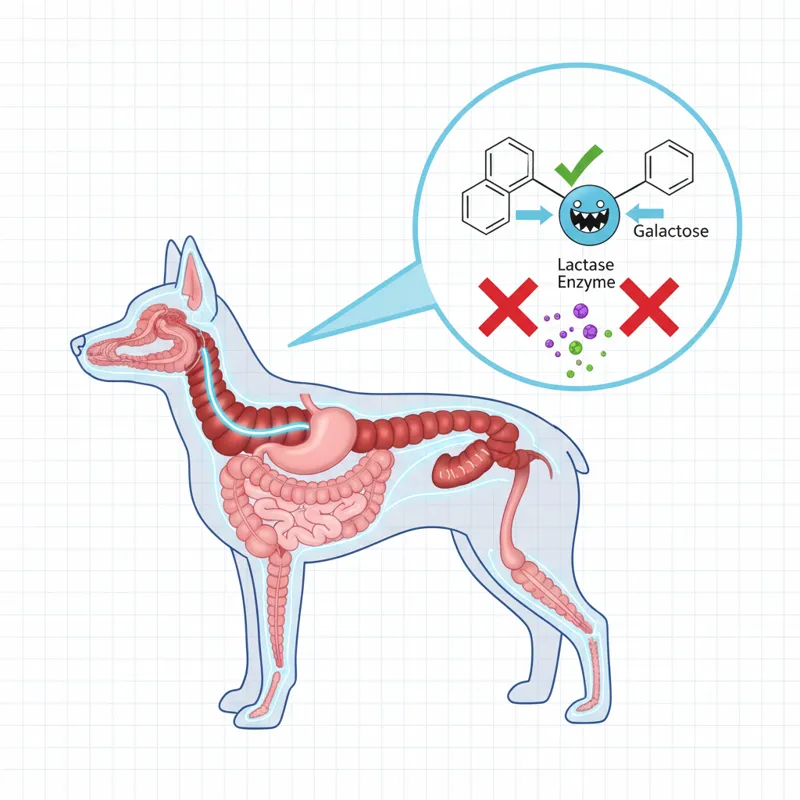
To understand why the can in your pantry is risky, you must look at enzymatic activity. Mammals, including dogs, cats, and humans, are born with the ability to produce high levels of lactase. This enzyme splits the complex sugar lactose into two simple sugars: glucose and galactose, which the bloodstream absorbs easily. This allows puppies and kittens to thrive on their mother’s milk.
Weaning triggers a genetic switch. Once a puppy or kitten transitions to solid food, their body drastically reduces lactase production. This is a biological efficiency mechanism; nature assumes the animal will never drink milk again. When an adult dog drinks regular cow’s milk—or worse, concentrated evaporated milk—the undigested lactose travels intact to the large intestine.
Once in the colon, two things happen. First, the sugar attracts water via osmosis, leading to loose, watery stools. Second, gut bacteria ferment the sugar, creating excessive gas and bloating. This is why a small saucer of milk often results in a messy litter box or a dog needing to go outside urgently. It is not an allergy; it is a mechanical inability to process the fuel.
Why Evaporated Milk (The Brand) is Risky
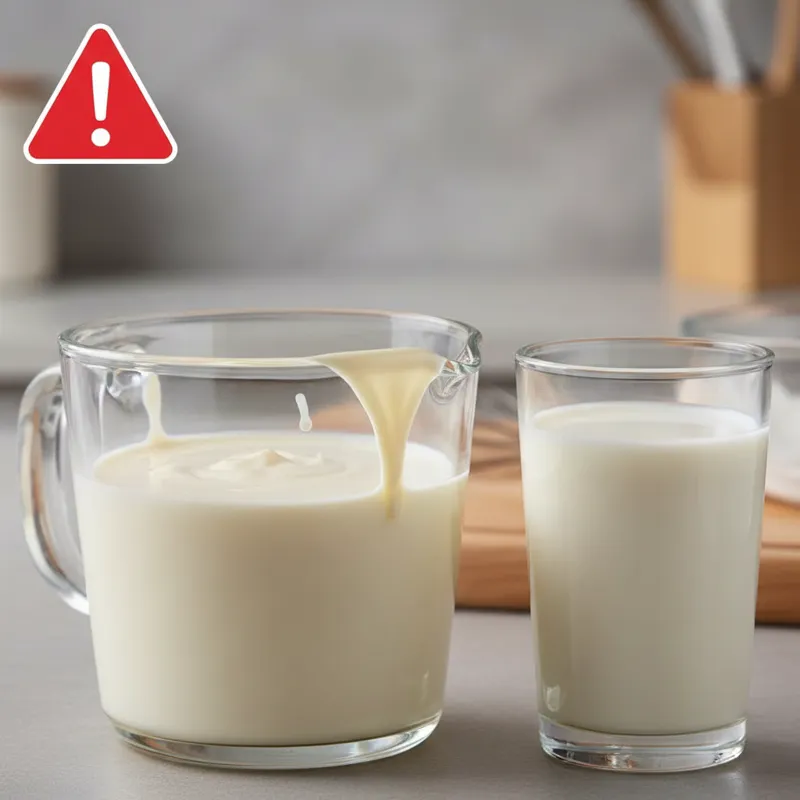
The “PET” brand of evaporated milk is a staple in American kitchens, particularly for making fudge or pumpkin pie. However, the evaporation process concentrates the milk sugars. If regular milk causes upset, evaporated milk is roughly twice as potent. A single ounce of evaporated milk contains more lactose than an ounce of whole milk.
Furthermore, owners sometimes confuse evaporated milk with sweetened condensed milk. This is a dangerous error. Condensed milk contains massive amounts of added sugar (sucrose) to act as a preservative. Feeding this to a pet spikes their insulin levels and puts immense strain on the pancreas. In small dogs, high-fat and high-sugar items can trigger pancreatitis, a painful and potentially life-threatening inflammation.
If you are baking for the holidays, perhaps making desserts for a gathering where family members are dressed in formal attire or even tea length dresses for weddings, keep the baking cans out of reach. The rich smell of evaporated dairy is highly attractive to dogs, and a counter-surfing pet could ruin both their digestion and your floor.
Formulated Pet Milk: The Safe Alternative
If you want to treat your animal, look for products specifically labeled as “Milk for Cats” or “Goat Milk for Dogs.” These products undergo a process called enzymatic hydrolysis. Manufacturers add lactase to the vat, which breaks down the lactose before it ever reaches the carton. The result is a liquid that tastes like milk but behaves like a simple protein drink in the gut.
Nutritional formulation goes beyond just removing the bad stuff. Cats, for instance, are obligate carnivores that require taurine, an amino acid found in meat. Cow’s milk is naturally low in taurine. High-quality cat milk products add this nutrient back in to support vision and heart function. This makes the drink a functional supplement rather than just empty calories.
Raw goat milk is another category gaining traction in 2026. Goat milk contains less lactose than cow’s milk and has a slightly different protein structure (A2 beta-casein) that some animals tolerate better. However, unless it is fermented (like kefir), it still contains some sugar and should be tested in small quantities.
Hydration and Diet: Humans vs. Pets
We often project our own dietary habits onto our animals. You might enjoy a cold glass of Gold Peak Green Tea or spend time researching the top sweet tea brands for your own refreshment. However, sharing these human beverages with pets is dangerous. Tea contains caffeine and sometimes theobromine, both of which are toxic stimulants for dogs and cats. Their livers cannot metabolize these compounds, leading to elevated heart rates and seizures.
Safe pet milk serves a specific purpose: palatable hydration. Some cats have a low thirst drive, which can lead to kidney issues. A splash of lactose-free pet milk in their water bowl can encourage them to drink more fluid. It is a tool for hydration, not a meal replacement. Unlike human beverages that we drink for pleasure or energy, caloric liquids for pets should be accounted for in their daily calorie count to prevent obesity.
When to Use Pet Milk
- Medication Delivery: Crushing a pill into a small amount of lactose-free milk is an effective way to mask bitterness.
- Post-Surgery Recovery: Animals recovering from anesthesia often refuse solid food. A liquid diet that includes safe milk provides energy without requiring chewing.
- Weaning Supplement: While not a replacement for kitten formula (which has very specific fat ratios), pet milk helps transition young animals from mother’s milk to solid food.
- High-Value Reward: For training purposes, a lick of liquid treat is faster to consume than a crunchy biscuit, keeping the training flow uninterrupted.
Nutritional Breakdown: What You Are Feeding
Let’s look at the numbers. Knowledge of macronutrients helps you make informed decisions.
- Whole Cow’s Milk (8 oz): approx. 12g sugar (lactose), 8g fat, 8g protein.
- Evaporated Milk (8 oz): approx. 25g sugar (lactose), 16g fat, 16g protein. (Note the doubling of sugar).
- Commercial Pet Milk (8 oz equivalent): 0g lactose, variable fat (usually 2-4%), fortified protein.
The caloric density of evaporated milk is the hidden danger. A small dog, such as a Chihuahua or Yorkie, has a very low daily caloric requirement. A few tablespoons of high-fat evaporated milk can consume 20% of their daily calories in seconds, providing no satiety but risking a digestive upset. According to the American Veterinary Medical Association (AVMA), treats and toppers should never exceed 10% of a pet’s daily intake.
Things Most People Get Wrong
The “Cat and Cream” Myth: Pop culture has convinced us that cats need milk. They don’t. Once weaned, a cat requires meat-based protein and water. Milk is a treat, not a nutritional necessity. The image of a cat lapping a saucer of white liquid is charming but biologically outdated.
Diluting Evaporated Milk: Some owners try to make the “PET” brand safe by adding water back into it. While this returns the concentration to normal levels, it does not remove the lactose. You are simply turning evaporated milk back into whole milk, which is still indigestible for most adult animals.
Shelf Stability Confusion: Just because a carton of pet milk is sold on a shelf (unrefrigerated) doesn’t mean it stays that way. Once opened, these products have no preservatives and must be refrigerated. They spoil faster than human milk because they lack the high sugar content that acts as a preservative in condensed milk.
Safe DIY Alternatives
If you want to offer a creamy treat without buying specialized pet milk, look at your yogurt supply. Plain, unsweetened Greek yogurt is often well-tolerated. The fermentation process that turns milk into yogurt consumes much of the lactose. Furthermore, the live active cultures (probiotics) can aid digestion.
Kefir is another superior option. It is a fermented milk drink, thinner than yogurt, teeming with beneficial bacteria. Many holistic veterinarians recommend small amounts of goat milk kefir to help settle a dog’s stomach after a bout of diarrhea, as the probiotics help repopulate the gut biome.
Always verify ingredients. Ensure the yogurt contains no xylitol (birch sugar), which is deadly to dogs. For authoritative lists on toxic foods, the FDA’s Animal Health Literacy page provides excellent, updated resources.
FAQ: Common Questions About Pet Milk
Can I give my puppy PET evaporated milk?
No. Evaporated milk is too concentrated in lactose and proteins for a puppy’s sensitive stomach. If you are caring for an orphaned puppy, you need “Puppy Milk Replacer” (formula), which is chemically distinct from cow’s milk and matches the nutrient profile of canine milk.
Is “lactose-free” human milk safe for dogs?
Generally, yes, in small quantities. Brands like Lactaid are cow’s milk with the lactase enzyme added. However, human milk products may have higher fat content than what is ideal for some dogs. Formulated pet drinks are safer because they balance the fat ratios for animal digestion.
Does almond or soy milk work for pets?
Plant-based milks are not toxic, but they are not beneficial. Soy is a common allergen for dogs, and almond milk is often high in fat and calories. Furthermore, many nut milks contain sweeteners or thickeners (like carrageenan) that can cause gastric distress. It is best to stick to water or meat-based broths (without onions/garlic).
Why does my dog love milk if it makes him sick?
Dogs are scavengers driven by fat and sugar detection. The creamy texture and high fat content of milk signal “high value energy” to their brain. They do not connect the immediate pleasure of taste with the delayed consequence of diarrhea that happens hours later.
How long does opened pet milk last?
Once the seal is broken, treat it like fresh dairy. Keep it in the refrigerator (below 40°F) and use it within 3 to 5 days. If it smells sour or separates into clumps, discard it immediately.
For more detailed insights on animal health and nutrition standards, you can refer to the PetMD nutrition guides, which offer vet-reviewed protocols for introducing new foods to your pet’s diet.
Disclaimer: This article is for informational purposes only and does not constitute veterinary advice. Every animal has a unique health profile. Always consult your veterinarian before introducing new foods or supplements to your pet’s diet.