
Maintaining the pristine look and structural integrity of your tiled surfaces isn’t just about cleaning; it’s fundamentally about protecting the grout. Grout, the material filling the spaces between tiles, is inherently porous. This characteristic makes it highly susceptible to absorbing moisture, stains, mildew, and grime, which can rapidly diminish the aesthetic appeal of your floors, walls, and countertops. Effective grout sealing creates a barrier, acting as the first line of defense against these common enemies. Choosing the right grout sealer and applying it correctly is a critical step in preserving your investment and keeping your tiled areas looking their best for years to come. In 2026, with a wealth of innovative products on the market, understanding which options truly deliver and how to leverage them is more important than ever.
Why Grout Sealing Isn’t Optional – It’s Essential
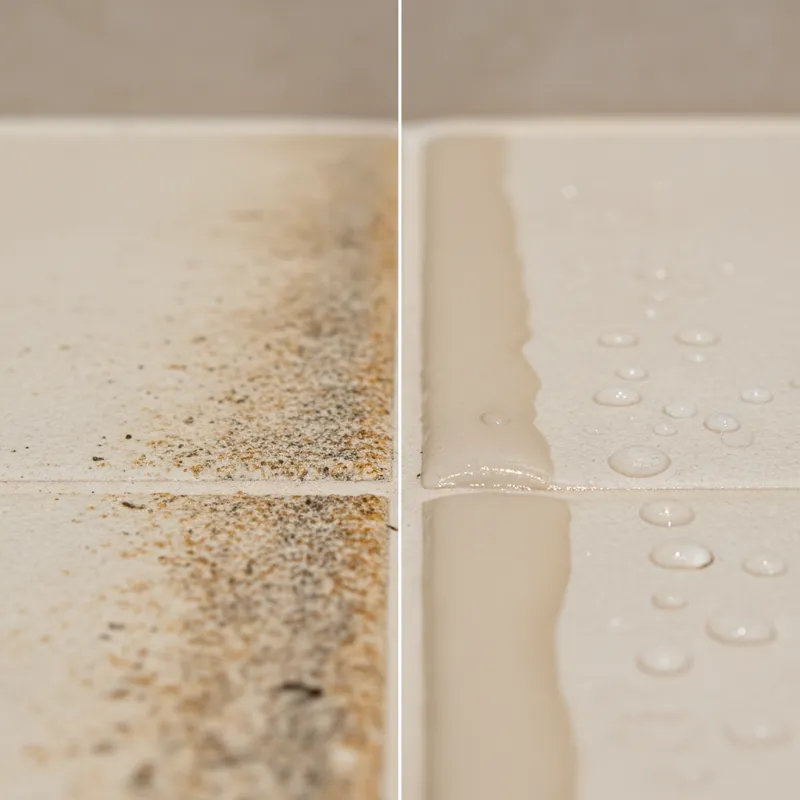
Many homeowners overlook the importance of sealing grout, often focusing solely on the tiles themselves. However, it’s the grout that typically fails first. Its sandy, cementitious composition is like a sponge, ready to soak up anything spilled on it. Water, grease, soap scum, food particles, and even airborne dust can penetrate these microscopic pores, leading to unsightly discoloration and the perfect breeding ground for mold and mildew. Unsealed grout isn’t just an aesthetic problem. Constant moisture absorption can compromise the bond between the grout and the tile, potentially leading to cracking, crumbling, and even water damage to the subfloor or wall behind the tiles. This is especially critical in moisture-prone areas like showers, bathrooms, and kitchen backsplashes. A quality grout sealer acts as an invisible shield, dramatically extending the life and beauty of your tiled surfaces by preventing these issues before they start.
Understanding Grout Sealer Types
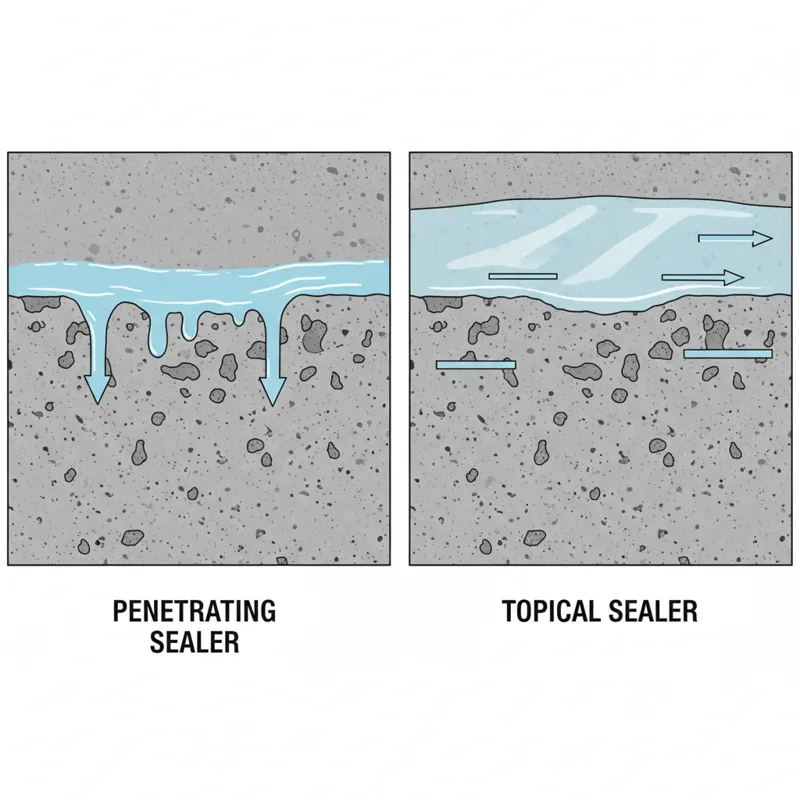
Not all grout sealers are created equal, and understanding the different types is crucial for making an informed choice. The two primary categories are penetrating sealers and topical sealers, each with distinct mechanisms and ideal applications.
Penetrating Sealers (Impregnators)
These are the most common and generally preferred type of grout sealer for residential applications. Penetrating sealers work by soaking into the pores of the grout, forming an invisible, chemical barrier below the surface. They don’t create a film on top; instead, they fill the capillaries within the grout, making it resistant to water and oil-based stains. The key benefit here is that penetrating sealers allow the grout to “breathe,” meaning moisture can still escape from beneath the tile or within the grout itself. This breathability is vital in wet areas like showers, preventing moisture from getting trapped and causing issues. They maintain the natural look and texture of the grout and typically offer longer-lasting protection, often requiring reapplication every 3-5 years, sometimes even longer with high-quality products. Most penetrating sealers use silane, siloxane, or fluoropolymer technology. For a deeper dive into how sealants function at a chemical level, you can refer to resources like Wikipedia’s page on sealants.
Topical Sealers (Coatings)
Topical sealers, as the name suggests, form a protective film on top of the grout and often extend onto the tile surface itself. These sealers are typically acrylic or urethane-based and create a visible coating, which can range from a matte finish to a high-gloss sheen. They’re excellent at repelling surface stains and can sometimes enhance or deepen the color of the grout. While topical sealers offer robust stain protection, they have some drawbacks. They can alter the appearance of your grout and tile, sometimes making it look wet or shiny. The film can also be prone to scratching, chipping, or peeling over time, especially in high-traffic areas, and may yellow with age. Unlike penetrating sealers, they can trap moisture beneath the surface if applied incorrectly or in areas with existing moisture issues. Reapplication is often needed more frequently, perhaps every 1-2 years. These are typically chosen when a specific aesthetic (like a wet look or color enhancement) is desired, or for maximum stain resistance in very specific, low-traffic areas.
Factors to Consider When Choosing a Grout Sealer
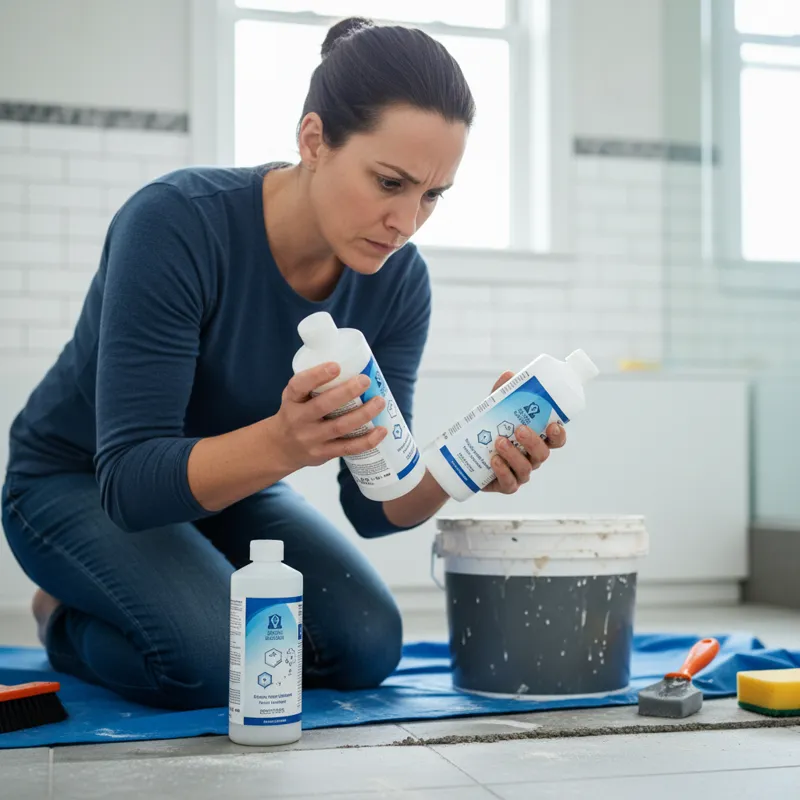
Selecting the best grout sealer isn’t a one-size-fits-all decision. Several factors should guide your choice:
- Grout Type: Most residential grout is cementitious, which always needs sealing. If you have epoxy or urethane grout, congratulations—these are inherently non-porous and typically do not require sealing. Confirming your grout type is your first step.
- Location of Tile: * Showers/Bathrooms: Prioritize water resistance, mold/mildew inhibitors, and breathability (penetrating sealers are best here).
- Kitchen Floors/Backsplashes: Focus on oil and grease resistance, food stain protection.
- High-Traffic Areas: Look for maximum durability and abrasion resistance.
- Outdoor Areas: Consider UV resistance, freeze-thaw stability, and weatherproofing.
- Desired Aesthetic: Do you want the grout to look natural, or would you prefer a color-enhancing or glossy finish? Penetrating sealers maintain a natural look, while some topical sealers offer enhancement.
- Ease of Application: Sealers come in spray, brush-on, or roller applications. Some are simpler for DIYers than others.
- VOC Content: For indoor air quality, especially in homes with children or pets, look for low-VOC (Volatile Organic Compound) or water-based formulas. When choosing products for areas like a nursery, considering low VOCs is crucial, much like you would when selecting something like a best mini crib mattress for a baby’s room.
- Longevity and Maintenance: How often are you willing to reapply? Higher quality penetrating sealers offer longer protection.
Our 14 Best Grout Sealer Picks for 2025 (And Why They Work)
Navigating the market for the ideal grout sealer can feel overwhelming. To simplify your choice, we’ve identified 14 top-performing categories of grout sealers that have consistently delivered excellent results in 2025 and continue to be highly recommended in 2026. These represent the pinnacle of various technologies and applications.
1. Premium Fluoropolymer Penetrating Sealer
Why it works: These advanced formulas utilize fluoropolymer technology, creating an incredibly tight, hydrophobic, and oleophobic (water and oil-repelling) barrier within the grout’s pores. They provide superior resistance to a wide range of stains, including common kitchen oils and acids.Ideal for: Kitchen floors, countertops, high-traffic areas, and anywhere extreme stain protection is critical.Key Advantage: Exceptional all-around stain resistance without altering grout color or texture.Considerations: Often requires meticulous cleaning before application for maximum effectiveness.
2. Silane/Siloxane Blend Deep Penetrating Sealer
Why it works: Combining the deep penetration of silane with the surface-level protection of siloxane, these sealers form a robust, long-lasting barrier. They react chemically with the silica in the grout, creating a permanent bond that resists water and efflorescence.Ideal for: Showers, bathrooms, outdoor patios, and any area exposed to significant moisture or freeze-thaw cycles.Key Advantage: Excellent waterproofing and breathability, crucial for wet environments.Considerations: Can have a stronger odor during application; good ventilation is a must.
3. Water-Based Acrylic Impregnator Sealer
Why it works: Formulated with acrylic polymers in a water base, this type penetrates effectively while being low in VOCs. It forms a durable barrier that repels water and stains, offering good protection without harsh chemicals.Ideal for: General residential use, especially in homes where air quality is a concern (e.g., bedrooms, living areas).Key Advantage: Low odor, easy cleanup with water, and environmentally friendlier.Considerations: May offer slightly less oil stain resistance than solvent-based fluoropolymers.
4. Solvent-Based Commercial-Grade Sealer
Why it works: These sealers typically contain higher concentrations of active ingredients (like advanced silanes) and often use stronger solvents to facilitate deeper penetration. They are engineered for maximum durability and chemical resistance.Ideal for: Commercial spaces, garages, or residential areas needing extreme longevity and protection against harsh cleaning agents.Key Advantage: Unmatched durability and resistance to wear, chemicals, and heavy traffic.Considerations: Strong fumes require excellent ventilation; professional application is sometimes recommended.
5. Grout Color Enhancing & Sealing Topical Coating
Why it works: This product category applies a tinted or clear acrylic/urethane coating that darkens or “wets” the appearance of the grout, making its color more vibrant while simultaneously sealing it.Ideal for: Revitalizing faded grout, achieving a specific aesthetic, or for maximum surface stain protection on walls or backsplashes.Key Advantage: Dual action: seals and enhances color, often making old grout look new.Considerations: Creates a surface film that can potentially scratch or peel; reapplication may be more frequent.
6. Fast-Drying 1-Hour Cure Sealer
Why it works: These formulations contain special additives that accelerate the curing process, allowing the sealed surface to be exposed to light foot traffic or moisture much sooner than traditional sealers.Ideal for: High-traffic areas where downtime is critical, such as hallways, entryways, or commercial spaces.Key Advantage: Minimizes disruption and allows quick return to use.Considerations: Proper ventilation is still important, and initial cure doesn’t mean full chemical cure (which takes longer).
7. Heavy-Duty Oil & Grease Repellent Sealer
Why it works: Specifically engineered with advanced oleophobic compounds, these sealers form a tight barrier against petroleum-based stains, cooking oils, and grease, preventing them from soaking into the grout.Ideal for: Kitchen backsplashes, cooking areas, garage floors, and dining areas.Key Advantage: Superior protection against stubborn grease and oil stains.Considerations: May be overkill for low-risk areas like bathroom walls.
8. Eco-Friendly Bio-Based Sealer
Why it works: Utilizes plant-derived or sustainable ingredients to create a protective barrier. These products aim for effectiveness while minimizing environmental impact and harsh chemical exposure.Ideal for: Health-conscious homeowners, homes with young children or pets, or those seeking green building solutions.Key Advantage: Reduced environmental footprint and safer for indoor air quality.Considerations: May require more frequent reapplication compared to synthetic commercial-grade options.
9. Mold & Mildew Inhibiting Penetrating Sealer
Why it works: Beyond sealing, these products incorporate fungicidal and antimicrobial additives that actively inhibit the growth of mold and mildew within the grout’s pores.Ideal for: Continuously damp environments like shower stalls, tub surrounds, and humid bathrooms.Key Advantage: Provides an extra layer of defense against microbial growth, keeping grout cleaner and healthier.Considerations: Still requires proper ventilation and cleaning to prevent surface mold.
10. All-Surface Grout & Tile Sealer
Why it works: These versatile formulas are designed to protect both porous grout and natural stone tiles (like travertine, marble, granite) or even unglazed ceramic. They offer broad protection without damaging sensitive stone surfaces.Ideal for: Rooms with mixed tile and grout types, or where a single product solution is preferred for convenience. This is especially useful for areas like a bathroom that might feature a double sink vanity top alongside extensive tiling.Key Advantage: Simplifies the sealing process for various surfaces.Considerations: Always test on an inconspicuous area first, especially with very sensitive stone.
11. Spray-On Grout Sealer for Easy Application
Why it works: Packaged in an aerosol can or with a trigger sprayer, these products simplify application by allowing for quick, even distribution over large areas. The active sealing ingredients are delivered efficiently.Ideal for: Large tiled floors, quick refresh jobs, or for users who prefer minimal effort in application.Key Advantage: Extremely fast and easy to apply, reducing labor significantly.Considerations: Can lead to overspray on surrounding surfaces if not masked carefully; wiping off excess is still crucial.
12. High-Solids Impregnator Sealer
Why it works: “High-solids” refers to a greater concentration of active sealing polymers within the solution. This means more protective material is deposited into the grout’s pores with each application, leading to a more robust and longer-lasting seal.Ideal for: Areas requiring maximum, long-term protection against heavy use and frequent cleaning.Key Advantage: Superior density of protection, often leading to extended reapplication intervals.Considerations: Can be more expensive and might require specific application techniques to avoid over-saturation.
13. Stain-Resistant with UV Protection Sealer
Why it works: These formulations not only repel stains but also include UV inhibitors that prevent the sealer itself from breaking down or yellowing under prolonged exposure to sunlight.Ideal for: Outdoor tiled areas, sunrooms, or areas with large windows that receive direct, intense sunlight.Key Advantage: Protects both the grout and the sealer from sun damage and discoloration.Considerations: Crucial for outdoor applications, less critical for interior, shaded areas.
14. Grout & Tile Refresher with Sealing Properties
Why it works: Designed as a maintenance product, this sealer type often includes mild cleaning agents and a low concentration of sealing polymers. It’s meant for periodic use to boost existing sealer performance and clean at the same time.Ideal for: Regular upkeep of previously sealed surfaces, extending the life of the primary sealer without a full reapplication.Key Advantage: Easy to use as part of a regular cleaning routine; postpones major re-sealing jobs.Considerations: Not a substitute for a full, initial sealing; provides lighter protection.
Application Best Practices: Getting It Right the First Time
Even the best grout sealer won’t perform optimally if applied incorrectly. Precision and preparation are key.
Preparation is Key
First, ensure your grout is impeccably clean. Any dirt, grime, grease, or old sealer residue will prevent the new sealer from penetrating or bonding properly. Use a pH-neutral cleaner or a dedicated grout cleaner, not harsh acids or abrasives that can damage grout. After cleaning, rinse thoroughly and allow the grout to dry completely—this often means 24-72 hours, depending on humidity and ventilation. Moisture is the enemy of proper sealer adhesion. Mask off surrounding surfaces like baseboards, cabinets, and appliances to protect them from overspray or drips.
Application Method
The application method depends on the sealer and the area. For large floors, a paint pad, small roller, or spray bottle might work best, followed by immediate wiping. For intricate areas, a small artist’s brush, a grout applicator bottle, or even a sponge applicator can offer more control. Work in small, manageable sections. Apply the sealer evenly, ensuring full saturation of the grout lines.
Wipe Off Excess Immediately
This is critical. Do not let excess sealer dry on the tile surface. Most sealers, especially penetrating ones, will leave a hazy residue if left to dry on unpolished tiles. Use a clean, dry cloth to wipe off any sealer that gets on the tile within 5-15 minutes of application, according to the product’s instructions. You may need to buff the tiles to remove any slight residue.
Cure Time
Pay close attention to the product’s recommended cure time. While some sealers are “walk-on ready” in an hour, they still need days (sometimes a week or more) to achieve their full chemical cure and maximum protective properties. Avoid exposing the area to heavy moisture or harsh cleaning during this period.
Testing for Effectiveness
After the sealer has fully cured, perform a simple water bead test. Drop a few beads of water onto the sealed grout lines. If the water beads up on the surface and doesn’t soak in, your grout is sealed effectively. If it absorbs, you might need another coat or a different product.
What Most People Get Wrong When Sealing Grout
Despite the clear instructions on most products, several common mistakes often lead to poor results or frustrating issues:
- Not Cleaning the Grout Thoroughly: This is the number one culprit. Applying sealer over dirty grout simply traps the grime, making it impossible to clean later. Always clean first.
- Not Letting the Grout Dry Completely: Sealer won’t penetrate damp grout. Any trapped moisture can also lead to cloudiness or a compromised seal. Patience is key.
- Applying Too Much Sealer: Over-applying a penetrating sealer can lead to a sticky residue or a cloudy haze on the tile surface, especially if it’s not wiped away promptly.
- Forgetting to Wipe Off Excess: This creates a dull, visible film on the tiles that is incredibly difficult to remove once dry. If you find yourself needing to strip a sealer, you’ll understand why prevention is better.
- Skipping the Test Patch: Always, always test the sealer on an inconspicuous area first to check for any unexpected reactions with your specific grout and tile.
- Assuming Epoxy Grout Needs Sealing: Epoxy and urethane grouts are non-porous and do not require sealing. Applying sealer to them is a waste of time and product, and may even cause hazing.
- Ignoring Reapplication Schedules: Sealer isn’t permanent. Its effectiveness diminishes over time. Knowing when to reapply based on traffic and wear is crucial. The investment in proper sealing and maintenance helps protect other significant home purchases, much like ensuring the longevity of a quality Olympic queen mattress in your bedroom by maintaining a clean and protected environment.
Maintaining Sealed Grout for Longevity
Once your grout is sealed, ongoing maintenance is straightforward but vital to maximizing its lifespan.
- Regular, Gentle Cleaning: Use pH-neutral cleaners for routine cleaning. Avoid harsh acids, strong alkalines, or abrasive cleaners, which can degrade the sealer over time.
- Promptly Clean Spills: Even with a good seal, spills should be wiped up quickly to prevent any potential staining, especially from highly acidic or pigmented liquids.
- Understand Reapplication Frequency: Most quality penetrating sealers last between 1 to 5 years, depending on the product, traffic, and cleaning regimen. High-traffic areas like entryways or showers will likely need more frequent reapplication than a guest bathroom wall. Periodically re-test your grout with a water bead to determine if it’s time for another coat.
- Ensure Good Ventilation: In bathrooms and kitchens, using exhaust fans during and after showers or cooking helps reduce ambient moisture, which in turn reduces the likelihood of mold and extends the life of your sealed grout.
Frequently Asked Questions (FAQs)
How often should I seal my grout?
This varies widely by product, traffic, and location. Generally, every 1-3 years for high-traffic or wet areas (like showers) and 3-5 years for lighter use areas. Perform a water bead test annually; if water soaks in instead of beading up, it’s time to reapply.
Can I seal colored grout?
Absolutely. Penetrating sealers are typically clear and will not change the color of your grout. Some topical sealers might enhance or darken the color slightly, so always test in an inconspicuous area first if you’re concerned about color alteration.
What’s the difference between a sealer and a colorant?
A grout sealer provides a protective, usually invisible, barrier against stains and moisture. A grout colorant is essentially a specialized paint that changes the color of the grout and also provides a topical seal. Colorants are often used to restore severely stained or discolored grout.
Do I need to strip old sealer before reapplying?
For penetrating sealers, typically no. New sealer can often be applied directly over old, existing penetrating sealer. However, if you have a topical sealer that is peeling or deteriorating, it’s generally best to strip it before applying a new coat to ensure proper adhesion and a smooth finish. Always follow the manufacturer’s recommendations.
Is grout sealer safe for pets/children?
Many modern grout sealers, especially water-based, low-VOC (Volatile Organic Compound) formulas, are designed to be safer for indoor use. However, always ensure proper ventilation during application and cure time. Keep pets and children away from the area until the sealer is fully cured and any lingering fumes have dissipated. Check the product’s safety data sheet for specific precautions. Choosing the correct grout sealer and applying it with precision is a fundamental step in protecting your tiled surfaces from the inevitable wear and tear of daily life. By understanding the different types of sealers and considering the specific needs of your home, you can make an informed decision that will preserve the beauty and structural integrity of your grout for years to come. It’s an investment of time and a relatively small cost that pays significant dividends in the long run, saving you from costly repairs and the frustration of prematurely aged tiling.


