Driving in 2026 often means embracing technology to make daily tasks smoother and more secure. Among these innovations, using Apple Pay at gas stations has become a game-changer for many. No more fumbling for cards, worrying about skimmers, or dealing with unreliable card readers at the pump. Instead, a simple tap of your iPhone or Apple Watch can get you fueled up and back on the road in moments. But despite its growing popularity, knowing precisely which gas stations support this convenient payment method, and how they implement it, isn’t always straightforward. This guide aims to cut through the confusion, offering a clear, practical overview of where you can reliably use Apple Pay for your fuel purchases across the United States today.
The Evolving Landscape of Apple Pay at the Pump in 2026
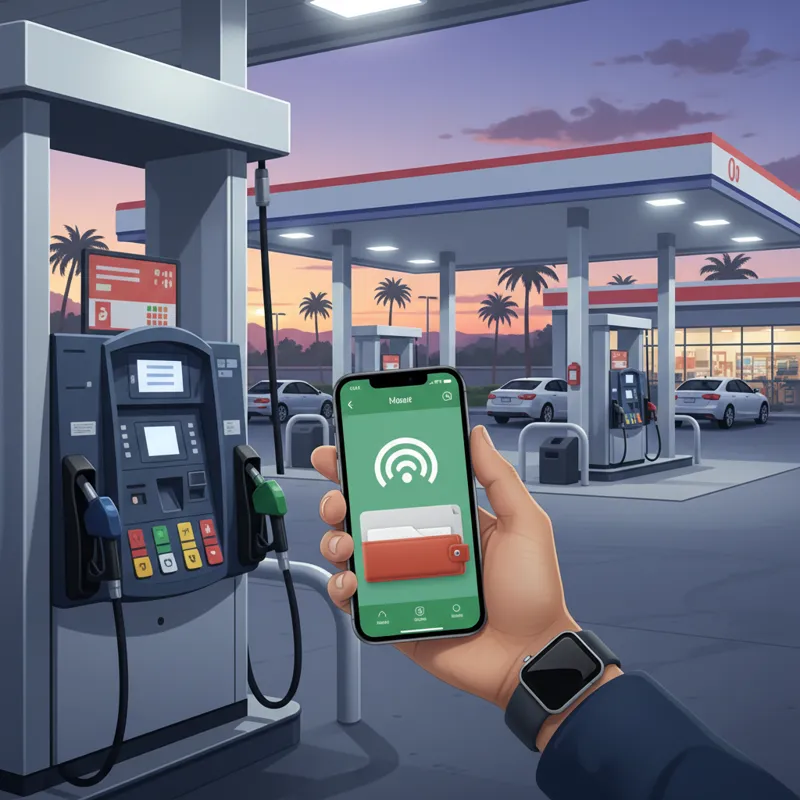
The integration of Apple Pay and other contactless payment options at gas stations has accelerated significantly over the past few years. This shift is driven by a combination of factors: consumer demand for speed and security, the push for EMV chip card compliance which paved the way for NFC, and the industry’s recognition of the efficiency gains. For gas stations, upgrading payment terminals means less maintenance on physical card readers, fewer fraud chargebacks, and a faster customer experience. At its core, Apple Pay leverages Near Field Communication (NFC) technology. When you use Apple Pay, your device securely transmits your payment information to an NFC-enabled terminal. This process involves tokenization, where your actual card number is never shared with the merchant. Instead, a unique, encrypted token is used for each transaction, significantly enhancing security compared to traditional swipe or even chip card methods. It’s a key reason why many drivers now actively seek out gas stations with Apple Pay acceptance. While the technology is standardized, its implementation at the pump can vary. Some stations allow direct tap-to-pay functionality on the pump itself, while others require using their proprietary mobile app, which then integrates with Apple Pay as a payment method. Understanding these nuances is crucial for a smooth transaction.
Major Gas Station Chains Accepting Apple Pay
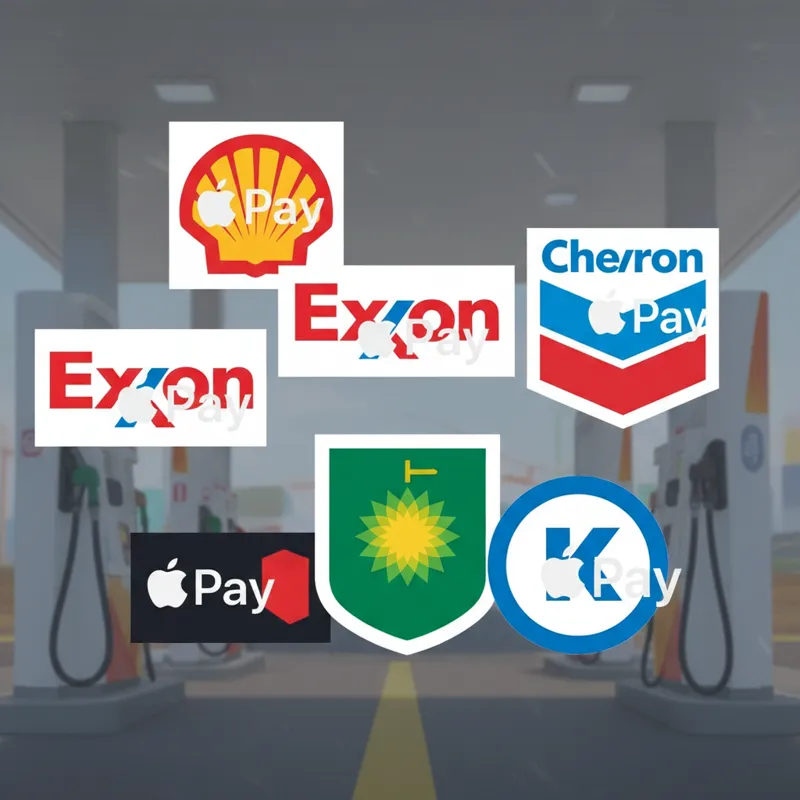
In 2026, a significant number of major fuel retailers across the United States have embraced Apple Pay, making it a reliable option for many drivers. However, it’s important to remember that acceptance can sometimes vary by individual station location, especially for independently owned franchises, and the specific equipment installed at each pump. Always look for the Apple Pay or contactless payment symbol (four curved lines) on the pump or payment terminal. Here’s a breakdown of some of the most prominent chains and how they generally handle Apple Pay:
Chevron and Texaco
These sister brands have been pioneers in mobile payment adoption. Many Chevron and Texaco stations offer direct tap-to-pay at the pump. Additionally, their Techron Advantage® Credit Card app and the Chevron/Texaco mobile app allow users to pay for fuel from their car. You can link your Apple Pay account within their app, select your pump number, and authorize the payment securely. This method is particularly useful if the physical NFC reader at the pump isn’t working or isn’t present.
ExxonMobil
ExxonMobil has widely adopted mobile payments through its Speedpass+ app. While some newer pumps may offer direct tap-to-pay, the most consistent way to use Apple Pay at Exxon and Mobil stations is through the Speedpass+ app. You link your preferred payment method, including Apple Pay, to the app. Once at the pump, you open the app, select your pump number, and authorize the transaction. This also often integrates with their Exxon Mobil Rewards+ program.
Shell
Shell has been a strong proponent of mobile payment for years. Most Shell stations offer Apple Pay compatibility either directly at the pump’s NFC reader or, more commonly and reliably, through the Shell Pay & Save app (formerly Shell Fuel Rewards app). By setting up Apple Pay as your payment method within the app, you can initiate fueling from your vehicle, often unlocking discounts from their Fuel Rewards program.
BP and Amoco
BP and Amoco stations largely support Apple Pay through their BPme Rewards app. Similar to other brand-specific apps, you link your payment method to the BPme app. At the station, you simply open the app, enter your pump number, and confirm the transaction. This method is designed to integrate seamlessly with their rewards program, allowing you to save money on fuel purchases.
Circle K and Couche-Tard
As one of the largest convenience store chains, Circle K (and its parent company Couche-Tard) has made significant strides in accepting Apple Pay, both inside the store and at many of their fuel pumps. Their widespread adoption makes them a reliable choice for contactless payments. Look for the NFC symbol directly on the pump payment terminal.
QuikTrip
Known for its modern facilities and technology, QuikTrip is generally very good about accepting Apple Pay. Most QuikTrip locations, both at the pump and inside the store, have NFC-enabled terminals. This makes it a straightforward tap-and-go experience.
7-Eleven
7-Eleven, with its vast network of convenience stores and fuel stations, has been steadily rolling out Apple Pay acceptance. While acceptance at the pump can still be location-dependent, most newly upgraded terminals and virtually all in-store POS systems are NFC-enabled, meaning you can typically use Apple Pay inside for snacks, drinks, and other purchases, even if the pump isn’t yet set up for it. They also have their 7Rewards app which may facilitate payment.
Wawa and Sheetz
These regional powerhouses, particularly strong in the Mid-Atlantic and Southeast, are well-regarded for their customer service and technological integration. Both Wawa and Sheetz widely accept Apple Pay at their fuel pumps and inside their stores. They are often among the most reliable options for a quick, contactless transaction.
Costco Gas
Costco gas stations, which are exclusive to members, generally accept Apple Pay. This is particularly convenient as they often have competitive fuel prices. Just like inside the warehouse, you can typically tap your iPhone or Apple Watch at the pump. This is a big plus for Costco members looking for fast, secure payment.
Kwik Trip / Kwik Star
Dominant in the Midwest, Kwik Trip (known as Kwik Star in Iowa) has also adopted Apple Pay widely. Their pumps and in-store terminals are typically equipped with NFC readers, providing a smooth experience for customers who prefer mobile payments.
How Apple Pay Works at the Gas Pump: Two Main Methods
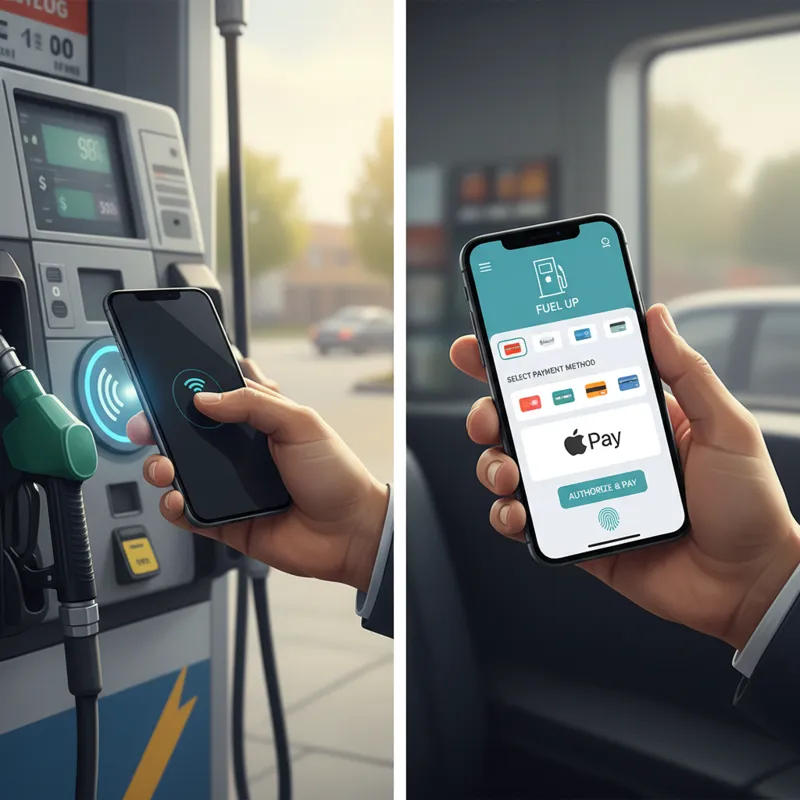
Using Apple Pay for fuel purchases generally boils down to two distinct methods. Understanding these will help you navigate different gas station setups efficiently.
Method 1: Direct Tap-to-Pay (NFC) at the Pump
This is the most straightforward and often preferred method. It mimics how you’d use Apple Pay at a grocery store terminal.1. Look for the Symbol: Ensure the pump has the universal contactless payment symbol (four curved lines) or the Apple Pay logo itself on the payment terminal.2. Activate Your Card: Before you even get out of your car, or as you approach the pump, double-click the side button on your iPhone (or the digital crown on your Apple Watch) to bring up your default card in Apple Wallet.3. Authenticate: Authenticate with Face ID, Touch ID, or your passcode.4. Tap and Pay: Hold the top of your iPhone or the face of your Apple Watch near the contactless reader on the pump. You’ll usually hear a chime and see a checkmark on your device, confirming the payment information has been sent.5. Follow Pump Prompts: The pump screen will then typically ask you to select your fuel grade and begin fueling. The pre-authorization amount (a temporary hold on your card) will be handled automatically. This method is fast, secure, and eliminates the need to touch shared keypads or insert your card, greatly reducing the risk of skimming devices.
Method 2: Using the Station’s Mobile App with Apple Pay Integration
Many major gas station brands have developed their own mobile apps that integrate with Apple Pay. This method offers convenience, often provides access to loyalty programs, and can sometimes be more reliable if a physical NFC reader at the pump is older or malfunctioning.1. Download and Set Up: Download the specific gas station’s app (e.g., Shell Pay & Save, BPme Rewards, Speedpass+, Chevron/Texaco).2. Link Apple Pay: Within the app’s payment settings, add or select Apple Pay as your preferred payment method. This usually involves authenticating with your device.3. At the Pump: When you arrive at the station, open the app. The app will typically use your phone’s location services to identify the station.4. Select Pump and Fuel: Enter your pump number into the app and select your fuel grade.5. Authorize Payment: The app will prompt you to confirm the payment using Apple Pay. You’ll authenticate with Face ID, Touch ID, or your passcode on your device.6. Begin Fueling: Once authorized, the app will send a signal to the pump, allowing you to lift the nozzle and start fueling. This app-based approach can also offer perks like loyalty points or discounts that might not be available with direct tap-to-pay. When considering a car stereo with Apple CarPlay, you might appreciate how mobile apps seamlessly integrate your digital life, including payment, into your driving experience, though fuel payment is typically handled directly on the phone or watch, not through the CarPlay interface itself.
Things People Usually Miss About Apple Pay at Gas Stations
Even with widespread adoption, some common misconceptions or overlooked details can trip up users trying to pay with Apple Pay at the pump. Being aware of these can save you time and frustration.1. “Accepting Apple Pay” Doesn’t Always Mean “At the Pump”: This is perhaps the most significant point of confusion. A gas station might have NFC readers inside the convenience store for purchases like snacks or drinks, but older or less-upgraded pumps outside might not have the capability. Always verify the contactless symbol directly on the pump.2. Not All Pumps Are Equal: Even at a station that generally accepts Apple Pay, it’s possible that one or two specific pumps might have a malfunctioning NFC reader or older hardware. If one pump isn’t working, it’s worth trying an adjacent one before giving up.3. Pre-Authorization Holds: Just like with physical credit cards, using Apple Pay at the pump often triggers a pre-authorization hold on your account. This is a temporary charge (e.g., $75, $100, or more) that ensures you have sufficient funds. The actual amount for your fuel purchase will be charged later, and the hold will be released, but it can temporarily reduce your available balance. This isn’t specific to Apple Pay but is common to all pay-at-the-pump transactions.4. Rewards Programs and Apple Pay: While Apple Pay is convenient, it doesn’t automatically enroll you in a station’s loyalty program. If you want to earn rewards, you usually need to either:
- Use the station’s dedicated app (which often has Apple Pay integrated).
- Scan a separate loyalty card or enter a phone number before tapping to pay.
- Link your loyalty card to your payment method within the station’s app. Don’t assume tapping your card via Apple Pay will automatically apply your discounts.5. Device Compatibility and Software Updates: Ensure your iPhone or Apple Watch is running a recent version of iOS or watchOS. Outdated software can sometimes lead to connectivity issues with payment terminals. Also, ensure your Apple Wallet cards are active and not expired.6. The Role of Your Bank: While Apple Pay itself is a secure payment method, the underlying card is still issued by your bank. If a transaction is declined, it’s almost always an issue with the card (e.g., insufficient funds, fraud alert, daily limit) rather than Apple Pay itself.7. In-App vs. Direct Tap Prioritization: Some stations might prefer you use their app, as it offers them more data and control over the customer experience. If you have trouble with a direct tap, trying the station’s app might be a more robust solution, assuming you have it downloaded and set up. Understanding these nuances helps you use gas stations with Apple Pay more effectively, ensuring a smoother and more predictable fueling experience.
Security and Convenience: Why Apple Pay Matters for Fuel
The appeal of using Apple Pay at the gas pump goes beyond simple convenience; it’s fundamentally about enhanced security and efficiency.
Protection Against Skimmers
Gas pumps are notorious targets for credit card skimmers. These illicit devices, often cleverly disguised, can capture your card information and PIN when you swipe or insert your physical card. When you use Apple Pay, your physical card never leaves your wallet, and you don’t even need to touch the card reader. The transaction occurs wirelessly via NFC, and your actual card number is never transmitted. Instead, a unique, encrypted “device account number” and a dynamic transaction-specific security code are used. This tokenization makes it incredibly difficult for fraudsters to intercept usable payment data, virtually eliminating the threat of pump skimmers. This is a significant security upgrade for consumers, protecting their financial information from compromise. The FTC regularly warns consumers about skimmer fraud, highlighting the value of contactless payment methods.
Enhanced Data Security
Beyond skimmers, Apple Pay adds multiple layers of digital security. Each transaction requires authentication via Face ID, Touch ID, or your device passcode, ensuring that only you can authorize payments. Furthermore, your card details are never stored on Apple’s servers or shared with the merchant. This means even if a merchant’s system is breached, your primary card information remains protected.
Speed and Efficiency
Time is a precious commodity, and Apple Pay streamlines the fueling process. Instead of swiping, waiting for authorization, perhaps re-inserting a chip card, and then removing it, a quick tap is all it takes. This cuts down transaction times, reduces lines at busy pumps, and gets you back on your journey faster. The entire process, from authentication to transaction complete, often takes mere seconds.
Reduced Physical Contact
Especially relevant in recent years, the ability to pay without touching shared keypads or terminals offers a hygienic benefit. Your device is personal to you, and contactless payment minimizes the need to interact with publicly used surfaces at the pump. When considering the long-term maintenance of your vehicle, from replacing a car hood cover to regular oil changes, the financial transactions involved can add up. Secure payment methods like Apple Pay make managing these expenditures safer and more convenient.
Troubleshooting Common Apple Pay Issues at the Pump
While Apple Pay is generally reliable, you might occasionally encounter issues. Here’s how to troubleshoot some common problems:
- “No Reader Found” or Transaction Declined (NFC Issue): * Check for NFC Symbol: Double-check that the pump actually has the contactless symbol. If not, it won’t work.
- Proper Positioning: Ensure you’re holding your iPhone or Apple Watch very close to the center of the NFC reader. Sometimes, a slight repositioning is all it takes.
- Device Authentication: Confirm you’ve authenticated the payment on your device (Face ID/Touch ID/passcode) before tapping.
- Try Another Pump: As mentioned, sometimes a specific reader might be faulty. Move to a different pump if possible.
- Restart Device: A quick restart of your iPhone or Apple Watch can sometimes resolve minor software glitches.
- Use the Station’s App: If direct tap-to-pay isn’t working, try using the gas station’s dedicated app if they have one. This often provides a more robust connection.
- Transaction Declined (Card Issue): * Check Card in Wallet: Verify that the card selected in Apple Pay is active, not expired, and has sufficient funds.
- Contact Your Bank: If your card continues to be declined, it’s almost certainly an issue with the card itself, not Apple Pay. Call your bank to inquire about potential fraud alerts or daily spending limits.
- Try a Different Card: If you have multiple cards in Apple Wallet, try using a different one.
- App Glitches (for App-based Payment): * Update App: Ensure the gas station’s app is updated to its latest version.
- Restart App: Force-close and reopen the app.
- Check Internet Connection: Make sure your phone has a strong cellular or Wi-Fi connection, as the app needs to communicate with the station’s system.
- Re-link Apple Pay: In rare cases, removing and re-adding Apple Pay as a payment method within the station’s app can resolve issues.
- Older Pumps: * Some very old pumps simply cannot be upgraded to accept contactless payments. In these instances, your only options are a physical card or paying inside the convenience store. Be prepared with an alternative payment method. Being patient and systematic in your troubleshooting can usually resolve most issues quickly.
The Future of Mobile Payments in Fuel Retail
The trajectory for mobile payments in the fuel sector points towards continued growth and deeper integration. As vehicle technology advances, we’re likely to see even more seamless payment experiences. Automakers are increasingly integrating payment capabilities directly into vehicle infotainment systems. While not currently direct for Apple Pay at the pump, services like those offered through certain vehicle manufacturer apps allow you to initiate fuel purchases from your dashboard, which can then link to your preferred digital wallet. This “car-as-payment-device” trend is set to expand, further blurring the lines between the car, your phone, and the payment terminal. The rise of electric vehicles (EVs) also presents a new frontier for mobile payments. EV charging stations are rapidly adopting contactless payment methods, including Apple Pay, to simplify the charging process. As EV infrastructure expands, the expectation for quick, secure, and app-driven payment will only grow, mirroring the convenience sought at traditional gas stations with Apple Pay. For those navigating complex vehicle transactions, like understanding can I trade in a financed car, simplifying everyday tasks like fueling with Apple Pay provides a welcome bit of modern convenience. The industry is moving towards a future where your car, phone, and payment system are all deeply intertwined, making fueling and charging effortless.
Frequently Asked Questions About Apple Pay at Gas Stations
Here are some common questions people ask about using Apple Pay for fuel:
Is Apple Pay accepted at all gas stations in the US?
No, not all gas stations currently accept Apple Pay, especially older or independently owned locations. However, acceptance is widespread among major chains and continues to grow. Always look for the contactless payment symbol on the pump or payment terminal.
Can I earn gas rewards or loyalty points when using Apple Pay?
Yes, often you can. If you’re using a gas station’s dedicated app (like BPme, Shell Pay & Save, or Speedpass+), your loyalty program is typically integrated, and using Apple Pay through the app will apply your rewards. If paying directly at the pump, you might need to scan your loyalty card or enter your phone number before tapping to pay with Apple Pay.
Is Apple Pay safer than using a physical credit card at the pump?
Yes, significantly so. Apple Pay uses tokenization and requires Face ID, Touch ID, or a passcode for authentication. This means your actual card number is never transmitted, and you avoid the risk of physical card skimmers prevalent at some gas pumps.
What if my iPhone battery dies while I’m at the pump?
If your device battery is dead, you won’t be able to use Apple Pay. It’s always a good idea to have a backup payment method, such as a physical credit card or cash, available.
Are there any extra fees for using Apple Pay at a gas station?
No, there are no additional fees for using Apple Pay itself. The transaction processes just like a regular credit or debit card payment, and you’ll be charged the same amount as if you used your physical card.
Can I use Apple Pay for diesel fuel as well as regular gasoline?
Yes, Apple Pay functions for any type of fuel offered at the pump, including various grades of gasoline and diesel, as long as the pump accepts contactless payments.
What’s the difference between using Apple Pay at the pump and inside the store?
Often, gas stations have upgraded their in-store payment terminals to accept Apple Pay before upgrading all their individual fuel pumps. So, you might find you can pay for snacks inside with Apple Pay, but still need to use a physical card or an app to pay for gas at the pump. Always check the pump first.