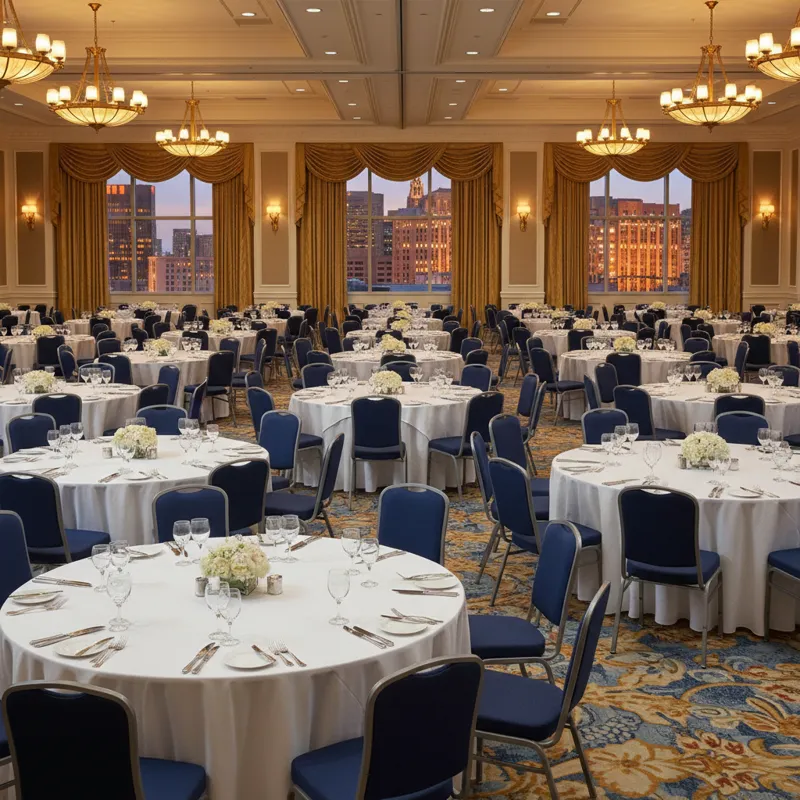
If you’re looking for large round dining table sets, finding a quality 70 round table can be a significant undertaking. This isn’t just another piece of furniture; it’s a centerpiece, a gathering hub, and a substantial investment for your home or professional space. A 70-inch round table occupies a unique niche, offering a generous surface area while maintaining the inherent intimacy and conversational flow that only a circular design can provide. It’s a dimension that speaks to hosting, comfort, and a certain grandeur, but it also comes with specific considerations regarding space, style, and practicality.
Understanding the Footprint of a 70 Round Table
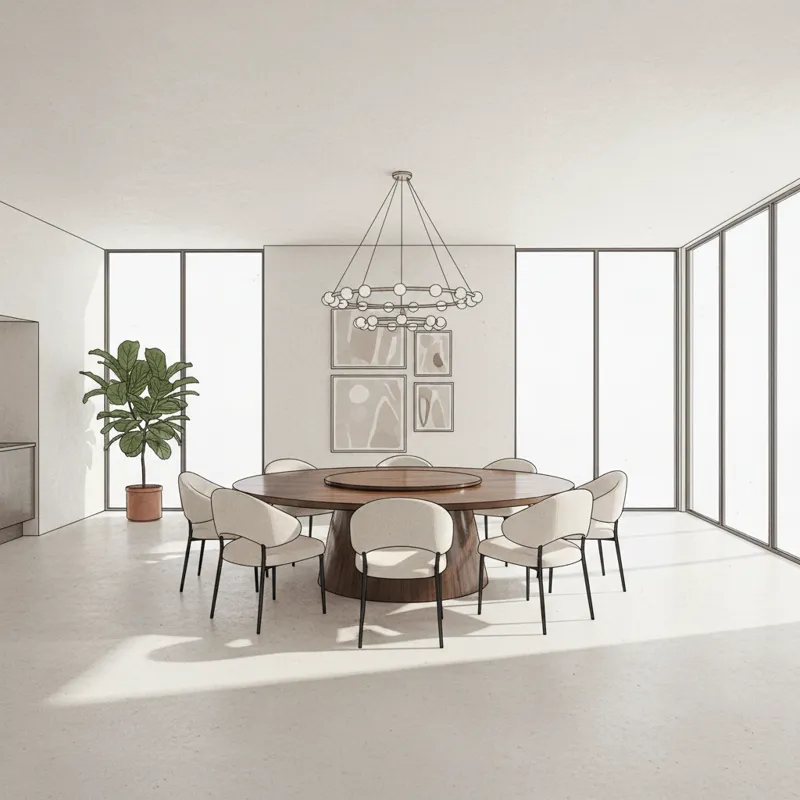
Before you even consider aesthetics, the most critical factor for any large furniture piece is its footprint. A 70-inch round table isn’t just 70 inches in diameter; you need to account for chair push-back space and traffic flow.
How Much Space Does a 70-Inch Round Table Really Need?
For comfortable seating and movement around a dining table, a general rule of thumb suggests leaving at least 36 to 48 inches of clearance between the edge of the table and any walls or other furniture. For a 70-inch round table, which translates to a diameter of nearly 6 feet, this means your room needs to accommodate a circular area approximately 10 to 12 feet in diameter.
- Table Diameter: 70 inches (approx. 5 feet 10 inches)
- Minimum Clearance (each side): 36 inches (3 feet)
- Total Room Width/Length Required: 70 inches + 36 inches (push-back) + 36 inches (push-back) = 142 inches (approx. 11 feet 10 inches).
So, ideally, your dining area should be at least 12 feet by 12 feet to comfortably house a 70 round table and allow guests to move freely. If your space is smaller, you might find the room feels cramped, or traffic flow becomes a persistent issue.
Seating Capacity: Who Sits Where?
A 70-inch round table comfortably seats 8 to 10 people, making it an excellent choice for larger families or those who frequently entertain. The circular design naturally encourages conversation among all guests, rather than creating separate groups at the ends of a rectangular table.
- Comfortable Seating (Standard Chairs): 8 people. This allows ample elbow room and space for placemats and dishes.
- Maximum Seating (Tighter Fit, Slimmer Chairs): 10 people. This can feel a bit snug, especially if you’re using armchairs or larger dining chairs.
When selecting chairs, consider their width. Wider chairs will reduce the effective seating capacity and might make the table feel more crowded. If you’re aiming for 10 seats, opting for armless, slimmer chairs becomes crucial.
Choosing the Right Material for Your 70 Round Table
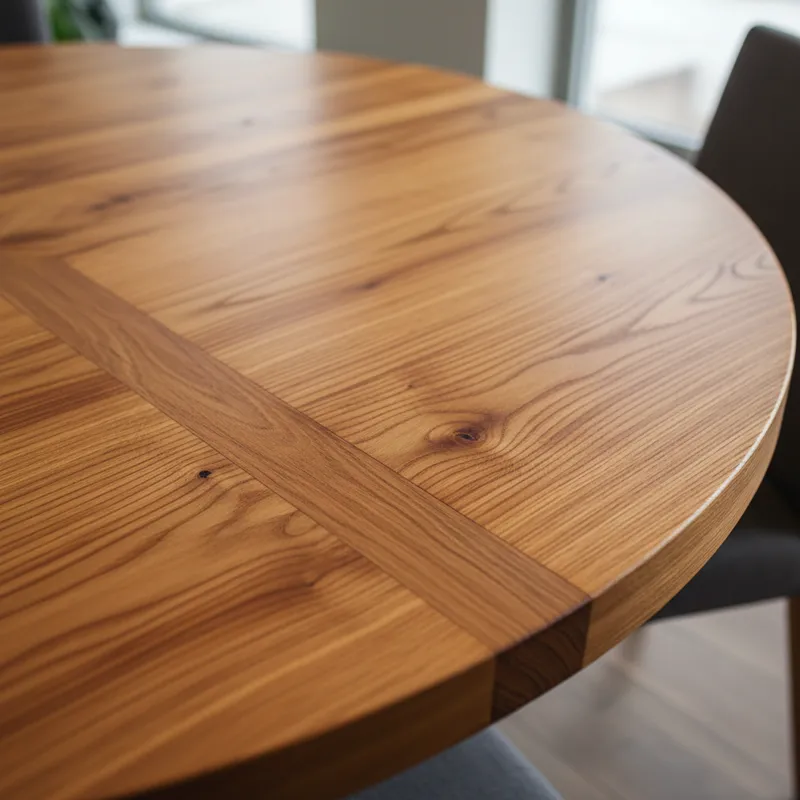
The material you choose profoundly impacts the table’s durability, maintenance, aesthetic, and overall cost. For a piece as substantial as a 70 round table, material choice isn’t just decorative; it’s a foundational decision.
Solid Wood: Timeless Appeal and Robustness
Solid wood remains a perennial favorite for its natural beauty, warmth, and ability to withstand decades of use. Different wood species offer unique grains, colors, and hardness levels.
- Oak: Known for its prominent grain and exceptional durability. It’s resistant to dents and scratches, making it a practical choice for busy households. Oak can be stained in various finishes, from light natural tones to dark espresso.
- Walnut: Offers a rich, dark brown color with beautiful, often intricate grain patterns. Walnut is a premium wood, prized for its elegance and strength, though it typically comes at a higher price point.
- Maple: A very hard, fine-grained wood that’s lighter in color and incredibly durable. It takes stains evenly, allowing for a wide range of looks, from modern to traditional.
- Mahogany: Features a reddish-brown hue that deepens with age, offering a classic, sophisticated aesthetic. It’s a strong, stable wood, often used in formal dining settings.
Keep in mind that solid wood tables require specific care to prevent warping or cracking due to humidity fluctuations. Regular dusting and occasional polishing are also essential to maintain their luster. For more specific insights into wood types, resources like Wikipedia’s article on wood finishing can offer detailed information on care and aesthetics.
Glass: Modern Elegance and Lightness
A glass 70 round table offers a contemporary, airy feel. Its transparency can make a large table seem less visually imposing in a room, reflecting light and creating an open atmosphere.
- Tempered Glass: This is the standard for furniture due to its safety. If it breaks, it shatters into small, blunt pieces, reducing the risk of injury.
- Thickness: For a 70-inch top, you’ll want a substantial thickness, usually 1/2 inch or 3/4 inch, to ensure stability and perceived quality. Thinner glass can look flimsy.
While elegant, glass surfaces show fingerprints, smudges, and scratches more readily than wood. They also tend to be louder when objects are placed on them. If you’re considering a clear round dining table, remember that its transparency means everything beneath it, including the table base and the floor, becomes part of its visual presentation.
Stone (Marble, Quartz, Granite): Luxury and Durability
Stone tops, particularly marble, quartz, or granite, lend an unparalleled sense of luxury and permanence. They are incredibly durable and heat resistant, making them practical for dining.
- Marble: Famous for its distinctive veining and sophisticated look. It’s porous and can stain easily if not sealed regularly, and it’s also susceptible to etching from acidic foods.
- Quartz: An engineered stone that combines quartz particles with resins. It’s non-porous, highly resistant to stains, scratches, and heat, and offers a consistent pattern. It’s often a more practical alternative to natural marble.
- Granite: A very hard, durable natural stone, less porous than marble. It offers a wide range of colors and patterns and is excellent for high-use surfaces.
Stone tables are exceptionally heavy, requiring a robust base and potentially specialized moving equipment. They also come at a premium price point.
Metal: Industrial Chic and Strength
Metal tables, often with steel or iron bases and sometimes metal tops (or metal-framed glass/wood tops), bring an industrial, minimalist, or contemporary edge. They are highly durable and easy to clean.
- Stainless Steel: Offers a sleek, modern look, is highly corrosion-resistant, and simple to maintain.
- Wrought Iron: Provides a more traditional or rustic feel, often with decorative bases. It’s incredibly strong but can be heavy.
Metal tops can be prone to scratching or showing fingerprints, depending on the finish. They also transfer heat and cold readily, which might be a consideration for dining.
Styling Your 70 Round Table: From Modern to Traditional
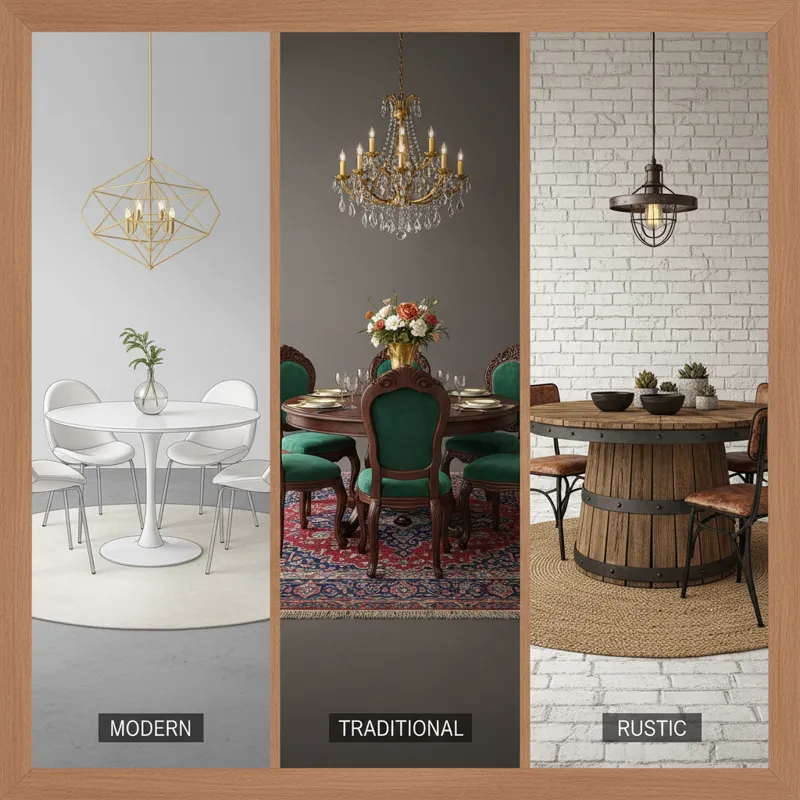
The style of your 70 round table should complement your existing decor and the overall ambiance you want to create in your space. This large piece will undoubtedly be a focal point, so its design language matters.
Modern and Contemporary
Look for clean lines, minimalist bases (e.g., single pedestal, cross base), and materials like glass, metal, or light-colored woods with simple finishes. Chairs often feature sleek profiles, sometimes upholstered in leather or contemporary fabrics, or made from molded plastics or slender metals.
A clear round dining table, for instance, paired with ghost chairs, can enhance a modern aesthetic, making the large footprint feel less heavy. Simplicity and functionality are key here.
Traditional and Classic
Opt for rich, dark woods like mahogany or walnut, often with carved bases or intricate details. Pedestal bases are common in traditional designs, providing a stately appearance. Chairs might be upholstered in damask or velvet, with ornate carvings or Queen Anne legs. The focus is on enduring elegance and craftsmanship.
Rustic and Farmhouse
Embrace natural, often distressed wood finishes like reclaimed oak or a pine circular dining table. Exposed wood grain, imperfections, and sturdy, often chunky bases are characteristic. Chairs can be simple wooden designs, Windsor style, or benches. The aesthetic is about warmth, comfort, and a connection to natural materials.
Transitional
This style blends elements of both traditional and modern. You might see a classic wooden top with a more contemporary, less ornate base, or vice versa. It’s about creating a harmonious balance that feels fresh yet timeless. This approach offers flexibility and longevity in design.
Things People Usually Miss When Buying a 70 Round Table
Purchasing a large furniture piece like a 70 round table involves more than just measuring the room and picking a style. Many buyers overlook crucial practicalities that can significantly impact long-term satisfaction.
The Real “Push-Back” Space Needed for Chairs
We often measure the table and the distance to the wall, but forget about the space required for chairs to actually pull out and allow someone to sit down comfortably. A 36-inch clearance around the table is for someone to walk behind a seated person. For someone to comfortably pull out a chair and sit, you might need an additional 12-18 inches of temporary space, meaning you need to be able to pull a chair back into that 36-inch path.
This is critical in real-world scenarios. If your room is exactly 12×12 feet, it might feel fine when no one is sitting, but once chairs are occupied and pulled back, pathways can become impassable.
Acoustics in the Room
Large, open dining rooms, especially those with high ceilings or hard flooring, can create echo. A large, hard-surfaced 70 round table (especially glass or stone) can exacerbate this. Consider incorporating soft furnishings like area rugs, upholstered chairs, or wall art to absorb sound and create a more intimate atmosphere, enhancing the conversational benefit of a round table.
Delivery and Assembly Challenges
A 70-inch round table top, especially if it’s solid wood, stone, or thick glass, is incredibly heavy and often delivered in a very large, flat crate. Check your doorways, hallways, and stairwells for clearance. Most retailers offer professional delivery and assembly for large items for a reason – this is not a DIY job for one person, or even two, in many cases. Confirm these services and costs upfront.
Stability of the Base
For a table of this size and potential weight, the base’s stability is paramount. A single pedestal base needs to be exceptionally sturdy and well-weighted to prevent wobbling, particularly if guests lean on the edge. Look for heavy, wide bases, or consider cross bases (X-shaped) or dual pedestal designs for maximum stability. A poorly designed base for a 70 round table will lead to constant frustration.
Maintaining Your Investment: Care and Longevity
A 70-inch round table is a significant investment, and proper care ensures its beauty and functionality endure for years, if not decades.
Wood Table Care
- Wipe Spills Immediately: Liquid left on wood can stain or damage the finish.
- Use Coasters and Trivets: Protect against heat, moisture rings, and scratches.
- Dust Regularly: A soft, dry cloth prevents abrasive particles from scratching the surface.
- Avoid Direct Sunlight: Prolonged exposure can cause fading or cracking.
- Humidity Control: Maintain a stable humidity level in your home (ideally 40-50%) to prevent warping or cracking, especially with solid wood.
For more detailed information on wood furniture care, including how to handle scratches and stains, reputable sources like Better Homes & Gardens often provide useful guides.
Glass Table Care
- Clean with Glass Cleaner: Use a non-abrasive glass cleaner and a microfiber cloth to prevent streaks and scratches.
- Avoid Abrasive Materials: Never use scourers or harsh chemicals.
- Protect from Impacts: While tempered, heavy impacts on edges can still cause damage.
Stone Table Care
- Seal Regularly (Marble, Granite): Consult your manufacturer or a stone specialist for sealing recommendations, typically every 6-12 months for marble.
- Clean with pH-Neutral Cleaners: Avoid acidic or abrasive cleaners that can etch or dull the surface.
- Wipe Spills Immediately: Especially acidic liquids on marble, to prevent etching.
Frequently Asked Questions About 70 Round Tables
Here are some common questions people ask when considering a 70-inch round table.
How many chairs can you fit around a 70-inch round table?
A 70-inch round table comfortably seats 8 people. With slimmer chairs and a tighter arrangement, you can often fit up to 10 people, though this will reduce individual elbow room.
What is the minimum room size for a 70-inch round dining table?
You should ideally have a room that is at least 12 feet by 12 feet (or roughly 142 inches by 142 inches) to comfortably accommodate a 70 round table with adequate space for chairs to be pulled out and for people to walk around.
Are 70-inch round tables good for conversation?
Yes, round tables are excellent for conversation because they eliminate the “head of the table” and allow everyone to see and interact with each other more easily. A 70 round table maintains this intimacy even with a larger group.
What are the pros and cons of a 70 round dining table?
- Pros: Excellent for conversation, aesthetically pleasing, no “corners” to bump into, can seat many people.
- Cons: Requires a significant amount of floor space, can be very heavy and challenging to move or assemble, large center can be difficult to reach for serving dishes without a Lazy Susan.
Can a 70-inch round table be used in an open-concept living space?
Absolutely. In an open-concept layout, a large round table can serve as a natural focal point, anchoring the dining area without blocking sightlines or breaking up the flow of the room as much as a rectangular table might. Just ensure you still respect the necessary clearance around it for pathways.
How does a 70-inch round table compare to other round dining table sizes?
When considering other round dining table sizes, a 70-inch table is on the larger end of standard residential options. A 48-inch table seats 4-6, a 60-inch seats 6-8. The 70-inch really steps up to comfortably accommodate 8-10, making it a choice for serious entertainers or larger households. For context, tables typically go up to 84 inches or more for truly massive spaces.
Where can I find reputable retailers for a 70-inch round table?
Major furniture retailers, both online and brick-and-mortar, will carry tables of this size. High-end design stores and custom furniture makers are also excellent sources, especially if you have specific material or finish requirements. Always check customer reviews, warranty policies, and return procedures before making such a significant purchase. Resources like Forbes Home & Garden section sometimes review furniture retailers or offer buying guides that can point you towards reputable sources.
Choosing a 70 round table means opting for a piece of furniture that’s as much a statement as it is functional. With careful consideration of space, materials, and styling, this impressive table can become the heart of your home or professional setting for years to come.