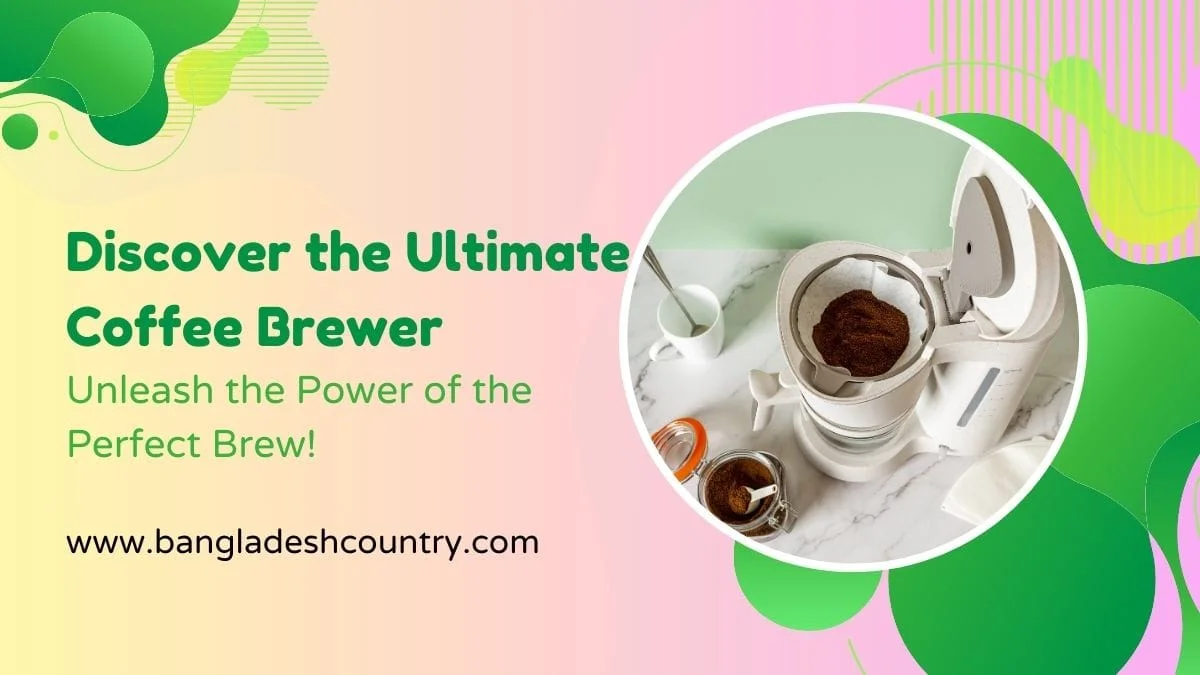
The hunt for the perfect home coffee brewer can feel endless. You’re staring at a wall of stainless steel, glass, and plastic, with price tags ranging from a cheap lunch to a monthly car payment. One box promises a “gourmet experience” in 60 seconds, while another looks like a chemistry set that demands your undivided morning attention. The truth is, the “ultimate” coffee brewer isn’t a single machine. It’s the one that flawlessly fits your life, your budget, and the way you actually want to drink coffee. It’s about matching the tool to the job—whether that job is a frantic, caffeine-fueled exit on a Tuesday morning or a slow, ritualistic pour on a quiet Sunday. This guide is built to help you navigate the noise, understand the mechanics of what makes a great brew, and finally discover the ultimate coffee brewer for your kitchen counter.
First, Let’s Define “Ultimate” — It’s Not What You Think
The word “ultimate” implies a single winner, a champion that beats all others. In the world of coffee, that’s a myth. The brewer that your coffee-snob friend swears by might be a frustrating dust collector for you. To discover the ultimate coffee brewer for your home, you need to be honest about your priorities. We can break them down into four key factors.
Convenience: How much work are you willing to do?
This is the most critical question. Are you a “press one button and walk away” person, or do you find joy in the process? There’s no right answer. Maximum convenience is a single-serve pod machine. Maximum control and involvement is a manual pour-over. Most people fall somewhere in between, which is where automatic drip machines shine.
Control: Do you want to be a barista or a consumer?
Control is about dialing in the variables: water temperature, brew time, and the way water contacts the coffee grounds. Manual methods like pour-over and AeroPress give you near-total control, allowing you to tweak your recipe for each specific bean. High-end automatic machines are starting to offer this, but most are designed for consistency over customization.
Capacity: Are you brewing for one or for a crowd?
A 12-cup drip machine is inefficient and wasteful if you live alone. A French press might be perfect for you and a partner but frustrating when you have guests over for brunch. Consider your daily needs versus your occasional needs. Some brewers, like the AeroPress, are strictly single-serving, while others offer flexibility.
Cost: What’s your budget for the machine and the ongoing expense?
The initial purchase price is only part of the story. A pod machine might seem cheap upfront, but the cost per cup is significantly higher than using whole beans. A high-end espresso machine is a major investment, but it can save you thousands over a few years if it replaces a daily $6 latte habit.
The Main Contenders: A Breakdown of Coffee Brewing Methods in 2026
Understanding how each type of machine works is the key to knowing what kind of coffee it will produce. The brewing method dictates everything from the body and clarity to the flavor notes you’ll taste in the final cup.
Automatic Drip Coffee Makers: The American Classic, Evolved
This is the workhorse of the American kitchen. Water is heated in a reservoir and dripped through a “showerhead” over a bed of coffee grounds in a filter basket. Gravity does the rest. The best models, particularly those certified by the Specialty Coffee Association (SCA), have solved the historical problems of this method: they heat water to the optimal range (195-205°F) and distribute it evenly for a balanced extraction. They’re the sweet spot of convenience and quality for most people.
- Taste Profile: Clean, balanced, and incredibly consistent. A great daily driver.
- Best For: Busy mornings, families, anyone who wants good coffee without thinking too much about it.
Pour-Over: The Ritual of Precision
Pour-over is the ultimate hands-on method. You manually pour hot water from a gooseneck kettle over the coffee grounds in a cone-shaped dripper. You control the speed, the pattern, and the timing of the pour. This direct control allows you to highlight the delicate, nuanced flavors of single-origin beans. The quality of your coffee filter is also crucial here, as it affects flow rate and flavor clarity.
- Taste Profile: Exceptionally clean, bright, and aromatic. Often described as “tea-like” in its clarity.
- Best For: Coffee hobbyists, weekend mornings, and anyone who enjoys a meditative, hands-on process.
Single-Serve Pod Brewers (Keurig, Nespresso, etc.): The Speed Kings
The appeal is undeniable: pop in a pod, press a button, and get coffee in under a minute. These machines work by puncturing the pod and forcing hot, pressurized water through it. While Keurig (using K-Cups) produces something closer to standard drip coffee, Nespresso’s system uses finer grounds and higher pressure to create a concentrated, espresso-like shot. The trade-off for this speed is often in flavor complexity and environmental waste, though reusable pods are now widely available.
- Taste Profile: Highly consistent but often one-dimensional. Nespresso offers a richer, more intense flavor.
- Best For: Maximum convenience, offices, single-person households, and those who want to try different flavors without commitment.
French Press: The Immersion Method
A French press is beautifully simple. Coarsely ground coffee is steeped in hot water for a few minutes (full immersion), then a plunger with a mesh filter is pressed down to separate the grounds from the liquid. Because it doesn’t use a paper filter, all the coffee oils remain in the final cup, creating a rich, heavy-bodied brew. The downside is the potential for fine sediment, or “silt,” at the bottom of your cup.
- Taste Profile: Rich, full-bodied, and robust with a velvety texture.
- Best For: Those who prefer a heavy, strong cup of coffee and don’t mind a little sediment.
Espresso & Super-Automatic Machines: The Cafe-at-Home Dream
True espresso requires forcing hot water through a tightly packed “puck” of finely ground coffee at very high pressure (typically 9 bars or more). This results in a concentrated, syrupy shot topped with a reddish-brown foam called crema. Semi-automatic machines give you control over the process, while “super-automatic” machines do everything—grind, tamp, brew, and even froth milk—at the touch of a button. They represent the peak of both performance and price.
- Taste Profile: Intense, concentrated, and complex. The foundation for lattes, cappuccinos, and other milk-based drinks.
- Best For: Espresso purists, latte lovers, and those with a premium budget who want an all-in-one beverage solution.
What Most People Get Wrong When Choosing a Coffee Brewer
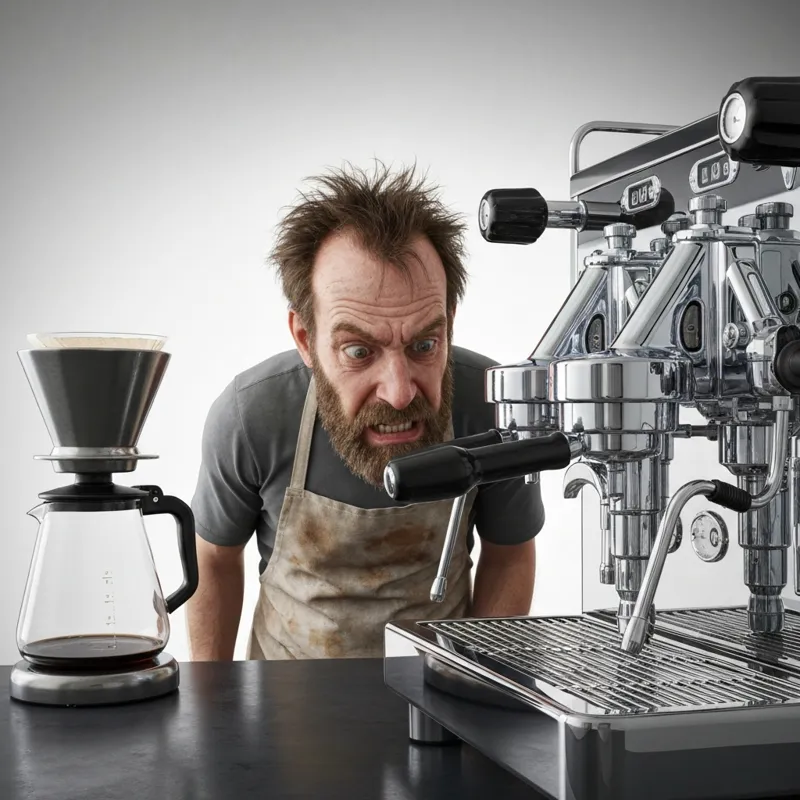
Navigating the market can be tricky, and a few common mistakes lead to buyer’s remorse. Avoiding these pitfalls is a huge step as you discover the ultimate coffee brewer for your needs.
Buying for Aspiration, Not Reality
That beautiful, manual-lever espresso machine looks incredible on the counter. But if you have 10 minutes to get out the door in the morning, it’s not the right tool. Be brutally honest about your lifestyle. A machine that delivers great coffee with minimal fuss will always be better than a “perfect” machine you never have time to use.
Ignoring Water Temperature and Distribution
This is the Achilles’ heel of cheap drip machines. Coffee extraction is a chemical process that works best between 195-205°F. Many budget brewers never get the water hot enough, resulting in sour, underdeveloped coffee. They also often use a single spout that dumps water in the center of the grounds, over-extracting the middle and under-extracting the edges. This is why looking for an SCA-Certified brewer is so valuable—it guarantees the machine meets these critical thermal and distribution standards.
Forgetting About Maintenance
Every coffee maker needs cleaning. Mineral scale from your water (limescale) will build up over time, affecting temperature and taste. Oily coffee residue will go rancid. Drip machines need periodic descaling. A French press needs to be thoroughly cleaned after each use. Super-automatic machines have complex internal brew groups that require regular rinsing and periodic deep cleaning. Factor this into your decision.
Thinking the Brewer is a Magic Bullet
This is the most important point: a world-class brewer cannot save bad coffee. The single biggest upgrade you can make to your coffee game isn’t the brewer; it’s a quality burr grinder. Using freshly ground, high-quality beans will have a more dramatic impact on your final cup than switching from a $50 machine to a $350 one.
Our Top Picks for 2026: Finding Your Ultimate Coffee Brewer
Here are some of the best-in-class models available in 2026, categorized by the lifestyle they serve best. This isn’t an exhaustive list, but it represents the top performers and benchmarks in each category. Choosing the right machine is a lot like choosing any kitchen tool; you wouldn’t use a small home oven when the job calls for the high-volume heating of a Blodgett convection oven, and the same principle of matching capacity and function applies here.
For the Busy Household: The Best Automatic Drip Machines
- Budget Champion: Braun BrewSense Drip Coffee Maker (KF6050). For under $100, you get reliability and, most importantly, a machine that brews at a consistently hot temperature. It’s simple, effective, and makes a great pot of coffee without any fuss.
- The Gold Standard: Technivorm Moccamaster KBGV Select. This Dutch-made machine has been the benchmark for decades for a reason. Its copper heating element gets water to the perfect temperature in seconds and a 9-hole spray arm ensures even saturation. It’s an investment, but it’s built to last a lifetime and is the definition of SCA-certified perfection.
- The Tech Choice: Breville Precision Brewer Thermal. For those who want drip convenience with manual-level control. You can adjust bloom time, water temperature, and flow rate to mimic different brewing styles. It’s the tinkerer’s dream machine.
For the Aspiring Barista: The Best Manual & Pour-Over Setups
- The Classic Icon: Hario V60. Its conical shape and large single hole allow for incredible control over the flow rate. It produces a supremely clean and bright cup and has a passionate global following. The learning curve is a bit steep, but the results are rewarding.
- The Forgiving Choice: Kalita Wave. Its flat-bottomed design and three small holes create a more even, consistent extraction bed, making it much more forgiving for beginners than the V60. It’s a fantastic entry point into the world of pour-over.
- The Versatile Traveler: AeroPress XL. This cult-favorite brewer uses a combination of immersion and air pressure to create a smooth, rich, and grit-free cup in about a minute. It’s incredibly versatile, durable, and perfect for both home use and travel.
For Ultimate Convenience: The Best Single-Serve & Super-Automatic Machines
- Best Pod System (Espresso-style): Nespresso VertuoPlus. Nespresso’s Centrifusion technology spins the capsule to extract flavor, creating a dense, crema-topped coffee that is the best you can get from a pod. It’s a fantastic, low-effort way to make espresso-like drinks.
- Best Pod System (K-Cup): Keurig K-Elite. If you’re committed to the vast K-Cup ecosystem, the K-Elite offers valuable features like a “Strong Brew” button for a more robust cup and an iced coffee setting. It’s fast, simple, and reliable.
- Entry Super-Automatic: De’Longhi Magnifica Evo. For around $700, this machine brings the bean-to-cup experience home. It grinds fresh beans for every cup, brews espresso, and has an integrated steam wand for frothing milk for lattes. It’s the gateway to the super-automatic world.
The Hidden Factors: Grinder, Water, and Beans
You can discover the ultimate coffee brewer, but without these three pillars, your coffee will never reach its potential. Think of it like cooking: the best oven in the world can’t fix bad ingredients.
- The Grinder: A quality burr grinder is non-negotiable for great coffee. Unlike blade grinders that smash beans into inconsistent dust, burr grinders mill them to a uniform size, which is critical for an even extraction. It is the single most important piece of coffee gear you can own. This is where you should spend your money first.
- The Water: Your coffee is over 98% water. If your tap water tastes bad, your coffee will taste bad. Using filtered water is an easy, game-changing step. According to the EPA, U. S. tap water is safe, but chlorine and other minerals can negatively impact flavor. A simple carbon filter pitcher is often enough.
- The Beans: Look for freshly roasted beans. Coffee is a perishable product, and its vibrant flavors fade weeks after roasting. Look for a “roasted on” date, not a “best by” date. As experts often note, buying from a quality local or online roaster who can tell you where the beans came from and when they were roasted is key.
Just as a busy restaurant might use a large-capacity commercial rice cooker to ensure consistency for hundreds of guests, using a good grinder and fresh beans ensures consistency and quality for every single cup you brew at home.
Frequently Asked Questions (FAQ)
How much should I spend on a coffee maker?
For a quality automatic drip machine, expect to spend between $80 and $350. Manual brewers like a V60 or French Press can be had for under $40. Good espresso machines start around $500 and go up dramatically from there. Don’t forget to budget at least $100 for a quality burr grinder.
Are expensive coffee makers worth it?
Yes, but only to a point. An expensive machine like a Technivorm Moccamaster is worth it because of its build quality, longevity, and ability to hold a precise temperature. This directly impacts flavor. For super-automatic espresso machines, a higher price often buys more convenience, automation, and drink variety, not necessarily a better-tasting shot of espresso.
Thermal carafe vs. glass carafe?
A thermal carafe is a double-walled, vacuum-insulated carafe that keeps coffee hot for hours without an external heat source. A glass carafe sits on a hot plate. That hot plate continues to “cook” the coffee, making it bitter and astringent over time. For taste, thermal is always superior.
How often should I clean my coffee machine?
You should rinse the carafe, filter basket, and any removable parts after every use. A full descaling process to remove mineral buildup should be done every 1-3 months, depending on your water hardness and how often you use the machine.
What does SCA Certified mean?
The Specialty Coffee Association (SCA) has a “Certified Home Brewer” program. For a machine to earn this certification, it must meet rigorous standards for water temperature, brewing time, and ability to brew within what’s called the “Golden Cup” ratio. It’s a reliable shortcut to finding a machine that performs its core function correctly.
Your journey to discover the ultimate coffee brewer ends when you find the machine that brings you joy and fits seamlessly into your daily routine. It’s not about chasing the most expensive or complex option. It’s about being honest about what you need, understanding the fundamentals of a good brew, and investing in a quality tool that will help you start every day on the right foot. Armed with this knowledge, you’re ready to make a confident choice and finally bring that perfect brew home.