
If you walk down the tea aisle of any American grocery store in 2026, you will likely see a box labeled “Orange Pekoe.” Many consumers instinctively reach for it, expecting a zesty, citrus-infused brew similar to an Earl Grey or a fruit blend. When they brew it and taste a robust, woody, straight black tea, the confusion sets in. This is the single most common misunderstanding in the Western tea market. Orange Pekoe is not a flavor; it is a system of geography and geometry.
To understand this tea is to understand the architecture of the tea leaf itself. It represents a standard of grading used primarily for teas originating from Sri Lanka (formerly Ceylon) and India. When you see this designation, you aren’t buying a specific recipe; you are buying a specific size and quality of leaf. Understanding this grading system unlocks a new level of appreciation for your morning cup, allowing you to predict the body, astringency, and caffeine delivery of your brew before the water even boils.
The “Orange” Myth: Decoding the Name
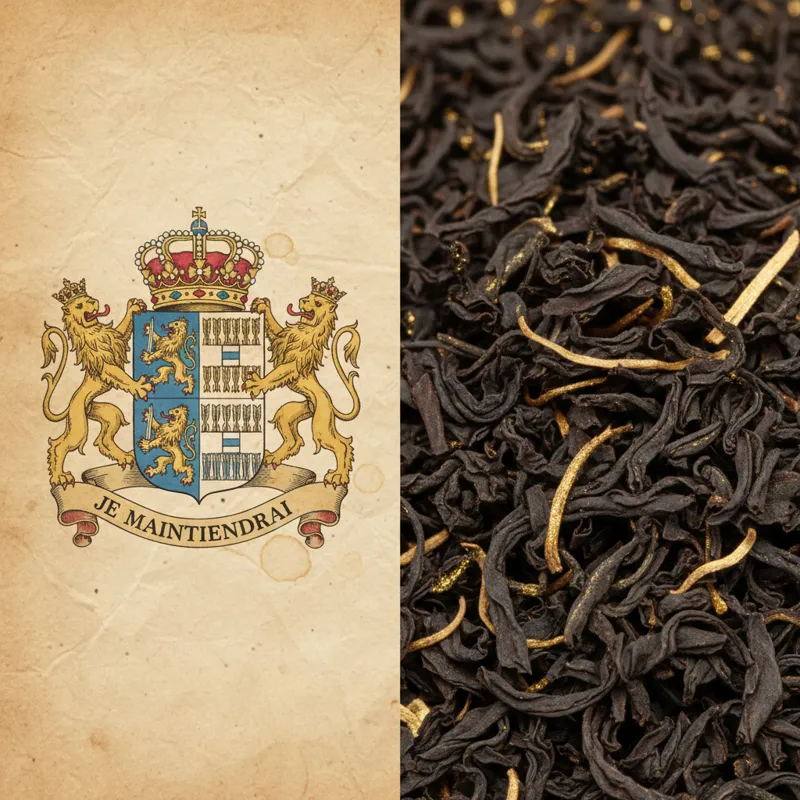
The first hurdle to clearing up the confusion is the name itself. If there are no oranges in the tea, where did the word come from? While historical records regarding tea nomenclature can sometimes be murky, the industry generally accepts two prevailing theories, and neither involves fruit. The term “Pekoe” is derived from the Chinese word pek-ho, referring to the white downy hairs found on the youngest, most delicate tea buds. These fine hairs are a marker of a leaf plucked early in the season, signaling tenderness and complexity. The “Orange” prefix is widely believed to be a marketing nod to the Dutch Royal House of Orange-Nassau. In the early days of the tea trade, the Dutch East India Company played a pivotal role in bringing tea to Europe. By branding their best leaves “Orange,” merchants implied a royal seal of approval. It was a branding exercise from the 1600s that managed to stick for centuries. Consequently, when you buy Orange Pekoe today, you are buying a “royal” grade of whole-leaf black tea, stripped of the lower-quality dust and fannings often found in budget bags.
The Grading Ladder: From Whole Leaf to Dust
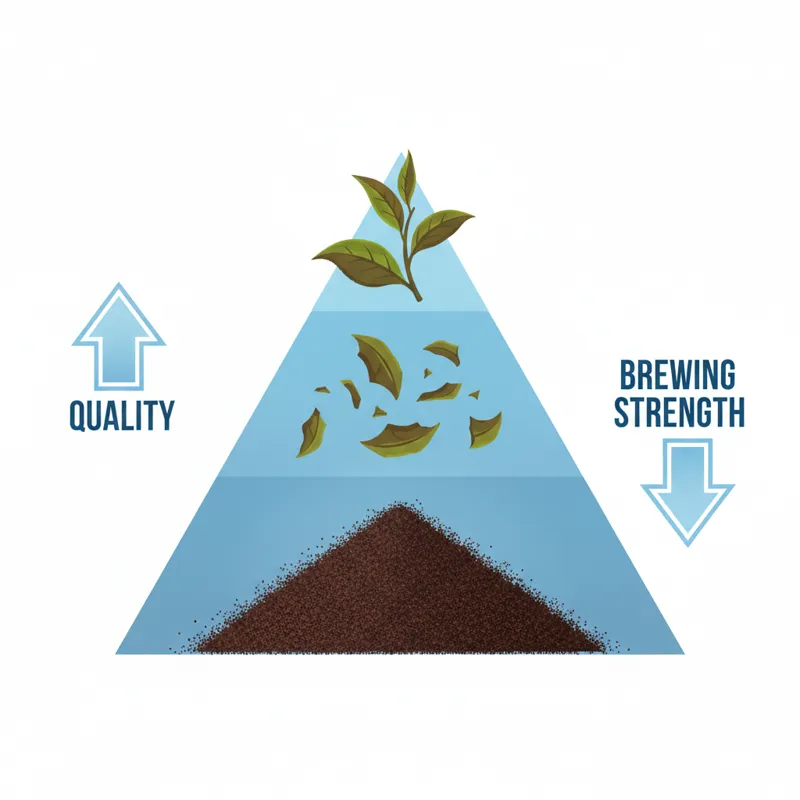
Tea grading relies on gravity and mesh screens. After tea leaves wither, roll, and oxidize, producers sift them through varied mesh sizes. The leaves that remain whole and sit at the top of the sorting pile receive the higher grades. This isn’t just about aesthetics; the surface area of the leaf dictates how the tea brews. Whole leaves (Orange Pekoe) release tannins and flavor compounds slowly, resulting in a nuanced, smooth cup with less immediate bitterness. Smaller particles (Dust or Fannings) possess a massive surface area relative to their volume, causing them to release flavor, color, and astringency almost instantly—perfect for a quick, strong builder’s tea, but often lacking subtlety. Here is the hierarchy you will likely encounter when shopping for premium loose leaf grades:
- OP (Orange Pekoe): The baseline for high-quality whole leaf tea. The leaves are long, pointed, and wiry. They do not contain tips (buds).
- FOP (Flowery Orange Pekoe): These leaves are high-quality and include a small amount of the tips or buds. “Flowery” refers to the bud, not a floral taste.
- GFOP (Golden Flowery Orange Pekoe): A higher ratio of golden tips exists here. The tips do not darken during oxidation, remaining golden yellow.
- TGFOP (Tippiest Golden Flowery Orange Pekoe): This grade contains a high proportion of golden tips and originates from high-quality estates.
- FTGFOP (Finest Tippiest Golden Flowery Orange Pekoe): Often jokingly referred to as “Far Too Good For Ordinary People,” this represents some of the finest production from regions like Darjeeling or Assam. Understanding these acronyms stops you from brewing blindly. If you seek a punchy, dark cup to wake you up, a “Broken Orange Pekoe” (BOP) might actually serve you better than a delicate whole leaf.
Terroir and Flavor Profile
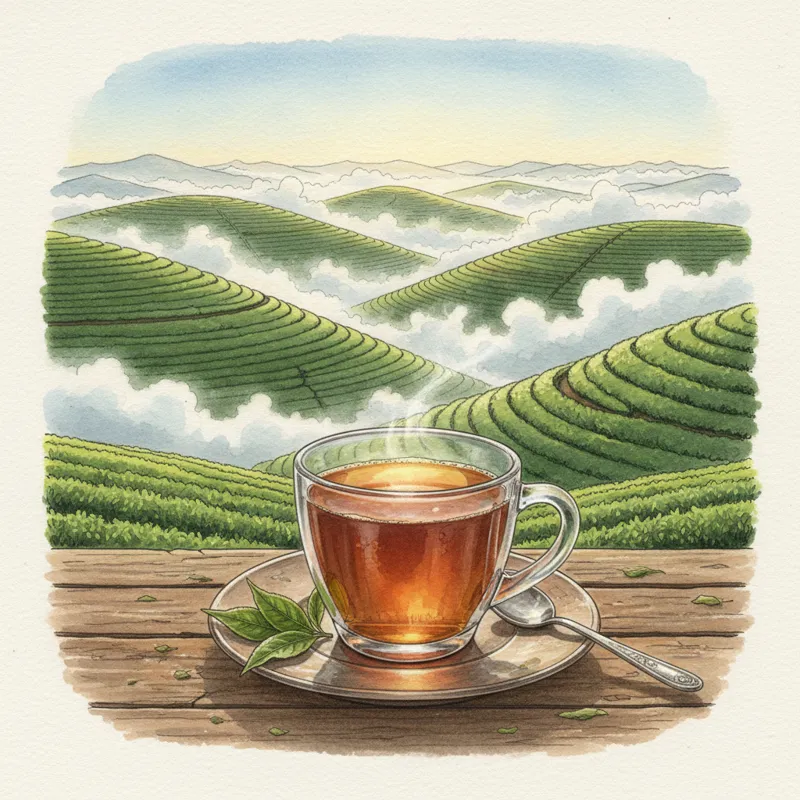
Since Orange Pekoe is a grade, not a plant variety, the flavor depends entirely on the soil and climate—the terroir—where the Camellia sinensis plant grew. However, the vast majority of tea labeled strictly as “Orange Pekoe” in the United States comes from Ceylon black tea stocks grown in Sri Lanka or blended with Indian Assam. A classic Ceylon Orange Pekoe presents a distinct profile. You can expect a brisk, full-bodied liquor with a coppery color. The notes often lean toward malt, dried raisin, and a clean woodiness. It lacks the floral lightness of a Darjeeling or the intense, earth-shaking maltiness of a pure Assam, sitting comfortably in the middle. This balance makes it the quintessential “tea” flavor for the Western palate. It stands up remarkably well to milk and sugar but remains smooth enough to drink straight with lemon. For those who enjoy experimenting with flavor profiles, this neutral but robust base serves as an excellent canvas. You can easily modify a strong brew of Orange Pekoe by adding your own spices, similar to how one might adjust vanilla chai tea recipes to suit personal sweetness preferences.
The Relaxation Paradox: Caffeine and L-Theanine
It seems counterintuitive to label a caffeinated beverage as an elixir for relaxation. A standard cup of black tea contains between 40 to 70 milligrams of caffeine—about half that of coffee, but certainly enough to stimulate the central nervous system. Yet, tea drinkers rarely report the “jitters” associated with espresso. The secret lies in the synergy between caffeine and an amino acid unique to the tea plant called L-theanine. L-theanine crosses the blood-brain barrier and increases the production of alpha brain waves, which are associated with a state of “alert relaxation.” While caffeine promotes wakefulness, L-theanine smooths out the edges, preventing the crash and the anxiety. This chemical partnership creates a focused calmness. In 2026, as work-life balance continues to be a priority for many Americans, this state of mind is highly gathered. It is not the sedative relaxation of chamomile, but rather a clarifying stillness that allows you to unwind without falling asleep. If you are monitoring your intake, it is worth noting that preparation methods impact potency. Just as you might track chai tea latte calories, you should be aware that longer steeping times and hotter water extract more caffeine from the leaf.
Health Benefits: Beyond the Antioxidant Buzz
Professional dietary guidelines consistently recognize unsweetened black tea as a healthy beverage choice. The primary health drivers in Orange Pekoe are polyphenols, specifically theaflavins and thearubigins. These are the compounds formed during the oxidation process that turns green leaves black. Research supported by institutions like the National Institutes of Health (NIH) suggests that regular consumption of black tea may support heart health by improving endothelial function—the ability of blood vessels to dilate and contract. Furthermore, the antioxidants in black tea combat oxidative stress, which contributes to cellular aging.Important Health Disclaimer: While the benefits of tea are widely documented, this information is for educational purposes only. If you have specific medical conditions, are pregnant, or have high sensitivity to caffeine, consult a medical professional before making significant changes to your diet.
Brewing the Perfect Cup: A Technical Guide
To extract the “perfect elixir” status from your leaves, you must respect the chemistry of extraction. Orange Pekoe, being a black tea, requires high heat to release its full profile. Water that is too cool will result in a flat, insipid brew.1. Water Quality: Start with cold, filtered water. Oxygen is crucial for flavor; re-boiling “flat” water that has been sitting in the kettle can leave the tea tasting dull.2. Temperature: Bring the water to a rolling boil (208°F – 212°F). The sturdy oxidized leaves need this thermal shock to open fully.3. The Vessel: Pre-heat your teapot or mug with hot water, then discard it. Pouring boiling water into a cold ceramic mug instantly drops the temperature, sabotaging your brew. For a truly refined experience, the heat retention properties of specific materials matter. Many enthusiasts prefer using high-quality vessels, such as porcelain tea set designs, which maintain temperature without imparting any metallic flavors.4. Measurement: Use one teaspoon of loose leaf (approx 2-3 grams) per 8 ounces of water.5. Steep Time: Steep for 3 to 5 minutes.
- 3 Minutes: Light body, higher sweetness, lower caffeine.
- 5 Minutes: Full body, brisk astringency, maximum caffeine.6. Separation: Remove the leaves immediately after the timer goes off. Leaving them in the water releases excessive tannins, turning the “briskness” into unpleasant bitterness.
Buying Guide: Identifying Quality in 2026
The tea market has evolved significantly. While heritage brands still dominate supermarket shelves with teabags containing “fannings” (small particles), the access to premium loose leaf grades has never been better. When shopping, look for the “Lion Logo.” This symbol indicates the tea is 100% pure Ceylon tea, packed in Sri Lanka. It serves as a certification of origin and quality standards monitored by the Sri Lanka Tea Board. If you buy loose leaf, visually inspect the product. For a standard OP grade, you want to see long, twisted, dark wires of leaf. They should be uniform in size. If you see a mix of dust, stalks, and broken flakes, the grading was poor.
Organic Breakfast Blends vs. Single Estate
You will often find Orange Pekoe as the base for “Organic Breakfast Blends.” These are reliable, consistent teas designed for milk. However, “Single Estate” teas offer a snapshot of a specific harvest. A single estate Orange Pekoe from the Uva district in Sri Lanka will taste different during its peak season (July-September) than one from the Nuwara Eliya district. If you want consistency, buy a blend. If you want an adventure in terroir, buy Single Estate.
FAQ: Common Questions Clarified
Does Orange Pekoe have more caffeine than coffee?No. An 8oz cup of coffee typically contains 95-165mg of caffeine. A cup of Orange Pekoe tea generally contains 40-70mg. However, because of the L-theanine content, the energy boost from tea often feels more sustained.Why does my tea taste bitter?Bitterness usually results from two errors: steeping too long or using water that is too hot for too long (stewing). If you steep past 5 minutes, you are extracting heavy tannins. Try reducing your steep time or increasing the leaf-to-water ratio slightly while keeping the time short.Is Orange Pekoe the same as Black Tea?Yes and no. All Orange Pekoe is black tea, but not all black tea is Orange Pekoe. Orange Pekoe describes the grade (size and quality) of the black tea leaf.Can I ice this tea?Absolutely. The natural astringency of Ceylon black tea makes it one of the best candidates for iced tea. It does not cloud as easily as some other varietals (a phenomenon known as “creaming down”), provided you let it cool gradually before refrigerating.
The Final Pour
The “Ultimate Relaxation” promised by Orange Pekoe tea is not a marketing gimmick; it is a biological result of the L-theanine and caffeine interplay, supported by the ritual of preparation. By understanding that “Orange Pekoe” refers to a high standard of leaf grading rather than a fruit flavor, you empower yourself to make better purchasing decisions. Whether you choose a premium loose leaf GFOP for a Sunday morning or a sturdy BOP teabag for a Tuesday rush, you are participating in a global tradition that values the integrity of the leaf. Treat the brewing process with the precision of a professional—watching your water temperature and steep times—and you will find that this humble leaf delivers a sophisticated, calming, and restorative experience every time.


