
There’s a unique kind of delight in a drink that tastes exactly like its namesake. When you sip a glass of perfectly made strawberry tea, you’re not just tasting “strawberry flavor”—you’re experiencing the bright, jammy sweetness of a sun-ripened berry, balanced by the clean, crisp notes of brewed tea. It’s a sensory experience that can be either a cooling refuge on a hot summer day or a cozy, fragrant comfort in a warm mug. Forget the overly sweet, artificially flavored powders and syrups. Making genuine, vibrant strawberry tea at home is surprisingly simple, and the result is a world apart. This guide is about getting back to that real flavor, using fresh or frozen fruit to create a beverage that’s as wholesome as it is delicious. We’ll cover how to master both iced and hot versions, understand the real benefits, and navigate the world of store-bought options when you’re short on time.
What Exactly Is Strawberry Tea?
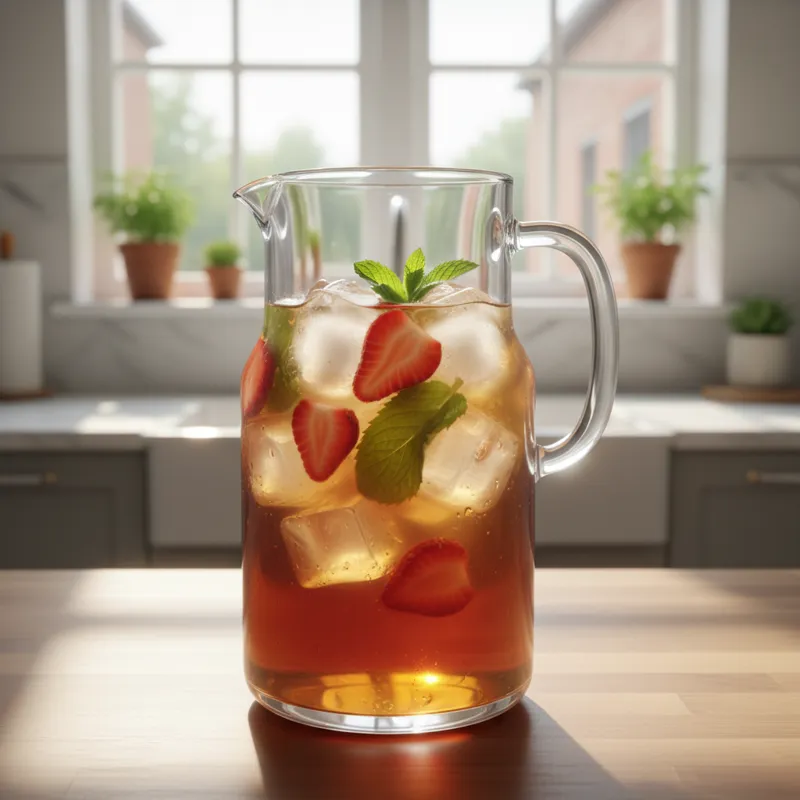
Before we start brewing, it’s helpful to understand what we mean by “strawberry tea,” as the term covers two distinct categories of beverage. Getting this distinction right helps you choose your ingredients and brewing method.
First, you have flavored tea. This is a true tea—meaning it’s made from the leaves of the Camellia sinensis plant, like black, green, or white tea—that has been infused with strawberry flavor. This can be done by blending dried strawberry pieces with the tea leaves or by adding natural or artificial strawberry flavoring. The defining characteristic is the presence of actual tea leaves, which means it will likely contain caffeine.
Second, there’s the herbal infusion, or tisane. This version contains no actual tea leaves. It’s a caffeine-free blend of dried fruits, herbs, and flowers, with strawberry being the star ingredient. When you steep these blends in water, you’re creating a pure fruit and botanical infusion. Many of the most popular “strawberry tea” bags on the market, especially those marketed for their fruity flavor, are actually herbal tisanes.
For our homemade recipes, we’ll be borrowing from both concepts to get the best of both worlds: using real fruit to create a powerful flavor base that you can either enjoy on its own as a tisane or mix with your favorite brewed tea.
The Simple Joy of Homemade Strawberry Tea
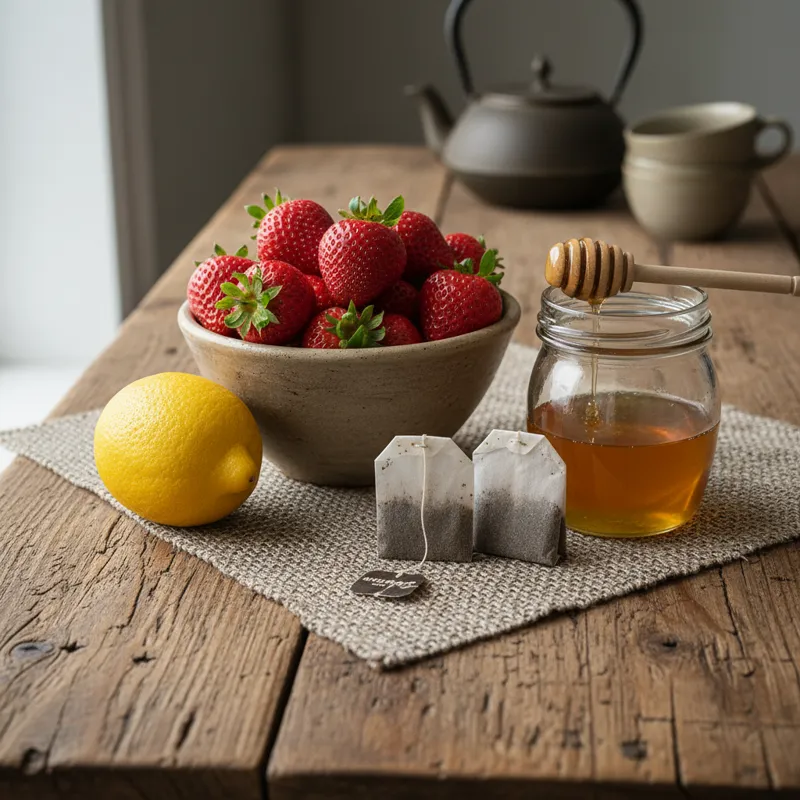
In a world of convenience, it’s easy to reach for a pre-packaged mix or bottle. But making strawberry tea from scratch offers a level of quality and satisfaction that you just can’t buy. The primary advantage is control—over flavor, sweetness, and ingredients.
When you use real strawberries, you capture the fruit’s complex flavor profile, which includes subtle tartness and fresh aromatics that are often lost in commercial processing. You decide how sweet to make it, using sugar, honey, agave, or no sweetener at all. This is a significant benefit, as many store-bought sweet teas contain a staggering amount of sugar.
Finally, there are no surprises. You avoid the ambiguous “natural flavors,” artificial colors, and preservatives common in many bottled drinks and tea mixes. The ingredient list is short, simple, and entirely up to you. It’s a small effort for a vastly superior taste and a healthier final product.
How to Make Refreshing Iced Strawberry Tea (From Scratch)
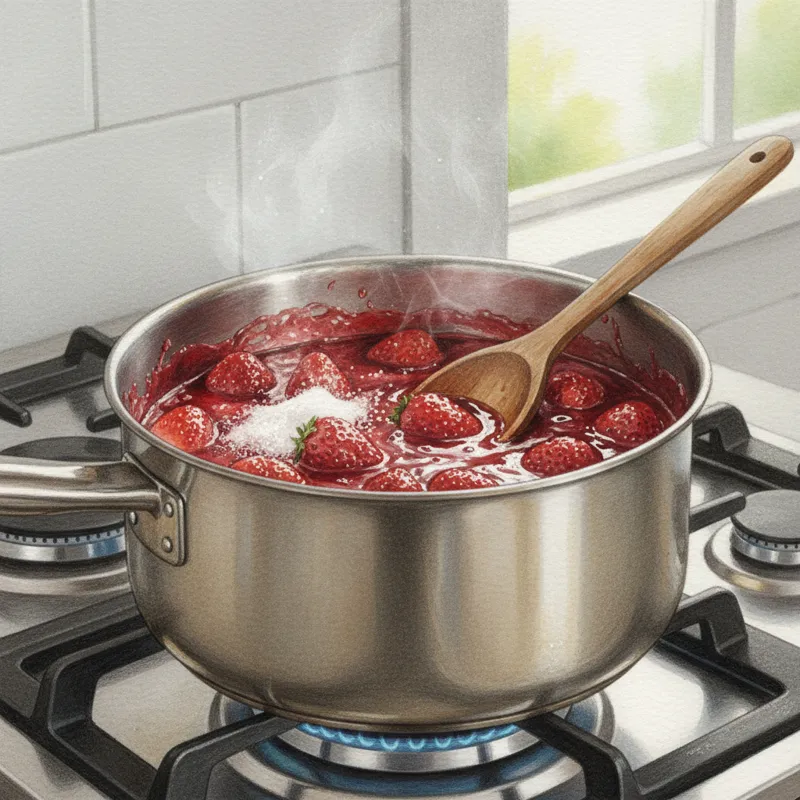
This is the quintessential summer drink. The secret to an intensely flavorful and beautifully colored iced tea isn’t just dropping strawberries into brewed tea; it’s creating a simple strawberry syrup first. This concentrates the flavor and ensures it mixes perfectly into the final drink. This method works beautifully for a classic homemade strawberry sweet tea recipe.
Ingredients & Equipment You’ll Need
The beauty of this recipe is its simplicity. You likely have most of this on hand already.
- Strawberries: 1 pound (about 3 cups), fresh or frozen. If using frozen, there’s no need to thaw them first.
- Tea: 8 bags of black tea (like an English Breakfast or Orange Pekoe) or green tea for a lighter version.
- Water: 8 cups, divided for the tea and the syrup.
- Sweetener (Optional): ½ to ¾ cup of granulated sugar, or an equivalent amount of honey or agave nectar. Adjust to your taste.
- For Garnish (Optional): Fresh mint sprigs, sliced lemon, or more sliced strawberries.
For equipment, you’ll just need a medium saucepan, a fine-mesh strainer, a pitcher for serving, and a spoon.
Step-by-Step Instructions for the Strawberry Syrup
This syrup is the heart of your tea. Don’t skip this step!
- Prepare the Berries: Wash and hull the fresh strawberries (remove the green leafy tops). Slice them in half or quarters.
- Simmer: Combine the strawberries, your chosen sweetener, and 1 cup of water in the saucepan. Bring the mixture to a simmer over medium heat.
- Mash and Cook: As the mixture heats up, use the back of a spoon or a potato masher to gently crush the berries. Let them simmer for about 10-15 minutes. The berries will break down completely, and the liquid will become a vibrant, syrupy red.
- Strain: Place a fine-mesh strainer over a bowl or large measuring cup. Pour the strawberry mixture through the strainer, pressing on the solids with your spoon to extract as much liquid as possible. Discard the pulp (or save it to spread on toast!). You’ll be left with a beautiful, pure strawberry syrup.
Brewing the Tea & Assembling Your Drink
With your flavor base ready, the rest is easy.
- Brew the Tea: Bring the remaining 7 cups of water to a boil. Remove from the heat, add your 8 tea bags, and let them steep. For black tea, 5 minutes is perfect. For green tea, stick to 3 minutes to avoid bitterness.
- Cool Down: Remove the tea bags (don’t squeeze them, as that can release bitter tannins). Let the tea cool to room temperature on the counter, then transfer it to the refrigerator to chill completely.
- Combine: Once the tea is cold, pour it into your serving pitcher. Add the strawberry syrup and stir well to combine. Give it a taste and adjust if needed—you can add a bit more sweetener or a squeeze of lemon juice to brighten the flavor.
- Serve: Fill glasses with ice, pour the strawberry tea over top, and garnish with fresh strawberry slices or mint. It’s the perfect drink for a warm day, great for enjoying on the porch or keeping handy in a clamp on beverage holder while you work at your desk.
Brewing a Cozy Cup of Hot Strawberry Tea
While often associated with iced drinks, strawberry makes a wonderfully comforting hot tea, especially during cooler months. The approach is slightly different, focusing on immediate infusion rather than a chilled syrup.
The Infusion Method (Herbal Tisane)
This caffeine-free method lets the pure fruit flavor shine. It’s less a “tea” and more a hot fruit infusion.
- Muddle the Fruit: Place 3-4 fresh, sliced strawberries in the bottom of a sturdy mug. Add a small amount of sweetener if desired (a teaspoon of honey works well).
- Mash Gently: Use a spoon to gently muddle or mash the berries against the side of the mug. This breaks down the cell walls and releases their juice and flavor.
- Add Hot Water: Pour hot (not quite boiling) water over the muddled berries.
- Steep: Let it steep for 5-7 minutes. The water will take on a lovely pink hue and a delicate strawberry aroma. You can strain it before drinking or simply enjoy it with the soft fruit at the bottom. For an extra dimension, add a hibiscus tea bag along with the berries.
Flavoring Your Favorite Black or Green Tea
If you want the comforting warmth of a traditional tea with a fruity twist, this is the way to go.
- Brew Your Tea: Brew a cup of your favorite black or green tea as you normally would.
- Prepare the Berries: While the tea is steeping, muddle 2-3 sliced strawberries in your empty mug, just as described above.
- Combine and Steep: Once your tea is brewed to your liking, remove the tea bag and pour the hot tea directly over the muddled strawberries. Let it sit for another 2-3 minutes to allow the flavors to meld. The heat from the tea will gently cook the berries and release their essence into the drink.
Health & Wellness: The Potential Benefits of Strawberry Infusions
Beyond its delicious taste, homemade strawberry tea can be a genuinely healthful beverage, primarily because it’s built on a foundation of real fruit. While it’s not a magic elixir, incorporating it into your routine is a flavorful way to get some added nutrients.
Disclaimer: This information is for educational purposes and is not a substitute for professional medical advice. Consult a healthcare provider for any health concerns.
Rich in Antioxidants and Vitamin C
Strawberries are a nutritional powerhouse. They are packed with Vitamin C, an essential antioxidant that supports the immune system and skin health. They also contain manganese and powerful plant compounds called polyphenols, such as flavonoids and ellagic acid. According to the Harvard T. H. Chan School of Public Health, these compounds help protect the body’s cells from damage caused by free radicals.
The Power of Strawberry and Hibiscus
One of the most popular and beneficial pairings is strawberry and hibiscus. This addresses the “strawberry hibiscus infusion benefits” that many people are curious about. Hibiscus tea, made from the dried calyces of the Hibiscus sabdariffa flower, is renowned for its tart, cranberry-like flavor and deep red color. More importantly, it has been studied for its health properties. Research suggests that hibiscus may help lower blood pressure and cholesterol levels. The National Center for Complementary and Integrative Health notes its traditional use and ongoing research into these effects. Combining it with strawberry creates a caffeine-free, antioxidant-rich infusion that is both delicious and potentially very good for you.
Hydration and Low-Calorie Flavor
Perhaps the most straightforward benefit is hydration. An unsweetened or lightly sweetened homemade strawberry tea is a fantastic way to increase your water intake. For those trying to reduce their consumption of sugary sodas and juices, it offers a flavorful, low-calorie alternative that feels like a treat. Preparing a large batch is perfect for staying hydrated throughout the day, whether you’re at home or on the go with a thermos tucked into a luggage beverage holder.
What Most People Miss When Making Fruit Tea
Making great fruit tea is simple, but a few common missteps can lead to a bland, disappointing result. Avoiding these will elevate your brew from good to unforgettable.
Don’t Just Drop Fruit In
The single biggest mistake is thinking you can just drop a few strawberry slices into a glass of iced tea and get a flavorful drink. The flavor compounds in fruit need a little help to be released. Macerating (lightly crushing with sugar) or simmering them into a syrup, as our recipe details, breaks down the fruit’s cell walls, releasing all the juice and aromatic compounds into a concentrated form that can easily blend with the tea.
The Importance of Water Temperature
The type of tea you use matters. Black tea is hardy and can handle boiling water (212°F or 100°C). However, if you use this same temperature for green tea, you risk scorching the delicate leaves, resulting in a bitter, grassy taste that will overwhelm the strawberry. For green tea, it’s best to use water that is hot but not boiling, around 175°F (80°C). A good rule of thumb is to let boiling water sit for a minute or two before pouring it over green tea leaves.
Balancing Sweetness and Acidity
Taste your tea before you serve it. Sometimes, even with sweet berries, the final drink can taste a little flat. A tiny squeeze of fresh lemon or lime juice can work wonders. The acid doesn’t make it taste sour; instead, it brightens the strawberry flavor, making it pop. It provides a balancing act against the sweetness, creating a more complex and refreshing taste profile.
Navigating Store-Bought Options: A Practical Guide
While homemade is ideal, sometimes you need the convenience of a tea bag. The market for fruit-flavored teas is vast, so it pays to know what you’re looking for.
Understanding the Labels: “Natural Flavors” vs. Real Fruit
When you see “Natural Strawberry Flavor” on an ingredient list, it can be a bit of a black box. This term, as defined by the U. S. Food and Drug Administration (FDA), means the flavoring is derived from a natural source (like a plant or animal), but it may have been processed and enhanced in a lab. It doesn’t necessarily mean it came from an actual strawberry. For the most authentic taste, look for brands that list “dried strawberries” or “strawberry pieces” high up on the ingredient list.
Popular Brands and What to Expect
Many reliable brands offer excellent fruit infusions. For instance, Celestial Seasonings’ Strawberry Fields tea is a classic herbal blend that many people enjoy; it combines strawberry with other flavors like orange peel and hibiscus for a balanced, caffeine-free cup. When looking to buy organic berry infusion products, brands like Traditional Medicinals, Numi Organic Tea, and Rishi Tea & Botanicals often prioritize whole, simple ingredients and transparent sourcing.
Finding the Best Fruit Flavored Tea Bags
When you’re standing in the tea aisle, here’s a quick checklist:
- Check the ingredients: Is real fruit listed, or just “flavor”?
- Look at the tea bag: Can you see actual pieces of dried fruit and herbs through the sachet? This is often a good sign.
- Consider the base: Is it an herbal, black, or green tea base? Make sure it matches your preference for flavor and caffeine level.
Ultimately, the best store-bought option is the one that uses simple, recognizable ingredients to deliver a taste you enjoy.
Frequently Asked Questions about Strawberry Tea
Can I use frozen strawberries to make strawberry tea?
Absolutely. Frozen strawberries work perfectly, especially for the syrup recipe. They break down even faster when simmered, and since they are often picked and frozen at peak ripeness, they can be incredibly flavorful. There is no need to thaw them before adding them to the saucepan.
How long does homemade strawberry iced tea last?
Stored in a sealed pitcher in the refrigerator, your homemade iced tea will stay fresh for about 3 to 4 days. After that, the flavor may start to diminish or taste a bit “off.” The vibrant red color may also darken over time.
What type of tea is best with strawberry?
This is a matter of personal preference. Bold black tea creates a classic, robust sweet tea flavor. Green tea offers a lighter, more grassy note that complements the strawberry’s freshness. For a completely caffeine-free and tart option, an herbal base like hibiscus or rooibos is an excellent choice.
Is strawberry tea caffeinated?
It depends entirely on the base. If it’s made with black, green, white, or oolong tea, it will contain caffeine. If it’s a pure herbal infusion (a tisane) made only from fruits, flowers, and herbs like hibiscus, it will be naturally caffeine-free.
Whether you’re crafting a large pitcher of iced tea for a backyard barbecue or a single warm mug for a quiet evening, strawberry tea offers a simple, rewarding experience. It’s a celebration of fresh, real flavor that you can easily create and customize in your own kitchen. Taking that extra ten minutes to simmer fresh berries into a syrup or muddle them in a cup is the difference between a generic drink and a truly memorable one. So go ahead, delight your senses, and enjoy a taste of pure, unadulterated refreshment.