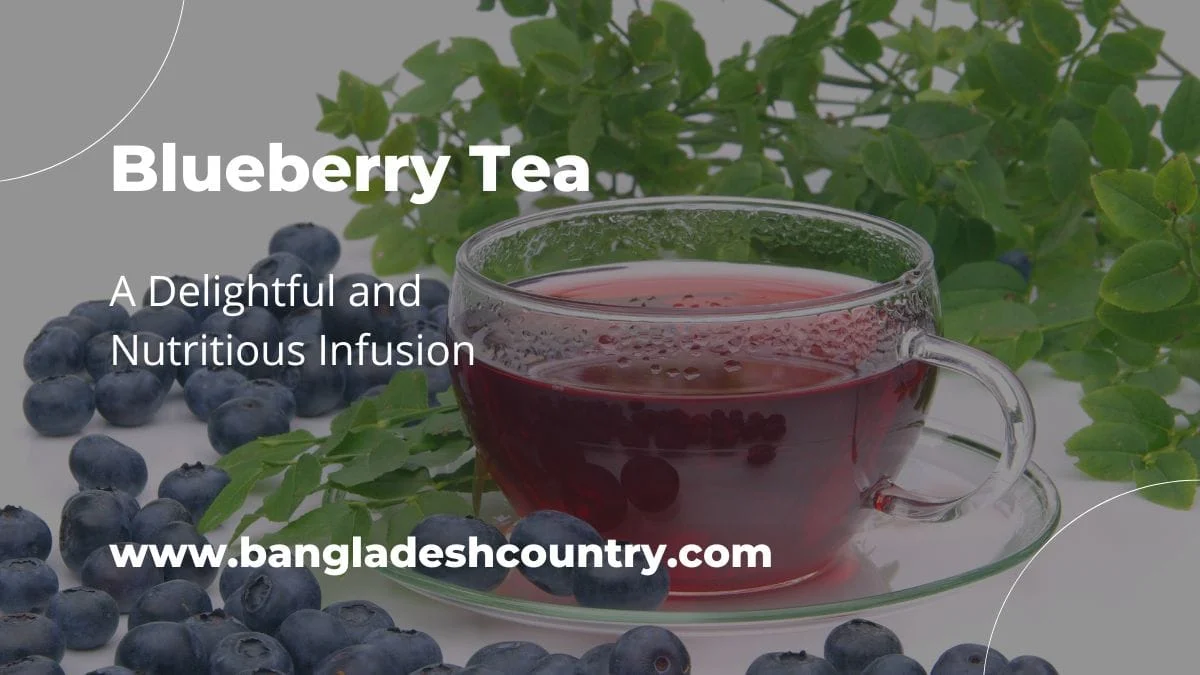
When you think of tea, your mind probably jumps to black, green, or maybe chamomile. But there’s a brilliantly colored, antioxidant-rich infusion that deserves a spot in your rotation: Blueberry Tea. It’s more than just a novelty; it’s a simple, versatile, and genuinely beneficial beverage you can easily make at home or find in quality blends. Whether served steaming hot on a cool evening or iced on a summer afternoon, it offers a unique flavor profile that ranges from subtly sweet and tangy to earthy and complex, depending on how it’s made. This guide is your complete look at blueberry tea in 2026—what it is, its evidence-backed benefits, and how to make or buy the best versions available.
What Exactly Is Blueberry Tea?
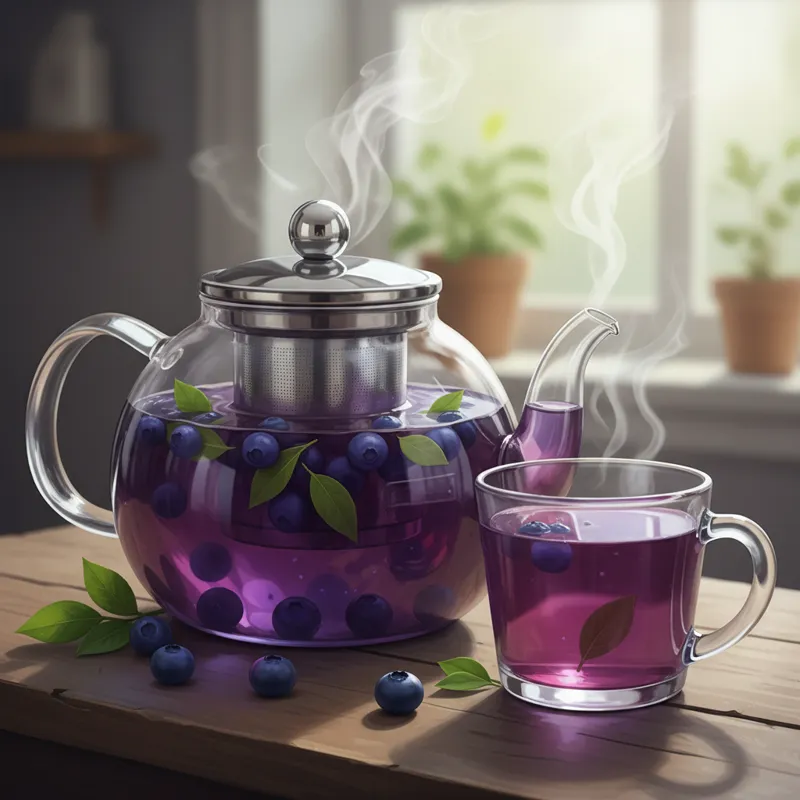
This might seem like an obvious question, but the term “blueberry tea” actually refers to two distinct types of infusions. Understanding the difference is key to getting the flavor and health benefits you’re looking for. Most people use the term for one, but the other is a powerhouse in its own right.
Fruit Infusions (Tisanes)
This is the most common version. It’s a tisane (an herbal infusion) made by steeping dried or fresh blueberries in hot water. Often, these blends include other ingredients like hibiscus, rosehips, or apple pieces to create a more complex, tart flavor profile. The result is a caffeine-free, vibrantly colored drink that captures the sweet and tangy essence of the berry itself. This is the type of blueberry tea you’ll most often find in flavored tea bags at the grocery store.
Blueberry Leaf Tea
This is the less common but arguably more potent version from a health perspective. Made from the dried leaves of the blueberry bush (Vaccinium species), this tea has a different character entirely. Its flavor is more akin to a mild green or black tea—slightly earthy, grassy, and much less fruity than a berry infusion. For centuries, traditional medicine has utilized blueberry leaves for their unique properties, which modern science is now beginning to validate. It’s a fantastic way to use more of this incredible plant.
The Science-Backed Benefits: More Than Just Good Taste
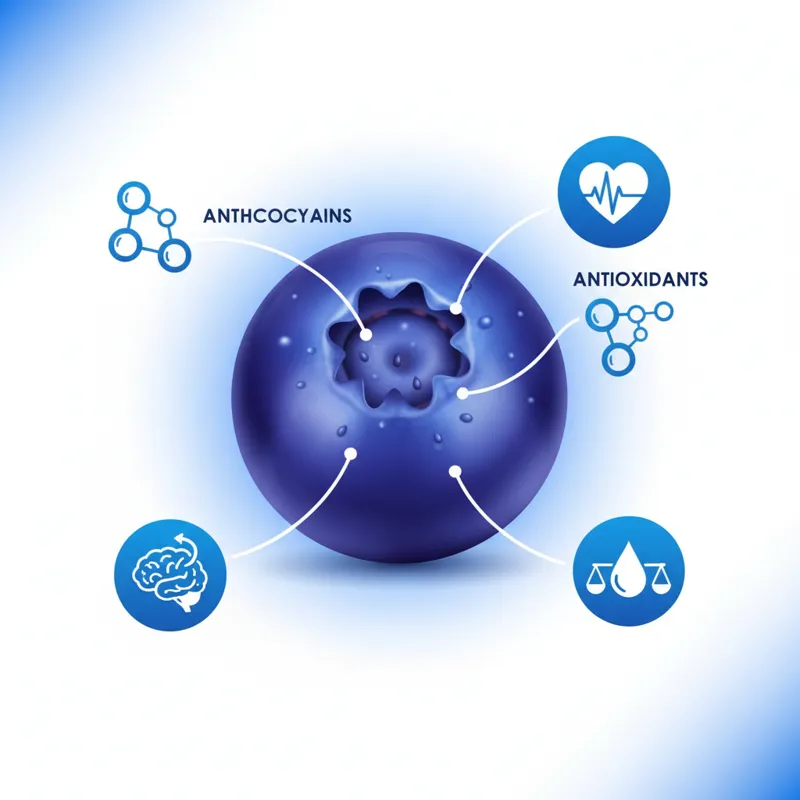
The buzz around blueberries isn’t just hype. These small berries are packed with powerful plant compounds. When infused into a tea, you get a direct dose of these benefits in a hydrating, easy-to-consume format.
Antioxidant Powerhouse: Anthocyanins and More
Blueberries are famous for their high concentration of antioxidants, particularly a class of flavonoids called anthocyanins. These are the pigments that give blueberries their deep blue-purple color. Research published by the National Institutes of Health shows that anthocyanins help combat oxidative stress in the body by neutralizing unstable molecules called free radicals. This process is crucial for protecting cells from damage that can lead to chronic diseases and aging. A warm cup of blueberry tea delivers these water-soluble compounds directly to your system.
Cognitive Support and Brain Health
The antioxidants in blueberries have a noted affinity for the brain. Studies suggest that the flavonoids in blueberries can cross the blood-brain barrier and may help improve signaling between brain cells. Regular consumption is linked to benefits in memory and motor function. While most studies use whole berries, a tea made from them provides a direct infusion of the same beneficial compounds, making it a supportive drink for long-term cognitive wellness.
Cardiovascular Health
The benefits extend to your heart. The anthocyanins in blueberries are linked to improved cardiovascular health markers. They may help lower blood pressure, improve arterial flexibility, and reduce LDL (“bad”) cholesterol oxidation, a key step in the development of plaque in arteries. A daily cup of this antioxidant fruit tisane can be a simple, enjoyable part of a heart-healthy lifestyle.
Blood Sugar Regulation (Especially from Blueberry Leaf Tea)
Here’s where blueberry leaf tea really shines. The leaves contain compounds, like myrtillin, that are not as concentrated in the fruit. These compounds have been studied for their potential to help regulate blood sugar levels. Early research indicates that blueberry leaf extract can improve insulin sensitivity, making it a topic of great interest for metabolic health. This makes the leaf-based tea a particularly compelling choice for those focused on maintaining stable energy and blood glucose.
Disclaimer: This article is for informational purposes only and does not constitute medical advice. Consult with a healthcare professional before using any herbal remedy, especially if you have a medical condition or are taking medication.
DIY Blueberry Tea: A Simple Guide to Brewing at Home
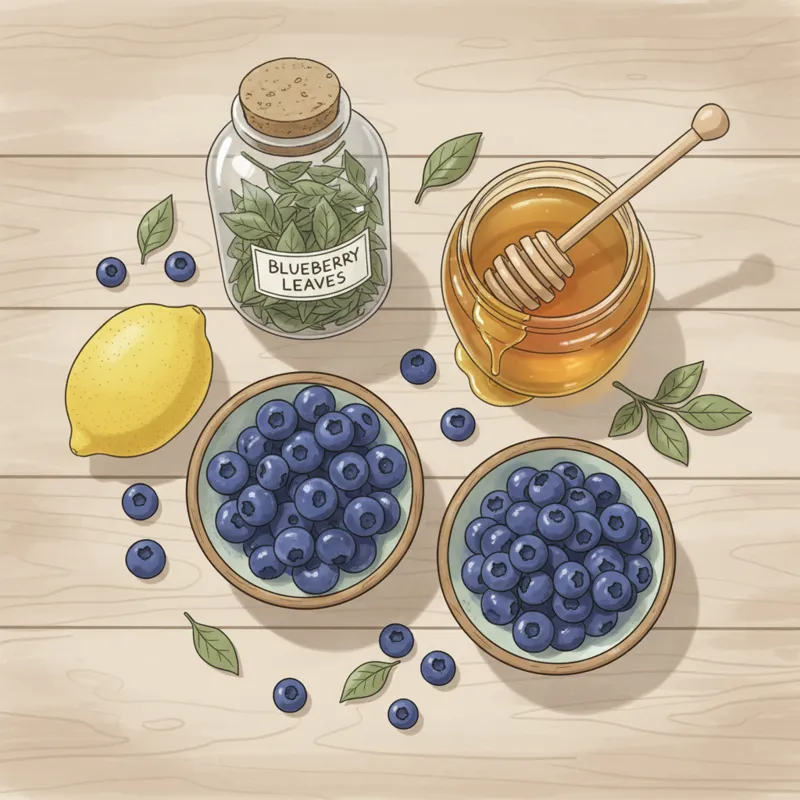
One of the best things about blueberry tea is how easy it is to make yourself. You control the ingredients, the strength, and the sweetness. Plus, the aroma that fills your kitchen is a reward in itself. Here are three simple recipes to get you started.
Recipe 1: Simple Hot Blueberry Fruit Tea
This is the classic, comforting version. It’s perfect for a cozy evening.
- Gather Ingredients: You’ll need 1 tablespoon of dried blueberries or 1/4 cup of fresh/frozen blueberries per 8-ounce cup of water.
- Prepare the Berries: If using fresh berries, gently muddle them in your mug to release their juices. If using dried, you can use them as is.
- Heat Water: Bring your water to a near boil (around 200°F or 93°C). Pour it over the berries.
- Steep: Let the tea steep for 5-10 minutes. The longer it steeps, the stronger and more colorful it will become.
- Strain and Serve: Strain the berries out (or leave them in to snack on!) and add a squeeze of lemon or a touch of honey if desired.
Recipe 2: Refreshing Blueberry Iced Tea
This homemade berry iced tea recipe is a perfect antidote to a hot day. Making your own gives you full control over the sugar content, a stark contrast to some commercial options. While many enjoy the intense sweetness of ready-to-drink beverages like the popular commercial Arizona sweet tea, this homemade version lets the fruit’s natural flavor take center stage.
- Make a Concentrate: Use a 2:1 ratio of water to berries (e.g., 2 cups water, 1 cup fresh/frozen blueberries). Bring them to a simmer in a small saucepan. Let it simmer for 10-15 minutes until the water is deeply colored.
- Sweeten (Optional): While the mixture is hot, stir in your preferred sweetener (honey, agave, or simple syrup) until it dissolves. Start with a small amount and adjust to taste.
- Strain and Chill: Strain the concentrate through a fine-mesh sieve, pressing on the berries to extract all the liquid. Let it cool completely in the refrigerator.
- Serve: To serve, fill glasses with ice. Pour the concentrate until the glass is about 1/3 to 1/2 full, then top with cold water or sparkling water. Garnish with fresh mint and a few whole blueberries.
Recipe 3: Brewing Blueberry Leaf Tea
For a more traditional, earthy tea experience, try brewing the leaves.
- Measure: Use about 1-2 teaspoons of dried blueberry leaves per 8-ounce cup.
- Heat Water: Use water that is just off the boil (around 195°F or 90°C).
- Steep: Pour the hot water over the leaves and steep for 4-6 minutes. Over-steeping can lead to a slightly bitter taste, similar to green tea.
- Serve: Strain and enjoy plain. It has a surprisingly pleasant, mild flavor that doesn’t typically require sweetener.
Navigating Store-Bought Options: What to Look For in 2026
If you don’t want to make your own, the market in 2026 has some excellent options. But it also has a lot of products that are more “flavoring” than “fruit.” Here’s how to choose wisely.
Pure Blends vs. Flavored Teas
The first thing to check is the ingredient list. Is “blueberry” listed first, or is it “natural blueberry flavor”? A high-quality product will feature actual dried blueberries or blueberry leaves prominently. Many “blueberry” teas are actually just a black or green tea base with added flavoring. While these can be tasty, they don’t offer the same caffeine-free, antioxidant-rich profile of a true fruit or leaf infusion. When looking for the best blueberry black tea blend, seek out those that list both real tea leaves and real fruit pieces.
Read the Ingredient List
Look for simplicity. An ingredient list for a good fruit tisane might read: “dried blueberries, hibiscus, apple pieces.” That’s a great sign. Be wary of lists that include “artificial flavors,” sugars, or fillers. For blueberry leaf tea, the list should be even simpler: “dried blueberry leaves.” When you want to buy wild blueberry infusion products, look for that specific wording, as wild berries are often more nutrient-dense than their cultivated counterparts.
Where to Find Quality Blends
Your local health food store, specialty tea shops, and online retailers are your best bets. Brands that focus on organic ingredients and herbal tisanes tend to offer higher quality products. Don’t overlook farmers’ markets, where you might find local producers selling dried leaves from their own blueberry bushes.
What Most People Miss About Blueberry Tea
Beyond the basics, there are a few nuances that can elevate your understanding and enjoyment of this wonderful beverage.
The Wild vs. Cultivated Difference
Not all blueberries are created equal. Wild blueberries (often called lowbush blueberries) are typically smaller, more intensely flavored, and have a higher concentration of anthocyanins than the larger, cultivated highbush varieties you usually find fresh in the grocery store. When buying dried fruit or leaves for your tea, opting for products made from wild blueberries can provide a more potent dose of flavor and antioxidants.
Temperature Matters More Than You Think
For fruit infusions, boiling water can sometimes destroy some of the delicate vitamin C and other volatile compounds. Using water just off the boil (around 200°F) is a better practice. For blueberry leaf tea, a lower temperature (around 195°F) is crucial to prevent extracting too many tannins, which can make the tea taste bitter.
It’s a Canvas for Flavor
Don’t be afraid to experiment. Blueberry pairs beautifully with a wide range of flavors. Try adding a cinnamon stick to your hot brew, a few slices of ginger for a spicy kick, or a sprig of rosemary for an herbaceous twist. These additions aren’t just for taste; they bring their own health benefits, too. The world of fruit infusions is broad and exciting, much like the creative combinations you might find on a specialty beverage list like the Ding Tea menu.
Frequently Asked Questions about Blueberry Tea
Is there caffeine in blueberry tea?
It depends. If it’s a pure fruit tisane or a leaf infusion made only from the blueberry plant, it is 100% caffeine-free. However, if you buy a blend, such as “Blueberry Green Tea” or “Blueberry Black Tea,” it will contain caffeine from the tea leaves (Camellia sinensis). Always check the label if you’re avoiding caffeine.
Can I use frozen blueberries to make tea?
Absolutely. Frozen blueberries work wonderfully, especially for the hot infusion method. They break down easily in the hot water, releasing their juice and color. There’s no need to thaw them first; just drop them right into your mug or pot.
How long does homemade blueberry iced tea last?
Your homemade iced tea concentrate, or the final diluted tea, should be stored in a sealed container in the refrigerator. It will stay fresh for about 3 to 4 days. After that, the flavor may start to degrade.
Is it safe to drink blueberry tea every day?
For most people, drinking blueberry tea daily is perfectly safe and can be a healthy habit. As with anything, moderation is key. If you have any health conditions, especially related to blood sugar, or are pregnant or breastfeeding, it’s always wise to consult your doctor before making any herbal tea a regular part of your routine.
Making your own iced tea is a great way to manage what you drink, unlike many store-bought options that can be high in sugar. Even a classic like the well-known Arizona sweet tea brand has a set sweetness level, whereas homemade recipes put you in complete control.
Whether you’re seeking a caffeine-free nightcap, a refreshing summer cooler, or a simple way to boost your antioxidant intake, blueberry tea is a versatile and rewarding choice. It’s a testament to the idea that sometimes the most beneficial things are also the most delightful.