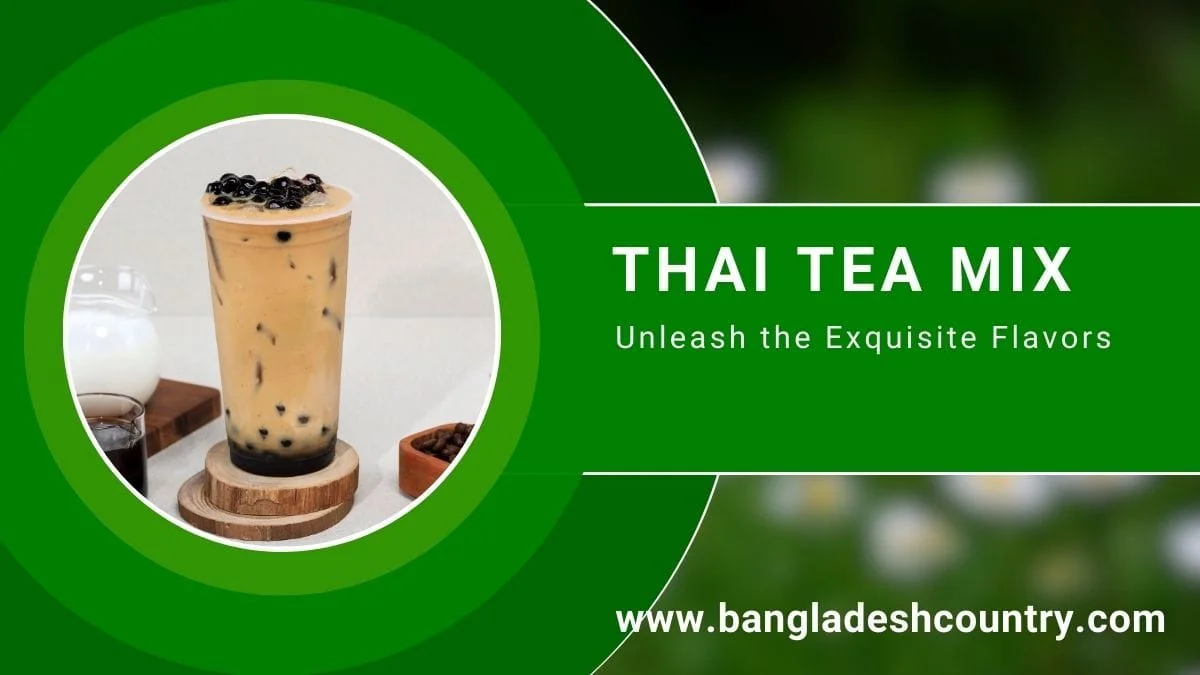
That vibrant, almost surreal orange drink you love at your favorite Thai restaurant isn’t some unobtainable culinary secret. It’s called Cha Yen, and its sweet, creamy, and spiced flavor is remarkably easy to replicate at home. The key isn’t a complex, from-scratch recipe but a simple, widely available product: Thai tea mix. This isn’t an “instant” powder where you just add water. It’s a carefully balanced blend of tea leaves and spices that serves as the authentic base. Forget weak imitations; using a proper Thai tea mix is the single most important step to brewing a beverage that tastes exactly like the one you crave, saving you a considerable amount of money over time. This guide will walk you through everything you need to know, from choosing the right brand to mastering the classic recipe and exploring creative variations.
What Exactly Is in a Thai Tea Mix?
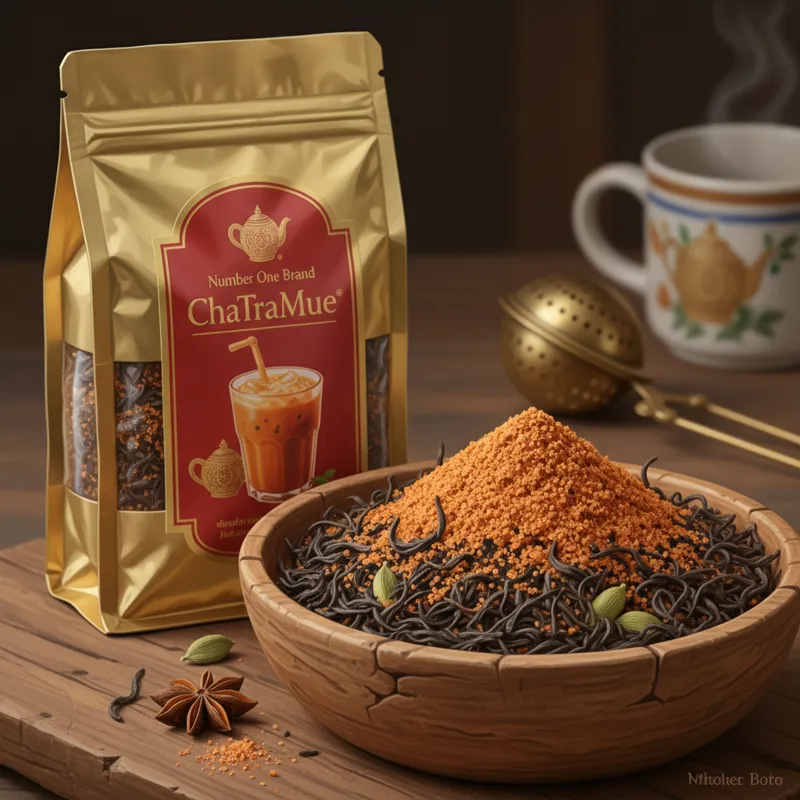
At first glance, a bag of Thai tea mix looks like a coarse, dark red-orange dust mixed with black tea leaves. It’s a purposeful blend designed for a specific outcome. Understanding the components helps you understand the flavor you’re creating.
The foundation is a robust black tea, often a Ceylon or a locally grown Assam varietal. This isn’t a delicate tea; it’s chosen for its strength and ability to stand up to the addition of sugar and rich dairy without getting lost. It provides the slightly bitter, tannic backbone of the drink.
Mixed in with the tea are ground spices. The most prominent is star anise, which gives Thai tea its signature warm, licorice-like aroma. Other spices like cardamom, cinnamon, and sometimes crushed tamarind seed can also be included, adding layers of complexity.
Finally, there’s the element responsible for the iconic color: food dye. Typically, this is FD&C Yellow 6, which is approved for consumption by the U. S. Food and Drug Administration. While some artisanal versions might use natural colorants, the commercial mixes that deliver the classic restaurant experience rely on this dye. It provides that instantly recognizable, brilliant orange hue that is now inseparable from the identity of the drink.
It’s crucial to understand that this is a loose-leaf product designed to be steeped and strained, not dissolved. This is the most common misunderstanding for first-time users.
The Undisputed King: ChaTraMue (Number One Brand)
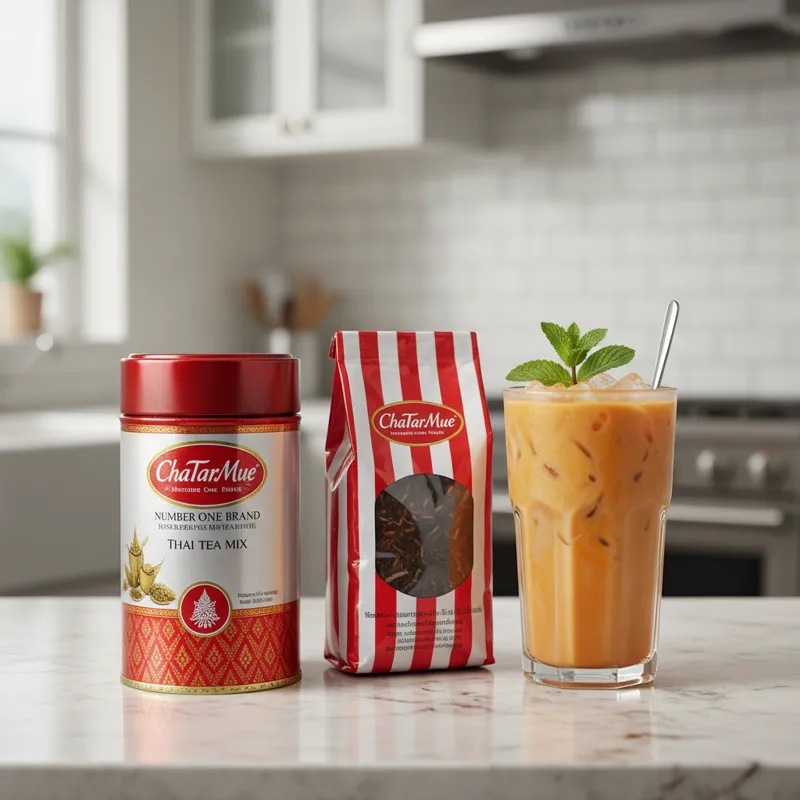
Walk into any Asian market in the United States, and you’ll almost certainly find a large red-and-white bag or canister labeled “Number One Brand.” This is ChaTraMue, the gold standard for Thai tea mix. Since its founding in 1945, this brand has become synonymous with authentic Thai tea, both in Thailand and abroad.
If your goal is to perfectly replicate the taste from your local Thai spot, this is the brand to buy. Its flavor is bold and well-balanced, with a strong tea character and a distinct, aromatic spice profile that isn’t overpowering. It brews into a deep, dark red liquid that transforms into the familiar bright orange once milk is added.
While other brands like Pantai or Wang Derm exist and can produce a pleasant drink, ChaTraMue is the reference point for classic Cha Yen. Starting with this brand ensures your first attempts are based on the most authentic and widely used product available. You can typically find it for under ten dollars for a large 14-ounce bag, which will make dozens of servings.
The Classic Restaurant-Style Thai Iced Tea Recipe (Cha Yen)
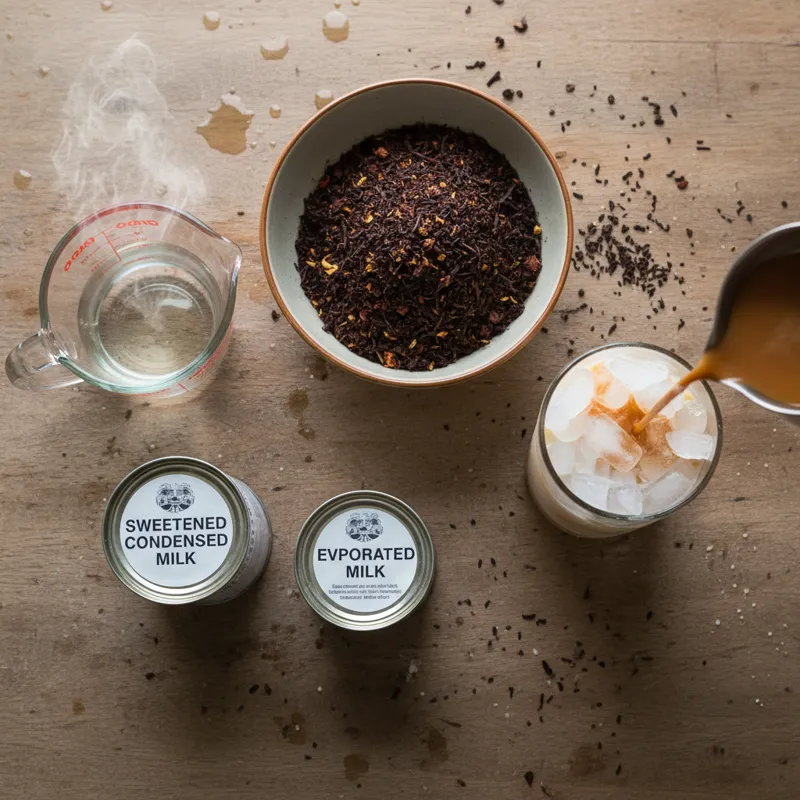
This is the method that will give you the results you’re looking for. The process is simple, but the order of operations is critical for success. The key is to make a sweetened tea “concentrate” first, cool it, and then assemble the final drink over ice.
Ingredients & Equipment
For a pitcher of concentrate (makes about 4-5 servings):
- 1 cup of ChaTraMue Thai Tea Mix
- 4 cups of boiling water
- 1/2 to 3/4 cup of sweetened condensed milk (to taste)
- 1/4 cup of granulated sugar (optional, for extra sweetness)
- Evaporated milk, half-and-half, or whole milk for topping
- Plenty of ice
You’ll need basic kitchen equipment: a small saucepan or kettle, a pitcher or heat-proof container, and a fine-mesh strainer. Traditionally, a cloth “tea sock” is used for straining, which works wonderfully to prevent any sediment from passing through. Having a sturdy beverage cup holder is also surprisingly useful if you’re preparing several glasses at once for guests.
Step-by-Step Brewing Instructions
Follow these steps precisely for perfect results every time.
- Steep the Tea: Bring 4 cups of water to a rolling boil. Remove from heat and immediately add the 1 cup of Thai tea mix. Stir gently to ensure all the leaves are saturated. Let it steep for no more than 5 minutes. A 3-4 minute steep is often perfect.
- Strain Thoroughly: Place your fine-mesh strainer or tea sock over your pitcher and carefully pour the hot tea through it. Press the leaves gently with a spoon to extract all the liquid. Discard the used tea leaves. You should now have a very dark, fragrant, reddish-brown tea concentrate.
- Sweeten While Hot: This is the most critical step. While the tea concentrate is still steaming hot, add the sugar (if using) and the sweetened condensed milk. Stir vigorously until everything is completely dissolved. The heat is essential for a smooth, homogenous mixture. Taste it now—it should be very sweet, as the ice will dilute it later. Adjust sweetness if needed.
- Cool it Down: Cover the pitcher and let the concentrate cool to room temperature on the counter. Once cooled, transfer it to the refrigerator to chill completely for at least an hour or two. Do not skip this step.
- Assemble and Serve: Fill a tall glass to the brim with ice. Pour the chilled, sweetened tea concentrate over the ice, leaving about an inch of space at the top. To get the classic layered look, slowly pour a splash of evaporated milk or half-and-half over the top. Serve it unstirred, and let the person enjoying it swirl the creamy white into the vibrant orange.
What Most People Get Wrong with Thai Tea Mix
Making great Thai tea is easy, but a few common mistakes can lead to a disappointing, watery mess. Avoiding these pitfalls is the difference between an authentic experience and a pale imitation.
Over-steeping the Tea: The number one error. Thinking that a longer steep time will make the tea stronger, people leave the mix in hot water for 10 minutes or more. This extracts excess tannins from the black tea, resulting in an unpleasantly bitter and astringent flavor that masks the delicate spices. Stick to a 3-5 minute window.
Pouring Hot Tea Directly Over Ice: This is a recipe for a weak, diluted drink. The hot concentrate will instantly melt a significant portion of the ice, watering down the flavor you just carefully developed. Patience is a virtue here; chilling the concentrate is non-negotiable.
Sweetening the Tea When Cold: Sweetened condensed milk is thick and viscous. If you try to stir it into cold tea, it will sink to the bottom in a stubborn lump and refuse to dissolve properly. You must sweeten the tea concentrate when it is still hot from brewing.
Using an Inadequate “Milk”: While you can use regular whole milk in a pinch, it won’t deliver the signature richness. The magic combination is sweetened condensed milk for sweetness and body, and a splash of evaporated milk for a creamy, velvety finish. The higher fat and lower water content of these canned milks are essential to the texture.
Recipe Variations & Modern Twists
Once you’ve mastered the classic Cha Yen, the sweetened tea concentrate becomes a versatile base for a host of other delicious creations.
Dairy-Free & Vegan Thai Tea
Creating a delicious vegan version is straightforward. Simply swap the dairy components. Use a sweetened condensed coconut milk (available in many stores or online) in place of the regular version. For the creamy topper, full-fat canned coconut milk or a high-quality, creamy oat milk are excellent substitutes. The coconut flavor complements the tea’s spices beautifully.
Thai Tea Boba (Bubble Tea)
Turn your Cha Yen into a trendy boba drink. Prepare the Thai tea concentrate as directed in the classic recipe. Cook store-bought tapioca pearls (boba) according to the package instructions, which usually involves boiling them until they are soft and chewy. Spoon the cooked, sweetened boba into the bottom of your tall glass, then add ice and the chilled tea concentrate, and finish with your milk of choice.
Hot Thai Milk Tea (Cha Rorn)
On a cold day, a hot version is incredibly comforting. Simply brew a smaller, single-serving amount of tea (e.g., 2 tablespoons of mix in 1 cup of boiling water). Strain it directly into a mug, then stir in a tablespoon or two of sweetened condensed milk and a splash of evaporated milk to taste. Serve immediately.
A Note on Instant Thai Milk Tea
You may also see “3-in-1” instant Thai tea powders. These products contain tea powder, non-dairy creamer, and sugar all in one packet. While convenient, they are a fundamentally different product. They offer a quick fix but lack the depth, aroma, and customizable sweetness you get from brewing a proper Thai tea mix.
Beyond the Drink: Other Uses for Thai Tea Concentrate
Don’t limit yourself to just beverages. The sweetened tea concentrate is a fantastic flavoring agent for desserts. Make a large batch and store it in the fridge for up to a week.
You can use it as the flavor base for homemade ice cream, gelato, or popsicles. It can be incorporated into cheesecake batter, panna cotta, or crème brûlée for a unique twist. The concentrate can also be used in cocktails; it pairs surprisingly well with spiced rum or bourbon. When planning a party with creative drinks, having your hands free with something like a belt beverage holder can make socializing and serving much easier. The flavor is a unique crowd-pleaser, much like how a distinctive drink like Glacier Freeze Gatorade stands out in a cooler.
Answering Your Thai Tea Questions (FAQ)
Here are answers to some of the most common questions about making Thai tea at home.
How much caffeine is in Thai tea?
Since it’s brewed from a strong black tea base, the caffeine content is comparable to a strong cup of coffee or black tea. According to the Mayo Clinic, an 8-ounce cup of black tea can have between 40 and 70 milligrams of caffeine. A serving of Thai tea will be in a similar range, though it can vary based on brew strength.
Why is my Thai tea not bright orange?
The vibrant orange color comes almost exclusively from the food dye added to the commercial Thai tea mix. If your tea looks more brown than orange, you are likely using either a dye-free mix or your brew is too weak. For that classic look, a brand like ChaTraMue is essential.
Can I make Thai tea from scratch without a mix?
Yes, but it’s a significant effort to source and balance the ingredients. You would need a specific blend of Ceylon tea, star anise, crushed tamarind, cardamom, and other spices. The pre-made mix is the authentic shortcut used by restaurants for consistency and convenience. The historical development of Cha Yen, as noted on its Wikipedia page, evolved with these commercially available mixes.
How long does Thai tea concentrate last in the fridge?
The brewed and sweetened tea concentrate (before adding any finishing milk) will last for 5 to 7 days when stored in a sealed, airtight container in the refrigerator.
What’s the difference between Thai Tea and Chai?
Both are spiced milk teas, but their flavor profiles are distinct. Indian Masala Chai is typically built on a base of ginger, cloves, cinnamon, and black peppercorns. Thai Tea’s signature flavor comes primarily from star anise, giving it a sweeter, more licorice-like aromatic quality.