

Walk down the beverage aisle of any major U. S. grocery store in 2026, and you’ll see a dizzying array of ready-to-drink teas. From unsweetened black teas to exotic herbal infusions, the options are endless. Yet, for many, a certain name from the 2000s and 2010s sparks a unique sense of nostalgia: Fuze Iced Tea. Known for its tall, slender bottles and bold fruit-and-tea combinations, Fuze was a dominant force. This leads to a question we hear all the time: what ever happened to it? Is it still around? The short answer is complicated, but if you’re in the United States, you’ve probably noticed it’s missing from the shelves. This article dives into the story of Fuze Iced Tea, its unforgettable flavors, why it largely disappeared from the U. S. market, and what excellent alternatives exist today to fill that void.
The Big Question: Is Fuze Iced Tea Still Available in the U. S. in 2026?
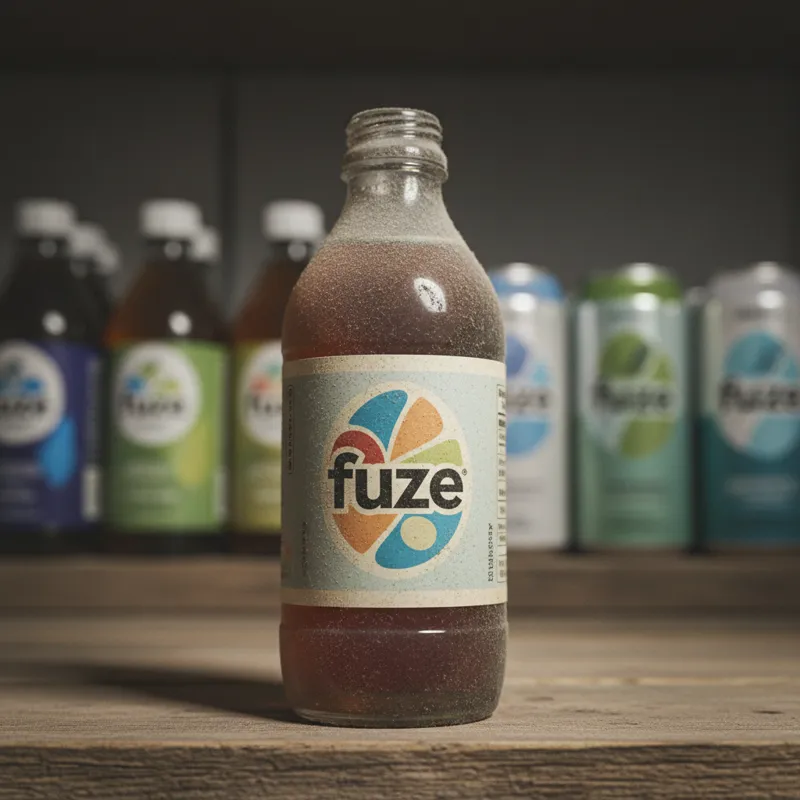
For most consumers in the United States, the answer is no. The Fuze Iced Tea that you remember from store coolers has been largely discontinued in its bottled form in the U. S. This wasn’t a sudden event but a gradual strategic shift by its parent company, The Coca-Cola Company.
Around the mid-2010s, Coca-Cola began streamlining its massive beverage portfolio. The company put its marketing muscle behind two other key tea brands: Gold Peak Tea, which targets fans of traditional, home-brewed style tea, and Honest Tea, which catered to the growing demand for organic and less-sweet options. Fuze, with its bolder, sweeter, fruit-forward profile, was phased out of retail distribution in the U. S. to prevent brand overlap and simplify choices for consumers.
However, it hasn’t vanished entirely. You can still find Fuze in two specific places:
- Coca-Cola Freestyle Machines: These touchscreen soda fountains, common in movie theaters and fast-casual restaurants, often feature Fuze flavors like Lemon Tea or Raspberry Tea. This is the most common way Americans encounter the brand today.
- International Markets: Fuze Tea is not only available but is a major, thriving brand in dozens of countries across Europe, Latin America, and Asia. If you travel abroad, you’re very likely to see it with different branding and formulations.
So, while you can’t grab a bottle from your local 7-Eleven anymore, the brand technically still exists within the U. S. market, just in a much more limited, non-bottled format.
A Look Back: The Rise and Flavors of Fuze
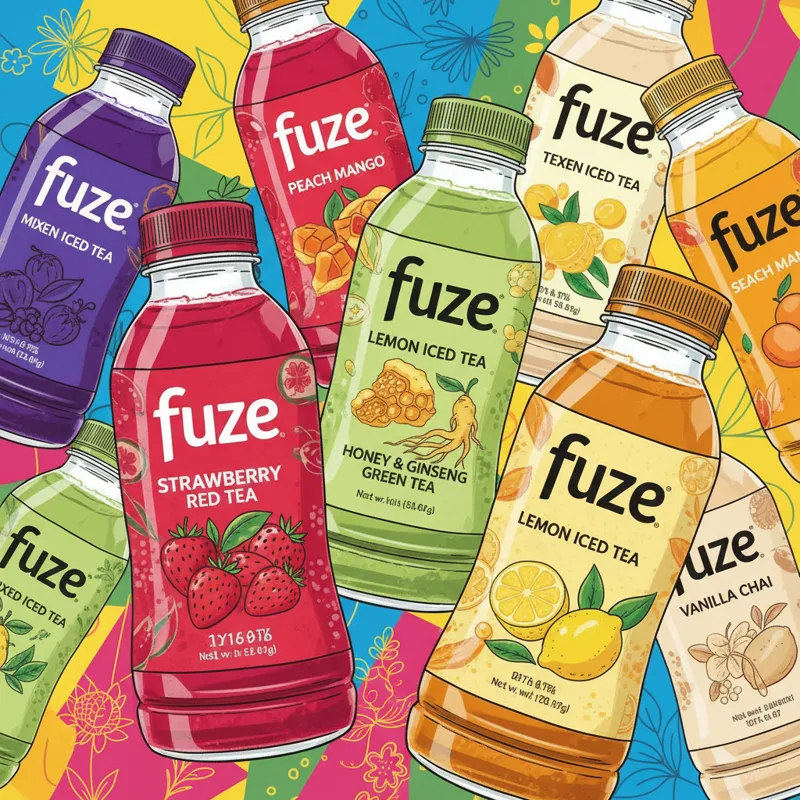
To understand why people still search for it, you have to remember what made Fuze stand out. Launched in the early 2000s and acquired by The Coca-Cola Company in 2007, Fuze hit the market at the perfect time. It was part of a wave of “new age” beverages that offered an alternative to traditional sodas. The name itself was a mission statement: a “fusion” of tea, fruit juices, and often, added vitamins like B3, B5, B6, and B12.
This marketing was brilliant. It positioned Fuze as a more exciting, seemingly healthier choice than a can of Coke, even if the sugar content was often comparable. The unique, tall bottle shape was instantly recognizable, and the brand cultivated a fun, energetic image.
The Classic Fuze Iced Tea Flavors (The Ones You Remember)
The flavor lineup was the core of Fuze’s appeal. It went beyond simple lemon or raspberry, creating combinations that felt novel at the time. While the exact list evolved over the years, these were some of the most popular and memorable flavors in the U. S.:
- Lemon Iced Tea: The flagship. It was the perfect balance of sweet, tart, and earthy black tea. A benchmark for bottled lemon tea.
- Sweet Tea: A straightforward, Southern-style sweet tea that competed directly with brands like Lipton and Arizona.
- Honey & Ginseng Green Tea: A smoother, slightly more “zen” option that capitalized on the growing popularity of green tea.
- Strawberry Red Tea: Made with caffeine-free rooibos tea, this was a unique offering with a sweet, berry-forward profile.
- Half & Half (Tea & Lemonade): Fuze’s take on the classic Arnold Palmer.
- Peach Tea: A staple in the flavored tea world, Fuze’s version was known for being particularly bold and sweet.
- Raspberry Tea: Another classic fruit flavor that delivered a strong, sweet raspberry note.
The Broader Fuze Beverage Lineup
It’s also important to remember that the “Fuze” brand name extended beyond just iced tea. They had a line of fruit juice drinks (like Strawberry Banana and Tropical Punch) and the “Fuze Slenderize” line. The Slenderize products were lower in calories, often sweetened with a mix of sugar and artificial sweeteners, and fortified with vitamins and minerals like Chromium and L-Carnitine, leaning heavily into the health-conscious marketing of the era.
Deconstructing the Bottle: Fuze Iced Tea Ingredients and Nutrition
One of the most common questions people have when looking back at old favorites is, “What was actually in it?” Looking at an old bottle of Fuze Lemon Iced Tea, the ingredient list was typical for a mass-market beverage of its time.
A representative ingredient list would look something like this: Water, High Fructose Corn Syrup, Citric Acid, Natural Flavors, Instant Tea, Phosphoric Acid, Potassium Sorbate, and Sodium Benzoate (as preservatives).
The key takeaway is that, like most of its competitors, the primary sweetener was High Fructose Corn Syrup (HFCS). While formulations can change, this was the backbone of its sweet taste profile. According to the U. S. Food & Drug Administration (FDA), all ingredients must be listed in descending order by weight, so after water, sugar was the most prominent component.
Understanding the Nutrition Facts
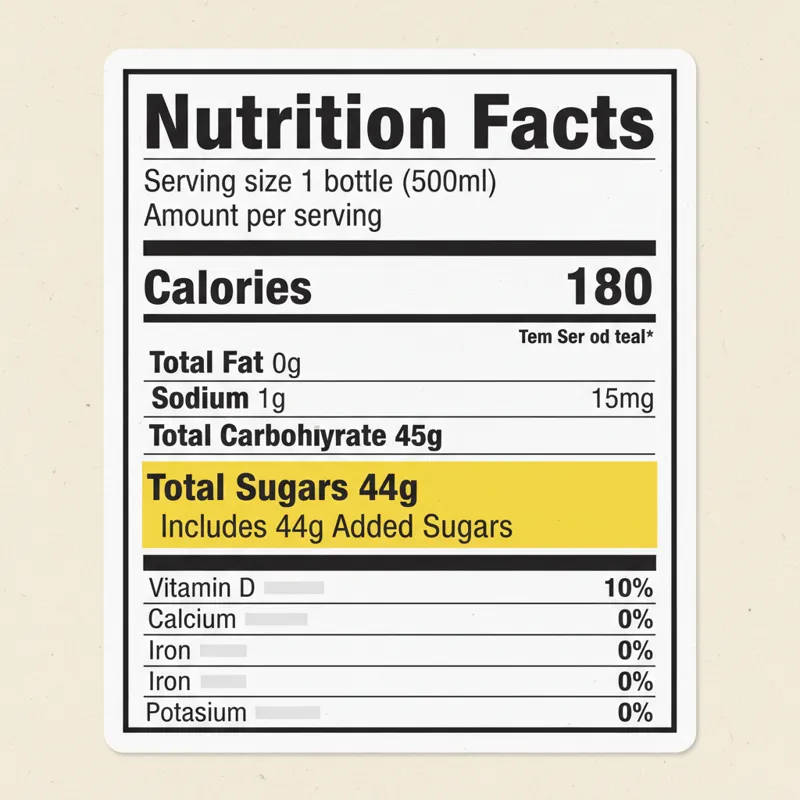
When you examine the bottled lemon tea nutrition facts, Fuze was very much a product of its time. A standard 20 fl oz bottle of Fuze Lemon Iced Tea typically contained around 240 calories and a staggering 60-65 grams of sugar. To put that in perspective, that’s more sugar than a 12 oz can of Coca-Cola.
This high sugar content is a major reason why public perception of drinks like Fuze has shifted. While it was once seen as a “better-for-you” alternative to soda, health-conscious consumers in 2026 are far more aware of the impact of added sugars. Authoritative sources like the Harvard T. H. Chan School of Public Health have extensively documented the health risks associated with high consumption of sugary drinks, leading many consumers to seek out low-sugar or zero-sugar options.
Disclaimer: This article provides general nutritional information for educational purposes. For personalized dietary advice, please consult a registered dietitian or healthcare professional.
Caffeine Content in Fuze Teas
The caffeine in bottled green tea and black tea varieties of Fuze was another point of interest. The levels were generally moderate, providing a slight lift without the jolt of coffee. A typical 20 oz bottle would contain:
- Black Tea (Lemon, Sweet Tea): Approximately 40-50 mg of caffeine.
- Green Tea (Honey & Ginseng): Approximately 20-30 mg of caffeine.
For comparison, a similar-sized coffee could have 150-200 mg of caffeine. This made Fuze a popular afternoon pick-me-up for people who wanted a little energy boost without the intensity of coffee.
What Most People Get Wrong About Fuze Iced Tea
Nostalgia often colors our memory of products. When it comes to Fuze Iced Tea, there are a few common misconceptions that are worth clearing up.
Misconception #1: “It was a health drink.”This is the biggest one. The marketing, with its emphasis on “fusion,” vitamins, and antioxidants from tea, created a powerful health halo. While it might have contained some beneficial compounds, its high sugar content firmly placed most varieties in the category of sugar-sweetened beverages. It was an alternative to soda, but not necessarily a “healthy” one by today’s standards.
Misconception #2: “It just vanished.”The disappearance of Fuze from U. S. shelves felt sudden to many shoppers, but it was a calculated business decision. Coca-Cola saw more growth potential in the authentic, “real-brewed” positioning of Gold Peak and didn’t want Fuze competing for the same shelf space. It was a slow, strategic phase-out, not an abrupt failure.
Misconception #3: “International Fuze Tea is the same as the old U. S. version.”If you have Fuze Tea while on vacation in Europe, you might notice it tastes different. The brand abroad has been formulated for local palates, often using sugar instead of HFCS and featuring different flavor profiles. It’s the same brand name, but not always the same product you remember.
Finding Your Next Favorite: Top Alternatives to Fuze Iced Tea in 2026
Since Fuze Iced Tea is no longer a readily available option, the good news is that the ready-to-drink tea market has exploded with fantastic alternatives. Whatever you loved about Fuze, there’s a modern equivalent for you.
For the Classic Sweet Tea Drinker
If you miss the straightforward sweetness of Fuze Sweet Tea or Lemon Iced Tea, your options are plentiful. Gold Peak, Coca-Cola’s chosen successor, is designed to taste like it was brewed at home. Other major players like Pure Leaf and Milo’s offer exceptionally popular versions. These are some of the best sweet tea brands on the market, each with a slightly different take on the classic recipe, from sweetness level to brewing intensity.
For Fans of Fused Fruit Flavors
This was Fuze’s real specialty. If you loved the bold Strawberry, Peach, or Raspberry teas, brands like Snapple and Arizona are your best bet. They have built their entire identity on creative and powerful fruit-and-tea combinations. Brisk Iced Tea is another option known for its intense flavor profiles, though often with an even sweeter punch.
For a Lower-Sugar, More Exotic Vibe
The modern beverage landscape offers so much more complexity than what was available in Fuze’s prime. For a less sweet but still flavorful experience, you might explore unsweetened or lightly sweetened options from brands like Tejava or Ito En. The world of tea beverages has also expanded to include a wider range of global influences. For instance, the creamy, caramel-like notes found in a Hokkaido milk tea show just how diverse the modern tea experience can be, moving far beyond simple fruit fusions.
Making Your Own Fuzion-Style Tea
For ultimate control, nothing beats making your own. Brew a strong batch of black or green tea, let it cool, and then experiment. You can control the sugar level precisely and add your own fruit purees or juices. For a powerful, consistent flavor punch similar to Fuze, consider using flavored syrups. While many associate them with lattes, a small amount of a quality fruit-flavored syrup, like the kinds you’d see from a brand like Monin, can perfectly replicate that bold, fused taste in your homemade iced tea.
Frequently Asked Questions (FAQ)
Why was Fuze Iced Tea discontinued in the US?
Fuze Iced Tea was discontinued in its bottled form in the U. S. as part of a strategic decision by The Coca-Cola Company to streamline its portfolio and focus on its other tea brands, primarily Gold Peak and, for a time, Honest Tea.
How much sugar was in a bottle of Fuze Lemon Iced Tea?
A typical 20 fl oz bottle of Fuze Lemon Iced Tea contained approximately 60 to 65 grams of sugar, which is significantly more than the daily recommended amount of added sugar for most adults.
Can you still buy Fuze Iced Tea on Amazon or online?
Occasionally, you may find international versions of Fuze Tea for sale online from third-party sellers. However, these are often sold at a very high premium, and there’s no guarantee of the product’s freshness or that its taste will match the U. S. version you remember.
What company owns Fuze?
Fuze is owned by The Coca-Cola Company, which acquired the brand in 2007.
Did Fuze Iced Tea have real tea in it?
Yes, Fuze Iced Tea was made with real tea, typically from tea concentrate or instant tea powder, which is a common practice for large-scale production of ready-to-drink tea beverages.
Fuze Iced Tea holds a special place in the beverage hall of fame for a generation. It was a bridge between old-school sodas and the more diverse, health-conscious drink aisle we see today. While its time on U. S. shelves has passed, its legacy of bold, fruit-forward flavor fusion lives on in the many brands that now compete for your thirst. The next time you’re looking for a refreshing tea, you’ll find an entire world of options that Fuze helped inspire.


