
There’s a reason peach green tea has become a modern classic. It’s more than just a flavored beverage; it’s a perfectly balanced intersection of two distinct worlds. On one side, you have the subtle, grassy, and sometimes savory notes of green tea. On the other, the unmistakable fragrance of a sun-ripened peach—sweet, floral, and bursting with summer. When they come together, especially over ice, the result is uniquely refreshing and sophisticated. It’s the drink you order at a cafe for a midday lift, but it’s surprisingly simple to master at home. This guide will walk you through everything, from choosing the right ingredients to brewing techniques that ensure a crystal-clear, flavorful tea every time, free from the bitterness that plagues many homemade attempts.
What Exactly Is Peach Green Tea?
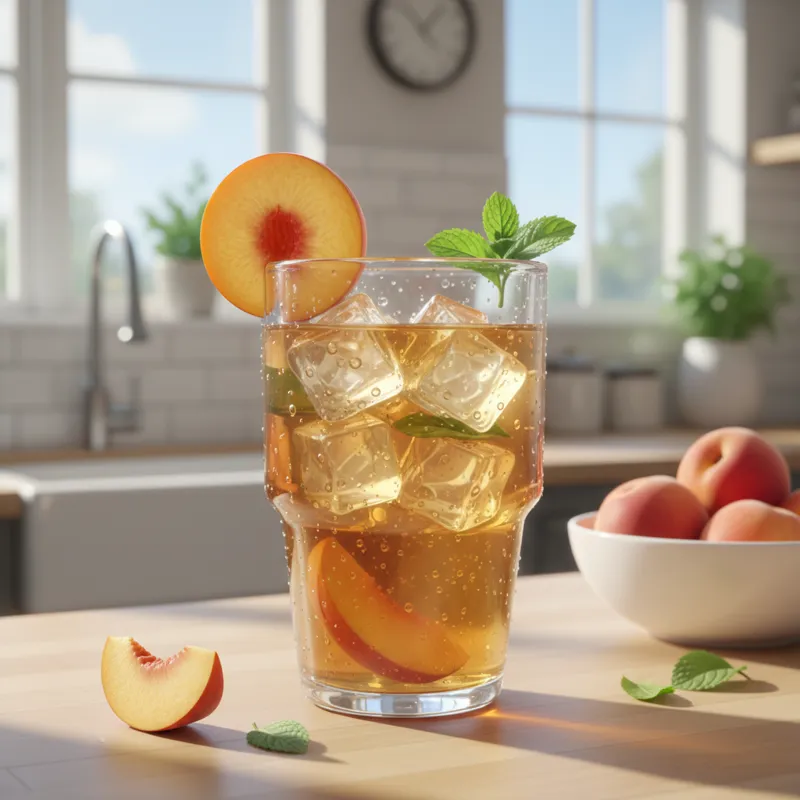
At its core, peach green tea is simply an infusion of green tea combined with peach flavor. However, how you get there defines the final product. It generally falls into two categories.
The first is a blended tea. In this version, dried green tea leaves are mixed with dehydrated peach pieces and often natural peach flavorings. When you brew it, both the tea and the peach components infuse into the water simultaneously. This method is common for pre-packaged tea bags and loose-leaf blends.
The second, and more versatile method, involves combining two separate components: brewed green tea and a peach element. This gives you complete control over the final balance. The peach flavor can come from a fresh fruit puree, a concentrated syrup, or even a high-quality peach nectar. This is the approach used by most cafes to achieve a consistent and vibrant flavor, and it’s the one we’ll focus on for creating a superior drink at home.
The magic of this combination lies in the synergy. The slight astringency and vegetal notes of a good green tea cut through the sweetness of the peach, preventing it from being cloying. In turn, the peach’s fruity brightness mellows the tea, making it incredibly smooth and accessible.
The Core Components: Choosing Your Ingredients Wisely
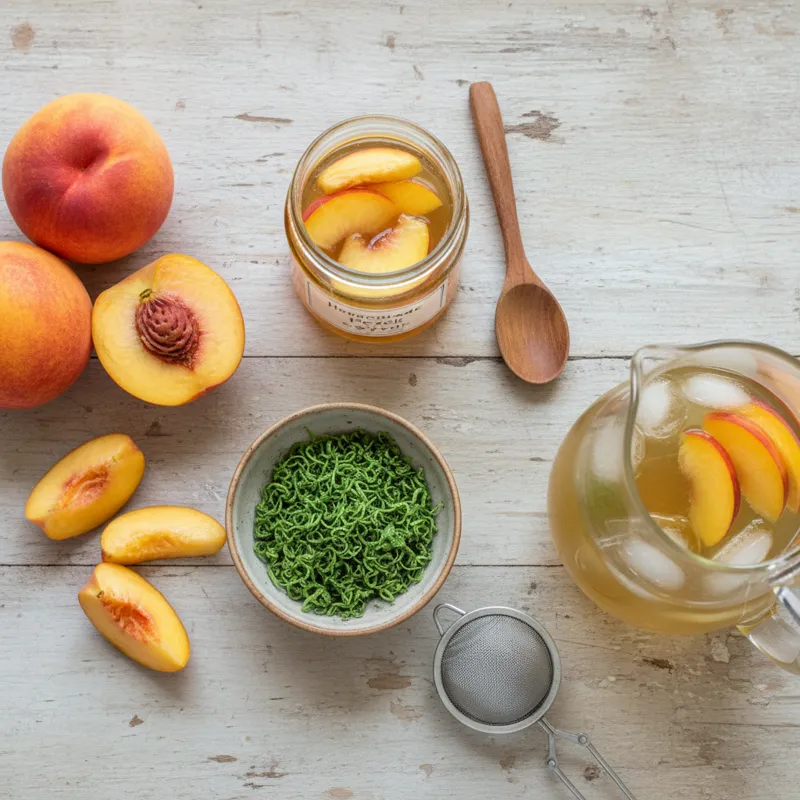
The quality of your finished drink is a direct result of the ingredients you start with. A few thoughtful choices here can elevate your homemade tea from good to exceptional.
Selecting the Right Green Tea
Not all green teas are created equal, and some are better suited for flavoring than others. You want a tea that is smooth and has a clean flavor profile that won’t clash with the peach.
- Sencha: This is the go-to for many. Japanese Sencha is steam-processed, which gives it a fresh, slightly grassy, and clean flavor with a hint of oceanic umami. A good quality Sencha green tea provides a perfect, vibrant base that complements the fruit without overpowering it.
- Bancha: Harvested later in the season, Bancha is a bit more robust and lower in caffeine than Sencha. Its bolder, nuttier flavor can stand up well to a very sweet peach syrup.
- Gunpowder: This Chinese green tea, with leaves rolled into small pellets, has a slightly smoky and bold flavor. It can create an interesting contrast with the sweet peach, but it’s a stronger taste that might not be for everyone.
For iced tea, using loose-leaf tea is highly recommended. It allows for better water circulation and flavor extraction compared to the often-dusty tea found in many standard paper tea bags. You’ll notice a significant difference in clarity and taste.
The Peach Element: Fresh, Frozen, or Syrup?
The source of your peach flavor is just as critical as the tea. You have several excellent options, each with its own pros and cons.
- Fresh Peaches: During peak season (typically June through September in the U. S.), nothing beats the flavor of ripe, juicy peaches. A perfectly ripe peach should have a little give when gently pressed and a sweet, floral aroma. They are ideal for making a fresh syrup or puree.
- Frozen Peaches: Don’t discount frozen! Peaches are often frozen at their peak ripeness, preserving their flavor and nutrients. They are a fantastic year-round option and work perfectly for making the peach simple syrup we’ll cover below.
- Peach Nectar or Juice: While a convenient shortcut, be cautious. Many commercial juices are high in added sugars, such as high-fructose corn syrup, and can contain artificial flavors. Look for 100% juice or nectar if you go this route, but a homemade syrup will almost always taste better.
How to Make Cafe-Quality Iced Peach Green Tea at Home
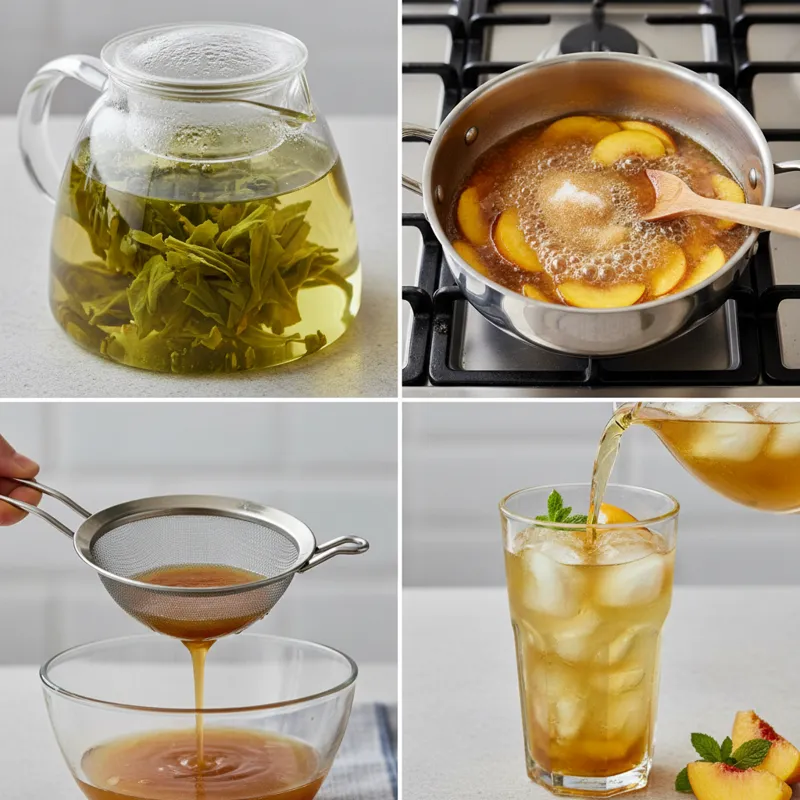
This method focuses on creating two separate, high-quality components—a tea concentrate and a peach syrup—which you then combine. This ensures every glass is perfectly balanced and bursting with fresh flavor.
Step 1: Brew the Green Tea Concentrate
The single most important rule of brewing green tea is to manage the temperature and time. This prevents the release of excess tannins, which cause bitterness.
- Measure Your Tea: For a concentrate, use about double the normal amount. A good ratio is 4 tablespoons of loose-leaf green tea for 4 cups of water. This will make a strong brew that won’t taste watery once diluted with ice and syrup.
- Heat Your Water (Correctly): Bring your water to a boil and then let it cool for a few minutes until it reaches approximately 175-180°F (80-82°C). If you don’t have a thermometer, this is about when the tiny bubbles just start to form at the bottom of the kettle. Using boiling water will scorch the delicate leaves.
- Steep Briefly: Pour the hot water over your tea leaves and steep for no more than 3 minutes. Any longer, and you risk bitterness. Immediately strain the tea into a separate pitcher to stop the brewing process.
- Cool Down: Let the tea concentrate cool to room temperature on the counter before placing it in the refrigerator. This gradual cooling helps prevent the tea from turning cloudy.
Step 2: Create the Perfect Peach Simple Syrup
This homemade peach syrup is the secret to authentic, vibrant flavor. It’s simple and far superior to anything you can buy.
- Combine Ingredients: In a medium saucepan, combine 1 cup of granulated sugar, 1 cup of water, and 2 cups of chopped peaches (fresh or frozen is fine). For a sugar-free version, you can substitute sugar with an equal amount of a cup-for-cup alternative like monk fruit or allulose.
- Simmer and Infuse: Bring the mixture to a gentle simmer over medium heat, stirring until the sugar dissolves completely. Reduce the heat to low and let it simmer for about 20-30 minutes. As it simmers, gently mash the peaches with a spoon or potato masher to release their juices.
- Strain Thoroughly: Pour the mixture through a fine-mesh sieve into a jar or bowl. Press down on the peach solids with the back of a spoon to extract every last bit of syrupy goodness. Discard the solids (or save them as a topping for yogurt or oatmeal).
- Cool and Store: Let the syrup cool completely. It can be stored in an airtight container in the refrigerator for up to two weeks.
Step 3: Assemble and Chill
Now for the fun part. With your components ready, you can mix your drink to your exact preference.
- Combine: In a large pitcher, combine your chilled green tea concentrate with cold, filtered water. A good starting point is a 1:1 ratio of concentrate to water, so 4 cups of concentrate and 4 cups of cold water.
- Sweeten to Taste: Begin adding your peach syrup. Start with about 1/2 cup and stir well. Taste it. Keep adding syrup until it reaches your desired level of peach flavor and sweetness. Everyone’s preference is different, so this is where you customize.
- Serve: Fill tall glasses with ice. Pour the finished peach green tea over the ice. Garnish with a fresh peach slice or a sprig of mint for a professional touch.
Common Pitfalls: What Most People Get Wrong
Making great peach green tea is easy, but a few common mistakes can ruin a batch. Here’s how to avoid them.
The Problem: The tea is bitter and harsh.
This is almost always caused by water that is too hot or steeping for too long. Green tea leaves contain compounds called catechins and tannins. While beneficial, when extracted with overly hot water, they create a sharp, bitter taste. Stick to the 175-180°F temperature and a 3-minute maximum steep time. As noted in the Wikipedia entry for Tea, brewing parameters have a massive impact on the chemical composition and flavor of the final cup.
The Problem: The iced tea is cloudy.
This happens due to a rapid temperature change. When you take hot brewed tea and immediately put it in the fridge, the tannins and other compounds can bind together and precipitate, causing a hazy appearance. The fix is simple: let your tea concentrate cool fully to room temperature on the counter before you refrigerate it.
The Problem: The peach flavor is weak or tastes artificial.
This usually stems from using underripe fruit or a low-quality commercial syrup. The flavor of a peach is directly tied to its ripeness. If your fresh peaches aren’t fragrant and sweet, your syrup won’t be either. This is why using frozen peaches, which are picked at their peak, is often a more reliable choice. Making your own syrup gives you that authentic, fresh-from-the-orchard taste.
Exploring Variations and Brewing Methods
Once you’ve mastered the basic recipe, you can start experimenting. Peach green tea is an incredibly versatile base for new creations.
The Hot Peach Green Tea Experience
For a soothing, cozy drink, simply adapt the recipe. Brew a standard-strength cup of green tea (e.g., 1 teaspoon of leaves per 8 oz of 175°F water for 2-3 minutes). Then, stir in 1-2 tablespoons of your homemade peach syrup. It’s a wonderful alternative to a standard sweetened tea on a cool day.
The Arnold Palmer Twist: Peach Green Tea Lemonade
This is a superstar combination. The tartness of lemonade perfectly complements the sweet peach and earthy tea. To make it, simply mix your prepared peach green tea with lemonade. A good ratio to start with is 2 parts tea to 1 part lemonade, but feel free to adjust to your taste. Using freshly squeezed lemonade will yield the best results.
Cold Brew Peach Green Tea
For the smoothest, most delicate flavor, try cold brewing. This method extracts flavor slowly without heat, resulting in a tea with virtually no bitterness. The process is incredibly simple: combine 8 tablespoons of loose-leaf green tea and 4 cups of sliced peaches with 8 cups of cold, filtered water in a large jar. Stir, cover, and refrigerate for 12-24 hours. Strain and serve. Because it’s so smooth, you may find you need less sweetener. This technique is a fantastic way to make a large, effortless batch, and you can learn more about the nuances of the cold brew green tea method for other applications as well.
A Look at the Potential Health Benefits
While this is a delicious treat, it’s nice to know it comes with some potential perks, provided you keep the sugar in check. The benefits primarily stem from its main ingredient: green tea.
Green tea is famously rich in polyphenols, particularly a type of catechin called epigallocatechin gallate (EGCG). According to the National Center for Complementary and Integrative Health (NCCIH), these compounds act as powerful antioxidants, which help protect the body’s cells from damage. Regular consumption of green tea is associated with a wide range of positive health outcomes.
Peaches contribute vitamins A and C, which support immune function and skin health. If you use a fresh puree instead of just a strained syrup, you also get a dose of dietary fiber. And of course, as a non-carbonated, low-caffeine beverage, it’s an excellent and flavorful way to stay hydrated throughout the day. The key is moderation with the sugar; the health benefits are most pronounced when the drink is lightly sweetened or unsweetened.
Store-Bought vs. Homemade: A Quick Comparison
In a busy world, it’s tempting to just grab a bottle from the store. While convenient, it’s worth knowing the trade-offs.
Store-Bought Options:You’ll find peach green tea in many forms: ready-to-drink bottles, flavored tea bags, and powdered mixes. The primary benefit is convenience. The downside is a lack of control. Bottled versions are often loaded with sugar (sometimes more than a soda) and may use “natural flavors” instead of real fruit. Flavored tea bags can be a good middle ground, but the flavor can sometimes taste muted or perfumy.
Homemade Peach Green Tea:The biggest advantage here is total control. You choose the quality of the tea, the ripeness of the peaches, and exactly how much (or how little) sugar goes in. The flavor is undeniably fresher and more vibrant. While it takes more effort upfront, making a large batch of tea and syrup means you can have a perfect glass ready in seconds for days to come. It’s also significantly more cost-effective. The process is not unlike making other specialty drinks at home, where a prepared concentrate like a Thai tea mix can simplify the process once the initial work is done.
Frequently Asked Questions (FAQ)
How much caffeine is in peach green tea?
The caffeine content depends on the specific green tea used and how long it’s steeped. On average, an 8-ounce serving of green tea contains 25-35 milligrams of caffeine. For comparison, a similar-sized cup of coffee contains 95 milligrams or more. A 2021 article in Forbes Health notes that up to 400 milligrams of caffeine a day is considered safe for most healthy adults.
Can I use white peaches instead of yellow?
Absolutely. White peaches will lend a more delicate, floral sweetness to the syrup. Yellow peaches tend to have a more robust, classic “peachy” flavor with a hint of tartness. Both are delicious, so feel free to use whichever you prefer or have available.
How long does homemade peach green tea last in the fridge?
When stored in a sealed container, the finished tea will stay fresh for about 3 to 4 days. The peach simple syrup, stored separately, will last for up to 2 weeks.
Can I make this with black tea instead?
Yes, you can. Peach black tea is also a very popular combination. The malty, bold flavor of black tea creates a different but equally delicious drink. Just be aware that black tea should be brewed with hotter water (around 200-212°F or 93-100°C) for 3-5 minutes.
Why is my peach syrup not very flavorful?
The most likely culprit is the peaches weren’t ripe enough. A ripe peach is key to a fragrant, flavorful syrup. Another possibility is that you added too much water or didn’t simmer it long enough to concentrate the flavors. Let it reduce a bit to intensify the taste.