
We often reach for a hot drink to punctuate our day—a morning jolt, a midday reset, or an evening wind-down. For many, that ritual is synonymous with caffeine. But as more of us look to manage our energy levels, improve sleep quality, and reduce anxiety, the world of caffeine-free tea is revealing itself not as a compromise, but as a destination. These brews aren’t just about what they lack; they’re about the rich spectrum of flavors, aromas, and wellness benefits they offer. Moving beyond caffeine doesn’t mean sacrificing the ritual or the refreshment. It means discovering a more nuanced way to energize, relax, and support your body, one carefully steeped cup at a time.
The Critical Difference: “Caffeine-Free” vs. “Decaffeinated”
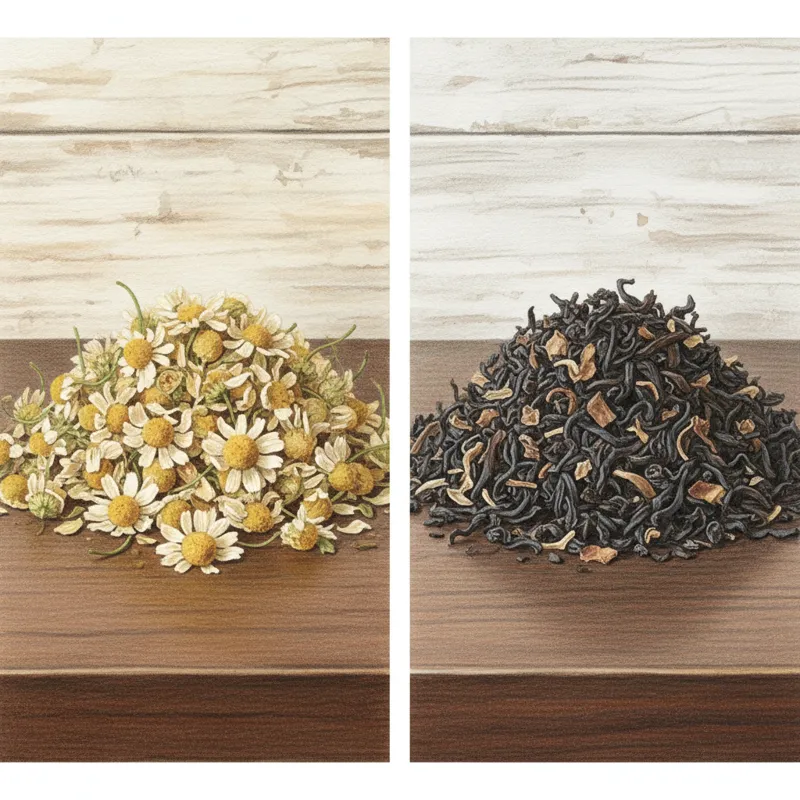
Before diving into the options, it’s crucial to understand a distinction that many people miss. The terms “caffeine-free” and “decaffeinated” are often used interchangeably, but they describe two fundamentally different products.
Naturally Caffeine-Free (Herbal Tisanes)
This is the category we’ll focus on most. A naturally caffeine-free tea isn’t technically “tea” at all in the traditional sense. True teas (black, green, white, oolong) all come from the leaves of the Camellia sinensis plant, which naturally contains caffeine. Instead, these beverages are properly called “tisanes” or “herbal infusions.” They are made from steeping flowers, leaves, seeds, roots, or fruits of other plants that never contained caffeine in the first place. Think chamomile, peppermint, and rooibos. They are 100% caffeine-free, always.
Decaffeinated Tea
Decaffeinated tea starts as regular, caffeine-containing tea from the Camellia sinensis plant. It then undergoes a process to remove the caffeine. While these processes are effective, they are not perfect. According to FDA regulations, for a tea to be labeled “decaffeinated,” it must have at least 97% of its original caffeine removed. This means a small, trace amount of caffeine almost always remains. For most people, this 2-5 milligrams of caffeine is negligible. However, for individuals highly sensitive to caffeine, it’s an important factor to consider.
Exploring the World of Naturally Caffeine-Free Tea (Herbal Tisanes)
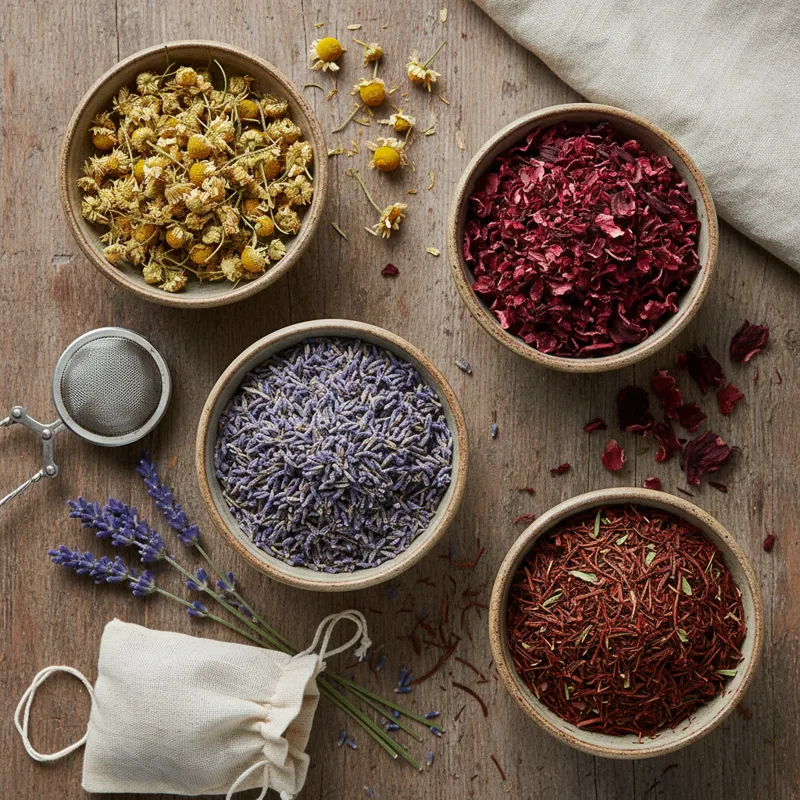
The true excitement in the world of caffeine-free tea lies in the vast and varied landscape of herbal tisanes. Each one offers a unique flavor profile and a distinct set of potential wellness benefits grounded in its botanical properties. Here’s a look at some of the most popular and effective choices, organized by their most common use.
For Unwinding and Sleep Support
This is perhaps the most common reason people seek out a caffeine-free tea. A warm, soothing cup before bed can be a powerful signal to the body that it’s time to rest.
Chamomile: The undisputed champion of relaxation teas. Chamomile contains an antioxidant called apigenin, which binds to specific receptors in your brain that may decrease anxiety and initiate sleep. Its flavor is gentle, apple-like, and floral. A cup of chamomile lavender tea is a classic combination for a reason—it doubles down on the calming botanicals.
Lavender: While famous for its use in aromatherapy, lavender flowers make a beautifully fragrant and calming tea. The scent alone is known to lower stress levels, and sipping it can provide a profound sense of tranquility. It has a potent, floral taste, so it’s often blended with other herbs like chamomile or lemon balm.
Valerian Root: For those seeking a more potent sleep aid, valerian root is a serious contender. It has been used for centuries to combat insomnia. Its mechanism is thought to involve increasing levels of a neurotransmitter called GABA (gamma-aminobutyric acid) in the brain, which has a sedative effect. Be warned: its flavor is very earthy and medicinal, often described as smelling like “dirty socks.” Many people blend it with peppermint or add honey to make it more palatable.
Lemon Balm: A member of the mint family, lemon balm has a lovely, mild citrus aroma and flavor. It’s been traditionally used to reduce stress and anxiety, improve mood, and promote restful sleep. It’s a much gentler option than valerian and makes for a light, pleasant evening drink.
For Digestive Comfort
Many herbs have properties that can soothe an upset stomach, reduce bloating, and generally aid the digestive process, making them perfect for after a heavy meal.
Peppermint: The active compound in peppermint, menthol, is a natural muscle relaxant. When you drink peppermint tea, it can help relax the muscles of the gastrointestinal tract, relieving spasms, cramping, and bloating. Its bright, clean, and refreshing flavor is a perfect palate cleanser.
Ginger: A go-to for nausea of all kinds. Ginger contains compounds called gingerols and shogaols, which are believed to speed up stomach emptying and reduce feelings of nausea. Its flavor is spicy, pungent, and deeply warming, making it a powerful and invigorating digestive aid.
Fennel: With a mild, sweet flavor reminiscent of licorice or anise, fennel tea is a fantastic choice for combating gas and bloating. It works similarly to peppermint, relaxing intestinal muscles and allowing trapped gas to dissipate.
For a Gentle Energy & Immunity Boost
Seeking energy from a caffeine-free tea might sound contradictory, but it’s about a different kind of energy: revitalization without the jitters. It’s about hydration, improved circulation, and nutritional support.
Rooibos (Red Bush): Hailing from South Africa, Rooibos is a powerhouse. It’s loaded with antioxidants, is naturally sweet with a nutty, earthy flavor, and contains no tannins, meaning it won’t get bitter no matter how long you steep it. Many people find the rich, full-bodied flavor of rooibos makes it an excellent substitute for black tea or even coffee. The numerous rooibos tea benefits make it a staple for anyone exploring the world of herbal infusions.
Hibiscus: Brewed from the vibrant calyces of the roselle flower, hibiscus tea has a tart, tangy flavor very similar to cranberry. It is packed with Vitamin C and other antioxidants, making it a great choice for immune support. It’s delicious both hot and iced, and its beautiful deep red color is a treat for the eyes.
Ginseng: Ginseng is an adaptogen, meaning it helps the body better manage and adapt to stress. While it doesn’t provide the artificial lift of caffeine, it can help improve focus and fight fatigue over the long term by supporting your body’s natural resilience. Its flavor is distinctly earthy and slightly bitter.
What Most People Get Wrong About Herbal Teas
The world of herbal infusions is rich with benefits, but it’s also filled with a few common misconceptions that are worth clearing up.
Myth 1: “All herbal teas are relaxing.”
This is a significant oversimplification. While many popular herbals like chamomile are known for their calming effects, others can be quite stimulating. Peppermint can be invigorating for many people, and ginseng is specifically used to combat fatigue. The effect depends entirely on the specific plant and its bioactive compounds.
Myth 2: “Decaf tea has zero caffeine.”
As we covered, this is not true. Decaffeination removes the vast majority of caffeine, but not all of it. The process leaves behind a few milligrams. If you are drinking decaf to gently reduce your intake, it’s a great choice. If you need to avoid caffeine entirely for medical reasons or extreme sensitivity, you should always choose a naturally caffeine-free tea (a tisane).
Myth 3: “More is always better.”
Herbs are potent. Just because they are natural doesn’t mean they can be consumed in unlimited quantities without consequence. Some herbs, like licorice root, can affect blood pressure if consumed in large amounts over time. Others, like valerian, have recommended serving sizes for effectiveness and safety. Always enjoy them in moderation and be mindful of how your body responds.
A Special Note on Herbal Infusions During Pregnancy
The question of which herbal infusions are safe during pregnancy is common and critical. Many people switch to caffeine-free tea during this time, but not all herbs are considered safe for expectant mothers.
Disclaimer: This information is for educational purposes only and is not a substitute for professional medical advice. Always consult with your doctor or a qualified healthcare provider before consuming any herbal products during pregnancy.
Some herbs may stimulate the uterus or have other effects that are not advisable. According to guidance from medical bodies and research summarized by institutions like the National Institutes of Health (NIH), it’s best to be cautious.
Herbs often considered safe in moderation during pregnancy include peppermint (for morning sickness), ginger (for nausea), and red raspberry leaf (often recommended in the third trimester to tone the uterus for labor). Herbs to be cautious with or avoid often include hibiscus, licorice root, and many adaptogens like ginseng. Again, a conversation with your healthcare provider is non-negotiable.
How to Choose and Brew the Perfect Cup of Caffeine-Free Tea
Getting started is easy. You’ll find a huge variety of options in most supermarkets, but for higher quality and more unique blends, exploring a specialty tea shop or a reputable online retailer is your best bet.
Where to Buy Non-Caffeinated Tea
You can find basic chamomile and peppermint bags anywhere. But for the best experience, look for brands that show you what you’re drinking. Look for whole chamomile flowers, real pieces of dried ginger, and full rooibos leaves. This is where loose-leaf tea often shines, though many premium brands now offer high-quality ingredients in pyramid-style tea bags.
Loose Leaf vs. Tea Bags
A decaffeinated tea bags variety pack or a similar herbal assortment is an excellent, low-commitment way to explore different flavors. Tea bags offer unmatched convenience. Loose-leaf tea, however, generally provides a more robust and nuanced flavor, as the larger pieces of herbs have more room to expand and infuse. It requires a simple infuser or a teapot, but many find the small extra step is part of a rewarding ritual.
Brewing Basics
Unlike delicate green or white teas, most herbal infusions are very forgiving.
- Water Temperature: Use fully boiling water (212°F or 100°C) to extract the most flavor and beneficial compounds from roots, barks, and dried fruits.
- Steeping Time: This varies widely. Delicate flowers like chamomile might only need 3-5 minutes. Tougher ingredients like ginger root or rooibos can steep for 5-10 minutes or even longer without becoming bitter. Experiment to find what you like best.
Beyond the Basics: Creating Your Own Blends
One of the most enjoyable aspects of drinking herbal tea is the ability to become your own alchemist. Once you know the flavors you like, you can start combining them to create personalized blends tailored to your needs and tastes.
Start with a simple base and add a complementary flavor. For instance:
- Relaxing Blend: Start with a base of chamomile, add a pinch of lavender for aroma, and a little lemon balm for a citrusy note.
- Tummy Tamer: Combine equal parts peppermint and ginger, then add a few fennel seeds for a touch of sweetness.
- Vibrant Iced Tea: Use hibiscus as a base, add some rosehips for extra Vitamin C and tartness, and a few strips of dried orange peel for brightness.
This creative process is how many commercial teas are born. Even a fancifully named blend, perhaps something you’d find at a Mad Hatter tea party, is often built on these fundamental principles of pairing flavors and functions.
Frequently Asked Questions about Caffeine-Free Tea
Q1: Will caffeine-free tea really give me energy?
It provides a different kind of energy. Instead of the sharp nervous system stimulation of caffeine, you get energy from pure hydration, improved circulation from warming herbs like ginger, and adaptogenic support from plants like ginseng that help your body manage fatigue more effectively. The simple act of taking a warm, flavorful break can also be mentally revitalizing.
Q2: What is the best caffeine-free tea for relaxation?
For most people, the top contenders are chamomile, lavender, and lemon balm. Chamomile is the most classic and widely available choice for its gentle, sleep-promoting properties.
Q3: Can I drink caffeine-free tea all day?
For the most part, yes. Herbal teas like rooibos, chamomile, and peppermint are generally safe to consume throughout the day and are a fantastic way to stay hydrated. Just be mindful that some herbs, like hibiscus, can have a mild diuretic effect.
Q4: What about fruity herbal teas?
These are some of the most popular herbal blends on the market. They usually use a base of hibiscus or rooibos and then add dried fruit pieces and natural flavors. This concept is similar to popular ready-to-drink beverages; instead of a cold, sugary Snapple peach tea, you get a warm, naturally sweet infusion. A well-made herbal pomegranate tea, for example, will likely have a hibiscus base to provide that tart, fruity foundation.
Exploring the world of caffeine-free tea is a journey of flavor and function. It’s an invitation to listen to your body—to choose a blend that calms you when you’re stressed, soothes you when you’re unwell, or gently revitalizes you when you’re tired. It’s about embracing a ritual that nourishes rather than just stimulates, offering a complex, satisfying, and genuinely beneficial alternative that stands proudly on its own.


