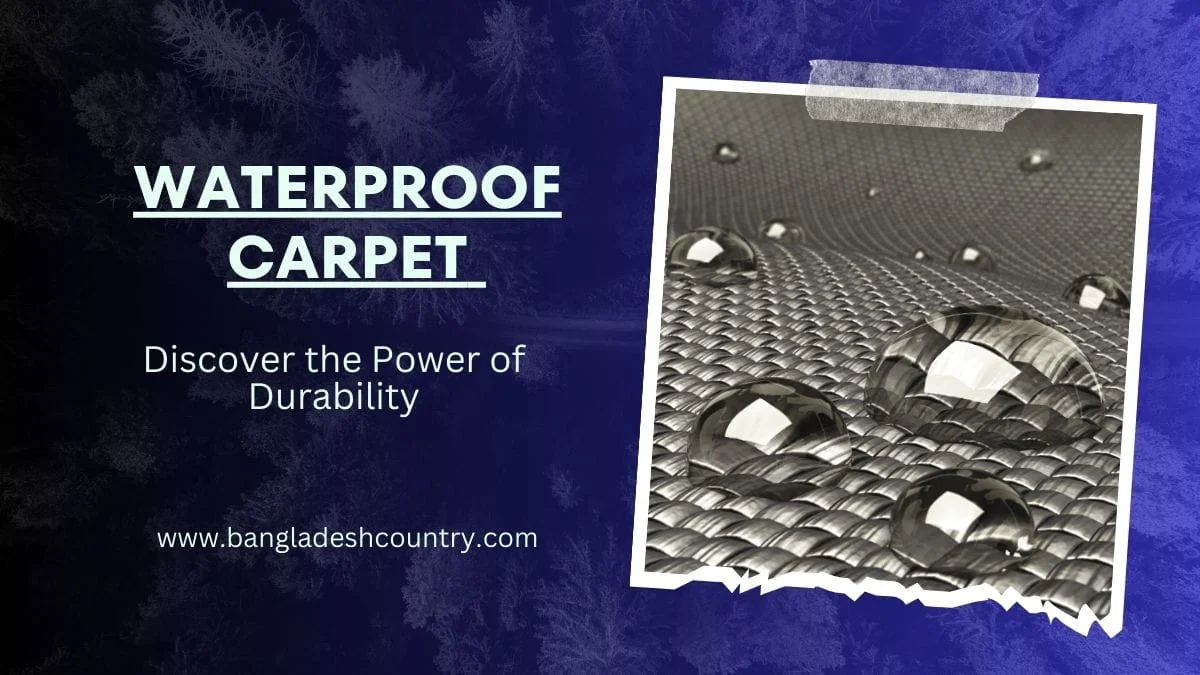
The modern home, bustling with life, pets, and the occasional spilled drink, demands flooring that can keep up. For decades, carpet offered unmatched comfort and warmth, but always at the cost of vulnerability to spills and moisture. Fast forward to 2026, and advancements in materials science and manufacturing have fundamentally reshaped what carpet can be, introducing robust solutions designed to withstand the realities of daily living. We’re no longer talking about just stain-resistant carpet; we’re delving into the world of truly engineered waterproof carpet.
What Does “Waterproof Carpet” Really Mean in 2026?
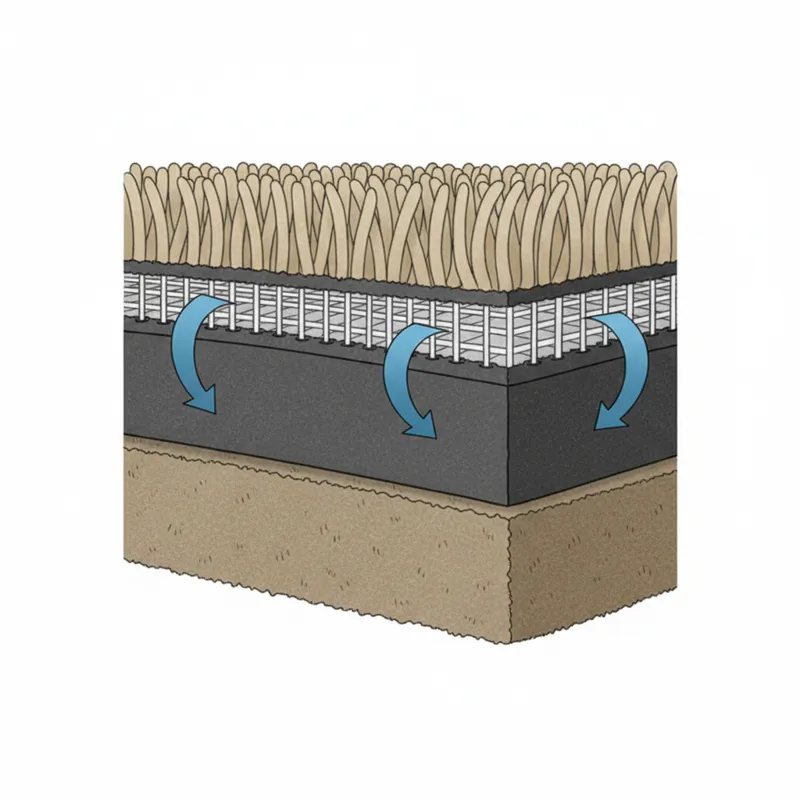
Understanding waterproof carpet starts with defining what “waterproof” actually implies in this context. Historically, “water-resistant” was the highest claim carpet could make, meaning it could repel liquids for a short period, giving you time to clean up. True waterproof carpet, however, features an integrated system designed to prevent liquids from penetrating through the carpet material itself to the subfloor beneath. This isn’t just about the face fibers resisting stains; it’s about the entire construction acting as a sealed barrier. At its core, a waterproof carpet system typically involves three main components:
- The Face Fibers: These are often made from synthetic materials like PET (polyethylene terephthalate), nylon 6,6, or polypropylene (olefin), engineered to be inherently non-absorbent or treated with hydrophobic coatings. This is where the initial stain resistance comes from.
- The Primary Backing: This layer holds the carpet fibers in place and is usually made from woven polypropylene.
- The Integrated Waterproof Barrier: This is the critical component. It’s a specialized, often thermoplastic or PVC-free, layer fused to the primary backing. This impenetrable membrane prevents any liquid that gets past the face fibers from reaching the subfloor.
The combination ensures that even if a liquid soaks through the pile, it hits a wall and cannot damage the pad or subfloor. This distinction is crucial for homeowners looking for genuine protection.
Why Durability and Moisture Protection Matter Now More Than Ever
Our homes are dynamic environments. Pet accidents, spilled coffee, overflowing bathtubs, or even just high humidity in basements used to be a death sentence for traditional carpet, leading to unsightly stains, persistent odors, and potentially hazardous mold and mildew growth beneath the surface. The advent of reliable waterproof carpet addresses these challenges head-on, offering peace of mind and significantly extending the life of your flooring investment. In 2026, where homes are often multi-functional spaces and durability is a key concern for long-term value, installing flooring that can withstand the unexpected is a practical decision. For families with active children, pet owners dealing with frequent accidents (Pet friendly stain resistant flooring is a significant market driver), or anyone looking to finish a basement without fear of moisture damage (making it the Best flooring for moisture prone basements), waterproof options are no longer a luxury but a sensible necessity. This kind of resilience translates directly into less maintenance, fewer replacements, and a healthier living environment.
The Engineering Behind Waterproof Carpet: How It Works
The effectiveness of modern waterproof carpet stems from innovative material science and construction techniques. It’s a layered approach, each element contributing to the overall barrier.
Advanced Fiber Technologies
Most waterproof carpets utilize synthetic fibers, specifically PET polyester, treated nylon, or polypropylene.
- PET Polyester: Often made from recycled plastic bottles, PET fibers are naturally highly resistant to water absorption and staining. When coupled with specific backing systems, they form an excellent first line of defense.
- Treated Nylon: While nylon is renowned for its durability and resilience, traditional nylon can be absorbent. However, advanced treatments and coatings applied during manufacturing make it highly water-repellent, often encapsulated to resist moisture penetration.
- Polypropylene (Olefin): Inherently hydrophobic, polypropylene fibers do not absorb water, making them naturally resistant to staining and moisture. This characteristic makes them a strong candidate for waterproof applications, particularly in Durable outdoor area rugs and specific indoor settings.
These fibers often feature a tight, dense construction, making it harder for liquids to penetrate the pile initially.
Integrated Waterproof Backing Systems
This is the true game-changer. Rather than relying on a separate underlayment to block moisture, waterproof carpet has the barrier built directly into its structure.
- Thermoplastic Backing: Many systems use a thermoplastic layer (e.g., polyolefin) that is heat-fused to the carpet’s primary backing. This creates a seamless, impermeable membrane that acts as a shield against liquids.
- PVC-free Backings: With increasing environmental consciousness, many manufacturers have moved towards PVC-free backings, offering similar performance without the environmental concerns associated with polyvinyl chloride. These often involve specialized polymer compounds.
- Closed-Cell Foam Backings: Some variations incorporate a closed-cell foam layer as part of the backing system. This type of foam doesn’t absorb water and also adds cushioning and thermal insulation.
The key is that this backing isn’t merely attached; it’s an integral part of the carpet, creating a monolithic barrier. Proper installation, including the use of appropriate carpet adhesive, is crucial to ensure this barrier remains unbroken, especially at seams.
Exploring Types of Waterproof Carpet Solutions
The market for waterproof flooring has diversified significantly, offering options for various needs and aesthetic preferences.
Broadloom (Roll Goods) with Integrated Backing
This is what most people visualize when they think of carpet. Modern broadloom waterproof carpet comes with the impermeable backing already attached. It’s laid wall-to-wall and can provide a seamless look. The challenge here is ensuring seams are properly sealed during installation to maintain the waterproof integrity across the entire floor.
Waterproof Carpet Tiles/Planks
Modular carpet tiles or planks offer incredible flexibility and are a popular choice for both residential and Commercial grade spill proof flooring. Each tile typically has its own waterproof core or backing.
- Benefits: Easier to install (often peel-and-stick or glue-down), individual tiles can be replaced if damaged, excellent for design versatility (mixing colors/patterns).
- Applications: Ideal for basements, home offices, playrooms, and high-traffic commercial settings. They are often backed with dense, moisture-impervious materials that lay flat and resist curling.
Indoor/Outdoor and Area Rugs
While not always “carpet” in the traditional sense, many Durable outdoor area rugs and indoor/outdoor carpets are designed with highly water-resistant fibers and backings to withstand the elements. These often use polypropylene and rubberized backings, making them suitable for patios, screened-in porches, and even high-spill indoor areas where a movable solution is preferred.
Key Benefits That Go Beyond Water Protection
While liquid protection is the headline feature, the engineering of waterproof carpet brings a host of other advantages that contribute to a more durable, cleaner, and healthier home.
- Superior Stain Resistance: Because the fibers themselves are often non-absorbent and treated, most spills (even tough ones like red wine or pet urine) simply bead up on the surface, allowing for easy clean-up before they have a chance to set. This often exceeds the performance of traditional “stain-resistant” treatments.
- Odor Prevention: This is a massive benefit, especially for pet owners. When liquids can’t soak into the pad and subfloor, the source of persistent, lingering odors from pet accidents is eliminated. The mess stays on the surface, where it can be cleaned entirely.
- Enhanced Durability and Longevity: The robust construction, including high-performance fibers and strong backings, makes waterproof carpet incredibly durable. It stands up better to heavy foot traffic, retains its appearance longer, and resists crushing and matting. This extended lifespan means less frequent replacement.
- Improved Indoor Air Quality: By preventing moisture penetration, waterproof carpet significantly reduces the risk of mold and mildew growth in the carpet pad and subfloor. This contributes to a healthier indoor environment, as these fungi are common triggers for allergies and respiratory issues. It’s a proactive step in maintaining clean air.
- Easier Maintenance and Cleaning: Spills are simpler to manage, requiring less effort and fewer specialized cleaning products. Routine vacuuming and occasional spot cleaning are usually sufficient, making it a low-maintenance flooring option.
- Acoustic Properties: Like traditional carpet, these options still offer excellent sound absorption, reducing noise transfer between floors and softening ambient room sounds. This is particularly valuable in multi-story homes or busy commercial settings.
Where Waterproof Carpet Shines (and Where It Might Not Be the Perfect Fit)
Understanding the optimal applications helps in making an informed decision.
Ideal Locations for Waterproof Carpet:
- Basements: This is arguably where waterproof carpet truly shines. Basements are inherently prone to moisture—whether from humidity, minor leaks, or even significant flooding. A waterproof solution prevents damage to the subfloor and inhibits mold growth, making it the best flooring for moisture-prone basements.
- Homes with Pets: For anyone sharing their home with furry friends, the ability to contain and clean up pet accidents without residual odor or staining is invaluable. This makes it highly sought after as pet friendly stain resistant flooring.
- Children’s Playrooms and Bedrooms: Kids are messy. From juice spills to art project mishaps, waterproof carpet can handle the everyday chaos without permanent damage.
- High-Traffic Residential Areas: Living rooms, family rooms, and hallways benefit from the added durability and stain resistance.
- Rental Properties: Landlords often opt for durable, easy-to-maintain, and spill-proof flooring to minimize damage and turnover costs.
- Commercial Settings: Offices, retail spaces, and even healthcare facilities can benefit from the easy-to-clean and durable nature of Commercial grade spill proof flooring.
Considerations for Other Areas:
While highly versatile, there are contexts where alternative flooring might still be preferred. For instance, in bathrooms with direct water exposure (e.g., inside a shower or right next to a tub without a mat), hard surfaces like tile or vinyl plank are often more practical for continuous standing water, despite advancements in carpet technology. However, for a bedroom connected to a bathroom, or areas where only occasional splashes are expected, waterproof carpet remains a strong contender.
What Most People Get Wrong About Waterproof Carpet
Despite its clear advantages, there are common misconceptions that can lead to disappointment if not addressed. Firstly, many people confuse “stain-resistant” with “waterproof.” While waterproof carpets are almost always stain-resistant, the reverse isn’t true. A carpet can be highly stain-resistant, meaning spills won’t permanently discolor the fibers, but water can still penetrate the backing and reach the subfloor, causing potential damage and mold issues. True waterproof implies a complete barrier. Secondly, the integrity of the installation is paramount. A waterproof carpet that isn’t installed correctly—with improperly sealed seams or without the right carpet adhesive—can still allow water to seep through. The carpet itself might be waterproof, but if the perimeter or seams aren’t watertight, the system fails. This is especially true when considering a moisture barrier carpet underlayment – while many waterproof carpets have integrated barriers, sometimes an additional subfloor prep or barrier is necessary for extreme conditions. Finally, “waterproof” doesn’t mean “indestructible.” While these carpets are incredibly resilient, they still require basic care. Leaving standing water for extended periods, failing to clean up spills, or neglecting routine maintenance can still impact performance over time. It means the floor will resist the damage, not that you can ignore the issue indefinitely. For instance, cleaning up spilled wax from a decorative item like a gold candle or a blue candle is still necessary, but the waterproof nature ensures the underlying structure is protected during the cleanup process.
Choosing the Right Waterproof Carpet for Your Home
Selecting the ideal waterproof carpet involves considering several factors specific to your situation.
Assess Your Needs:
- Traffic Level: For high-traffic areas, opt for denser pile constructions and resilient fibers like treated nylon or high-quality PET.
- Pet Considerations: If pet accidents are a primary concern, look for specific “pet-proof” lines that often have enhanced odor-blocking treatments in addition to the waterproof backing.
- Aesthetics: Waterproof carpets come in a vast array of colors, patterns, and pile types (loop, cut pile, frieze, etc.). Don’t compromise on style for functionality.
- Budget: Prices vary based on fiber type, backing technology, and brand. Determine a realistic budget, understanding that the long-term benefits often outweigh a slightly higher initial cost.
Consider Installation Method:
- Broadloom: Requires professional installation, particularly for seam sealing.
- Carpet Tiles/Planks: Often suitable for DIY installation, but professional installation ensures optimal seam integrity.
Underlayment & Subfloor:
Many waterproof carpets have an integrated cushion or backing that negates the need for a separate pad. However, for specific installations, particularly in basements, a dedicated moisture barrier carpet underlayment might be recommended by the manufacturer or installer to address subfloor humidity or minor water vapor transmission. Always follow manufacturer guidelines.
Installation Best Practices for Maximum Waterproofing
The performance of even the best waterproof carpet can be compromised by poor installation. Here’s what matters:
- Subfloor Preparation: The subfloor must be clean, dry, and level. Any existing moisture issues in the subfloor must be addressed before installation. For concrete slabs, a moisture vapor test is often recommended.
- Proper Seaming: For broadloom installations, seams are the most vulnerable point. Professional installers use specialized seaming tapes and adhesives to create a watertight seal. This is where a quality carpet adhesive becomes critical.
- Edge Sealing: Around walls and obstacles, edges should be secured and potentially sealed to prevent water from wicking underneath.
- Acclimatization: Allow the carpet to acclimate to the room’s temperature and humidity for at least 24-48 hours before installation to prevent buckling or shifting.
While some carpet tiles can be a DIY project, for wall-to-wall broadloom, professional installation is strongly advised to ensure the waterproof integrity of the entire system.
Maintenance and Care for Long-Lasting Durability
One of the most appealing aspects of waterproof carpet is its ease of maintenance. However, consistent care ensures its longevity.
- Immediate Spill Clean-up: Even though the carpet is waterproof, it’s always best practice to clean spills immediately. Most liquids will bead up, giving you ample time to blot them with a clean cloth. Avoid rubbing, which can push the spill deeper into the fibers.
- Regular Vacuuming: Vacuum at least once or twice a week, more often in high-traffic areas or homes with pets. This removes dirt and grit that can wear down fibers over time.
- Spot Cleaning: For tougher stains, use a mild carpet cleaner specifically designed for your carpet fiber type. Test in an inconspicuous area first.
- Professional Deep Cleaning: While less frequent than with traditional carpet, professional deep cleaning every 12-18 months can help refresh the carpet and remove embedded dirt. Ensure the cleaning method is compatible with your waterproof backing (often low-moisture methods are preferred).
- Avoid Harsh Chemicals: Strong bleaches or abrasive cleaners can damage the carpet fibers or the waterproof backing. Stick to manufacturer-recommended cleaning solutions.
The Environmental Aspect: Sustainability in Waterproof Flooring
As consumers become more aware of the environmental impact of their choices, the flooring industry has responded. Many waterproof carpet options in 2026 incorporate sustainable practices.
- Recycled Content: PET polyester fibers are often made from recycled plastic bottles, diverting waste from landfills.
- PVC-Free Backings: The move away from PVC in backings reduces the use of certain chemicals and improves recyclability.
- Durability = Sustainability: A longer-lasting carpet means fewer replacements, which translates to less waste sent to landfills over time. Investing in a durable, waterproof carpet is inherently an environmentally friendlier choice in the long run.
- Improved Indoor Air Quality: By preventing mold and mildew, these carpets contribute to healthier indoor air, reducing the need for chemical remediation.
People Also Ask (FAQ)
Is waterproof carpet truly 100% waterproof, or just highly water-resistant?
Modern waterproof carpet systems are engineered to prevent liquids from penetrating through the carpet material to the subfloor. This means if a spill occurs, the liquid sits on top of the integrated barrier, preventing damage underneath. However, like any flooring, it’s not designed for prolonged submersion (e.g., major flooding) where water could potentially get underneath from edges or major structural breaches. For practical purposes, it offers highly reliable waterproof protection against typical spills and accidents.
Can I install waterproof carpet in a basement with known moisture issues?
While waterproof carpet is excellent for basements, any significant, ongoing moisture issues (like hydrostatic pressure or leaks) should be addressed and resolved before installing any flooring. Waterproof carpet will protect against spills and ambient humidity, but it’s not a solution for structural water intrusion. A proper subfloor moisture barrier might still be recommended in very damp environments.
How long does waterproof carpet typically last?
With proper care and installation, waterproof carpet can last significantly longer than traditional carpet, often 10-20 years or more. Its enhanced durability, stain resistance, and protection against moisture damage contribute to its extended lifespan and maintained appearance.
Is waterproof carpet significantly more expensive than regular carpet?
Initially, waterproof carpet can have a slightly higher upfront cost per square foot compared to entry-level traditional carpet. However, considering its superior durability, stain and odor prevention, reduced maintenance, and the avoided costs of water damage or premature replacement, it often proves to be a more cost-effective investment over its lifespan.
Does waterproof carpet offer good sound absorption compared to other flooring options?
Yes, waterproof carpet retains the excellent acoustic properties of traditional carpeting. Its fibrous construction and often thicker, integrated backing help absorb sound, reducing echoes and noise transfer between rooms or floors. This makes it a great choice for creating quieter, more comfortable living spaces.
The Power of Durability: A Smart Choice for the Modern Home
The evolution of carpet technology has delivered a genuinely transformative product in the form of waterproof carpet. It’s a solution that brilliantly marries the comfort and warmth we love about carpet with the uncompromising durability and resilience demanded by modern life. For homeowners in 2026 seeking to protect their investment, simplify maintenance, and create a healthier, more forgiving living space, embracing the power of waterproof carpet isn’t just an upgrade—it’s a smart, strategic decision for the long haul.