

Navigating the landscape of dental care in the United States often feels like an uphill battle. With rising costs and the essential nature of oral health, finding the right coverage isn’t just a convenience; it’s a financial necessity. In 2026, understanding your options for the best dental insurance is more critical than ever. This guide cuts through the complexity, offering a clear, practical roadmap to securing comprehensive and affordable dental coverage tailored to your specific needs.
Understanding Dental Insurance in 2026: More Than Just Cleanings
Dental insurance isn’t a one-size-fits-all product. Its mechanics, much like the mechanics of insurance in general, are designed to distribute risk and provide financial assistance for dental procedures. However, unlike medical insurance, dental plans typically focus more on cost-sharing rather than covering catastrophic events.
Most plans categorize dental services into three tiers: preventive, basic, and major. Preventive care, such as cleanings, exams, and X-rays, is almost always covered at 100% after a small co-pay, if any. This is because insurers understand that preventing problems is far cheaper than treating them.
Basic procedures, including fillings, extractions, and sometimes root canals, usually see coverage around 70-80%. This means you’d pay the remaining 20-30% after your deductible is met.
Major procedures, like crowns, bridges, dentures, and oral surgery, often have the lowest coverage, typically 40-50%. These procedures also frequently come with waiting periods, which we’ll discuss shortly.
The structure of dental plans largely falls into three categories:
- Preferred Provider Organization (PPO) Plans: These offer the most flexibility. You can choose any dentist, but you’ll pay less if you stick to an in-network provider. PPOs are popular because they offer a balance of choice and cost savings.
- Dental Health Maintenance Organization (DHMO) Plans: These plans are generally more restrictive and often less expensive. You must choose a primary dentist within the DHMO network, who then refers you to specialists if needed. Out-of-network care is typically not covered.
- Dental Discount Plans: While not insurance, these plans offer a network of dentists who provide services at a reduced fee. You pay an annual membership fee, then receive discounts on treatments. There are no deductibles, annual maximums, or waiting periods, but you pay the discounted rate directly to the dentist.
Understanding these fundamental structures is the first step in identifying the best dental insurance for your unique situation in 2026.
Key Factors When Comparing Best Dental Insurance Plans
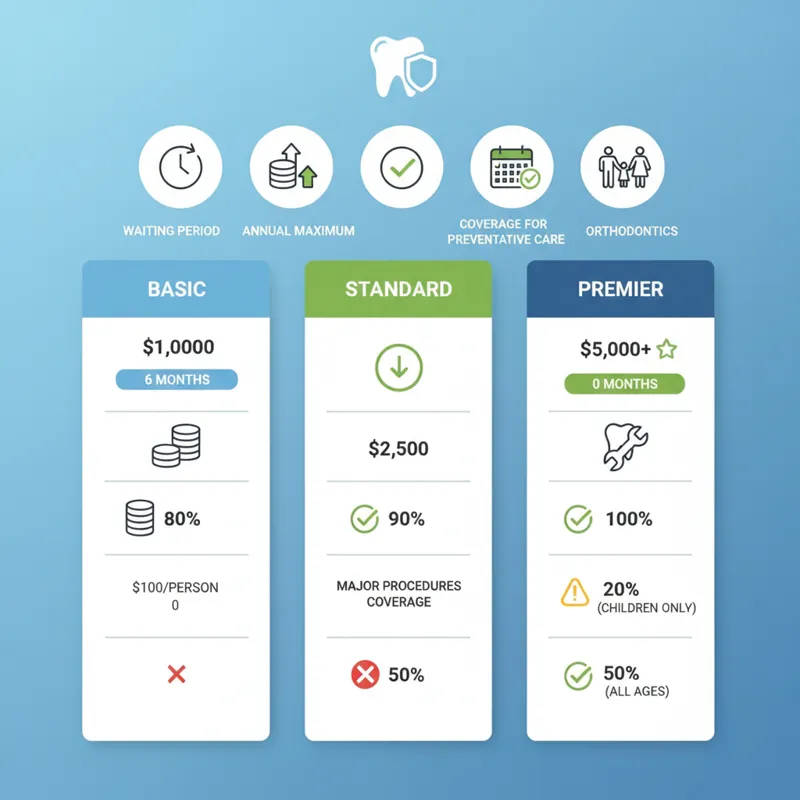
When you’re trying to compare dental insurance options, it’s easy to get lost in the jargon. Focusing on a few core metrics will help you cut through the noise and evaluate plans effectively.
Waiting Periods: A Critical Consideration
This is arguably one of the most important, and often overlooked, aspects of dental insurance. Most plans impose a waiting period—a set amount of time you must be enrolled before certain procedures are covered. Preventive care usually has no waiting period, but basic work might have a 3-6 month wait, and major work often requires 6-12 months, or even longer.
If you anticipate needing a crown or other major work soon, a plan with shorter or no waiting periods for major procedures will be significantly more beneficial, though it might come with a higher premium.
Annual Maximums: Your Coverage Ceiling
Dental insurance plans have an annual maximum, which is the total amount the insurer will pay for your dental care within a policy year. This typically ranges from $1,000 to $2,000. Once you hit this limit, you’re responsible for 100% of additional costs until the next policy year. For families or individuals anticipating extensive work, a higher annual maximum is invaluable.
Deductibles: Your Initial Out-of-Pocket Cost
The deductible is the amount you must pay out-of-pocket before your insurance coverage kicks in. This is usually a relatively low amount for dental plans, often $50-$100 per person per year. Some plans have a family deductible, which, once met by any combination of family members, activates coverage for everyone.
Premiums: The Monthly Price Tag
This is the regular payment you make to keep your coverage active. Premiums vary widely based on the plan type, coverage level, and the number of people covered. It’s crucial to balance a low premium against the benefits and out-of-pocket costs (deductibles, co-insurance) you might incur.
In-Network vs. Out-of-Network Costs
For PPO plans, staying within the insurer’s network of dentists means lower costs because the network dentists have agreed to provide services at negotiated rates. If you go out-of-network, the plan may still cover a portion, but your co-insurance and overall out-of-pocket expenses will be higher.
Specific Coverage Levels: Beyond the Basics
Before committing to a plan, understand what’s covered beyond standard cleanings and fillings. Does it include:
- Orthodontics: Often limited, especially for adults, or only covered if medically necessary for children.
- Implants: Many plans consider these cosmetic or experimental, offering limited or no coverage.
- Dentures/Bridges: Generally covered under major work, subject to waiting periods and lower percentages.
- Cosmetic Procedures: Whitening, veneers, and similar treatments are almost never covered by insurance.
When comparing the overall value, it’s not just about the cheapest premium. The best dental insurance plan is one that offers the right balance of network flexibility, coverage for anticipated needs, and manageable out-of-pocket costs.
Top Contenders for Best Dental Insurance in 2026 (General Overview)
While the “best” plan is ultimately subjective, several providers consistently rank high due to their extensive networks, range of plans, and customer service. As you explore your options, you’ll likely encounter these names repeatedly. Remember, plan availability and specifics can vary by state and even zip code.
- Delta Dental: Often considered the largest dental insurance provider in the U. S., Delta Dental boasts an expansive network and a variety of plans, including PPO and HMO options. Their widespread acceptance makes them a top choice for many.
- Aetna: Aetna offers a strong portfolio of dental plans, frequently featuring competitive PPO options and good coverage for various procedures. They are often a solid choice for employer-sponsored plans and individual coverage alike.
- Cigna: Known for robust PPO networks, Cigna provides comprehensive coverage, often with competitive annual maximums. They are a significant player in both individual and group dental insurance markets.
- Humana: Humana is a strong contender, particularly for seniors, often integrating dental benefits into their Medicare Advantage plans. They offer a good mix of PPO and DHMO plans tailored to diverse needs.
- Guardian: Guardian provides reliable dental insurance with a focus on comprehensive benefits. They are well-regarded for their customer service and various plan structures designed for individuals and families.
- UnitedHealthcare: With a broad presence, UnitedHealthcare offers a range of dental plans that can be competitive in terms of both premiums and coverage, catering to different budgets and dental needs.
When considering the array of dental plans, think of it like choosing from the best Fuze Iced Tea flavors for 2026 — each has distinct characteristics, and what’s ‘best’ really depends on your personal taste and specific needs. Your individual dental history, anticipated future needs, and budget will dictate which provider and plan structure aligns best for you.
Best Dental Insurance for Individuals and Singles
For individuals or singles with generally good oral health, the focus is typically on preventive care and basic coverage. You’ll want a plan with low monthly premiums and 100% coverage for cleanings and exams. A modest annual maximum might be perfectly sufficient. Look for plans with low or no deductibles for preventive care. Sometimes, a dental discount plan might even be more cost-effective if your needs are minimal.
Best Dental Insurance for Families
Families often have more complex needs, especially if there are children requiring orthodontics, sealants, or more frequent dental work. For families, look for plans with:
- Comprehensive coverage for children, including potential orthodontic benefits (which are often separate or have strict age limits).
- A higher annual maximum to accommodate multiple family members’ needs.
- Manageable family deductibles.
- A broad network to ensure all family members can see their preferred dentist.
Best Dental Insurance for Seniors
Seniors often face different dental challenges, including a greater need for major restorative work like crowns, bridges, dentures, or even implants. For seniors, the best dental insurance will prioritize:
- Coverage for major procedures with lower co-insurance and shorter waiting periods.
- Higher annual maximums.
- Plans that integrate well with Medicare Advantage, as many Medicare Advantage plans now offer dental benefits.
- Look closely at plans specifically designed for seniors, as they often cater to these unique needs.
Best Dental Insurance with No Waiting Period
Plans with no waiting period for certain services do exist, but it’s crucial to read the fine print. Often, “no waiting period” only applies to preventive care. Some plans may offer immediate coverage for basic services, but major work almost always has an associated waiting period. If a plan truly offers no waiting period for major work, expect higher premiums or significantly lower annual maximums. These plans are best if you have an immediate, urgent need and don’t mind the increased upfront cost.
What Most People Get Wrong When Choosing Dental Insurance
The dental insurance market is designed to be confusing, but many common mistakes can be avoided with a bit of foresight. Understanding these pitfalls can save you significant money and frustration.
- Ignoring Waiting Periods: This is the biggest trap. Many individuals buy a plan expecting immediate coverage for a root canal or crown, only to find they have a 6-12 month waiting period. Always verify waiting periods for the specific procedures you anticipate needing.
- Only Looking at Premiums: A low monthly premium can seem appealing, but if the deductible is high, the annual maximum is low, and co-insurance rates are steep, you might end up paying more out-of-pocket than with a slightly higher premium plan. Consider the total potential cost.
- Not Checking Dentist Network: If you have a long-standing relationship with a dentist you trust, ensure they are in-network for any PPO plan you consider. Switching dentists can be inconvenient and costly if your preferred provider isn’t covered.
- Overlooking Orthodontic or Major Work Exclusions: Don’t assume. Orthodontics, implants, and even some types of oral surgery are frequently limited or excluded, especially for adults. If these are potential needs, verify specific coverage.
- Assuming All Plans are the Same: This couldn’t be further from the truth. There’s a vast difference in coverage, networks, waiting periods, and costs between providers and even between different plans from the same provider. Taking the time to compare is essential.
- Misunderstanding Annual Maximums: Many people don’t realize that dental insurance has an annual maximum. It’s not unlimited coverage. If you need extensive work, you might exceed this limit, making you responsible for the remainder.
While many people spend time researching things like the ultimate decor ideas for their homes, the selection process for dental insurance often receives less attention than it deserves, despite its profound impact on financial health. Avoiding these common errors ensures you find the best dental insurance for your situation.
Beyond Traditional Insurance: Alternatives and Supplements
Sometimes, traditional dental insurance isn’t the most effective or affordable solution. Understanding alternatives and supplemental options can provide flexibility and cost savings.
Dental Discount Plans
As mentioned earlier, these aren’t insurance but rather membership programs. You pay an annual fee (typically $100-$200) and get access to a network of dentists who offer services at a reduced rate (often 10-60% off). Key benefits include no waiting periods, no annual maximums, and no deductibles. They can be an excellent option for those needing immediate work or who find traditional premiums too high for their expected usage.
Health Savings Accounts (HSAs) and Flexible Spending Accounts (FSAs)
If you have a High-Deductible Health Plan (HDHP), you might be eligible for a Health Savings Accounts (HSAs). These accounts allow you to save and spend money on qualified medical and dental expenses with significant tax advantages. Contributions are tax-deductible, funds grow tax-free, and withdrawals for qualified expenses are also tax-free. HSAs roll over year to year.
Flexible Spending Accounts (FSAs) are employer-sponsored accounts that allow you to set aside pre-tax money for healthcare expenses, including dental. The main difference from an HSA is that FSA funds are typically “use-it-or-lose-it” within the plan year, though some plans offer a grace period or a small carryover.
Both HSAs and FSAs are powerful tools for managing dental costs, especially if you have predictable expenses or are planning for major work.
Direct Pay / Cash Pay
For routine preventive care or minor procedures, sometimes paying cash directly to your dentist can be more cost-effective than insurance, especially if your plan has a high deductible or you rarely visit the dentist. Many dentists offer a discount for cash payments, as it reduces their administrative burden. It’s always worth asking your dental office about their cash prices.
Just as individuals explore refreshing drink options like Brisk Raspberry Iced Tea, it’s beneficial to take a fresh look at your dental care strategy, considering all available options beyond traditional insurance.
How to Compare Dental Insurance Quotes Effectively in 2026
Gathering quotes is just the first step. The real work is in understanding and comparing them accurately. Here’s a practical approach:
- Assess Your Needs: Before you even look at plans, honestly assess your dental health. Are you generally healthy and only need preventive care? Do you anticipate needing fillings, a root canal, or orthodontics in the near future? Consider your family’s history of dental issues.
- Gather Multiple Quotes: Don’t settle for the first quote. Use online comparison tools or contact providers directly. Compare at least 3-5 different plans from various insurers.
- Create a Spreadsheet: List key plan features side-by-side: premium, deductible, annual maximum, co-insurance percentages (for preventive, basic, major), waiting periods, and network size. This makes direct comparison much easier.
- Calculate Potential Out-of-Pocket: Project your likely dental expenses for the year. For example, if you anticipate a crown (which might cost $1,000-$2,000 without insurance), calculate how much you’d pay with each plan, factoring in the deductible, co-insurance, and annual maximum.
- Check Dentist Network: Verify if your current dentist is in-network. If not, consider if you’re willing to switch or if the out-of-network benefits are acceptable.
- Read the Summary of Benefits and Coverage (SBC): This document is mandated by law and provides a clear, standardized overview of the plan’s coverage, costs, and limitations. Pay close attention to exclusions and limitations.
The goal is to find a plan where the total annual cost (premiums + anticipated out-of-pocket expenses) is less than what you would pay for dental work without insurance. For many, the peace of mind and access to preventive care alone make dental insurance a worthwhile investment.
Navigating the US Dental Market: A Practical Approach
The US dental market is diverse, with regional variations impacting everything from the cost of care to the availability of specific insurance plans. What works well in one state might not be ideal in another.
Employer-sponsored plans are often the most cost-effective way to get dental insurance. Employers typically subsidize a portion of the premiums, and group plans often have better benefits, lower deductibles, and sometimes shorter waiting periods than individual plans. If you have access to a plan through your job, it’s usually the first option to explore.
If you’re self-employed, retired, or your employer doesn’t offer dental coverage, you’ll be looking at individual plans. These are generally more expensive than group plans, so thorough comparison becomes even more vital.
Always ask your dental office about the plans they accept. Many offices are well-versed in navigating insurance and can offer insights into which plans they see their patients getting the most value from. Some even have in-house membership plans that function similarly to discount plans.
Ultimately, taking a proactive stance on your oral health is critical for overall health. Dental insurance is a tool to help manage the costs, encouraging regular preventive care and making necessary treatments more accessible.
People Also Ask About Dental Insurance
Is dental insurance worth it if I only get cleanings?
For many, yes. Two cleanings and one set of X-rays per year typically cost more out-of-pocket than the annual premium for a basic dental plan that covers these services at 100%. Plus, it provides a safety net for unexpected issues like a sudden cavity or cracked tooth.
Can I get dental insurance with no waiting period for major work?
It’s rare for true “major work” (like crowns or root canals) to have absolutely no waiting period. Plans advertised as “no waiting period” often mean for preventive and sometimes basic services. Be very cautious and read the fine print if a plan claims immediate coverage for major procedures, as it might have higher premiums, lower annual maximums, or strict limitations.
What’s the average cost of dental insurance in the US?
The average monthly premium for individual dental insurance in the US can range from $15 to $50, depending on the state, type of plan (PPO vs. DHMO), and coverage level. Family plans will naturally be higher.
Does dental insurance cover cosmetic procedures?
Generally, no. Procedures like teeth whitening, veneers, or elective orthodontics (if not medically necessary) are almost universally excluded from standard dental insurance plans. Some premium plans might offer a small discount on cosmetic services, but full coverage is not typical.
How long do I need to keep dental insurance before major work?
Waiting periods for major work (crowns, bridges, dentures) typically range from 6 to 12 months. Some plans might extend this to 18 months. It’s essential to check the specific plan documents for exact waiting periods before enrolling if you anticipate needing major work soon.
Finding the best dental insurance in 2026 requires a bit of homework, but the payoff in terms of financial savings and maintained oral health is substantial. By understanding the different plan types, key factors like waiting periods and annual maximums, and knowing your specific needs, you can confidently choose a plan that guarantees comprehensive coverage and peace of mind. Remember, proactive dental care supported by smart insurance choices is an investment in your overall well-being.
General Information & Professional Disclaimer
Disclaimer
The information provided by bangladeshcountry.com (“we,” “us,” or “our”) on our website is for general informational purposes only. All information on the Site is provided in good faith; however, we make no representation or warranty of any kind, express or implied, regarding the accuracy, adequacy, validity, reliability, availability, or completeness of any information on the Site.
Not Professional Advice The Site cannot and does not contain financial, insurance, legal, medical or professional career advice. The insurance related information is provided for general informational purposes only and is not a substitute for professional advice.
We are not certified financial advisors, insurance agents, or legal professionals. Accordingly, before taking any actions based on such information, we strictly encourage you to consult with the appropriate professionals or certified authorities. We do not provide any kind of professional or financial advice.
THE USE OR RELIANCE OF ANY INFORMATION CONTAINED ON THIS SITE IS SOLELY AT YOUR OWN RISK. We shall not have any liability to you for any loss or damage of any kind incurred as a result of the use of the site or reliance on any information provided on the site.


