
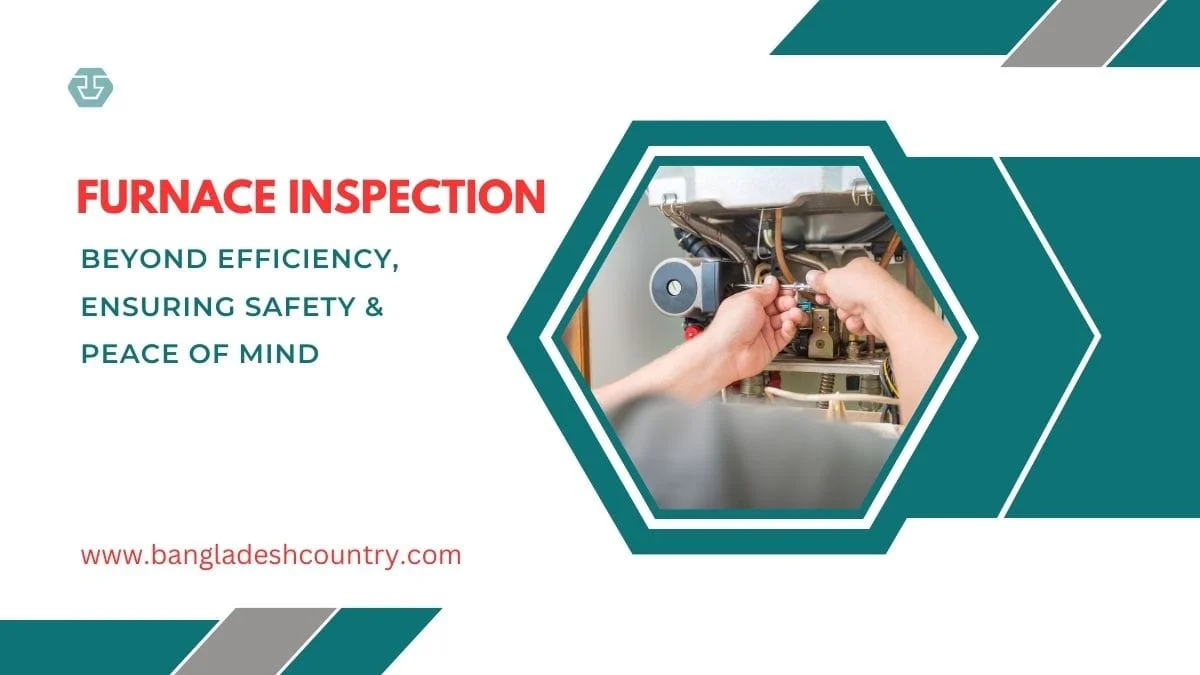
As we navigate the cooler months of 2026, many homeowners are acutely aware of their furnace. It’s not just a large metal box in the basement or utility closet; it’s the heart of your home’s comfort system, silently working to keep you warm and cozy. However, its role extends far beyond merely generating heat. A thorough furnace inspection is a proactive measure that goes significantly beyond basic efficiency checks, fundamentally ensuring the safety of your household and providing invaluable peace of mind. Neglecting this annual ritual can lead to unexpected breakdowns, skyrocketing energy bills, and, critically, hazardous situations.
Understanding the Core Purpose of a Furnace Inspection

A furnace inspection isn’t merely a suggestion; it’s an essential preventative maintenance step. Its core purpose is twofold: to optimize your system’s performance and, more importantly, to verify its safe operation. This annual service identifies potential issues before they escalate into costly repairs or, worse, dangerous failures. Think of it as a comprehensive health check-up for one of your home’s most critical appliances.
Beyond the Thermostat: Why a Professional Eye is Indispensable
Many homeowners understand that a dirty filter can impede airflow and reduce efficiency. They might even know to listen for strange noises. Yet, a professional furnace inspection delves into the intricate mechanisms and safety protocols that are inaccessible or unknown to the average individual. These are complex systems involving combustion, exhaust, electrical components, and precise pressure regulation. A licensed technician possesses the specialized tools and training to assess these critical areas, offering a level of scrutiny that simply isn’t possible through DIY efforts.
The Critical Safety Checks: What a Furnace Inspection Uncovers

While efficiency often grabs headlines, safety is the paramount concern during any furnace inspection. Modern furnaces, especially those powered by natural gas or propane, are highly effective but carry inherent risks if not properly maintained. Here’s what a professional actively looks for:
Carbon Monoxide Detection and Venting Integrity
One of the most insidious threats from a malfunctioning furnace is carbon monoxide (CO) leakage. CO is an odorless, colorless gas that can be fatal. During an inspection, technicians meticulously check the heat exchanger for cracks or corrosion. The heat exchanger is where combustion gases transfer heat to the air circulating through your home. If compromised, exhaust gases containing CO can mix with your breathable air. The technician will also inspect the flue pipe and venting system to ensure proper exhaust of combustion byproducts to the outdoors. Any blockage or deterioration in the venting can cause these dangerous gases to back up into your home. For more information on the dangers, the U. S. Consumer Product Safety Commission (CPSC) provides extensive resources on carbon monoxide safety.
Gas Line and Connection Assessment
For gas furnaces, the integrity of the gas line connections is crucial. Technicians use leak detection equipment to ensure there are no subtle gas leaks that could pose a fire or explosion hazard. They also verify that the gas pressure is within the manufacturer’s specified range, as incorrect pressure can lead to inefficient combustion and potential safety issues.
Electrical System Inspection
Flickering lights or tripped breakers can sometimes be traced back to electrical issues within the furnace. An inspection includes checking all electrical connections for tightness, signs of overheating, and proper grounding. Faulty wiring can lead to short circuits, system failures, and even electrical fires. Capacitors, relays, and the igniter are also tested for correct operation, ensuring safe and reliable ignition and shutdown sequences.
Flame Sensor and Ignition System Check
The flame sensor is a critical safety device designed to detect if a flame is present in the burner. If it doesn’t sense a flame after ignition, it will shut off the gas supply, preventing raw gas from filling your home. Technicians clean and test this sensor to ensure it’s functioning accurately. The igniter itself, whether hot surface or pilot light, is also inspected for proper operation and wear.
Optimizing for Efficiency: How an Inspection Saves You Money

Beyond safety, the efficiency aspect of a furnace inspection translates directly into real savings on your utility bills. A well-maintained system doesn’t just work; it works smarter, consuming less energy to achieve the same heating output.
Airflow and Filtration
One of the most basic yet impactful checks involves the air filter. A clogged filter restricts airflow, forcing the furnace fan to work harder, consuming more electricity, and reducing overall heating efficiency. Technicians will inspect your filter, recommend the appropriate MERV rating for your system, and advise on replacement schedules. They also inspect the blower motor and fan assembly, ensuring they are clean and free of debris, which further enhances airflow and reduces energy consumption.
Burner and Combustion Performance
The burners are where the magic happens – the controlled combustion of fuel. A professional will clean the burners, removing any soot or debris that could impede proper flame distribution and combustion. They’ll also test the combustion efficiency using specialized equipment, ensuring the fuel is burning cleanly and completely. Incomplete combustion wastes fuel and can produce more harmful byproducts, including carbon monoxide.
Thermostat Calibration and System Controls
Your thermostat is the brain of your heating system. An inspection includes verifying its accuracy and calibration. A miscalibrated thermostat can cause your furnace to cycle more frequently or run longer than necessary, wasting energy. The technician will also check other system controls, such as limit switches and safety cut-offs, ensuring they activate correctly under various operating conditions.
Ductwork Integrity
While often a separate service, a basic assessment of exposed ductwork is usually part of a comprehensive furnace inspection. Leaky ducts can lose a significant amount of heated air before it reaches your living spaces, forcing your furnace to run longer. Identifying and sealing these leaks can dramatically improve efficiency. The U. S. Department of Energy’s Energy Saver program offers detailed information on how duct sealing can save energy.
What a Typical Furnace Inspection Entails: A Step-by-Step Breakdown
When a qualified technician arrives for your annual furnace inspection, they typically follow a comprehensive checklist. While specific steps can vary slightly by technician or system type, here’s a general overview of what you can expect:
- Initial System Check: The technician will start by turning on the furnace to observe its initial start-up, listening for any unusual noises, and checking for proper ignition.
- Thermostat Functionality Test: They’ll test the thermostat’s accuracy and responsiveness, ensuring it correctly communicates with the furnace.
- Air Filter Assessment: The air filter will be inspected for cleanliness and proper fit. Recommendations for replacement or upgrades will be provided.
- Blower Motor and Fan Inspection: The blower assembly, which circulates air, will be checked for cleanliness, lubrication (if applicable), and proper operation.
- Heat Exchanger Examination: This is a critical safety check for cracks, holes, or corrosion that could lead to carbon monoxide leaks. This often involves visual inspection and sometimes more advanced methods like a camera scope.
- Burner Cleaning and Adjustment: The burners are cleaned to ensure even, efficient combustion and proper flame appearance.
- Ignition System Check: The igniter or pilot light assembly is inspected and tested to confirm reliable ignition.
- Flame Sensor Cleaning: The flame sensor is cleaned to prevent nuisance shutdowns.
- Gas Pressure Test (for gas furnaces): The gas pressure is measured and adjusted if necessary to ensure optimal combustion and safety.
- Flue Pipe and Venting System Inspection: The technician ensures the exhaust system is clear, properly sealed, and safely directing combustion gases outside.
- Electrical Connections and Components: All wiring, relays, capacitors, and safety switches are checked for wear, tightness, and correct functionality.
- Safety Controls Verification: Limit switches, rollout switches, and other safety mechanisms are tested to ensure they would trigger correctly in an unsafe condition.
- Temperature Rise Measurement: The technician measures the temperature difference between the return air entering the furnace and the supply air leaving it. This indicates if the furnace is heating effectively and within its design parameters.
- Final Operational Test and Recommendations: After all checks, the furnace is run through a full cycle, and the technician provides a summary of findings, any recommended repairs, and advice for ongoing maintenance.
Things People Usually Miss: Beyond the Obvious
It’s easy to focus on the immediate, tangible aspects of home maintenance, like a drink dispenser with stand for entertaining or ensuring your water dispenser is clean. But when it comes to your furnace, there are several crucial elements often overlooked by homeowners until a significant problem arises:
- The Annual Nature of the Problem: Many assume if the furnace worked last year, it’ll be fine this year. Furnaces degrade gradually. Seals weaken, metal fatigues, and electrical components can slowly fail over time. An annual inspection catches these creeping issues before they become emergencies.
- Lack of Carbon Monoxide Detector Testing: While technicians check for CO leaks from the furnace, homeowners often forget to regularly test their in-home carbon monoxide detectors. These devices are your last line of defense and should be tested monthly and replaced according to manufacturer guidelines (typically every 5-7 years).
- Ignoring Minor Noises or Smells: A slight change in noise or a faint, unusual smell might seem insignificant, but these can be early indicators of serious issues, such as a loose component, electrical problem, or even a gas leak. Don’t dismiss them; note them for your technician.
- Neglecting Condensate Drains (High-Efficiency Furnaces): High-efficiency condensing furnaces produce condensate (water) that needs to drain properly. If this drain gets clogged, it can back up, trip a safety switch, and shut down your furnace, or even cause water damage. Many homeowners don’t realize this component requires regular flushing.
- Skipping the Thermostat Batteries: A simple oversight, but dead thermostat batteries can lead to a non-responsive heating system, sometimes mistakenly thought to be a furnace breakdown.
- Forgetting to Clear the Area Around the Furnace: Furnaces need adequate clearance for proper airflow and safe operation. Storing flammable materials, laundry, or clutter too close to the unit is a common hazard that’s often overlooked.
Choosing the Right Professional: What to Look For
Your furnace is a critical system, and its inspection is not a job for just anyone. Here’s what to prioritize when selecting an HVAC professional:
- Licensing and Certification: Ensure the technician and company are licensed and insured in your state. Look for certifications from organizations like NATE (North American Technician Excellence), which indicates a high level of expertise.
- Experience and Reputation: Choose a company with a proven track record. Read reviews, ask for references, and check their standing with the Better Business Bureau.
- Comprehensive Service: Don’t settle for a “quick check.” A reputable company will offer a detailed, multi-point inspection list, explaining what they’re checking and why.
- Transparency in Pricing: Get a clear understanding of the cost upfront. Be wary of extremely low prices, which might indicate a superficial inspection or hidden charges.
- Emergency Services: A good HVAC provider also offers 24/7 emergency services, giving you peace of mind that help is available if an unexpected breakdown occurs.
- Preventative Maintenance Plans: Many companies offer annual service agreements that include regular inspections and discounts on repairs, making consistent heating system maintenance easier and often more affordable.
Disclaimer: This article provides general information regarding furnace inspection and maintenance. It is not a substitute for professional advice. For any work related to your heating system, especially concerning gas lines, electrical components, or combustion, always consult and hire a qualified, licensed HVAC professional. Attempting DIY repairs or inspections of complex systems can be dangerous and void warranties.
Frequently Asked Questions About Furnace Inspection
How often should I get a furnace inspection?
For optimal safety and efficiency, it’s highly recommended to schedule an annual furnace service. The best time is typically in the fall, before the cold season truly sets in, to ensure your system is ready for heavy use. This ensures any issues are addressed proactively, preventing breakdowns when you need heat most.
What’s included in a furnace tune-up vs. an inspection?
Often, the terms are used interchangeably. Generally, a furnace inspection focuses on checking all components for proper function and safety. A “tune-up” usually encompasses the inspection but adds cleaning, lubrication, and minor adjustments to optimize performance. So, a tune-up is typically a more comprehensive version of an inspection, designed for furnace preventative care and efficiency.
How much does an HVAC tune-up cost?
The HVAC tune-up cost varies widely based on your location, the type of furnace, and the specific services included. On average, you can expect to pay anywhere from $75 to $200 for a thorough inspection and tune-up. Many HVAC companies offer maintenance plans that can reduce the per-service cost.
Can I perform a furnace inspection myself?
While you can perform basic tasks like regularly changing your air filter and keeping the area around the furnace clear, a comprehensive furnace inspection requires specialized tools, training, and expertise. Crucial safety checks, such as carbon monoxide detection, gas pressure testing, and heat exchanger inspection, should always be performed by a licensed professional. Attempting these yourself can be dangerous and may compromise your safety.
What are the signs that my furnace needs immediate attention?
Look out for unusual noises (grinding, banging, squealing), strange smells (burning plastic, sulfur, musty odors), insufficient heating, frequently tripped circuit breakers, a yellow or flickering pilot light (it should be blue), and increasing energy bills. If you notice any of these, especially if you suspect a gas leak or carbon monoxide, turn off your furnace and contact a professional immediately.
How long does a typical furnace inspection take?
A thorough, professional furnace inspection usually takes between 45 minutes to 1.5 hours. The exact time depends on the complexity of your system, its condition, and whether any minor adjustments or cleanings are performed during the visit.
Does a new furnace still need annual inspections?
Absolutely. Even new furnaces benefit from annual inspections. These check for proper installation, ensure all components are working as designed, and can identify any manufacturing defects early on. Many manufacturer warranties also require proof of annual residential heating system safety check to remain valid.
Investing in a professional furnace inspection isn’t an expense; it’s a wise investment in your home’s safety, your family’s comfort, and your financial well-being. By prioritizing this essential furnace inspection, you’re not just preparing for winter’s chill, but securing true peace of mind for years to come.


