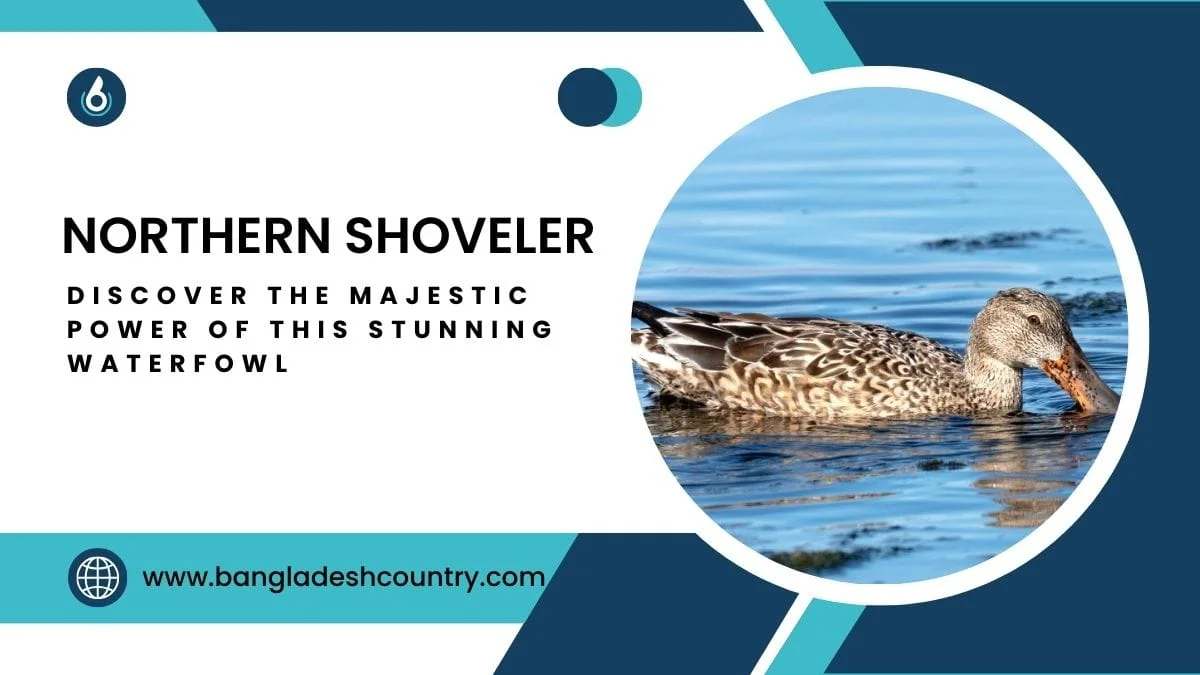
The Northern Shoveler, with its strikingly oversized, spatulate bill, stands out as one of North America’s most distinctive and compelling waterfowl. Often observed diligently sifting through shallow waters, this medium-sized dabbling duck presents a fascinating study in specialized evolution. Its unique feeding apparatus isn’t merely a curiosity; it’s a masterclass in biological adaptation, allowing the shoveler to thrive in niches unavailable to many other duck species. For birdwatchers, conservationists, and outdoor enthusiasts across the United States, understanding this duck goes beyond simple identification; it’s about appreciating a creature perfectly engineered for its environment.
Identifying the Northern Shoveler: A Visual Masterclass
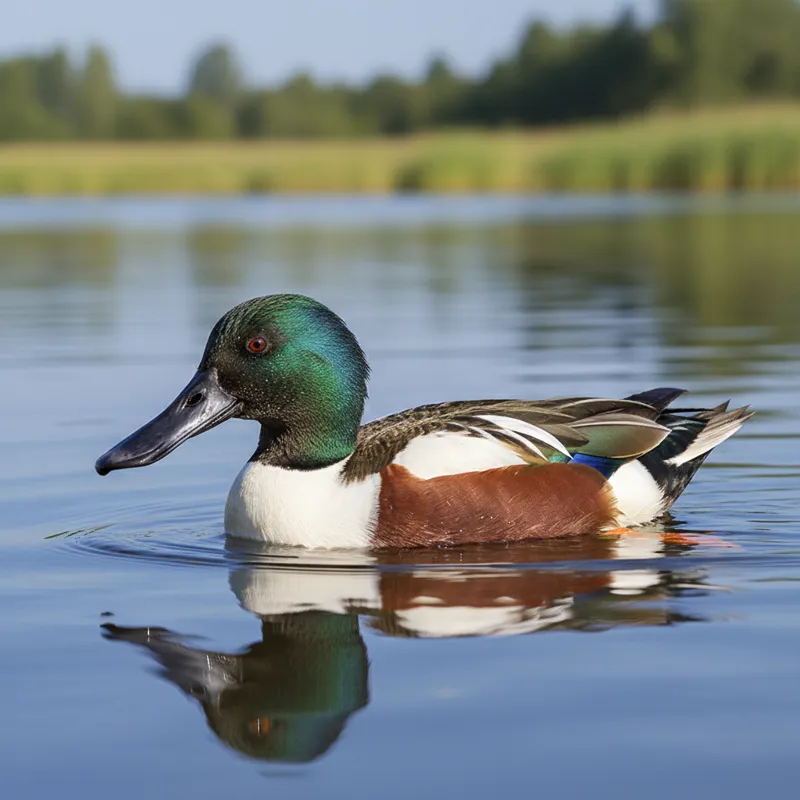
Accurately identifying the Northern Shoveler (Anas clypeata) is usually straightforward, especially the drake in breeding plumage, thanks to its unmistakable bill. This isn’t just a large bill; it’s distinctly spatulate, widening significantly towards the tip, resembling a spoon or shovel – hence the common name. In terms of size, it’s a medium-sized duck, typically ranging from 17 to 20 inches in length with a wingspan of about 28 to 32 inches. Its body is fairly robust, not particularly slender or elongated. Let’s break down the key features for both sexes and seasons:
The Striking Drake (Breeding Plumage)
The male Northern Shoveler in breeding plumage, visible from late fall through early summer, is truly a sight. You’ll immediately notice:
- Head: A glossy, iridescent dark green head, often appearing black in poor light, providing a stark contrast.
- Breast: A clean, crisp white breast that extends up to the neck.
- Sides & Flanks: Rich rufous (reddish-brown) flanks, usually separated from the white breast by a distinct white vertical stripe.
- Back: A dark back, often appearing blackish.
- Bill: The massive, black, spoon-shaped bill is its most defining feature.
- Eyes: Bright yellow eyes that stand out against the dark head.
- Speculum: A vibrant iridescent green speculum (a patch of feathers on the secondary flight feathers of the wing), bordered by white. This is often visible even when the duck is resting.
- Legs: Bright orange legs and feet.
This combination of green, white, and rufous makes the breeding drake one of the easiest ducks to identify, even from a distance.
The More Subdued Hen and Eclipse Plumage
The female Northern Shoveler, or hen, has a more muted, mottled brown plumage, typical of many female dabbling ducks. However, even the hen carries that distinctively large, spatulate bill, though it’s often a duller grayish-orange with dark splotches or a blackish culmen (the upper ridge of the bill). You’ll observe:
- Overall: Mottled brown body, with slightly darker brown on the back and lighter, somewhat streaked underparts.
- Head: A duller brown head, often with a subtle green tint in good light, and a darker cap.
- Bill: Large, grayish-orange to blackish, spatulate bill.
- Speculum: The iridescent green speculum is still present but less vivid than the drake’s, often appearing duller and bordered with white.
- Eyes: Darker eyes.
- Legs: Orange to dull yellow-orange.
During the late summer and early fall, after breeding, drakes undergo an eclipse plumage, temporarily resembling the hen, though they retain some hints of their breeding colors and the bill remains prominent. The main difference to look for is the bill shape; no other dabbling duck in North America possesses such a dramatically oversized bill. When trying to differentiate between a hen Shoveler and a similarly sized duck like a female Blue-winged Teal, always refer back to that bill. The teal’s bill, while relatively large, doesn’t flare out into a spoon shape.
The Unique Mechanics of the Shoveler’s Bill: A Specialized Filter Feeder
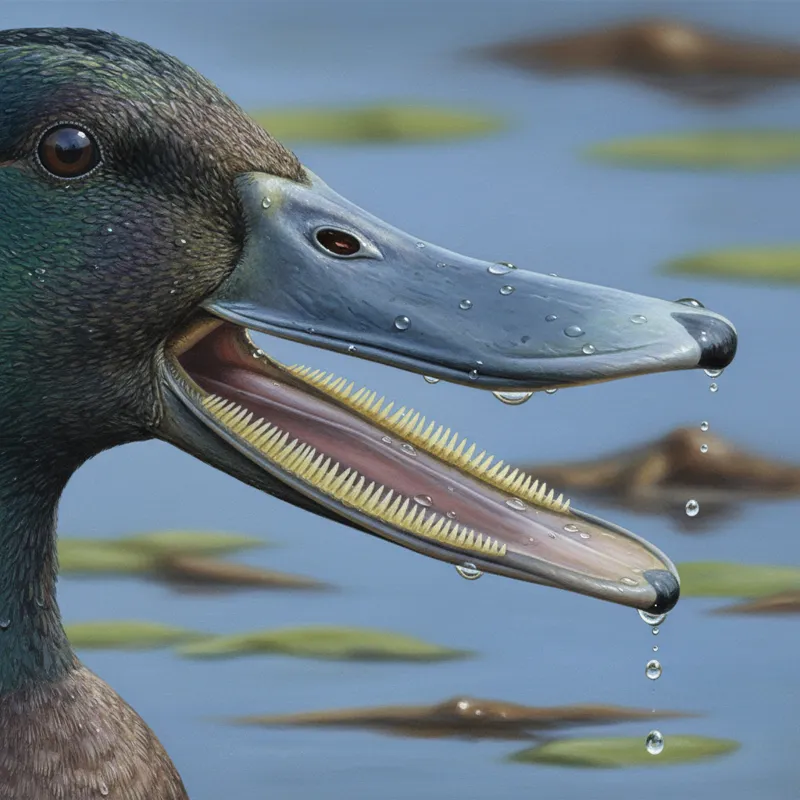
The Northern Shoveler’s most remarkable feature, its enormous, broad bill, isn’t just for show. It’s a highly specialized feeding tool, central to the duck’s survival strategy and its unique place in wetland ecosystems. This bill represents one of the finest examples of evolutionary adaptation among waterfowl, allowing it to exploit food sources inaccessible to other dabbling ducks.
Anatomy of a Filter
If you get a close look at a Northern Shoveler’s bill, you’ll notice a series of fine, comb-like structures lining the edges of both the upper and lower mandibles. These are called lamellae. Unlike the relatively coarse lamellae of other dabbling ducks like Mallards, the shoveler’s lamellae are exceptionally numerous, thin, and closely spaced, creating a highly efficient sieve. Think of it like baleen in whales, but on a much smaller scale and for filtering water.
The Mechanistic Process of Filter Feeding
The shoveler employs a distinct feeding technique that leverages its specialized bill:
- Skimming: Shovelers often swim along with their bills partially submerged, sifting through the surface water. They draw water into their mouths and then use their tongue as a plunger, forcing the water back out through the lamellae.
- Dabbling: In shallow water, they’ll often tip forward, submerging their heads and necks to access sediments and vegetation just below the surface. They’re not diving deeply but rather reaching into the substrate.
- Spinning: A truly characteristic behavior is “spinning.” Shovelers will often swim in tight circles, sometimes in groups, disturbing the bottom sediments. This action stirs up small invertebrates and plant matter, bringing them into the water column where the ducks can then filter them out more easily. This cooperative feeding can be quite effective, creating mini “vortices” that concentrate food particles.
The lamellae trap tiny organisms like zooplankton (small crustaceans, insect larvae), phytoplankton (algae), and small seeds, while allowing the water to pass through. This efficiency means they can exploit a diet rich in microscopic aquatic life, a food source often overlooked by ducks with more generalized feeding bills. This specialization reduces direct competition with species like Mallards, which primarily graze on larger seeds and aquatic plants. The constant filtering motion requires healthy wetland habitats with an abundance of these small organisms. The health of a shoveler population can often be an indicator of the overall ecological balance and productivity of a wetland, highlighting the critical link between specialized feeders and their environments.
Habitat and Distribution Across the United States
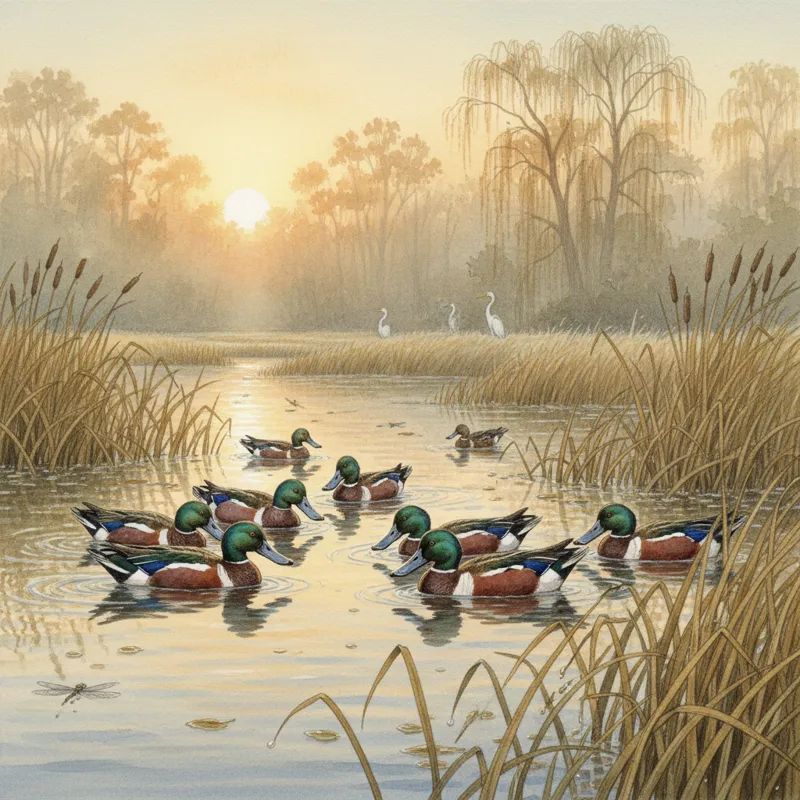
The Northern Shoveler is a widespread species across North America, favoring specific types of aquatic environments. Understanding their preferred habitats and distribution is key for successful birdwatching and conservation efforts. Their presence across the United States is largely seasonal, dictated by their migration patterns.
Preferred Habitats
Shovelers are quintessential dabbling ducks, meaning they feed by tipping forward in shallow water rather than diving deeply. Consequently, their ideal habitats are characterized by:
- Shallow, Productive Wetlands: They thrive in marshes, swamps, shallow ponds, mudflats, and slow-moving rivers. The water depth is critical; they need areas where they can easily reach the bottom sediment or filter the water column without fully submerging.
- Abundant Aquatic Invertebrates: Since their diet heavily relies on zooplankton and insect larvae, they seek out eutrophic (nutrient-rich) waters that support a high biomass of these small organisms. This often means wetlands with muddy bottoms.
- Vegetation Cover: While feeding in open water, they also require dense emergent vegetation (like cattails and rushes) for nesting and cover from predators.
- Limited Turbidity: While they stir up sediment, excessively turbid (cloudy) water can hinder their feeding efficiency.
Distribution in the U. S.
Northern Shovelers are primarily found across the continental United States during migration and winter, with some populations breeding in the northern states.
- Breeding Grounds: In the U. S., their primary breeding range extends across the prairie pothole region of the Dakotas, Montana, and into the northern Great Plains, as well as parts of Alaska and Canada. These areas are rich in shallow, temporary wetlands that provide ideal nesting and feeding conditions.
- Migration Routes: During spring and fall migration, shovelers can be observed throughout most of the contiguous U. S. They utilize all four major North American flyways: the Pacific, Central, Mississippi, and Atlantic. Their journey takes them between their northern breeding grounds and southern wintering areas.
- Wintering Grounds: The majority of Northern Shovelers spend the winter months in the southern and coastal regions of the U. S. Key wintering areas include:
- Pacific Coast: California’s Central Valley and coastal wetlands.
- Gulf Coast: Texas, Louisiana, Mississippi, Alabama, and Florida, with extensive marsh systems.
- Southeastern States: Wetlands and reservoirs across states like Arkansas, Missouri, and North Carolina.
- Southwest: Arizona and New Mexico along river systems and artificial impoundments. Observing shovelers typically involves visiting wildlife refuges, state parks, and conservation areas with suitable wetland habitats. Places like the Bosque del Apache National Wildlife Refuge in New Mexico, the Sacramento National Wildlife Refuge Complex in California, and various National Wildlife Refuges along the Gulf Coast are excellent spots to witness their abundance, especially during migration and winter. When considering the best care pet clinic for birds, ensuring they have access to healthy, unpolluted water sources is foundational to their well-being, whether in the wild or in rehabilitation settings.
Migration Patterns and Seasonal Presence
The annual migration of Northern Shovelers is a remarkable feat, covering thousands of miles and connecting diverse ecosystems across North America. Their movements are largely driven by seasonal changes in food availability and temperature, ensuring they are always in environments conducive to feeding and breeding.
The Annual Cycle of Movement
Northern Shovelers undertake extensive migrations, generally moving north in the spring to breed and south in the fall to overwinter.
- Spring Migration (March – May): As ice melts and wetlands open up in the northern latitudes, shovelers begin their journey north. They often arrive on their breeding grounds later than some other dabbling ducks because the microscopic food items they depend on become abundant once water temperatures rise. During this period, you’ll see them in increasing numbers across the central and northern U. S., staging at various wetlands to refuel before the final push to breeding territories.
- Breeding Season (May – August): The summer months are spent on breeding grounds, primarily the prairie pothole region. Hens lay clutches of typically 8-12 eggs, and incubation lasts about 23-25 days. Ducklings are precocial, meaning they can feed themselves shortly after hatching.
- Fall Migration (September – November): Once breeding is complete and young are fledged, shovelers begin their southbound journey. This migration is often more leisurely than the spring push, with ducks pausing at various wetlands along the way. They can form large flocks during this time, making them a common sight in wetlands across the continental U. S.
- Wintering (December – February): Most Northern Shovelers spend the coldest months in the warmer climates of the southern U. S., Mexico, and even Central America. Here, they continue to feed in shallow wetlands, taking advantage of unfrozen waters and consistent food supplies.
Flyways Utilized
Shovelers are observed in all four major North American flyways:
- Pacific Flyway: Migrants funnel along the West Coast, with significant numbers wintering in California’s Central Valley.
- Central Flyway: A vast corridor from the Canadian prairies down through the Great Plains to the Gulf Coast of Texas and Mexico.
- Mississippi Flyway: Follows the Mississippi River basin, bringing birds from the Canadian Shield and Great Lakes region down to the Gulf Coast states.
- Atlantic Flyway: Less common for shovelers compared to the other flyways, but still utilized by some populations moving along the East Coast.
Their broad distribution across these flyways means that birdwatchers in most parts of the U. S. have a good chance of encountering Northern Shovelers at some point during the year, typically outside of the peak summer breeding months in the very northern states. The timing of their arrival and departure can vary slightly year-to-year based on weather conditions and local food availability.
The Shoveler’s Lifecycle and Breeding Habits
The lifecycle of the Northern Shoveler, from courtship to the fledging of young, is a testament to their adaptability and the crucial role of healthy wetland ecosystems. Their breeding biology follows a pattern typical of many dabbling ducks, albeit with specific preferences.
Courtship and Pair Formation
Pair formation typically occurs during late winter and early spring, often before or during spring migration. Male shovelers engage in various courtship displays to attract females. These displays are less elaborate than some other duck species but include head-pumping, preening behind the wing, and mock-feeding. The male also often swims around the female, showcasing his vibrant breeding plumage. Once paired, the birds migrate together to the chosen nesting grounds.
Nesting and Egg Laying
Northern Shovelers prefer to nest near water, often in dense vegetation that provides concealment from predators.
- Nesting Sites: Nests are typically built on the ground, often in uplands relatively close to shallow wetlands or marshes. They choose areas with dense grasses, sedges, or other emergent vegetation. The hen constructs the nest, which is a shallow depression lined with grass, leaves, and eventually, down feathers plucked from her own breast.
- Clutch Size: A typical clutch consists of 8 to 12 eggs, though this can vary. The eggs are generally buff-colored, greenish-buff, or pale olive.
- Incubation: Only the hen incubates the eggs, a process that lasts about 23 to 25 days. During this time, the drake often abandons the hen to join other drakes in molting flocks, sometimes migrating further south for his eclipse plumage.
Duckling Development and Brood Rearing
Once hatched, shoveler ducklings are precocial, meaning they are relatively mature and mobile.
- Immediate Activity: Within hours of hatching, the ducklings are able to leave the nest and follow the hen to water.
- Self-Feeding: They are capable of feeding themselves immediately, filtering small invertebrates from the water, mirroring their mother’s specialized feeding behavior on a smaller scale.
- Maternal Care: The hen provides protection and guidance, leading the brood to rich feeding areas and helping them avoid predators. The ducklings are vulnerable to predators like raptors, snakes, and mammals, so dense cover near water is essential.
- Fledging: Shoveler ducklings typically fledge (become capable of sustained flight) at around 40 to 45 days of age. At this point, they are largely independent and will soon join other juveniles and adults to prepare for fall migration.
The success of shoveler breeding relies heavily on the availability of healthy, insect-rich shallow wetlands, particularly in the prairie pothole region. These temporary wetlands are critical nurseries, providing abundant food for rapid duckling growth. The concept of an incubator, while usually associated with a chicken egg incubator or even a virtual incubator like in Stardew, reflects the controlled environment needed for optimal development, something wild birds like the Northern Shoveler rely on nature to provide.
Conservation Status and Challenges
The Northern Shoveler, while generally not considered endangered, faces a range of conservation challenges that underscore the fragility of wetland ecosystems. Understanding these pressures is vital for ensuring the long-term health of their populations.
Population Trends
Overall, Northern Shoveler populations have shown a relatively stable to increasing trend in recent decades, particularly benefiting from conservation efforts focused on the prairie pothole region. Their specialized diet can sometimes buffer them from issues affecting species that rely on larger food items or specific aquatic vegetation. However, this general stability doesn’t negate specific threats.
Key Conservation Challenges
The primary threats to Northern Shoveler populations are interconnected with broader environmental issues affecting wetlands:
- Habitat Loss and Degradation: This is the most significant challenge. Wetlands, particularly the shallow, productive marshes that shovelers depend on, continue to be drained, filled, or converted for agriculture, urban development, and other land uses. This loss reduces breeding, staging, and wintering habitats.
- Water Quality Degradation: Agricultural runoff, industrial pollutants, and urban wastewater can degrade water quality, impacting the microscopic organisms that form the shoveler’s primary diet. High levels of pesticides or heavy metals can accumulate in the food chain, affecting the ducks’ health and reproductive success.
- Climate Change: Changes in precipitation patterns and temperature regimes can alter wetland hydrology. Increased droughts in some regions can dry up critical breeding potholes, while altered timing of freeze-thaw cycles can affect food availability during migration and winter. Sea-level rise also threatens coastal wintering habitats.
- Avian Diseases: Shovelers, like many waterfowl, are susceptible to diseases such as avian botulism and avian cholera, especially when concentrated in degraded habitats with poor water quality.
- Competition: While their specialized bill reduces direct competition with many ducks, changes in habitat that favor more generalist feeders could still indirectly impact shovelers.
Conservation Efforts
Much of the conservation success for Northern Shovelers can be attributed to broad wetland conservation initiatives.
- Wetland Protection and Restoration: Programs like the North American Wetlands Conservation Act (NAWCA) and efforts by organizations like Ducks Unlimited focus on protecting, restoring, and enhancing wetland habitats across the continent. These efforts directly benefit shovelers by preserving their breeding and wintering grounds.
- Migratory Bird Treaties: International agreements protect migratory birds, including shovelers, ensuring sustainable management across national borders.
- Research and Monitoring: Ongoing research helps understand population dynamics, migration routes, and specific threats, informing targeted conservation strategies.
Continued vigilance and investment in wetland conservation are crucial. The health of shoveler populations serves as an important indicator of the overall health of these vital aquatic ecosystems. Supporting initiatives that protect water quality and preserve wetland habitats is essential for ensuring these distinctive ducks continue to grace our waterways.
Northern Shovelers in Birdwatching and Photography
For birdwatchers and photographers, the Northern Shoveler offers a rewarding subject due to its distinctive appearance and unique behaviors. Observing them in their natural habitat can provide both a visual spectacle and a deeper understanding of wetland ecology.
Locating and Observing Shovelers
Finding Northern Shovelers is generally straightforward, especially during migration and winter across the U. S.
- Best Locations: Focus on shallow, marshy wetlands, ponds, and slow-moving rivers. National Wildlife Refuges and state wildlife areas with extensive wetland habitats are prime spots. Look for areas with a mix of open water and emergent vegetation.
- Best Times: Early morning and late afternoon are often the most active feeding times for waterfowl. During migration, they can be seen throughout the day. Fall and winter offer the best opportunities to see large flocks.
- Behavioral Clues: Look for their characteristic filter-feeding behavior – swimming with their bills partially submerged or tipping forward in shallow water. If you see ducks “spinning” in tight circles, it’s a strong indicator of shovelers.
Identification Tips in the Field
Even from a distance, the shoveler’s bill is usually a giveaway.
- Drake: The bright green head, white breast, rufous flanks, and black bill are unmistakable in good light.
- Hen: Look for the large, somewhat grayish-orange, spatulate bill on a mottled brown duck. The green speculum, though duller, is often still visible.
- Flight: In flight, shovelers appear somewhat heavy-bodied with a relatively large head, and the blue patch on the forewing (distinct from the green speculum) can be visible, which is also present on Blue-winged Teals, so always look for the bill.
Recommended Gear
To enhance your birdwatching and photography experience:
- Binoculars: Essential for detailed observation. A good pair (e.g., 8×42 or 10×42) will allow you to pick out the fine details of their plumage and bill.
- Spotting Scope: For distant birds, a spotting scope (20-60x magnification) is invaluable, especially for observing feeding behaviors without disturbing the ducks.
- Camera: A DSLR or mirrorless camera with a telephoto lens (300mm or more) is ideal for capturing detailed shots. Don’t forget a tripod for stability.
Ethical Birding Practices
Responsible observation is crucial for the well-being of the birds.
- Maintain Distance: Always keep a respectful distance to avoid flushing the birds or causing them stress. If the birds change their behavior due to your presence, you’re too close.
- Minimize Disturbance: Avoid loud noises or sudden movements. Stay on designated paths.
- Never Feed Wild Birds: Human food is often detrimental to their health and can lead to unnatural dependencies or disease transmission.
- Respect Habitats: Leave no trace. Pack out everything you pack in.
Observing Northern Shovelers offers a window into the intricacies of wetland ecosystems, making them a favorite among those who appreciate the specialized beauty of nature.
Things People Usually Miss About Northern Shovelers
While the Northern Shoveler’s bill is its most obvious feature, there are several nuances and details about this duck that often go unnoticed by casual observers. A deeper look reveals even more about their specialized biology and ecological role.
1. The Subtlety of the Hen’s Plumage
Most people are captivated by the drake’s vibrant colors, but the hen’s plumage, while cryptic, is beautifully intricate upon closer inspection. Her mottled browns and grays provide excellent camouflage in nesting cover, and the subtle variations in feather patterns are designed for blending seamlessly into her environment. It’s a masterclass in natural concealment, often overshadowed by the male’s flashiness.
2. The Microscopic World They Depend On
We see them filter feeding, but what they’re actually consuming is often invisible to the naked eye. The success of a Northern Shoveler population hinges on a robust ecosystem of zooplankton, tiny insect larvae, and phytoplankton. This reliance means they are excellent indicators of water quality and the productivity of a wetland’s microbial food web. A decline in shoveler numbers can signal serious underlying issues with the microscopic foundation of an aquatic environment.
3. Their Surprisingly Agile Flight
Despite their seemingly cumbersome bill, Northern Shovelers are strong, agile fliers. While not as fast as a Canvasback, they can achieve considerable speeds and maneuverability, especially during migration. The large bill doesn’t impede their aerodynamics as much as one might assume, allowing them to cover vast distances efficiently.
4. The Unique “Spinning” Social Feeding
While mentioned earlier, the collaborative “spinning” behavior is often missed or misunderstood. It’s more than just individual ducks foraging; it’s a social feeding strategy. By swimming in tight circles, often in small groups, they create a current that brings suspended food particles to the surface, making collective feeding more efficient. This communal approach highlights a subtle social intelligence in their foraging.
5. The Precision Engineering of Their Lamellae
The lamellae are not just simple comb-like structures. They are incredibly fine and precisely spaced, acting as a highly efficient micro-filter. The surface of these lamellae can also have fine hair-like projections, further enhancing their ability to trap the smallest of organisms. This level of biological engineering is what truly sets them apart from other dabbling ducks and allows them to exploit a specific, abundant food source. The mechanics are far more complex than a simple “strainer.”
6. Distinguishing from Blue-winged Teals in Flight
In flight, both Northern Shovelers and Blue-winged Teals show a pale blue patch on the forewing. This can lead to confusion, especially for new birders. However, the shoveler’s larger size and, crucially, its distinctly large bill, which often appears heavy and somewhat downward-curved in flight, are key differentiators. The teal’s bill is proportionately much smaller. Always consider the overall body shape and bill size when observing ducks in flight, not just a single feather patch.
Hunting Northern Shovelers: Regulations and Considerations
Disclaimer: This information is for general knowledge and informational purposes only, and does not constitute professional hunting advice. Hunting regulations vary significantly by state and locality and change annually. Always consult your state’s wildlife agency (e.g., U. S. Fish and Wildlife Service, state Department of Natural Resources) for current season dates, bag limits, licensing requirements, and specific rules before engaging in any hunting activities.Northern Shovelers are a legal game bird in the United States and are included in general duck hunting seasons. While not as prized by some hunters as Mallards or Pintails, they offer an engaging hunt for those who appreciate their unique characteristics.
Shoveler Hunting Season Dates
Hunting season dates for Northern Shovelers are generally aligned with broader duck seasons, which typically run from early fall (September/October) through winter (January/February), depending on the specific flyway and state. These dates are established by the U. S. Fish and Wildlife Service in cooperation with state wildlife agencies, taking into account population data and migratory patterns. Hunters must check their local regulations for precise dates.
Decoy Strategies for Shovelers
Shovelers are often considered fairly “decoy-friendly” ducks. They respond well to decoys, sometimes even more so than other species.
- Motion is Key: Given their filter-feeding nature, shovelers are attracted to movement on the water, which suggests active feeding. Spinning-wing decoys or jerk rigs that create ripples and motion can be highly effective.
- Quantity and Spacing: A spread of 1-2 dozen decoys is often sufficient. They tend to prefer open water or the edges of vegetation, so setting decoys in shallow, open areas of your spread is beneficial.
- Shoveler Decoys: While they might respond to a mixed spread, including a few Northern Shoveler decoys (especially drakes with their bright plumage) can help create a more realistic scene.
- Shallow Water Focus: Place decoys in water that is 6-18 inches deep, mimicking their preferred feeding depth.
Considerations for Hunters
- Meat Quality: The meat of Northern Shovelers is sometimes debated among hunters. Due to their diet of small invertebrates and aquatic organisms, some find their taste to be stronger or more “fishy” than ducks that primarily eat grains or vegetation. Proper cleaning and preparation can mitigate this.
- Abundance: Shovelers are generally abundant across their range, making them a common target within bag limits.
- Regulations: Always adhere strictly to legal shooting hours, bag limits, and licensing requirements. Ethical hunting practices ensure the sustainability of waterfowl populations.
For outdoor enthusiasts and hunters, understanding the biology and behavior of the Northern Shoveler enriches the experience, fostering a greater appreciation for these unique dabbling ducks.
People Also Ask
What is unique about the Northern Shoveler?
The most unique feature of the Northern Shoveler is its extraordinarily large, spatulate (spoon-shaped) bill. This bill is lined with fine lamellae, allowing the duck to filter microscopic organisms like zooplankton and insect larvae from the water, a highly specialized feeding strategy that sets it apart from most other dabbling ducks.
Where are Northern Shovelers found in the United States?
Northern Shovelers are found across most of the continental United States, primarily during their migration and wintering periods. They breed in the northern prairie pothole regions (e.g., Dakotas, Montana) and winter extensively along the Pacific Coast (California), Gulf Coast (Texas, Louisiana, Florida), and in various inland wetlands of the southern and southeastern states.
What do Northern Shovelers eat?
Northern Shovelers primarily eat small aquatic invertebrates, such as zooplankton, insect larvae (like chironomids), and crustaceans. They also consume some aquatic vegetation and seeds, but their diet is heavily dominated by microscopic animal matter filtered from the water.
How can you tell a male Northern Shoveler from a female?
The male Northern Shoveler in breeding plumage is easily identified by its iridescent green head, bright white breast, rufous flanks, and large black spatulate bill. The female, or hen, has a more mottled brown plumage, but still possesses the distinctive large, grayish-orange spatulate bill, though less vibrant than the male’s.
Do Northern Shovelers dive for food?
No, Northern Shovelers are dabbling ducks, meaning they feed by tipping their heads and foreparts into shallow water, keeping their tails visible. They do not typically dive underwater for food. Their filter-feeding bill is designed for skimming and sifting through surface water or shallow sediments.
Are Northern Shovelers good to eat?
The palatability of Northern Shoveler meat is subjective and often debated among hunters. Due to their diet of aquatic invertebrates, some find the taste to be stronger or more “fishy” compared to ducks that consume more plant matter. Proper cleaning and preparation techniques can help improve the flavor for those who choose to hunt them. The Northern Shoveler, with its remarkable bill and specialized feeding habits, is truly a majestic and powerful presence in North American wetlands. Its unique adaptations underscore the intricate beauty of natural selection and offer endless fascination for anyone who takes the time to observe these stunning waterfowl. From their vibrant drakes to their camouflaged hens, and their diligent filter-feeding to their extensive migrations, shovelers contribute significantly to the biodiversity and ecological balance of their habitats. Appreciating their role and understanding their needs is paramount to ensuring these distinctive ducks continue to thrive across the continent for generations to come.
Disclaimer: The pet care information on bangladeshcountry.com is based on general internet research and is provided for informational and educational purposes only. We are independent publishers and researchers, not licensed veterinarians or animal health professionals. The content on this site is not a substitute for professional veterinary advice, diagnosis, or treatment. Always consult your veterinarian regarding your pet’s health, diet, or behavior. Reliance on this information is solely at your own risk.