As we navigate 2026, homeowners continue to seek a perfect blend of functionality, safety, and aesthetic appeal in every corner of their living spaces. Few elements offer such a powerful combination of practical necessity and decorative flair as the fireplace. Central to any hearth’s operation and visual impact are fireplace screens. They’re not just accessories; they’re essential safety barriers that prevent sparks from escaping and enhance the overall design of your living room. Choosing the right screen means balancing robust protection with a style that complements your home’s character.
Understanding the Core Purpose of Fireplace Screens
Before diving into specific designs, it’s crucial to understand why fireplace screens are non-negotiable for most active hearths. Their primary role is spark containment. Wood fires, especially as they burn down, can send embers and sparks flying, posing a significant fire risk to carpets, furniture, and even occupants.
Beyond safety, these hearth guards also serve as a barrier, keeping children and pets at a safer distance from the open flame. This protective function is paramount, making the screen a fundamental component of a responsible home with a working fireplace.
However, the function of fireplace screens extends well beyond mere safety. They act as a visual frame for your fireplace, influencing the entire room’s aesthetic. A well-chosen screen can transform a utilitarian firebox into a captivating focal point, reflecting your home’s style from rustic charm to minimalist modernism.
Key Factors in Selecting Your Ideal Fireplace Screen
Making an informed choice requires considering several practical aspects. Think about these elements before you commit to a particular style or material.
Measurement and Fit
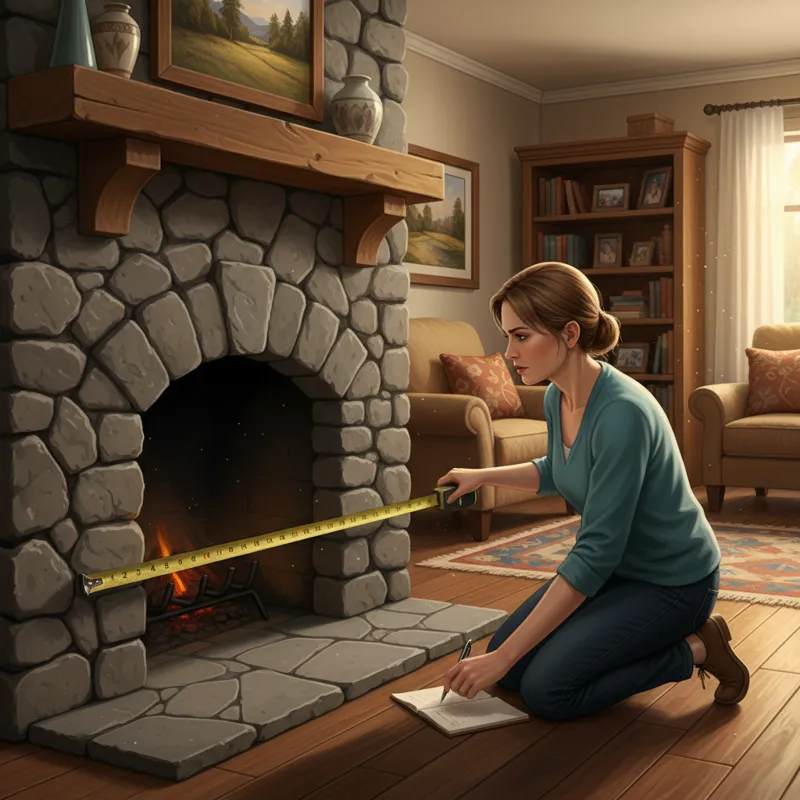
This is arguably the most critical step. A fireplace screen needs to fit correctly to be effective. Measure the width and height of your fireplace opening, not the entire mantel or surround. You’ll typically want a screen that overlaps the opening by a few inches on each side and at the top to ensure no sparks escape around the edges.
Consider whether you prefer an inside fit (where the screen sits flush within the opening) or an outside fit (where it rests against the hearth or mantel). Most freestanding screens are designed for an outside fit.
Material Durability and Maintenance
Fireplace screens are typically made from materials like steel, wrought iron, brass, or sometimes tempered glass. Each material offers different levels of durability, heat resistance, and aesthetic qualities.
- Wrought Iron: Renowned for its strength and classic appeal, wrought iron is incredibly durable and holds up well to heat. It’s often used for intricate, traditional designs.
- Steel: A versatile and strong material, steel screens can be found in a vast array of finishes, from matte black to brushed nickel, fitting both contemporary and traditional spaces.
- Brass/Copper: These metals add a touch of warmth and elegance, often developing a rich patina over time. They are more decorative and typically seen in traditional or transitional settings.
- Tempered Glass: For a sleek, modern look, tempered glass offers clear views of the fire while providing excellent spark protection. It requires regular cleaning to maintain its pristine appearance.
Style and Aesthetic Integration
Your screen should complement your home’s existing decor. Is your living room modern, traditional, industrial, or farmhouse chic? The screen should feel like a natural extension of your fireplace and the broader room design. Decorative fire barriers come in countless styles, from ornate scrollwork to clean, geometric lines.
Accessibility and Functionality
Will you need frequent access to tend the fire? Some screens are fixed panels, requiring you to move the entire unit to add logs or stoke the flames. Others feature hinged doors or integrated access points for convenience. Consider your usage habits to determine which functionality best suits your needs.
Safety Standards
While there aren’t universal, legally mandated safety standards for every fireplace screen, responsible manufacturers design their products with safety in mind. Look for screens with a tight mesh weave to effectively block embers. The screen should also be stable and heavy enough not to be easily tipped over, especially if you have children or pets. For further information on fire safety in the home, a resource like the National Fire Protection Association (NFPA) offers comprehensive guides that emphasize prevention and proper equipment usage.
10 Stunning Fireplace Screens Experts Love in 2026
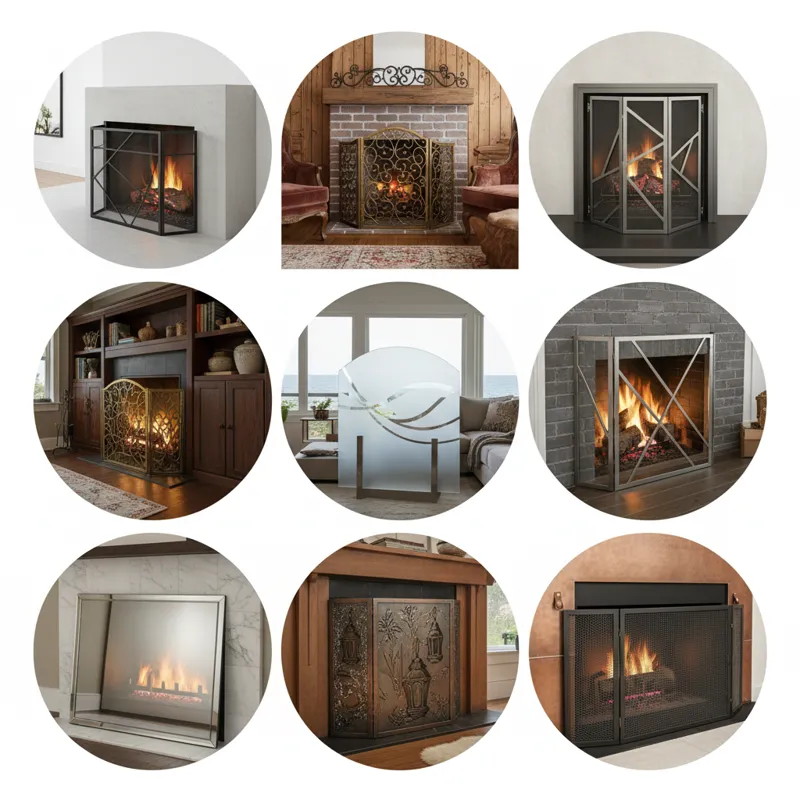
Drawing on insights from interior designers, home safety specialists, and experienced hearth professionals, these selections represent the best in form, function, and enduring appeal. We’re looking at designs that excel in durability, aesthetic versatility, and practical innovation for the modern home.
1. The Minimalist Single-Panel Steel Screen
Favored for its understated elegance, this screen typically features a clean, rectangular frame of matte black or brushed steel with a tightly woven mesh. It’s perfect for contemporary, industrial, or mid-century modern homes where simplicity and clean lines are paramount. Its single-panel design offers an unobstructed view of the fire and positions it as a sophisticated hearth guard.
2. The Classic Arched Wrought Iron Screen
A timeless choice, the arched wrought iron screen evokes traditional craftsmanship and enduring strength. Often featuring subtle scrollwork or decorative finials, these screens add a touch of old-world charm to a colonial, farmhouse, or rustic-style home. The arch visually softens the harsh angles of a firebox opening.
3. The Modern Tempered Glass Panel
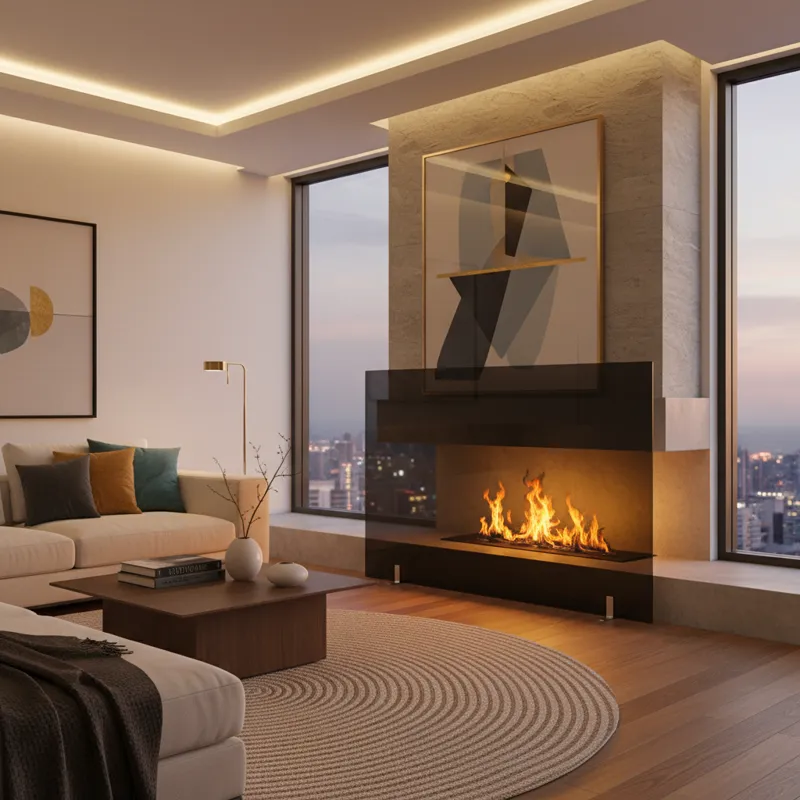
For those who prioritize an unhindered view of the flames while maintaining safety, the tempered glass screen is a top pick. Usually, a single, thick panel of clear or tinted glass, it sits on minimalist supports. It’s a statement piece for ultra-modern or minimalist interiors, providing protection without visual clutter. Remember that glass requires diligent cleaning to maintain its pristine look.
4. The Bi-Fold Door Cabinet Screen
This design combines security with convenience. Two hinged doors open from the center, allowing easy access to the fire without moving the entire screen. Often crafted from steel or wrought iron, these screens can feature various decorative elements or remain sleek and simple. They’re highly practical for active fireplaces and suitable for a wide range of traditional and transitional interiors.
5. The Craftsman-Style Copper or Brass Screen
Bringing warmth and artisanal appeal, these screens often feature clean, geometric patterns or hammered metal details reminiscent of the Arts and Crafts movement. Copper and brass develop a beautiful patina over time, adding character. They are ideal for homes with a focus on natural materials and handcrafted aesthetics, such as Mission or Craftsman bungalows.
6. The Three-Panel Folding Screen
Versatility is key here. A three-panel screen, typically with a wider central panel and two narrower hinged side panels, can adapt to various hearth widths and offers easy portability. These are often made from steel or wrought iron and come in an array of styles, from simple mesh to more decorative designs. It’s a pragmatic choice for many homes due to its adaptability and straightforward storage.
7. The Industrial Riveted Steel Screen
Drawing inspiration from factory aesthetics, this type of screen features visible rivets, robust steel frames, and often a dark, almost raw finish. It’s a perfect match for lofts, industrial-themed spaces, or any home looking to incorporate raw, utilitarian elements. This style is about celebrating the material and its construction.
8. The Antique Replica Ornate Screen
For period homes or those seeking a maximalist, opulent aesthetic, antique replica screens are highly prized. These screens often feature intricate cast iron designs, perhaps with allegorical figures, natural motifs, or elaborate scrollwork. They serve as a stunning focal point, rich in historical character, typically found in Victorian, Gothic, or highly traditional settings.
9. The Sleek Linear Horizontal Bar Screen
A contemporary favorite, this design forsakes traditional mesh for horizontal bars or slats, typically made from polished or matte metal. It offers a structured, architectural look while still containing larger embers. It’s an excellent choice for modern fireplaces and homes where geometric precision and visual rhythm are valued over dense mesh patterns.
10. The Integrated Fireplace Insert Screen
While technically often part of the fireplace unit itself, integrated screens, or those designed to fit seamlessly into modern fireplace inserts, are gaining popularity. These are often flush-mounted, offering maximum spark protection with minimal visual intrusion. They represent the ultimate in sleek design and safety engineering, particularly for gas fireplaces or highly efficient wood-burning inserts.
Things People Usually Miss About Fireplace Screens
Beyond the obvious safety and aesthetic considerations, there are nuanced aspects of fireplace screens that often get overlooked. Addressing these can significantly improve your experience and satisfaction.
The Importance of Mesh Gauge
It’s not just about having mesh; it’s about the mesh size. A finer mesh offers better protection against smaller sparks and embers. While a coarser mesh might look more open and offer a clearer view, it might not catch every tiny ember. Experts typically recommend a mesh with openings no larger than 1/4 inch to ensure robust spark protection. This is a critical detail for true spark protection panels.
Considering Heat Expansion
Metal expands when heated. While well-designed screens account for this, extremely tight fits or screens made with lower-quality materials might warp over time. Ensure there’s a small tolerance, especially if the screen is designed for an inside fit, to prevent issues as it heats and cools repeatedly.
Matching Finishes with Existing Hearth Tools
Many homeowners acquire fireplace tools (poker, tongs, shovel, brush) separately. An often-missed detail is how the finish of the screen interacts with these tools, as well as log holders. While not every piece needs to be identical, a cohesive color palette or material family (e.g., all black steel, all polished brass) creates a more harmonious and curated look for your hearth area. Just as you’d coordinate a dining table set for 4 with your kitchen aesthetic, your fireplace accessories should flow together.
The Weight and Stability Factor
A good screen isn’t flimsy. It should have enough weight and a stable base to resist accidental bumps from pets or playful children. This is especially true for freestanding models. Test its stability in the showroom if possible, or review product specifications for weight and base design. This aspect is vital for effective fireplace safety guards.
Airflow and Fire Performance
While screens block sparks, some designs can slightly impede the radiant heat or the draw of air to the fire. Highly dense mesh or solid glass panels will reduce heat output into the room compared to open designs. This is usually a minor effect, but it’s worth noting if maximizing heat distribution is a primary concern. However, safety always outweighs this consideration, so spark protection should never be compromised for marginal heat gains.
Cleaning and Maintenance Reality
Any screen in front of an active fire will accumulate soot and dust. Glass screens show every smudge, requiring frequent cleaning. Wrought iron or steel screens might need occasional dusting and wiping. Consider the material’s maintenance requirements in relation to your lifestyle. For pet owners, integrating your screen’s cleaning routine into your general home maintenance schedule, perhaps alongside preparing for a 7 Ultimate Pet Salon Secrets Revealed session, ensures a consistently tidy and safe living environment.
Potential for Surface Damage to the Hearth
Heavy screens, especially those with narrow or sharp feet, can potentially scratch or mar delicate hearth materials like polished stone or tile. Look for screens with padded feet or consider adding felt pads yourself to protect your investment in your hearth. This attention to detail can prevent costly damage over time.
Frequently Asked Questions About Fireplace Screens
We’ve gathered some common questions people ask when choosing fireplace screens. Understanding these can help clarify your decision-making process.
How far should a fireplace screen be from the fire?
Ideally, a fireplace screen should be placed as close to the firebox opening as possible without obstructing the fire’s draw or touching the flames. Most screens are designed to sit directly on the hearth, covering the opening with a few inches of overlap for spark protection. If it’s too close, it can overheat; too far, and embers might escape around the sides. Always prioritize adequate coverage over proximity to the fire.
Can I use a screen for a gas fireplace?
Yes, you can. While gas fireplaces don’t produce sparks or embers like wood-burning ones, a screen can still serve as a safety barrier, preventing children or pets from touching the hot glass or flames. It also adds a decorative element, framing the gas logs beautifully. For some gas fireplaces, a screen might even be recommended by the manufacturer to prevent accidental contact with hot surfaces.
What’s the difference between a fireplace screen and a glass door enclosure?
A fireplace screen is typically a single or multi-panel barrier, often made of mesh, designed to catch sparks and keep people/pets away from the immediate flame. It’s usually freestanding or sits just outside the opening. Glass doors, on the other hand, are designed to create a sealed enclosure for the firebox, offering more complete containment of heat, smoke, and embers. They typically attach directly to the fireplace opening and can be closed when the fire isn’t active to prevent heat loss up the chimney. Both offer safety, but glass doors provide more complete enclosure and temperature regulation.
How do I clean my fireplace screen?
Cleaning depends on the material. For mesh screens, a stiff brush or a vacuum cleaner with a brush attachment can remove soot and dust. For stubborn grime, a damp cloth with mild soap can work, followed by a dry wipe to prevent rust on metal screens. Glass screens require a specialized glass cleaner or a vinegar-water solution and a microfiber cloth for a streak-free shine. Always ensure the screen is completely cool before cleaning. Regular cleaning not only preserves aesthetics but also extends the life of your metal fireplace cover.
Are heavy screens better?
Generally, yes. Heavier screens, especially those made from solid wrought iron or steel, tend to be more stable and durable. Their weight makes them less prone to being knocked over, which is a significant safety advantage. However, “better” also depends on your specific needs; a lightweight, elegant screen might be preferred for a decorative gas fireplace where robust spark protection isn’t the primary concern. But for wood-burning fireplaces, stability from weight is a definite plus for hearth guards.
Can a fireplace screen protect against carbon monoxide?
No, a fireplace screen offers no protection against carbon monoxide. Carbon monoxide (CO) is an odorless, colorless gas produced by incomplete combustion, and it can be deadly. It’s a ventilation issue, not a barrier issue. For protection against CO, you need a properly vented fireplace and working carbon monoxide detectors on every level of your home. Always ensure your chimney is clean and inspected regularly to prevent CO buildup. This safety measure is distinct from, but equally critical as, your decorative fire barriers.
In the grand scheme of home safety, just as one considers the costs associated with responsible pet ownership, such as pet cremation cost 2026, investing in a high-quality fireplace screen is a similarly responsible expenditure for overall household well-being and peace of mind.
Final Thoughts on Choosing Your Fireplace Screen
Selecting the right fireplace screen for your home in 2026 is a decision that beautifully marries practicality with personal style. It’s an investment in safety, ensuring stray sparks are contained and curious hands (or paws) are kept at a safe distance from an open flame. Yet, it’s also a powerful design element, capable of defining your hearth and enhancing the entire room’s ambiance.
By focusing on proper measurements, durable materials, appropriate style, and essential safety features, you can confidently choose a fireplace screen that not only performs its vital function flawlessly but also stands as a stunning piece of your home’s enduring aesthetic. The right screen is more than just a barrier; it’s the finishing touch that brings your fireplace to life, safely and stylishly.