

In 2026, the discussion around home improvement often zeroes in on visible upgrades: smart thermostats, energy-efficient windows, or updated appliances. Yet, beneath the surface of everyday interaction, a foundational component consistently influences a home’s functionality, security, and long-term value: door hinges. These seemingly simple pieces of hardware are critical, impacting everything from how smoothly a door swings to its ability to stand up to heavy use or deter forced entry. The truth is, while a cheap door hinge might save a few dollars upfront, it invariably leads to frustration, premature failure, and additional costs down the line. Understanding the mechanics and choosing quality is a smart investment.
The Hidden Importance of Quality Door Hinges
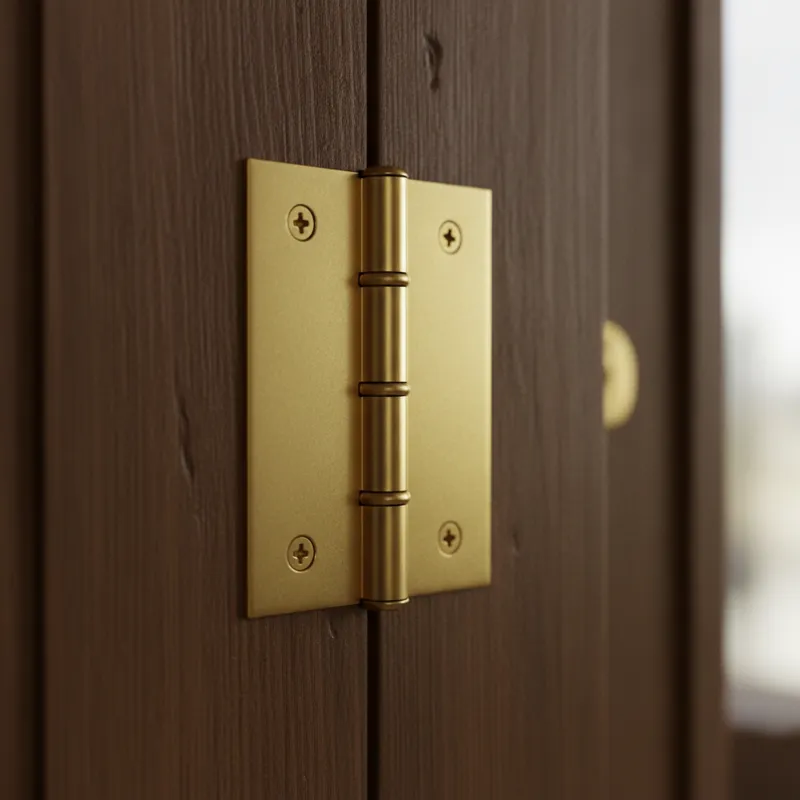
Many homeowners overlook door hinges until a problem arises. A creaking door, one that sags, or a loose handle often traces its root cause back to inadequate hinges. Quality door hinges aren’t just about preventing these annoyances; they’re essential for a door’s structural integrity, its smooth operation over years of use, and, significantly, its role in a home’s security and energy efficiency. Investing in better door hardware solutions, including quality hinges, means you’re investing in longevity and reliability. Inferior hinges, typically made from thinner gauge metal or with poorly machined components, will wear out faster. They can quickly develop play in their knuckles, leading to door sag and misalignment, which then affects the lock’s performance and can even cause drafts. A robust set of hinges ensures your door hangs true, operates silently, and secures effectively.
Anatomy of a Hinge: Beyond the Obvious
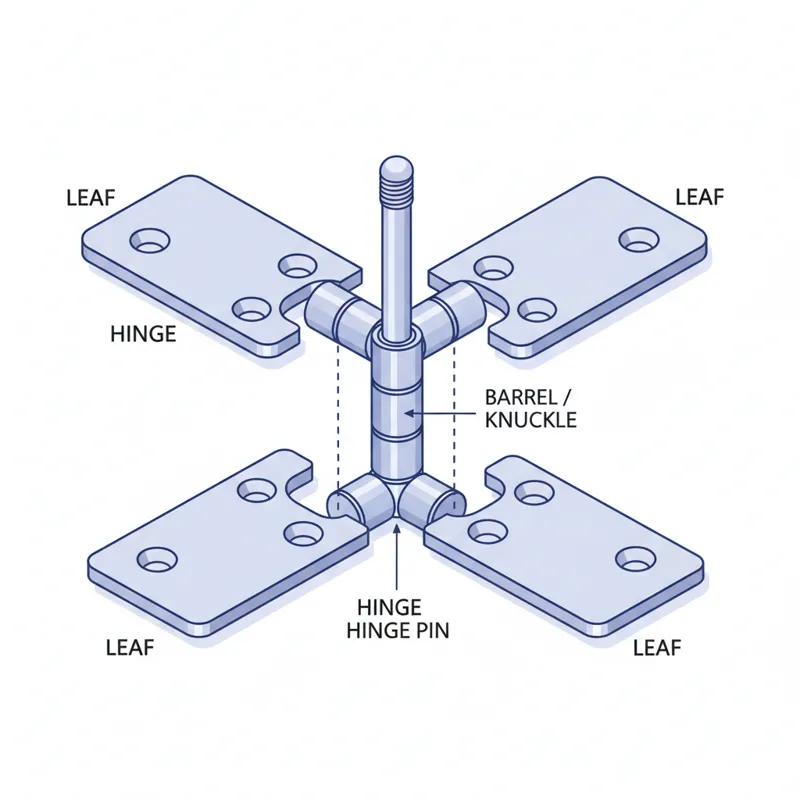
To appreciate a quality hinge, it helps to understand its basic components. A standard butt hinge consists of two flat plates, called leaves, which attach to the door and the door frame (jamb). These leaves are joined by a cylindrical section, the knuckle or barrel, through which a central hinge pin runs. The material and construction of these parts dictate the hinge’s performance. Quality hinges use thicker gauge metal for the leaves, preventing warping and providing a stronger anchor. The knuckles are precisely machined to minimize friction and play, often incorporating features like ball bearings for smoother operation. The hinge pin itself is usually made of hardened steel, resisting bending and wear. For exterior doors or security applications, the pin might be non-removable, adding an extra layer of protection. This mechanistic understanding helps explain why some hinge replacement parts perform so much better than others.
8 Best Door Hinges That Outperform Cheap Options
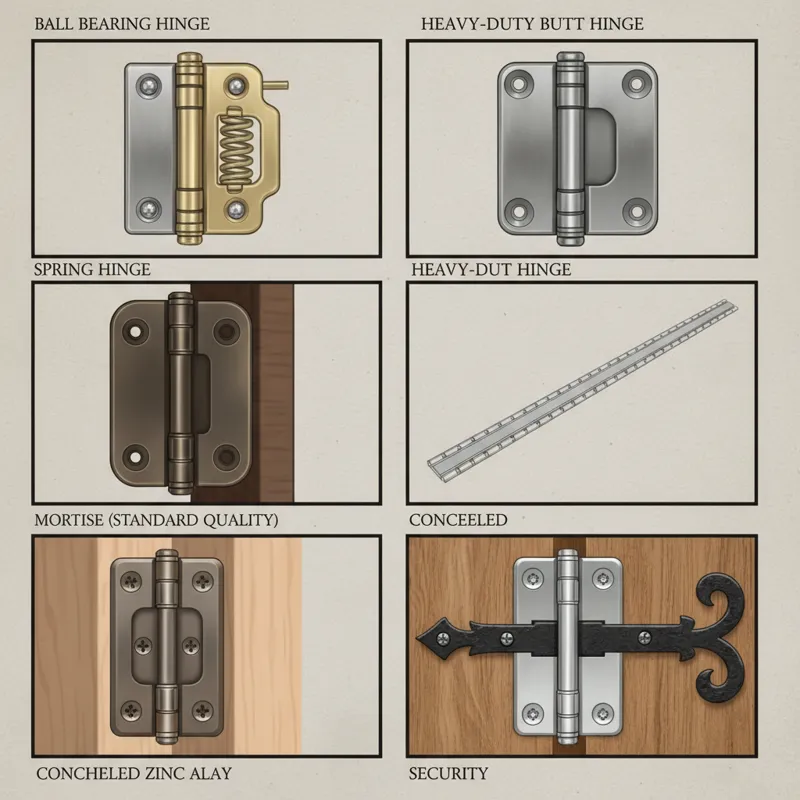
When you’re looking to upgrade or replace hinges, moving beyond the cheapest options available makes a significant difference. Here are eight types of door hinges that consistently outperform their budget counterparts, offering superior function, durability, and often, enhanced aesthetics or security.
1. Ball Bearing Hinges
Ball bearing hinges are the gold standard for heavy-duty doors and high-traffic areas. Instead of the hinge pin simply rubbing against the knuckles, these hinges feature encased ball bearings between the knuckles. This design drastically reduces friction, allowing the door to swing open and close with exceptional smoothness and minimal effort. They are particularly beneficial for solid core doors, fire-rated doors, or any door that experiences frequent use. The reduction in friction also means less wear and tear, significantly extending the lifespan of the hinge.
2. Spring Hinges (Self-Closing)
Spring hinges integrate a coiled spring mechanism into one or more of their knuckles, allowing the door to automatically close after being opened. These are excellent for applications where a door needs to remain closed for privacy, sound insulation, or safety (e.g., a garage door leading into the house, or a door to a basement). They are also a common requirement for certain types of fire doors. Quality spring hinges offer adjustable tension, allowing you to control the closing force and speed, preventing slamming.
3. Heavy Duty Butt Hinges
While standard butt hinges are common, “heavy duty” versions are engineered with thicker gauge steel or stainless steel, larger knuckle diameters, and often a longer leaf length to handle substantial door weights. These are essential for large, thick, or unusually heavy exterior doors, oversized interior doors, or gates where standard residential door accessories would quickly fail. Their robust construction prevents sagging and ensures stability over decades of use, proving themselves as essential heavy duty gate hardware for exterior applications.
4. Continuous Hinges (Piano Hinges)
Continuous hinges, often called piano hinges due to their original application, run the entire length of the door. This design distributes the door’s weight uniformly along the frame, virtually eliminating sag and significantly enhancing security by removing potential pry points found between standard hinges. They are ideal for heavy doors, institutional use, or situations where maximum security and support are paramount. While often chosen for their practical benefits, they also offer a sleek, linear aesthetic when properly installed.
5. Mortise Hinges (Standard Butt Hinges, Quality Version)
This category focuses on the quality of the ubiquitous mortise or standard butt hinge. Even for typical interior doors, choosing a well-constructed mortise hinge with solid brass, stainless steel, or high-grade steel is crucial. Good ones have precisely machined knuckles, a sturdy, non-binding pin, and pre-drilled holes that align perfectly. They’re designed to be mortised (recessed) into the edge of the door and frame, creating a flush, clean installation. While less specialized than other types, a high-quality standard butt hinge is the foundation for reliable everyday door function.
6. Concealed Hinges (Invisible Hinges)
For a truly minimalist aesthetic, concealed hinges are designed to be completely hidden when the door is closed. They offer clean lines, making them popular in modern interior design and cabinetry. Beyond aesthetics, concealed hinges offer enhanced security, as there are no visible parts to tamper with from the exterior. Quality concealed hinges feature complex multi-axis mechanisms, often with adjustable planes, ensuring smooth movement and precise alignment. They require careful, precise installation but deliver an unparalleled finish.
7. Strap Hinges
Strap hinges feature long, decorative “straps” extending from the hinge knuckle across the face of the door and frame, providing significant support and a distinctive visual element. Traditionally used on barn doors, gates, or chests, they are excellent for heavy or wide doors where extra leverage and rustic aesthetics are desired. When looking for heavy duty gate hardware, quality strap hinges made from thick, forged steel with robust pintles (the part that the strap rotates on) are indispensable for durability and a powerful statement.
8. Security Hinges (Non-Removable Pin / Security Tab)
For exterior doors, especially those that open outwards, security hinges are a non-negotiable upgrade. These hinges are specifically designed to prevent the door from being removed by knocking out the hinge pin. Common features include a non-removable pin (NRP) that cannot be pulled out once installed, or security tabs/studs that interlock between the hinge leaves when the door is closed, preventing the door from being lifted off its hinges even if the pin is removed or cut. These are a critical part of a comprehensive door hardware solutions strategy for home security. To learn more about securing your living spaces, you might also find resources on finding pet friendly houses for rent useful, as a secure home benefits all its occupants.
Key Factors to Consider When Choosing Door Hinges
Selecting the right door hinges goes beyond just picking one of the “best” types. You need to match the hinge to the specific demands of your door and environment.
Door Weight & Usage Frequency
This is paramount. A lightweight hollow-core interior door has different needs than a solid oak front door. Underestimate the weight, and your hinges will sag, squeak, and fail prematurely. High-traffic doors, like those leading to a kitchen or bathroom, benefit from ball bearing hinges, even if the door itself isn’t exceptionally heavy. For heavy duty gate hardware, always err on the side of over-specifying.
Material
The material of the hinge directly affects its strength, corrosion resistance, and aesthetic.
- Steel: The most common and economical. Zinc-plated steel offers some corrosion resistance, but stainless steel is superior.
- Stainless Steel: Excellent for exterior doors or humid environments (like bathrooms) due to its high resistance to rust and corrosion. It’s also very strong.
- Solid Brass: Corrosion-resistant and often chosen for its aesthetic appeal, especially when left unlacquered to develop a natural patina. It’s strong but typically more expensive than steel.
- Bronze: Similar properties to brass, offering a warm, antique look, often used for decorative purposes or with specific architectural styles.
Finish
The finish of your door hinges should complement other door hardware solutions, like handles, locks, and doorstops. Common finishes include:
- Satin Nickel
- Oil-Rubbed Bronze
- Polished Chrome
- Matte Black
- Polished Brass
- Antique Brass
While largely aesthetic, some finishes offer better durability or scratch resistance. For instance, PVD (Physical Vapor Deposition) finishes are incredibly robust and resistant to tarnishing.
Application (Interior/Exterior, Fire-rated)
Exterior doors require hinges that can withstand weather and offer enhanced security. Interior doors have less stringent requirements but still benefit from quality. Fire-rated doors have specific hinge requirements, often involving spring hinges or other self-closing mechanisms, and must be UL-listed (Underwriters Laboratories) for fire safety.
Hinge Size & Quantity
The size of the hinge (height and width) and the number of hinges per door are crucial. As a general rule:
- Standard Interior Doors (up to 7.5 ft tall): Three 3.5-inch hinges.
- Taller or Heavier Doors (7.5 ft to 9 ft tall): Four 4-inch hinges.
- Very Heavy Doors: Consider 4.5-inch or 5-inch hinges, and potentially four or even five hinges.
Always refer to the door manufacturer’s recommendations for precise hinge replacement parts and quantity. The overall aesthetic of your home, down to small details like door hardware, can greatly enhance its appeal, much like choosing 5 Best Table Food Cover Picks to Elevate Dining can elevate your dining experience.
Things People Usually Miss When Selecting Hinges
It’s easy to focus on the obvious, but some subtle points are often overlooked, leading to avoidable issues.
- Underestimating Door Weight: People often visually estimate door weight incorrectly. A solid core door, especially a fire-rated one, can be significantly heavier than it looks. Always check specifications or, if unsure, opt for a heavier-duty hinge than you think you need.
- Ignoring the Environment: For exterior doors or those in humid spaces (like indoor pools or saunas), corrosion resistance is critical. Standard steel hinges will rust quickly. Stainless steel is almost always the superior choice here.
- Not Considering Future Maintenance: Hinges, especially ball bearing types, benefit from occasional lubrication. Ensure the design allows for easy access or that the hinge is essentially maintenance-free for its intended lifespan.
- Overlooking Security Features: For any exterior door, considering non-removable pin (NRP) hinges or security stud hinges is a must, particularly for doors that swing outwards, where hinge pins are externally accessible.
- Mismatching Hinge Type to Door Type: Using residential-grade hinges on commercial or institutional doors, or vice-versa, will lead to either premature failure or unnecessary expense and potentially over-engineered aesthetics. Understand the specific requirements of the door itself.
- Screw Quality: Even the best hinges can fail if secured with cheap, soft screws that strip easily or corrode. Always use the high-quality screws provided with good hinges, or upgrade to stainless steel screws for exterior applications.
Installation & Maintenance: Ensuring Your Hinges Last
Proper installation is just as vital as choosing quality door hinges. A perfectly good hinge can perform poorly if not installed correctly.
- Mortising: Ensure mortises (recesses) in the door and jamb are precisely cut and sized for the hinge leaves. Too deep, and the hinge binds; too shallow, and the hinge protrudes.
- Alignment: The hinges must be perfectly aligned along the vertical plane of the door and jamb to prevent binding and ensure smooth operation. Slight misalignment can lead to binding, squeaking, and accelerated wear.
- Screw Selection: Use screws of appropriate length and thread type. For solid wood, longer screws (often 2.5 to 3 inches for one screw per hinge leaf into the frame) can penetrate the wall stud, providing superior holding power.
- Lubrication: For standard and ball bearing hinges, occasional lubrication (every 1-2 years, or as needed) with a silicone-based spray lubricant or white lithium grease can prevent squeaking and prolong their life. Avoid petroleum-based lubricants that can attract dirt. A quiet, smoothly operating door contributes to a peaceful home environment, much like understanding the 7 Proven Benefits of Pet Milk can contribute to your pet’s well-being.
- Tighten Loose Screws: Regularly check and tighten any loose hinge screws. Loose screws cause doors to sag and can strip out the wood over time.
Troubleshooting Common Hinge Issues
Even with quality hinges, issues can arise. Knowing how to diagnose and address them saves time and frustration.
- Squeaking Doors: The most common complaint. Usually, this means the hinge pin is dry and rubbing against the knuckles. Lubrication is the first step. If the squeak persists, the pin might be bent or the hinge worn.
- Sagging Doors: If a door sags, it likely means the hinges are either inadequate for the door’s weight, the screws are loose, or the mortises are worn. Tighten screws, replace stripped screws with longer, larger diameter ones (or use wood filler/epoxy to rebuild the screw hole), or upgrade to heavier-duty hinges.
- Binding or Sticking Doors: This often indicates misalignment of the hinges, either from initial installation or due to door/frame movement. Check if the door rubs at the top or bottom of the frame. You might need to adjust shims in the hinge mortise or carefully bend a hinge leaf slightly (for minor adjustments only, and with caution to avoid damage).
- Loose Screws: A frequent problem. Remove the screw, fill the hole with wood glue and toothpicks or a wooden dowel, let it dry, then re-drill a pilot hole and reinsert the screw. For significant damage, you might need to move the hinge slightly or use larger screws.
Frequently Asked Questions About Door Hinges
How many hinges do I need per door?
Most standard interior doors (up to 7.5 feet tall) typically use three hinges. Taller or heavier doors (over 7.5 feet or exceptionally heavy) should use four hinges or more to properly support the weight and prevent warping.
What’s the difference between full mortise and half mortise hinges?
A full mortise hinge has both leaves mortised (recessed) into the door and the door frame, so they are flush when the door is closed. A half mortise hinge has one leaf mortised into the door and the other leaf surface-mounted (not recessed) on the door frame. There are also full surface hinges (both leaves surface-mounted) and half surface hinges (one leaf surface-mounted, one mortised into the frame).
Can I replace old hinges with new ones of a different type?
Yes, but it requires careful measurement and often some carpentry work. Changing from a standard butt hinge to a ball bearing hinge of the same size is usually straightforward. However, switching to a continuous hinge or a concealed hinge will require significant modification to both the door and the frame. Always ensure the new hinge’s screw hole pattern matches or can be accommodated without compromising the door or frame’s integrity.
What finishes are most durable for door hinges?
PVD (Physical Vapor Deposition) finishes are generally considered the most durable and scratch-resistant. Satin nickel and matte black are also very robust and hold up well to daily use without showing fingerprints or wear easily. Oil-rubbed bronze tends to “wear” to expose underlying metal, which is part of its intended aesthetic but may not suit everyone.
How do I measure a door hinge?
The most critical measurements are the hinge height (measured along the knuckle from top to bottom) and the leaf width (measured from the center of the hinge pin to the outer edge of the leaf, and then multiplied by two for the total open width). You also need to note the corner radius (square or rounded) and the screw hole pattern to ensure compatibility for hinge replacement parts.
Ultimately, selecting good quality door hinges is a testament to thoughtful home maintenance and a commitment to durability and function. It’s a decision that pays dividends in daily convenience, security, and the enduring integrity of your home.


