

In the evolving landscape of home design, some elements prove timeless, consistently blending functionality with enduring aesthetic appeal. Pedestal sinks are a prime example. As we navigate 2026, these elegant fixtures continue to offer a sophisticated solution for bathrooms of all sizes, especially where space is at a premium or a particular design statement is desired. Far from being a relic of the past, modern manufacturing and innovative design ensure pedestal sinks remain a relevant and desirable choice. They offer a unique blend of open floor space, striking visual lines, and a deliberate move away from bulky vanity cabinets.
Why Pedestal Sinks Remain a Top Choice in 2026
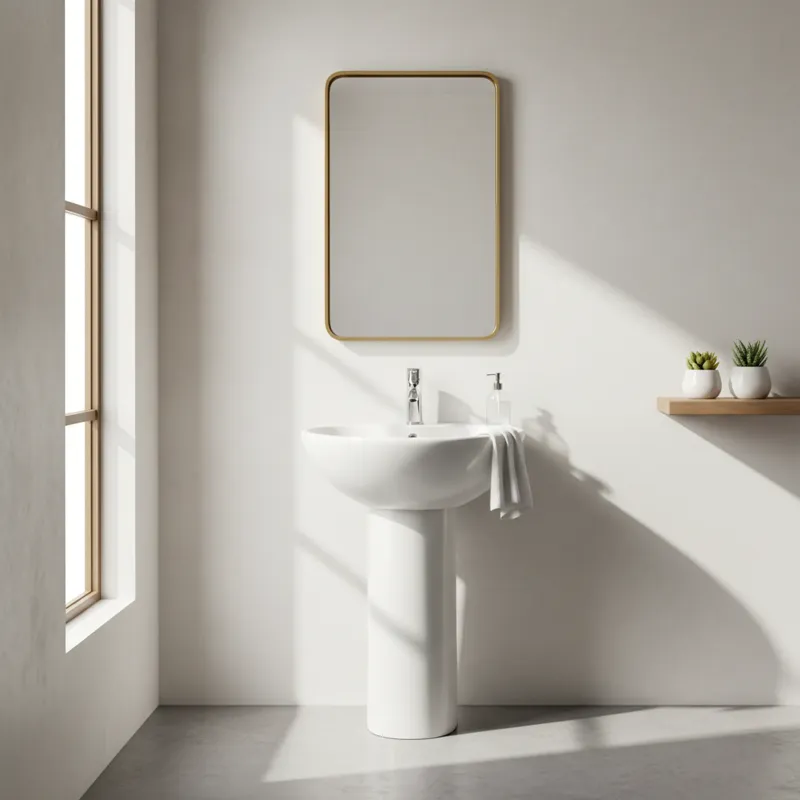
Pedestal sinks, or freestanding lavatories as some call them, solve several design challenges while introducing significant style. They don’t just hold water; they elevate a bathroom’s entire aesthetic. Their inherent design, with the basin supported by a slender column, visually expands a room. This is particularly crucial for smaller bathrooms, tight powder rooms, or even guest baths where you want to maintain an open, airy feel without sacrificing essential amenities. Think about it: a bulky vanity can make a small space feel claustrophobic, chopping up the floor area. A pedestal sink, on the other hand, allows the eye to travel across the floor, creating an illusion of greater square footage. This visual trickery is invaluable in urban dwellings or older homes with compact layouts. Beyond just space, they contribute to a clean, uncluttered look that resonates deeply with current minimalist and decluttering trends. They force a level of intentionality in what you store, making a strong case for less is more.
Decoding Pedestal Sink Design: Materials, Styles, and Practicality
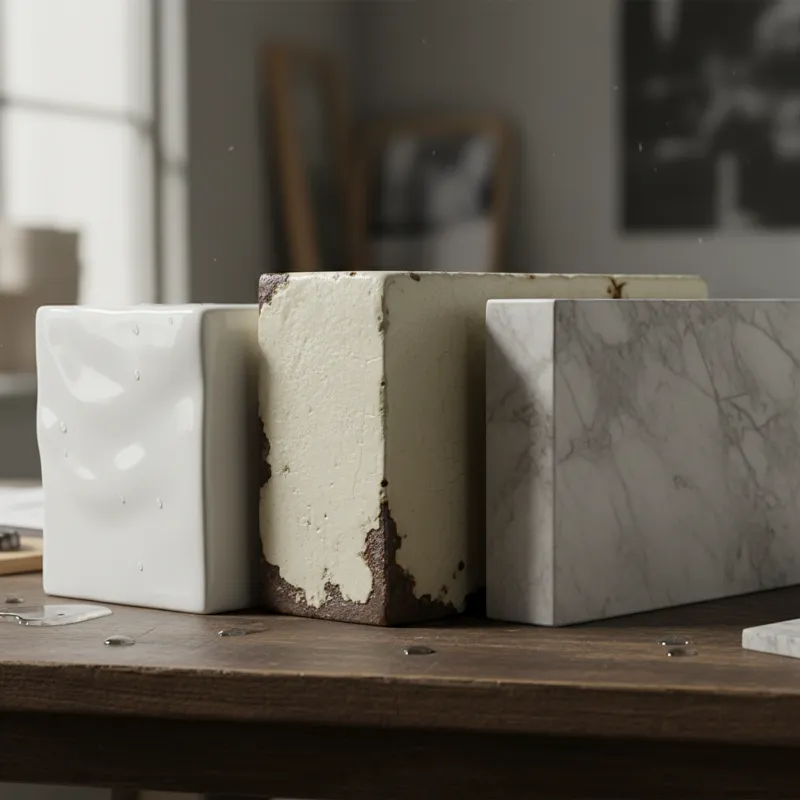
Choosing the right pedestal sink isn’t just about picking one that looks nice. It involves understanding materials, matching styles, and considering the practicalities of installation and daily use. These factors collectively determine both the sink’s longevity and how well it integrates into your overall bathroom design.
Materials Matter
The material of your pedestal sink significantly influences its durability, maintenance, and overall aesthetic.
- Vitreous China/Porcelain: These are by far the most common materials. They’re essentially ceramic fired at high temperatures, then coated with a glossy, non-porous enamel. They are durable, easy to clean, resistant to stains and scratches, and relatively affordable. Their classic white finish is incredibly versatile.
- Fireclay: Similar to vitreous china but often thicker and more robust, fireclay sinks are known for their strength and resilience. They have a slightly more artisanal feel and can often accommodate larger or more complex basin shapes.
- Cast Iron with Enamel: These sinks offer exceptional durability and a substantial feel. The cast iron core provides immense strength, while the porcelain enamel finish ensures a smooth, easy-to-clean surface. They’re often found in vintage-style bathroom fixtures due to their weight and classic appearance.
- Natural Stone (Marble, Granite, Travertine): For a truly luxurious and unique statement, stone pedestal sinks are unparalleled. Each piece offers distinct veining and coloration. While visually stunning, they require more care, including regular sealing to prevent staining, and they are significantly heavier and more expensive.
Navigating Styles
Pedestal sinks come in a vast array of styles, ensuring there’s a perfect match for any decor.
- Traditional/Classic: Characterized by ornate detailing, fluted pedestals, and often a more substantial, rounded basin. These work wonderfully in Victorian, colonial, or country-style bathrooms.
- Modern/Contemporary: Expect clean lines, geometric shapes, and often a sleeker, more minimalist pedestal. These are perfect for modern homes aiming for a crisp, uncluttered look.
- Vintage/Retro: Drawing inspiration from early 20th-century designs, these might feature taller pedestals, specific faucet drillings, or distinctive basin shapes that evoke a sense of nostalgia.
- Transitional: Blending elements of both traditional and modern, these sinks offer a versatile look that can adapt to various design schemes without feeling dated.
Installation Realities
Installing a pedestal sink is more involved than just setting it in place. It requires precise plumbing connections and secure mounting to the wall. The sink basin itself is typically bolted to wall studs, and the pedestal then supports the basin from below, bearing some of the weight while concealing the plumbing. This secure mounting is crucial for stability and safety, especially with heavier materials like stone or cast iron. A professional plumber often handles this to ensure proper alignment, leak-free connections, and compliance with local codes. For example, understanding local plumbing requirements is just as important as knowing the benefits of certain health choices, like how to properly brew certain beverages. You can learn more about [Your Ultimate Mad Hatter Tea Guide](https://www.bangladeshcountry.com/mad-hatter-tea/) for an insight into curated experiences.
Our Top 3 Pedestal Sinks for 2026: Decor Designer’s Picks
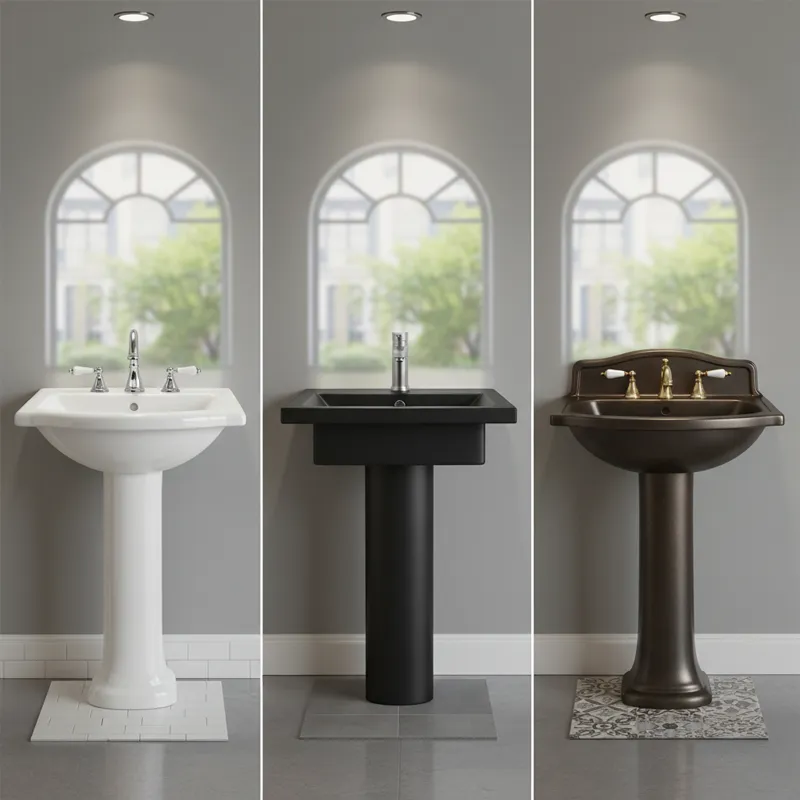
As a decor designer, my recommendations are always rooted in a balance of aesthetics, durability, and practical application for a diverse range of homes. For 2026, these three categories of pedestal sinks stand out for their consistent performance and ability to enhance various design schemes.
1. The Enduring Classic: White Vitreous China with Timeless Lines
Why it’s a top pick: This category represents the workhorse of pedestal sinks. Think of brands like Kohler, American Standard, or Toto producing their iconic models. These aren’t flashy, but their strength lies in their universal appeal and rock-solid reliability. A classic white vitreous china pedestal sink fits seamlessly into nearly any bathroom style, from traditional to transitional. Its clean lines and brilliant white finish instantly brighten a space, making it feel fresh and well-maintained.Ideal use cases: These sinks are perfect for powder rooms, guest bathrooms, or even a small master bath where you want a traditional or gently updated look. They provide that quintessential ‘bathroom basin with stand’ look without demanding a specific aesthetic. Their robust construction handles daily use effortlessly, resisting chips and stains remarkably well.Material specifics and maintenance: Made from durable vitreous china, these sinks are non-porous and incredibly easy to clean. A simple wipe-down with a non-abrasive cleaner is usually all it takes to keep them gleaming. They’re also resistant to most common bathroom chemicals, ensuring their pristine appearance lasts for years.Considerations: While versatile, the classic white pedestal sink offers minimal counter space. Plan for wall-mounted shelving or a medicine cabinet if you need to store items like toothbrushes, soap, or small toiletries.
2. The Modern Minimalist: Sleek Lines and Architectural Form
Why it’s a top pick: For contemporary homes or those leaning into a minimalist aesthetic, a sleek, modern pedestal wash basin is the ideal choice. These sinks often feature sharp angles, rectangular or square basins, and a more streamlined pedestal, sometimes even a half-pedestal design (a wall-mounted basin with a short, decorative cover for the plumbing). They embody understated elegance and a focus on form and function. This category emphasizes clarity and open space, aligning perfectly with urban design sensibilities.Ideal use cases: Best suited for ultra-modern powder rooms, urban loft bathrooms, or any space where a clean, uncluttered, and architectural statement is desired. They excel in creating a sophisticated, gallery-like feel, making the sink itself a piece of functional art.Material specifics and maintenance: Typically crafted from high-quality vitreous china or fireclay, these modern designs often feature very smooth, sometimes matte, finishes that enhance their minimalist appeal. Their non-porous surface makes cleaning straightforward, similar to their classic counterparts. The precision of their lines means careful installation is paramount to maintain visual integrity.Considerations: The strong geometric forms of modern pedestal sinks require thoughtful integration with other bathroom elements. Ensure your faucet choice, mirror, and lighting complement its contemporary lines. Like the classic, counter space is limited, so integrated wall storage becomes even more critical to maintain the minimalist vibe.
3. The Bespoke Statement: Vintage-Inspired or Hand-Crafted Stone
Why it’s a top pick: For those who see a bathroom as an opportunity for bold design and unique character, a vintage-inspired cast iron or a hand-carved natural stone pedestal sink offers an unparalleled statement. These aren’t just sinks; they are focal points. A reclaimed or new cast iron pedestal with intricate detailing, or a solid marble basin with a matching pedestal, instantly elevates a bathroom from functional to extraordinary. These pieces tell a story and add a layer of luxury and artistry that mass-produced items simply can’t match.Ideal use cases: Perfect for historic home renovations, high-end bespoke bathrooms, or powder rooms where you want to create a truly memorable and impactful impression. A vintage-style bathroom fixture can ground a period design, while a unique stone piece can be the anchor in a spa-like retreat.Material specifics and maintenance:
- Cast Iron: Incredibly durable and heavy, typically finished with a brilliant porcelain enamel. This material stands up to decades of use. The weight often requires robust wall reinforcement during installation.
- Natural Stone: Each marble, granite, or travertine pedestal sink is unique. The porous nature of stone means regular sealing is essential to prevent staining from water, soap, and cosmetics. They also require specific, non-acidic cleaners.
Considerations: The cost for these sinks can be significantly higher, reflecting the craftsmanship and material quality. Their weight necessitates professional installation, often requiring additional structural support within the wall and floor. Maintenance for natural stone is also a factor, demanding a more attentive cleaning routine. However, the payoff in terms of visual impact and enduring beauty is considerable.
Things People Usually Miss About Pedestal Sinks
While pedestal sinks offer undeniable aesthetic benefits, some practical aspects often get overlooked. Addressing these early can prevent frustration down the line.
Storage is a Design Challenge, Not an Impossibility
The most common concern with pedestal sinks is the perceived lack of storage. It’s true; you don’t get the under-sink cabinet space of a vanity. However, this isn’t a design flaw but a design choice. The goal is to create an open, uncluttered space. Modern solutions include:
- Wall-Mounted Medicine Cabinets: Essential for storing toiletries, medication, and smaller items. Look for recessed options for an even cleaner look.
- Floating Shelves: Above or beside the sink, these offer practical surface area without adding bulk.
- Baskets and Trays: Stylish baskets on the floor beside the pedestal can hold towels or toilet paper, while a small tray on the basin’s ledge can corral hand soap and lotion.
- Over-the-Toilet Storage: Wall-mounted cabinets or open shelving units above the toilet offer additional vertical storage.
The key is to integrate storage that complements, rather than competes with, the sink’s minimalist presence. This makes the overall design cohesive and functional. For instance, creating a serene and functional bathroom can be part of a broader lifestyle choice, just like understanding what goes into your daily routine. If you’re interested in the details of your daily beverages, you might wonder [Does Herbal Tea Have Caffeine?](https://www.bangladeshcountry.com/does-herbal-tea-have-caffeine/), a practical question for mindful living.
Faucet Selection Isn’t Incidental
The faucet isn’t just a water dispenser; it’s a critical design element. With a pedestal sink, the faucet is often more exposed, becoming a prominent feature. You’ll primarily choose between:
- Deck-Mount Faucets: These are the most common, installed directly into pre-drilled holes in the sink basin. They can be single-hole, 4-inch centerset, or 8-inch widespread, depending on the sink’s design.
- Wall-Mount Faucets: These emerge directly from the wall above the sink. They create an exceptionally clean and minimalist look, freeing up the sink deck entirely. However, they require precise rough-in plumbing during renovation and are more complex to install initially.
Ensure the faucet’s style and finish complement your chosen sink and the overall bathroom aesthetic.
The Aesthetics of Exposed Plumbing
One of the defining characteristics of a pedestal sink is the partially exposed plumbing within the pedestal itself. While the pedestal conceals the main supply lines and drain, a visible P-trap and supply stops are often part of the installation. For a truly polished look, consider:
- Decorative P-Traps: Many manufacturers offer chrome, brushed nickel, or other decorative P-traps that are designed to be seen.
- Matching Supply Stops: Ensure the shut-off valves for the hot and cold water lines match your chosen faucet finish.
Ignoring these details can detract from an otherwise well-designed installation.
Installation Insights: What to Expect
Installing a pedestal sink, while not overly complex for an experienced professional, does require attention to detail. It’s not a DIY project for novices, especially given the need for secure wall mounting and proper leak-proof plumbing.1. Wall Reinforcement: The basin of a pedestal sink is always mounted to the wall, not just resting on the pedestal. This often means securing it to wall studs. In some cases, especially with heavier stone or cast iron sinks, additional wood blocking or structural reinforcement behind the drywall may be necessary. This prevents the sink from pulling away from the wall over time.2. Plumbing Rough-In: The water supply lines and drain pipe must be precisely located for the specific sink model. Unlike a vanity, there’s little room for error or adjustment once the pedestal is in place.3. Secure Mounting: The basin is typically attached to the wall using lag bolts or heavy-duty hanger bolts. The pedestal is then positioned underneath, often secured to the floor with caulk or screws (depending on the model) and to the basin itself, providing stability and concealing the plumbing connections.4. Sealing: Once installed, the seam where the basin meets the wall, and where the pedestal meets the floor, is typically sealed with silicone caulk to prevent water infiltration and provide a finished look. A professional plumber ensures all connections are watertight, the sink is level and stable, and all local plumbing codes are met. This investment guarantees peace of mind and long-term functionality. To gain further insights into home improvement considerations, one might explore the broader economic landscape impacting design trends. A resource like Forbes Home Improvement can offer valuable perspectives on market shifts and investment returns on renovations.
Maximizing Functionality with Pedestal Sinks
Choosing a pedestal sink means you’re prioritizing aesthetics and spatial openness. This intentional choice requires equally intentional solutions for storage and functionality.
- Integrated Solutions: Look for pedestal sinks that offer small, integrated ledges or soap dishes. These small details can make a big difference in daily convenience.
- Vertical Storage is Your Friend: Above-sink medicine cabinets, open wall shelves, or even cleverly designed over-the-toilet storage units capitalize on vertical space without encroaching on the floor.
- Smart Accessories: Utilize wall-mounted toothbrush holders, soap dispensers, and towel rings. These keep clutter off the limited sink surface and contribute to the clean aesthetic.
- Decorative Trays: A small, elegant tray on the limited flat surface of the sink can hold a few essentials, keeping them organized and visually appealing. By embracing these strategies, you can enjoy the beauty and space-saving benefits of a pedestal sink without sacrificing the convenience you need in a modern bathroom.
Pedestal Sinks vs. Vanities: Making the Right Choice
The decision between a pedestal sink and a vanity often boils down to a fundamental trade-off: open space versus enclosed storage.
- Choose a Pedestal Sink if: * You have a small bathroom or powder room and want to maximize visual space.
- You prioritize a clean, minimalist, or classic aesthetic.
- You have adequate alternative storage (medicine cabinet, wall shelves) for your needs.
- You appreciate the architectural statement and elegance of a freestanding lavatory.
- Choose a Vanity if: * You need significant enclosed storage for towels, cleaning supplies, and numerous toiletries.
- You desire ample counter space for daily routines, makeup, or multiple users.
- Your bathroom is larger and can accommodate the bulk of a cabinet without feeling cramped.
- You prefer a more traditional built-in look with continuous counter surfaces. Neither choice is inherently “better”; the optimal decision depends entirely on your specific space, storage requirements, and design vision. The rise of compact and floating vanities has blurred the lines somewhat, but the distinct visual impact of a pedestal sink remains unique. For those interested in the historical context and evolution of plumbing fixtures, a visit to Wikipedia’s entry on sinks offers a fascinating overview of their development over centuries.
The Longevity of Pedestal Sinks in 2026 and Beyond
Pedestal sinks possess a timeless quality that ensures their relevance well beyond any fleeting trend cycle. Their fundamental design, a basin supported by a column, has existed for centuries in various forms. In 2026, we see this enduring appeal reflected in both faithful reproductions of vintage styles and cutting-edge interpretations for contemporary spaces. The investment in a quality pedestal sink, whether it’s a robust fireclay model or an elegant natural stone piece, is an investment in lasting design. They don’t suffer from sagging cabinet doors, chipped laminates, or outdated hardware in the same way some vanities might. Instead, their beauty is in their simplicity and the integrity of their form and material. As design philosophies increasingly lean towards sustainability and enduring quality over disposable trends, the pedestal sink continues to shine as a smart, stylish, and long-term choice for discerning homeowners. Its ability to create an open, airy environment also aligns with modern desires for more spacious and calming home environments. And after making all these thoughtful design choices, sometimes unwinding with a comforting beverage is exactly what’s needed. For example, if you’re exploring health benefits, you might want to look into the [5 Ultimate Pomegranate Tea Benefits for 2026](https://www.bangladeshcountry.com/pomegranate-tea/) for a refreshing end to your day.
Frequently Asked Questions About Pedestal Sinks
Are pedestal sinks practical for everyday use?
Absolutely. While they offer less enclosed storage than vanities, their practicality lies in their durability, ease of cleaning, and the open space they create. For daily use, with thoughtful integration of wall-mounted storage like medicine cabinets or floating shelves, they are highly functional and maintain a clean aesthetic.
Do pedestal sinks really save space in a small bathroom?
Yes, they significantly enhance the feeling of space. By freeing up floor area and allowing the eye to sweep across the room, they make a small bathroom appear larger and less cluttered. While they don’t add square footage, they optimize the visual perception of it.
What are the best materials for pedestal sinks in terms of durability?
Vitreous china and fireclay are excellent for everyday durability and ease of maintenance. Cast iron with enamel is exceptionally robust and long-lasting. Natural stone offers supreme aesthetics but requires more dedicated care and sealing to maintain its integrity.
Can I add storage to a pedestal sink?
Certainly. You can complement a pedestal sink with various storage solutions, including recessed or surface-mounted medicine cabinets, floating wall shelves, stylish baskets on the floor, and over-the-toilet storage units. The key is choosing solutions that align with the sink’s minimalist aesthetic.
How difficult is it to install a pedestal sink?
Installing a pedestal sink is more involved than installing a drop-in sink on a vanity. It requires secure wall mounting, precise plumbing connections, and often some floor anchoring. For these reasons, professional installation by a licensed plumber is highly recommended to ensure stability, proper function, and adherence to local codes.
Final Thoughts on Choosing Your Ideal Pedestal Sink
Selecting the right pedestal sink for your home in 2026 means balancing timeless elegance with modern practicality. These fixtures are more than just basins; they are design elements that can transform a bathroom, making it feel larger, cleaner, and more intentional. Whether you lean towards the classic charm of white porcelain, the sharp lines of a modern wash basin, or the bespoke luxury of a stone or vintage-inspired piece, a pedestal sink offers a distinct pathway to an elevated bathroom experience. Consider your space, your daily needs, and your overall design vision, and you’ll find a pedestal sink that not only meets but exceeds your expectations for years to come.


