
The everyday bra is an essential garment for many, but its fit can be notoriously fickle. Body changes, whether from natural weight fluctuations, pregnancy, or even just the subtle shifts that come with age, often mean a perfectly good bra can suddenly feel uncomfortably tight around the band. Rather than relegating these bras to the back of the drawer or incurring the expense of a new wardrobe, a simple, cost-effective solution often lies in the humble bra extender. These small yet powerful accessories offer an instant comfort boost, transforming a restrictive band into one that feels just right. Understanding how they work and which ones to choose can significantly enhance your daily comfort and extend the lifespan of your existing lingerie collection.
Why Bra Extenders Are a Modern Comfort Essential

Our bodies are dynamic. They change over time, sometimes predictably, sometimes without warning. A bra that fit perfectly last year, or even last month, might now dig into your ribs, restrict your breathing, or simply feel uncomfortable by the end of the day. This is a common experience, and it’s often the bra band that becomes the primary source of discomfort, not necessarily the cups. Bra extenders provide an immediate, practical answer to this widespread issue. They are not merely a temporary fix but a genuine comfort solution. Think of them as a customizable adjustment for your existing bras, allowing you to fine-tune the fit precisely where it matters most: around your torso. This becomes especially relevant during periods like pregnancy, where a woman’s rib cage expands, or during weight fluctuations where a few pounds can dramatically alter bra band comfort. Choosing to use a bra extender also makes economic sense. Instead of discarding perfectly good bras that are only slightly tight in the band, an extender allows you to continue wearing them comfortably. This not only saves money but also contributes to a more sustainable approach to your wardrobe, reducing textile waste. It’s about making your garments work for you, adapting to your body’s current needs, rather than constantly replacing them. This adaptability is key for maintaining comfort without constant expenditure.
Understanding Bra Extenders: Mechanics and Types
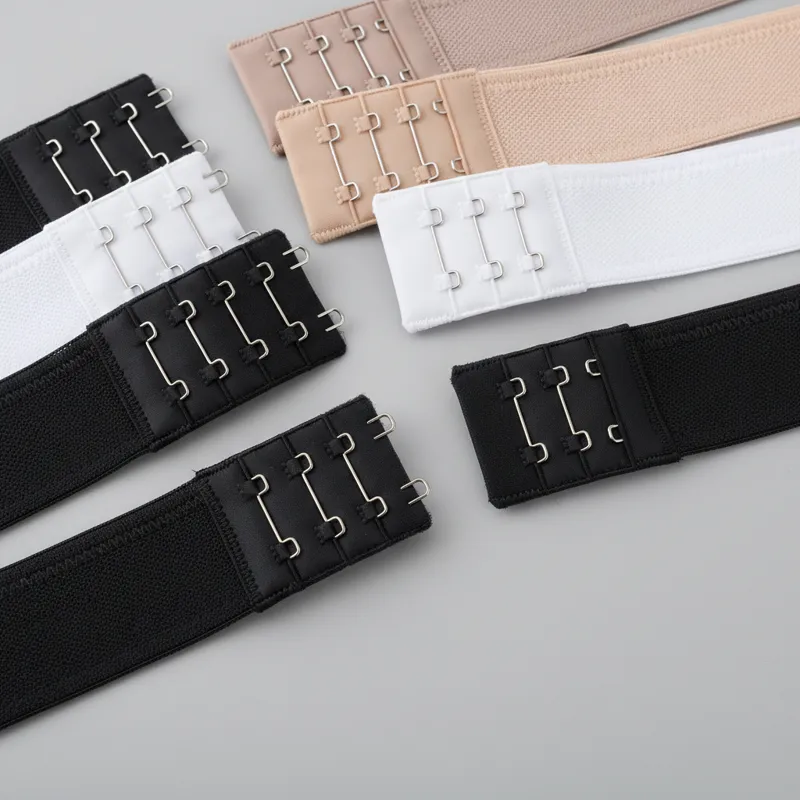
At their core, a bra extender is a simple yet ingenious accessory. It’s typically a short strip of fabric, often elasticized, designed with hooks on one end and eyes on the other. This design allows it to seamlessly attach to the existing hook-and-eye closure of your bra, effectively adding extra length to the bra’s band. The result is more breathing room and a less constrictive fit around your torso. The mechanism is straightforward: you simply hook the extender’s hooks into your bra’s eyelets, and then secure your bra’s hooks into the extender’s eyelets. This creates an extended bridge, making the band longer. The genius lies in its simplicity and versatility, transforming a tight bra into one that feels comfortable without altering its fundamental structure or support. Bra extenders come in various configurations to match the diverse designs of bras available today:
- Hook Count: This is the most critical factor. Extenders are commonly found with 1, 2, 3, or even 4 hooks. The number of hooks on the extender must match the number of hooks on your bra’s existing closure. For instance, a bra with a two-hook closure requires a two-hook extender.
- Hook Spacing: Beyond the number of hooks, the distance between each hook on the extender needs to align with the spacing on your bra. While many brands follow standard spacing, some bras can be unique. It’s important to match this for a secure, flat fit.
- Material:
- Elastic Extenders: These incorporate stretchy material, providing a bit more give and adapting well to minor fluctuations throughout the day or during activities. They’re excellent for maternity wear or if you prefer a less rigid feel.
- Non-Elastic Extenders: Made from firmer fabric, these offer a more consistent and stable extension, maintaining the original support structure of your bra more closely. They’re ideal for bras where firm band support is crucial.
- Color: To ensure discretion, bra extenders are typically available in neutral colors like black, white, and various shades of nude or beige. Matching the extender to your bra’s color helps it blend in seamlessly, especially under lighter clothing.
Understanding these mechanical specifics helps you choose an extender that works in harmony with your bra, ensuring comfort without compromise.
How to Choose the Right Bra Extender
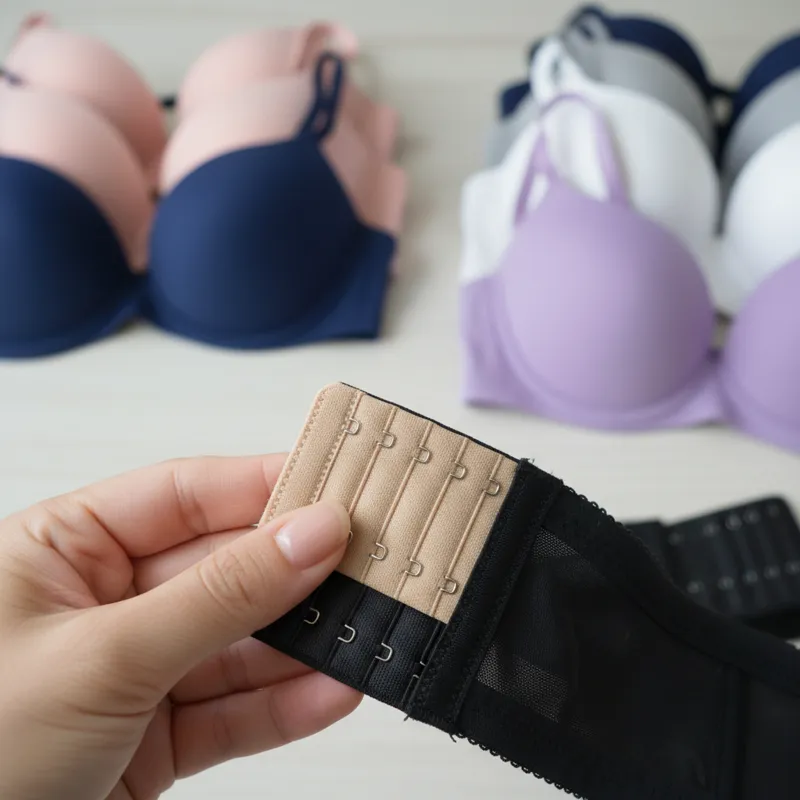
Selecting the correct bra extender isn’t complicated, but it does require a bit of attention to detail to ensure a perfect, comfortable fit. The goal is to make the extender feel like a natural extension of your bra, not an afterthought. First and foremost, match the hook count. Look at your bra’s existing closure. Does it have two hooks, three, or four? Your bra extender must have the same number of hooks to securely attach. Attempting to use a two-hook extender on a three-hook bra, for example, will result in an unstable and uncomfortable fit. Next, consider the hook spacing. While hook counts are obvious, the distance between the hooks is equally critical. Different bra manufacturers might use slightly different spacing patterns. Ideally, you want an extender where the hooks align perfectly with your bra’s eyelets, creating a smooth, flat connection. Many bra extenders are designed with universal spacing in mind, but it’s always wise to check. If the spacing is off, the extender won’t lay flat, potentially causing irritation or appearing bumpy under clothing. The material choice matters significantly for comfort and function. If your bra feels just a little snug and you appreciate a bit of flexibility, an elastic bra extender is an excellent choice. This type is particularly beneficial for periods of slight expansion, such as post-meal fullness or minor changes throughout the day. For situations requiring more consistent support, like with certain sports bras or push-up styles where a firm band is integral to the bra’s structure, a non-elastic extender will maintain that foundational support better. Finally, think about color and width. Opt for an extender that closely matches the color of your bra to ensure it remains discreet. Most extenders come in standard widths, corresponding to common bra band widths. A wider extender on a narrow bra band, or vice versa, might not look or feel quite right. The aim is for the extender to seamlessly integrate, enhancing comfort without drawing attention. Just as you might choose different products for hair styling, perhaps a sea salt spray for textured waves or a specific serum for shine, selecting the right bra extender is about tailoring your accessories to your specific needs for optimal results.
Our Top 7 Best Picks for Instant Comfort Boost
Finding the perfect bra extender often comes down to matching its features with your specific comfort needs and bra styles. While there aren’t ‘brand names’ to list in a generic sense, we can categorize the most effective types that consistently deliver that instant comfort boost.
1. The Versatile Standard (2-Hook Bra Extender)
This is the workhorse of bra extenders. Most everyday bras feature a two-hook closure, making this extender incredibly versatile. It’s often made from a soft, durable fabric, sometimes with a gentle elastic stretch. This type is your go-to for slightly snug daily wear bras, providing just enough extra length to relieve pressure without compromising the bra’s original design. It’s an indispensable item for any lingerie drawer.
2. The Wider Embrace (3-Hook Bra Extender)
For bras with wider bands, often found in larger cup sizes, fuller coverage styles, or those designed for maximum support, a three-hook extender is essential. These bras rely on their wider band for much of their structural integrity, so extending it properly requires a matching three-hook attachment. This pick ensures consistent support across the entire band, preventing rolling or uneven pressure that a smaller extender might cause.
3. The Specialty Solution (4+ Hook Bra Extender)
Certain specialized bras, such as some sports bras, minimizer bras, or shapewear, feature four or even five hooks for enhanced security and support. For these, a matching four or more hook extender is critical. These aren’t as common, but when you need one, it’s indispensable. They ensure the robust closure of these specialized garments remains intact while providing the necessary breathing room.
4. The Elastic Comfort Giver
When your body is in flux—during pregnancy, postpartum, or simply experiencing daily bloating—an elastic bra extender is a game-changer. These extenders offer a gentle, flexible stretch that moves with your body, providing comfort without rigidity. They adapt to subtle changes, making them ideal for long days or periods of temporary expansion, ensuring your bra feels comfortable from morning to night.
5. The Firm Support (Non-Elastic Bra Extender)
Sometimes, you don’t want any extra give; you just need more length while maintaining the original firmness of your bra band. Non-elastic extenders are designed for this purpose. They offer a stable, unyielding extension, making them perfect for bras where consistent, firm support is paramount. This type ensures that adding length doesn’t translate into a loss of the bra’s intended structure or lift.
6. The Multi-Color Pack
Practicality often dictates having options. A multi-color pack, typically containing black, white, and nude bra extenders, is an excellent investment. It ensures you always have the right color extender to match any bra, allowing for seamless integration under various outfits. This versatility prevents the extender from showing through lighter fabrics and maintains a polished look, just like choosing the right accessories for your hair, be it Purple Pack hair for extensions or a specific band for an updo.
7. The Soft-Backed Option
For those with sensitive skin or who find traditional extenders can sometimes cause irritation, soft-backed bra extenders offer enhanced comfort. These feature a plush, brushed, or fleece-like material on the side that touches your skin, minimizing friction and maximizing softness. This design is a thoughtful addition for all-day wear, particularly if you’re prone to skin sensitivities around the bra band area.
Things People Usually Miss When Using Bra Extenders
While bra extenders seem straightforward, there are a few nuances that can significantly impact their effectiveness and your overall comfort. Missing these details can lead to suboptimal results or even frustration. One common oversight is using an extender solely as a last resort for an uncomfortably tight bra. Many people don’t realize that a bra extender can also be a proactive tool to prevent premature wear and tear. When a bra band is stretched to its absolute limit, the elastic fibers degrade faster. Using an extender can take the strain off the bra’s original band, prolonging its life and maintaining its shape. Think of it as preventative maintenance for your lingerie, much like regular care for specific hair types, such as those that use Ruwa braiding hair for protection and style. Another crucial point often overlooked is the importance of hook spacing, not just hook count. As discussed, an extender must match both the number of hooks and the precise distance between them. If the spacing is off, even slightly, the extender won’t lie flat. This can create uncomfortable pressure points, cause the extender to buckle, or even damage the bra’s eyelets over time. Always double-check this alignment before committing to a purchase. People also frequently forget to re-evaluate the overall bra fit after adding an extender. While the band might now feel comfortable, ensure the cups still encapsulate your breasts properly without gapping or spilling. An extended band might slightly alter how the cups sit, so a quick check in the mirror, possibly bending and stretching, confirms the entire bra is working harmoniously. The band should remain level across your back, not riding up. Finally, consider washing considerations. Bra extenders are small, making them easy to lose in a washing machine. It’s best to detach them before washing your bra and hand wash them or place them in a lingerie bag if machine washing. This simple step preserves both the extender and prevents it from tangling with other delicate items. Neglecting these small details can detract from the significant comfort benefits bra extenders offer.
Extending the Life of Your Lingerie and Your Comfort
In an era where conscious consumption and sustainability are increasingly prioritized, the bra extender stands out as a remarkably effective and eco-friendly accessory. It offers a tangible way to prolong the useful life of garments that are otherwise perfectly good, simply because their bands no longer accommodate our current body shape. The cost-effectiveness of using bra extenders is undeniable. A new, well-fitting bra can be a significant investment, especially for specialty sizes or high-quality brands. When a slight change in body shape renders a bra uncomfortable, an extender provides a solution for a fraction of the cost of replacement. This smart approach allows you to maintain your existing collection without constant expenditure, making your lingerie budget stretch further. Beyond saving money, there’s a significant sustainability angle. Each bra you can comfortably continue to wear means one less bra ends up in a landfill prematurely. The fashion industry, including intimates, has a substantial environmental footprint. By extending the utility of your existing items, you actively participate in reducing textile waste and lowering demand for new production. This isn’t just about personal comfort; it’s about making a more thoughtful choice for the planet. For more insights on the global textile industry and its impact, reputable sources like Wikipedia’s entry on the Textile Industry offer comprehensive information. Ultimately, bra extenders empower you to adapt your wardrobe to your body, rather than forcing your body to fit your wardrobe. This adaptability is crucial for long-term comfort and self-acceptance, recognizing that body shapes naturally evolve. From minor weight fluctuations to the dramatic changes of pregnancy and postpartum, or even just the subtle shifts that come with hormonal cycles, bra extenders ensure your essential undergarments remain comfortable, supportive, and functional. They offer a simple yet profound way to enhance daily well-being and satisfaction with your clothing choices. Forbes often covers the evolution of fashion and comfort, highlighting how even small innovations can make a big difference in daily life. Embracing these small tools means embracing comfort, economy, and environmental responsibility, all wrapped up in one tiny, essential accessory.
Frequently Asked Questions About Bra Extenders
Many people have questions when they first consider using bra extenders. Here are answers to some of the most common inquiries, designed to give you clarity and confidence in their use.
How many bra extenders do I need?
The number you need largely depends on your bra collection and how many bras currently feel too tight. It’s practical to have at least one or two of each common hook count (e.g., 2-hook, 3-hook) in neutral colors (black, white, nude). This ensures you have options for most of your bras. If you have many bras of a specific hook count, acquiring a few dedicated extenders for those is a good idea. Consider a multi-pack for versatility and cost-effectiveness.
Can I use an extender with any bra?
Almost any bra with a traditional hook-and-eye closure can accommodate an extender. The key is to match the hook count and spacing accurately. Bras with seamless bands, pull-over styles, or front closures typically cannot use extenders. Always check the back closure of your specific bra before purchasing an extender.
Do bra extenders show through clothes?
When chosen correctly (matching color, hook count, and spacing), bra extenders are generally very discreet. They sit flat against your back, blending with the bra band. However, very thin or tight-fitting fabrics might reveal any minor bulk, especially if the extender is not lying perfectly flat or is a contrasting color. Opting for a soft-backed, flat extender in a matching shade offers the best discretion.
When should I not use a bra extender?
You should not use a bra extender if the bra is fundamentally the wrong size in the cups. An extender only lengthens the band; it doesn’t fix cup issues like gaping, spilling, or wires digging in. If your cups are too small or too large, or the straps are digging into your shoulders despite adjusting, a new bra or a professional fitting is likely a better solution. An extender can’t correct an overall poor fit, only a tight band. Furthermore, if you’re experiencing significant discomfort or skin irritation, consult a healthcare professional. Women’sHealth.gov offers general resources on women’s health and well-being.
How do I wash bra extenders?
Bra extenders are delicate and should be treated similarly to your bras. It’s best to detach them from your bra before washing. Hand washing with a gentle detergent and air drying is the ideal method to maintain their elasticity and integrity. If using a washing machine, place them in a mesh lingerie bag to prevent them from tangling or getting lost. Avoid high heat in dryers, as this can degrade the elastic and fabric over time.