
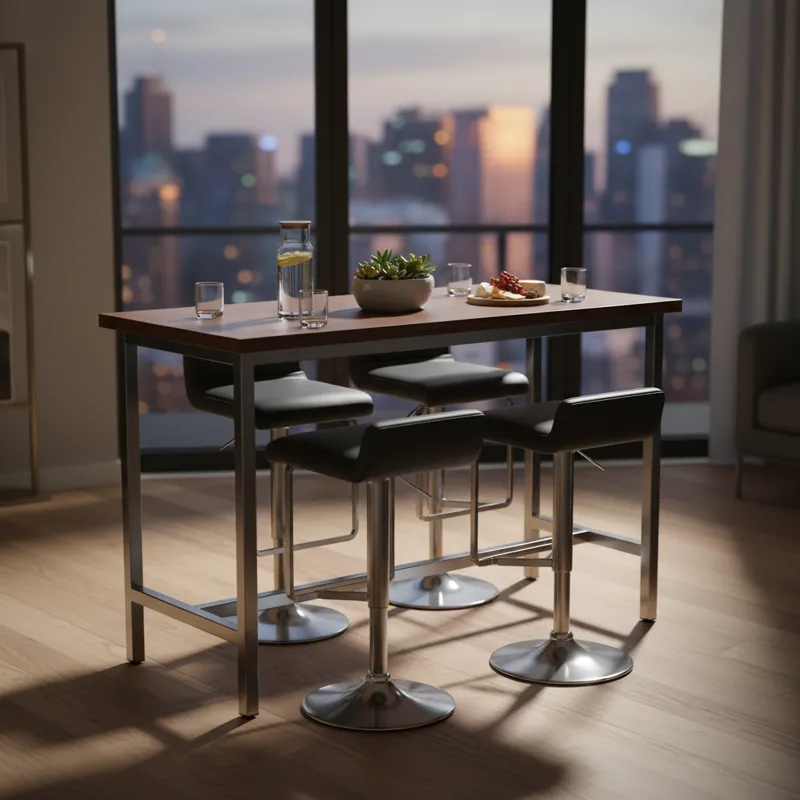
Navigating the vast landscape of home and commercial furniture in 2026 demands a precise understanding of specialized pieces. If you’re looking for solutions beyond traditional dining arrangements, perhaps even supplementing big family dining tables, finding the perfect rectangle bar height table can be a challenging yet rewarding endeavor. These aren’t just elevated surfaces; they represent a distinct approach to space utilization, social interaction, and design aesthetic. Understanding the nuances of a rectangle bar height table — from its specific dimensions and material science to its ergonomic implications and strategic placement — is crucial for making an informed decision that truly enhances your environment. This guide offers a professional perspective on selecting a piece that not only looks good but also functions flawlessly for years to come.
Understanding the Rectangle Bar Height Table: More Than Just Tall
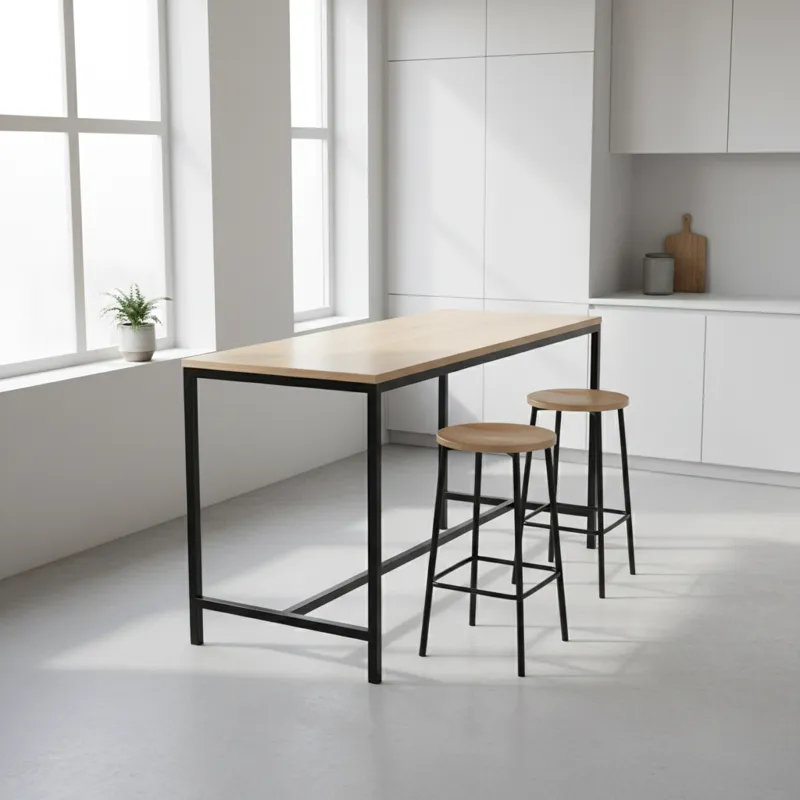
A rectangle bar height table stands apart from its counter-height and standard dining counterparts primarily by its elevation. While a typical dining table sits around 28-30 inches high and a counter-height table typically ranges from 34-36 inches, a true bar height table generally measures between 40-42 inches from the floor to the tabletop. This seemingly small difference in height significantly alters the user experience, demanding specific seating and influencing the overall room dynamic.
The rectangular shape offers distinct advantages. Unlike round or square tables, a rectangle provides a longer, more defined surface area, which is ideal for lining against a wall, extending an existing counter, or accommodating multiple users in a linear fashion. This shape naturally lends itself to various activities, from casual dining and drink service to collaborative workspaces or display areas. The extended length also allows for a more flexible seating arrangement, often enabling more people to gather without feeling overly cramped.
Standard Dimensions and Ergonomics
When considering a rectangle bar height table, understanding the standard dimensions is fundamental. As mentioned, the height is typically 40-42 inches. This necessitates bar stools with a seat height of approximately 28-32 inches to ensure comfortable legroom and proper ergonomic posture. The distance between the seat and the tabletop should ideally be around 10-12 inches.
Widths for rectangular bar height tables vary, but common dimensions range from 24-36 inches. A table with a 24-inch width is quite narrow, often suitable for tight spaces or as a console-style eating area. A 30-inch width is generally comfortable for dining on both sides, while a 36-inch width offers ample space for place settings, serving dishes, and elbow room. For those looking at a wider option, exploring a 36 inch wide dining table (in bar height format) can provide significant surface area for larger gatherings or more intensive tasks.
Length is highly variable, ranging from compact 48-inch tables suitable for two to four people, up to impressive 96-inch or longer options that can seat eight or more. The “sweet spot” for comfortable seating allowance is generally 24-30 inches of table length per person.
Why Choose Bar Height? Distinct Advantages
The appeal of a bar height table extends beyond its visual impact. It often serves functional needs that lower tables cannot.
- Space Optimization: In smaller living areas or kitchens, a bar height table can create a distinct dining or casual area without the footprint of a traditional dining set. Its verticality helps draw the eye upward, making a room feel more expansive.
- Casual Atmosphere: Bar height tables inherently foster a more relaxed, social environment. People can comfortably stand and converse or sit and enjoy a meal, making them perfect for entertaining. They evoke the feel of a cafe or a sophisticated high table bar.
- Improved Views: In spaces with scenic windows, a bar height table allows seated individuals to enjoy the view over lower furniture or railings, making it an excellent choice for open-plan living.
- Versatility: They can serve as an informal breakfast bar, an extra prep surface in the kitchen, a standing desk, or a casual gathering spot in a game room.
Selecting the Right Size for Your Space: Precision is Key
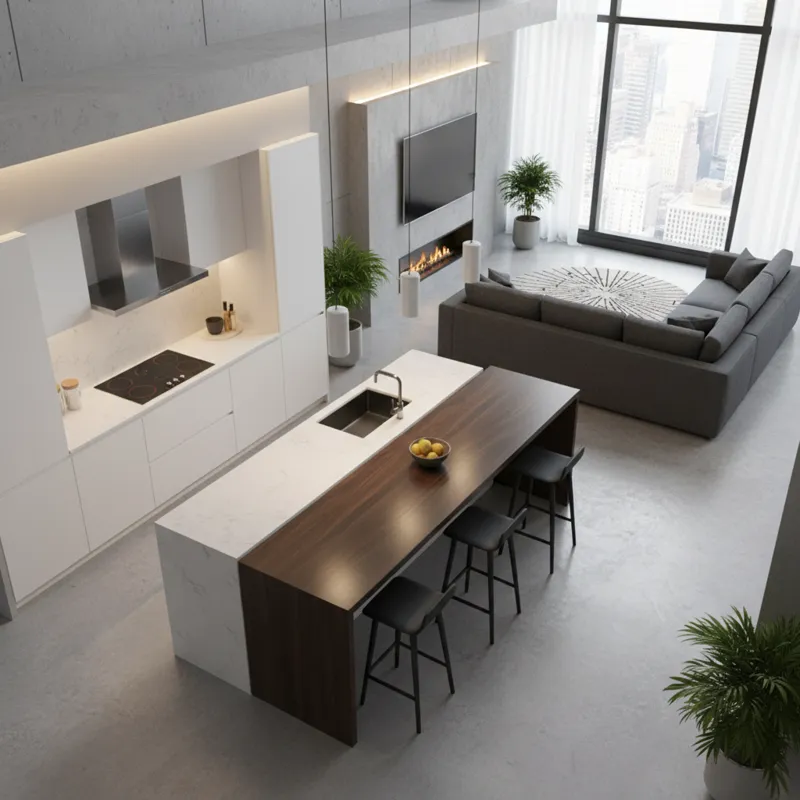
Choosing the correct size for your rectangle bar height table is arguably the most critical decision, impacting both functionality and flow. It’s not just about the table’s dimensions; it’s about how it interacts with the entire room. Ignoring proper clearances can quickly turn a stylish addition into an inconvenient obstacle.
Measuring Considerations: Beyond the Footprint
Start by accurately measuring the available space. Don’t just measure where the table will sit; consider the surrounding area.
1. Room Dimensions: Note the overall length and width of the room or designated area.
2. Traffic Flow: Ensure at least 36 inches of clearance around all active sides of the table (where people will sit or pass). If it’s a primary thoroughfare, 42-48 inches is preferable to avoid congestion.
3. Obstructions: Account for doors, windows, built-ins, and other furniture. Will chairs bump into walls when pulled out? Will the table block a natural pathway?
4. Seating Requirements: Determine how many people you typically need to seat. This will dictate the minimum length.
For example, a 72-inch long rectangle bar height table might comfortably seat six people (three on each long side). If placed against a wall, it would seat three to four. Visualizing these arrangements within your measured space is vital. Use painter’s tape on the floor to mark the table’s footprint and the chair pull-out zones to truly understand the spatial impact.
Seating Capacity and Comfort
The number of people a table can comfortably seat is directly related to its length and the width allocated per person. As a general rule:
- 48-inch length: Seats 2-4
- 60-inch length: Seats 4-6
- 72-inch length: Seats 6-8
- 84-inch length: Seats 8-10
These are estimates, assuming typical chair widths and a standard 24-30 inches of elbow room per person. If you opt for wider bar stools or require extra space for serving dishes, you may need to adjust these figures or choose a longer table. Remember that narrower tables (e.g., 24 inches wide) might feel less spacious for dining, even if the length is adequate. Balancing the table’s width with its length ensures a comfortable and practical experience.
Material Matters: Durability, Aesthetics, and Maintenance
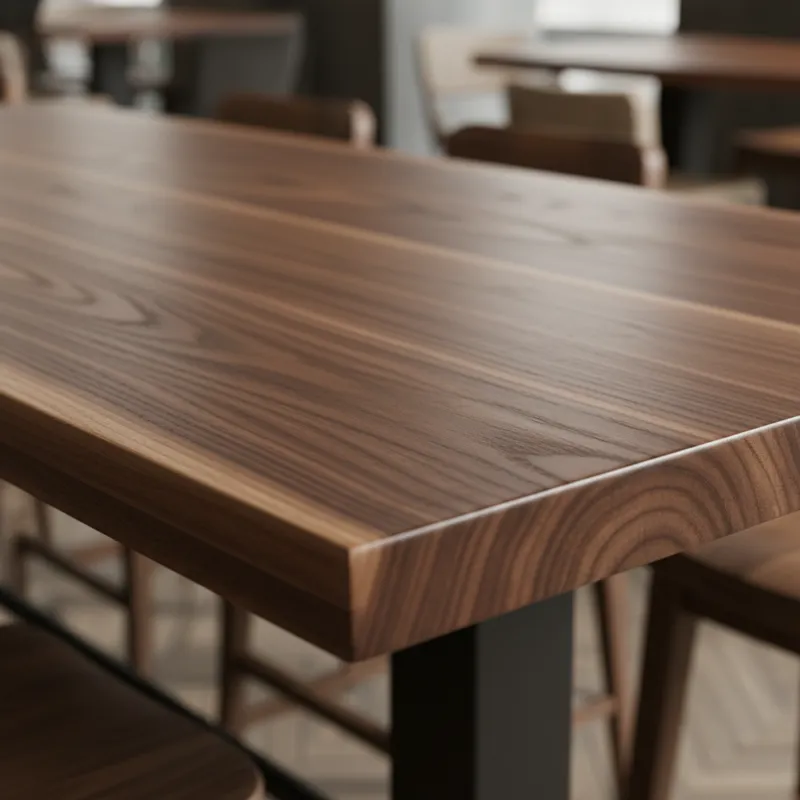
The material of your rectangle bar height table dictates its durability, overall aesthetic, weight, and the level of maintenance it will require. Each material comes with its own set of characteristics that are important to consider based on your lifestyle, the table’s intended use, and your design preferences.
Wood: Classic, Versatile, and Warm
Wood remains a perennial favorite for its natural beauty and ability to complement a wide range of styles.
- Solid Wood: Options like oak, maple, walnut, and cherry are durable, beautiful, and can be refinished multiple times. They offer a timeless aesthetic and a substantial feel. However, solid wood can be susceptible to scratches, dents, and moisture damage if not properly sealed and maintained. Prices tend to be higher.
- Engineered Wood (MDF, Plywood, Particle Board with Veneer): More affordable and often lighter than solid wood. A veneer finish can mimic the look of real wood. While generally stable, these materials are more prone to swelling if exposed to moisture and cannot be refinished like solid wood.
- Reclaimed Wood: Offers a rustic, unique look with inherent character and an eco-friendly appeal. Often very durable due to the age of the wood, but can be uneven or have imperfections.
Metal: Industrial, Modern, and Robust
Metal frames and tabletops offer a distinct industrial or contemporary look.
- Steel: Extremely strong and durable, often used for table bases and frames. Can be powder-coated in various colors for protection and aesthetic appeal. Stainless steel is resistant to corrosion and staining, making it excellent for high-traffic or commercial environments.
- Aluminum: Lighter than steel, making it easier to move. Often used for outdoor bar height tables due to its rust resistance. Less rigid than steel, it might not be suitable for very large, unsupported spans.
- Wrought Iron: Heavy, durable, and offers an ornate or traditional aesthetic. Primarily used for bases due to its weight.
Stone and Composite: Luxurious, Durable, and High-Maintenance (Sometimes)
These materials offer a high-end look and exceptional durability, though maintenance varies.
- Natural Stone (Marble, Granite): Exquisitely beautiful and very durable. Granite is highly resistant to heat and scratches, while marble offers elegant veining but is more porous and susceptible to staining and etching from acidic liquids. Both are very heavy and can be expensive. Regular sealing is often required.
- Engineered Stone (Quartz): Made from crushed quartz mixed with resin, offering consistent patterns and colors. Non-porous, making it highly stain-resistant and hygienic. It’s durable and requires less maintenance than natural stone, though it can be heavy.
- Laminate: An affordable option where a layer of synthetic material is bonded to a core (like MDF). Can mimic various materials, is easy to clean, and generally resistant to scratches. However, it can chip or peel at the edges over time and is not repairable if damaged.
Glass: Light, Open, and Modern
Glass tops are chosen for their ability to make a space feel more open and airy, as they allow light to pass through.
- Tempered Glass: The standard for furniture, as it shatters into small, blunt pieces rather than sharp shards if broken. Easy to clean but prone to fingerprints and smudges. Can scratch over time. Often paired with metal or wood bases.
When making your choice, consider the table’s intended function. A busy kitchen area might benefit from the stain resistance of quartz or the durability of sealed wood, while a less frequently used living room accent might allow for the elegance of marble. The weight of the table is also a factor, especially if you anticipate needing to move it.
Style and Design: Integrating into Your Decor
The aesthetic appeal of your rectangle bar height table is paramount, as it needs to harmonize with your existing decor and personal style. A well-chosen table acts as a focal point, enhancing the overall design narrative of your space. Consider not just the material and finish, but also the silhouette and detailing of the table.
Popular Design Aesthetics for Bar Height Tables
- Modern/Minimalist: Characterized by clean lines, geometric shapes, and a lack of ornamentation. Materials often include glass, polished chrome, matte black metal, and light woods. The focus is on functionality and understated elegance.
- Industrial: This style embraces raw, utilitarian elements. Think reclaimed wood tops, heavy-duty metal bases (often black or dark gray steel or iron), exposed bolts, and a rugged, unfinished look. It pairs well with exposed brick or concrete.
- Farmhouse/Rustic: Emphasizes natural materials, distressed finishes, and a warm, inviting feel. Solid or reclaimed wood tops, often with a visible grain, paired with sturdy, sometimes painted, wood or metal bases are common. Comfort and an aged, lived-in look are key.
- Contemporary: Often confused with modern, contemporary style is more fluid and reflects current trends. It can incorporate curves, mixed materials, and a more eclectic feel than strict modernism. Think unique leg designs, contrasting textures, and a fresh, current appeal.
- Transitional: A blend of traditional and contemporary elements, offering a balance between classic comfort and modern simplicity. Often features classic shapes with updated finishes or a mix of materials that aren’t overly ornate or strictly minimalist.
Matching with Existing Furniture
Integrating a new rectangle bar height table involves more than just selecting a style you like. It means ensuring it doesn’t clash with what you already own.
- Color Palette: Choose a table whose color scheme complements or subtly contrasts with your current furniture, flooring, and wall colors. Warm woods with warm tones, cool metals with cool tones, or deliberate high-contrast pairings can work.
- Material Consistency: While mixing materials can be sophisticated, too many disparate textures or finishes can create visual clutter. If you have a lot of wood, perhaps a metal-and-glass bar height table offers a refreshing break without overwhelming the space.
- Scale and Proportion: A large, heavy table in a room with delicate furniture can look out of place, and vice versa. Ensure the table’s visual weight and size feel balanced within the room. For instance, a solid, chunky wood table might overwhelm a light, airy kitchen, whereas a slender-legged table with a glass top would integrate seamlessly.
Ultimately, the best approach is to consider your personal taste and how the table will contribute to the overall ambiance. A well-chosen design not only fulfills a practical need but also becomes a significant element of your home’s character.
Placement Ideas: Where a Rectangle Bar Height Table Shines
The strategic placement of a rectangle bar height table can transform a room, offering both functional utility and a distinctive design statement. Its elevated nature makes it particularly versatile for various environments, from compact urban apartments to spacious suburban homes and even commercial settings.
Kitchens: The Hub of Activity
In the kitchen, a rectangle bar height table often becomes a central gathering point.
- As an Island Extension: Many integrate seamlessly with existing kitchen islands, providing an elevated eating area separate from the main prep surface. This is ideal for quick breakfasts, casual meals, or a spot for guests to converse while you cook.
- Breakfast Bar: For kitchens without a full island, a standalone rectangle bar height table against a wall or in a nook creates an instant breakfast bar, maximizing a smaller footprint.
- Informal Dining: In open-concept kitchens, it can serve as the primary informal dining area, offering a relaxed alternative to a formal dining room.
Dining Nooks and Open-Plan Living
For smaller dining areas or open-plan layouts, a bar height table can define zones.
- Space Definition: It can effectively delineate the kitchen from the living room in an open concept, creating a subtle visual barrier without blocking sightlines.
- Casual Dining Area: If you don’t have space for a traditional dining table, a rectangle bar height table can be a stylish and functional substitute for everyday meals.
- Window Seating: Placing it by a window allows diners to enjoy an elevated view, particularly appealing in city apartments or homes with pleasant outdoor vistas.
Game Rooms and Recreation Areas
The relaxed and social nature of bar height tables makes them a natural fit for entertainment spaces.
- Game Table: Perfect for board games, card games, or as a surface for drinks and snacks during gatherings.
- Home Bar Complement: It’s an ideal companion to a home bar setup, offering additional seating and serving space, echoing the experience of a dedicated high table bar.
Small Apartments and Multifunctional Spaces
In environments where every square foot counts, a rectangle bar height table excels.
- Workstation/Dining Combo: It can serve as a standing desk during the day and transition into a dining table for meals, offering dual functionality.
- Console Table: A narrower version can function as a console table in an entryway or behind a sofa, providing a surface for decor and serving as an occasional eating spot.
Commercial Settings
Beyond residential use, these tables are a staple in many commercial establishments.
- Cafes and Bistros: Offering a casual dining option that encourages quicker turnover and social interaction.
- Break Rooms: Providing an elevated surface for employees to eat, work, or socialize.
- Hospitality Lobbies: As informal meeting points or temporary workspaces.
The key to successful placement lies in considering both function and flow. Always visualize the table in its intended spot, accounting for seating, traffic patterns, and how it integrates with the room’s overall purpose and design.
What Most People Get Wrong When Buying a Bar Height Table
Despite the rising popularity of rectangle bar height tables, several common missteps can lead to buyer’s remorse. These often stem from overlooking seemingly minor details that significantly impact the user experience and the table’s integration into a space.
Ignoring Chair Compatibility
This is, by far, the most frequent mistake. Buyers often fall in love with a table or a set of bar stools independently, only to find they don’t work together. A bar height table (40-42 inches) requires bar stools with a seat height of 28-32 inches. Counter-height stools (24-26 inches seat height) will be too short, leaving users’ elbows uncomfortably low and their knees hitting the tabletop. Always measure both the table height and the stool seat height, or, even better, buy them as a set or from a retailer that clearly specifies compatibility.
Underestimating Traffic Flow Needs
People often focus solely on fitting the table into a space without considering the dynamic movement around it. A table might technically fit, but if pulling out chairs blocks a doorway or creates a bottleneck in a high-traffic area, it becomes impractical. Remember the 36-48 inch clearance rule for comfortable movement, especially in open-plan areas or kitchen thoroughfares. Don’t just measure the table’s footprint; measure the space required when chairs are pulled out and occupied.
Not Considering Weight and Stability
Bar height tables, especially longer ones, can feel less stable than their lower counterparts due to their elevated center of gravity. A flimsy base or lightweight construction can lead to wobbling, particularly if people lean on it. This is not only annoying but potentially unsafe, especially in homes with children or in busy commercial settings. Always check the construction quality, base design (e.g., pedestal vs. four-leg), and weight of the table. A heavier, well-engineered base is usually a good indicator of stability.
Overlooking Maintenance Requirements
Different materials demand different care. A beautiful marble top might look stunning, but its porous nature means immediate cleanup of spills is critical to prevent etching or staining. A delicate wood finish might not stand up to the rigors of a busy family kitchen. Understand the material’s specific cleaning instructions and durability for your intended use before committing. Factor in the time and effort you’re willing to invest in maintenance.
Forgetting About Assembly and Delivery Logistics
A large, heavy rectangle bar height table often requires significant assembly. Are you prepared to do it yourself, or will you need professional help? Consider delivery. Will it fit through doorways and stairwells? Some tables come in multiple boxes, while others are large, heavy single units. Confirm delivery options, curb-side vs. in-home, and assembly services beforehand to avoid last-minute surprises and potential damage.
By being mindful of these common pitfalls, you can select a rectangle bar height table that seamlessly integrates into your life and space, providing years of practical use and aesthetic pleasure.
Functional Features and Add-ons
Modern furniture design increasingly blends aesthetics with utility, and rectangle bar height tables are no exception. Beyond their primary function as an elevated surface, many come equipped with features that enhance convenience and versatility. These add-ons can significantly increase the table’s value and adaptability to various lifestyles and environments.
Integrated Storage Solutions
For smaller spaces, storage is a premium. Some bar height tables incorporate thoughtful storage elements:
- Shelves: Open shelving built into the base can be perfect for displaying decorative items, storing cookbooks, or keeping frequently used items like placemats or condiments within easy reach.
- Drawers: Discreet drawers can hide away small essentials like napkins, coasters, or even charging cables, maintaining a clutter-free tabletop.
- Wine Racks: For tables used in entertaining spaces, integrated wine racks or bottle holders can be a sophisticated and practical addition.
These storage features are particularly beneficial in studio apartments or open-concept living areas where the table might also serve as a room divider or a primary workspace.
Footrests and Comfort Features
While bar stools provide the primary seating, an integrated footrest on the table itself or the stools is crucial for long-term comfort at bar height. Without proper foot support, sitting on a high stool can become tiresome. Many table bases are designed with crossbars or rings that double as footrests.
Some advanced designs might even include:
- Adjustable Height Mechanisms: While less common for fixed bar height tables, some versatile models, much like a coffee table to dining table adjustable unit, can offer pneumatic or crank-based adjustments. These might allow the table to shift between counter height and bar height, providing even greater flexibility for different uses and users. However, true bar height adjustable tables are still a niche market compared to fixed models.
- Swivel Tops: Rare but innovative, a top that can pivot or extend can offer flexibility for different configurations or access.
Integrated Power and Charging Ports
In our increasingly connected world, having access to power outlets and USB charging ports directly on a table is a game-changer.
- Built-in Outlets: Discreetly integrated power strips or pop-up outlets on the tabletop or along the side of the base allow users to plug in laptops, small appliances, or decorative lighting.
- USB Ports: Essential for charging smartphones, tablets, and other portable devices without searching for a wall outlet.
These features are invaluable for tables used as workstations, in home offices, or in commercial settings like cafes where customers often need to charge devices. They streamline the user experience and reduce cable clutter.
Casters for Mobility
While most rectangle bar height tables are designed for static placement, some models, particularly those intended for dynamic commercial environments or versatile home use, may come with locking casters. This allows the table to be easily moved for cleaning, reconfiguring a space, or temporary storage. When considering casters, ensure they are robust, lock securely, and are appropriate for the table’s weight and intended use.
Evaluating these functional features against your specific needs will help you select a rectangle bar height table that truly enhances your daily life and adapts to various situations.
Budgeting for Your Rectangle Bar Height Table
Investing in a rectangle bar height table involves more than just the sticker price. A realistic budget accounts for the table itself, potential seating, delivery, and assembly, as well as the long-term value it offers. Prices can vary dramatically based on materials, brand reputation, craftsmanship, and additional features.
Price Ranges and Value Proposition
Generally, bar height tables fall into three broad price categories:
- Entry-Level ($150 – $500):
- Materials: Primarily engineered wood (MDF, particle board) with laminate or veneer finishes, often with lightweight metal frames.
- Features: Basic, no-frills design. May require full assembly.
- Durability: Adequate for light, occasional use. May show wear faster than higher-end options.
- Best For: Budget-conscious buyers, temporary solutions, dorm rooms, or very light use areas.
- Mid-Range ($500 – $1,500):
- Materials: Better quality engineered wood, often with thicker veneers, solid wood accents, steel frames (powder-coated), or tempered glass tops. Some natural stone or quartz composites may appear here for smaller tables.
- Features: More robust construction, potentially some integrated storage or footrests. Easier assembly or partial pre-assembly.
- Durability: Good for regular daily use, offers a balance of aesthetic appeal and longevity.
- Best For: Everyday home use, small families, or light commercial settings seeking a good balance of quality and cost.
- High-End ($1,500 – $5,000+):
- Materials: Solid hardwoods (oak, walnut, maple), thick natural stone (granite, marble, quartz), heavy-gauge stainless steel or cast iron bases. Exceptional finishes.
- Features: Superior craftsmanship, unique design elements, often custom-made options, advanced features like integrated power. Minimal to no assembly required, often white-glove delivery.
- Durability: Built to last generations, exceptional resistance to wear and tear with proper care.
- Best For: Discerning buyers, high-traffic commercial environments, those seeking a statement piece, or long-term investment.
Beyond the Table: Seating, Delivery, and Assembly
Remember to factor in the cost of bar stools. Quality bar stools can range from $50-$300+ each. If you need four stools, that’s a significant additional expense. Purchasing tables and stools as a set can sometimes offer savings.
Delivery costs for a large, heavy item like a bar height table can also add a substantial amount, especially if you opt for in-home delivery and assembly services. Always check shipping policies and associated fees before finalizing your purchase. Some retailers offer free shipping or bundled white-glove services for higher-priced items.
Value vs. Cost: A Long-Term Perspective
While it’s tempting to opt for the cheapest option, considering the table’s lifespan and your usage patterns is crucial. A low-cost table that needs replacement every few years may end up being more expensive than a higher-quality piece that lasts a decade or more. For frequently used areas or commercial applications, investing in a durable, well-made rectangle bar height table will almost always yield better long-term value and satisfaction. Prioritize quality in materials and construction if the table will be a central and heavily used piece of furniture.
Installation and Maintenance Tips
Ensuring the longevity and pristine appearance of your rectangle bar height table involves careful installation and consistent, appropriate maintenance. These steps are crucial for protecting your investment and maintaining the table’s functionality and aesthetic appeal over time.
Assembly and Installation Considerations
- Read Instructions Carefully: Do not skip this step. Even for seemingly simple assemblies, manufacturers often have specific sequences or tips that prevent damage or ensure structural integrity.
- Gather the Right Tools: While many tables come with basic assembly tools, having your own (like a good set of Allen wrenches, a screwdriver, or even a power drill with appropriate bits for speed) can make the process much smoother and ensure tighter connections.
- Work on a Protected Surface: Lay down a blanket, cardboard, or the packaging material on your floor to prevent scratches to both the table parts and your flooring during assembly.
- Tighten Fasteners Gradually and Securely: Don’t overtighten screws or bolts initially. Hand-tighten all connections first, ensuring everything aligns, and then go back and fully tighten everything. Re-check all fasteners after a week or two of use, as they can sometimes loosen as the table settles.
- Leveling: Most tables include adjustable feet or glides. Once assembled and in place, ensure the table is perfectly level to prevent wobbling. This is especially important for bar height tables, where even a slight imbalance can be noticeable and annoying.
- Professional Help: For very heavy or complex tables, consider professional assembly services. This ensures correct installation, protects your warranty, and saves you time and effort.
Long-Term Care and Cleaning
Maintenance largely depends on the table’s material. However, some general principles apply:
- Routine Cleaning: Regularly wipe down surfaces with a soft, damp cloth. Avoid abrasive cleaners, harsh chemicals, or scouring pads that can scratch or damage finishes.
- Spill Management: Address spills immediately. For porous materials like unsealed natural stone or some woods, liquid can quickly lead to stains or warping. Blot, don’t wipe, to prevent spreading the spill.
- Protection from Heat and Moisture: Always use coasters under drinks and trivets under hot dishes. Excessive heat can damage finishes and leave permanent marks on wood or laminate. Moisture can cause rings, swelling, or mold.
- Sunlight Exposure: Direct, prolonged sunlight can fade wood finishes or warp certain materials. If your table is near a window, consider curtains or blinds to protect it during peak sun hours.
- Material-Specific Care:
- Wood: Use furniture polish or oil specifically designed for wood every few months to nourish and protect the finish. Avoid silicone-based sprays.
- Metal: Wipe with a damp cloth and mild soap. For stainless steel, use a specialized cleaner and wipe with the grain to prevent streaks. For powder-coated metals, avoid scratching, which can lead to rust if the coating is compromised.
- Stone (Marble, Granite, Quartz): For natural stone, regularly seal it according to the manufacturer’s recommendations (often annually). Use pH-neutral cleaners. Quartz is less porous and requires less sealing.
- Glass: Use a glass cleaner and a microfiber cloth for a streak-free shine. Be careful around the edges.
By following these practical tips, your rectangle bar height table will not only remain a beautiful and functional piece in your space but will also stand the test of time, providing years of reliable service.
Future Trends in Bar Height Table Design (2026 Perspective)
As we look towards the mid-2020s, the design and functionality of rectangle bar height tables continue to evolve, reflecting broader shifts in technology, sustainability, and living habits. Manufacturers and designers are responding to demands for more adaptable, eco-conscious, and integrated furniture solutions.
Sustainable Materials and Circular Design
The push for sustainability is paramount. We’re seeing an increased emphasis on:
- Recycled and Upcycled Materials: Tables made from recycled plastics, reclaimed wood, or even upcycled industrial components are becoming more prevalent. These pieces often boast unique character and a lower environmental footprint.
- Locally Sourced Materials: A growing trend towards reducing supply chain emissions means favoring tables crafted from locally harvested wood or regionally produced metals.
- Non-Toxic Finishes: Low-VOC (Volatile Organic Compound) and natural oil finishes are gaining traction, promoting healthier indoor air quality. This reflects a broader consumer awareness, as detailed by environmental organizations regarding the impact of manufacturing practices (e.g., checking resources from the U. S. Environmental Protection Agency).
- Modular and Repairable Designs: Furniture designed for easy disassembly, component replacement, and end-of-life recycling is on the rise, supporting a circular economy.
Integrated Smart Features
Technology continues to integrate seamlessly into furniture. For bar height tables, this means:
- Advanced Wireless Charging: Beyond basic USB ports, tables will feature more sophisticated, larger surface areas for wireless charging (e.g., Qi2 standards), allowing multiple devices to charge simultaneously without visible cables.
- Integrated Lighting: Subtle LED lighting embedded within the tabletop or base can provide ambient light, define zones, or even offer color-changing mood lighting.
- Touch-Sensitive Surfaces: While still niche, some high-end concepts explore touch-sensitive tabletops for controlling smart home devices or displaying interactive information.
- Voice-Activated Controls: Potentially for lighting or even adjusting table height in advanced adjustable models.
Modular and Flexible Designs
The need for versatile furniture in multi-functional living spaces is driving modularity.
- Expandable Surfaces: Bar height tables with pull-out extensions or drop-leaf mechanisms will allow them to adapt to varying group sizes or shift between a console and a dining surface.
- Configurable Bases: Bases that can be reconfigured or combined to create larger or differently shaped tables, offering unprecedented adaptability for users.
- Multi-Height Adaptability: As hinted before, more sophisticated tables that can smoothly transition from coffee table height to dining, counter, and bar height (like advanced versions of a coffee table to dining table adjustable) will cater to diverse needs in a single piece.
Biophilic Design Elements
Bringing the outdoors in remains a strong trend.
- Natural Textures and Forms: Tables incorporating live edge wood, natural stone, or organic shapes.
- Integrated Planters: Some designs might feature subtle recesses for small plants, adding a touch of greenery to the dining or workspace.
As consumers increasingly seek furniture that is not only beautiful and functional but also responsible and adaptable, the rectangle bar height table is poised to evolve into an even more intelligent and sustainable centerpiece for modern living. Staying informed about these trends can help in making a future-proof selection. Further insights into furniture design trends can often be found in publications like Forbes Home & Garden.
Frequently Asked Questions About Rectangle Bar Height Tables
When considering a rectangle bar height table, several common questions often arise. Here are direct answers to help clarify key aspects and assist in your decision-making process.
How tall should bar height chairs be for a rectangle bar height table?
For a standard rectangle bar height table (which is typically 40-42 inches tall), you’ll need bar stools with a seat height of approximately 28-32 inches. This range provides the ideal 10-12 inches of space between the seat and the tabletop, ensuring comfortable legroom and elbow positioning.
Can a bar height table replace a traditional dining table?
Yes, a rectangle bar height table can absolutely replace a traditional dining table, especially in smaller homes, apartments, or for those who prefer a more casual dining experience. Its elevated nature can make a room feel more open, and it fosters a relaxed, social atmosphere. However, for very formal dining or for households with young children or elderly individuals who might struggle with high seating, a traditional dining table might still be preferred.
Are rectangle bar height tables good for small spaces?
Yes, they are often an excellent solution for small spaces. Their verticality draws the eye upward, making a room feel larger, and their smaller footprint compared to a wide dining table can maximize floor space. A narrow rectangle bar height table can fit snugly against a wall or be used as a room divider without overwhelming a compact area.
What’s the main difference between bar height and counter height tables?
The primary difference is their height.
- Bar Height Tables: Typically 40-42 inches tall, requiring 28-32 inch seat height stools.
- Counter Height Tables: Typically 34-36 inches tall, requiring 24-26 inch seat height stools.
Counter height tables are designed to match the height of most kitchen counters or islands, while bar height tables are taller, creating a more elevated and distinct look. For those interested in the broader concept of high table bar options, understanding these distinct height categories is fundamental.
How much space do you need around a rectangle bar height table?
You should aim for at least 36 inches of clear space around the sides where people will be sitting or walking. If the table is in a high-traffic area or a main pathway, increasing this clearance to 42-48 inches is highly recommended to ensure comfortable movement and prevent congestion. This includes the space needed to pull out chairs.
What materials are best for a durable bar height table?
For maximum durability, consider solid hardwood (like oak or maple), engineered stone (quartz), or stainless steel. These materials are highly resistant to wear, scratches, and impact, making them ideal for high-traffic areas or commercial use. While natural stone like granite is also very durable, marble requires more care to prevent staining and etching.
Can I use a bar height table as a standing desk?
Yes, a rectangle bar height table, at 40-42 inches tall, is often a very suitable height for use as a standing desk for many adults. It provides an ergonomic alternative to sitting for prolonged periods, making it a versatile piece for a home office or a multi-functional living space.


