
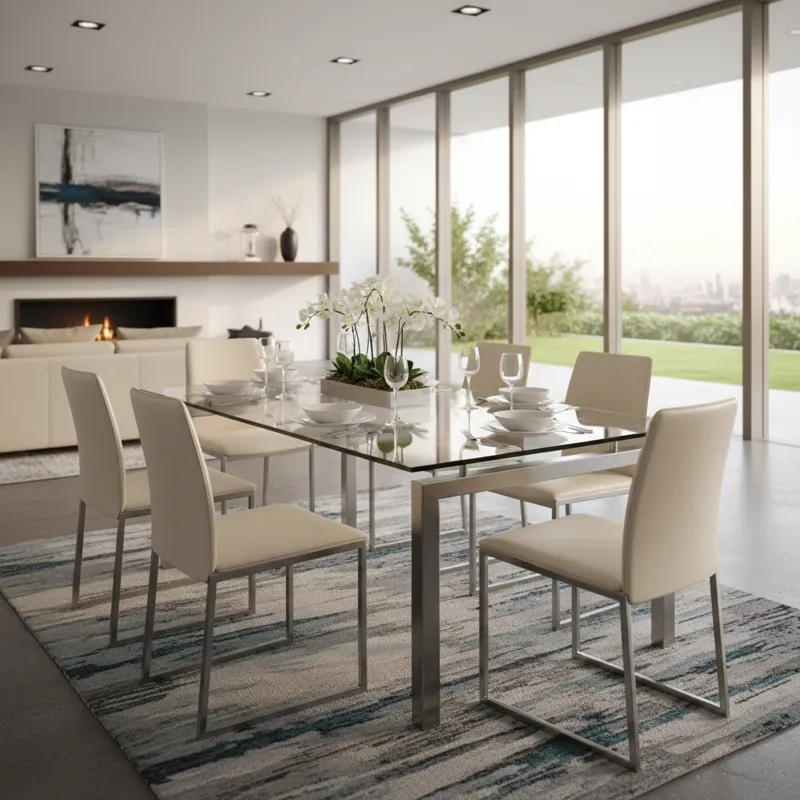
If you’re looking for large dining table sets, finding a quality glass table for 6 can sometimes feel like navigating a maze of options. As we move through 2026, the appeal of a glass dining table for six remains strong, offering a unique blend of visual lightness, modern elegance, and practical functionality. These tables don’t just serve as a surface for meals; they actively contribute to the ambiance of your dining area, making spaces feel larger and more inviting. But beyond the aesthetic, choosing the right glass table for 6 involves understanding material science, design considerations, and crucial safety aspects that ultimately dictate its longevity and your satisfaction.
The Enduring Appeal of a Glass Table For 6
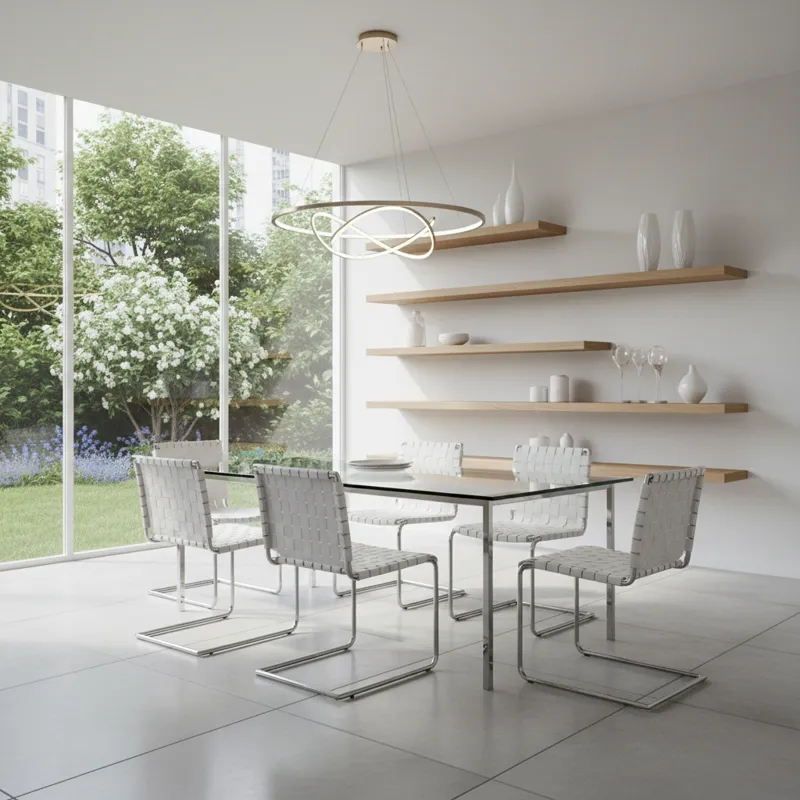
A glass table for 6 isn’t just a piece of furniture; it’s a design statement. Its transparent nature allows light to flow freely, making even compact dining rooms appear more expansive and airy. This visual lightness is a significant advantage over opaque alternatives, especially in homes where maximizing the sense of space is a priority. Glass seamlessly integrates with virtually any decor style, from ultra-modern minimalist settings to more traditional or transitional interiors.
The versatility of glass means it can serve as a canvas, allowing the base or the surrounding chairs to take center stage, or it can stand out with a unique glass finish. In 2026, home aesthetics continue to lean towards open concepts and natural light, making the glass dining table a perennial favorite for its ability to complement these design principles without overpowering the room.
Understanding Glass Types: More Than Just ‘Glass’
When selecting a glass table for 6, the type of glass used for the tabletop is the single most critical factor, influencing safety, durability, and even the table’s overall cost. Not all glass is created equal, and understanding the differences is paramount.
Tempered Glass (Safety Glass)
Tempered glass is the industry standard and, frankly, the only acceptable choice for dining table tops. It undergoes a process of extreme heating and rapid cooling, which significantly increases its strength compared to regular glass. Specifically, it’s about four times stronger than annealed glass of the same thickness. This enhanced strength means it’s far more resistant to impacts and temperature changes.
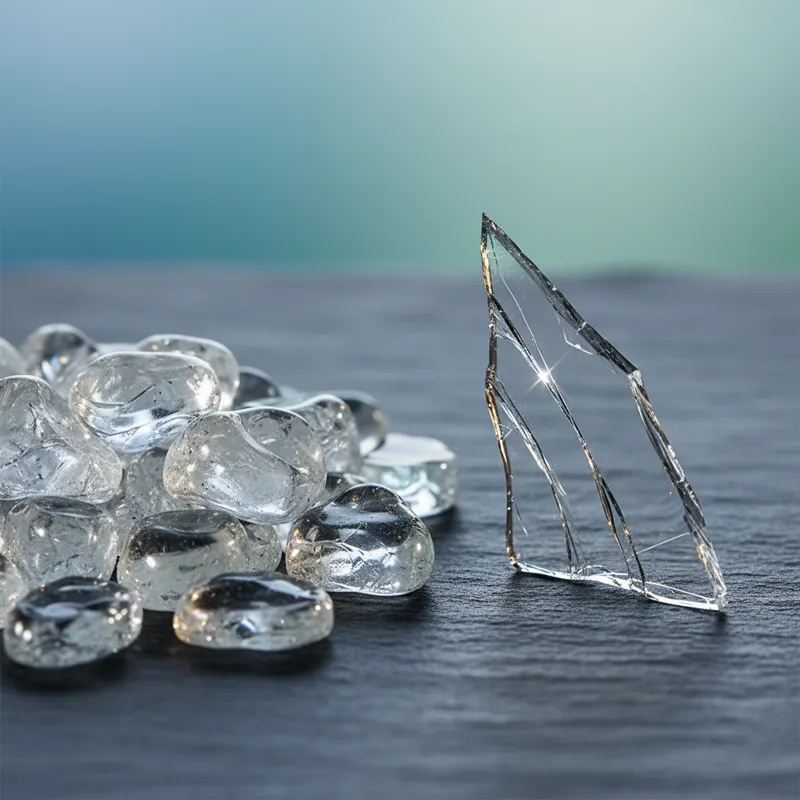
Crucially, if tempered glass does break, it shatters into small, relatively blunt, pebble-like pieces, rather than large, jagged shards. This characteristic dramatically reduces the risk of serious injury, making it the safe option for a home environment, especially if you have children or pets. You can often identify tempered glass by a small, discreet etching in one corner, indicating it meets safety standards. Always confirm that any glass table for 6 you consider is made with tempered glass.
Annealed Glass (Standard Glass)
Annealed glass is what most people consider “normal” glass – the kind used in window panes or picture frames. While it’s cheaper to produce, it is entirely unsuitable for a dining table. If annealed glass breaks, it fractures into large, razor-sharp shards that pose a severe laceration hazard. This makes it a dangerous material for a surface that will be actively used, leaned on, and potentially subjected to accidental impacts. Reputable manufacturers will never use annealed glass for dining tabletops.
Frosted, Smoked, and Tinted Glass
Beyond the structural type, glass tables come with various finishes that impact their appearance and practical aspects:
- Frosted Glass: Achieved by etching or sandblasting one side of the glass, frosted glass offers a translucent, semi-opaque look. It diffuses light beautifully and is excellent for hiding fingerprints, smudges, and minor scratches, making it a lower-maintenance option aesthetically. It also adds a softer, more private feel to the dining area.
- Smoked Glass: This is a darker, often grey or bronze-tinted glass. It provides a sophisticated, sometimes dramatic look, and can help to ground a space. Smoked glass is generally less reflective than clear glass and can show dust more readily, but offers a distinct stylistic choice.
- Tinted Glass: Similar to smoked glass but available in a wider array of colors, tinted glass can be used to introduce subtle color accents into your dining room design. It performs similarly to smoked glass in terms of maintenance and light reflection.
These finishes are usually applied to tempered glass, combining safety with unique visual effects. For instance, a black-tinted tempered glass table for 6 can provide a bold, contemporary focal point.
Sizing Your Space: Dimensions for a Comfortable Glass Table For 6
Proper sizing is paramount for a comfortable and functional dining experience. A table that’s too large can overcrowd a room, while one that’s too small will feel cramped for six people. The transparency of glass can visually mitigate some of this, but the physical footprint remains.
Ideal Table Dimensions for Six
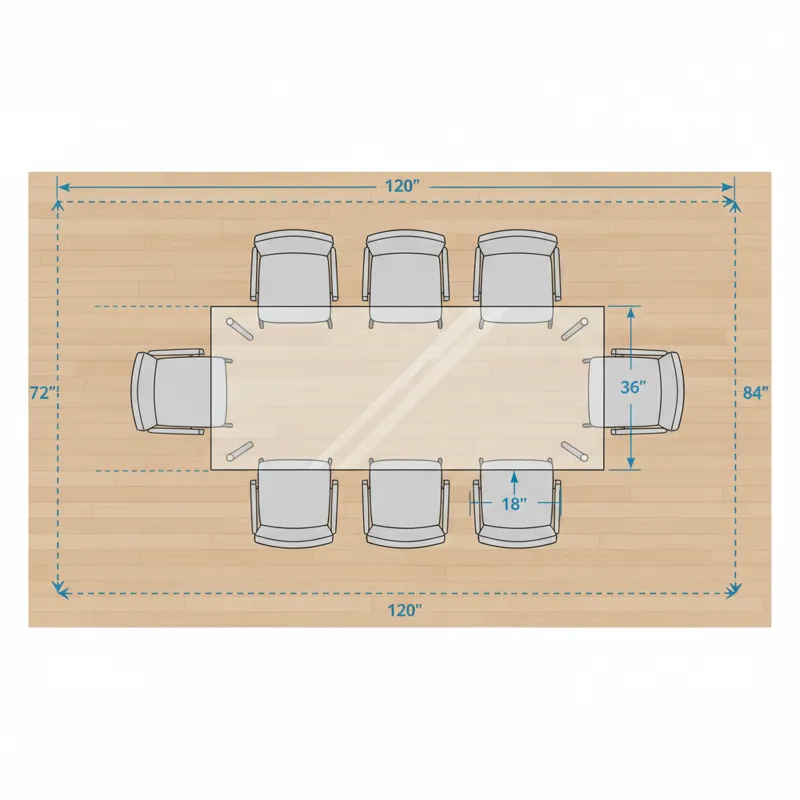
To comfortably seat six adults, each person generally needs about 24-26 inches of table edge space. This allows for elbow room and a placemat. Here are general guidelines for different shapes:
- Rectangular Tables: A common and highly practical choice. For a 7 piece dinette set (table plus six chairs), a rectangular glass table for 6 should ideally be between 60 to 72 inches long (5 to 6 feet) and 36 to 40 inches wide. A 72-inch length provides ample elbow room and space for serving dishes in the center.
- Round Tables: Round tables foster intimacy and conversation, as everyone is equidistant. For six people, a round glass table typically requires a diameter of 48 to 60 inches. A 60-inch diameter is ideal for comfort and to accommodate serving pieces. However, round tables can sometimes feel less efficient in terms of space utilization in narrow rooms.
- Oval Tables: Offering a hybrid of rectangular and round, oval tables provide the linear seating capacity of a rectangle with the softer edges of a round table. An oval glass table for 6 generally needs to be 60 to 72 inches long and 36 to 40 inches wide, similar to rectangular dimensions, but the rounded corners improve flow around the table.
- Square Tables: While less common for six, a square table would need to be at least 54-60 inches per side to comfortably accommodate two people per side. This setup can sometimes feel more formal and less conducive to easy conversation across the table.
Remember to consider the standard dining table height, which is typically between 28 to 30 inches. This ensures comfortable seating with standard dining chairs.
Room Clearance
Beyond the table’s footprint, adequate clearance around the table is crucial for functionality. You’ll need at least 36 inches of space between the edge of the table and any walls or other furniture. This allows people to pull out chairs, sit down, and exit comfortably without bumping into obstacles. If you plan for active traffic flow around the table while people are seated, aim for 42 to 48 inches of clearance. While a glass table for 6 might look less imposing, it still demands the same physical floor space as any other table of similar dimensions.
Base Materials and Design Integration
The base of your glass table for 6 is not merely a support structure; it’s a significant design element that dictates the table’s stability, aesthetic, and how it integrates into your home’s overall style.
Metal Bases (Stainless Steel, Chrome, Powder-Coated)
Metal bases are popular for their sleek, contemporary, and often industrial aesthetic. They offer excellent stability and durability. Materials commonly used include:
- Stainless Steel: Highly resistant to corrosion and staining, stainless steel offers a modern, sophisticated look. It’s durable and easy to clean but can show fingerprints.
- Chrome: A polished, reflective finish that can add a touch of glamour and shine. Chrome is durable but can be prone to scratching and water spots if not maintained.
- Powder-Coated Metal: This involves applying a dry powder that’s then cured under heat, creating a hard, durable finish. Powder-coating allows for a wide range of colors (black, white, grey are common) and offers good resistance to scratches and chips. It’s a versatile choice for modern, minimalist, or even industrial designs.
Metal bases often feature clean lines, geometric shapes, or even sculptural forms that complement the lightness of the glass top.
Wood Bases (Solid Wood, Veneer)
Wood bases bring warmth, texture, and a sense of tradition or natural elegance to a glass table for 6. They are incredibly versatile and can range from rustic to highly refined:
- Solid Wood: Offers superior strength, durability, and a rich, natural grain. Oak, walnut, maple, and cherry are popular choices, each with distinct colors and patterns. Solid wood bases can be heavy, providing excellent stability for a substantial glass top.
- Wood Veneer: A thin layer of real wood applied over a core material (like MDF or particleboard). Veneer allows for intricate designs and can be more cost-effective than solid wood. Quality veneers are durable, but care should be taken to prevent moisture damage that can cause peeling.
Wood bases can be designed in trestle styles, four-leg configurations, or more ornate, carved designs, allowing the glass top to float above a classic foundation.
Mixed Material & Pedestal Designs
Some tables incorporate a blend of materials or unique base structures:
- Mixed Materials: Bases combining metal with wood, or even stone, concrete, or acrylic elements, offer diverse aesthetic possibilities. For example, a concrete base with a glass top creates an intriguing juxtaposition of industrial and ethereal.
- Pedestal Table: A pedestal base, or multiple pedestals, supports the tabletop from a central point or points, eliminating the need for corner legs. This design offers maximum legroom, making it easier to arrange chairs and move around the table. Single pedestals are common for round or square glass tops, while double pedestals are often used for longer rectangular or oval tables. They contribute to a clean, uncluttered aesthetic.
When choosing a base, ensure it is sturdy enough to support the significant weight of the tempered glass top and that the attachment mechanism (e.g., suction cups, silicone bumpers, or bolted hardware) is secure.
Style and Aesthetics: Matching Your Home in 2026
The beauty of a glass table for 6 lies in its chameleon-like ability to adapt to and enhance various interior design styles. In 2026, home decor trends continue to emphasize personalization and thoughtful curation, where furniture serves both function and aesthetic purpose.
Modern & Minimalist
For modern and minimalist homes, a glass dining table is a natural fit. Its inherent transparency and often sleek lines align perfectly with the “less is more” philosophy. Pairing a clear tempered glass top with a simple metal base (like polished chrome or matte black steel) or a clean-lined wooden base creates an uncluttered, sophisticated look. The focus remains on the form, function, and the quality of materials, without excessive ornamentation. This style thrives on open spaces and a palette of neutral colors, where the glass table for 6 becomes a subtle yet impactful centerpiece.
Contemporary & Eclectic
Contemporary design is about the here and now, often incorporating current trends and a mix of influences. An eclectic style embraces diverse periods, textures, and patterns. A glass table for 6 can be surprisingly versatile in these settings. Imagine a glass top perched on a sculptural, artistic base – perhaps a unique geometric metal design, a raw edge wood slab, or even a base made from reclaimed materials. This allows the base to be a statement piece while the glass top maintains an airy feel. You can then pair it with mismatched chairs, bold artwork, and vibrant textiles to create a truly personalized and dynamic dining area.
Traditional & Transitional
Even in traditional and transitional homes, a glass dining table can find its place. Traditional styles often favor rich wood tones, classic shapes, and ornate details. A glass top can lighten the visual weight of a substantial, intricately carved wooden base, offering a refreshing contrast. In transitional designs – which blend traditional and contemporary elements – a glass table for 6 with a slightly more classic wooden base or a sophisticated dark metal frame can bridge the gap beautifully. It offers the formality and warmth of traditional furniture while introducing a touch of modern transparency and sleekness. The chairs you choose, whether classic upholstered or more contemporary, will play a significant role in defining the overall aesthetic of your 7 piece dinette set.
What Most People Get Wrong When Buying a Glass Table For 6
Despite its popularity, several common misconceptions or overlooked details can lead to disappointment when purchasing a glass dining table for six. Being aware of these can save you time, money, and frustration.
- Neglecting Tempered Glass: This is by far the biggest mistake. Some buyers, driven by lower prices, might inadvertently purchase a table with an annealed glass top. As discussed, this is a significant safety hazard. Always confirm that the glass is tempered. If it doesn’t explicitly state “tempered,” assume it’s not.
- Underestimating Room Clearance: People often focus solely on the table’s dimensions, forgetting the critical space needed around it for chairs and movement. A dining table for 6, regardless of material, requires at least 36-42 inches of clear space from the table’s edge to any wall or other furniture. Without this, your dining area will feel cramped and uncomfortable, even if the glass top looks light.
- Ignoring the Weight of the Glass Top: While visually light, a thick tempered glass top for six people is heavy. A 60×36 inch, 1/2-inch thick glass top can weigh over 100 pounds. This has implications for delivery (will it need special handling?), assembly (do you need extra hands?), and future rearrangement. Don’t assume you can easily move it yourself.
- Overlooking Chair Compatibility: Chairs are an integral part of the dining experience. Beyond aesthetics, ensure the chairs fit comfortably under the table and that their material and scale complement the glass top and base. For example, chairs with high, ornate backs might clash with a minimalist glass design, and wide chairs might not fit six around a smaller table.
- Forgetting Base Stability: A heavy glass top demands an equally stable base. Some bases, particularly those with very thin legs or poorly designed pedestal structures, might wobble, especially on uneven floors. Always check reviews or physically inspect the table’s stability if possible. A sturdy base prevents the unsettling movement of the glass top.
- Disregarding Edge Finishes: The edges of a glass table can be finished in several ways: flat polished, beveled, or pencil polished. Beveled edges, while visually appealing, can be more prone to chipping than flat polished edges. Consider your lifestyle and the potential for impact.
Maintenance and Care for Your Glass Dining Surface
Maintaining a glass table for 6 is generally straightforward, but consistent care is key to keeping it looking pristine and streak-free.
Cleaning Routines
The primary challenge with glass is keeping it free from streaks, fingerprints, and smudges. Here’s a routine that works:
- Daily Wipes: For everyday dust and light smudges, a microfiber cloth is often sufficient.
- Streak-Free Cleaning: For a deeper clean, use a glass cleaner (ammonia-free is best for tinted glass) and two clean microfiber cloths. Spray the cleaner on the glass, then wipe with the first cloth. Immediately buff dry with the second, clean, dry cloth to prevent streaks. For an eco-friendly option, a mixture of equal parts white vinegar and water works wonders.
- Dealing with Residue: If food or drink spills dry onto the glass, use a damp cloth to soften the residue before cleaning as usual. Avoid abrasive scrubbers.
Protecting the Glass
While tempered glass is durable, it’s not invincible. Protecting it from daily wear and tear will extend its life and maintain its appearance:
- Coasters and Placemats: These are essential. Coasters prevent ring marks from drinks, and placemats protect against scratches from plates and cutlery.
- Avoiding Scratches and Chips: Never drag heavy or abrasive objects across the glass surface. Be mindful of decorative items placed directly on the glass; felt pads on the bottom of vases or sculptures can prevent scratches. Avoid dropping heavy items onto the glass, especially on the edges, which are more vulnerable to chipping than the surface.
Addressing Common Issues
Occasionally, you might encounter minor issues:
- Wobbling Base: If the table feels unstable, check that all bolts are tightened (if it’s a bolted base) and that the legs or pedestal are level. Many tables have adjustable feet to compensate for uneven floors.
- Loose Suction Cups: If your glass top is held by suction cups, they can sometimes lose their grip over time. Clean both the glass and the suction cups thoroughly, and ensure they are dry before reattaching. If they’re old and stiff, consider replacing them.
Safety First: Living with a Glass Table
Beyond choosing tempered glass, living with a glass table for 6 requires a few practical safety considerations, particularly if you have an active household.
The paramount importance of using tempered glass cannot be overstated. It’s the baseline for safety. However, even tempered glass can break under extreme stress or concentrated impact, especially on its edges. Avoid direct, sharp blows to the edges of the table, as this is its most vulnerable point.
Edging Styles
Glass edges are typically finished to be smooth and safe. Common finishes include:
- Flat Polished: A clean, modern look where the edge is flat and polished smooth. Less prone to chipping than beveled edges.
- Pencil Polished: A rounded edge that resembles a pencil. It’s smooth to the touch and good for safety.
- Beveled: The top edge is cut at an angle and then polished, creating a decorative, often thicker-looking edge. While attractive, the angled edge can be slightly more susceptible to chipping from hard impacts.
For homes with young children, rounded or pencil-polished edges might be a safer choice than sharp corners, even if the glass itself is strong.
Securing the Top to the Base
Most glass tabletops are not permanently affixed to their bases, allowing for easier moving and assembly. However, they need to be secured to prevent accidental displacement:
- Suction Cups: Common for lighter tops, these provide a strong grip, but should be checked periodically.
- Silicone Bumpers/Pads: These are often placed between the glass and the base to prevent the glass from sliding and to absorb minor impacts.
- Bolted Hardware: Some designs incorporate discreet bolts or clips that securely fasten the glass to the base, offering the most robust connection.
Ensure the method used to secure your glass table for 6 top is robust and reliable.
Child and Pet Considerations
While tempered glass is safe, the very nature of glass means it’s still a hard, unforgiving surface. If you have young children, you might consider:
- Corner Protectors: Temporary, adhesive corner protectors can soften sharp glass corners, reducing the risk of bumps and scrapes.
- Base Stability: Opt for a base design that is exceptionally stable and heavy, making it difficult for children or pets to accidentally knock or topple the table. A wide, low pedestal table base, for instance, offers excellent stability.
Supervision is always the best safety measure around any large furniture, including a glass table for 6.
The Investment: Cost Considerations for a Quality Glass Table For 6
The price of a glass table for 6 can vary widely, reflecting differences in materials, design complexity, brand reputation, and the thickness and type of glass. Understanding these factors will help you set a realistic budget and make an informed purchase.
Price Variations
- Entry-Level (around $300 – $700): At this price point, you’ll typically find tables with thinner tempered glass (often 3/8-inch or 10mm) and bases made from lighter-gauge metal or engineered wood veneer. Designs tend to be simpler, and finishes may be more basic. These can be good for budget-conscious buyers, but always prioritize safety (tempered glass) and stability.
- Mid-Range (around $700 – $1,500): This segment offers thicker glass (1/2-inch or 12mm is common), more robust metal bases (stainless steel, heavy-duty powder-coated), or solid wood bases. You’ll see more intricate designs, better craftsmanship, and a wider array of glass finishes (frosted, smoked). Brands at this level often offer better warranties and customer support.
- High-End (over $1,500, potentially $3,000+): In this category, you’re investing in premium materials, designer aesthetics, and often custom options. This includes very thick glass (3/4-inch or 19mm for a truly luxurious feel), sculptural or architectural bases (high-grade solid wood, polished stainless steel, stone), and impeccable finishes. These tables are often considered statement pieces and are built for exceptional durability and longevity.
Long-Term Value vs. Initial Cost
While an expensive glass table for 6 might seem like a large upfront investment, consider its long-term value. A well-constructed, high-quality glass table will last for decades, maintaining its aesthetic appeal and structural integrity. Cheaper tables might save you money initially but could show wear and tear sooner, requiring replacement or repair. Thinking about furniture as a long-term asset, especially for central pieces like big family dining tables, can guide your budgeting.
Additional Costs
- Delivery: Due to the weight and fragility of glass tables, delivery can be more expensive than for other furniture. White glove delivery (where the table is assembled in your home) is often recommended and comes with an added cost, but ensures proper handling.
- Assembly: While many tables are designed for DIY assembly, a heavy glass top might require professional assembly for safety and precision, particularly for complex base designs. Factor this into your budget.
Finding Your Perfect Glass Table For 6: Shopping Tips
With a clearer understanding of what makes a great glass table for 6, here are some practical shopping tips to help you find the ideal piece for your home in 2026.
Online vs. In-Store
- Online: Offers a vast selection, competitive pricing, and convenience. You can compare many styles and read countless reviews. However, you can’t physically inspect the table’s quality, stability, or the exact glass finish. Rely heavily on detailed product descriptions, high-resolution images, and customer reviews.
- In-Store: Allows you to touch, feel, and inspect the table firsthand. You can check the stability of the base, the smoothness of the glass edges, and get a better sense of scale and proportion. Sales associates can also provide expert advice. The selection might be smaller, and prices could be slightly higher, but the assurance of physical inspection is invaluable.
Reading Reviews and Checking Specifications
When shopping online, customer reviews are your best friend. Look for comments on:
- Product Accuracy: Does the table look like the pictures?
- Quality and Durability: Are there reports of wobbling, chipping, or issues with the finish?
- Assembly Difficulty: Is it straightforward, or does it require significant effort?
- Customer Service: How did the company handle any issues?
Always scrutinize product specifications. Confirm the glass is tempered, note its thickness, and understand the materials used for the base. Don’t assume anything if it’s not explicitly stated.
Warranty and Return Policies
Glass tables are a significant investment, so a solid warranty is important. Understand what it covers (e.g., manufacturing defects, glass breakage) and for how long. Equally important is the return policy. Given the size and weight of a glass table for 6, returning it can be cumbersome and costly. Ensure you understand the window for returns, who pays for return shipping, and any restocking fees before you buy.
Considering Custom Options
If you have specific design requirements or an unusually shaped space, consider custom glass tabletops. Many local glass shops can cut tempered glass to your precise dimensions and desired edge finish. You can then pair this custom top with a separately purchased or custom-built base, giving you ultimate control over the final product. This can sometimes be more cost-effective for unique designs than purchasing a high-end pre-made table.
FAQs About Glass Tables for Six
Q: Are glass tables durable?
A: Yes, if made from tempered glass. Tempered glass is four times stronger than regular glass and designed to withstand significant impact. With proper care and protection, a quality glass table for 6 can last for many years without issue.
Q: How much does a glass table for 6 typically weigh?
A: The weight varies significantly based on glass thickness and base material. A standard 60-72 inch rectangular glass top (1/2-inch thick tempered glass) alone can weigh 100-150 pounds. Add a robust base, and the entire table could easily be 150-300+ pounds. Always check the product specifications for exact weight to plan for delivery and assembly.
Q: Can I use a glass table with kids?
A: Absolutely, provided it’s a tempered glass table. The main safety concern with children is not the glass shattering, but the hard surface and potentially sharp corners if not rounded. Consider corner protectors and ensure the table base is very stable to prevent tipping. Many families successfully use glass tables.
Q: How do I clean streaks off a glass table?
A: The most effective method is using a good quality, ammonia-free glass cleaner and two clean, lint-free microfiber cloths. Spray the cleaner on, wipe with the first cloth, then immediately buff dry with the second cloth. A 50/50 mixture of white vinegar and water also works wonders for a streak-free shine.
Q: What’s the best shape for a glass dining table for 6?
A: It depends on your room and preferences. Rectangular tables (60-72 inches long) are the most space-efficient and common for six. Round tables (48-60 inches diameter) promote intimate conversation and can soften a room. Oval tables offer a blend of both. Consider your room’s dimensions and how you typically use the space.
Q: Are glass dining tables going out of style in 2026?
A: Not at all. Glass dining tables have a timeless quality that adapts to evolving design trends. While specific base styles or glass finishes may trend in and out, the fundamental appeal of glass for its light-enhancing and versatile properties ensures it remains a popular and stylish choice in 2026 and beyond.
Choosing a glass table for 6 is a decision that blends aesthetic aspirations with practical necessities. By understanding the nuances of glass types, sizing, base materials, and safety considerations, you’re well-equipped to select a piece that not only looks stunning but also serves your household reliably for years to come. A thoughtful choice will enhance your dining space, creating an environment that feels open, inviting, and effortlessly stylish.


