Choosing the right furniture for your home often feels like a series of compromises, but when it comes to dining spaces, getting the details right makes all the difference. Whether you’re furnishing a compact apartment kitchen or looking for big family dining tables for a dedicated dining room, understanding the ideal dining table height is crucial. It’s not just about aesthetics; it profoundly impacts comfort, functionality, and how a space feels and flows. You’ll find that seemingly minor differences in inches can dramatically change your dining experience, affecting everything from posture to plate placement. This guide will walk you through the essential considerations, helping you select a table height that perfectly suits your lifestyle and home.
Understanding Standard Dining Table Height

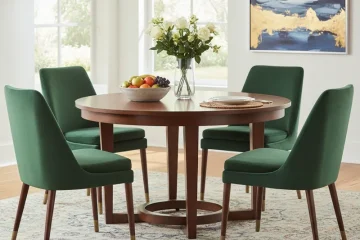
When people talk about a “dining table,” they’re almost always referring to what’s known as standard height. This is the most common and traditional option for homes across the United States, designed for comfortable seated dining in a formal or casual setting.
What Defines Standard Height?
A standard dining table typically measures between 28 and 30 inches (71 to 76 cm) from the floor to the top surface of the table. The sweet spot is often 29 or 30 inches, providing a comfortable reach for most adults while seated.
This height allows for ample legroom underneath the table, which is a key ergonomic consideration. It also accommodates a wide range of standard dining chairs, ensuring that your knees aren’t knocking the tabletop and your forearms rest comfortably at an appropriate height for eating.
Matching Chairs for Standard Dining Tables
For a standard height table, you’ll need standard dining chairs. These chairs usually have a seat height ranging from 17 to 19 inches (43 to 48 cm) from the floor. The goal is to maintain about 10 to 12 inches (25 to 30 cm) of space between the top of the chair seat and the underside of the table apron (the skirt beneath the tabletop). This gap is essential for comfortable seating and leg clearance.
Most manufacturers design chairs and tables with these clearances in mind, but it’s always wise to double-check dimensions if you’re mixing and matching pieces from different brands or collections. A chair that’s too tall will make you feel cramped, while one that’s too short will have you reaching awkwardly for your food.
When Standard Height Works Best
Standard height tables are incredibly versatile and are the default choice for many reasons:
- Formal Dining: They are perfect for traditional dining rooms, holiday gatherings, and more formal meals where guests spend extended periods seated.
- Everyday Family Meals: Comfortable for daily use, homework sessions, and family game nights.
- Children-Friendly: With booster seats or high chairs, children can easily join the family at a standard table.
- Accessibility: Generally easier for individuals with mobility challenges or those who prefer a conventional seating experience. For more information on accessibility standards, the Americans with Disabilities Act (ADA) website offers comprehensive guidelines, though specific dining table heights aren’t directly mandated for residential furniture, the principles of clear space are relevant.
- Space Perception: They tend to make a dining room feel more grounded and traditionally proportioned, especially when paired with a 10 person dining table or other larger furniture.
The ubiquity of standard height options also means you’ll have the widest selection of styles, materials, and price points when you’re shopping for a table and matching chairs.
Exploring Counter Height Dining Table Options

Counter height tables offer a more casual, elevated dining experience, often bridging the gap between kitchen and dining areas. They’ve become increasingly popular in recent years, particularly in homes with open-concept layouts or smaller kitchen-dining zones.
What Defines Counter Height?
Counter height tables typically stand between 34 and 36 inches (86 to 91 cm) tall. This measurement aligns closely with the standard height of kitchen countertops, which is usually 36 inches. This consistency is why they’re often seen as an extension of kitchen prep areas or as informal dining spots within the kitchen itself.
The slightly higher surface can feel less formal than a standard table, encouraging a more relaxed, bistro-like atmosphere. It’s also a comfortable height for many people to stand and chat while enjoying appetizers or drinks.
Matching Chairs for Counter Height Tables
For counter height tables, you need counter height stools or chairs. These typically have a seat height ranging from 24 to 26 inches (61 to 66 cm). Again, the goal is to maintain that 10 to 12-inch gap between the seat and the tabletop underside for optimal comfort and legroom.
Many counter stools come with built-in footrests, which are essential for comfort at this height. Without a footrest, your legs might dangle uncomfortably, especially for shorter individuals, leading to fatigue over time. When considering the counter height table size, also think about how many stools you’ll need and if they’ll fit comfortably when pushed in.
When Counter Height Works Best
Counter height tables shine in specific scenarios:
- Casual Dining & Kitchen Integration: Perfect for quick breakfasts, informal meals, or as a secondary eating area in a kitchen. They blend seamlessly with kitchen islands.
- Small Spaces: Their elevated nature can create an illusion of more open space compared to a standard table, as the eye tends to look underneath. They can also serve multiple functions in smaller homes, like a workspace or an informal gathering spot.
- Social Gatherings: Encourages guests to stand or perch, fostering a more interactive social environment. It allows for easier mingling between those seated and those standing.
- Contemporary Aesthetics: Often chosen for modern or transitional interior designs, where clean lines and varied heights add visual interest.
- Accessibility for Standing: The height is often convenient for preparing food or using as a serving buffet, reducing the need to bend over.
If you’re looking for larger options, rectangular counter height dining sets can accommodate more people while still maintaining that casual, integrated feel.
Diving into Bar Height Dining Table Specifications

Bar height tables are the tallest of the three common dining table heights, designed to replicate the experience of sitting at a bar or high-top bistro table. They offer the most elevated perspective and are often selected for highly casual settings or specific design statements.
What Defines Bar Height?
Bar height tables typically measure between 40 and 42 inches (102 to 107 cm) from the floor to the tabletop. This is a significant jump from counter height and, of course, standard height. The extra elevation provides a unique vantage point and dictates a very specific type of seating.
These tables are less common as primary dining surfaces in family homes and more frequently found in game rooms, home bars, or very small, modern kitchens where space is at a premium and a highly casual approach is desired.
Matching Chairs for Bar Height Tables
For bar height tables, you’ll need bar height stools. These stools have the highest seat height, usually ranging from 28 to 30 inches (71 to 76 cm). Just like with counter stools, footrests are absolutely essential for comfortable seating at this elevation. Without them, your legs will dangle uncomfortably, and sitting for more than a few minutes becomes impractical.
When selecting bar stools, consider options with backs for better support, especially if you anticipate people spending more than a few minutes seated. Swivel functions can also be beneficial, allowing easier movement and conversation at a higher perch.
When Bar Height Works Best
Bar height tables fit a niche but can be very effective in the right context:
- Smallest Spaces: Because they’re tall and often have a smaller footprint, they can work well in very compact kitchens or apartments where a standard table would overwhelm the room. They can also create an impression of more open floor space.
- Home Bars & Entertainment Areas: Naturally suited for home bars, game rooms, or entertainment spaces, offering a pub-like atmosphere.
- Architectural Features: Can complement specific architectural elements like large windows or open views, allowing seated guests to look out without obstruction.
- Standing Functions: Ideal for informal gatherings where people might stand or lean, offering a convenient surface for drinks and snacks at standing height.
It’s important to be realistic about bar height; while stylish, it’s generally the least comfortable for prolonged seated meals, especially for children or individuals with mobility issues. The Forbes Home guide on dining table heights provides a good visual comparison of these different styles.
Things People Usually Miss When Choosing Dining Table Height
It’s easy to get caught up in the aesthetics or the general idea of standard, counter, or bar height. However, there are crucial details often overlooked that can make or break your dining experience.
The Importance of Apron Height and Legroom
Many tables have an apron, which is the wooden or metal skirt connecting the legs just under the tabletop. While the overall table height might be perfect, a deep apron can significantly reduce the effective legroom underneath. Always measure from the floor to the bottom of the apron, not just to the tabletop. You need at least 6-7 inches (15-18 cm) of clear space above the chair seat for comfortable thigh clearance. Some thicker tabletops or very sturdy designs might also reduce this space, so always check the specific “underside clearance” or “apron height” in the product specifications.
Considering the People Using the Table
Who will primarily use this table? If you have young children, elderly family members, or individuals with specific physical needs, a standard height table is almost always the safest and most comfortable bet. Counter and bar height tables can be difficult for children to climb onto, and the elderly or those with joint issues might find it challenging to get on and off higher stools, especially those without backs or sturdy footrests.
Conversely, very tall individuals might find standard tables a bit low, while counter or bar height offers a more natural posture. It’s about finding a balance that serves the majority of your household and frequent guests.
The Impact on Conversation and Interaction
Height subtly influences social dynamics. At a standard table, everyone is typically at eye level, fostering intimate conversation. Counter and bar height tables can create a more casual, dynamic atmosphere where people move around more freely, but it can also separate seated guests from standing ones, potentially hindering conversation flow if not managed well.
Think about how you envision people interacting around your table. Do you want deep conversations over long meals, or a lively, come-and-go snack zone? Your chosen dining table height will guide this.
Space Perception and Flow
While counter and bar height tables can make small spaces feel more open by allowing sightlines to extend further, they also introduce a strong vertical element. This can make a low-ceilinged room feel even lower if not carefully integrated. A tall table in a room with very short walls might look out of place.
Consider the overall scale of your room and other furniture. A standard dining table often grounds a space, providing a solid anchor. For a comprehensive guide on various furniture dimensions, including tables, you can refer to resources like Wikipedia’s article on tables, which details historical and standard measurements.
Function Beyond Dining
Will your dining table serve multiple purposes? Many kitchen table heights do more than just dining. A standard table is often ideal for homework, crafts, or working from home due to its ergonomic fit with standard office chairs. Counter height can be great for food prep, standing tasks, or a quick informal workspace. Bar height is less versatile for extended, focused tasks due to the stool dynamics.
Think about how your family actually lives and works. Your table should adapt to your lifestyle, not the other way around.
Choosing the Right Dining Table Height for Your Home (2026 Considerations)
In 2026, home design continues to emphasize flexibility, comfort, and intelligent use of space. Choosing the right dining table height isn’t just about trends; it’s about making a practical, long-term investment in your home’s functionality and your family’s well-being.
Assessing Your Lifestyle and Needs
- Family Dynamics: Do you have young children who need easy access, or are you an empty-nester looking for a sophisticated entertaining space?
- Frequency of Use: Is this your primary dining spot, used daily for every meal, or an occasional formal area? The more frequent the use, the more comfort should be prioritized.
- Entertaining Style: Do you host formal dinner parties, casual buffet-style gatherings, or lively cocktail hours?
- Multipurpose Use: Will the table also serve as a workspace, homework station, or craft area?
Evaluating Your Space
- Room Size and Layout: Measure your dining area meticulously. Consider walkways and clearance around the table when chairs are pulled out. For instance, an 8 piece dining set will require substantial clearance.
- Ceiling Height: A very tall bar height table in a room with low ceilings can feel disproportionate.
- Existing Furniture: Does the new table height complement your existing kitchen counters, living room furniture, or built-ins? Maintaining a visual flow throughout open-concept spaces is important.
- Traffic Flow: How will people move around the table? Higher tables can sometimes impede flow if not placed correctly.
Testing Before Investing
Whenever possible, try sitting at tables of different heights in a showroom. Pay attention to how your body feels, how easy it is to get in and out, and the sightlines. If you’re buying online, measure your existing surfaces and even try to simulate the height with stacked books or temporary setups. This hands-on approach is invaluable for making an informed decision about something you’ll use every day.
Customization and Adjustability
While less common, some manufacturers offer adjustable height dining tables, often with manual cranks or hydraulic systems. These can be an excellent option for maximum flexibility, allowing you to switch between standard and counter height for different occasions or tasks. This feature is particularly relevant in 2026, as adaptable furniture continues to gain traction in smart homes.
Remember, the “best” dining table height isn’t universal; it’s deeply personal to your home, your family, and your specific needs. Taking the time to consider these factors will ensure your dining space is both beautiful and perfectly functional for years to come.
What Most People Get Wrong About Dining Table Height
It’s surprising how many people overlook seemingly minor details when choosing a dining table and chair set. These common missteps can lead to ongoing discomfort or regret.
Assuming All “Standard” Chairs Fit All “Standard” Tables
While there are general guidelines, a 28-inch table is significantly different from a 30-inch table when paired with a 17-inch chair versus a 19-inch chair. Always check the seat height of the chairs and the apron height of the table. A crucial 10-12 inch gap between the seat and the tabletop (or apron bottom) is non-negotiable for comfort. Just because both are labeled “standard” doesn’t guarantee a perfect ergonomic match.
Ignoring Footrests for Counter and Bar Height Stools
This is a huge one. Many people buy sleek counter or bar stools without footrests, especially for adults. While they might look modern, sitting for more than 10-15 minutes without a place to rest your feet becomes incredibly uncomfortable. Your legs will dangle, putting pressure on your thighs and leading to poor posture. Footrests aren’t just an accessory; they’re a necessity for proper ergonomics at elevated seating.
Underestimating the Visual Impact of Height
A higher table can indeed make a small space feel more open by allowing clear sightlines. However, this isn’t always true. If the room has a low ceiling, a tall bar height table can actually make the ceiling feel even lower and the room feel cramped vertically. Conversely, a very low, long standard table in a high-ceilinged room might feel dwarfed. Visual balance matters as much as physical space.
Prioritizing Style Over Function for Everyday Use
It’s easy to fall in love with a striking bar height table and stools, but consider if it’s truly practical for daily family meals, especially if you have children or older relatives. If it’s a primary dining area, discomfort will quickly outweigh style. Save the super-stylish, less-practical options for secondary or occasional use areas.
Forgetting About Tabletop Thickness
The quoted dining table height is always to the top surface. However, a table with a very thick tabletop (e.g., 2 inches or more) will have its underside effectively lower than a table of the same overall height with a thinner top. This subtly reduces the legroom. Combined with a deep apron, a thick top can make a supposedly standard table feel surprisingly cramped.
Not Accounting for Different Body Types
While furniture is designed for average dimensions, people aren’t average. Taller individuals will prefer more legroom and potentially higher tables. Shorter individuals might struggle with higher stools without proper footrests or find standard tables too high. If there’s a significant height difference among household members, adjustability or careful selection becomes even more critical.
By being aware of these common pitfalls, you can avoid post-purchase regret and ensure your dining setup is truly comfortable and functional for everyone.
FAQ: People Also Ask About Dining Table Height
What is the standard height of a kitchen table?
The standard height for a kitchen table, also known as a dining height table, is typically between 28 and 30 inches (71-76 cm) from the floor to the top surface. This is the most common height found in homes across the U. S.
How do I know what height dining table I need?
Consider your lifestyle, the primary users, the room’s size, and your entertaining style. If you prioritize comfort for daily meals, children, or older guests, standard height is best. For casual dining, open-concept kitchens, or smaller spaces, counter height works well. Bar height is ideal for home bars, very small areas, or specific aesthetic preferences, but it’s less comfortable for long periods.
What is the difference between counter height and bar height tables?
Counter height tables are typically 34-36 inches (86-91 cm) tall, aligning with standard kitchen counters. Bar height tables are taller, usually 40-42 inches (102-107 cm) tall, mimicking pub tables. The corresponding stools also differ: counter height stools have 24-26 inch seats, while bar height stools have 28-30 inch seats.
How much space should be between the chair seat and the dining table?
You should aim for approximately 10 to 12 inches (25 to 30 cm) of clearance between the top of the chair’s seat and the underside of the table apron (or tabletop if there’s no apron). This ensures comfortable legroom and allows you to sit and rise easily.
Can I mix and match dining chairs with a table from a different set?
Yes, but you must carefully check the dimensions. Ensure the chair seat height provides the recommended 10-12 inches of clearance from the table’s underside/apron. Also, consider the chair’s width and depth to ensure it fits comfortably under the table and that there’s enough space for all desired chairs.
Are counter height tables comfortable for everyday use?
For many, yes, if paired with well-designed counter height stools that include sturdy footrests and, ideally, backrests. They offer a more casual dining experience. However, for extended, formal meals or for younger children and some elderly individuals, standard height tables often provide superior comfort and ease of use.