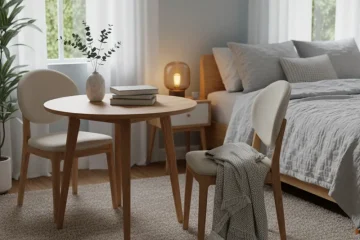
Choosing a central piece for your dining space is a significant decision. If you’re currently navigating the options for big family dining tables or even smaller, more intimate settings, the enduring appeal of a wood dining table consistently rises to the top. This isn’t just about selecting a functional surface; it’s about investing in a piece of furniture that anchors your home, gathers loved ones, and stands the test of time, both aesthetically and structurally. From casual brunches to formal dinners, the right wood dining table provides a warmth and character that synthetic materials often struggle to replicate. However, with an overwhelming variety of styles, wood types, and finishes available in 2026, understanding the nuances becomes critical to finding an ideal fit for your home and lifestyle.
The Enduring Appeal of a Wood Dining Table

Wood dining tables have been a cornerstone of homes for centuries, and for good reason. They offer a unique blend of durability, natural beauty, and versatility that few other materials can match. The inherent variations in grain patterns, colors, and textures mean that every wood dining table possesses its own distinct personality. This organic quality allows a wood table to complement a vast array of interior design styles, from the stark simplicity of modern minimalism to the intricate elegance of traditional decor.
Beyond aesthetics, wood provides a tactile warmth that is inviting and comforting. It’s a material that evolves with your home, subtly deepening in color and acquiring character over years of use. Unlike surfaces that might show every scratch or dent as a flaw, a well-made wood table can often absorb minor imperfections, integrating them into its story and enhancing its charm. This resilience and adaptability make a wood dining table not just furniture, but a potential heirloom.
Deconstructing the Wood Dining Table: Key Components

To truly appreciate a wood dining table, it helps to understand its fundamental parts. Each component plays a role in the table’s stability, durability, and overall design.
- The Tabletop: This is the most visible and used part of the table. It can be a single solid slab (rare for practical reasons in large tables), multiple planks glued together, or an engineered wood core with a veneer. The type of wood and its finish here dictate much of the table’s appearance and how it will withstand daily use.
- The Apron: This structural band runs horizontally beneath the edge of the tabletop, connecting the legs. The apron contributes significantly to the table’s rigidity, preventing the top from sagging and the legs from splaying outwards. A robust apron is a strong indicator of a well-built table.
- The Legs: These provide vertical support and elevate the tabletop to the appropriate height. Legs come in countless designs, from straight and tapered to turned, carved, or pedestal styles. The way legs are attached to the apron and tabletop (joinery) is crucial for stability. Some designs feature a single central pedestal or dual pedestals, which can offer more unobstructed legroom around the table perimeter.
- Stretchers/Supports: Not always present, stretchers are horizontal pieces that connect table legs, adding further stability. They are common in rustic or farmhouse designs and can be a design element in themselves.
Understanding Wood Types: The Heart of Your Dining Table

The type of wood used in your dining table fundamentally impacts its durability, appearance, and price. There are broad categories, and within each, specific species offer distinct characteristics.
Hardwoods: The Workhorses of Dining
Hardwoods are generally denser and more durable than softwoods, making them ideal for furniture that sees heavy use.
- Oak: A classic choice, known for its prominent, open grain pattern and exceptional strength. Red oak tends to have a reddish hue, while white oak is lighter and more water-resistant. Oak is incredibly durable and resistant to scratches and dents, making it a 7 piece dinette set or larger solid dining room table option built to last. It’s also relatively easy to work with and takes stains well.
- Pros: Very durable, distinctive grain, accepts stain well, long-lasting.
- Cons: Can be heavy, porous grain might require more finish protection.
- Maple: A very dense wood with a fine, even grain. Maple is incredibly strong and resistant to dents and scratches. It’s often used in modern wood dining table designs due to its smooth texture and ability to be stained in a wide range of colors, or left natural for a light wood dining room table aesthetic.
- Pros: Very hard and durable, smooth grain, takes finishes well.
- Cons: Can be more expensive, less distinctive grain than oak.
- Walnut: Prized for its rich, dark brown color and beautiful, often wavy grain patterns. Walnut is a premium hardwood, offering excellent durability and a luxurious appearance. It requires minimal staining to enhance its natural beauty. A large wooden dining table in walnut makes a striking formal dining table statement.
- Pros: Stunning natural color, excellent durability, unique grain, high-end appeal.
- Cons: Higher price point, can be softer than oak or maple (though still hard).
- Cherry: Known for its warm, reddish-brown tones that deepen and darken over time with exposure to light (a process called “patina”). Cherry has a fine, straight grain and is moderately hard, making it a beautiful and durable choice for a traditional or formal dining table.
- Pros: Beautiful natural color that deepens over time, fine grain, good workability.
- Cons: Can be expensive, susceptible to minor dents if not careful.
- Ash: Similar in appearance to oak but often lighter in color and with a slightly coarser grain. Ash is very strong and resilient, making it a good, often more affordable alternative to oak for those seeking a durable, light wood dining room table.
- Pros: Strong, durable, good shock resistance, often more affordable than oak.
- Cons: Grain can be less distinct than oak, less common in high-end furniture.
- Mahogany: A classic choice for elegant and formal furniture, mahogany is known for its reddish-brown color, fine, even grain, and exceptional stability. It resists warping and swelling well.
- Pros: Beautiful color, stable, resists warping, good for intricate carvings.
- Cons: Can be expensive, ethical sourcing is a concern for some species.
- Teak: Renowned for its natural resistance to moisture, rot, and insects due to its high oil content. While often associated with outdoor furniture, teak is also used for high-end indoor pieces. Its golden-brown color develops a silvery-gray patina if left untreated.
- Pros: Extremely durable, highly resistant to moisture and pests, beautiful grain.
- Cons: Very expensive, often sourced from specific regions, heavy.
Softwoods: Rustic Charm and Affordability
While not as hard as hardwoods, softwoods offer a distinct aesthetic and are often more budget-friendly.
- Pine: A popular choice for rustic, farmhouse, or casual dining tables. Pine is lighter in color, often with visible knots, and has a softer texture. It’s more susceptible to dents and scratches but is also easier to repair and refinish. It’s often found in more affordable or distressed wood dining table options.
- Pros: Affordable, lightweight, distinct rustic look, easy to work with.
- Cons: Softer, prone to dents and scratches, can show wear faster.
Engineered Wood: Practicality and Performance
Engineered wood products are often used in conjunction with solid wood or as core materials, especially for larger or more cost-effective dining table options.
- Veneer: A thin slice of real wood applied over a core material (like MDF or plywood). Veneered wood dining tables allow for the look of expensive hardwoods at a lower cost, and can also create stable, uniform surfaces. High-quality veneers are durable and difficult to distinguish from solid wood.
- Pros: Cost-effective, allows for exotic wood looks, stable, less prone to warping than large solid wood panels.
- Cons: Can be damaged if deeply scratched (exposing the core), not repairable by sanding like solid wood.
- MDF (Medium-Density Fiberboard): An engineered wood product made by breaking down hardwood and softwood residuals into wood fibers, combining them with wax and a resin binder, and forming panels by applying high temperature and pressure. It’s dense, stable, and has a very smooth surface, making it an excellent substrate for veneers or paint.
- Pros: Very stable, uniform, takes paint/veneer well, affordable.
- Cons: Heavy, not as strong as plywood for screws, susceptible to water damage if not sealed.
- Plywood: Layers of wood veneer glued together with adjacent layers having their wood grain rotated up to 90 degrees to one another. This “cross-graining” significantly reduces the chances of splitting and warping, creating a very strong and stable panel.
- Pros: Strong, stable, good screw retention, less prone to warping than solid wood.
- Cons: Edges often need finishing, can be heavier than MDF.
Construction Methods: What to Scrutinize
The longevity and stability of your wood dining table depend heavily on how it’s constructed. While the type of wood is important, poor construction can undermine even the finest materials.
Solid Wood Construction
When a table is described as “solid wood,” it typically means all visible parts are made from solid timber, not veneered engineered wood. However, even solid wood tables are rarely made from a single, massive piece of timber.
- Glue-Ups: Tabletops are usually constructed from multiple planks of wood carefully glued together to create a wider, stable surface. Properly done, these glue lines are stronger than the wood itself.
- Joinery: This is where the real craftsmanship shows.
- Mortise and Tenon Joints: One of the strongest traditional woodworking joints, where a “tenon” (a projecting piece) from one component fits snugly into a “mortise” (a corresponding hole) in another. Common for attaching legs to aprons.
- Dowel Joints: Wooden pins (dowels) are inserted into drilled holes in two pieces of wood, then glued together. Strong but less robust than mortise and tenons for high-stress areas.
- Dovetail Joints: A series of interlocking wedge-shaped pins and tails, known for exceptional strength and resistance to being pulled apart. Often seen in drawer construction, but can appear in table frame elements.
- Corner Blocks: Triangular blocks of wood, often glued and screwed into the inner corners of an apron where legs attach, providing extra reinforcement.
Veneer Construction
High-quality veneered tables are not necessarily inferior; they simply use materials differently. A good veneer will be thick enough to offer some resilience and be expertly applied over a stable core. Cheaper veneers might be extremely thin, prone to chipping, and applied over less durable particleboard.
What to look for: Feel the edges for seamless transitions between veneer and core. Check for any bubbling or peeling, which indicates poor adhesion. A well-constructed veneered table can be remarkably durable and stable, especially for pedestal table designs where large, stable tops are crucial.
Finishes: The Skin of Your Wood Dining Table
The finish protects the wood, enhances its natural beauty, and dictates how you’ll maintain your table.
- Lacquers, Varnishes, Polyurethane: These are surface finishes that form a protective layer on top of the wood. They offer excellent durability against scratches, spills, and general wear. Polyurethane is particularly tough.
- Pros: High protection, easy to clean, available in various sheens (matte to high gloss).
- Cons: Can chip or scratch (exposing wood), difficult to spot repair, may look more “plastic-like” than oil.
- Oils (Tung Oil, Linseed Oil, Danish Oil): These finishes penetrate into the wood fibers, hardening them and creating a natural, warm feel. They emphasize the grain and offer a more “natural” look.
- Pros: Natural look and feel, easy to repair minor scratches (by re-oiling), resistant to water.
- Cons: Requires more frequent reapplication (maintenance), less protection against heavy impacts than surface finishes.
- Wax: Often used over an oil finish or on its own for a very soft, low-sheen look. Wax offers minimal protection but provides a beautiful, natural luster.
- Pros: Natural, soft feel; easy to apply and reapply.
- Cons: Poor protection against heat and moisture, needs frequent reapplication.
- Stains: Stains are not finishes themselves but colorants that penetrate the wood to change or enhance its hue before a protective topcoat is applied. They allow for incredible versatility, enabling a light wood dining room table to be transformed into a darker tone, or vice-versa.
- Distressed/Reclaimed Finishes: These are intentional treatments to give new wood an aged, weathered, or rustic appearance. Reclaimed wood tables often have their own unique history and character, with existing knots, nail holes, and imperfections celebrated as part of the design.
Styles and Designs: Matching Your Aesthetic
The style of your wood dining table should harmonize with your home’s overall aesthetic.
- Modern/Minimalist: Characterized by clean lines, simple forms, and often lighter wood tones or stark contrasts. A sleek, unadorned dining table modern dining table often features a streamlined profile with minimal ornamentation.
- Traditional/Formal: Think darker woods like mahogany or cherry, often with ornate carvings, turned legs, or intricate details. A formal dining table aims for elegance and a sense of grandeur.
- Rustic/Farmhouse: Embraces natural imperfections, reclaimed wood, distressed finishes, and sturdy, often thick, construction. These tables evoke a warm, inviting, and often historical feel. A long dining room table with a bench component often fits this category.
- Mid-Century Modern: Defined by tapered legs, organic shapes, and a blend of functionality with distinctive style. Often features walnut or teak, highlighting craftsmanship.
- Industrial: Combines robust wood tops (often thick, raw, or reclaimed) with metal bases, legs, or accents. These tables offer a raw, urban edge.
- Scandinavian: Focuses on simplicity, functionality, and light-colored woods (like ash or birch) to create bright, airy spaces. Minimalist dining table designs often align here.
Sizing Your Wood Dining Table: Practical Considerations
Getting the size right is paramount for both comfort and flow within your dining space. You need to consider the room, the number of people you typically seat, and future flexibility.
- Room Dimensions: Aim for at least 36-48 inches of clearance between the table edge and any walls or other furniture to allow chairs to be pulled out comfortably and people to walk around. For example, if you have a 40 x 60 dining room table, ensure sufficient space around its perimeter.
- Seating Capacity:
- 2-4 people: A 36-48 inch round or square table.
- 4-6 people: A rectangular table around 60-72 inches long, or a 48-60 inch round table.
- 6-8 people: A rectangular table between 72-96 inches long. A 9 ft dining table or 9 feet dining table comfortably seats 8-10. For an 8 seater dining table, look for lengths in this range.
- 10-12+ people: You’ll need a long dining room table, potentially 108 inches (9 ft) or more, or an extra wide dining table. Dining room tables for 12-14 people are often 120-144 inches (10-12 ft) or have extension leaves.
- Table Dimensions: Standard dining table height is typically 29-30 inches. Ensure there’s adequate legroom beneath the apron (usually 24-25 inches from floor to apron bottom). Consider wider dining table options if you frequently serve large meals with many dishes.
- Extendable Tables: If your needs vary, an extendable wood dining table with leaves can be an excellent solution, offering flexibility without compromising style.
Maintenance and Longevity: Keeping Your Wood Dining Table Beautiful
A wood dining table is an investment. Proper care ensures it remains a cherished piece for decades.
- Daily Cleaning: Wipe spills immediately with a soft, damp cloth. For general cleaning, use a very mild soap solution or a specialized wood cleaner, then dry thoroughly. Avoid harsh chemicals, abrasive cleaners, or silicone-based polishes, which can build up and dull the finish.
- Protection:
- Use coasters under drinks and placemats under plates, especially hot ones. Trivets are essential for hot dishes.
- Avoid dragging items across the surface; lift them.
- For children or heavy use, consider a table pad for significant protection against impacts and heat.
- Humidity Control: Wood is hygroscopic, meaning it absorbs and releases moisture. Extreme changes in humidity can cause wood to expand, contract, warp, or crack. Maintain a stable indoor humidity level (ideally 35-55%) to prevent damage.
- Sunlight: Direct, prolonged sunlight can fade or alter the color of wood over time. Rotate table pads or coverings occasionally, and consider window treatments to filter intense light.
- Repairing Minor Damage:
- Scratches: Minor surface scratches on a poly-finished table can sometimes be buffed out with a furniture polish. Deeper scratches might require a touch-up pen or professional help. For oil-finished tables, a light sanding and re-oiling can often blend scratches away.
- Watermarks: White watermarks (caused by moisture trapped in the finish) can sometimes be removed by gently rubbing with a soft cloth and a dab of mineral oil or mayonnaise, letting it sit, then wiping clean. Deeper dark marks usually require professional intervention.
- Refinishing: Over decades, even the best finishes wear down. A solid wood dining table can be sanded down and refinished, essentially giving it a new life. This is one of the significant advantages of solid wood over veneer.
Things People Usually Miss When Buying a Wood Dining Table
Navigating the market for a wood dining table can be complex. Here are some critical points often overlooked.
- The Importance of Joinery Over Just Wood Type: Many buyers focus solely on the type of wood (e.g., “I want oak!”) but neglect to scrutinize the construction. A pine table with solid mortise and tenon joints will likely outlast an oak table that’s poorly assembled with flimsy screws and staples. Always inspect how the legs attach to the apron and how the tabletop is secured.
- Understanding the Finish’s Long-Term Implications: A high-gloss lacquer looks stunning initially, but it’s less forgiving of scratches than a matte oil finish. An oil finish might require more hands-on maintenance but is much easier to repair incrementally. Consider your lifestyle and how much active maintenance you’re willing to do.
- The Actual Weight and Logistics: A solid, large wooden dining table, especially one made from dense hardwood, will be incredibly heavy. This impacts delivery costs, the effort required to move it into your home, and even how often you might rearrange your dining space. Don’t underestimate the logistical challenge of an extra wide dining table or a 9 ft dining table.
- How Light Affects Wood Color Over Time: Many woods, particularly cherry and walnut, will darken and deepen in color when exposed to natural light. This isn’t a flaw; it’s part of the wood’s natural aging process, creating a rich patina. Be aware that areas constantly covered (e.g., by a centerpiece or table runner) might lighten at a different rate, creating subtle variations.
- Consideration of Edge Profiles: The edge of a tabletop might seem minor, but it affects both aesthetics and durability. A sharp, squared-off edge is prone to chipping and denting, while a rounded or beveled edge is more forgiving and safer, especially in homes with children.
- The Underappreciated Role of Table Height and Apron Clearance: While standard height is around 30 inches, variations exist. Crucially, measure the distance from the floor to the bottom of the apron. If this clearance is too low (below 24-25 inches), it can be uncomfortable for taller individuals or limit your chair options, especially if you have chairs with armrests.
Where to Buy Your Wood Dining Table in 2026
Finding the ideal wood dining table involves exploring various retail channels, each with its own advantages.
- Specialty Furniture Stores: These retailers often offer a curated selection of higher-quality wood furniture. You can see the pieces in person, test their stability, and get expert advice. They often have solid dining room table options and can guide you on wood types and finishes. Look for independent stores that focus on craftsmanship.
- Online Retailers: The online market for table furniture is vast, offering incredible selection and competitive pricing. Many reputable brands sell direct-to-consumer. This is a great option if you know exactly what you’re looking for (e.g., a specific modern wood dining table or a 7 ft dining table) and are comfortable ordering without seeing it in person. Always check return policies and read reviews. Many sites offer virtual try-on tools using augmented reality now, which can help visualize a 40 x 60 dining room table in your space. This is often where you can find a good price on a dining table.
- Local Artisans and Custom Shops: For a truly unique piece, consider commissioning a local woodworker. This allows for complete customization of wood type, finish, size (including an extra wide dining table or dining room tables for 12 14), and design. While typically more expensive, you get a bespoke piece perfectly suited to your needs and often of exceptional quality. A simple search for “where to buy a kitchen table” or “where can i buy a table” with your city name can yield good results.
- Second-hand, Vintage, or Antique Markets: These are excellent sources for finding well-made, often solid wood dining tables with character at a fraction of the cost of new. You might find a long dining room table with a rich history. Be prepared to inspect pieces thoroughly for structural integrity and potential restoration needs. Online marketplaces and local antique malls are good starting points for “where to buy dining table” or “where can i buy a dining room table” if you’re open to pre-owned.
For more insights on the forestry industry and sustainable wood sourcing, you might find information from authoritative sources like the USDA Forest Service valuable. Similarly, understanding the economic aspects of furniture investment can be found on business-focused platforms like Forbes. For detailed information on specific wood properties and their uses, Wikipedia’s entry on wood is a comprehensive resource.
FAQ: Your Top Questions About Wood Dining Tables Answered
What’s the best wood for a dining table?
There’s no single “best” wood; it depends on your priorities. For extreme durability and a classic look, oak or maple are excellent. For rich color and elegance, walnut or cherry are top choices. If budget and a rustic aesthetic are key, pine works well. Teak offers unparalleled resistance for specific environments.
How long do wood dining tables last?
A well-constructed solid wood dining table, properly cared for, can easily last for generations—50 to 100+ years. Veneered tables with good quality construction can last 15-30 years, depending on the veneer thickness and core material.
Can I put hot items directly on a wood table?
No, absolutely not. Hot items can cause white rings, dark burn marks, or even lift the finish, especially on tables with lacquer or polyurethane. Always use trivets or hot pads.
How do I protect my wood dining table from scratches?
Regular use of placemats, coasters, and felt pads on the bottom of decorative items significantly reduces scratches. For tables that see heavy daily use, especially with children, a custom-fitted table pad offers the best protection. Be mindful of pet claws and sharp objects.
Is solid wood always better than veneer?
Not necessarily “always better,” but it offers different advantages. Solid wood allows for easier refinishing and repair of deep damage, and it has a timeless appeal. High-quality veneer over a stable core (like MDF or plywood) is often more stable (less prone to warping), can be more environmentally friendly (using less exotic wood), and allows for complex designs at a lower cost. The key is quality in either construction method.