
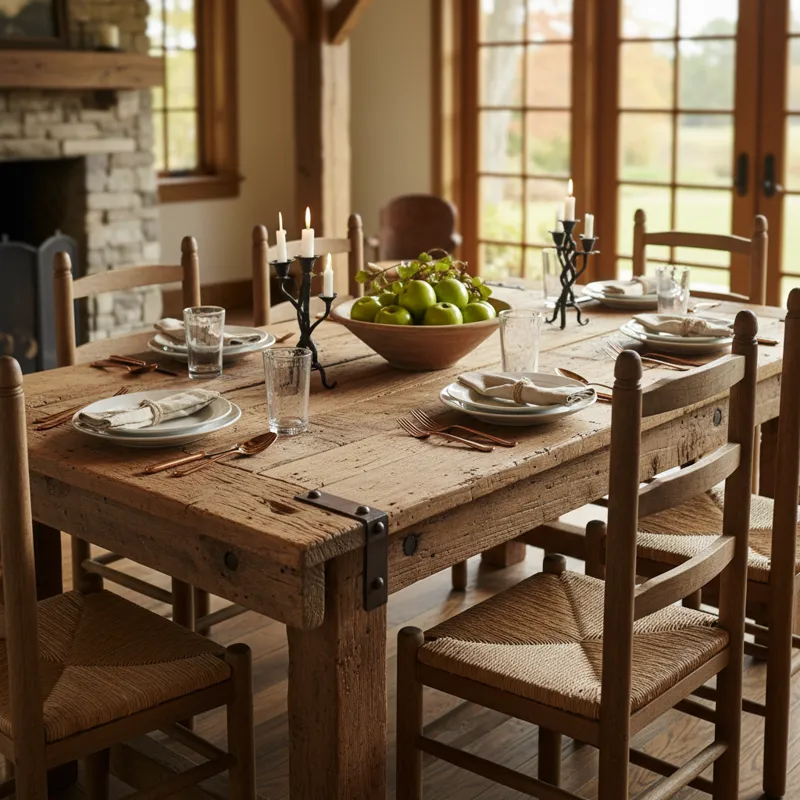
A dining table isn’t just a surface for meals; it’s often the heart of a home, a gathering place for family and friends, and a significant piece of furniture that defines a room’s aesthetic. Among the myriad options available, the wood plank dining table stands out as a timeless choice, celebrated for its natural beauty, robust character, and remarkable durability. Unlike tables crafted from engineered wood with veneers or those with highly processed surfaces, a true wood plank dining table showcases the inherent grain, texture, and often the unique imperfections of solid timber. This article dives deep into what makes these tables so special, guiding you through the critical aspects of selecting, understanding, and caring for a piece that can truly last generations. If you’re looking to invest in a real wood dining room table, understanding the nuances of plank construction is essential for making an informed decision that you’ll appreciate for years to come.
The Enduring Appeal of the Wood Plank Dining Table
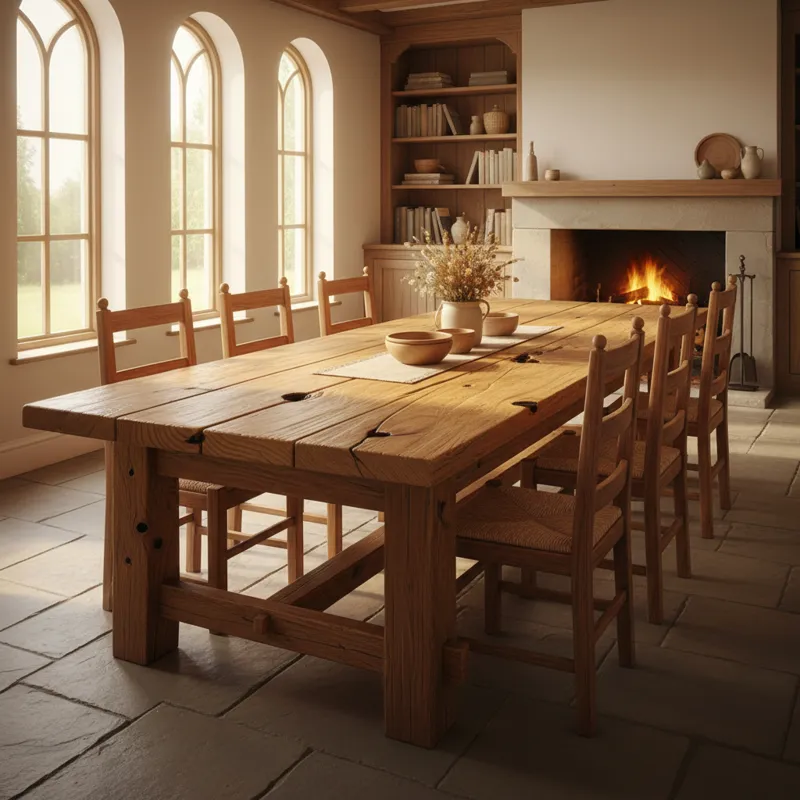
There’s an undeniable allure to a wood plank dining table. It brings a sense of authenticity and groundedness into a space that mass-produced alternatives often struggle to replicate. Each table, with its unique grain patterns, subtle variations in color, and sometimes even character marks like knots or small checks, tells a story. This isn’t just a piece of furniture; it’s a natural canvas, evolving with time and use, acquiring a rich patina that enhances its charm.
The popularity of wood plank tables stems from several key factors:
- Timeless Aesthetic: They transcend fleeting trends. Whether your home leans farmhouse, industrial, modern, or traditional, a well-chosen wood plank table can anchor the space beautifully.
- Durability and Longevity: Constructed from solid timber, these tables are built to withstand the rigors of daily life. With proper care, they can last for decades, often becoming cherished heirlooms.
- Natural Beauty: The inherent variations in wood — its grain, color shifts, and natural imperfections — create a warmth and organic feel that synthetic materials simply cannot replicate.
- Tactile Experience: Running your hand over a finely finished wood plank table connects you to nature, offering a sensory experience that’s often overlooked in furniture selection.
- Sustainability (with caveats): When sourced responsibly, particularly from reclaimed or sustainably managed forests, wood plank tables can be an environmentally conscious choice.
This enduring appeal isn’t accidental. It’s a testament to the material itself and the craftsmanship involved in transforming raw timber into a functional work of art.
Understanding Wood Types: The Foundation of Your Table’s Character and Durability
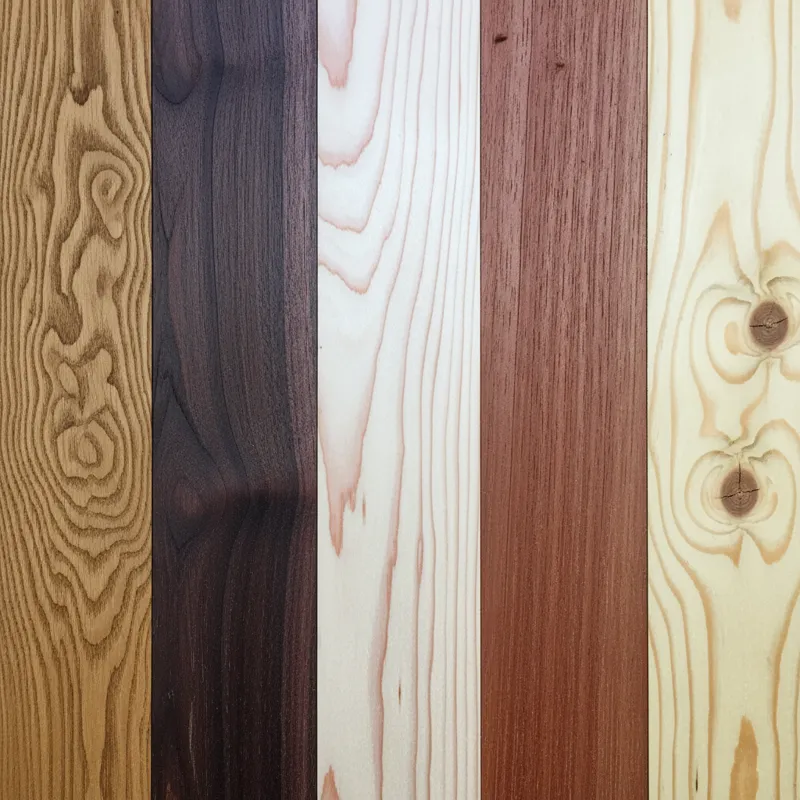
The type of wood used is perhaps the most critical factor influencing the aesthetics, durability, and cost of your wood plank dining table. Each species possesses unique properties that contribute to its look and performance.
Hardwoods: The Workhorses of Dining Tables
Hardwoods are typically denser, more durable, and more resistant to dents and scratches than softwoods. They are the preferred choice for high-traffic furniture like dining tables.
- Oak (Red and White):
- Characteristics: Oak is renowned for its prominent, open grain pattern and exceptional strength. White oak is slightly harder and has a tighter grain, making it more water-resistant, while red oak has a coarser texture.
- Durability: Excellent, highly resistant to wear and tear.
- Appearance: Ranges from light brown to reddish-brown, often taking stains beautifully. The distinctive grain adds character.
- Best For: Classic, rustic, farmhouse, and mission-style tables.
- Maple:
- Characteristics: A very hard and dense wood with a fine, even grain. It’s often lighter in color.
- Durability: Very good, highly resistant to dents and scratches. Can be prone to minor surface checking with significant humidity fluctuations if not properly dried and finished.
- Appearance: Creamy white to light reddish-brown, with a subtle grain that offers a more uniform look.
- Best For: Modern, contemporary, and minimalist designs where a smooth, consistent surface is desired.
- Walnut:
- Characteristics: A premium hardwood known for its rich, dark color and beautiful, often varied grain. It’s relatively strong but also surprisingly easy to work with.
- Durability: Good to excellent, quite stable.
- Appearance: Deep chocolate brown, sometimes with hints of purple or gray, making it highly desirable for sophisticated aesthetics.
- Best For: High-end contemporary, mid-century modern, and transitional tables where a luxurious feel is paramount.
- Cherry:
- Characteristics: A fine-grained hardwood that starts lighter and darkens beautifully over time, developing a rich, reddish-brown patina. It’s softer than oak or maple but still durable.
- Durability: Good, but can dent more easily than harder woods.
- Appearance: Starts as a pale pinkish-brown and matures into a deep, reddish-brown. The subtle, elegant grain is highly prized.
- Best For: Traditional, elegant, and classic designs.
- Ash:
- Characteristics: Similar in appearance to oak but often lighter and with a slightly less pronounced grain. It’s tough and flexible.
- Durability: Very good, comparable to oak in hardness.
- Appearance: Light to medium brown, often with a grayish tint. It stains well and can mimic other woods.
- Best For: Versatile for many styles, from traditional to contemporary.
Softwoods: Budget-Friendly Options
While generally less durable than hardwoods, softwoods can still be used for dining tables, especially if a rustic aesthetic or a lower price point is desired. They are more susceptible to dents and scratches.
- Pine:
- Characteristics: Readily available, affordable, and lightweight. Features prominent knots and a distinct grain.
- Durability: Fair, easily dented and scratched.
- Appearance: Light yellow to reddish-brown, often with visible sapwood and heartwood variations.
- Best For: Rustic, farmhouse, and casual dining settings. It accepts distressing and painted finishes well.
Reclaimed Wood: A Story in Every Plank
Reclaimed wood, salvaged from old barns, factories, or structural beams, offers a unique character and environmental benefit.
- Characteristics: Features original saw marks, nail holes, weathering, and a history that adds unparalleled depth. Often sourced from hardwoods like oak, pine, or fir that have exceptional density due to old growth.
- Durability: Can be excellent, as old growth timber often possesses superior density and stability. However, the wood’s condition varies widely.
- Appearance: Highly varied, depending on its origin, but generally displays rich patinas, grays, browns, and sometimes even hints of original paint.
- Best For: Industrial, rustic, and eclectic styles where a sense of history and unique character is highly valued. It’s a fantastic option for those seeking reclaimed wood dining chairs to match.
When choosing a wood type, consider not just the initial look, but also how it will age, how it will stand up to your family’s lifestyle, and your willingness to maintain it.
Construction Methods: How a Wood Plank Table is Built to Last
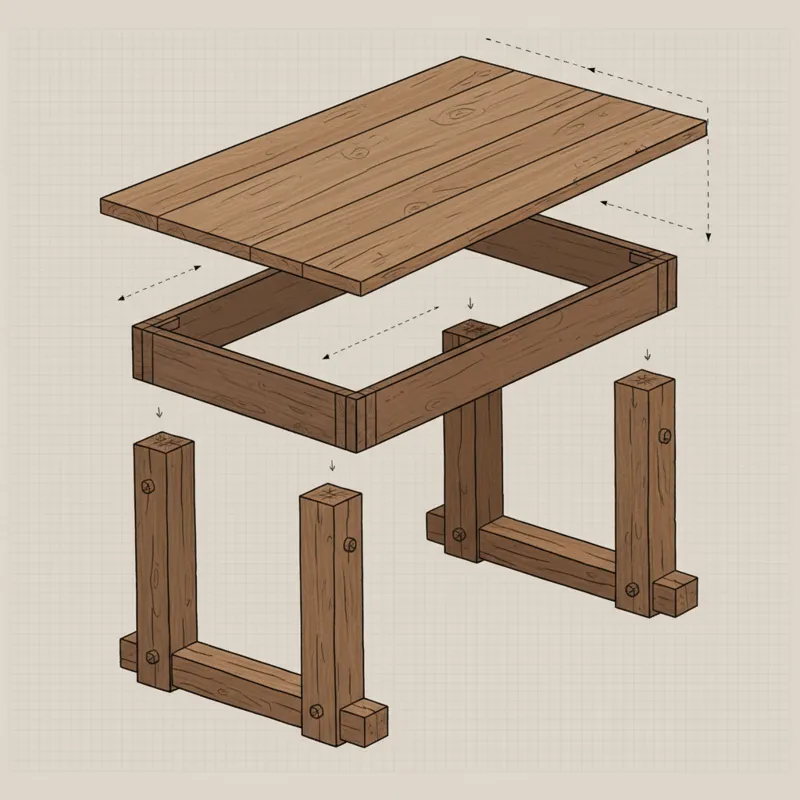
The longevity and stability of a wood plank dining table depend significantly on its construction. Understanding how these tables are put together helps you evaluate quality and anticipate performance.
Tabletop Construction
The tabletop is the star of a wood plank dining table, and its construction is critical.
- Solid Plank Tops: This is the hallmark of a true wood plank dining table. Individual solid wood planks are joined together to form the tabletop.
- Wide Plank: Some high-quality tables use fewer, wider planks (e.g., 6-12 inches wide). This showcases more of the natural grain but can be more prone to wood movement (expansion/contraction) if not properly dried and constructed.
- Edge-Glued Panels: More commonly, narrower planks (e.g., 2-5 inches wide) are carefully selected, milled, and glued edge-to-edge. This approach distributes the effects of wood movement, leading to a more stable and flat surface over time. Quality tables use strong, waterproof wood glue and often biscuit or dowel joints for alignment during assembly.
- “Live Edge” Planks: These tables feature one or more planks where the natural edge of the tree, complete with bark (often removed and sealed) or natural undulations, is preserved. They offer a highly organic and unique aesthetic.
- Engineered Wood with Veneer (Distinction): It’s important to differentiate. While some tables may have a real wood veneer over an engineered core (like MDF or particleboard), these are not true wood plank dining tables. Veneers offer a cost-effective way to get the look of wood but lack the depth, repairability, and long-term durability of solid planks.
Joinery Techniques
The methods used to connect table components are crucial for strength and stability.
- Mortise and Tenon: A classic, incredibly strong joint where a projecting piece (tenon) fits into a cavity (mortise). Often reinforced with pegs or glue, this is a sign of high-quality craftsmanship, particularly for attaching legs to the apron or stretcher rails to legs.
- Dovetail: Primarily used for drawer boxes, but variations can be seen in some table construction, providing exceptional strength against pulling apart.
- Dowels: Cylindrical wooden pins inserted into matching holes in two pieces of wood, reinforced with glue. They provide good alignment and strength but are generally less robust than mortise and tenon for structural connections.
- Screws and Metal Fasteners: While necessary for some connections (like attaching a tabletop to an apron, allowing for wood movement), reliance solely on screws for primary structural joints can indicate lower quality. Proper tabletop attachment often involves Z-clips, figure-8 fasteners, or cleats that allow the top to expand and contract without cracking.
Table Base Construction
The base supports the heavy plank top and defines the table’s overall style.
- Four-Leg Base: The most common and versatile. Stability depends on the thickness of the legs and the quality of their attachment to the apron.
- Trestle Base: Features two or more robust vertical supports (trestles) connected by a horizontal stretcher bar. Offers excellent stability and legroom along the sides, but can restrict end seating. Ideal for longer rectangular wood plank dining tables.
- Pedestal Base: A central support column or multiple columns that broaden at the base. Offers maximum legroom around the entire perimeter. A pedestal dining set with leaf is often a good choice for smaller spaces that need flexibility.
- Slab or Panel Legs: Thick, solid wood panels that serve as legs, often matching the thickness of the tabletop. Creates a substantial, contemporary, or industrial aesthetic.
- Metal Bases: Often steel or wrought iron, paired with a wood plank top for an industrial or modern look. The joinery between the wood top and metal base is crucial for stability.
Good construction involves careful wood selection, proper drying (kiln-dried wood minimizes warping), precise milling, and skilled joinery that accounts for wood movement.
Finishes and Their Impact: Protection, Aesthetics, and Maintenance
The finish applied to your wood plank dining table is more than just an aesthetic choice; it’s a protective barrier that impacts the table’s durability, ease of maintenance, and overall look.
Protective Finishes (Film-Building)
These finishes create a physical layer on top of the wood, offering robust protection.
- Polyurethane/Varnish:
- Characteristics: Extremely durable, water-resistant, and scratch-resistant. Available in various sheens (matte, satin, semi-gloss, gloss).
- Pros: Excellent protection against spills and daily wear. Easy to clean.
- Cons: Can look like a plastic coating if applied too thickly. Repairs to deep scratches or dents often require sanding and re-finishing the entire surface to avoid visible patches.
- Best For: High-traffic family tables where maximum protection is desired.
- Lacquer:
- Characteristics: Dries quickly to a hard, durable, and relatively clear finish. Can be sprayed for a very smooth, professional look.
- Pros: Hard, clear, and generally resistant to water and some chemicals.
- Cons: Can be brittle and prone to chipping. Difficult for DIY repair.
- Best For: Factory-finished pieces, often seen on more contemporary or formal tables.
Penetrating Finishes (Oil-Based)
These finishes soak into the wood fibers, enhancing the natural grain and providing a more tactile feel.
- Oil Finishes (e.g., Tung Oil, Linseed Oil, Rubio Monocoat):
- Characteristics: Penetrate the wood, hardening within the fibers to provide protection from the inside out. They enhance the natural color and grain.
- Pros: A very natural, “feel-the-wood” texture. Easy to repair localized scratches or wear spots by re-oiling the affected area. Can be buffed to refresh.
- Cons: Less protective against severe spills or heat rings than film-building finishes. Requires more frequent re-application (every 1-3 years, depending on use) to maintain protection.
- Best For: Tables where a natural, organic feel is prioritized, and owners are willing to perform routine maintenance.
- Wax Finishes:
- Characteristics: Often used in conjunction with oil finishes or as a topcoat on raw wood for a soft luster.
- Pros: Provides a subtle sheen and some protection. Easy to apply.
- Cons: Offers minimal protection against spills, heat, or scratches. Requires frequent re-application.
- Best For: Decorative pieces or very low-use tables where a matte, natural look is desired.
Stains and Dyes
These are not finishes themselves but agents used to alter the wood’s color before a protective topcoat is applied.
- Stains: Pigmented products that sit on the wood’s surface and penetrate slightly, emphasizing the grain. They come in a vast array of colors.
- Dyes: Penetrate deeper into the wood fibers, offering more vibrant and uniform color without obscuring the grain.
When choosing a finish, consider:
- Your Lifestyle: Do you have children, pets, or host frequently? A more durable, film-building finish might be best.
- Aesthetic Preference: Do you prefer a natural, matte look or a glossy, polished surface?
- Maintenance Willingness: Are you prepared for occasional re-oiling, or do you prefer a “set it and forget it” approach?
A quality finish applied correctly is vital for the longevity and beauty of any wood plank dining table.
Styling Your Wood Plank Dining Table
The versatility of a wood plank dining table means it can adapt to, and even define, a wide range of interior design styles. Its inherent character allows it to be a chameleon, shifting its vibe with the surrounding decor.
- Farmhouse/Rustic: This is arguably the most natural home for a wood plank dining table. Think chunky, often distressed, oak or reclaimed wood tops with trestle or robust four-leg bases. Pair with mismatched chairs, benches, linen textiles, and vintage-inspired lighting for an authentic, welcoming feel.
- Modern/Minimalist: Opt for a table with clean lines, a smooth, often darker finish (like walnut or dark ash), and a simple slab or sleek four-leg base. The planks should be uniform, showcasing a refined grain. Minimal ornamentation, monochromatic palettes, and sculptural chairs complement this look.
- Industrial: A perfect match for reclaimed wood or raw-edged planks, often paired with a sturdy metal base (black steel, cast iron). The contrast between the organic wood and the rigid metal creates a compelling, urban aesthetic. Concrete elements, exposed brick, and factory-style lighting enhance the vibe.
- Transitional: This style blends traditional elegance with contemporary simplicity. A cherry or lighter oak plank table with a refined finish and a classic four-leg or pedestal base works well. Mix traditional upholstered chairs with modern light fixtures for a balanced look.
- Scandinavian (Scandi): Light-colored woods like maple or ash are ideal. The table should have clean, understated lines and a natural, often matte, finish. Pair with minimalist chairs, light textiles, and plenty of natural light to create an airy, functional, and serene space.
The key is to select a table whose wood type, finish, and base design align with your desired aesthetic. Remember, the table itself is a significant design element, so let it inform your choices for chairs, lighting, and decor.
Choosing the Right Size and Shape for Your Space
Selecting the correct size and shape for your wood plank dining table is crucial for both functionality and flow within your dining area. A table that’s too large can make a room feel cramped, while one that’s too small can look awkward and limit seating.
Measuring Your Room
Before you even look at tables, accurately measure your dining space.
- Table Clearance: Aim for at least 36-42 inches of clearance between the table’s edge and any walls, other furniture, or walkways. This allows enough room for chairs to be pulled out comfortably and for people to walk around the table.
- Overall Footprint: Consider the maximum dimensions your room can accommodate without feeling overwhelmed.
Seating Capacity Guidelines
These are general rules of thumb; individual chair sizes will affect actual capacity.
- Rectangular Tables:
- 60-72 inches long: Seats 6 people (2 on each side, 1 on each end).
- 72-96 inches long: Seats 8 people.
- 96-120 inches long: Seats 10-12 people.
Rectangular tables are the most common and versatile, especially for accommodating larger gatherings or for narrow rooms. Many feature extendable leaves, making a solid wood extendable table a smart choice for flexible seating.
- Round Tables:
- 36-48 inches diameter: Seats 4 people.
- 48-60 inches diameter: Seats 4-6 people.
- 60-72 inches diameter: Seats 6-8 people.
Round tables are excellent for promoting conversation as everyone faces each other. They work well in smaller or square rooms, eliminating sharp corners.
- Square Tables:
- 36-48 inches square: Seats 4 people.
- 48-60 inches square: Seats 8 people.
Square tables are ideal for square rooms and intimate gatherings. They can sometimes feel less flexible than rectangular options.
- Oval Tables: Similar seating capacity to rectangular tables of the same length, but the rounded edges can make a room feel softer and allow for easier movement around the table.
When considering the shape, think about:
- Room Shape: Match the table shape to the room shape for a harmonious flow.
- Conversation: Round and oval tables foster more direct interaction.
- Flexibility: Extendable tables, especially those with solid wood leaves, offer the best of both worlds, adapting from everyday use to special occasions. If you’re considering a contemporary dining room tables with leaves, ensure the extension mechanism is robust and easy to operate.
What Most People Get Wrong When Buying a Wood Plank Dining Table
Even with careful research, several common misconceptions or overlooked details can lead to disappointment when purchasing a wood plank dining table. Being aware of these can save you headaches and ensure satisfaction.
- Ignoring Wood Movement: This is perhaps the biggest misunderstanding. Wood is a natural material that expands and contracts with changes in humidity and temperature. A truly solid wood plank dining table will never remain perfectly inert. Quality craftsmanship accounts for this movement through proper joinery and attachment methods. Expecting a solid plank top to stay perfectly flat and crack-free in extremely dry or humid conditions without any care is unrealistic. Surface checks or minor gaps can appear, especially in very wide planks, and are often considered part of the wood’s natural character, not a defect.
- Underestimating Maintenance Needs: While durable, wood plank tables aren’t “set it and forget it.” They require regular cleaning and protection from spills, heat, and direct sunlight. Oil finishes, in particular, need periodic reapplication. Neglecting basic care will lead to premature wear and potential damage.
- Confusing “Solid Wood” with “Solid Plank”: Many tables are marketed as “solid wood,” which can mean solid wood pieces glued together into a larger panel (like a butcher block), or even solid wood frames with solid wood veneer panels. A true “solid wood plank” table uses full-width, full-length solid planks for the top, showcasing continuous grain. Always clarify the exact construction.
- Focusing Solely on Price Over Quality: A cheap wood plank table often means lower quality wood (e.g., fast-growth pine), poor drying techniques, inferior joinery, or a thin, easily damaged finish. While tempting, these tables often don’t last, warp easily, or require significant repairs early on. Investing in a well-built table from a reputable maker pays off in the long run.
- Not Considering Weight and Logistics: Solid wood plank tables are HEAVY. This is a good sign of quality, but it has practical implications. Think about delivery, getting it into your home, and potential future moves. You’ll need adequate help to move it safely.
- Overlooking the Finish’s Repairability: Film-building finishes are very protective but hard to spot-repair. Oil finishes are less protective but much easier to fix localized damage. Choose a finish that aligns with your comfort level for maintenance and repair. Many people regret a high-gloss finish when the first scratch appears because it’s so difficult to blend.
Understanding these points empowers you to ask the right questions and set realistic expectations for your investment.
Maintenance and Care for Longevity
Proper care is essential for preserving the beauty and extending the life of your wood plank dining table. Think of it as an ongoing relationship, not a one-time purchase.
- Regular Cleaning:
- Dust frequently with a soft, dry, lint-free cloth to prevent abrasive particles from scratching the surface.
- For spills, wipe immediately with a slightly damp cloth and then dry thoroughly.
- For general cleaning, use a mild wood cleaner (pH-neutral) specifically designed for furniture. Avoid harsh chemicals, abrasive cleaners, or silicone-based polishes, which can build up and damage the finish over time.
- Protection from Heat and Moisture:
- Always use coasters under drinks, especially hot ones. Heat and moisture can leave unsightly rings and marks.
- Use placemats or trivets under hot dishes.
- Avoid placing damp items (like wet cloths or flower vases) directly on the surface for extended periods.
- Humidity Control:
- Wood responds to its environment. Maintain a consistent humidity level in your home (ideally between 40-55%) to minimize wood expansion and contraction, which can lead to warping or cracking.
- Use a humidifier in dry winter months and a dehumidifier in humid summer months if necessary.
- Keep the table away from direct heat sources (radiators, heat vents, fireplaces) and direct, prolonged sunlight, which can cause drying, fading, or uneven moisture loss.
- Addressing Scratches and Dents:
- For minor surface scratches on film-building finishes, specific repair kits are available, though color matching can be tricky.
- For oil finishes, light sanding and re-oiling the affected area can often blend scratches seamlessly.
- Deeper dents or gauges might require professional repair.
- Periodic Re-finishing/Re-oiling:
- Oil-finished tables need re-oiling every 1-3 years, depending on use, to replenish the protective oils and refresh the look.
- Film-building finishes generally don’t require re-application, but a severely worn or damaged finish might necessitate professional sanding and re-application of a new topcoat.
- Rotating Accessories: If you keep decorative items on your table, rotate them periodically to ensure even exposure to light and air, preventing uneven fading or marks.
Treat your wood plank dining table with respect, and it will serve you beautifully for decades.
Pricing and Value: What to Expect in 2026
As of 2026, the market for wood plank dining tables continues to offer a wide range of prices, reflecting significant variations in materials, craftsmanship, and brand reputation. Understanding these factors will help you gauge the value of your potential investment.
Factors Influencing Cost:
- Wood Type:
- Entry-Level: Softer woods like pine, often with more visible knots, will be the most affordable.
- Mid-Range: Common hardwoods like red oak or ash fall into this category.
- High-End: Premium hardwoods such as walnut, white oak, and cherry, especially in larger or wider planks, command higher prices due to their cost, density, and aesthetic appeal. Reclaimed old-growth timber can also be in this tier.
- Construction and Craftsmanship:
- Machine-Made/Mass-Produced: Tables produced in large factories often use more automated processes and simpler joinery (e.g., screws, dowels), resulting in lower labor costs and therefore lower prices.
- Handcrafted/Artisan: Tables built by skilled artisans using traditional, robust joinery (like mortise and tenon) and meticulous finishing techniques will naturally be more expensive. This craftsmanship often ensures superior durability and aesthetic refinement.
- Plank Width and Thickness: Tables with wider, thicker planks generally cost more because large, clear timber is scarcer and more expensive.
- Finish Quality: A high-quality, multi-coat finish (especially hand-rubbed oil finishes or professional spray-applied polyurethanes) requires more labor and materials, contributing to the overall cost.
- Base Design: Complex or elaborate bases (e.g., intricate trestle designs, solid slab legs, or custom metalwork) add to the cost compared to simple four-leg designs.
- Brand and Origin: Established brands known for quality and design, particularly those using sustainable sourcing or local manufacturing, will often have higher price points. Imported tables might vary wildly in price and quality depending on the country of origin and labor costs.
- Customization: Any level of customization—specific dimensions, unique wood selection, or bespoke design elements—will increase the price.
General Price Ranges (as of 2026, U. S. Market):
These are rough estimates and can fluctuate based on market conditions, regional pricing, and specific features:
- Entry-Level (Pine, basic oak, simpler construction): $800 – $2,000
- Mid-Range (Quality oak, ash, maple; good craftsmanship): $2,000 – $5,000
- High-End/Custom (Walnut, white oak, cherry; artisan craftsmanship, wide planks, custom features): $5,000 – $15,000+
Value as an Investment:
A well-made wood plank dining table should be viewed as a long-term investment. While the upfront cost can be substantial, its durability and timeless appeal mean it won’t need frequent replacement. Over decades, a quality table can even appreciate in sentimental value, becoming a cherished family heirloom. When comparing prices, consider the total cost of ownership: a cheaper table that needs replacement or extensive repair in 5-10 years may end up costing more than a higher-quality table that lasts 30-50 years or more with proper care. You’re not just buying a table; you’re investing in a piece of functional art for your home. You can find more details on responsible sourcing via organizations like the Forest Stewardship Council (FSC).
Frequently Asked Questions (FAQ)
Here are some common questions prospective buyers have about wood plank dining tables:
Q: Can a wood plank dining table be used outdoors?
A: Generally, no, unless it’s specifically designed and treated for outdoor use. Interior wood plank tables are built from wood that hasn’t been treated to withstand constant exposure to UV rays, rain, and extreme temperature fluctuations. Outdoor tables use different wood species (like teak, acacia, cedar) or specially treated wood with exterior-grade finishes. Using an indoor table outdoors will likely lead to rapid warping, cracking, and deterioration.
Q: How thick should the planks be?
A: For a robust and durable wood plank dining table, planks typically range from 1 to 2 inches thick. Thicker planks (1.5″ to 2″+) often indicate higher quality, greater stability, and a more substantial aesthetic. Thinner tops (under 1″) can be more prone to warping and may not withstand heavy daily use as well.
Q: What’s the difference between “solid wood” and “solid wood plank”?
A: “Solid wood” is a broad term. It means the furniture is made entirely of wood, not particleboard or MDF. However, it can include tables where small pieces of wood are finger-jointed or glued together to form a panel (like a butcher block). A “solid wood plank” table specifically means the tabletop is constructed from larger, continuous individual pieces (planks) of solid wood running the length or width of the table, often showcasing a more natural, uninterrupted grain pattern. For more on distinguishing between various wood furniture types, a resource like Wikipedia’s article on wood finishing and furniture construction can be helpful.
Q: Are wood plank tables heavy?
A: Yes, very. Solid wood, especially dense hardwoods like oak or walnut, is heavy. A large wood plank dining table can easily weigh several hundred pounds. This is a sign of its quality and durability, but it’s important to plan for delivery and assembly, as you’ll likely need multiple people to move it.
Q: How do I prevent warping in my wood plank dining table?
A: Preventing warping involves managing the wood’s environment.
- Maintain consistent indoor humidity (40-55% is ideal) using humidifiers or dehumidifiers.
- Keep the table away from direct heat sources (radiators, fireplaces) and air conditioning vents.
- Avoid prolonged direct sunlight exposure.
- Ensure the table’s construction allows for natural wood movement (e.g., proper tabletop fasteners).
- Apply and maintain a good quality finish to help regulate moisture absorption.
A reputable manufacturer will have properly kiln-dried their wood, which significantly reduces the risk of warping. You can also consult resources like the Woodweb Knowledge Base on wood movement for in-depth information.
Conclusion
The wood plank dining table is more than just a piece of furniture; it’s a statement of durability, natural beauty, and timeless style. From the specific wood species that lends its character to the meticulous construction methods that ensure its longevity, every aspect contributes to its enduring appeal. By understanding the different wood types, appreciating quality craftsmanship, selecting the right finish, and committing to proper care, you’re not just buying a table—you’re investing in a legacy. Choose wisely, and your wood plank dining table will gather friends, host countless meals, and share in your family’s memories for generations to come, truly becoming the heart of your home.


