

The world of wine is steeped in tradition, often associated with specific colors of glass: the deep greens for Bordeaux and Burgundy, the lighter greens for Rieslings, and the clear glass for showcasing delicate whites and rosés. But over the last few years, a striking challenger has entered the scene, turning heads and prompting questions: the blue wine bottle. Far from a mere novelty, these cobalt blue glass vessels are increasingly housing a diverse range of wines, ciders, and even non-alcoholic beverages, appealing to consumers seeking both aesthetic charm and a unique drinking experience in 2026. This trend isn’t just about what’s inside; it’s also about the striking visual statement the empty bottles make, sparking curiosity and creativity among US consumers.
The Allure of Blue: Why Wine Bottles Go Beyond Clear and Green

The choice of bottle color in the wine industry isn’t arbitrary; it serves practical purposes alongside branding. For centuries, green and amber glass have been standard, primarily to protect wine from harmful UV light. Blue, however, brings a different set of considerations to the table.
Visual Impact and Shelf Presence
The most immediate and undeniable advantage of blue wine bottles is their visual appeal. In a crowded market dominated by traditional colors, a vibrant blue bottle stands out dramatically on shelves. It conveys a sense of modernity, often associated with refreshing, crisp contents, or a premium, artistic approach to winemaking. For a consumer scanning a store aisle, a cobalt blue glass wine bottle acts as an instant eye-catcher, inviting a closer look. This differentiation is a powerful marketing tool in the beverage industry, aiming to capture the attention of new demographics and those looking for something outside the conventional.
A Nod to Tradition, a Break from the Norm
While blue isn’t a historical color for wine bottles in the same vein as green or brown, blue glass itself has a long, storied history in art, medicine, and decor. Its use for wine can be seen as both a radical departure and an embrace of color’s psychological impact. Blue is often linked to tranquility, clarity, and coolness – attributes many producers want to associate with their products, especially lighter-bodied wines, sparkling varieties, and rosés. This juxtaposition of a classic beverage in an unconventional container creates a memorable brand identity.
Light Protection: Myth vs. Reality
One common question is whether blue glass offers sufficient UV protection for wine. Traditionally, darker colors like amber and deep green are preferred because they block a broader spectrum of light, safeguarding the wine from “light strike,” which can prematurely age wine and develop off-flavors. Blue glass, particularly lighter shades, generally offers less protection than amber or dark green. However, cobalt blue, being a darker, denser blue, does offer a moderate level of UV filtration, certainly more than clear glass. For wines intended for earlier consumption, or those with robust profiles less susceptible to light damage (like certain fruit wines or fortified beverages), the light protection offered by a dark blue bottle can be perfectly adequate. For longer-aged, delicate wines, however, it remains a less common choice, and for good reason. Most producers opting for blue bottles are bottling wines meant to be enjoyed relatively young, where visual appeal outweighs the need for extreme long-term light protection. A deeper dive into how different light wavelengths affect wine can be found on authoritative sources like Wikipedia’s entry on wine bottles, which details the functional aspects of bottle design.
Decoding the Blue Bottle Trend: What Wines You’ll Find

The types of wines housed in blue bottles are as varied as the bottles themselves. Producers aren’t just choosing blue for aesthetics; they’re often aligning the bottle color with the perception and style of the wine within.
White and Rosé Wines: The Most Common Pairings
Light, crisp white wines and vibrant rosés are arguably the most frequent occupants of blue wine bottles. The visual association of blue with coolness and refreshment aligns perfectly with the profiles of many Sauvignon Blancs, Pinot Grigios, and dry rosés. Imagine a chilled blue bottle shimmering on a summer table – it instinctively suggests a cool, invigorating drink. These wines are typically consumed young, reducing concerns about prolonged light exposure. The blue glass also provides a striking contrast to the pale hues of the wine itself, enhancing the overall presentation.
Sparkling Wines and Ciders
Sparkling wines and ciders often lean into unique packaging to stand out, and blue bottles fit this strategy well. The festive, celebratory nature of bubbles pairs nicely with the distinctiveness of a blue bottle. Many producers of sparkling rosés or crisp apple ciders utilize blue glass, offering a modern twist on traditional celebratory drinks. The bottles often have a slightly thicker construction to handle the internal pressure, similar to other sparkling wine bottles.
The Rare Red in Blue
While less common, you can occasionally find red wines, particularly lighter-bodied or fruit-forward reds, in blue bottles. These are usually wines meant for immediate consumption, perhaps chilled, or those with a profile that doesn’t demand decades of cellaring. Sometimes, it’s a specialty blend, a sangria, or a dessert wine that takes on the blue glass for its unique branding. The deep blue can lend an air of mystery, hinting at a wine that defies conventional expectations.
Our Top 5 Blue Wine Bottle Picks: Reviewed and Tasted (2026 Edition)
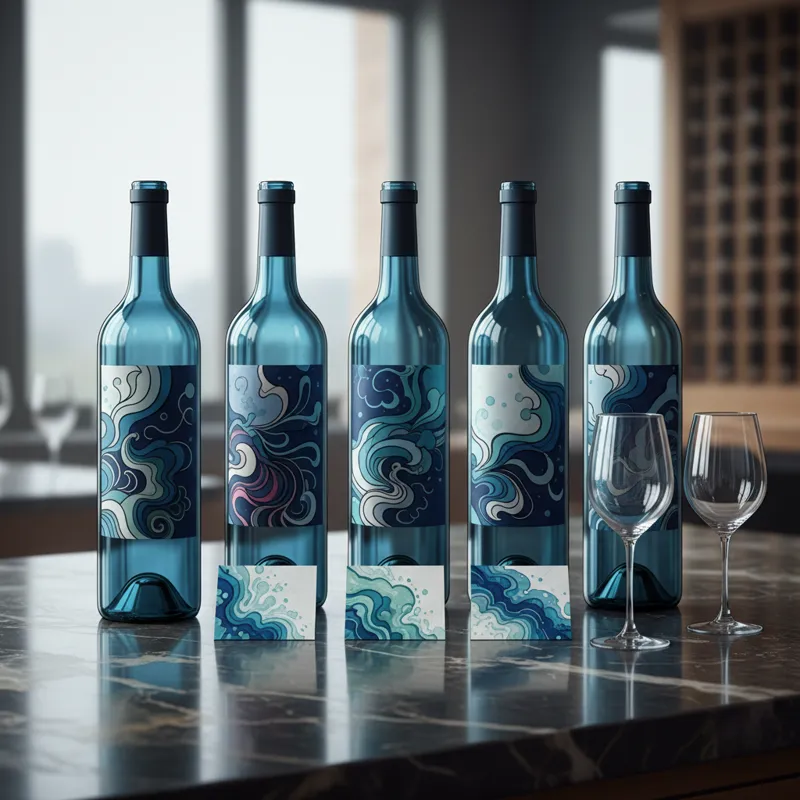
As of 2026, the market for blue-bottled wines continues to expand, offering exciting choices for consumers who appreciate both style and substance. We’ve sampled some of the most prominent and interesting offerings to give you an insider’s perspective on what to look for.
1. “Ocean Breeze” Sparkling Rosé (California)
This vibrant sparkling rosé comes in a stunning, deep cobalt blue bottle that perfectly evokes its name. Produced using primarily Pinot Noir grapes, it pours a beautiful salmon pink with persistent, fine bubbles. On the nose, you get immediate notes of wild strawberry, cranberry, and a hint of white flower. The palate is crisp and dry, bursting with red berry flavors balanced by a refreshing acidity. There’s a subtle creaminess on the mid-palate, leading to a clean, lingering finish. It’s an excellent choice for celebrations or as a lively aperitif, embodying the refreshing aesthetic its packaging suggests.
2. “Azure Coast” Sauvignon Blanc (Marlborough, New Zealand)
Housed in a lighter, yet still distinctly blue, glass bottle, “Azure Coast” is a fantastic example of a classic Marlborough Sauvignon Blanc given a contemporary visual twist. Its pale straw color hints at the brightness within. The aroma is quintessential Marlborough: pungent passionfruit, gooseberry, and a touch of herbaceousness, along with a zesty citrus undertone. The taste delivers on the promise, with an invigorating acidity, notes of lime, green apple, and a minerality that adds depth. This wine is incredibly refreshing and food-friendly, pairing well with seafood or light salads. The blue bottle truly makes it pop on the dinner table.
3. “Bluebird Canyon” Peach & Apricot Wine (Michigan)
From a boutique fruit winery in Michigan, this unique offering comes in a sky-blue bottle, reflecting its sweet, approachable nature. This isn’t a grape wine, but rather a fermented blend of ripe peaches and apricots. It presents a hazy golden color in the glass. The nose is intensely aromatic, overflowing with juicy peach and sweet apricot notes, with a whisper of honey. On the palate, it’s moderately sweet but balanced by the natural acidity of the fruit, making it far from cloying. It has a smooth, rich texture and a long, pleasant finish. Best served chilled, it’s an ideal dessert wine or a delightful accompaniment to brunch. This is the kind of wine that benefits from the blue bottle’s unique decorative appeal, making it a conversation starter.
4. “Deep Sea” Sangria Blanco (Spain)
This innovative Spanish Sangria Blanco is bottled in a striking, almost indigo blue, heavy glass bottle. The liquid itself is a pale gold, flecked with what appears to be tiny shimmer particles (a modern touch for some sangrias). It’s a ready-to-drink blend of white wine, natural fruit extracts, and a hint of sparkling water. The aroma is a tropical explosion of pineapple, peach, and orange blossom. Taste-wise, it’s incredibly smooth and fruity, with a gentle fizz and a perfectly calibrated sweetness. It’s designed for immediate enjoyment – just chill and pour. The blue bottle truly distinguishes it from more traditional sangria offerings and makes it a festive addition to any gathering.
5. “Celestial Charm” Moscato d’Asti (Piedmont, Italy)
Presented in an elegantly shaped, medium blue bottle, this Moscato d’Asti from Italy is a delightful surprise. Its light golden hue and delicate effervescence are alluring. The nose is classic Moscato: intensely aromatic with notes of ripe peach, apricot, orange blossom, and a touch of honey. On the palate, it’s effervescent and sweet, but beautifully balanced by its natural acidity, making it refreshing and not overly syrupy. The low alcohol content makes it highly quaffable. This wine is a testament to how even traditional wines can gain a new lease on life with unique packaging. It’s perfect with fruit tarts or as a celebratory toast.
Things People Usually Miss: Beyond the Aesthetics
While the visual impact of blue wine bottles is undeniable, there are deeper considerations that often go unnoticed by the casual consumer. Understanding these aspects can provide a more holistic appreciation for this packaging choice.
Understanding the True Impact on Wine
As touched upon earlier, the primary function of colored glass in wine bottling is protection from light. What many people miss is the spectrum of light that different colors block. Amber glass is the champion, blocking nearly all harmful UV and visible light that can cause “light strike.” Dark green is also effective, particularly against green and blue light. Blue glass, especially lighter shades, lets through more of the harmful UV and short-wavelength visible light (like blue and violet light) than amber or dark green. This means that producers choosing blue bottles are making a calculated decision. They’re typically either bottling wines that are very robust and less susceptible to light damage (e.g., heavily oaked reds, fortified wines), or, more commonly, wines intended for immediate and short-term consumption. For delicate, age-worthy wines that need years of protection, blue glass is generally a poor choice. So, when you see a blue bottle, assume the wine inside is meant to be enjoyed relatively soon after purchase, rather than cellared for a decade. This isn’t a flaw; it’s an intended characteristic.
The Environmental Angle: Recycling Blue Glass
Another aspect often overlooked is the recycling process for colored glass. Glass is highly recyclable, and blue glass is no exception. However, clear, green, and brown glass are the most commonly sorted and recycled colors. Blue glass, especially cobalt blue, is often considered a “specialty” color. In many recycling facilities, blue glass might be sorted out and, if there isn’t enough volume for a dedicated blue glass stream, it could be downcycled into mixed-color glass or even used as aggregate in construction, rather than being re-melted into new blue glass bottles. This isn’t to say it’s not recyclable – it absolutely is. It’s just a more niche stream than the common clear, green, and brown. Consumers committed to environmental responsibility might consider this when purchasing, but ultimately, any glass recycling is a positive step. Large-scale glass recycling initiatives are constantly improving how they handle various colors.
Creative Repurposing: Giving Empty Blue Wine Bottles a Second Life
Once the delicious contents of those blue wine bottles are enjoyed, the bottles themselves offer immense potential for creative repurposing. Their striking color and elegant forms make them highly desirable for DIY projects and home decor. This is where the unique visual appeal of cobalt blue glass wine bottles truly shines, offering diverse practical applications for US consumers.
Decorative Home Accents
Empty blue bottles instantly become captivating decorative pieces. Use them as minimalist vases for single-stem flowers or small bouquets. Their deep hue can beautifully contrast with vibrant floral colors. They also make excellent candle holders, especially for tall, slender taper candles, casting a serene glow. Arranging several bottles of varying heights on a mantelpiece or shelf creates an eye-catching focal point. You can find inspiration for elegant home styling on sites like Forbes Home.
Practical Kitchen & Garden Uses
Beyond pure decoration, these bottles have practical applications. They can be repurposed as stylish dispensers for olive oil, vinegar, or homemade salad dressings. The dark blue helps protect the contents from light, similar to how it would a wine. For those who enjoy making their own infusions, they’re perfect for infused oils, simple syrups, or even vanilla extract. If you’re bottling homemade vinegars or hot sauces in those repurposed blue glass bottles, remember to handle any hot liquids safely – a quality pair of silicone pot holders is indispensable in the kitchen. In the garden, they can become decorative borders, self-watering systems for plants (inverted into soil), or even artistic wind chimes when cut and assembled properly.
DIY Craft Projects
The crafting possibilities are vast. Blue wine bottles can be cut and sanded to create unique drinking glasses, votive candle holders, or even small terrariums. Etching designs onto the glass or painting them with specialized glass paints can personalize them further. If you’re making infused oils to store in your decorative blue bottles, a home dehydrator can be incredibly useful for preparing herbs and spices, ensuring they’re perfectly dry for optimal preservation and flavor. Another idea is to fill them with fairy lights for ambient lighting, or create sand art within them. Imagine a robust rosé from a cobalt blue bottle, perfectly complementing a slow-cooked meal served from a cast iron casserole dish – then, the empty bottle goes on to become part of the kitchen’s charm.
Where to Buy Blue Wine Bottles (Full and Empty)
Whether you’re seeking a unique wine experience or looking for beautiful containers for your next DIY project, knowing where to source blue wine bottles is key.
Retailers and Online Shops
For full blue wine bottles, your best bet is to explore specialty wine shops, larger liquor stores, and increasingly, online wine retailers. Many of the brands we reviewed are available through these channels. Websites dedicated to wine sales often have filtering options that can help you find wines by bottle color or specific brands known for using blue glass. Keep an eye out for seasonal releases, as some wineries use blue bottles for limited-edition summer or holiday offerings.
Sourcing Empty Bottles for DIY
If your primary interest is in the empty blue glass bottles, there are several avenues:
- Consume them: The most straightforward way is to simply purchase and enjoy wines in blue bottles, then save the empties.
- Local recycling centers/community groups: Sometimes, community recycling initiatives or art supply repurposing centers might have sorted blue glass available.
- Online marketplaces: Websites like Etsy or eBay often have sellers offering “craft supplies” that include empty blue wine bottles. Searching for “cobalt blue glass wine bottles” or “decorative wine bottle colors” can yield results.
- Wholesale suppliers: For larger quantities, particularly if you’re a crafter or small business, searching for “wholesale colored wine bottle suppliers” online can connect you with distributors who sell empty bottles in various colors, including blue. While many cater to wineries, some also sell smaller craft packs.
Frequently Asked Questions About Blue Wine Bottles
Do blue wine bottles affect the taste of the wine?
The blue glass itself doesn’t impart any flavor to the wine. However, its ability to filter light is different from traditional green or amber bottles. If a delicate wine is exposed to too much light through a lighter blue bottle for an extended period, it could potentially suffer from “light strike” and develop off-flavors. Most wines in blue bottles are chosen to be less susceptible to this or are intended for early consumption.
Are blue wine bottles more expensive?
Typically, the cost difference for the glass itself is marginal. However, wineries that opt for unique packaging like blue bottles might also invest more in the overall branding, marketing, or the quality of the wine itself, which could be reflected in the final price. The unique design element can also add perceived value.
Can I recycle blue wine bottles with other glass?
Yes, blue wine bottles are generally recyclable with other glass. However, they may be sorted into a separate stream or downcycled into mixed-color glass if a dedicated blue glass recycling stream isn’t available in your local facility. It’s always best to check with your local recycling guidelines.
What kind of wine is usually in blue bottles?
You’ll most commonly find white wines (especially crisp, refreshing styles like Sauvignon Blanc or Pinot Grigio), rosés, sparkling wines, ciders, and sometimes fruit wines or unique sangrias in blue bottles. Red wines are less common, typically only lighter-bodied or early-drinking styles.
Why do some wines come in blue bottles?
Wines come in blue bottles primarily for aesthetic appeal and brand differentiation. The color stands out on shelves, conveying a modern, refreshing, or premium image. While offering some light protection, it’s often more about marketing and creating a memorable experience than long-term cellaring.
The Future of Blue: A Trend with Staying Power?
The blue wine bottle isn’t just a fleeting fad; it represents a broader shift in consumer preferences towards products that offer both quality and a distinctive aesthetic. In 2026, we’re seeing continued innovation in packaging, with brands recognizing the power of visual identity. As consumers increasingly value sustainability and seek out unique experiences, the dual appeal of blue wine bottles – as both a vessel for enjoyable wine and a canvas for creative repurposing – positions them well for continued relevance. While they may not replace traditional green or amber for age-worthy fine wines, their niche in the market for refreshing, approachable, and visually striking beverages seems firmly established. The blue wine bottle is more than just a container; it’s a statement, and one that resonates deeply with modern consumers. Ultimately, the blue wine bottle offers a delightful intersection of sensory pleasure and visual charm. Whether you’re drawn to the refreshing wines they contain or the endless possibilities of their repurposing, these bottles add a splash of unique color to the world of wine. So next time you’re browsing the wine aisle, don’t hesitate to reach for that intriguing blue bottle – you might just discover your new favorite wine, or your next favorite craft project.


