
The enduring appeal of a cast iron casserole in a modern kitchen, even in 2026, speaks volumes about its utility and reliability. Far from being a relic, these pieces of cookware remain a cornerstone for home cooks who value durability, even heating, and versatility. From slow-cooked stews that develop deep flavors over hours to perfectly crusted no-knead bread, a well-chosen cast iron casserole can transform everyday meals into something truly exceptional, consistently delivering results that other materials struggle to match. Understanding the nuances of these heavy-duty pots can help you select the ideal piece to become a cherished workhorse in your culinary arsenal.
Why Cast Iron Casseroles Endure in Modern Kitchens
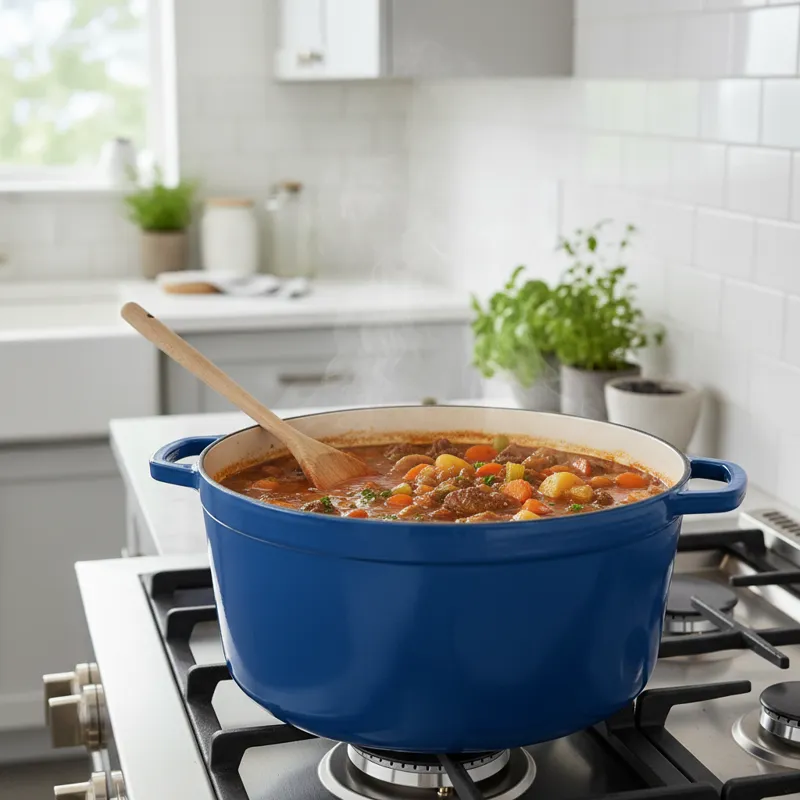
The longevity of cast iron cookware isn’t a marketing gimmick; it’s a direct result of its inherent physical properties. Cast iron, an alloy of iron and carbon, excels at retaining and distributing heat uniformly. When you place a cast iron casserole on a burner or in an oven, it absorbs thermal energy slowly but thoroughly. Once hot, it maintains that heat remarkably well, reducing hot spots and ensuring that every inch of your food cooks evenly. This thermal stability is crucial for techniques like braising, where a consistent, low temperature over several hours is key to tenderizing tough cuts of meat and allowing flavors to meld without scorching. This even heat distribution is especially noticeable in the oven, where the entire vessel becomes a radiant heat source. Unlike thinner metals that can experience rapid temperature fluctuations, cast iron offers a stable environment, which is why it’s a favorite for baking artisanal bread or roasting vegetables to perfection. The sheer mass of the material contributes to this, acting as a thermal battery that releases energy steadily. Whether you opt for a bare, seasoned piece or one with a vibrant enamel coating, the core advantage remains the same: superior heat management for superior cooking results. For a deeper understanding of cast iron’s properties, consider exploring resources like its entry on Wikipedia.
Key Considerations When Choosing Your Cast Iron Casserole
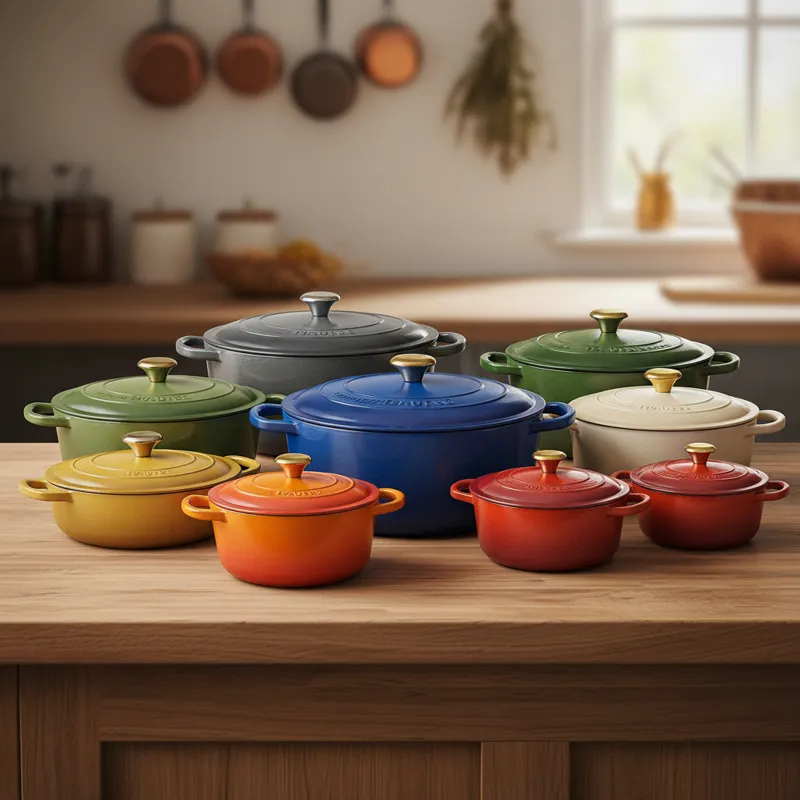
Selecting the right cast iron casserole isn’t about picking the prettiest color; it’s about matching the cookware to your cooking style, kitchen space, and practical needs. Several factors play a critical role in this decision.
Enameled vs. Bare Cast Iron: A Fundamental Choice
This is perhaps the most significant decision you’ll make.
- Enameled Cast Iron: These casseroles feature a vitreous enamel coating, typically on both the interior and exterior. The enamel prevents rusting, eliminates the need for seasoning, and allows you to cook acidic foods like tomato sauces without fear of reactive flavors or damaging the cookware. They’re also easier to clean, often dishwasher safe (though hand washing is generally recommended for longevity), and come in a vast array of colors. The enamel also provides a slightly less “sticky” surface than bare cast iron, making it more forgiving for beginners. However, enamel can chip if dropped or if subjected to harsh thermal shock, and the interior can stain or develop a patina over time, especially with dark-colored foods.
- Bare Cast Iron: These are the traditional, rugged pieces that require seasoning—a layer of polymerized oil baked onto the surface—to create a natural, non-stick finish and prevent rust. Bare cast iron is incredibly durable, virtually indestructible, and excels at high-heat searing. It can also impart a small amount of iron into your food, which some home cooks appreciate. Maintenance involves regular seasoning and avoiding harsh soaps that can strip the protective layer. They are typically less expensive than enameled versions but require more attentive care.
Size and Capacity
Think about how many people you typically cook for.
- 3-5 quart: Ideal for 1-3 people, smaller dishes, or side dishes.
- 5-7 quart: The most common and versatile size, perfect for families of 3-5, accommodating most braises, stews, and a loaf of bread.
- 7+ quart: Suited for larger families, entertaining, or meal prepping bigger batches. Remember that larger casseroles are significantly heavier.
Shape: Round, Oval, or Braiser?
Each shape serves a purpose.
- Round: The most common and versatile, fitting well on stovetop burners and in ovens. Excellent for stews, soups, bread, and roasting.
- Oval: Specifically designed for longer cuts of meat, whole chickens, or larger roasts that wouldn’t fit neatly in a round pot. It’s often used for its aesthetic appeal when serving.
- Braiser Pan: A shallower, wider version of a Dutch oven, typically with sloped sides. Its expansive surface area is perfect for searing meats and vegetables before deglazing and adding a small amount of liquid for a shallow braise. It promotes evaporation, leading to richer sauces.
Lid Fit and Construction
A well-fitting lid is crucial for effective braising and slow cooking. It traps moisture and heat, allowing ingredients to tenderize and flavors to deepen. Look for heavy, tight-fitting lids. Many quality enameled casseroles feature lids with self-basting nubs or rings on the interior, designed to collect condensation and drip it back onto the food, keeping it moist.
Handle Design
Consider the handles—are they large enough for a comfortable, secure grip, even when wearing oven mitts? Some designs have smaller handles that can be challenging to maneuver when the pot is heavy and hot. Many high-quality cast iron casseroles also come with metal or heat-resistant composite knobs on the lid, ensuring they are oven-safe at high temperatures.
The 5 Best Picks for Incredible Cooking
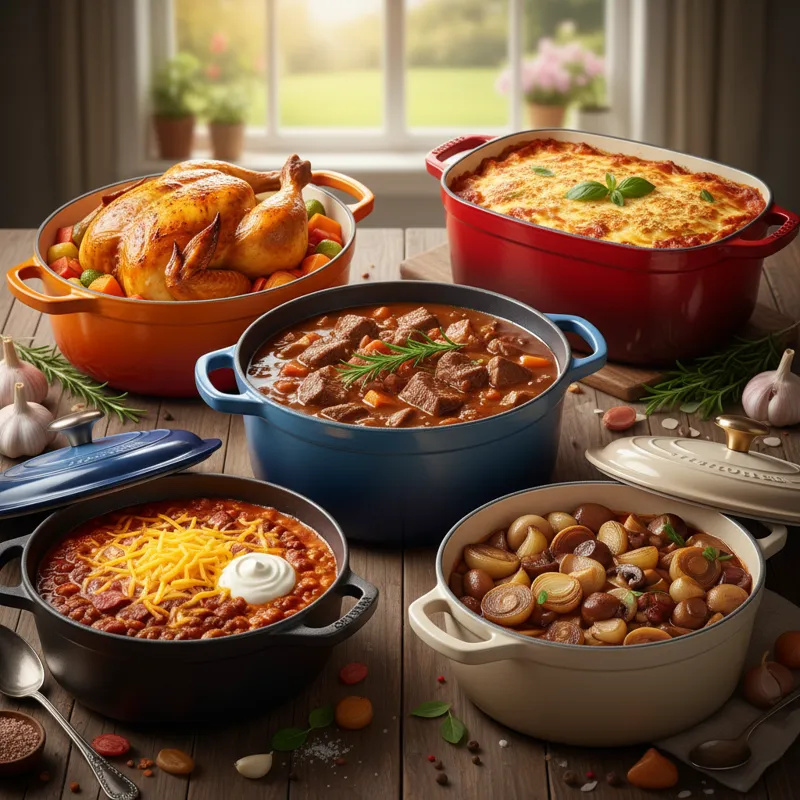
Based on versatility, performance, and real-world utility, here are five types of cast iron casseroles that consistently earn their place in top kitchens.
1. The Classic Enameled Dutch Oven: The All-Around Workhorse
This is the piece that often comes to mind when you hear “cast iron casserole.” Typically round, with high sides and a heavy lid, it’s the undisputed champion of versatility. Its enameled coating makes it user-friendly, allowing for everything from acidic tomato sauces to delicate risottos without a metallic taste or complicated cleanup.
- Why it’s a top choice: Unmatched heat retention, even cooking, easy cleanup, and suitability for almost any cooking method—stovetop simmering, oven roasting, deep frying, and even baking bread. The enamel finish means you don’t need to worry about seasoning.
- Ideal uses: Braising short ribs or pot roasts, simmering hearty stews like boeuf bourguignon, making chili, cooking soups, baking no-knead bread (which often produces an incredible crust), and even slow-cooking beans. This is your go-to pot for most comforting, home-style meals.
- Key features to look for: A reputable brand known for quality enamel (which resists chipping), a heavy, tight-fitting lid (ideally with self-basting features), and comfortable, generously sized handles. The ideal size for most households is 5-7 quarts.
2. The Enameled Braiser Pan: Searing and Shallow Braising Specialist
Distinct from a deep Dutch oven, a braiser pan offers a wider cooking surface and shallower sides, often with sloped curves. It’s designed for techniques where you want to maximize surface area contact for searing or to allow liquids to reduce more efficiently.
- Why it’s a top choice: The expansive base is perfect for browning multiple pieces of meat or a large volume of vegetables in a single layer, building incredible fond (the caramelized bits at the bottom of the pan that add deep flavor). It then transitions seamlessly into a shallow braise or roast, creating wonderfully tender results with a rich, concentrated sauce.
- Ideal uses: Searing chicken thighs or pork chops before finishing in a sauce, shallow braising dishes like coq au vin or osso buco, cooking paella, roasting vegetables, or even making pan sauces and gravies. Its lower profile also makes it a fantastic serving dish.
- Key features to look for: A wide base (at least 9-12 inches in diameter), sturdy handles that are easy to grip, and a good quality enamel interior that facilitates browning while resisting sticking. Look for capacities typically ranging from 2.5 to 4 quarts.
3. The Traditional Bare Cast Iron Dutch Oven: The Rugged Workhorse
For those who appreciate the heritage and robust performance of traditional cookware, the bare cast iron Dutch oven is a compelling choice. While it requires seasoning and careful maintenance, its capabilities for high-heat cooking and ultimate durability are unparalleled.
- Why it’s a top choice: Develops an exceptional sear and crust on meats. Its ability to withstand extremely high temperatures makes it suitable for campfires or deep frying. With proper seasoning, it can develop a wonderfully non-stick surface over time, ideal for searing and pan-frying. It’s also generally more affordable than its enameled counterparts and virtually indestructible.
- Ideal uses: Searing steaks, frying chicken, making cornbread, baking casseroles with a crispy top, or any dish where you want maximum caramelization and browning. Many outdoor enthusiasts prefer bare cast iron for its resilience in varied environments.
- Key features to look for: Pre-seasoned options are a good starting point for convenience, a heavy lid, and a sturdy bale handle if you plan to use it over an open fire. Focus on overall construction quality and a smooth, even surface.
4. The Specialized Oval Cocotte: Elegant Roasting and Serving
While functionally similar to a round Dutch oven, the oval cocotte (another term for a cast iron casserole, often associated with French brands) is designed with aesthetics and specific dishes in mind. Its elongated shape makes it ideal for larger, irregular cuts of meat.
- Why it’s a top choice: Perfectly accommodates whole chickens, ducks, legs of lamb, or larger cuts of beef that would be cramped in a round pot. It’s also incredibly elegant, making it an excellent choice for serving directly from oven to table, enhancing the presentation of your meal.
- Ideal uses: Roasting whole poultry, preparing large fish, braising pork loin or beef tenderloin, or any long-form casserole recipe. It’s a favorite for holiday meals or when entertaining guests, especially when paired with a lovely wooden serving tray.
- Key features to look for: A capacity of 6-9 quarts is common for oval shapes, ensuring enough room for larger items. Look for even enamel coating and a tight-fitting lid with a comfortable handle.
5. The Large Capacity Family-Sized Casserole: For Big Batches and Entertaining
Sometimes, a standard 5-7 quart Dutch oven just isn’t enough. For large families, meal prepping, or hosting sizable gatherings, a larger capacity cast iron casserole (typically 9-13+ quarts) becomes indispensable.
- Why it’s a top choice: Allows you to cook double or triple batches of stews, soups, or chili, making meal prep for the week a breeze. It’s also perfect for hosting parties, ensuring you have enough food for everyone without needing multiple pots. The excellent heat retention means food stays warm for longer when serving.
- Ideal uses: Cooking large batches of pulled pork, big pots of gumbo or jambalaya, making enough lasagna for a crowd, or preparing stock.
- Key features to look for: Despite its size, ensure the handles are robust and comfortable to grip, as a full pot can be exceptionally heavy. A flat, stable base is important for stovetop safety. Prioritize excellent enamel quality to withstand frequent use and cleaning.
Maximizing Your Cast Iron Casserole’s Versatility
A cast iron casserole is not a single-purpose tool; it’s a true multi-tasker that can handle a vast array of cooking techniques. Understanding how to leverage its properties unlocks its full potential.
Cooking Techniques to Master
- Braising: This is where cast iron truly shines. Sear your meat, deglaze the pan, add liquid, cover, and cook low and slow. The heavy lid and even heat distribution create a moist environment that breaks down connective tissues, resulting in incredibly tender meat and rich sauces. For more on braising, explore its culinary definition and techniques on Wikipedia.
- Slow Cooking: While not a “slow cooker” in the electrical appliance sense, a cast iron casserole functions as an oven-safe stew pot. It’s excellent for extended, gentle cooking in the oven, mimicking the low-and-slow action of a dedicated slow cooker for comforting dishes like pot roasts, chili, or beans.
- Roasting: From whole chickens to root vegetables, roasting in a cast iron casserole creates beautifully browned exteriors and tender interiors. The even heat ensures consistent cooking from all sides.
- Baking: Its exceptional heat retention and ability to create a steamy environment make it ideal for baking bread, especially artisanal loaves with a crisp crust. It’s also great for deep-dish pizzas or fruit crumbles.
- Frying: Whether deep frying (like fried chicken) or pan-frying (like searing a steak), cast iron holds its temperature remarkably well, leading to consistently crisp and evenly cooked results.
Recipe Ideas to Get You Started
Think beyond simple stews. Your cast iron casserole can tackle:
- Hearty Stovetop Meals: Creamy risotto, rich tomato sauces, simmering curries, or big batches of pasta sauce.
- Oven-Baked Comfort: Shepherd’s pie, chicken and dumplings, lasagna, mac and cheese, or a variety of casseroles with bubbly, golden tops.
- Breads and Desserts: No-knead sourdough, cornbread, fruit cobblers, or even a giant skillet cookie.
Care and Maintenance: Extending the Life of Your Investment
A quality cast iron casserole is an investment designed to last for generations, but proper care is essential.
Cleaning Tips
- Enameled Cast Iron: Let it cool completely. Use warm, soapy water and a non-abrasive sponge or nylon brush. For stubborn, stuck-on food, fill the pot with water and a tablespoon of baking soda, bring to a simmer, then gently scrape with a wooden spoon. Avoid harsh abrasive cleaners or metal scouring pads, which can damage the enamel.
- Bare Cast Iron: After use, scrape out any food remnants. While still warm, rinse with hot water. For stubborn bits, use a stiff brush or a chainmail scrubber. Avoid soap if possible, or use a minimal amount of mild soap only when necessary, followed by re-seasoning. Dry immediately and thoroughly, then apply a very thin layer of cooking oil (like vegetable or grapeseed oil) to all surfaces to prevent rust.
Seasoning Bare Cast Iron
Seasoning is the process of baking thin layers of oil onto bare cast iron, creating a natural, non-stick, rust-resistant surface. After cleaning and drying, apply a very thin, even layer of high-smoke-point oil (like grapeseed, flaxseed, or vegetable oil) to all surfaces. Wipe off any excess so it appears almost dry. Bake upside down in a 400-450°F (200-230°C) oven for one hour. Let it cool in the oven. Repeat this process occasionally, especially after heavy use or any noticeable decline in its non-stick properties.
Storage and Handling
Always store cast iron casseroles completely dry to prevent rust. If stacking, place a paper towel or cloth between pots to prevent scratching, especially with enameled pieces. Remember they are heavy; handle with care to avoid dropping and potential chipping (for enamel) or injury. Proper storage contributes to overall kitchen organization, similar to how well-chosen items like a 3 tier serving tray can optimize counter space.
What Most People Get Wrong About Cast Iron Casseroles
Despite their popularity, a few common misconceptions or errors can detract from the cast iron casserole experience.1. Over-scrubbing Enameled Interiors: While durable, the enamel surface isn’t invincible. Using abrasive scouring pads (like steel wool) or harsh chemical cleaners on the interior can scratch or degrade the enamel over time, leading to sticking and reduced performance. Gentler cleaning methods are almost always sufficient.2. Not Preheating Properly: Many cooks are impatient. Cast iron needs time to come up to temperature evenly. Rushing this process by using too high heat too quickly can lead to uneven cooking, localized scorching, or thermal shock for enameled pieces. Give it 5-10 minutes on medium heat to fully heat through before adding food.3. Using Incorrect Utensils: Metal utensils can scratch the enamel surface. While a minor scratch might seem cosmetic, it can worsen over time and affect the non-stick properties. Stick to wooden, silicone, or heat-resistant plastic utensils for enameled cast iron. Bare cast iron is more forgiving, but wooden or silicone is still gentle.4. Neglecting Seasoning on Bare Cast Iron: Forgetting to properly season a bare cast iron pot, or stripping its existing seasoning with harsh soaps, is a common error. This leads to food sticking, and inevitably, rust. Regular, thin layers of oil and appropriate cleaning keep bare cast iron performing at its best.5. Assuming All Cast Iron is Created Equal: While the material itself is consistent, there’s a significant difference in quality between various brands. Cheaper options might have less refined casting, thinner enamel, or poorly fitting lids, impacting performance and longevity. Investing in a reputable brand usually pays off in superior heat distribution, enamel durability, and overall cooking experience.
Frequently Asked Questions (FAQ) About Cast Iron Casseroles
Can I put my cast iron casserole in the dishwasher?
For enameled cast iron, technically some brands say “dishwasher safe,” but it’s generally recommended to hand wash. The harsh detergents and high heat in a dishwasher can dull the enamel finish over time and potentially degrade the seals or cause chipping. Bare cast iron should never go in the dishwasher, as it will strip the seasoning and cause rust.
Is enameled cast iron non-stick?
Enameled cast iron offers a smoother surface than bare cast iron, and with proper cooking techniques (sufficient oil/fat, correct heat), food is less likely to stick. However, it is not “non-stick” in the same way a PTFE-coated pan is. It provides excellent release, especially once a slight patina builds up, but requires some fat for optimal performance.
How do I remove stuck-on food from my cast iron casserole?
For enameled, simmer water with a tablespoon of baking soda for 10-15 minutes, then gently scrape with a wooden spoon. For bare cast iron, a chainmail scrubber or a stiff nylon brush with hot water usually works. If rust appears on bare cast iron, scrub it off with steel wool, then re-season.
What’s the difference between a Dutch oven and a cocotte?
Functionally, “Dutch oven” and “cocotte” refer to the same type of heavy, lidded pot used for slow cooking, braising, and roasting. “Dutch oven” is the more common term in English-speaking countries, while “cocotte” is the French term, often associated with specific high-end French brands. There are no inherent performance differences based on the name; it’s more about regional terminology and branding.
Can I use my cast iron casserole on an induction cooktop?
Yes, cast iron (both bare and enameled) is highly compatible with induction cooktops. Induction technology works by generating a magnetic field that directly heats ferrous metal, and cast iron is an excellent conductor for this process. It heats up efficiently and maintains temperature beautifully on induction. In general, maintaining kitchen appliances, including understanding your stovetop and ensuring your water quality (perhaps through a filter for tankless water heater, if applicable), contributes to a functional and efficient cooking environment. The enduring appeal of a quality cast iron casserole isn’t just about nostalgia; it’s about unparalleled performance in the kitchen. Whether you opt for the vibrant versatility of an enameled Dutch oven or the rugged reliability of a bare cast iron piece, choosing the right one and understanding how to care for it will ensure it becomes a treasured tool, delivering incredible, comforting meals for years to come.


