As a cat owner, witnessing your beloved feline friend experiencing persistent sneezing coupled with watery eyes can be quite concerning. It’s a common scenario that prompts many of us to immediately wonder what’s going on. While often dismissed as ‘just a cold,’ these symptoms can actually be indicators of a wide range of underlying issues, from mild environmental irritations to more serious health conditions requiring immediate veterinary attention. Understanding the potential causes behind cat sneezing and watery eyes isn’t just about curiosity; it’s about being an informed, proactive pet parent who can identify when professional help is needed and how to provide the best possible care for their companion.
Feline Upper Respiratory Infections (URIs)
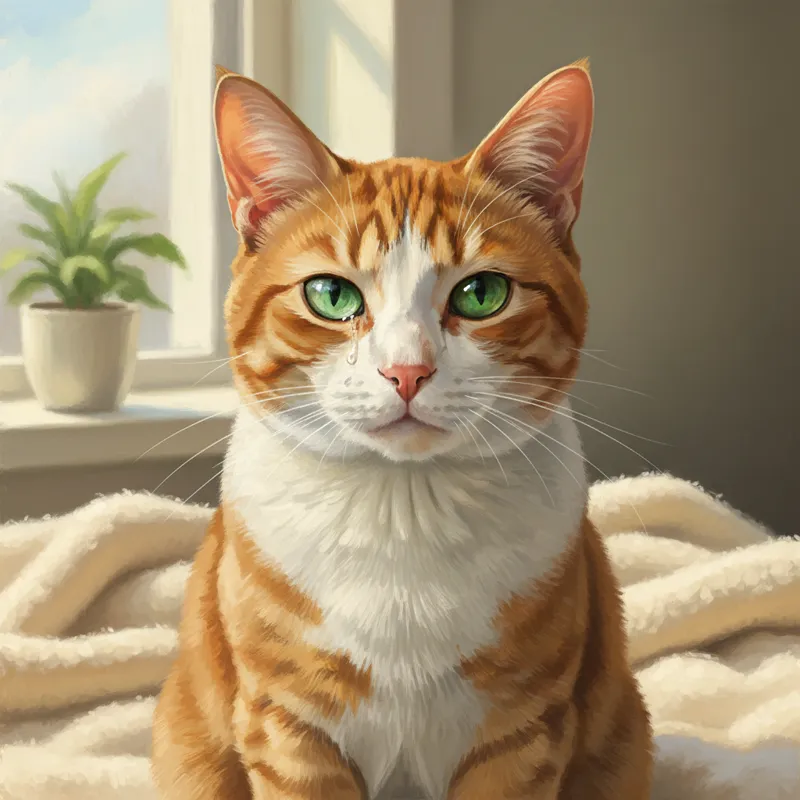
When your cat starts sneezing and has watery eyes, the first thing many veterinarians consider is a Feline Upper Respiratory Infection (URI). Often colloquially termed “cat flu” or “cat cold,” URIs are highly contagious illnesses affecting a cat’s nose, throat, and sinuses. The mechanistic understanding here is primarily viral, though bacterial co-infections are common. The most frequent culprits are Feline Herpesvirus Type 1 (FHV-1), also known as Feline Rhinotracheitis Virus, and Feline Calicivirus (FCV). Both are ubiquitous in the cat population, especially in multi-cat households, shelters, or breeding colonies. FHV-1 primarily causes severe inflammation of the nasal passages (rhinitis) and conjunctiva (conjunctivitis), leading to the characteristic sneezing, clear to thick ocular and nasal discharge, and sometimes corneal ulcers. FCV often presents with similar respiratory signs but can also cause oral ulcers, lameness, and a more severe systemic illness in some strains. Bacteria like Chlamydophila felis and Mycoplasma are also common secondary invaders, often leading to a change in discharge color from clear to yellow or green. Symptoms typically manifest within a few days of exposure. You’ll observe repeated bouts of cat sneezing and watery eyes, which might progress to thick, mucoid discharge. Other signs can include lethargy, decreased appetite, fever, and difficulty breathing due to nasal congestion. Kittens and immunocompromised cats are particularly vulnerable to severe forms of these infections. The viral nature means that while antibiotics aren’t effective against the primary virus, they are often prescribed to combat or prevent secondary bacterial infections that complicate the illness. Many cats who recover from FHV-1 become lifelong carriers, meaning they can experience flare-ups of symptoms during times of stress, similar to human cold sores.
Allergies to Environmental or Food Triggers
Just like humans, cats can develop allergies. When a cat has an allergic reaction, its immune system overreacts to a normally harmless substance, called an allergen. This immune response can manifest in various ways, and cat sneezing and watery eyes are common respiratory signs. Environmental allergens are frequently encountered. These can include pollen from trees, grasses, and weeds, dust mites found in bedding and carpets, mold spores, and even components within household cleaning products, air fresheners, or perfumes. When inhaled or in contact with mucous membranes, these allergens trigger the release of histamine and other inflammatory mediators, leading to irritation, itching, and fluid production in the nasal passages and eyes. Observational clarity often reveals a seasonal pattern for pollen allergies, while dust mite or mold allergies might be perennial or worsen with indoor air quality fluctuations. Food allergies, while more commonly associated with skin issues (itching, rashes) and gastrointestinal upset (vomiting, diarrhea), can sometimes also contribute to respiratory symptoms like chronic sneezing and watery eyes. This is less common than environmental allergies but still a possibility. The mechanism involves an immune reaction to a specific protein source in the cat’s diet. Diagnosing food allergies typically requires an elimination diet trial, where suspect ingredients are systematically removed and reintroduced. For environmental allergies, your veterinarian might suggest allergy testing or symptom management. Managing allergies often involves identifying and minimizing exposure to the allergen, and in some cases, medication such as antihistamines or corticosteroids may be prescribed. You can learn more about general pet health and care, including dietary considerations, on sites like Wikipedia’s entry on cat allergies.
Irritants and Environmental Pollutants
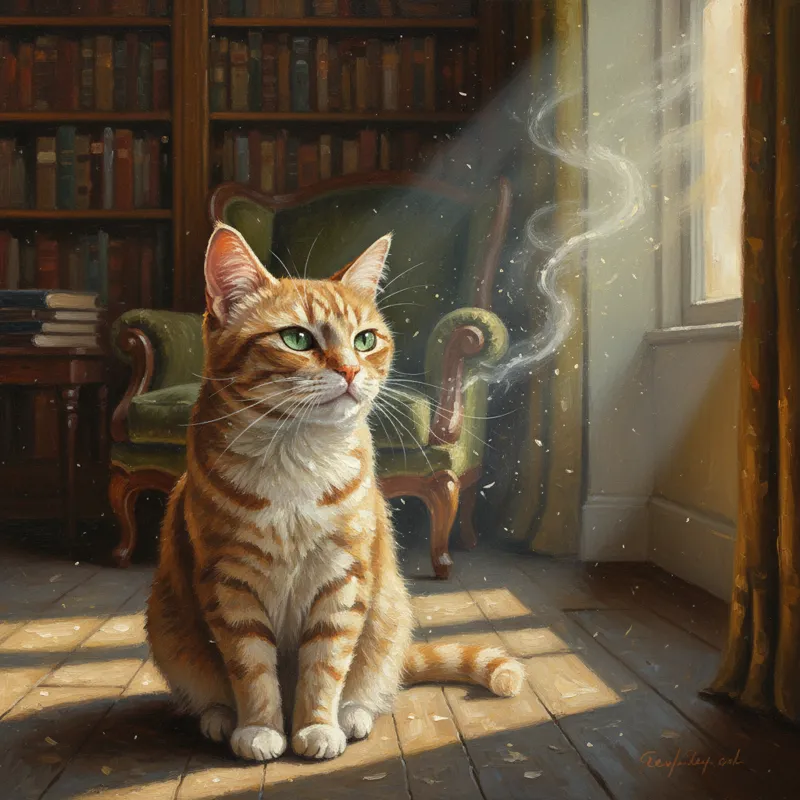
Sometimes, the simplest explanation for cat sneezing and watery eyes isn’t an infection or an allergy, but merely a direct irritation from something in their immediate environment. Cats have highly sensitive respiratory systems, and certain substances can trigger a protective reflex – sneezing – to expel the irritant, accompanied by watery eyes as a flush mechanism. Common irritants include dust, strong chemical odors (from cleaning supplies, disinfectants, air fresheners, candles, or incense), cigarette smoke, and even certain types of cat litter, particularly those with strong fragrances or high dust content. The mechanism here is direct physical or chemical stimulation of the mucous membranes lining the nasal passages and conjunctiva. Unlike an allergic reaction, which involves an immune response, irritation is a more immediate, localized inflammatory reaction. Observational clarity is key here: if your cat’s symptoms appear suddenly after using a new cleaner, lighting a candle, or cleaning the litter box, and then resolve quickly once the irritant is removed or dissipates, it’s a strong indication of environmental irritation. Reducing exposure is usually the most effective solution. Switching to unscented, dust-free litter, avoiding aerosol sprays near your cat, and ensuring good ventilation in your home can make a significant difference. Regular cleaning can minimize dust, and maintaining a comfortable home environment for your cat is crucial for their overall well-being.
Dental Disease and Oral Infections
What many people might not immediately connect with cat sneezing and watery eyes is dental disease. Yet, severe dental problems, particularly root abscesses or advanced periodontal disease affecting the upper jaw, can be a significant underlying cause. The mechanistic understanding is anatomical: a cat’s upper canine and premolar teeth roots are located very close to the nasal sinuses. When a tooth develops a severe infection (an abscess) or periodontal disease progresses to the point where the bone surrounding the tooth root is eroded, bacteria can easily spread from the oral cavity into the adjacent nasal sinus. This leads to inflammation (sinusitis) and infection within the sinus, resulting in symptoms like sneezing and nasal discharge. Because the infection is often unilateral (affecting one side of the mouth), you might observe unilateral cat sneezing and watery eyes – meaning the symptoms are predominantly on one side of the face. Other signs of dental disease to watch for include bad breath (halitosis), difficulty eating, pawing at the mouth, drooling, or swelling on one side of the face. A veterinarian will typically need to perform a thorough oral examination, often under sedation or anesthesia, and sometimes dental X-rays, to diagnose the problem accurately. Addressing the dental disease, which usually involves professional cleaning, extraction of diseased teeth, or other oral surgery, is critical to resolving the sneezing and eye issues caused by this specific mechanism. Regular dental check-ups are an important part of comprehensive pet care, just like considering professional pet salon services for grooming can be for some owners.
Foreign Bodies in the Nasal Passages or Eyes
An acute and often distressing cause of cat sneezing and watery eyes can be the presence of a foreign body. Cats, being naturally curious and prone to exploring with their noses, can accidentally inhale or get small objects lodged in their nasal passages or eyes. Common culprits include grass awns (especially during warmer months), small seeds, dust particles, cat litter granules, or even a stray piece of hair. The mechanism is simple: the foreign object physically irritates the delicate mucous membranes of the nose or conjunctiva of the eye, triggering a strong inflammatory response and a reflex to expel it. Observational clarity is crucial here. If your cat suddenly starts sneezing violently, pawing at its face, or rubbing its eye, especially after spending time outdoors or exploring a dusty area, a foreign body should be high on the list of suspects. The symptoms are often acute, severe, and typically unilateral, meaning only one nostril or one eye is affected. The discharge might be clear initially but can quickly become blood-tinged or purulent if the object causes trauma or introduces bacteria. Attempting to remove a foreign body yourself can be dangerous and cause further trauma. A veterinarian will likely need to use specialized instruments, and sometimes sedation, to safely remove the object and assess any damage it might have caused.
Conjunctivitis (Inflammation of the Eye)
Conjunctivitis refers specifically to the inflammation of the conjunctiva, the clear membrane that lines the inside of the eyelids and covers the white part of the eyeball. While it often accompanies Feline Upper Respiratory Infections (as mentioned in reason #1), conjunctivitis can also occur as a primary issue, presenting as significant watery eyes, redness, and discomfort, with or without prominent sneezing. Various factors can cause primary conjunctivitis. Bacterial infections (like Chlamydophila felis or Mycoplasma) can directly infect the conjunctiva, leading to thick, yellowish-green discharge and severe redness. Viral infections, particularly Feline Herpesvirus, can also primarily manifest as conjunctivitis, sometimes with corneal ulcers, even if systemic respiratory signs are mild. Allergies, as discussed, can also induce allergic conjunctivitis. Additionally, physical irritation from dust, smoke, or even inward-growing eyelashes (entropion) can lead to conjunctival inflammation. Symptoms of conjunctivitis usually include noticeable redness of the conjunctiva, swelling of the eyelids, excessive tearing (epiphora), and discharge that can range from clear and watery to thick and purulent. Your cat might squint, blink excessively, or rub its eyes due to discomfort or itchiness. Diagnosis involves a thorough eye examination, potentially including a fluorescein stain to check for corneal ulcers and swabs for bacterial or viral testing. Treatment depends on the underlying cause, often involving antibiotic or antiviral eye drops, or anti-inflammatory medications.
Less Common but Serious Conditions (Polyps or Tumors)
While less frequent than infections or allergies, chronic cat sneezing and watery eyes, especially if progressive or unilateral, can sometimes be a sign of more serious underlying conditions, such as nasopharyngeal polyps or tumors. It’s vital for cat owners to be aware of these possibilities, particularly when symptoms persist despite standard treatments. Nasopharyngeal polyps are benign (non-cancerous) growths that typically originate in the middle ear or Eustachian tube and can extend into the back of the throat (nasopharynx) or up into the nasal cavity. When they grow large enough, they can cause physical obstruction, leading to chronic sneezing, nasal discharge (often unilateral), noisy breathing, and sometimes difficulty swallowing. The exact cause of these polyps isn’t fully understood, but inflammation is believed to play a role. The mechanistic understanding here is primarily mechanical obstruction and secondary inflammation. Nasal tumors, while thankfully rare, are malignant growths that can develop within the nasal passages or sinuses. These tend to affect older cats. Symptoms are often chronic, progressive, and typically unilateral. They include persistent cat sneezing and watery eyes, bloody nasal discharge (epistaxis), facial swelling or asymmetry, and sometimes neurological signs if the tumor invades the skull. Diagnosing these conditions usually requires advanced imaging techniques like X-rays, CT scans, or MRI, along with biopsies of the abnormal tissue. Treatment for polyps typically involves surgical removal, which often provides a cure. For tumors, treatment can be more complex, involving surgery, radiation therapy, or chemotherapy, depending on the type and extent of the cancer. If your cat’s sneezing and watery eyes are chronic, worsening, or unresponsive to initial treatments, your vet may recommend investigating these more serious possibilities.
What Most People Get Wrong About Cat Sneezing and Watery Eyes
One of the most common misconceptions among cat owners is that cat sneezing and watery eyes are always “just a cold” and will simply get better on their own. While mild, transient irritation might resolve without intervention, equating feline symptoms to a human cold can lead to dangerous delays in seeking veterinary care. Cats don’t typically catch a “cold” in the human sense. Their respiratory symptoms almost always indicate an underlying issue that can range from easily manageable to potentially serious. People also often miss the subtlety of symptoms. For instance, a persistent, unilateral (one-sided) sneeze or eye discharge is a powerful diagnostic clue that points away from general viral infections and more towards localized issues like a foreign body, dental disease, or even a polyp/tumor. Many owners might not recognize the significance of this distinction. Furthermore, a decrease in appetite or lethargy accompanying respiratory signs isn’t just a minor side effect; it’s a critical indicator that your cat is genuinely unwell and needs professional assessment. Waiting too long can allow treatable conditions to become more severe or complicated, requiring more intensive and costly interventions.
When to Seek Veterinary Care for Your Cat
While a single sneeze might be a normal occurrence, persistent or severe cat sneezing and watery eyes warrant a call to your veterinarian. Knowing when to seek professional help is paramount for your cat’s health. Here are clear indicators that it’s time for a vet visit:
- Persistent Symptoms: If sneezing and watery eyes last for more than 24-48 hours, or if they recur frequently.
- Changes in Discharge: If the eye or nasal discharge turns thick, yellow, green, or bloody.
- Breathing Difficulties: Any signs of labored breathing, open-mouth breathing, noisy breathing, or wheezing.
- Lethargy or Weakness: If your cat is unusually tired, less active, or hiding more than usual.
- Loss of Appetite or Thirst: A significant decrease in food or water intake, as dehydration and malnutrition can quickly worsen a cat’s condition.
- Fever: Signs like shivering, warm ears, or general malaise.
- Swelling or Pain: Any facial swelling, pawing at the face, or signs of pain when touched.
- Unilateral Symptoms: If symptoms are exclusively on one side of the face (one eye, one nostril), as this often indicates a localized problem needing urgent investigation.
- Symptoms in Kittens or Senior Cats: These age groups are more vulnerable to severe complications from respiratory issues.
Even if your cat seems to have mild symptoms, a quick check-up can often prevent a minor issue from escalating. Remember, early diagnosis and treatment can significantly improve outcomes and comfort for your feline friend. A responsible approach to pet health includes being prepared for all health outcomes, and understanding pet cremation cost options for end-of-life planning is part of this broader preparedness.
Comfort Tips and Supportive Home Care
While home care is never a substitute for veterinary diagnosis and treatment, there are several things you can do to support your cat and make them more comfortable while they’re recovering or awaiting a vet appointment.
- Maintain Hydration: Ensure fresh water is always available. If your cat isn’t drinking much, offer tuna juice (in water, not oil), low-sodium chicken broth, or even specific pet milk products designed for cats, under veterinary guidance.
- Encourage Eating: A congested cat often can’t smell its food, leading to appetite loss. Offer strong-smelling, highly palatable wet food, gently warmed to enhance its aroma.
- Humidify the Air: A humidifier in the room where your cat rests can help loosen nasal and bronchial secretions, making it easier for them to breathe and clear their nasal passages. Make sure to clean the humidifier regularly to prevent mold growth.
- Gentle Cleaning: Carefully wipe away eye and nasal discharge with a soft, warm, damp cloth. Use a separate part of the cloth for each eye/nostril to prevent cross-contamination. Avoid cotton balls, which can leave fibers.
- Reduce Irritants: Eliminate strong scents, smoke, and dusty environments. Consider switching to a low-dust, unscented cat litter.
- Provide a Warm, Quiet Space: Ensure your cat has a comfortable, draft-free place to rest and recover, away from household commotion.
- Never Self-Medicate: Absolutely never give your cat human medications (e.g., cold medicine, pain relievers) without explicit veterinary instruction. Many human drugs are toxic to cats. These supportive measures can alleviate some discomfort, but they don’t treat the underlying cause. Always follow your veterinarian’s specific instructions for medication and care.
Preventative Measures for Feline Respiratory Health
Prevention is always better than cure, especially when it comes to common feline ailments. While you can’t eliminate every risk, several key practices can significantly reduce your cat’s chances of developing cat sneezing and watery eyes or minimize the severity of symptoms.
- Vaccinations: Ensure your cat is up-to-date on core vaccinations, especially those for Feline Herpesvirus (FHV-1) and Feline Calicivirus (FCV), which are major contributors to URIs. While vaccines don’t always prevent infection, they significantly reduce the severity of symptoms. The American Veterinary Medical Association (AVMA) provides comprehensive guidance on feline vaccinations.
- Environmental Control: Minimize exposure to irritants like dust, smoke, strong chemicals, and heavily scented products. Use air purifiers to improve indoor air quality, and keep litter boxes clean with dust-free, unscented litter.
- Stress Reduction: Stress can trigger flare-ups of latent viral infections (like FHV-1). Provide a stable routine, plenty of enrichment, safe hiding spots, and consider pheromone diffusers if your cat is prone to anxiety.
- Good Hygiene: Regularly clean your cat’s bedding, toys, and food/water bowls. In multi-cat households, ensure separate bowls and litter boxes, and isolate sick cats to prevent spread of infection.
- Regular Veterinary Check-ups: Annual or semi-annual wellness exams are crucial. Your vet can catch early signs of dental disease, discuss vaccination schedules, and address any emerging health concerns before they become serious.
- Nutritional Support: A balanced, high-quality diet supports a strong immune system, making your cat more resilient to infections. By integrating these practices into your routine, you’re not just reacting to problems, but actively working to ensure your cat enjoys a healthy, comfortable life, minimizing instances of cat sneezing and watery eyes.
Frequently Asked Questions About Cat Sneezing and Watery Eyes
Q: Can I give my cat human cold medicine for sneezing and watery eyes?
A: Absolutely not. Human cold medicines, including decongestants and pain relievers, are often toxic to cats and can cause severe illness or even death. Always consult your veterinarian before administering any medication to your cat.
Q: Are cat allergies common? How do I know if my cat has them?
A: Yes, cat allergies are increasingly recognized, though perhaps less common than in dogs. Common signs include skin itchiness, excessive grooming, ear infections, and sometimes respiratory symptoms like sneezing and watery eyes. Diagnosing allergies often involves a process of elimination or specific allergy testing performed by your veterinarian.Q: My cat only sneezes occasionally. Is that normal?
A: Occasional sneezing (once or twice) is often normal and can be triggered by dust, a sudden change in air, or a tickle in the nose, similar to humans. However, if sneezing becomes frequent, persistent, accompanied by discharge, or if your cat shows other signs of illness, it warrants investigation.
Q: How do I clean my cat’s watery eyes safely?
A: Use a soft, clean, damp cloth (not cotton balls, which can leave fibers). Gently wipe the area around the eye, moving from the inside corner outwards. Use a fresh section of the cloth for each eye to prevent spreading any potential infection. Never put anything directly into your cat’s eye unless instructed by your vet.
Q: Can stress cause my cat to sneeze and have watery eyes?
A: Yes, stress can certainly play a role. For cats that are carriers of Feline Herpesvirus (FHV-1), stress can suppress their immune system and trigger a flare-up of symptoms, including sneezing and watery eyes. Providing a stable, enriching, and low-stress environment is important for managing this.
Q: What’s the difference between clear and colored discharge?
A: Clear, watery discharge often indicates early viral infection, allergies, or simple irritation. As an infection progresses, or if a secondary bacterial infection sets in, the discharge can become thicker, cloudy, yellow, or green, indicating the presence of pus and necessitating veterinary attention. Blood-tinged discharge is also a serious sign.
Understanding the intricacies behind cat sneezing and watery eyes empowers you as a cat owner. From common infections and environmental irritants to more subtle issues like dental disease or even serious conditions like polyps, the range of causes is broad. While observing your cat’s symptoms carefully and implementing supportive home care can provide comfort, remember that timely veterinary consultation is crucial for an accurate diagnosis and effective treatment. Your proactive approach ensures your cherished feline companion receives the best possible care, leading to a healthier, happier life free from unnecessary discomfort.
Disclaimer: The pet care information on bangladeshcountry.com is based on general internet research and is provided for informational and educational purposes only. We are independent publishers and researchers, not licensed veterinarians or animal health professionals. The content on this site is not a substitute for professional veterinary advice, diagnosis, or treatment. Always consult your veterinarian regarding your pet’s health, diet, or behavior. Reliance on this information is solely at your own risk.