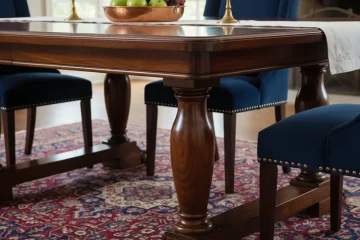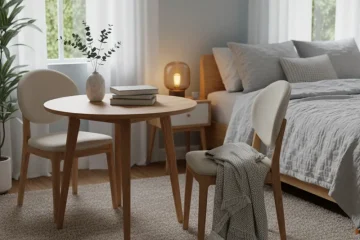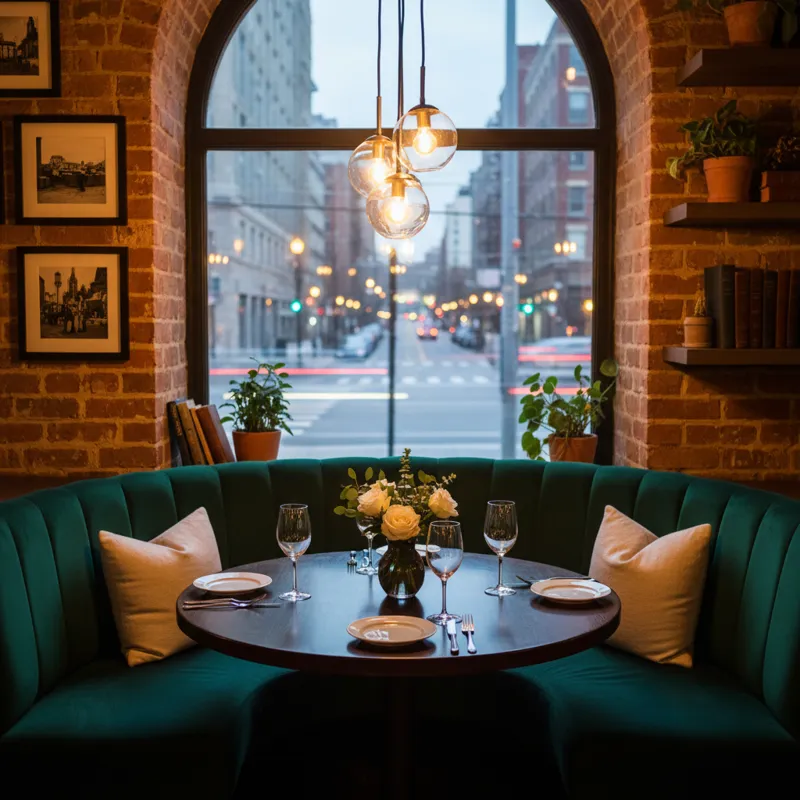
A corner booth dining table offers a unique blend of practicality and style, transforming often underutilized kitchen or dining spaces into a cozy, functional hub. Far from being a relic of classic diners, modern corner booths have evolved significantly, becoming a sought-after solution for homeowners looking to maximize seating, create an intimate dining experience, or simply add a distinctive design element. If you’re grappling with a compact dining area or simply want to infuse your home with character, understanding the nuances of these versatile pieces is key. This detailed guide will walk you through everything you need to know about selecting, installing, and living with a corner booth dining table in 2026.
What Exactly is a Corner Booth Dining Table?

At its core, a corner booth dining table system comprises integrated bench seating, typically arranged in an L-shape or sometimes a U-shape, paired with a matching dining table. Unlike traditional dining room sets with bench options, which usually feature standalone benches that can be moved, a corner booth is designed to fit snugly into a corner, often built-in or appearing as a cohesive unit. This configuration leverages the natural geometry of a room, turning what might otherwise be dead space into a highly functional and inviting dining area.
While the concept might evoke images of retro diners, contemporary corner booth dining tables come in an expansive range of styles. They can be sleek and minimalist, rustic and charming, or luxuriously upholstered, seamlessly blending with virtually any interior design aesthetic. The benches are often backed, providing comfort similar to a sofa, and are sometimes designed with storage solutions underneath the seats.
Why Choose a Corner Booth Dining Table? The Core Advantages

The appeal of a corner booth dining table extends beyond mere aesthetics. They offer a host of practical benefits that address common challenges in modern home design, particularly in regions like the United States where efficient space utilization is increasingly valued.
Maximizing Space Efficiency
One of the most compelling reasons to opt for a corner booth is its unparalleled ability to conserve space. By nestling into a corner, it eliminates the need for chairs to be pulled out on all sides, a significant advantage in smaller kitchens or open-plan living areas. This configuration frees up valuable floor space, making rooms feel larger and less cluttered. It’s particularly effective in eat-in kitchens where a traditional table might obstruct walkways or appliance access.
Creating a Cozy & Intimate Dining Zone
There’s an undeniable charm to a corner booth. The enclosed, snug nature of the seating fosters a sense of intimacy and coziness, making meals feel more personal and relaxed. It creates a defined “zone” for dining, even within a larger open concept, separating it from other living areas. This can be especially appealing for families who gather for daily meals or for those who enjoy casual entertaining.
Enhanced Seating Capacity
Despite their space-saving footprint, corner booths often provide more seating than a comparable traditional table and chair set. Benches allow people to sit closer together, and the continuous nature of the seating means you’re not limited by the specific width of individual chairs. You can often squeeze in an extra person or two, which is invaluable when hosting. For instance, a typical L-shaped booth can comfortably seat 4-6 people, with room for additional chairs on the open side of the table.
Versatility Beyond Dining
A corner booth dining table isn’t just for eating. Its comfortable bench seating makes it a versatile spot for various activities. It can serve as a homework station for kids, a casual workspace for adults, a craft area, or simply a comfortable nook for reading or having coffee. Some designs even incorporate a upholstered dining bench with storage underneath, adding even more functionality to your space.
Aesthetic Appeal & Style Statement
Beyond the practicalities, a corner booth makes a bold design statement. It injects personality and a unique focal point into your kitchen or dining area. Whether you’re aiming for a retro vibe, a sleek modern look, or a warm farmhouse feel, there’s a corner booth design that can elevate your home’s aesthetic. It moves away from the conventional, offering a fresh take on dining furniture.
Key Considerations Before Buying: Sizing, Layout, and Room Flow
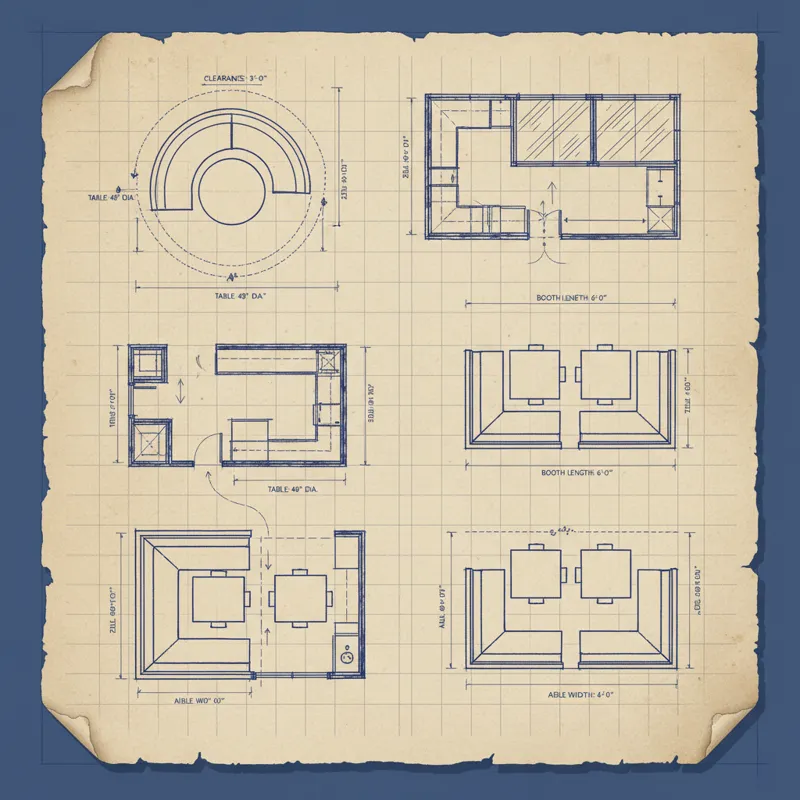
Choosing the right corner booth dining table isn’t as simple as picking one you like online. Careful planning and precise measurements are crucial to ensure it fits perfectly and functions well within your home.
Measuring Your Space Accurately
Before anything else, measure, measure, measure. You’ll need the exact dimensions of the corner where the booth will sit. This includes the length of both walls forming the corner, from the corner outwards. Also, measure the available depth into the room where the bench will extend. Crucially, allow for adequate walk-around space (at least 36 inches, ideally 42-48 inches) around the open sides of the table to ensure comfortable movement, even with the table in place. For more in-depth guidance on space planning, consider resources from reputable organizations like the National Kitchen and Bath Association, which offers detailed guidelines for kitchen layouts.
Left-Hand vs. Right-Hand Orientation
Corner booths are typically designated as “left-hand” or “right-hand” facing. This refers to the longer side of the L-shape when viewed from the front. Stand in front of the corner where the booth will go, facing the corner. If the longer bench extends to your left, it’s a left-hand booth; if it extends to your right, it’s a right-hand booth. Double-check this against product descriptions to avoid ordering the wrong configuration.
Table Shape & Size
The table paired with your corner booth dining table should complement the bench’s dimensions and the room’s flow. Rectangular tables are common for L-shaped booths, allowing people on the benches to reach food easily. Square tables work well with smaller L-shapes or tight corners. Round or oval tables can soften the look and improve traffic flow around the table, but they might not maximize seating as efficiently as rectangular options with an L-shaped bench. Ensure the table isn’t too wide, which could make it difficult for people on the bench to get in and out.
Bench Dimensions: Depth, Height, and Length
Standard bench seat depth is usually between 18-24 inches, providing comfortable seating. The bench height, typically around 18-19 inches, should correlate with your chosen table height (standard is 29-30 inches) to ensure a comfortable dining experience. The lengths of the bench sections need to align perfectly with your wall measurements. Remember that a dining room bench with back will have an overall depth that includes the backrest, which must also be considered for room clearance.
Access and Egress
This is where many people make mistakes. Consider how easily people, especially those in the deepest part of the corner, can get in and out of the booth. If the table is too wide or too close to the bench, it can create a trap. Some designs feature a pedestal base for the table, which makes it easier to slide in and out compared to a table with four legs. If space allows, choose a table that can be pushed slightly to provide more clearance when someone needs to exit.
Materials and Finishes: Durability Meets Design
The materials you choose for your corner booth dining table impact not only its appearance but also its durability, comfort, and maintenance requirements.
Bench Upholstery Options
- Fabric: Options like linen, cotton, velvet, and microfiber offer a wide range of textures and colors. Microfiber is often preferred for its stain resistance and durability, making it family-friendly. Velvet adds a touch of luxury, while linen provides a natural, airy feel. Fabrics generally offer more comfort and warmth than non-upholstered options.
- Leather/Faux Leather: These materials are known for their resilience, ease of cleaning, and sophisticated look. Genuine leather develops a beautiful patina over time but is more expensive. Faux leather (PU leather, bonded leather) offers a similar aesthetic at a lower cost, though its durability can vary. Both are excellent choices for high-traffic areas or homes with children, as spills wipe up easily.
Base Construction
The structural integrity of your corner booth dining table relies heavily on its base construction.
- Solid Wood: Hardwoods like oak, maple, and walnut offer superior durability, stability, and a classic aesthetic. They can be stained or painted to match various décor styles.
- Engineered Wood: Plywood or MDF (medium-density fiberboard) are often used for the internal structure or for more affordable options. When properly constructed and veneered, they can be quite sturdy.
- Metal: Steel or wrought iron bases provide a modern, industrial, or minimalist look. They are exceptionally durable and stable, though they can be heavier.
Tabletop Materials
- Wood: Matches wood bases, offering warmth and natural beauty. Hardwoods are durable, but require protection from heat and moisture.
- Glass: Creates an open, airy feel, making small spaces appear larger. Easy to clean but susceptible to fingerprints and scratches. Tempered glass is essential for safety.
- Laminate: A highly durable, stain-resistant, and cost-effective option. Available in a vast array of colors and patterns, often mimicking wood or stone.
- Marble/Quartz: Offers a luxurious, high-end look. Marble is porous and requires sealing, while quartz is engineered, non-porous, and more resistant to stains and scratches.
Integrating Storage Solutions
Many modern corner booth dining tables incorporate hidden storage beneath the bench seats. This can be incredibly useful for stashing away linens, placemats, board games, or seasonal decorations, helping to keep your dining area tidy and organized. Look for designs with lift-top seats or pull-out drawers for easy access.
Styles and Designs: Finding Your Perfect Match
The versatility of the corner booth dining table allows it to fit into a broad spectrum of interior design themes. Understanding these styles can help you pinpoint the perfect aesthetic for your home.
Modern & Contemporary
Characterized by clean lines, minimalist forms, and often a mix of materials like metal, glass, and smooth upholstery. Colors are typically neutral, with occasional bold accents. These booths focus on functionality and sleek aesthetics, making them ideal for urban apartments or homes with a sophisticated, uncluttered look.
Farmhouse & Rustic
These designs embrace natural materials, distressed finishes, and a comfortable, lived-in feel. Expect solid wood construction, often in lighter or reclaimed finishes, paired with simple, sturdy upholstery in natural fabrics or faux leather. They evoke warmth, hospitality, and a connection to the countryside, perfectly matching a white dining table and bench for a bright, airy farmhouse feel.
Mid-Century Modern
Drawing inspiration from the 1950s and 60s, these corner booths feature tapered legs, gentle curves, and often a combination of wood and vibrant upholstery. They exude an understated elegance and a timeless appeal, bringing a touch of retro chic to your dining space. Expect designs that prioritize both form and function.
Traditional & Classic
For homes with a more formal or classic aesthetic, traditional corner booths offer rich wood tones, sometimes with ornate detailing or tufted upholstery. These designs lean into timeless elegance, often using darker woods and plush fabrics to create a sense of grandeur and comfort. They are built to be substantial and enduring.
Industrial
Industrial corner booths typically feature robust metal frames, often in black or dark finishes, combined with raw or reclaimed wood tops and utilitarian-style upholstery. They celebrate exposed materials and a rugged aesthetic, perfect for lofts or spaces with an edgy, urban feel. The focus is on strength and an unfinished, authentic look.
Customization vs. Off-the-Shelf
While off-the-shelf options offer convenience and quicker delivery, custom-built corner booths provide the perfect fit and allow for personalized material and finish choices. Customization can be more expensive and take longer, but it ensures your booth perfectly matches your space and vision. If you have an unusual corner or very specific design requirements, customization might be the best route.
Installation and Assembly: DIY or Professional Help?
The complexity of installing a corner booth dining table can vary significantly based on its design. Many are modular, designed for relatively straightforward DIY assembly, while others, particularly custom or heavily integrated units, might benefit from professional installation.
For DIY assembly, you’ll typically need basic tools like screwdrivers, wrenches, and possibly a drill. Instructions usually involve assembling the bench sections, attaching them together, and then positioning the table. Ensure you have ample space to work and enlist a second person for help, especially when moving larger components. Always follow the manufacturer’s instructions precisely, as incorrect assembly can compromise stability and void warranties.
Professional installation is advisable if the unit is particularly large, heavy, or requires intricate carpentry or wall mounting. This ensures proper alignment, stability, and safety, especially for built-in units that become a permanent fixture of your home. A professional can also handle any unforeseen challenges with uneven floors or walls.
What Most People Get Wrong About Corner Booth Dining Tables
Despite their appeal, there are common pitfalls homeowners encounter when integrating a corner booth dining table into their space. Being aware of these can save you significant frustration and expense.
- Misjudging Scale and Proportions: Many people underestimate the physical footprint of a corner booth or, conversely, select one that’s too small for their room. It’s not just about the corner itself; you need to account for the depth of the benches, the table’s dimensions, and the crucial walk-around space. A booth that’s too large will overwhelm a small room, while one that’s too small can look awkward and fail to provide sufficient seating. Always tape out the dimensions on your floor before committing.
- Ignoring Egress Challenges: This is perhaps the most frequent complaint. The beauty of the fixed bench can become its biggest drawback if not planned carefully. People seated deep in the corner or along the wall side often have to slide across the bench or ask others to move to get out. Ensure your table isn’t too wide for the depth of the bench, and consider a pedestal table base to offer more legroom and ease of movement.
- Overlooking Durability & Maintenance Needs: A dining area is a high-traffic, high-spill zone. Choosing delicate fabrics or porous tabletop materials (like unsealed marble) without considering their resistance to stains, wear, and tear is a common error. While beautiful, a white linen corner bench table might not be the most practical choice for a family with young children. Prioritize materials that align with your lifestyle.
- Forgetting About Future Flexibility: Unlike traditional dining chairs that can be easily rearranged, replaced, or moved to another room, a corner booth is a fixed or semi-fixed element. This lack of flexibility can be an issue if your needs or preferences change frequently. Consider this long-term commitment before investing, especially if you foresee frequent home renovations or moves.
- Neglecting Comfort Details: While benches save space, not all benches are created equal in terms of comfort. A flat, thinly padded bench can become uncomfortable during long meals. Look for adequate foam density in the cushions, proper back support, and an ergonomic relationship between the bench and table height. Adding throw pillows can help, but they shouldn’t be a substitute for fundamentally comfortable seating.
Care and Maintenance Tips for Longevity
Proper care will extend the life and beauty of your corner booth dining table. Routine maintenance is key for keeping it looking its best for years to come.
- Upholstery: Regularly vacuum fabric upholstery to remove crumbs and dust. For spills, blot immediately with a clean, dry cloth. Refer to the manufacturer’s cleaning codes (W, S, WS, X) for specific instructions. Leather and faux leather can be wiped clean with a damp cloth and mild soap, then dried thoroughly. Avoid harsh chemicals that can damage the finish. For deeper cleaning, consider professional upholstery cleaning every few years.
- Wood Surfaces: Wipe wood tabletops and bases with a soft, damp cloth to remove dust and spills. Use coasters and placemats to protect against heat, moisture, and scratches. Periodically apply a furniture polish or wax designed for your wood type to maintain its luster and protect the finish.
- Glass Tabletops: Clean glass with a glass cleaner and a microfiber cloth for a streak-free shine. Be cautious of abrasive cleaners that can scratch the surface.
- General Tips: Avoid placing hot dishes directly on any surface without protection. Address spills promptly to prevent staining. Check and tighten any loose fasteners or bolts on the bench or table periodically to ensure stability. Consider sunlight exposure; direct, prolonged sunlight can fade upholstery and warp wood over time.
Enhancing Your Corner Booth Dining Experience
Once you’ve selected and installed your corner booth dining table, consider these elements to complete the look and maximize its inviting appeal.
Lighting
Appropriate lighting can dramatically enhance the ambiance of your dining area. A pendant light hung centrally over the table provides direct illumination for meals and acts as a stylish focal point. Sconces on the adjacent walls can add softer, ambient lighting, creating a layered lighting scheme. Dimmers are a great addition, allowing you to adjust the mood from bright and functional to soft and intimate.
Pillows and Cushions
Beyond comfort, decorative throw pillows and extra cushions are an easy way to inject color, texture, and personality into your booth. Choose fabrics that complement your existing decor, or use them to introduce a pop of contrasting color. They also add an extra layer of coziness, inviting guests to linger longer.
Wall Decor
The walls surrounding your corner booth dining table offer an excellent opportunity for personalization. A gallery wall with framed photos or artwork can add visual interest. A large mirror can reflect light and make the space feel larger. Floating shelves can display decorative items, plants, or small collections, further enhancing the cozy nook feeling. Just ensure that anything hung is securely fastened and doesn’t obstruct comfortable seating.
Rugs
Placing a rug beneath your dining table can help define the space and add warmth, especially in open-concept layouts. Choose a rug that is large enough for all the table legs to sit on, and ideally, for the chairs on the open side to remain on the rug when pulled out. Materials like jute, sisal, or low-pile synthetic rugs are durable and easy to clean, making them practical choices for a dining area.
Table Linens & Dinnerware
Finally, the details of your table setting complete the experience. Thoughtfully chosen table linens, such as a runner or placemats, can add texture and color. Elegant dinnerware, glassware, and cutlery elevate even casual meals. A simple centerpiece, like a small vase of fresh flowers or a decorative bowl, adds a finishing touch without cluttering the table.
Frequently Asked Questions (FAQ) About Corner Booth Dining Tables
Can I use a corner booth dining table in a small apartment?
Absolutely. Corner booths are often ideal for small apartments because they maximize seating in compact spaces and utilize corners that might otherwise go unused. Just be sure to measure carefully to ensure adequate walk-around space.
Are corner booths comfortable for long meals?
Many modern corner booths are designed with comfort in mind, featuring ample padding, supportive backrests, and ergonomic dimensions. Look for high-density foam cushions and consider adding throw pillows for extra lumbar support. They can be very comfortable for extended periods.
How many people can a typical corner booth seat?
An average L-shaped corner booth can comfortably seat 4-6 people, with the possibility of adding one or two chairs on the open side of the table for a total of 6-8. U-shaped booths can accommodate even more, often seating 6-8 people on the benches alone.
What’s the best material for a family with kids?
For families with children, durable and easy-to-clean materials are crucial. Faux leather or performance fabrics (like microfiber or treated polyesters) for upholstery, and laminate or quartz for tabletops, are excellent choices due to their stain resistance and ease of maintenance.
Can I buy a corner booth without the table?
Yes, many retailers offer the bench sections of a corner booth separately, allowing you to pair them with an existing table or choose a table that perfectly fits your style and space requirements. This is a common practice if you’re building a custom dining nook.
Is it hard to move a corner booth once installed?
Compared to traditional dining sets, corner booths are generally less mobile. While many modular units can be disassembled and moved, it’s not a quick process. Built-in or very heavy units might require significant effort or professional help to relocate.
How much does a corner booth dining table typically cost in 2026?
The cost of a corner booth dining table can vary widely based on materials, size, brand, and whether it’s off-the-shelf or custom. In 2026, you can expect to find basic, smaller laminate and fabric options starting from around $800-$1,500. Mid-range options with solid wood frames and more durable upholstery might range from $1,500-$3,500. High-end, custom, or luxury material booths can easily exceed $3,500, reaching $5,000 or more. Prices are influenced by global supply chains and manufacturing costs, which have seen some fluctuations in recent years, as noted by economic publications like Forbes Advisor’s home improvement cost analysis.
In conclusion, a corner booth dining table is more than just a piece of furniture; it’s a strategic design choice that delivers on both form and function. By thoughtfully considering your space, style preferences, and lifestyle needs, you can select a corner booth that becomes the heart of your home, offering a cozy, efficient, and inviting dining experience for years to come.