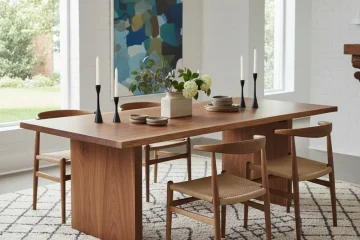
If you’re looking for small kitchen table options, finding a quality dining table for 6 small space can feel like a formidable challenge. In today’s homes, where every square foot counts, accommodating six diners often demands clever design and strategic planning. The goal isn’t just to fit a table and six chairs into a compact area, but to do so in a way that remains functional, comfortable, and visually appealing. It’s about creating an inviting dining experience without overwhelming the room or hindering movement, making small dining table sets a critical consideration for many households.
Understanding “Small Space” for a Six-Seater Dining Table

Before diving into specific table types, it’s crucial to define what “small space” truly means in the context of a dining setup for six. This isn’t just about the table’s footprint; it encompasses the critical clearances required around it for comfortable seating and movement. Most design guidelines suggest a minimum of 24 inches (60 cm) of width per person at the table for comfortable elbow room. For a table seating six, this means you’re looking at a table length of at least 72 inches (183 cm) for a rectangular shape, or a diameter of 48-60 inches (122-152 cm) for a round table.
Beyond the table itself, you need clearance for chairs. To allow diners to pull out their chairs and sit comfortably, you’ll want at least 36 inches (91 cm) between the edge of the table and any wall or furniture behind it. If there’s a walkway behind the chairs, that clearance should ideally increase to 44-48 inches (112-122 cm) to allow someone to walk behind seated diners without constant bumping. In a truly small space, compromising on these numbers means sacrificing comfort and usability, turning meal times into a constant shuffle. Therefore, choosing a dining table for 6 small space involves careful measurement and realistic expectations of how the area will be used daily.
Key Features of a Dining Table for 6 in a Small Space
When square footage is at a premium, certain design features become indispensable. These aren’t just aesthetic choices; they are functional necessities that enable a six-person setup to exist harmoniously in a compact area.
Extendable and Drop-Leaf Designs: The Ultimate Space-Savers
The most popular solution for a dining table for 6 small space is an extendable or drop-leaf design. These tables offer incredible versatility, allowing you to scale their size up or down as needed.
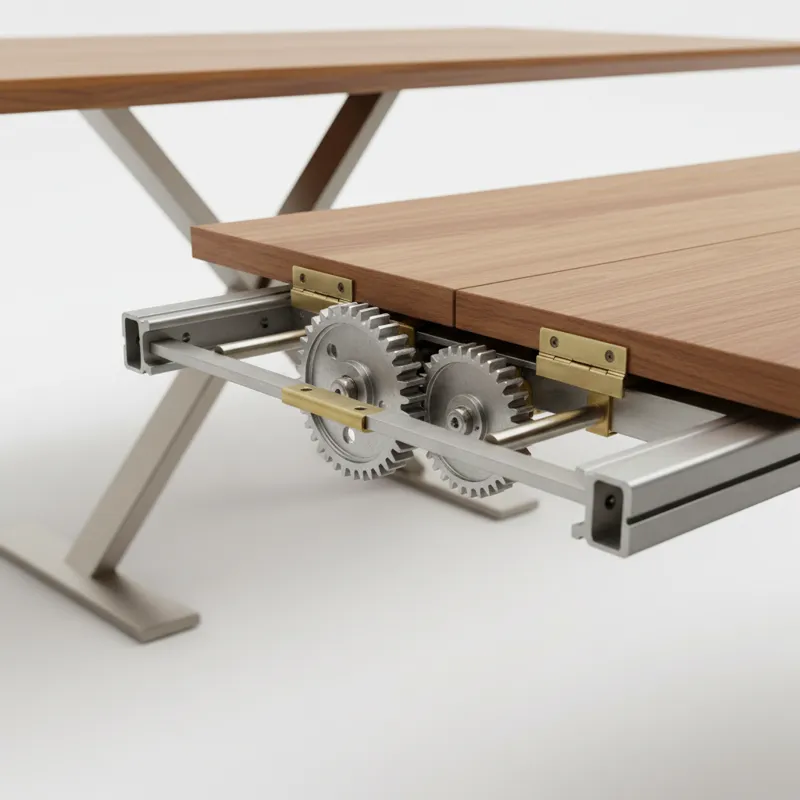
- Extendable Tables (Butterfly or Self-Storing Leaves): These are incredibly efficient. Many modern extendable tables feature self-storing or butterfly leaves that fold and tuck away neatly within the table’s frame when not in use. This means no extra storage space is required for leaves. You can typically find tables that seat four comfortably on a daily basis, then extend to accommodate six or even eight for gatherings. The mechanism should operate smoothly and securely, as frequent adjustments are likely. Look for robust locking mechanisms to prevent wobbling once extended.
- Drop-Leaf Tables: For even tighter spaces, a drop-leaf table can be a lifesaver. These tables have hinged sections on one or both sides that can be folded down. When fully collapsed, some can function as a console table against a wall or a small two-person dining spot. When one leaf is up, it might serve three or four, and with both leaves up, it can comfortably host six. The key here is the support mechanism for the leaves – it needs to be sturdy enough to handle the weight and pressure of dining. Some feature swing-out legs, while others use robust metal supports.
Pedestal Bases: Maximizing Legroom and Chair Tuck-In
Unlike traditional four-leg tables, a pedestal base consolidates support to a central column or a single, solid base. This design offers a significant advantage in small dining areas.
- Enhanced Legroom: With no legs at the corners, everyone has ample legroom, which is especially important when you’re trying to squeeze six people around a smaller footprint. Diners can shift and adjust without bumping into table legs.
- Easier Chair Placement: Chairs can be tucked in closer and more flexibly around a pedestal base. This allows for more efficient use of space when the table is not in use, as chairs can push in further, reducing the overall footprint of the dining area. It also makes it easier to add an extra chair for a surprise guest, even if it means a slight squeeze.
- Visual Lightness: A central base often contributes to a lighter, less cluttered visual profile, which is beneficial in small rooms where heavy furniture can make the space feel even smaller.
Optimal Table Shapes for Small Spaces

The shape of your dining table profoundly impacts its spatial efficiency and how it interacts with the room.
Round and Oval Tables: The Flow Masters
Round and oval tables are often championed for small spaces, and for good reason.
- No Sharp Corners: The absence of sharp corners makes them easier to navigate around in tight quarters, reducing the risk of bumps and bruises. This also improves the flow of movement in the room.
- Perceived Openness: Their curved lines tend to make a room feel less rigid and more open compared to the defined edges of a rectangular table.
- Flexible Seating: While a 48-inch round table is technically for four, you can often squeeze in five or even six for a casual meal due to the lack of designated “corner” seats. An oval table, essentially a stretched-out round, offers the best of both worlds: a more generous surface area than a round table while retaining the smooth edges and easy flow. A 60-inch oval table is a solid choice for six.
- Sociability: Round tables naturally foster conversation as everyone is equidistant and facing each other, creating a more intimate dining experience.
Rectangular Tables: Classic, But With Caveats
Rectangular tables remain the most common choice, but they require careful consideration in small spaces.
- Wall Placement: A rectangular table can be pushed against a wall when not in full use, which is a significant space-saving tactic. However, this configuration typically limits seating to one side or the ends, meaning you might only seat three or four daily.
- Bench Seating Potential: Utilizing a bench along one side of a rectangular table, especially one that can tuck under the table when not in use or doubles as storage, is an excellent way to accommodate more people with less footprint. Bench seating also allows for more flexibility in squeezing in an extra person.
- Minimum Dimensions: For six people, a rectangular table typically needs to be at least 60-72 inches (152-183 cm) long and 36-40 inches (91-102 cm) wide. Anything less will feel cramped. If you opt for an extendable rectangular table, ensure its collapsed size is genuinely suitable for your daily needs.
Square Tables: Compact, But Limited for Six
A square table can work well for four in a small space, but for six, it almost always requires an extension mechanism.
- Daily Use: A standard 36-48 inch (91-122 cm) square table is ideal for four people. If you consistently need to seat six, you’ll need an extendable square table that opens into a larger square or rectangular shape. Without extension, fitting six people around a square table is often a squeeze, forcing diners into corners.
- Room Shape: Square tables often look best in square rooms, creating a balanced aesthetic.
Chair Selection: An Often Underestimated Factor
The chairs you choose are just as important as the table itself when designing a dining table for 6 small space. Bulky chairs can negate all the space-saving benefits of a clever table design.
- Armless Chairs: Chairs without arms are almost always the superior choice for small spaces. They can be pushed closer together, tucked further under the table, and generally take up less visual and physical space.
- Slim Profiles: Look for chairs with slender legs, thin backs, and minimal upholstery. Metal, wood, or acrylic chairs with open designs tend to look lighter and take up less visual bulk than heavily upholstered counterparts.
- Stackable or Nesting Chairs: If you only need six chairs occasionally, consider stackable or nesting chairs that can be easily stored in a closet or corner when not in use. This frees up valuable floor space.
- Bench Seating: As mentioned, a bench along one side of a rectangular table is an excellent strategy. Benches can often seat more people in less linear space than individual chairs, and they can be pushed completely under the table when not in use. Consider built-in banquette seating if your space allows for a permanent fixture, as this maximizes both seating and potentially storage.
- Stools: For a more casual or multi-functional approach, stool height table with stools can be considered. Stools are typically armless and backless, allowing them to tuck completely under the table and practically disappear. However, they may not offer the same comfort for long meals.
Materials and Aesthetics: Lightness and Durability
The materials you choose for your dining table for 6 small space and chairs can significantly impact how open or cramped your dining area feels.
- Glass or Acrylic Tops: Transparent surfaces like glass or acrylic allow light to pass through, creating an illusion of depth and making the table feel less imposing. They don’t block the visual line of sight, which helps a small room feel larger and airier. Just be mindful of fingerprints and cleaning.
- Light-Colored Woods or Finishes: Light woods like birch, maple, or ash, or tables with white, light gray, or natural finishes, reflect light and contribute to an open, bright aesthetic. Dark, heavy woods, while elegant, can absorb light and make a small space feel denser.
- Metal Accents: Tables or chairs with slim metal legs or frames can offer structural integrity without adding visual weight. Brushed steel or matte black finishes often blend seamlessly into modern small spaces.
- Durability: Regardless of the material, ensure it’s durable and easy to clean. A dining table is a high-traffic item, especially for a family of six, so invest in quality materials that will withstand daily use.
Smart Design Tips for Maximizing Your Small Dining Area
Beyond the table and chairs themselves, consider the broader room design to make your dining table for 6 small space work effectively.
- Strategic Lighting: Good lighting can transform a small space. A single pendant light directly above the table can define the dining area without taking up floor space. Wall sconces or dimmable recessed lighting can create ambiance and make the room feel more expansive. Ensure the lighting is bright enough for dining but also adjustable for mood.
- Mirrors: A well-placed large mirror on a wall adjacent to the dining area can work wonders. It reflects light and the room itself, effectively doubling the perceived size of the space. It’s a classic interior design trick for a reason.
- Wall-Mounted Shelving or Buffets: Instead of bulky sideboards, opt for wall-mounted shelving or shallow, floating buffets. These provide storage or display space without encroaching on floor area or chair clearance. Consider vertical storage solutions to draw the eye upward.
- Color Palette: Stick to light, neutral colors on the walls and larger furniture pieces. These colors reflect light and create a sense of openness. You can add pops of color through accessories, artwork, or seat cushions.
- Decluttering: A small space looks even smaller when cluttered. Keep the dining area and surrounding space as tidy as possible. Minimalist decor helps maintain an open feel.
- Multi-functional Furniture: Look for pieces that serve multiple purposes. A storage bench, for instance, provides seating and a place to stash linens or board games. A console table that can extend into a dining table is another excellent example.
- Consider an small white breakfast table: If your main dining area is extremely tight, a dedicated smaller breakfast table in the kitchen might alleviate some pressure for casual meals, saving your larger, extendable table for more formal use.
What Most People Get Wrong When Buying a Dining Table for 6 in a Small Space
It’s easy to get excited about a table’s aesthetic or its extended capacity and overlook critical practicalities. Here are some common missteps:
- Underestimating Chair Clearance: This is arguably the biggest mistake. People focus on the table’s dimensions but forget that chairs need space to be pulled out and for people to sit down and get up comfortably. A table might fit, but if chairs scrape walls or collide with other furniture every time someone moves, the space is dysfunctional. Always account for at least 36 inches (91 cm) of clearance around the table when chairs are pushed in.
- Ignoring Daily Use vs. Occasional Use: Many homeowners buy a large extendable table that perfectly seats six when extended, but its collapsed size is still too big for their everyday needs. If you mostly dine as a family of three or four, ensure the table’s smaller configuration is efficient and doesn’t dominate the room. Conversely, don’t buy a table that’s always too small just because it extends for guests, if that extension is still a tight squeeze.
- Choosing Bulky Chairs: A sleek, space-saving table can be undone by heavy, oversized dining chairs. Armchairs, especially, can make a space feel incredibly cramped and prevent chairs from being tucked in properly. Prioritize armless, slim-profile chairs.
- Neglecting Traffic Flow: A dining area isn’t just about the table; it’s also about how people move through the room to access other areas like the kitchen or living room. Placing a table in a main thoroughfare, even if it technically “fits,” will create constant bottlenecks and frustration. Consider the natural pathways of your home.
- Overlooking Vertical Space: In small rooms, drawing the eye upward can create a sense of spaciousness. If everything is low to the ground, the room can feel squat. Consider a statement light fixture or tall, slim shelving to add vertical interest without taking up floor space. Forbes provides excellent insights into optimizing small spaces effectively, often highlighting the importance of verticality.
- Not Testing the “Fit” Mentally (or Physically): Before buying, measure your space meticulously. Use painter’s tape on the floor to map out the table’s footprint both collapsed and extended, along with the chair clearances. This visual aid can prevent costly mistakes. Also, consider the journey of the table into your home, especially if you live in an apartment with narrow hallways or small elevators. A helpful guide from This Old House on buying a dining table often reiterates the importance of measurement.
The Future of Small Space Dining in 2026
As we look to 2026, the demand for adaptable, multi-functional furniture in urban and compact living spaces continues to grow. Expect to see further innovations in dining table for 6 small space designs. Manufacturers are increasingly integrating smart technology, such as tables with induction charging pads built directly into the surface or embedded touch controls for lighting and temperature. Materials are also evolving, with greater emphasis on sustainable, lightweight, and incredibly durable composites that allow for thinner profiles without compromising strength. Think about tables that not only extend but perhaps also adjust their height to double as a standing desk or a console, using pneumatic or motorized mechanisms. The trend towards modularity and customization, as discussed by design journals like Dezeen, will mean more options for tailored solutions that perfectly fit unique small spaces.
Frequently Asked Questions About Dining Tables for 6 in Small Spaces
What is the smallest practical size for a dining table for 6?
For a rectangular table, aim for at least 60-72 inches (152-183 cm) long by 36 inches (91 cm) wide. For a round table, a diameter of 48-60 inches (122-152 cm) is usually the minimum, though 60 inches provides more comfort. Keep in mind, these are bare minimums and typically assume slim chairs and a willingness to be cozy.
Are round or rectangular tables better for small spaces that need to seat 6?
Generally, round or oval tables are often preferred for their better flow and ability to subtly squeeze in an extra person. They lack sharp corners, which aids movement. However, a rectangular extendable table can be highly effective if you need to push it against a wall when not in full use. It ultimately depends on the specific shape and traffic patterns of your room.
How much clearance do I need around a dining table?
For comfortable seating and movement, you should aim for at least 36 inches (91 cm) between the table edge and any wall or furniture for chairs to pull out. If there’s a walkway behind seated diners, increase this to 44-48 inches (112-122 cm).
Can I use bench seating to save space for a 6-person table?
Yes, absolutely. Bench seating is an excellent space-saving strategy, especially along one side of a rectangular table. It allows you to seat more people in less linear space and can often be pushed completely under the table when not in use. Look for benches with storage capabilities for added functionality.
What type of chairs should I choose for a small dining area?
Opt for armless chairs with slim profiles and minimal visual bulk. Stackable or nesting chairs are great for occasional use, and light materials like metal, wood, or acrylic can make the space feel more open. Prioritize chairs that can be tucked in fully under the table.
Should I choose a glass top table for a small space?
Glass or acrylic tabletops are fantastic for small spaces as they allow light to pass through, creating an illusion of depth and openness. They make the table feel less imposing and can help the room feel larger and brighter.