
Chilly drafts aren’t just an annoyance; they’re a direct line to inflated energy bills and uncomfortable living spaces. In 2026, with a continued focus on energy efficiency and sustainable living, tackling these unseen air leaks is more critical than ever. Many homeowners unknowingly let a significant portion of their conditioned air escape or unfiltered outdoor air infiltrate, essentially heating or cooling the neighborhood. Identifying and sealing these gaps is a foundational step in optimizing your home’s thermal performance. A well-placed draft stopper isn’t just about immediate comfort; it’s a strategic investment in long-term energy savings and overall home health.
Understanding the Mechanics of a Draft: Why Your Home Isn’t as Sealed as You Think
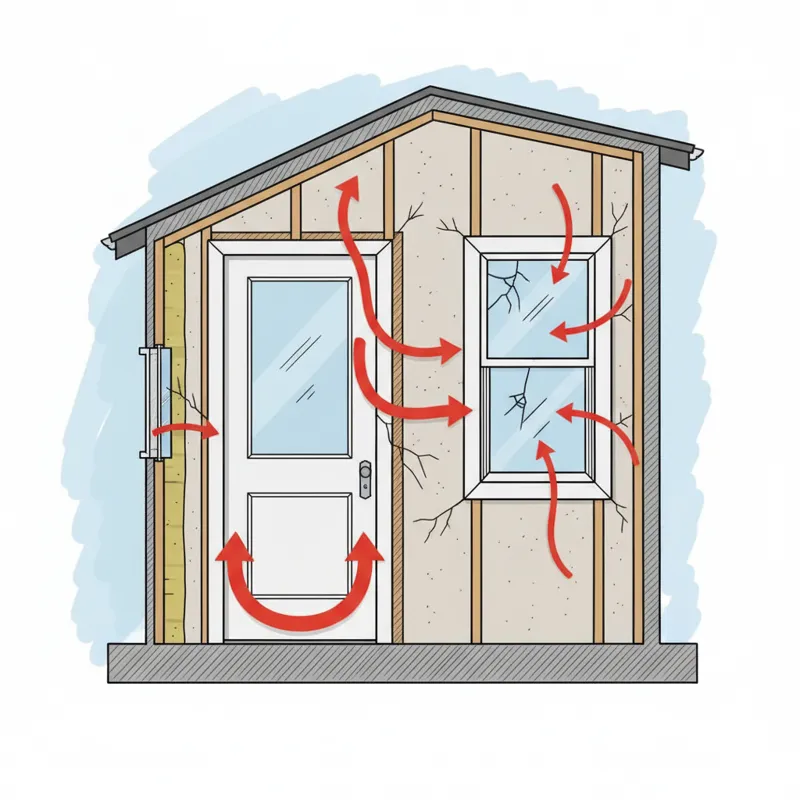
Understanding drafts goes beyond just feeling a cold breeze. It’s about comprehending pressure differentials and air movement dynamics. Your home isn’t a completely sealed box; it’s a semi-permeable structure with numerous tiny openings. These openings allow air to move in and out, driven primarily by differences in temperature and pressure between the inside and outside. Think of it like this: warm air rises. In winter, as heated air within your home rises, it creates a slight positive pressure in upper levels and a negative pressure near the floor. This negative pressure then pulls colder, denser outside air in through any gaps at lower levels – under doors, around windows, through foundation cracks. This is known as the “stack effect.” In summer, the reverse can happen, with hot, humid air being drawn in. Even slight pressure differences, often imperceptible to us, can drive substantial airflow over time. Common culprits include gaps under exterior doors, poorly sealed window frames, cracks in weatherstripping, outlets on exterior walls, and even attic hatches. These aren’t just minor inconveniences; they contribute significantly to what’s often termed “air infiltration,” leading to considerable heat loss in winter and heat gain in summer. The U. S. Department of Energy consistently points to air leaks as a major factor in residential energy waste, sometimes accounting for 25-40% of a home’s heating and cooling costs. Addressing these leaks with effective draft stoppers and complementary sealing techniques is one of the most cost-effective home improvements you can make.
The Financial Impact: How Drafts Cost You Money

Every cubic foot of air that leaks into your home in winter needs to be heated, and every cubic foot that leaks in during summer needs to be cooled. This constant conditioning of unwanted outside air drains your wallet through higher utility bills. It’s not just the direct cost of energy, either. Your HVAC system has to work harder and longer to maintain a comfortable temperature, leading to increased wear and tear and potentially shorter equipment lifespan. Consider a typical scenario: A half-inch gap under an exterior door the width of a standard doorway is roughly equivalent to leaving a small window open year-round. Multiply that by several doors and windows, and you’re essentially paying to heat or cool the outdoors. Over time, these cumulative leaks can add up to hundreds, if not thousands, of dollars annually. For instance, according to sources like Energy.gov, air sealing can cut heating and cooling costs by 10% to 20%, which for many households translates to substantial savings. Investing in quality draft stoppers and other air-sealing measures often pays for itself within a single heating or cooling season, offering an impressive return on investment compared to many other home improvements.
10 Powerful Picks to Eliminate Cold Drafts
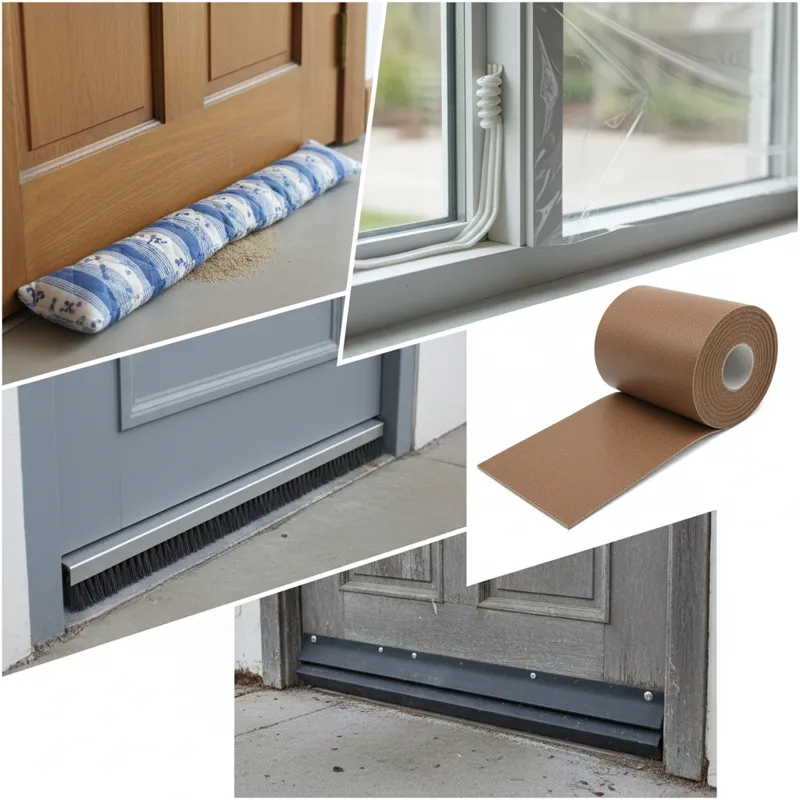
Choosing the right draft stopper depends on the specific location and type of leak. Here are 10 effective solutions, ranging from simple fixes to more robust installations, that can significantly improve your home’s thermal envelope.
1. Fabric Door Snakes (Draft Dodgers)
Fabric door snakes are perhaps the most recognizable type of draft stopper. These are typically fabric tubes filled with insulating material like sand, rice, or dense foam, designed to sit snugly at the bottom of a door.
- Mechanism: They create a physical barrier, blocking airflow through the gap between the door bottom and the floor. The weight of the filling helps keep them in place.
- Best Use: Ideal for internal doors leading to unconditioned spaces (like a basement or garage), or for exterior doors where a permanent seal isn’t practical or desired. They are particularly effective for rental properties where permanent alterations aren’t allowed.
- Pros: Very easy to deploy, no installation required, comes in various styles and colors to match decor.
- Cons: Must be manually moved when opening and closing the door, can be a tripping hazard if not properly positioned, less effective for larger gaps.
- What to Look For: Choose models with heavier filling for better stability and a durable, washable cover.
2. Twin Draft Guards (Double-Sided Door Seals)
A clever evolution of the fabric snake, twin draft guards feature two foam or fabric tubes connected by a strip that slides under the door.
- Mechanism: One tube sits on the inside of the door, and the other on the outside, creating a double barrier against drafts. Because they move with the door, they offer continuous protection.
- Best Use: Excellent for frequently used interior and exterior doors where you want a semi-permanent solution that doesn’t require manual repositioning. They are particularly effective for how to stop drafts under door without permanent adhesive.
- Pros: Moves with the door, offers superior draft blocking compared to single snakes, easy to install without tools.
- Cons: Can sometimes snag on thick carpets, visible from both sides of the door.
- What to Look For: Ensure the connecting strap is thin enough to slide easily under your door without catching. Look for durable, non-absorbent materials if used on exterior doors.
3. Under Door Sweeps (Brush or Vinyl)
These are strips of material (often vinyl, rubber, or brush bristles) that attach to the bottom of the door, sweeping across the threshold or floor when the door is closed. This is a classic example of an effective door draft guard.
- Mechanism: They physically seal the gap, creating a continuous barrier against airflow. Brush seals are flexible and conform well to uneven surfaces, while vinyl or rubber seals offer a tighter, more rigid block.
- Best Use: Exterior doors with consistent gaps, especially those exposed to the elements. They are a permanent and highly effective solution for sealing the bottom of a door.
- Pros: Permanent installation, moves with the door, highly effective at blocking drafts and sometimes even pests and light.
- Cons: Requires drilling or adhesive for installation, may show wear over time, can create slight friction when opening/closing the door.
- What to Look For: Measure your door width and thickness accurately. Choose a sweep material appropriate for your floor type (brush for carpet, vinyl/rubber for smooth floors). Stainless steel or aluminum housing offers better durability.
4. Weatherstripping (Self-Adhesive Foam, V-Seal, or Rubber)
Weatherstripping is a broad category of materials designed to seal the perimeter of doors and windows, stopping air leaks through gaps in frames.
- Mechanism: It compresses when a door or window closes, filling the gap and creating an airtight seal. Different profiles (foam tape, V-seal, tubular rubber) are designed for various gap sizes and applications.
- Best Use: All around exterior doors (jambs and headers) and window sashes. Essential for an effective under door seal strip system.
- Pros: Highly effective, relatively inexpensive, long-lasting with proper installation, significantly reduces air infiltration.
- Cons: Requires careful cleaning and preparation for adhesive types, can deteriorate over time, improper installation can hinder door/window operation.
- What to Look For: Assess the size of the gap you need to seal. For small, consistent gaps, self-adhesive foam tape works. For larger, variable gaps, V-seal or tubular rubber might be better. Ensure it’s rated for outdoor use if applied to exterior surfaces.
5. Window Insulation Film Kits
These kits use a clear plastic film applied over the interior of window frames, creating an insulating air pocket.
- Mechanism: The film, typically shrunk tight with a hairdryer, forms a dead air space between the window pane and the room. This air layer significantly reduces heat transfer (conduction) and blocks drafts from entering around the window frame.
- Best Use: Older, single-pane windows or drafty double-pane windows where full replacement isn’t feasible. A highly effective window insulation tape solution.
- Pros: Very affordable, creates a significant insulating effect, clear and mostly invisible once installed, provides a temporary but powerful draft barrier.
- Cons: Temporary (usually removed seasonally), can be tricky to install perfectly wrinkle-free, obstructs window operation.
- What to Look For: Measure your windows accurately to buy the correct size kit. Choose heavier gauge film for better durability.
6. Rope Caulk (Temporary Window Sealant)
Rope caulk is a pliable, non-hardening sealant that comes in a roll, easily pressed into gaps.
- Mechanism: It physically fills gaps around window sashes or between panes and frames, blocking direct airflow. Its putty-like consistency allows it to conform to irregular shapes.
- Best Use: Seasonal sealing of drafty window sashes or minor gaps in window frames. Perfect for a quick, temporary window insulation tape.
- Pros: Extremely easy to apply and remove, leaves no residue, inexpensive, conforms to irregular shapes.
- Cons: Temporary solution, can attract dust, not suitable for large or structural gaps.
- What to Look For: Ensure it’s non-staining and paintable if that’s a concern for your window frames.
7. Sash Locks and Latches
While not a traditional draft stopper, properly functioning window sash locks and latches play a critical role in minimizing drafts.
- Mechanism: When engaged, these locks pull the window sashes tightly together and against the frame, compressing any existing weatherstripping and reducing gaps where air can infiltrate.
- Best Use: All types of operable windows (double-hung, casement, slider).
- Pros: Enhances security and directly improves the seal of existing weatherstripping.
- Cons: Only effective if the window’s weatherstripping is also in good condition; doesn’t address gaps in the frame itself.
- What to Look For: Check for signs of wear or looseness. Replacing old, loose locks with new, tighter ones can make a significant difference.
8. Foam Outlet and Switch Plate Gaskets
Electrical outlets and light switches on exterior walls are often overlooked sources of significant air leaks.
- Mechanism: These thin foam gaskets fit behind the plastic cover plates, sealing the gap between the electrical box and the drywall, blocking airflow through the wall cavity.
- Best Use: All electrical outlets and switch plates located on exterior walls.
- Pros: Inexpensive, incredibly easy to install (just unscrew the plate, add gasket, re-screw), provides a permanent seal.
- Cons: Only addresses the specific leak around the plate, not larger wall cavity leaks.
- What to Look For: Ensure you turn off power at the breaker before installation. They are generally universal in size.
9. Garage Door Bottom Seals and Perimeter Seals
Garage doors are often one of the largest uninsulated openings in a home, and frequently leak air around their entire perimeter.
- Mechanism: A heavy-duty rubber or vinyl seal attaches to the bottom edge of the garage door, conforming to the concrete floor. Perimeter seals (also called jamb seals) attach to the door frame, creating a tight seal when the door is closed.
- Best Use: All types of garage doors, especially those attached to conditioned living spaces.
- Pros: Significantly reduces drafts, keeps out pests, reduces moisture infiltration, and can improve the garage’s thermal performance, making it a powerful energy efficient home solution.
- Cons: Installation can be more involved, requires proper measurement and sometimes cutting.
- What to Look For: Select durable, weather-resistant materials designed for garage environments. Measure the bottom gap and the perimeter carefully.
10. Expanding Foam Sealant (Low-Expansion)
For larger, irregular gaps and cracks in wall cavities or around pipes and vents, expanding foam sealant is a powerful tool.
- Mechanism: This polyurethane foam expands upon contact with air, filling and sealing voids and cracks that are difficult to reach with other materials. Low-expansion versions are crucial to prevent bowing of frames or other damage.
- Best Use: Sealing around utility penetrations (pipes, wires), gaps between foundation and sill plates, larger cracks in framing or sheathing.
- Pros: Excellent insulating and sealing properties, fills irregular gaps effectively, creates a long-lasting, airtight barrier.
- Cons: Can be messy to work with, difficult to remove once cured, high-expansion foam can damage structures if not used carefully.
- What to Look For: ALWAYS choose “low-expansion” or “window and door” specific foam to prevent damage. Wear gloves and eye protection.
Things People Usually Miss: Beyond the Obvious Drafts
Most people quickly identify drafts coming from under doors or around windows. However, some of the most significant air leaks in a home are often unseen and unaddressed. These “hidden” drafts can collectively account for a substantial portion of your energy loss.
- Recessed Lighting Fixtures: Especially in older homes, recessed lights that penetrate the ceiling into an unconditioned attic space are huge culprits. They’re often leaky “chimneys” for air movement. Look for air-sealed (IC-AT rated) fixtures if replacing, or use an airtight cover box in the attic.
- Attic Hatches or Pull-Down Stairs: These access points are frequently uninsulated and unsealed. Treat them like an exterior door to your attic – add weatherstripping around the perimeter of the hatch and an insulated cover or box on top.
- Fireplace Dampers: If your fireplace isn’t in use, a leaky damper is a direct conduit for conditioned air to escape up the chimney. Consider a top-sealing damper or an inflatable chimney balloon. For further reading on home heating efficiency, you might find valuable insights in articles discussing topics like improving home insulation or sealing strategies.
- Plumbing Penetrations: Gaps around pipes under sinks, in utility closets, or where pipes enter exterior walls allow air to flow freely. Use caulk or small amounts of expanding foam to seal these.
- Electrical Wires and Cable Lines: Similar to plumbing, any hole drilled for electrical conduit, cable TV lines, or internet lines that goes through an exterior wall or into an attic/crawlspace is a potential leak point. Seal these carefully with caulk.
- Exhaust Fans: Bathroom and kitchen exhaust fans, while necessary, can be major sources of air leakage if their ducts aren’t properly sealed where they exit the house, or if the backdraft damper is faulty. Addressing these less obvious areas can often yield greater energy savings than fixing visible leaks alone. A comprehensive approach to air sealing looks at the entire building envelope, not just the most obvious culprits.
Maximizing Effectiveness: Beyond Just a Draft Stopper
While individual draft stoppers are powerful tools, their effectiveness is greatly enhanced when integrated into a broader home air-sealing strategy. Think of your home as a system.1. Identify the Leaks: Before buying anything, conduct a draft audit. On a windy day, move a lit incense stick or a thin piece of tissue paper around windows, doors, outlets, and other suspected areas. If the smoke or tissue moves, you have a leak. Consider a professional energy audit with a blower door test for a comprehensive assessment.2. Clean and Prepare: For any adhesive-based draft stopper or caulk, ensure surfaces are clean, dry, and free of old debris or paint. This ensures a proper, long-lasting seal.3. Layer Your Solutions: Don’t rely on just one type of draft stopper per opening. For a particularly drafty exterior door, you might use robust weatherstripping around the frame, an under door seal strip, and a fabric door snake for added comfort on colder nights.4. Insulation & Air Sealing Go Hand-in-Hand: Air sealing prevents air movement, while insulation resists heat flow. You need both for an energy-efficient home. For example, sealing an attic hatch is important, but then ensuring that the attic itself has adequate insulation is also critical. These strategies create an energy efficient home. By combining different types of draft stoppers with careful installation and considering the broader context of your home’s thermal envelope, you’ll not only eliminate cold drafts but also unlock significant energy savings and a more consistently comfortable living environment. If you’re looking to further optimize your living space, understanding how various home elements contribute to overall comfort is key. For example, even seemingly unrelated topics like the ambiance provided by different tea types, such as the calming experience of the best Persian tea, can be part of creating a truly inviting home.
Frequently Asked Questions About Draft Stoppers
Q: How do I know where my drafts are coming from?
The simplest method is using an incense stick or a thin piece of tissue paper on a windy day. Hold it near windows, doors, outlets, and any penetrations in exterior walls. If the smoke or tissue moves, you’ve found a draft. For a more comprehensive assessment, a professional energy audit with a blower door test can pinpoint leaks precisely.
Q: Are draft stoppers truly effective, or just a temporary fix?
Many draft stoppers, especially those like door sweeps, weatherstripping, and expanding foam, offer long-term, highly effective solutions. Fabric door snakes can be very effective for specific applications but might require more frequent adjustment. The key is choosing the right type for the right problem and installing it correctly. Properly installed draft stoppers are a critical component of energy efficient home solutions.
Q: Can draft stoppers help with noise reduction too?
Absolutely. Air leaks are pathways for sound as well as air. By sealing gaps with draft stoppers and weatherstripping, you’ll often notice a noticeable reduction in exterior noise, contributing to a quieter, more peaceful indoor environment.
Q: What’s the difference between weatherstripping and caulk?
Weatherstripping is typically used for sealing operable components, like the moving parts of doors and windows, where compression allows for an airtight seal. Caulk is a sealant used for filling stationary gaps and cracks, like between a window frame and the wall, or around trim. Both are essential for comprehensive air sealing.
Q: How long do draft stoppers last?
It varies widely. Fabric door snakes can last for years with care. High-quality weatherstripping and door sweeps might last 5-10 years or more, depending on material and exposure. Window films are typically seasonal, and rope caulk is temporary. Regular inspection and replacement as needed ensure continued effectiveness. Using durable products and installing them correctly ensures your draft stopper investment pays off for years.
Q: Are there any fire safety considerations with draft stoppers?
When using expanding foam around electrical wires or heat sources, always use fire-blocking foam or sealant designed for those applications. For fireplace dampers, ensure any chimney balloon or plug is rated as non-flammable and is easily removable before lighting a fire. Always prioritize safety, and if you’re uncertain about a particular installation, it’s best to consult a professional.
For more home improvement tips that can enhance both safety and aesthetics, exploring various elements of your home’s design is valuable. For instance, understanding the history and cultural significance of items like red rose tea figurines can add character to your decor, while knowledge about materials and installation like that for pea flower tea benefits for health could inspire a new home-based hobby.
Q: Do I need professional help to install draft stoppers?
Most basic draft stoppers, like fabric snakes, stick-on weatherstripping, and window film, are DIY-friendly. More complex installations, such as replacing rigid door bottom sweeps, sealing large wall penetrations with expanding foam, or conducting a professional energy audit, might benefit from expert assistance. If you’re unsure, it’s always wise to consult a contractor or energy efficiency specialist.