
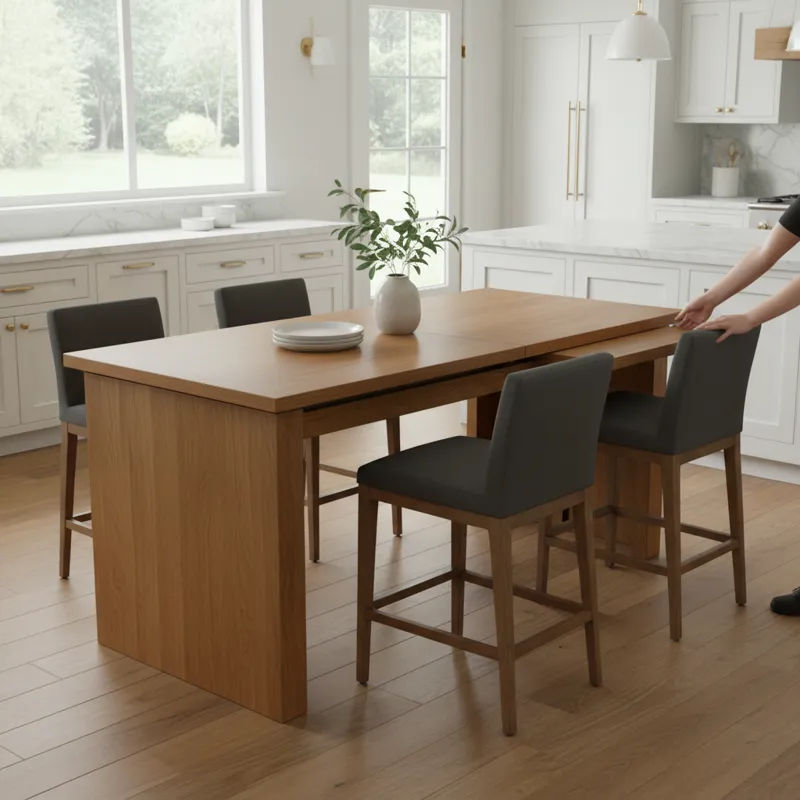
Finding quality big family dining tables, especially when space is at a premium, can often feel like a compromise. If you’re looking for solutions that balance everyday functionality with the ability to host larger gatherings, an expandable counter height table might be exactly what you need. These innovative pieces of furniture are designed to adapt, offering a compact footprint for daily use while effortlessly expanding to accommodate more guests. It’s about maximizing utility in spaces where a permanent, large dining table simply isn’t practical, bridging the gap between a casual breakfast bar and a formal dining area.
What Exactly Is an Expandable Counter Height Table?
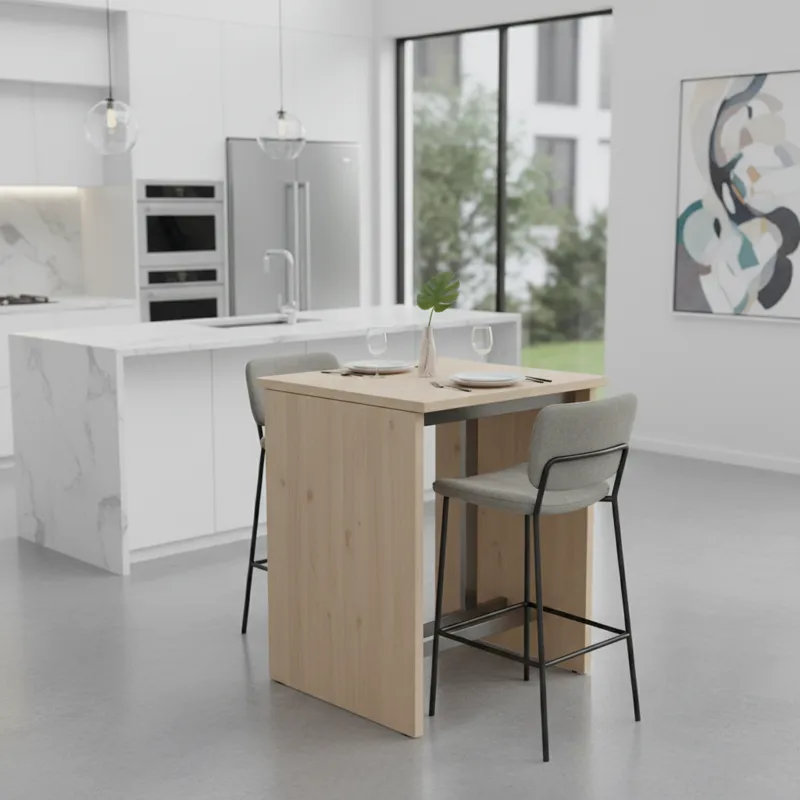
An expandable counter height table, at its core, is a dining or utility table designed to sit higher than a standard dining table, typically between 34 to 36 inches from the floor. This height positions it perfectly for use with counter height stools or chairs, creating a more casual, social dining experience that often integrates seamlessly with kitchen island aesthetics.
The “expandable” part means it features a mechanism allowing its surface area to increase. This transformation usually happens through various leaf systems – internal, drop-leaf, or butterfly – allowing the table to grow from a compact size suitable for one or two people into a larger surface capable of seating four, six, or even more, depending on the design.
Think of it as the chameleon of dining furniture. It’s a pragmatic solution for apartments, smaller homes, or open-plan living areas where dedicated dining space is a luxury. You get the benefit of a compact table for daily life without sacrificing the ability to host a dinner party when the occasion calls for it.
Understanding the “Counter Height” Distinction
The height is crucial. Standard dining tables usually sit around 28-30 inches tall. Counter height tables, at 34-36 inches, match the typical height of kitchen counters or islands. This alignment offers a few practical advantages:
- Ergonomics: For some, standing at or leaning against a counter height surface is more comfortable than bending over a standard table.
- Visual Flow: In open-concept spaces, a counter height table can blend more naturally with kitchen cabinetry and islands, creating a cohesive look.
- Casual Dining: It fosters a relaxed, informal atmosphere, perfect for breakfast nooks, casual meals, or as an additional prep surface in the kitchen.
Bar height tables, in contrast, are even taller (40-42 inches), requiring taller bar stools. While similar in concept, counter height offers a slightly more accessible and less imposing presence for dining.
The Mechanics of Expansion: How These Tables Adapt
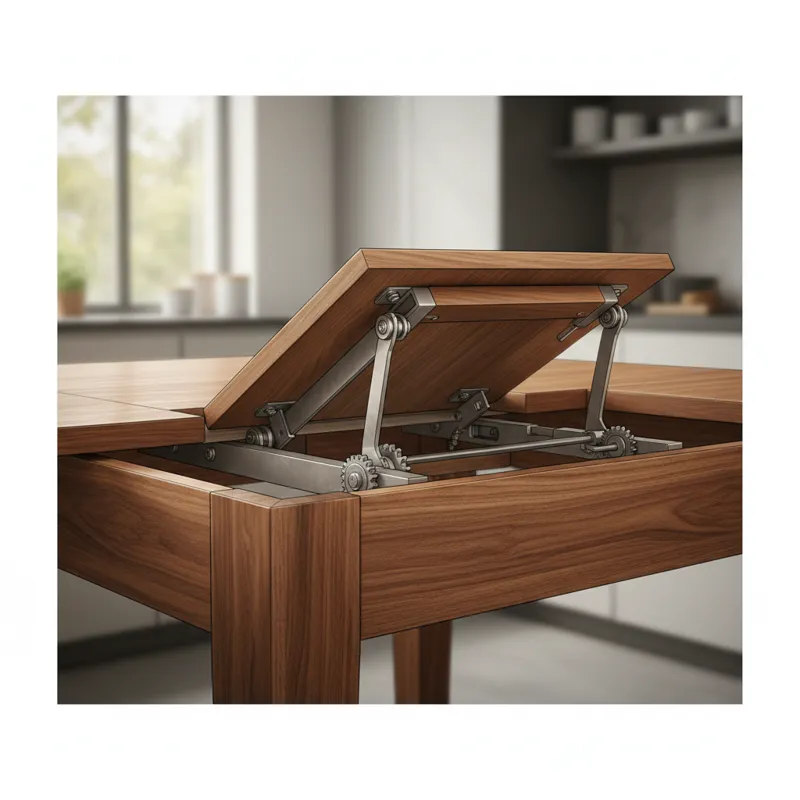
The true genius of an expandable counter height table lies in its expansion mechanism. Manufacturers employ several clever designs to allow these tables to grow, each with its own benefits and considerations. Understanding these can help you pick the right fit for your needs and space.
1. Butterfly Leaf Systems
Butterfly leaf tables are incredibly popular for their convenience. The extra leaf (or leaves) is hinged and folds in half, then stores neatly within a compartment under the tabletop when not in use. To expand, you simply pull the table halves apart, unfold the butterfly leaf, and lower it into place, then push the table halves back together to secure it.
- Pros: Self-storing (no extra storage space needed), smooth operation, often very stable when expanded.
- Cons: The mechanism can add complexity and potentially cost to the table’s construction.
2. Drop-Leaf Designs
A classic for a reason, drop-leaf tables have hinged sections on one or both sides of the main tabletop. When not needed, these leaves hang down vertically. To expand, you lift the leaf and support it with a swing-out leg or a bracket mechanism underneath.
- Pros: Very compact when folded, ideal for narrow spaces, straightforward mechanism.
- Cons: The support legs/brackets might be visible, and the seams can sometimes be less flush than other systems. The leaves aren’t usually self-storing within the table itself.
3. Extension Leaf (External or Removable)
This is a more traditional method where a separate leaf (or leaves) is inserted into the middle of the table, or sometimes added to the ends. You pull the table halves apart, place the leaf, and then push the table back together. For end-extension tables, the leaves slide into slots at either end.
- Pros: Can create a very solid, continuous surface when expanded, often found on more substantial tables.
- Cons: Requires separate storage for the leaf(s) when not in use, which can be inconvenient in small living spaces.
4. Gateleg Tables
Often seen with drop leaves, gateleg tables use hinged legs that swing out like a gate to support the dropped leaf. This provides sturdy support and often allows for significant expansion from a very narrow console-like form.
- Pros: Excellent stability for large expanded surfaces, can be extremely space-saving when folded.
- Cons: The gatelegs are a visible component of the design.
5. Swivel or Flip-Top Mechanisms
Less common for true counter height dining tables, but worth mentioning for their clever space-saving. Some smaller tables might have a top that swivels 90 degrees and then flips open, effectively doubling the surface area. These are often more suited for console tables or small accent pieces, but the concept can sometimes be integrated.
Each mechanism offers a different user experience and aesthetic. When evaluating an nice dining room expandable counter height table, pay close attention to the quality of the slides, hinges, and locking mechanisms. A well-engineered system will operate smoothly, lock securely, and provide a stable surface in both compact and expanded configurations. Cheap hardware can lead to frustrating operation and instability over time.
The Practical Benefits: Why Choose an Expandable Counter Height Table?

The decision to invest in an expandable counter height table often stems from a specific set of needs. These tables aren’t just a trend; they offer tangible benefits that address common challenges in contemporary living spaces.
Optimal Space Utilization
This is arguably the primary driver. In smaller homes, apartments, or open-concept layouts, every square foot counts. A static, large dining table can quickly overwhelm a room. An expandable counter height table gives you the flexibility to maintain an open, uncluttered feel for daily living while still having the capacity for larger events. You can transform a compact breakfast bar into a full dining setup for a holiday meal without needing a dedicated dining room.
Versatility Beyond Dining
These tables aren’t just for eating. Their counter height makes them exceptionally versatile:
- Kitchen Prep Island: They can serve as additional workspace when cooking, especially useful in kitchens lacking ample counter space.
- Home Office/Workspace: The elevated surface can be comfortable for standing work or as a temporary desk.
- Crafting Station: The larger surface area when expanded is ideal for hobbies that require spread-out materials.
- Buffet Service: For parties, they make excellent buffet lines, keeping food at an accessible height.
Enhanced Social Interaction
Counter height seating naturally encourages a more relaxed and interactive atmosphere. Guests often find it easier to chat across the table or to stand and mingle while still being at eye level with seated individuals. It breaks down some of the formality of traditional dining, fostering a more convivial environment, perfect for a casual 10 seater outdoor table experience but indoors.
Aesthetics and Design Integration
Modern interior design often favors open, flowing spaces. An expandable counter height table fits this aesthetic perfectly. It can serve as a subtle room divider in an open plan, delineating the kitchen from the living area without creating a visual barrier. Many designs incorporate contemporary materials and clean lines, complementing various decor styles, from industrial chic to minimalist.
Furthermore, the ability to tuck away chairs neatly under the table (especially with self-storing leaves) contributes to a tidy and organized look, even in smaller rooms.
Long-Term Value and Adaptability
Life changes. You might move to a different home, your family size might grow, or your entertaining needs could evolve. An expandable table offers built-in adaptability. You’re not locked into a single configuration, which provides long-term value and ensures your furniture can keep pace with your lifestyle. This adaptability is key in 2026, where flexible living spaces are increasingly prioritized.
Key Considerations When Buying an Expandable Counter Height Table (2026 Edition)
Purchasing an expandable counter height table is an investment in your home’s functionality and aesthetic. With various options available in 2026, a thoughtful approach will ensure you select a table that meets your needs for years to come.
1. Measure Your Space Accurately
This is non-negotiable. Measure not only the area where the table will sit in its compact form but also the maximum dimensions when fully expanded. Crucially, account for clearance around the table when expanded – you need enough room for people to pull out chairs comfortably and move around. A good rule of thumb is at least 36-42 inches of clearance from the edge of the table to any wall or other furniture.
Consider traffic flow in your room. Will the expanded table block a doorway or walkway? Visualize its full footprint.
2. Expansion Mechanism and Ease of Use
As discussed, different mechanisms have different practicalities. Test them if possible. A butterfly leaf is convenient because it’s self-storing, but ensure the mechanism operates smoothly without excessive force or sticking. Drop-leaf tables are simple, but think about where you’ll store the supporting legs if they’re not integrated. For removable leaves, consider your storage solution for the leaves themselves.
The goal is an expansion process that isn’t a chore, especially if you plan to use it frequently.
3. Material and Durability
The materials largely dictate the table’s longevity, aesthetic, and maintenance requirements:
- Solid Wood: Timeless, durable, can be refinished. Popular choices include oak, maple, walnut, and acacia. Expect variations in grain and natural characteristics.
- Engineered Wood (MDF/Particleboard with Veneer): More affordable, consistent finish, but generally less durable than solid wood. Quality veneers can mimic real wood well. Look for CARB-compliant (California Air Resources Board) certifications for lower formaldehyde emissions.
- Metal: Often used for bases and frames, providing stability and an industrial or modern look. Common metals include steel, wrought iron, or aluminum.
- Glass: Often used for tabletops on metal bases. Provides a light, airy feel but can show fingerprints and scratches more easily.
- Stone/Composite Tops: Increasingly popular, offering durability and unique aesthetics (e.g., concrete composites, faux marble). These are heavy and durable but can be prone to chipping or staining depending on the material.
In 2026, sustainable sourcing and eco-friendly finishes are becoming more prominent. Look for certifications like FSC (Forest Stewardship Council) for wood products if that’s a priority for you. Consider how the material will stand up to daily use, spills, and cleaning.
4. Stability and Construction Quality
A table, especially an expandable one, needs to be stable. Check for wobbly legs, loose joints, or flimsy hardware. When expanded, the table should feel solid, without excessive sag or creaking. Look for:
- Robust joinery (mortise and tenon, dovetail, strong bolts, not just glue and staples).
- Thick tabletop material that resists warping.
- Sturdy leg design appropriate for the table’s size and weight.
5. Seating and Chair Compatibility
You’ll need counter height stools or chairs that match your table’s height. Ensure the seating you choose has an appropriate seat height (typically 24-26 inches) to allow comfortable leg clearance under the table (around 10-12 inches between seat and tabletop). Also, consider the number of seats the table accommodates in both its compact and expanded states. For example, a table that expands to 12 person dining room table dimensions will need specific chairs.
Consider armrests on chairs – will they fit under the table when pushed in? Swivel stools are often popular with counter height tables for ease of movement.
6. Aesthetic and Style
Your table should complement your existing decor. Are you looking for a modern, minimalist design, a rustic farmhouse look, or something more traditional? Consider the finish, color, and overall form. The table will be a focal point, especially when expanded, so ensure it aligns with your personal style.
7. Budget
Expandable counter height tables vary widely in price based on materials, brand, and complexity of the expansion mechanism. Set a realistic budget and prioritize features accordingly. Remember that a higher initial investment in quality often translates to greater longevity and fewer headaches down the line.
For additional insights into furniture construction and durability, a resource like Wikipedia’s entry on furniture can provide valuable context on materials and manufacturing processes.
Things People Usually Miss When Choosing an Expandable Counter Height Table
Even with careful planning, some details slip through the cracks. Knowing these common oversights can save you from buyer’s remorse.
1. Underestimating Chair Tucking Space
People often measure the table’s footprint but forget to account for the chairs. Can all the chairs tuck in completely when not in use? This is especially critical for space-saving. Some tables are designed with specific leg placements that allow chairs to slide fully underneath, while others might have a central pedestal base that’s more accommodating. If chairs protrude, they negate some of the space-saving benefits.
2. The Weight and Effort of Expansion
While a mechanism might seem smooth in a showroom, consider the actual weight of the leaves and the tabletop. If you live alone or have mobility issues, a heavy solid wood table with a complex, stiff mechanism could be challenging to operate frequently. Opt for lighter materials or a simpler, well-lubricated mechanism if ease of expansion is a priority.
3. Lighting Considerations
When the table is expanded, will it still be adequately lit? Many dining areas have a single overhead light fixture positioned for a compact table. Expanding it significantly can leave portions of the table in shadow. Consider adjustable lighting or additional task lighting if you plan on frequent full expansion.
4. The “Seam” Factor
With any expandable table, there will be seams where the leaves join the main tabletop. Some designs conceal these better than others. In some cases, differences in wood grain or finish might become noticeable over time, especially with solid wood tables that naturally expand and contract. This isn’t necessarily a flaw, but an inherent characteristic to be aware of.
5. Maintenance and Cleaning of the Mechanism
The moving parts of an expandable table’s mechanism can accumulate dust and debris. This can lead to stiff operation over time. Regular, gentle cleaning and occasional lubrication (following manufacturer guidelines) can extend the life and smoothness of your table’s expansion. This is often overlooked in the excitement of a new purchase.
6. The Vibe Change
A counter height table inherently feels more casual than a standard dining table. While this is often a benefit, ensure it aligns with the overall “vibe” you want for your dining area, especially if you also occasionally need a more formal setting. It’s a design choice that impacts the room’s atmosphere.
By thinking through these often-missed points, you’ll be better equipped to make a truly informed decision, ensuring your expandable counter height table integrates seamlessly into your life and home.
Styling Your Expandable Counter Height Table
Once you’ve selected your ideal expandable counter height table, the next step is to integrate it beautifully into your home. Styling plays a huge role in making it feel like a cohesive part of your decor, rather than just a functional piece.
Seating Choices Matter
Counter height stools or chairs are essential, but their style can dramatically influence the overall look. Consider:
- Backless Stools: Great for a minimalist look, and they tuck completely under the table, freeing up floor space.
- Stools with Backs: Offer more comfort for longer meals. Look for designs that complement the table’s material and lines.
- Upholstered Seating: Adds comfort and a touch of luxury. Choose durable, easy-to-clean fabrics for dining areas.
- Swivel Stools: Practical for easy entry and exit, especially if space is tight.
Ensure your seating is proportionate to the table and doesn’t overwhelm the space.
Lighting: Accentuate the Height
Because counter height tables are taller, standard pendant lights might hang too low. Consider:
- Adjustable Pendants: Many fixtures allow you to adjust the cord length.
- Multi-Light Fixtures: A linear chandelier or a set of small pendants can evenly illuminate the expanded table.
- Wall Sconces: If your table is near a wall, sconces can provide ambient lighting without interfering with overhead space.
Aim for lighting that provides both task illumination for dining and contributes to the room’s overall ambiance.
Centerpieces and Table Decor
Keep centerpieces proportionate to the table’s height and footprint. Taller vases might work, but ensure they don’t obstruct conversation. When the table is in its compact form, a simple fruit bowl, a small plant, or a decorative tray works well. When expanded, you can bring out more substantial decor, but remember to keep it easily movable if the table is frequently converted.
Consider placemats or chargers to define individual place settings, even for casual meals. They protect the table surface and add a layer of sophistication.
Integrating with the Wider Room
An expandable counter height table often sits in a multi-functional space. To make it feel cohesive:
- Color Palette: Tie the table and chairs into the room’s existing color scheme through wood tones, metal finishes, or upholstery colors.
- Area Rugs: A rug under the table can define the dining zone, even in an open-plan room. Ensure it’s large enough so chairs remain on the rug when pulled out. Choose a durable, easy-to-clean rug material.
- Wall Decor: Art or mirrors on an adjacent wall can enhance the dining area, making it feel more intentional.
The goal is to create a functional yet inviting space that transitions smoothly between its different uses.
The Future of Expandable Counter Height Tables (2026 and Beyond)
As we navigate 2026, the trend towards flexible, multi-functional furniture continues to accelerate. Expandable counter height tables are evolving, driven by advancements in materials, smart home integration, and a persistent demand for optimized living spaces.
Smart Integration and Automation
Expect to see more “smart” features. Imagine tables with integrated wireless charging pads, discreet USB ports, or even embedded display surfaces that can show recipes or news. Some high-end models might feature motorized expansion mechanisms, allowing the table to grow or shrink at the touch of a button or via voice command, making the process even more effortless.
This integration reflects a broader shift towards furniture that isn’t just static but actively contributes to our digital lives.
Sustainable and Innovative Materials
The push for sustainability is paramount. We’re seeing more tables constructed from recycled or reclaimed materials, bamboo, or fast-growing woods. New composite materials are also emerging, offering incredible durability and unique aesthetics while minimizing environmental impact. Finishes are becoming more eco-friendly, using low-VOC (volatile organic compound) paints and sealants. Forbes Home provides excellent insights into the broader sustainable furniture movement, which directly impacts these designs.
Modular and Customizable Designs
Customization will become even more accessible. Beyond standard finishes, consumers will be able to choose from a wider array of tabletop materials, base designs, and integrated features. Modular components will allow users to reconfigure their tables for very specific tasks, perhaps adding an extra segment for a creative project or removing a section for a more intimate setting.
This goes beyond simple expansion; it’s about complete adaptability to a user’s evolving needs, whether they’re setting up a long outdoor patio table or an indoor workstation.
Seamless Integration with Architectural Design
Future designs might see expandable tables integrating more fluidly with home architecture, perhaps folding out from a wall panel or extending from a kitchen island, almost disappearing when not in use. This concept of “disappearing furniture” is gaining traction for ultra-compact living spaces.
The expandable counter height table is no longer just a space-saving compromise but a sophisticated, technologically integrated solution for modern living. It’s a testament to how furniture design continues to innovate to meet the demands of dynamic lifestyles and smaller footprints.
Frequently Asked Questions About Expandable Counter Height Tables
Q1: What’s the main difference between counter height and bar height?
A: Counter height tables typically stand 34-36 inches tall, matching most kitchen counters or islands. They pair with stools that have a seat height of 24-26 inches. Bar height tables are taller, usually 40-42 inches high, and require taller bar stools with a seat height of 28-30 inches. Counter height offers a slightly more comfortable and less imposing feel for dining than bar height.
Q2: Can I use regular dining chairs with an expandable counter height table?
A: No, regular dining chairs are too short for counter height tables. Their seat height (typically 18 inches) would leave you sitting too low, with your chin almost at the tabletop. You need specific counter height stools or chairs (seat height 24-26 inches) for comfortable use.
Q3: Are expandable tables as stable as fixed tables?
A: A well-constructed expandable counter height table, particularly one with a robust expansion mechanism like a quality butterfly leaf or solid extension slides, can be very stable. However, cheaper models with flimsy hardware or poor joinery might show some wobble when expanded. Always check reviews and, if possible, test the stability in person.
Q4: How much space do I need around an expandable counter height table when it’s fully extended?
A: For comfortable seating and movement, aim for at least 36-42 inches of clearance between the edge of the expanded table and any wall or other furniture. This allows enough room to pull out chairs and for people to walk behind seated guests.
Q5: Is solid wood always the best material for these tables?
A: Solid wood offers great durability and can be refinished, making it a long-lasting choice. However, it’s typically more expensive and heavier. Engineered wood options (like MDF with quality veneer) are more affordable and stable against humidity changes. The “best” material depends on your budget, aesthetic preference, and how you plan to use and maintain the table. Consider factors like resistance to scratches and moisture for your lifestyle.
Q6: How do I maintain the expansion mechanism?
A: For most mechanisms, regular cleaning to remove dust and debris is key. For wooden slides, occasional application of a silicone-based lubricant or candle wax (as recommended by the manufacturer) can keep them moving smoothly. Avoid oil-based lubricants on wood. Always refer to your table’s specific care instructions.


