For many coffee enthusiasts, the mention of ‘French Roast Coffee’ conjures images of intense, dark brews, a powerful aroma, and an unmistakable boldness. It’s a roast level that stands apart, known for its deep, almost black beans and a flavor profile that pushes the boundaries of coffee intensity. But what exactly defines this iconic roast, and why does it command such a dedicated following? In 2026, as the coffee landscape continues to evolve with specialty trends and diverse brewing methods, understanding the foundational characteristics of a true French Roast is more relevant than ever. This isn’t just about a dark color; it’s a specific transformation of the coffee bean that unlocks a unique sensory experience. If you’re ready to dive deep into the world of truly bold coffee, we’ll explore its essence, from the roasting process to the perfect cup, and clarify some common misconceptions along the way.
What Exactly Defines French Roast Coffee?
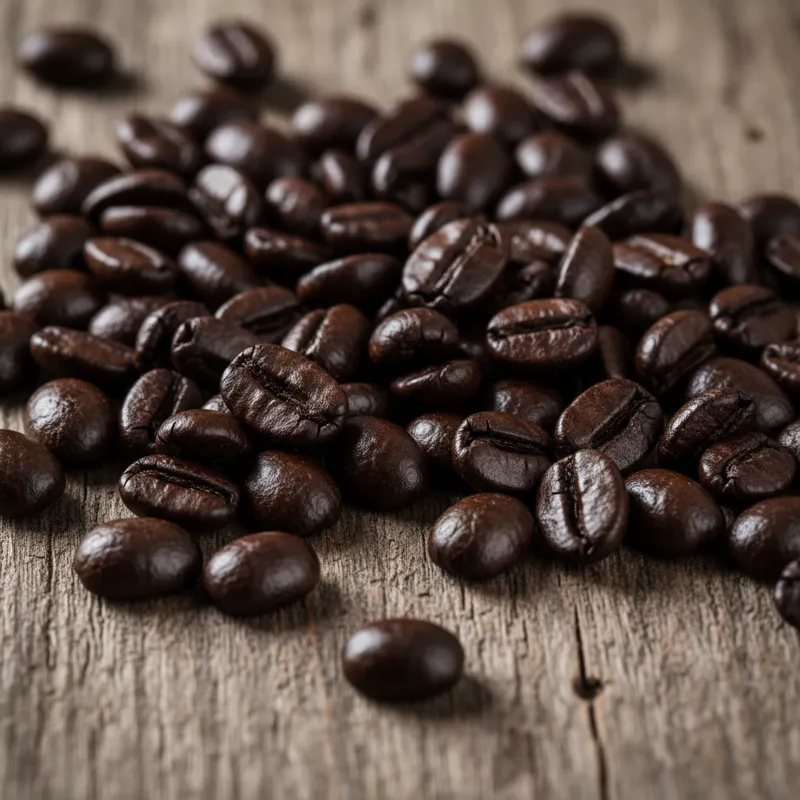
When we talk about French Roast Coffee, we’re referring to a roast level, not a type of coffee bean or a geographical origin. It sits at the darkest end of the roast spectrum, typically darker than City, Full City, or Vienna roasts, and often even darker than Italian roast in some classifications. This extreme darkness is the result of prolonged exposure to high heat during the roasting process. The beans undergo significant chemical changes. As they roast longer, internal temperatures climb, causing the sugars to caramelize and eventually pyrolyze (break down into other compounds). This process diminishes the original characteristics of the green bean, such as its floral or fruity notes, and instead develops profound roast-derived flavors. You’ll notice the oils migrating to the surface, giving French Roast beans their characteristic shiny, almost slick appearance. This oil indicates that the bean’s cell structure has become quite porous, allowing those aromatic compounds to escape and form the dark, intense aroma and flavor. This is precisely why it’s a quintessential dark roast coffee bean.
The Signature Flavor Profile: Boldness Unpacked

The allure of French Roast Coffee lies squarely in its distinctive flavor profile. It is, unequivocally, bold. This isn’t just marketing speak; it’s a direct consequence of the extensive roasting process. Expect an intense, smoky coffee flavor profile. This smokiness often comes with notes of charcoal, burnt sugar, or even dark chocolate. The natural acidity of the coffee bean is significantly reduced, sometimes almost to the point of being imperceptible, making it a low acidity dark roast. This is a key reason why many find French Roast gentler on the stomach compared to lighter, more acidic roasts. The body of French Roast is typically full and heavy, contributing to a rich mouthfeel that lingers. The aftertaste is usually long, robust, and can range from pleasantly bittersweet to strongly charred, depending on the specific roast and the quality of the original beans. It’s a flavor that demands attention, often preferred by those who describe themselves as needing to “buy bold coffee” that can stand up to milk or sugar, or simply appreciate a profound, unadulterated coffee taste.
Deciphering the Roast: How to Identify a True French Roast

Identifying a true French Roast goes beyond simply looking at the bag label. Your senses are your best tools.
- Visual Cues: The beans themselves should be uniformly very dark brown, often approaching black. Critically, they’ll have a prominent sheen of oil on their surface. This oil is not a sign of staleness, but rather a natural consequence of the extended roasting process that pushes the internal oils to the surface. Lighter dark roasts might show some oil, but a French Roast will be visibly slick.
- Aroma: Before grinding, the whole beans will emit a pungent, intense aroma. You’ll detect strong smoky notes, perhaps a hint of spice or even a slightly burnt sugar smell. It’s an aroma that promises intensity.
- Sound: When handling whole beans, they should feel relatively brittle. A very dark roast like this causes the cell walls to become delicate and fragile.
- Taste (Post-Brew): If the initial visual and aromatic checks pass, the true test is in the cup. A proper French Roast delivers the expected bold, smoky, low-acidity characteristics without tasting genuinely burnt or acrid. There’s a fine line between a well-developed dark roast and a ruined one.
Origins and Evolution of the French Roast Name
The term ‘French Roast’ is a bit of a misnomer if you’re looking for a direct geographical origin. While dark roasting traditions were certainly popular in Europe, particularly in France, Italy, and Spain, the name doesn’t imply that the beans themselves come from France, or even that all French coffee is roasted this way. Historically, this dark style of roasting gained popularity as a way to achieve a consistent and strong flavor, especially with beans that might have varied in quality. The extended roast masks some of the bean’s origin characteristics, allowing for a more uniform flavor profile across different batches. It evolved as a style, rather than a protected designation of origin. Think of it more as a descriptor of the degree of roast, much like ‘Espresso Roast’ describes a roast often suited for espresso brewing, rather than the bean type. Its deep flavor profile resonated with consumers seeking an assertive coffee experience, solidifying its place in coffee culture.
Beyond the Roast: Sourcing and Bean Characteristics
While the roasting process defines French Roast, the initial green coffee beans still play a crucial, albeit subtle, role. Not all beans are created equal for such an intense roast. Typically, roasters choose robust beans that can withstand the high heat and extended time without completely falling apart or developing overwhelmingly unpleasant carbonized flavors. Beans with naturally heavier bodies and lower acidity, often from regions like Indonesia (Sumatra, Java) or Central/South America, are frequently selected. These beans possess a structural integrity that handles the heat, contributing to the full-bodied final product. Delicate, high-acid beans with complex floral or citrus notes (like many East African coffees) would likely lose all their distinguishing characteristics and might even taste harsh when roasted to such an extreme. The quality of the green bean, even when roasted to French Roast levels, still subtly impacts the underlying sweetness, body, and the balance of the final cup.
Optimal Brewing Methods for French Roast Coffee
Given its bold and intense nature, French Roast Coffee truly shines when brewed using methods that can extract its full character without over-emphasizing bitterness.
- French Press: This is perhaps the most classic pairing for a dark blend. The immersion brewing method allows for maximum extraction of oils and solids, resulting in a rich, full-bodied cup with the characteristic heavy mouthfeel of French Roast. Use a coarse grind and pay attention to steeping time (typically 3-4 minutes) to avoid over-extraction and excessive bitterness.
- Drip Coffee Maker: A reliable automatic drip machine can produce an excellent cup. The key here is the grind size, which should be medium-fine, similar to table salt. Too fine, and you risk a bitter, over-extracted brew; too coarse, and it’ll be weak. Ensure your water temperature is consistently between 195°F and 205°F for optimal extraction.
- Espresso Machine: Many French Roasts are also designed to perform well as an espresso roast comparison, offering a strong, syrupy shot with a thick, dark crema. The intense flavors of a French Roast can stand up to the high pressure and short extraction time of espresso. Calibration is crucial: a very fine grind and precise shot timing are necessary to avoid either a weak, sour shot or an overly bitter, choked one.
- Cold Brew: Surprisingly, French Roast excels as a cold brew. The extended steeping in cold water drastically reduces the extraction of bitter compounds and acidity, resulting in an incredibly smooth, naturally sweet, and incredibly low-acid concentrate. This method tames the intensity, offering a more mellow yet still robust coffee. If you enjoy your coffee with a secure internet connection while researching new recipes, remember that tools like a 30-day guide for an ExpressVPN free trial can help keep your browsing safe.
Grind Size Matters: Tailoring for Intensity
The right grind size is non-negotiable for French Roast, especially considering its potent flavor profile. An incorrect grind can quickly turn a bold cup into an unpleasantly bitter or thin one.
- Coarse Grind: Essential for French Press and Cold Brew. The larger particles allow for slower, more even extraction over longer periods, minimizing bitterness. It should resemble coarse sea salt.
- Medium-Fine Grind: Ideal for standard drip coffee makers. This balance allows water to flow through at an optimal rate, extracting flavor efficiently. Think regular table salt.
- Very Fine Grind: Mandatory for espresso. This powdery consistency creates enough resistance for the high-pressure water, forcing out the intense oils and flavors for a concentrated shot. It should feel like flour or powdered sugar. Investing in a good burr grinder is always recommended for consistency, as blade grinders produce uneven particles that lead to unpredictable extraction.
What Most People Get Wrong About French Roast Coffee
Despite its popularity, French Roast often falls victim to a few common misconceptions. Clearing these up can significantly enhance your appreciation and brewing experience.
- “It’s Burnt Coffee”: This is the most prevalent misconception. While a French Roast is roasted to an extreme degree, a well-executed French Roast should taste intensely smoky, robust, and deep, with caramelized notes, not simply carbonized or acrid. A truly burnt roast is a fault, indicative of poor roasting technique or over-roasting past its optimal point. The goal is development, not destruction.
- “It’s More Bitter”: While French Roast certainly has a prominent bitterness, often derived from a balance of chemical compounds like quinic acid lactones, it’s not inherently more bitter than a poorly brewed lighter roast. In fact, its low acidity can make it taste less harsh to some palates. Brewing correctly (right grind, water temperature, contact time) is paramount to managing its bitterness.
- “It Has More Caffeine”: This is a widespread myth. Lighter roasted coffees actually tend to have slightly more caffeine by weight. The longer roasting process can degrade some of the caffeine content. However, because French Roast is often brewed stronger or used for espresso, the perceived jolt might be greater.
- “All French Roasts Taste the Same”: While the intense roast profile certainly masks many of the unique origin characteristics, a high-quality French Roast from a reputable roaster will still possess nuance. There can be variations in the type of smokiness, the presence of dark chocolate notes, or the lingering finish, depending on the base beans and the roaster’s skill.
Buying the Best French Roast Coffee
Selecting a quality French Roast involves a few key considerations to ensure you’re getting the best possible experience. When you want to buy bold coffee, these tips are crucial.
- Check the Roast Date: This is the single most important factor for any coffee, but especially for dark roasts. Darker roasts lose their freshness more quickly because the oils are already on the surface, exposed to oxygen. Look for a roast date within 2-3 weeks, ideally even less, for optimal flavor. Avoid bags with only a “best by” date; a true roast date is essential.
- Whole Bean is King: Always opt for whole dark roast coffee beans. Grinding just before brewing preserves the volatile aromatic compounds that give French Roast its signature intensity. Pre-ground coffee, particularly dark roast, stales very rapidly.
- Reputable Roasters: Stick with roasters known for their quality and consistency. A good roaster understands the delicate balance required to achieve a true French Roast without burning the beans. They will also typically use higher quality green beans as their base. Don’t be afraid to read reviews or ask for recommendations.
- Packaging: Look for opaque, airtight bags with a one-way valve. This valve allows CO2 (a natural byproduct of roasting) to escape without letting oxygen in, which contributes to staleness.
Pairing French Roast Coffee: Complementing the Intensity
French Roast Coffee’s robust nature makes it an excellent companion to certain foods and additions, enhancing the overall experience. Imagine enjoying your morning brew with a delicious breakfast spread; perhaps you’ve recently upgraded your dining area with one of the 10 ultimate western kitchen table finds or even invested in some best 10 solid wood kitchen table and chairs for a truly rustic feel.
- Rich Desserts: Its bitterness and intensity stand up beautifully to rich, sweet desserts. Think dark chocolate cake, tiramisu, crème brûlée, or even a classic chocolate croissant. The coffee cuts through the sweetness and fat, creating a harmonious balance.
- Savory Breakfast Items: French Roast pairs wonderfully with hearty breakfast fare like bacon, sausage, or even a savory breakfast burrito. The smoky notes in the coffee complement the meat, while its strong body prepares your palate for the next bite.
- Cream and Sugar: For many, French Roast is the ideal candidate for cream and sugar. Its assertive flavor is strong enough not to be completely overwhelmed, creating a wonderfully decadent and smooth beverage that still retains its coffee character. The dairy can mellow some of the roast’s sharper edges, while sugar enhances the caramelized notes.
- Spiced Dishes: Consider pairing it with dishes that incorporate warm spices like cinnamon, cardamom, or nutmeg. The coffee’s depth can echo and amplify these flavors.
Frequently Asked Questions (FAQ)
Here are some common questions people have about French Roast Coffee:
Is French Roast the darkest roast?
Yes, French Roast is generally considered the darkest common roast level available. While some roasters might have even darker “Italian Espresso” or “Spanish” roasts, French Roast typically represents the pinnacle of dark roasting in most commercial contexts, often showing visible surface oils and a near-black appearance.
Is French Roast bitter?
French Roast has an inherent bitterness due to the extensive caramelization and pyrolysis of sugars. However, a well-roasted and properly brewed French Roast offers a pleasant, balanced bitterness often complemented by smoky or dark chocolate notes. Excessive, acrid bitterness usually indicates over-extraction or a poorly roasted bean.
Does French Roast have more caffeine?
No, this is a common myth. Lighter roasted coffees actually tend to have slightly more caffeine by weight. The longer roasting process degrades some of the caffeine content. However, because French Roast is often brewed stronger or prepared as espresso, the perceived stimulant effect can be greater.
What’s the difference between French Roast and Espresso Roast?
The terms ‘French Roast’ and ‘Espresso Roast’ refer to different aspects. French Roast describes a specific, very dark roast level. ‘Espresso Roast’ describes a roast that is suitable for espresso brewing, which can range from medium-dark to very dark. Some French Roasts are excellent for espresso, making them both a French Roast and an espresso roast comparison, but not all espresso roasts are French Roasts. Many espresso blends are medium-dark to dark, designed to highlight specific flavors for espresso, without necessarily reaching the extreme darkness of a French Roast.
Is French Roast good for cold brew?
Absolutely! French Roast is an excellent choice for cold brew. The cold water immersion method significantly reduces the extraction of bitter compounds and acidity, resulting in an incredibly smooth, naturally sweet, and remarkably low-acid cold brew concentrate. It’s a fantastic way to enjoy the bold flavors of French Roast without the sharper edges that hot brewing can sometimes emphasize.
Unleashing the Bold: The Enduring Appeal of French Roast Coffee
French Roast Coffee stands as a testament to the transformative power of heat on the humble coffee bean. It’s a roast that doesn’t apologize for its intensity, delivering a deep, smoky, and full-bodied experience that appeals to those who crave a truly robust cup. By understanding the intricacies of its flavor profile, how to identify a quality roast, and the best ways to brew it, you can unlock the full potential of this iconic coffee. From its distinctive low acidity dark roast characteristics to its versatile performance in various brewing methods, French Roast continues to hold a revered place in the world of coffee. So, the next time you’re looking for a coffee that truly makes a statement, consider giving a well-crafted French Roast your full attention – you might just discover your new favorite bold coffee experience.
For more detailed information on coffee roasting processes, you can explore resources like Wikipedia’s article on coffee roasting, which delves into the science and stages of this complex process. Additionally, understanding the global coffee market and its dynamics provides further context; reports from organizations like the International Coffee Organization offer valuable insights into bean sourcing and industry trends.