
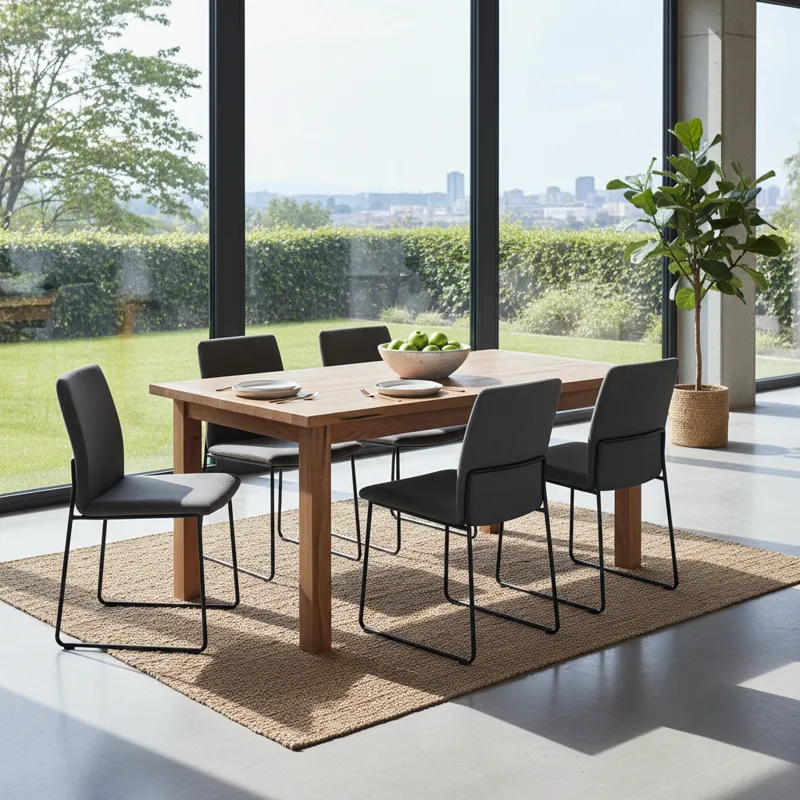
Navigating the vast world of home furnishings can feel overwhelming, especially when you’re trying to create a cohesive and functional space. If you’re looking for new dining table sets, understanding the nuances of furniture table chair combinations is crucial for making informed choices. It’s not just about picking individual pieces; it’s about crafting an environment where form and function merge seamlessly. From the kitchen nook to the formal dining room, the right furniture table chair configuration can define a room’s character and improve daily living.
Understanding the Core Components: Table and Chair
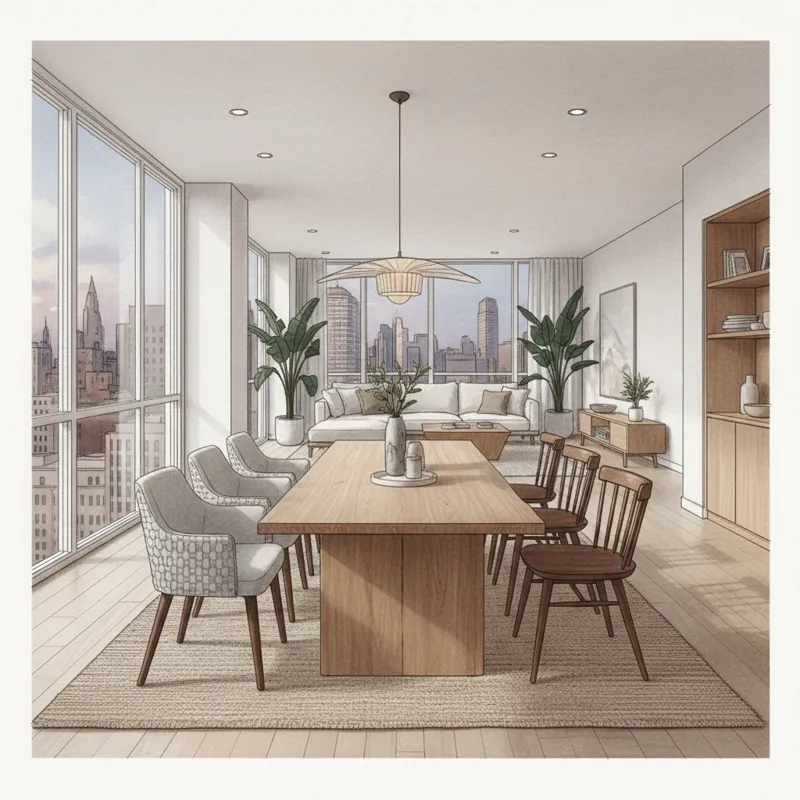
When we talk about furniture table chair, we’re really discussing a fundamental pairing that forms the backbone of countless domestic and commercial spaces. The table serves as a central hub for activities, while the chairs provide comfort and support, inviting people to gather and stay. The relationship between these two components dictates both the aesthetic and the practical utility of any given area.
The Table: More Than Just a Flat Surface
A table’s design goes far beyond its top. Its shape, size, height, and base all contribute to its overall functionality and visual impact. Choosing the right table involves considering how it will be used, how many people it needs to accommodate, and how it fits within the room’s spatial dynamics.
- Shape: Round tables encourage conversation and intimacy, as everyone is equidistant. Square tables offer a sense of order and are great for smaller, more symmetrical spaces. Rectangular tables are the most common, providing ample surface area and accommodating more guests, often with extension leaves. Oval tables combine the conversational ease of round tables with the capacity of rectangular ones.
- Size and Scale: This is perhaps the most critical factor. A table too large can overwhelm a room, making it feel cramped, while one too small can look lost and fail to meet practical needs. Standard dining tables typically range from 29 to 30 inches in height. Consider the room’s dimensions and the clearance needed around the table for chairs to be pulled out comfortably.
- Base Design: Pedestal bases offer maximum legroom and allow for flexible seating arrangements. Four-leg designs are classic and stable but can restrict seating at the corners. Trestle bases provide a rustic or traditional look and solid support, often without corner legs getting in the way.
The Chair: Comfort, Support, and Style
Chairs aren’t just for sitting; they’re critical elements of comfort and design. A chair’s material, ergonomics, and how it interacts with the table are all factors that influence the overall experience of a space.
- Ergonomics and Comfort: The seat height, depth, back support, and armrests (or lack thereof) all contribute to how comfortable a chair is. A standard dining chair seat height is typically between 17 and 19 inches, allowing for a comfortable distance from a standard table.
- Material and Construction: Wood offers warmth and durability. Metal provides a sleek, industrial, or contemporary edge. Upholstered chairs add comfort and a touch of luxury but require more maintenance. Plastic and acrylic chairs are lightweight, modern, and easy to clean.
- Armchairs vs. Side Chairs: Armchairs provide greater comfort and a more formal feel, often used at the head of a dining table. Side chairs are armless, allowing for more compact seating and easier movement around the table. Many people opt for a mix to add visual interest and varied comfort levels.
Choosing the Right Furniture Table Chair Combination for Your Space
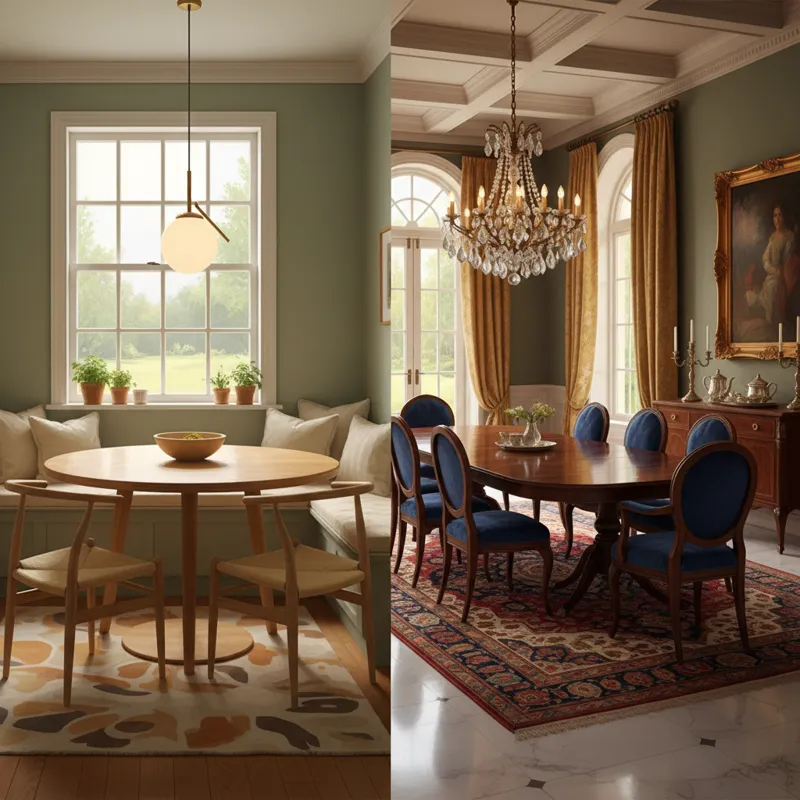
Selecting the perfect furniture table chair combination isn’t a one-size-fits-all endeavor. It depends heavily on the specific room, its primary function, and your personal style.
For the Dining Room: Crafting the Centerpiece
The dining room often serves as a focal point for entertaining and family gatherings. Here, the furniture table chair set needs to be both inviting and durable.
- Formal Dining: For a formal dining space, consider a robust, often larger, rectangular or oval table in wood or a sophisticated material like marble. Pair it with upholstered chairs for comfort during long meals, perhaps with armchairs at the ends to denote hierarchy or provide extra comfort. Rich fabrics and intricate detailing can elevate the aesthetic.
- Casual Dining: If your dining room is used for daily meals, prioritize practicality and comfort. A sturdy wood dining table and chair set, possibly with a trestle base for legroom, can be excellent. Consider cream dining room table and chairs for a light, airy feel, or a more robust, easy-to-clean material like a laminate top.
- Extensibility: For those who entertain occasionally but don’t need a large table daily, an extendable dining table is a smart investment. It allows you to expand your seating capacity from a 3 piece dining set to accommodate more guests when needed.
For the Kitchen: Function Meets Everyday Life
Kitchen tables and chairs often endure heavy daily use, from quick breakfasts to homework sessions. Durability, ease of cleaning, and space-saving designs are paramount.
- Eat-in Kitchen Table Sets: For a dedicated eat-in kitchen area, a smaller, often round or square table works best. White 5 piece dining set options are popular for their clean aesthetic and ability to brighten a space. Look for sturdy materials like solid wood, metal, or easy-to-clean laminates.
- Kitchen Island Seating: If you have a kitchen island, stools are the natural choice. Consider counter-height (around 24-26 inches) or bar-height (29-31 inches) stools, depending on your island’s height. Swivel stools, backless stools that can tuck away, or those with padded seats offer varied comfort and functionality.
- Banquette Seating: A built-in bench or banquette can save space and add a cozy, custom feel to your kitchen dining area, allowing you to maximize seating along a wall. Pair it with a rectangular or oval table and two or three chairs on the opposite side.
For Other Spaces: Beyond the Traditional Dining Area
The furniture table chair concept extends to other areas of the home, each with unique requirements.
- Home Office: While an office chair is specific, a small console table paired with a comfortable accent chair can create a secondary workspace or a stylish reading nook.
- Outdoor Patios and Decks: Outdoor dining sets need to withstand the elements. Look for materials like treated wood, aluminum, wrought iron, or synthetic wicker. Weather-resistant cushions are a must. For a relaxed vibe, consider an indoor lounge table and chairs that are rated for outdoor use, blurring the lines between indoor and outdoor living.
- Living Room (Sofa Dining Set): In open-concept living, a “couch dining set” or “dining room table with sofa seating” can be an innovative solution. This involves a low-profile dining table or coffee table paired with a sofa and perhaps a couple of dining chairs, creating a hybrid space for casual meals and lounging.
Materials and Styles: Finding Your Aesthetic
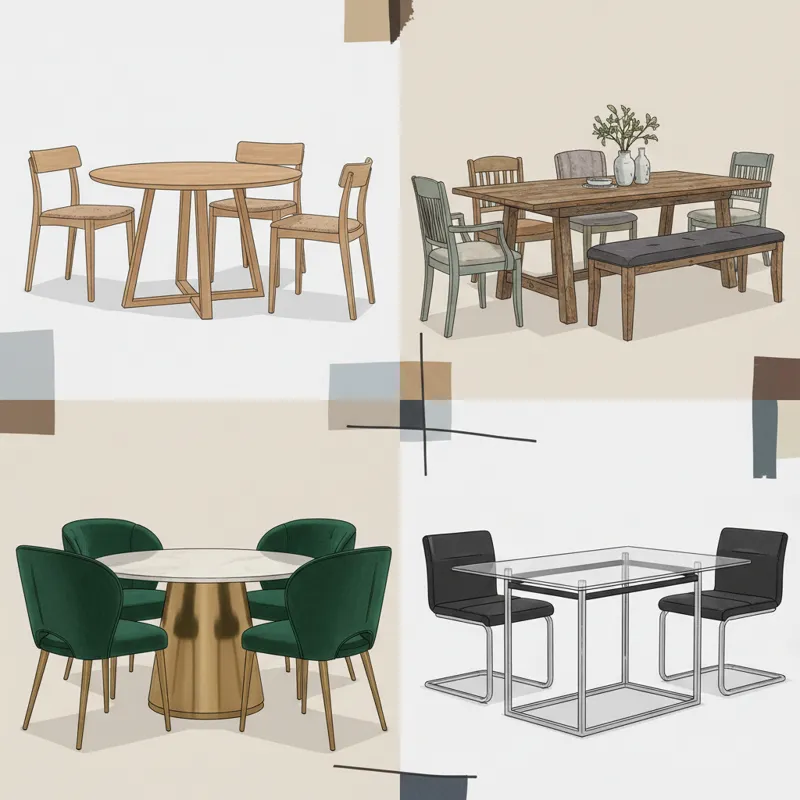
The materials and style you choose for your furniture table chair combination profoundly impact the overall feel of your home. It’s about matching your personal taste with the practical demands of the pieces.
Popular Materials and Their Characteristics:
- Wood: Timeless and versatile.
- Solid Wood: Durable, can be refinished, comes in various types (oak, maple, cherry, walnut). Offers natural beauty and warmth.
- Engineered Wood (MDF, Plywood, Particleboard): More affordable, stable, and less prone to warping. Often veneered to mimic solid wood.
- Reclaimed Wood: Eco-friendly, unique character with visible imperfections, often used in rustic or industrial designs.
- Metal: Strong, durable, and offers a contemporary or industrial look.
- Steel/Iron: Heavy, sturdy, often powder-coated for protection and color.
- Aluminum: Lightweight, rust-resistant, excellent for outdoor furniture.
- Glass: Creates an illusion of space, modern, easy to clean but can show fingerprints and scratches.
- Stone/Marble/Concrete: Luxurious, very durable, heavy, and often expensive. Adds a sophisticated, high-end feel.
- Upholstery/Fabric: Adds comfort, texture, and color. Options range from durable synthetics to luxurious velvets or linens. Consider stain-resistant treatments for dining chairs.
- Plastic/Acrylic: Lightweight, modern, easy to clean, often stackable, and budget-friendly.
Navigating Styles:
- Modern/Contemporary: Clean lines, minimalist forms, often features glass, metal, and light-colored woods. Emphasis on functionality and uncluttered aesthetics.
- Mid-Century Modern: Organic shapes, tapered legs, a blend of wood and upholstery. Think iconic designs from the 1950s and 60s.
- Farmhouse/Rustic: Distressed wood, natural textures, often oversized and sturdy. Evokes warmth and country charm. A Forbes article on farmhouse style highlights its enduring popularity.
- Industrial: Raw materials like metal, reclaimed wood, exposed hardware. A utilitarian, edgy aesthetic.
- Traditional: Ornate details, rich woods, classic shapes, often upholstered chairs with turned legs or carved elements. Evokes historical elegance.
- Scandinavian: Light woods, simple forms, neutral colors, emphasis on natural light and hygge (coziness).
- Transitional: A blend of traditional and contemporary elements, offering a balanced and timeless look that isn’t too formal or too stark.
Things People Usually Miss When Buying Furniture Table Chair Sets
Buying furniture table chair combinations seems straightforward, but there are several common pitfalls that even experienced shoppers overlook. These oversights can lead to uncomfortable spaces, wasted money, or mismatched aesthetics.
1. Overlooking Scale and Proportion
Many people fall in love with a dining set in a showroom and don’t properly measure their own space. A large rectangular table with eight chairs might look perfect in a vast showroom, but it could completely dominate a modest dining room, leaving no room to move or pull out chairs. Always measure your room and map out the furniture’s footprint with painter’s tape on the floor. Remember to account for at least 36-42 inches of clearance around the table for comfortable chair movement.
2. Neglecting Chair-to-Table Height Relationship
The gap between the top of the chair seat and the underside of the table apron (the decorative or structural piece directly below the tabletop) is crucial. You need about 10-12 inches of space for comfortable leg clearance. Buying chairs that are too tall or a table that’s too low will result in an uncomfortable dining experience where knees bump or shoulders are hunched. This is particularly important for ergonomics, ensuring long-term comfort.
3. Forgetting About Chair Weight and Mobility
Heavy chairs can be a pain to move daily, especially for children or older adults. If you have soft flooring like carpet, very heavy chairs can also be difficult to slide. Consider the chair’s weight and whether it has glides or wheels if mobility is a concern. Conversely, chairs that are too light can feel flimsy or tip easily.
4. Not Testing Comfort (Especially Upholstered Options)
While aesthetics are important, comfort is paramount, especially for dining chairs where you might spend extended periods. Don’t just look at a chair; sit in it. Pay attention to seat depth, back support, and the firmness of the cushion. If you’re considering “kitchen table and padded chairs,” ensure the padding is dense enough to hold up over time and comfortable for everyone.
5. Underestimating Maintenance Requirements
Some materials are more demanding than others. A glass top looks sleek but requires frequent wiping to stay pristine. Upholstered chairs, particularly those with light-colored or delicate fabrics, may require professional cleaning or diligent spot treatment. A solid wood dining table needs protection from spills and heat. Be realistic about the upkeep you’re willing to commit to before investing.
6. Forcing a Matchy-Matchy Approach
While buying a complete “new dining set” is convenient, it can sometimes lead to a sterile, uninspired look. Mixing and matching chairs, or even incorporating a bench on one side, can add character and visual interest to your dining space. Don’t be afraid to combine a classic wood dining table and chair set with modern upholstered chairs or use “dining table and coloured chairs” to inject personality.
Maintenance and Longevity of Your Furniture Table Chair Investment
Investing in quality furniture table chair pieces means you want them to last. Proper maintenance isn’t just about cleaning; it’s about understanding the materials and taking steps to preserve their integrity and appearance over time.
General Care Tips:
- Regular Cleaning: Dust surfaces weekly with a soft, dry cloth. For tables, wipe spills immediately to prevent staining. Use appropriate cleaners for each material (e.g., glass cleaner for glass, wood cleaner for wood).
- Protect from Elements: Keep wood furniture out of direct sunlight to prevent fading and warping. Maintain stable humidity levels to avoid cracking or swelling. For outdoor sets, use covers during harsh weather or store them indoors during off-seasons.
- Use Protectors: Always use coasters, placemats, and hot pads on dining tables to protect against scratches, heat, and moisture rings. Chair pads can also protect delicate chair seats.
- Check Fasteners: Periodically tighten screws and bolts on chairs and tables, especially after initial assembly and a few months of use. Loose fasteners can cause wobble and instability, leading to premature wear or damage.
Material-Specific Care:
- Wood Furniture: Avoid silicone-based polishes, as they can build up over time. Use a quality wood cleaner and polish as needed. For scratches, touch-up pens or furniture wax can help.
- Upholstered Chairs: Vacuum regularly to remove dust and crumbs. Treat spills immediately with a clean cloth and appropriate fabric cleaner, testing in an inconspicuous area first. Consider professional cleaning annually for heavily used pieces.
- Metal Furniture: Wipe with a damp cloth and mild soap. For outdoor metal, inspect for rust and touch up paint as needed to prevent further corrosion.
- Glass Tops: Use a non-ammonia glass cleaner and a microfiber cloth to avoid streaks. Be mindful of heavy impacts that could chip or break the glass.
By integrating these simple care practices into your routine, your furniture table chair combinations can remain beautiful and functional for many years, truly serving as enduring assets in your home.
The Future of Furniture Table Chair: Trends to Watch in 2026
As we look towards the middle of the decade, the furniture table chair landscape is evolving with new priorities and technologies.
- Sustainability and Ethical Sourcing: Consumers are increasingly demanding furniture made from recycled, reclaimed, or sustainably harvested materials. Expect to see more certifications for wood, upcycled plastics, and innovative bio-materials.
- Smart Furniture Integration: While still niche, “smart” dining tables with integrated charging pads, adjustable heights, or even hidden interactive surfaces could become more common. This blurs the line between a traditional furniture piece and a tech hub.
- Modular and Multi-functional Designs: With smaller living spaces, furniture that can adapt to multiple uses is key. Tables that extend or retract with minimal effort, chairs that stack elegantly, or benches with hidden storage will continue to gain popularity.
- Biophilic Design: Bringing the outdoors in remains a strong trend. Expect furniture table chair designs that incorporate natural shapes, textures, and plant elements, fostering a sense of calm and connection to nature.
- Personalization and Customization: Advances in manufacturing allow for greater personalization. Online configurators and virtual reality tools enable buyers to customize materials, colors, and dimensions more easily, ensuring their “colorful dining room table and chairs” or unique “new dining room sets” truly reflect their individual style.
Frequently Asked Questions About Furniture Table Chair
When selecting furniture, especially significant pieces like dining sets, questions naturally arise. Here are some common queries people have:
Q: How do I know what size dining table will fit my space?
A: Measure your room carefully. A good rule of thumb is to allow at least 36-42 inches of clearance between the edge of your table and the nearest wall or furniture piece. This ensures enough space to pull chairs out and move around comfortably. For rectangular tables, consider the room’s length and width; for round tables, focus on the diameter within a square area.
Q: Can I mix and match dining chairs with a table that came with a set?
A: Absolutely! Mixing and matching chairs is a popular design trend that adds personality and visual interest. Ensure the chairs are compatible in height with your table and that the styles complement each other rather than clash. You can mix colors, materials, or even different styles of chairs around a single table.
Q: What’s the ideal height difference between a dining chair and a table?
A: Aim for about 10-12 inches of space between the top of the chair seat and the underside of the table. Standard dining table height is usually 29-30 inches, and standard dining chair seat height is 17-19 inches. This provides adequate legroom and comfortable arm placement.
Q: Are upholstered dining chairs practical for families with kids?
A: They can be, but choose wisely. Look for durable, stain-resistant fabrics (like performance velvets or treated synthetics) and darker colors or patterns that can camouflage minor spills. Removable, washable slipcovers are also an excellent option. Leather or faux leather can also be a good choice due to its easy-to-wipe surface.
Q: How many chairs should I get for my dining table?
A: This depends on the table’s size and shape.
- 48-inch round/square: Seats 4
- 60-inch round/square: Seats 4-6
- 72-inch rectangular: Seats 6-8
- 84-inch rectangular: Seats 8-10
Always check the specific table’s dimensions, as base design can impact seating capacity. Don’t overcrowd the table; leave enough elbow room per person (typically 24 inches). For extra seating when needed, consider folding chairs or a stylish bench.
Q: Where can I shop dining room furniture near me?
A: You have several options! Large furniture retailers often have extensive showrooms, allowing you to see and feel the pieces. Local furniture boutiques might offer more unique or custom options. Online furniture stores provide a broader selection, often with competitive pricing and delivery services. Don’t forget to check out “dining furniture showroom” in your area for specialty stores.


