Navigating the world of outdoor connections can sometimes feel like deciphering a secret code, especially when you’re just trying to water your plants or power wash the patio. At the heart of many outdoor fluid transfer tasks in the United States lies a seemingly simple yet critically important component: the garden hose thread. Understanding garden hose thread size isn’t just about avoiding leaks; it’s about ensuring compatibility, preventing damage to expensive equipment, and maximizing the efficiency of your watering and cleaning efforts. As we move through 2026, the reliance on a standardized system remains paramount, making a clear grasp of these thread types more valuable than ever for homeowners and professionals alike.
What Exactly Is Garden Hose Thread (GHT)?
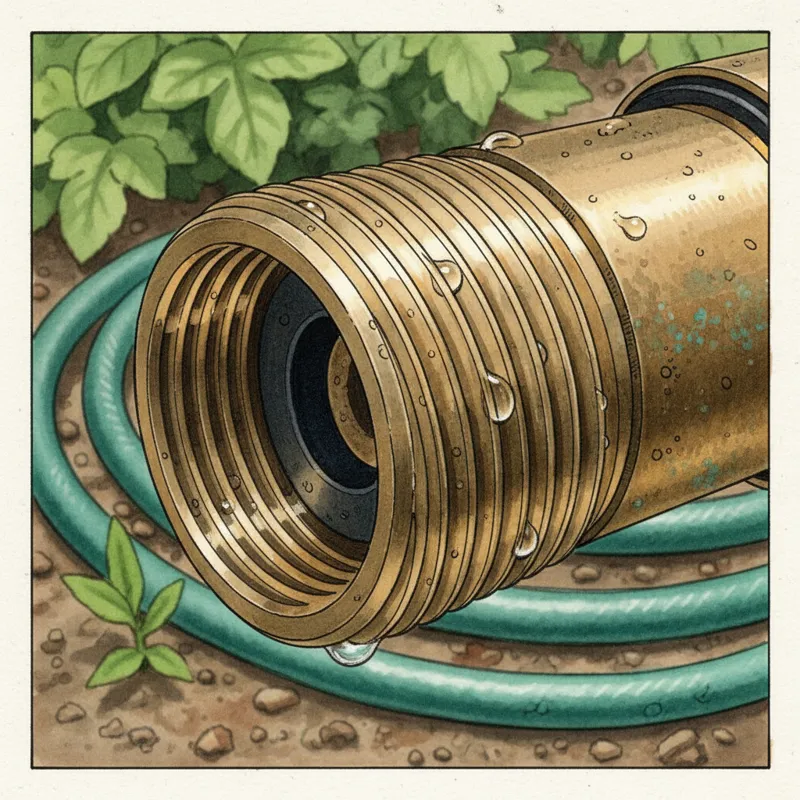
Garden Hose Thread, universally abbreviated as GHT, represents the standard threading for most garden hoses, outdoor faucets (spigots), nozzles, sprinklers, and other watering accessories in the United States. It’s a specific, non-tapered thread type designed for hand-tightening, relying on a rubber washer (gasket) to create a watertight seal, rather than the threads themselves. The standardization of GHT emerged to simplify the connection of various watering tools. Before such a standard, connecting a hose to a faucet or a nozzle to a hose was often a frustrating exercise in trial and error, leading to leaks and incompatibility issues. This common standard drastically reduces the complexity of setting up outdoor watering systems. It ensures that a garden hose purchased from one manufacturer will almost certainly fit a nozzle from another, as long as both adhere to the GHT specification.
Why Does Garden Hose Thread Size Matter So Much?
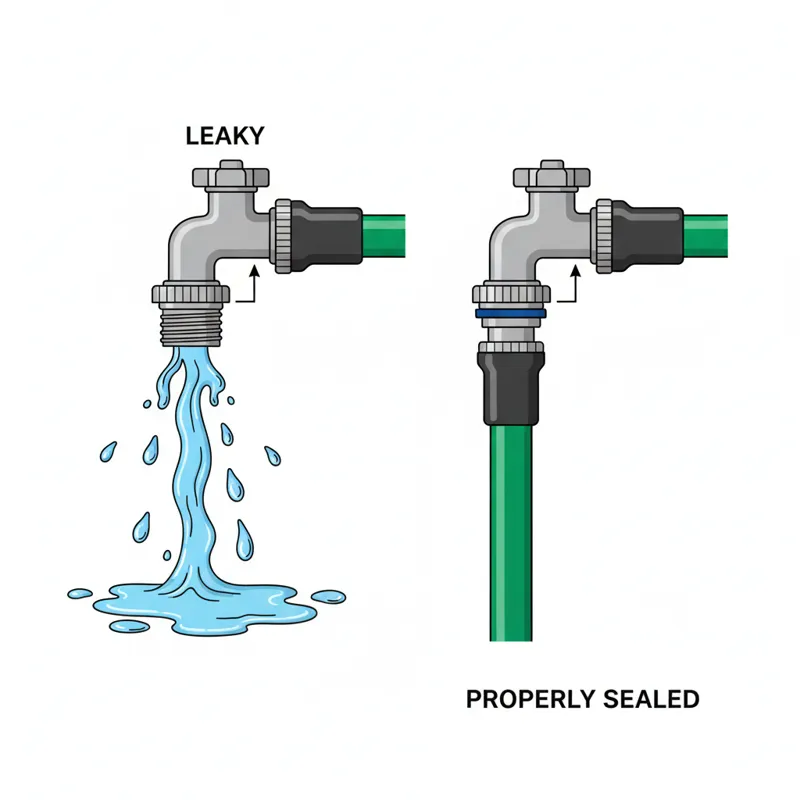
The importance of understanding garden hose thread size extends far beyond mere convenience. Incorrect threading is a primary cause of frustrating leaks, wasted water, and even permanent damage to your equipment. Imagine trying to connect a hose to a sprinkler, only for water to spray everywhere but the lawn. This scenario is almost always a direct result of incompatible or damaged threads. Proper thread compatibility ensures a secure, watertight seal, which is essential for efficient water delivery. Without it, you’ll experience reduced water pressure at the nozzle, increased water bills due to leakage, and premature wear on your hoses and fittings. For tasks like pressure washing or filling a large 10 gallon bucket for gardening projects, consistent water flow and pressure are critical. Mismatched threads can strip delicate brass or plastic fittings, rendering them useless and requiring costly replacements. It’s a foundational aspect of any effective outdoor watering setup.
The Dominant Standard: 3/4″ GHT
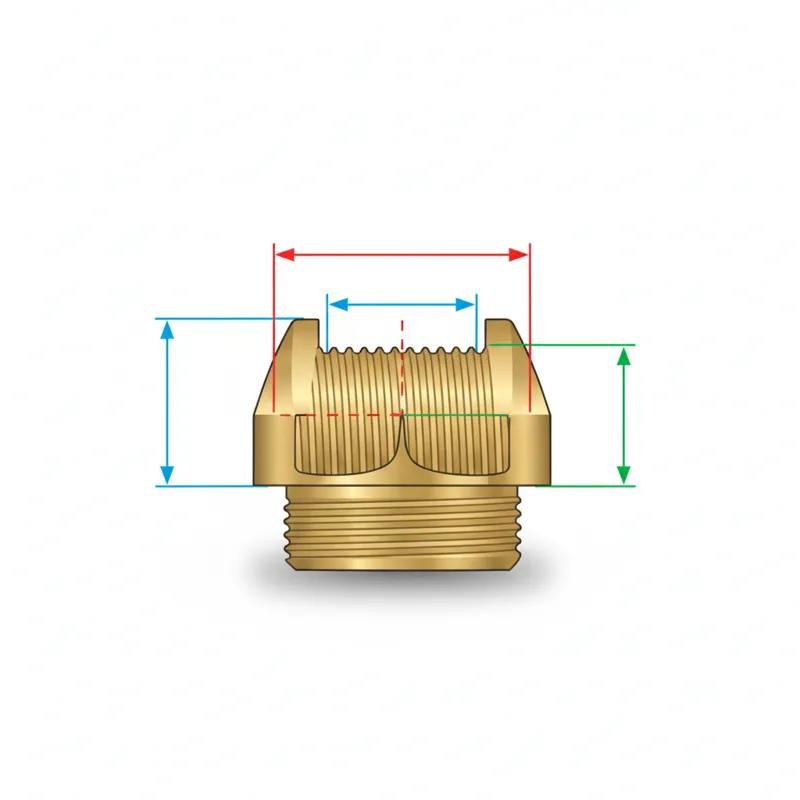
In the United States, when we talk about garden hose thread size, we are almost exclusively referring to the 3/4-inch GHT standard. This designation is crucial. The “3/4 inch” refers to the nominal size, which is a common way to classify pipe and fitting sizes, rather than an exact measurement of the thread’s diameter. In practice, the actual outside diameter of a male 3/4″ GHT fitting measures approximately 1.0625 inches (or 1 & 1/16 inches), and the internal diameter of a female 3/4″ GHT fitting is also about 1.0625 inches. The other critical dimension for GHT is its thread count: 11.5 threads per inch (TPI). This combination—nominal 3/4-inch size with 11.5 TPI—is what defines the GHT standard. This specific pitch and diameter ensure that almost every garden hose, outdoor spigot, and watering accessory you buy in the US will interconnect seamlessly. This widespread adoption of the 3/4″ GHT standard is a testament to its effectiveness and user-friendliness, making it incredibly rare to encounter different garden hose thread sizes for residential use within the country. This standard is so ubiquitous that it’s often simply assumed when you purchase a hose or a nozzle. For further reading on thread standards, you can refer to resources like Wikipedia’s entry on pipe threads, which often covers GHT in context.
Beyond GHT: Understanding Other Thread Types You Might Encounter
While GHT dominates outdoor watering, you’ll inevitably come across other thread types in plumbing and utility applications. Understanding these distinctions is key to preventing compatibility frustrations.
National Pipe Thread (NPT)
National Pipe Thread (NPT) is the other major thread standard you’ll encounter in the US, primarily in permanent plumbing installations. Unlike GHT, NPT threads are tapered. This means the threads gradually narrow, and the seal forms by the threads wedging together, often with the aid of thread seal tape (Teflon tape) or pipe dope. NPT fittings are designed for rigid connections and are not intended for frequent disconnection and reconnection like garden hoses. Crucially, NPT and GHT are not directly compatible, even if they share a “nominal” size like 3/4 inch. A 3/4″ NPT fitting will not thread properly onto a 3/4″ GHT fitting. Trying to force them together will strip threads, cause leaks, and damage both components. NPT is common for connecting rigid pipes, water heaters, and many industrial applications. Always distinguish between GHT (straight, washer-sealed) and NPT (tapered, thread-sealed) to avoid costly errors.
Hose Barb Fittings (No Threads)
Beyond threaded connections, you might also encounter hose barb fittings. These have no threads at all. Instead, they feature a series of ridges (barbs) that a flexible hose slides over. A hose clamp then secures the hose to the barb, creating a seal. These are common in drip irrigation systems, some pond pumps, or whenever a flexible hose needs a secure, clamp-based connection rather than a threaded one. While not a thread type, knowing about them helps differentiate connection methods.
Less Common or Specialized Threads
While rare for standard residential garden use, some specialized equipment or commercial systems might use other thread types. For instance, air compressors often use specific industrial quick-connect fittings, and certain utility or fire suppression systems might have unique thread profiles. However, for everyday garden and home use in the US, GHT is the prevailing standard, making these other types largely irrelevant unless you’re dealing with highly specialized equipment.
Identifying Your Garden Hose Thread Size: Practical Steps
Most of the time, identifying your garden hose thread size is straightforward because GHT is so standardized. However, for those moments of doubt, especially when dealing with older components or non-standard items, a few practical steps can help you confirm the fitting type.
The Visual Check
The easiest way to identify GHT is by its appearance. GHT fittings typically have straight, relatively coarse threads. Male GHT fittings often have a flat surface at the base of the threads where the rubber washer in the female coupling sits. Female GHT fittings always have a visible recess designed to hold that rubber washer. If you see a fitting that looks like every garden hose or spigot you’ve ever encountered, it’s almost certainly GHT. Look for markings like “GHT” directly on the fitting, though not all manufacturers include this.
The “Try-On” Method
If you have a known GHT hose or accessory, simply attempt to thread it onto the fitting in question. If it starts to thread smoothly and easily by hand, without resistance or cross-threading, you’ve likely found a match. If it feels stiff, resists turning, or immediately starts to cross-thread, stop immediately. Forcing mismatched threads together is the quickest way to permanently damage them.
Measurement (The Reliable Way)
For absolute certainty, especially when distinguishing between GHT and NPT fittings of similar nominal sizes, precise measurement is the most reliable method.1. Tools: You’ll need a set of digital or dial calipers. A ruler or tape measure isn’t precise enough for accurate thread identification.2. Outer Diameter for Male Threads: Measure the outside diameter of the threads at their widest point. For a 3/4″ GHT male fitting, this measurement should be approximately 1 & 1/16 inches (or 1.0625 inches).3. Inner Diameter for Female Threads: For a 3/4″ GHT female fitting, measure the internal diameter across the threads. This will also be around 1 & 1/16 inches.4. Threads Per Inch (TPI): While harder to measure precisely without a thread gauge, visually counting threads over a 1-inch span can help. You should see 11.5 threads within that inch for GHT. This specific TPI is a key differentiator from NPT, which has 14 TPI for its 3/4-inch size. By using these methods, you can confidently identify your garden hose thread size, ensuring you purchase the correct accessories and avoid compatibility issues.
The Essential Role of Adapters: Solving Compatibility Headaches
Despite the widespread standardization of GHT, situations will arise where you need to connect different thread types or bridge connections for specific purposes. This is where adapters become indispensable. Adapters are problem-solvers, enabling you to integrate various components into your watering system without compromising integrity or causing leaks. The most common adapter scenario involves converting GHT to NPT, or vice-versa. For instance, if you want to connect a standard garden hose to a utility sink faucet that uses NPT threads, you’ll need an adapter. These adapters are clearly labeled, such as “3/4″ GHT Male to 1/2″ NPT Male” or “3/4″ GHT Female to 3/4″ NPT Female.” Always ensure you buy the correct adapter to match the male/female configuration and the specific NPT size you’re converting to. Beyond GHT to NPT conversions, other types of adapters enhance functionality:
- Quick-Connect Adapters: These allow you to quickly attach and detach hoses and accessories without twisting. While they typically utilize GHT on one end, they provide a much faster connection method, often seen on pressure washers or dedicated watering wands.
- Splitters and Y-Connectors: These allow you to run multiple hoses from a single spigot. They almost universally feature GHT connections on all ports.
- Reducers/Enlargers (Less Common for GHT Itself): While less common for GHT as a primary conversion (since GHT is largely one size), you might find adapters that change the flow size or connect to specialized irrigation components.
- Swivel Adapters: These are useful for preventing hoses from kinking, allowing the hose to rotate without twisting the connection. When selecting adapters, consider the material. Brass adapters are durable, corrosion-resistant, and ideal for long-term outdoor use. Plastic adapters are lighter and often more economical but can be less robust, especially in cold weather or under high pressure. Always choose an adapter that can withstand the water pressure of your system and the environmental conditions it will face.
What Most People Get Wrong About Garden Hose Thread Size
Even with a seemingly simple standard like GHT, common misconceptions and errors persist. Understanding these pitfalls can save you considerable frustration, time, and money.
Misconception 1: Assuming All 3/4″ Fittings Are Interchangeable
This is perhaps the biggest and most costly mistake. While 3/4″ GHT is standard for garden hoses, a 3/4″ NPT fitting is not the same. Many people see “3/4 inch” and assume universal compatibility. As discussed, NPT threads are tapered and rely on thread engagement for a seal, while GHT threads are straight and rely on a washer. Trying to force a 3/4″ NPT fitting onto a 3/4″ GHT connection will almost certainly strip the threads on both components, creating a permanent leak and requiring replacement parts. Always double-check if a non-hose fitting specifies NPT before attempting to connect it.
Misconception 2: Over-tightening as a Solution for Leaks
When a connection leaks, the natural inclination is to tighten it more. With GHT, this is usually counterproductive and damaging. Since GHT seals with a rubber washer, excessive tightening compresses the washer past its optimal point, potentially deforming it or causing it to extrude, which can worsen the leak. More critically, over-tightening can strip the threads, especially on plastic fittings, or even crack brass fittings. The solution to a leak is almost always inspecting or replacing the washer, not applying more torque.
Misconception 3: Ignoring Washer Integrity
The rubber washer is the unsung hero of the GHT connection. Many people overlook its condition. A cracked, flattened, missing, or hardened washer will inevitably lead to leaks, regardless of how perfectly matched the threads are. Always check the washer inside female GHT connections. Replacing a worn-out washer is a quick, inexpensive fix that prevents most leaks. This applies to your regular hose, spray nozzle, and even when you’re filling something like a fire pit ring for a test run and need a dependable water source.
Misconception 4: Trying to Force Threads Together
If a connection doesn’t thread easily by hand, something is wrong. It could be cross-threading, mismatched thread types, or damaged threads. Forcing it with a wrench is a guarantee of further damage. Always back off, inspect both sets of threads, and reassess the situation. A proper GHT connection should start smoothly and hand-tighten securely.
Tips for Ensuring a Perfect, Leak-Free Connection
Achieving a leak-free garden hose connection is surprisingly simple once you understand the mechanics involved. By following these practical tips, you’ll spend less time troubleshooting and more time enjoying your outdoor space.1. Always Use a Fresh Rubber Washer: This is non-negotiable for GHT connections. Every female GHT fitting requires a rubber washer. Before connecting, ensure the washer is seated correctly and is not cracked, flattened, or missing. Replace washers annually or whenever you notice a leak. They are inexpensive and readily available.2. Hand-Tighten First: Begin by screwing the male and female fittings together by hand. They should start smoothly. Once hand-tight, give it about a quarter to half a turn more with a wrench if necessary, but avoid excessive force. The goal is a snug fit that compresses the washer just enough to seal, not to tighten the threads to their absolute limit.3. Inspect Threads for Damage: Before making any connection, quickly examine both the male and female threads. Look for any deformities, stripping, or foreign debris. Damaged threads will not create a proper seal and can ruin the mating connection.4. Clean Threads Periodically: Over time, mineral deposits, dirt, and debris can accumulate in the threads, hindering a good seal. Use a stiff brush or an old toothbrush to clean the threads on both your hoses and spigots.5. Use Thread Seal Tape (Sparingly, and for NPT conversions): While not typically needed for GHT-to-GHT connections (as the washer does the sealing), if you’re using an adapter to convert GHT to NPT, apply thread seal tape (Teflon tape) to the NPT threads only. This helps create the seal for the tapered NPT fitting. Never use thread seal tape on GHT threads expecting it to replace a washer.6. Store Hoses Properly: Coiling your hose neatly and avoiding leaving it under tension or exposed to extreme temperatures helps preserve the integrity of the fittings and the hose itself. For heavy-duty tasks like moving materials with your wheelbarrow, a well-maintained hose is always an advantage for cleanup.
Essential Tools for Managing Your Garden Hose Connections
While most garden hose connections are designed for tool-free operation, having a few key items on hand can make maintenance and troubleshooting much easier. These aren’t just for professionals; every homeowner benefits from having these in their toolkit.
- Adjustable Wrench: While primarily for tightening stubborn connections or (carefully) for that final quarter turn, an adjustable wrench is indispensable. Remember the advice on not over-tightening GHT, but it’s crucial for securely fastening any NPT connections or GHT adapters that might be part of a semi-permanent setup.
- Thread Seal Tape (Teflon Tape): As mentioned, this is vital when working with NPT threads, especially when using GHT-to-NPT adapters. It helps create a watertight seal on tapered pipe threads. Always keep a roll handy.
- Hose Washers/Gaskets: These are perhaps the most frequently needed items. Buy a multi-pack of high-quality rubber hose washers. They degrade over time, and having replacements readily available can solve 90% of your leak issues in minutes.
- Digital or Dial Calipers: For anyone serious about understanding thread types or when dealing with an unknown fitting, calipers provide definitive measurements. They allow you to accurately measure the outer and inner diameters of threads and even estimate TPI, confirming whether you’re dealing with GHT, NPT, or something else entirely.
- Thread Brush/Old Toothbrush: A simple, stiff brush is excellent for cleaning dirt, debris, and mineral deposits from threads, ensuring a clean mating surface for the washer to seal against.
- Quick-Connect Kits: While not strictly tools, quick-connect systems (often GHT-compatible) save immense time and effort, allowing you to swap out nozzles, sprinklers, or other accessories with a simple click. They’re a significant convenience upgrade for frequently used items.
People Also Ask (FAQ Section)
Understanding the intricacies of garden hose thread size often leads to a few common questions. Here are answers to clarify typical queries.
Is all garden hose thread the same in the US?
Yes, for almost all residential garden hoses, outdoor faucets, and watering accessories in the United States, the thread standard is 3/4″ GHT (Garden Hose Thread) with 11.5 threads per inch (TPI). While other thread types exist in plumbing (like NPT), GHT is the dominant and virtually universal standard for garden hoses specifically.
Can I connect an NPT fitting to a GHT fitting?
No, not directly. National Pipe Thread (NPT) fittings are tapered and seal by the threads wedging together, usually with thread sealant. Garden Hose Thread (GHT) fittings are straight and seal with a rubber washer. Trying to force an NPT fitting onto a GHT fitting (or vice versa) will damage the threads and cause leaks. You’ll need a specific GHT-to-NPT adapter to connect them properly.
What does 11.5 TPI mean for garden hoses?
TPI stands for “Threads Per Inch.” For 3/4″ GHT, 11.5 TPI means there are 11 and a half threads within a one-inch linear measurement along the fitting. This specific thread pitch, combined with the nominal 3/4-inch diameter, defines the GHT standard and ensures compatibility among different garden hose products.
How do I measure garden hose thread size accurately?
The most accurate way is to use digital or dial calipers. Measure the outside diameter of a male GHT fitting (it should be approximately 1 and 1/16 inches, or 1.0625 inches). For a female GHT fitting, measure the inside diameter of the threads, which will also be around 1 and 1/16 inches. You can also visually estimate the threads per inch, aiming for 11.5 TPI.
What’s the difference between male and female threads?
Male threads are on the outside of a fitting, designed to screw into an internal thread. Female threads are on the inside of a fitting, designed to receive a male thread. On a typical garden hose, one end will have a female fitting (to connect to the spigot), and the other will have a male fitting (to connect to a nozzle or another hose).
Why does my hose keep leaking even with a new washer?
Several factors can cause leaks even with a new washer:
- Damaged Threads: If either the male or female threads are stripped, cross-threaded, or otherwise deformed, they won’t hold the washer securely or create a proper seal.
- Incorrect Thread Type: You might be trying to connect a non-GHT fitting (like NPT) which won’t seal properly even with a washer.
- Poor Quality Washer: Not all rubber washers are created equal. Some cheaper ones might be too thin, too hard, or made from inferior material.
- Insufficient Tightening: While over-tightening is bad, a connection that isn’t snug enough won’t compress the washer adequately to form a seal.
- Debris: Dirt or grit trapped between the washer and the mating surface can prevent a seal.
Always inspect both threads and the washer, ensuring a clean, snug, and correctly matched connection.
Mastering garden hose thread size isn’t about memorizing complex specifications; it’s about understanding a simple, effective standard that underpins nearly all your outdoor watering activities. By recognizing the universal 3/4″ GHT standard, appreciating the crucial role of the humble rubber washer, and knowing how to differentiate it from other thread types like NPT, you unlock a world of seamless compatibility. You’ll avoid frustrating leaks, protect your equipment, and ensure that every drop of water goes exactly where you intend it. This knowledge empowers you to confidently choose the right hoses, nozzles, and adapters, transforming what could be a source of constant irritation into a reliable, efficient part of your home maintenance routine in 2026 and beyond.