
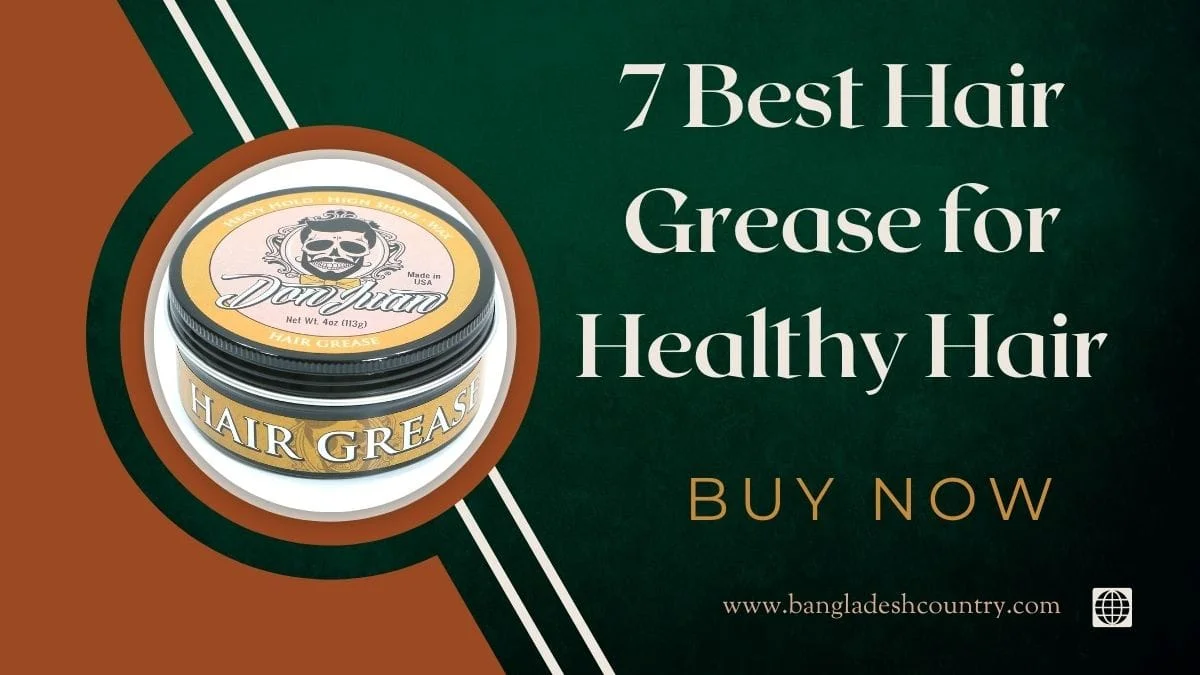
In 2026, the conversation around hair care continues to evolve, pushing past old myths to embrace practices that genuinely foster healthy hair. One product category that’s seen a significant resurgence and re-evaluation is hair grease. For decades, it was a staple in many households, especially within textured hair communities, known for its ability to add shine, hold, and a protective layer. However, misconceptions about its ingredients and proper use led to a period where many consumers sidelined it in favor of lighter oils or creams. Today, with a deeper understanding of hair science and product formulation, we’re seeing a renewed appreciation for what quality hair grease can offer.
This isn’t about simply slathering on heavy products; it’s about strategic application to seal in moisture, protect the hair shaft, and support scalp health. When chosen and used correctly, the right hair grease can be an indispensable part of a regimen aimed at reducing breakage, enhancing luster, and promoting overall hair vitality. Let’s cut through the noise and explore the best options available now, focusing on their benefits, ideal uses, and how to integrate them into your routine for truly healthy hair.
Understanding Hair Grease: More Than Just a Styling Aid
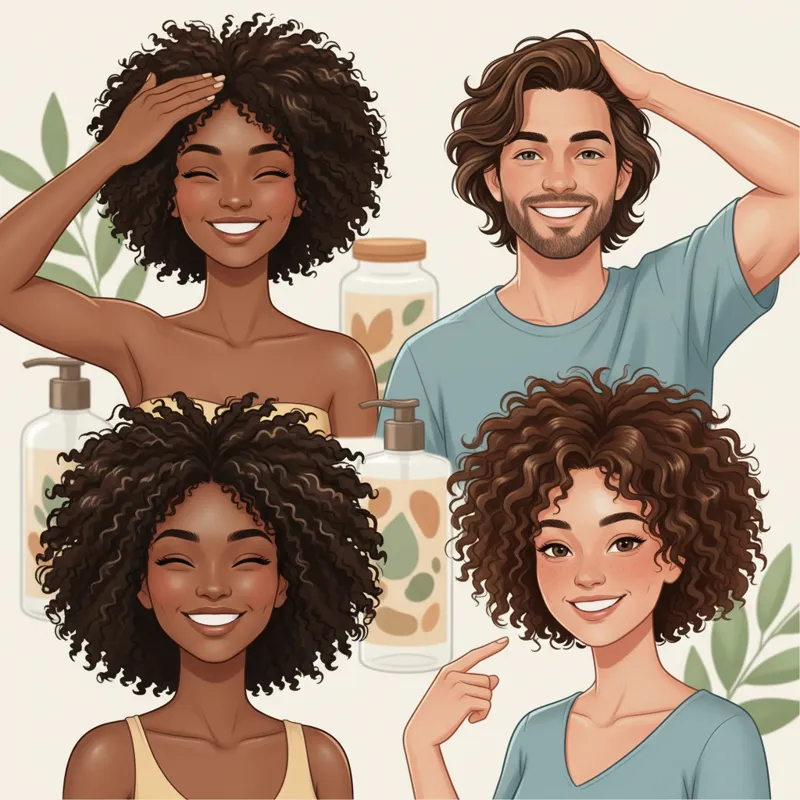
To truly appreciate hair grease, we need to understand its fundamental role. Unlike a conditioner that adds moisture, or a serum that provides lightweight shine, hair grease primarily functions as an occlusive. This means it creates a physical barrier on the surface of the hair shaft and scalp, effectively sealing in the moisture that’s already there.
This sealing capability is crucial, especially for hair types prone to dryness, which often includes coily, kinky, and even some curly textures. These hair types naturally have an outer cuticle layer that’s raised or more open, allowing moisture to escape more readily into the environment. A well-formulated hair grease helps to slow down this process of transepidermal water loss (TEWL) from the scalp and moisture evaporation from the hair strand.
The distinction between ‘grease’ and ‘oil’ is important here. While many hair greases contain beneficial oils, their primary occlusive power often comes from ingredients like petrolatum, mineral oil, lanolin, or heavier plant-based waxes and butters. These ingredients are larger molecules that don’t penetrate the hair shaft in the same way lighter oils might; instead, they sit on the surface, forming that protective layer. This isn’t inherently bad; it’s just a different mechanism of action, and understanding it helps us use these products effectively.
The Undeniable Benefits of Incorporating Hair Grease
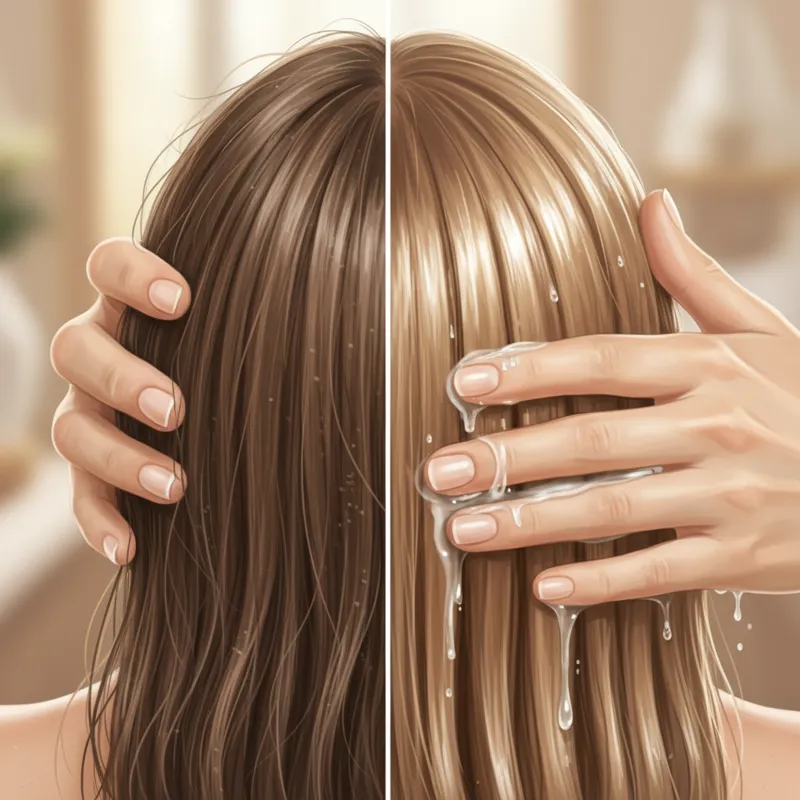
When used strategically, hair grease offers several tangible benefits for hair health and appearance:
Superior Moisture Retention
This is the leading benefit. By creating an occlusive barrier, hair grease locks in the hydration you’ve already applied through water, leave-in conditioners, or moisturizing creams. For hair that struggles to hold onto moisture, especially in dry climates or between wash days, this can be a game-changer, preventing brittleness and breakage.
Enhanced Scalp Protection
A thin layer of hair grease can offer a protective barrier for the scalp, particularly beneficial for those with dry or flaky scalps. It can shield the scalp from environmental aggressors and reduce irritation, aiding in overall scalp health. Just as a professional might use a dental mirror to meticulously examine oral health, understanding your scalp’s condition is key to choosing the right hair grease.
Reduced Breakage and Frizz
Hair that is adequately moisturized and protected is less prone to friction, tangling, and breakage. The lubricating film grease provides can also help smooth the cuticle, minimizing frizz and improving manageability, making detangling easier and reducing mechanical damage.
Added Shine and Luster
The reflective surface created by hair grease gives hair a healthy, vibrant sheen. This isn’t just cosmetic; well-sealed hair often appears shinier because its cuticle layers are laid flat, reflecting light more uniformly.
Styling and Hold
Many greases offer a degree of hold, making them useful for smoothing edges, creating sleek updos, or defining braids and twists. They can help keep styles intact longer while simultaneously providing conditioning benefits.
Who Benefits Most from Hair Grease?
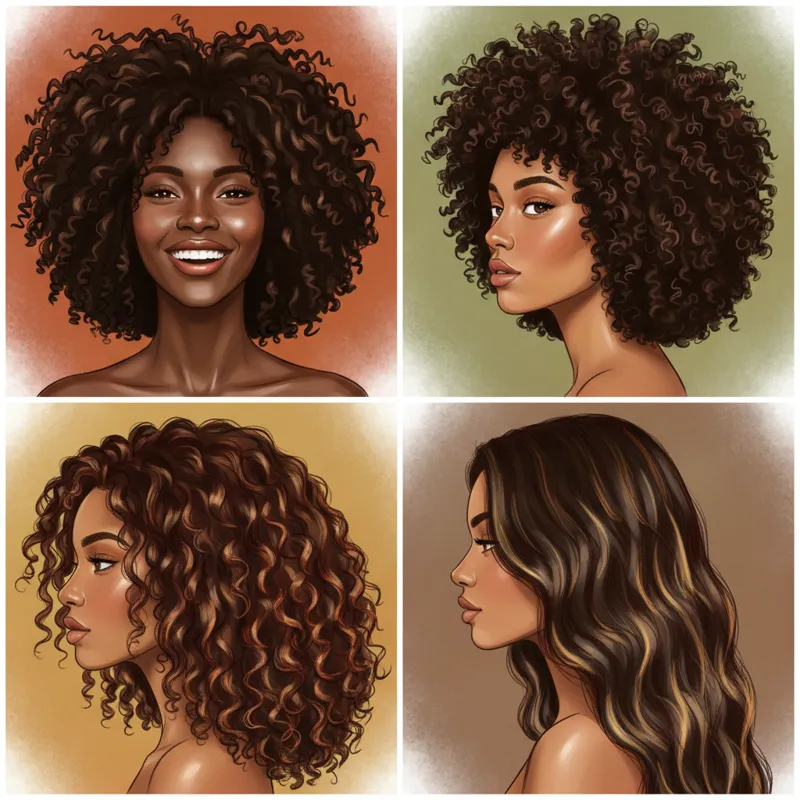
While often associated with specific hair types, the benefits of hair grease aren’t exclusive. However, certain hair textures and conditions tend to gain the most from its properties:
- Coily and Kinky Hair (Types 4A, 4B, 4C): These hair types are typically the driest due to their intricate curl patterns, which make it harder for natural oils to travel down the hair shaft. Hair grease is highly effective at sealing in moisture for these textures, preventing rapid dehydration.
- Very Curly Hair (Types 3C): Similar to coily hair, tighter curls can benefit from the moisture-sealing and protective qualities of grease, helping to maintain curl definition and reduce frizz.
- Dry or Brittle Hair: Regardless of texture, if your hair feels perpetually dry, rough, or is prone to breakage, incorporating hair grease can provide a much-needed protective layer.
- Hair Exposed to Harsh Elements: If you live in a dry climate, spend a lot of time outdoors, or are frequently exposed to wind or cold, grease can act as a shield against environmental damage.
- Protective Styles: When wearing braids, twists, or weaves, hair grease can be used to moisturize the scalp and seal the ends of your natural hair, promoting growth and preventing dryness underneath the style.
For those with finer or oilier hair types, hair grease can still be used but with a lighter hand and less frequency to avoid weighing down the hair or causing greasiness. The key is balance and understanding your hair’s unique needs.
How to Properly Use Hair Grease for Optimal Health
The effectiveness of hair grease hinges on proper application. It’s not a standalone moisturizer but a sealant. Think of it as the top coat in a multi-step routine. Here’s a breakdown:
- Start with Clean, Damp, and Moisturized Hair: This is non-negotiable. Grease seals, it doesn’t hydrate. Apply it to hair that has just been washed, conditioned, and treated with a leave-in conditioner or a water-based moisturizer.
- Apply in Small Amounts: A little goes a long way. Begin with a pea-sized amount, warm it between your palms, and distribute it evenly. You can always add more if needed, but it’s hard to take away excess without re-washing.
- Focus on the Ends and Scalp: The ends of your hair are the oldest and most prone to dryness and split ends. Apply grease here generously. For scalp health, gently massage a small amount directly onto a clean, damp scalp to help alleviate dryness or flakiness.
- Use the L. O. C. or L. C. O. Method: This popular technique is ideal for maximizing moisture retention:
- L (Liquid): Water or a water-based leave-in conditioner.
- O (Oil): A lightweight penetrative oil (like jojoba or argan) to nourish the hair shaft.
- C (Cream): A moisturizing cream to provide further hydration.
- Grease (as the final ‘O’ or ‘C’ replacement): Apply your hair grease last to seal everything in. Sometimes, grease can replace the “oil” or “cream” step if it’s a thicker, butter-like formula.
- Frequency: This depends on your hair type and environment. For very dry hair, every few days might be suitable. For less dry hair, once or twice a week, or as needed for styling, may suffice.
- Regular Cleansing: Because grease forms a protective barrier, it also means regular cleansing is essential to prevent product buildup on the hair and scalp. Use a clarifying or sulfate-free shampoo to ensure your hair and scalp remain clean and receptive to moisture.
Achieving that perfect, polished look often comes down to precise application and styling, much like a barber uses a barber mirror to ensure every angle is flawless.
7 Best Hair Grease for Healthy Hair (Buy Now in 2026)
The market for hair grease has evolved, with brands offering formulations that combine traditional occlusives with nourishing natural ingredients. Here are seven types of hair grease that stand out for their ability to promote healthy hair, offering choices for various needs and preferences:
1. The Classic Moisture Sealant (Petrolatum & Mineral Oil Blend)
This category, exemplified by products from brands like Blue Magic or Dax, is the original workhorse. Often featuring a base of petrolatum and mineral oil, these greases create an incredibly effective occlusive barrier. They are unbeatable for severely dry, coily, or kinky hair, especially in harsh climates. Modern formulations often fortify these classics with lanolin, coconut oil, or other emollients to add a touch of conditioning. They excel at sealing in moisture and are fantastic for protective styles. Their heavier texture provides substantial hold and shine, making them a go-to for sleek looks or braiding.
2. Shea Butter & Botanical Oil Infusion Grease
Moving towards more natural ingredients, these greases often use shea butter as a primary occlusive, blended with a medley of botanical oils like olive, jojoba, or castor oil. They offer a slightly lighter feel than pure petrolatum greases but still provide excellent moisture sealing and nourishment. Products in this category are excellent for those seeking plant-based alternatives that deliver deep conditioning alongside protection. They’re particularly good for medium to coarse textures, offering pliability and a natural sheen. Look for options with minimal synthetic additives for the purest experience.
3. Lightweight Shine & Scalp Stimulating Grease
Formulated for those who want shine and scalp benefits without a heavy feel, these greases often contain lighter occlusives combined with ingredients like peppermint, tea tree oil, or rosemary extract. Their goal is to stimulate the scalp, promote circulation, and offer an invigorating sensation while providing a protective layer. They are ideal for daily use on finer natural hair textures or for anyone looking to maintain scalp health and add a reflective gloss without weighing hair down. They are also suitable for managing an itchy or flaky scalp, providing targeted relief and moisture retention.
4. Lanolin-Rich Conditioning Grease
Lanolin, a natural wax derived from sheep’s wool, is an incredibly effective emollient and occlusive. Greases rich in lanolin are known for their exceptional conditioning properties, making hair softer, more pliable, and easier to manage. They form a robust barrier that’s particularly beneficial for very dry, damaged, or chemically treated hair, helping to restore elasticity and prevent further moisture loss. These types of greases are often a favorite for restoring health to brittle ends and providing a resilient protective shield. They’re typically thicker and best applied sparingly.
5. Edge Control & Smoothing Grease
While many greases can smooth edges, this category is specifically formulated for it. These products offer a stronger, more flexible hold that keeps delicate edges sleek and refined without flaking or causing excessive buildup. They often contain a blend of waxes, oils, and gentle polymers to provide superior grip and shine. They’re invaluable for creating polished hairstyles, intricate updos, or maintaining definition around the hairline. The best ones nourish the edges rather than just plastering them down, supporting delicate baby hairs while providing styling control.
6. Vitamin-Enriched Growth & Strength Grease
These specialized greases go beyond simple moisture sealing, incorporating vitamins (like Biotin, Vitamin E) and strengthening proteins (like Keratin or Wheat Protein) to actively support hair growth and reduce breakage. They often combine traditional occlusives with a complex of nourishing ingredients designed to fortify the hair shaft from root to tip. Ideal for those experiencing thinning, excessive breakage, or wanting to promote longer, stronger hair. They act as a protective barrier while delivering targeted nutrients to the scalp and hair, contributing to overall hair vitality and resilience.
7. Multi-Purpose Styling & Finishing Balm
This modern take on hair grease blurs the lines between a traditional grease and a styling pomade. These balms are often whipped or have a softer texture, making them easy to distribute. They provide excellent definition, control, and shine for a wide range of styles, from defining curls to slicking back waves. Their formulations typically blend lighter waxes, natural oils, and plant extracts, offering flexibility and re-workability. They’re perfect for everyday styling, adding a healthy gloss, and keeping hair hydrated throughout the day without feeling overly heavy. They cater to a broad audience looking for versatility in their hair care and styling routine.
What Most People Get Wrong About Hair Grease
Despite its proven benefits, hair grease often gets a bad rap, largely due to common misconceptions and improper usage. Here’s what many miss:
Mistake #1: Believing Grease Itself Moisturizes Hair
This is the biggest one. Hair grease is an occlusive, meaning it seals in moisture. It doesn’t provide moisture on its own. Applying grease to dry, unmoisturized hair will only lock in that dryness, making your hair feel stiff and brittle. Always apply grease after moisturizing your hair with water or a water-based leave-in product.
Mistake #2: Over-Applying the Product
Because hair grease is dense and highly effective, you only need a small amount. Using too much can lead to product buildup, weigh down your hair, make it feel greasy, and potentially clog scalp pores, leading to irritation or flakes. Start with a pea-sized amount and add more only if necessary.
Mistake #3: Applying to Dirty Hair and Not Cleansing Regularly
Applying grease to hair that already has product buildup or dirt will trap those impurities against your hair and scalp. This can prevent your hair from truly getting clean and can contribute to scalp issues. Additionally, because grease forms a barrier, regular, thorough cleansing (often with a clarifying or sulfate-free shampoo) is crucial to remove buildup and allow your scalp and hair to breathe.
Mistake #4: Expecting Grease to Penetrate the Hair Shaft
While some lighter oils in certain greases might offer minor penetration, the primary occlusive ingredients like petrolatum or mineral oil are designed to sit on the surface. They protect and seal. If you’re looking for deep nourishment from within the hair shaft, pair your grease with penetrative oils (like coconut or olive oil) and deep conditioners before applying grease.
Mistake #5: Thinking All Greases Are the Same
The market has diversified significantly. Today’s greases vary widely in consistency, ingredients, and intended purpose. Some are heavier, better for sealing and hold; others are lighter, focusing on shine or scalp health. Understanding the different formulations helps you choose the right product for your specific needs, contributing to a healthy hair regimen.
Ingredients to Look For and Those to Be Mindful Of
When selecting a hair grease, turning the jar around and understanding the ingredient list is key:
Beneficial Ingredients:
- Petrolatum (Petroleum Jelly): A highly effective occlusive that forms a strong barrier to prevent moisture loss. When purified, it’s non-comedogenic and hypoallergenic.
- Mineral Oil: Similar to petrolatum, it’s a lightweight occlusive that provides shine and prevents moisture evaporation. It’s often misunderstood but is a safe and effective ingredient in hair care.
- Lanolin: A powerful emollient and occlusive that conditions and protects the hair and scalp, making hair softer and more flexible.
- Shea Butter: A natural plant-based occlusive that also provides rich conditioning and is packed with vitamins.
- Carnauba Wax / Beeswax: Natural waxes that provide hold, shine, and a protective barrier.
- Nourishing Oils (Jojoba, Argan, Olive, Coconut, Castor): These are often blended into greases to add additional conditioning, vitamins, and fatty acids to the formula.
- Herbal Extracts (Peppermint, Tea Tree, Rosemary): Can offer scalp stimulation, anti-inflammatory benefits, or antibacterial properties.
- Vitamins (E, Biotin): Included in some formulations to support overall hair and scalp health.
Ingredients to Consider with Caution (Depending on Your Hair/Scalp Sensitivity):
- Heavy Artificial Fragrances: While often pleasant, strong synthetic fragrances can sometimes irritate sensitive scalps. If you have a sensitive scalp, opt for fragrance-free or naturally scented options.
- Some Silicones (in large amounts): While not inherently bad, some silicones can build up over time if not properly cleansed, leading to dullness. However, many silicones are excellent for shine and smoothness. It’s more about overall formulation balance.
- Parabens/Phthalates: These are common preservatives and plasticizers, respectively, that some consumers prefer to avoid due to personal preference or perceived health concerns, though they are generally considered safe in regulated cosmetic use.
Maintaining a healthy scalp and strong hair follicles, supported by proper care routines, can also influence how hair behaves, even in contexts like painless hair removal.
Frequently Asked Questions About Hair Grease
Is hair grease bad for your hair?
No, hair grease is not inherently bad for your hair. The perception of it being “bad” often stems from improper use (e.g., applying to dry hair, over-applying, or not cleansing adequately) or outdated formulations. Modern, well-formulated hair greases, when used correctly as a sealant on moisturized hair, can be highly beneficial for moisture retention, protection, and styling, especially for textured and dry hair types.
How often should I use hair grease?
The frequency depends on your hair type, its dryness level, and your environment. For very dry or coily hair, applying a small amount every 2-3 days might be beneficial. For less dry hair or for styling purposes, once or twice a week may suffice. Always listen to your hair; if it feels greasy or heavy, you’re using too much or applying it too often.
Will hair grease clog my pores or cause acne?
While heavy application, especially around the hairline, can potentially contribute to clogged pores or breakouts for some individuals, purified petrolatum and mineral oil are non-comedogenic. The key is to apply sparingly, focus on the hair shaft and ends, and ensure regular, thorough cleansing of both your hair and skin. Avoid getting excessive amounts on your forehead or neck if you’re prone to acne.
What’s the difference between hair grease, pomade, and brilliantine?
These terms are often used interchangeably, but there are subtle differences.
- Hair Grease: Typically refers to products with a petrolatum/mineral oil or heavy butter base, primarily for sealing moisture, protecting, and adding shine, often with less emphasis on firm hold.
- Pomade: Generally offers more hold than traditional grease, used for styling, shaping, and creating sleek looks. Modern pomades come in various bases (oil-based, water-based).
- Brilliantine: Usually a lighter, oil-based product primarily focused on adding shine and a subtle amount of control, without the heavy hold of a pomade or the strong sealing power of a traditional grease.
Many products today blend these characteristics, so reading the ingredient list and product description is crucial.
Can hair grease promote hair growth?
Hair grease itself doesn’t directly stimulate hair growth in the same way certain active ingredients might. However, by creating a protective environment, reducing breakage, and maintaining scalp health, it supports an optimal environment for hair to grow long and strong. Some formulations include ingredients like peppermint oil or vitamins that are thought to stimulate the scalp, indirectly contributing to healthier growth.
Embracing the Modern Hair Grease
The journey to healthy hair is deeply personal and often involves revisiting and refining our product choices. Hair grease, once relegated to the shadows of modern hair care, has rightfully reclaimed its place as a powerful tool for moisture retention, protection, and brilliant shine. By understanding its true function as a sealant, choosing formulations rich in beneficial ingredients, and mastering the art of proper application, you can unlock a new level of vitality for your hair.
In 2026, the best hair greases aren’t just about surface-level shine; they’re integral to a holistic approach to hair health, ensuring your strands stay hydrated, strong, and resilient against daily challenges. Explore these top options, experiment responsibly, and discover how this classic can transform your hair care routine for the better.


