Ireland, often affectionately known as the Emerald Isle, conjures images of rolling green hills, ancient stone walls, and a history steeped in legend. But beyond the iconic green landscapes lies a vibrant, often understated world of flora. These aren’t just pretty plants; Irish flowers are deeply woven into the nation’s cultural fabric, its folklore, and even its identity. For those of us in the United States, whether you’re planning a visit, celebrating St. Patrick’s Day, or simply looking to add a touch of Celtic charm to your garden, understanding these enchanting blooms offers a deeper connection to Ireland’s natural beauty and heritage. Let’s explore the distinctive appeal of Irish flowers, from their symbolic meanings to practical advice on cultivating them in your own American backyard.
The Emerald Isle’s Floral Tapestry: More Than Just Green

Ireland’s unique climate and geography profoundly shape its plant life. The island’s mild, moist, and temperate conditions, influenced by the Atlantic Gulf Stream, prevent extreme temperatures, creating an ideal environment for lush growth. You won’t find the harsh winters or scorching summers common in many parts of the US, which results in a distinct, verdant landscape. This constant moisture and moderate warmth contribute to the famous “40 shades of green,” but also foster a remarkable diversity of flowering plants. When we talk about Irish flowers, it’s important to distinguish between native flora and naturalized species. Native plants are those that evolved in Ireland without human intervention. Naturalized plants, on the other hand, were introduced but have adapted so well to the local conditions that they now thrive and appear wild, often becoming synonymous with the Irish landscape. Both categories contribute significantly to the island’s botanical allure.
Iconic Irish Flowers and Their Cultural Significance
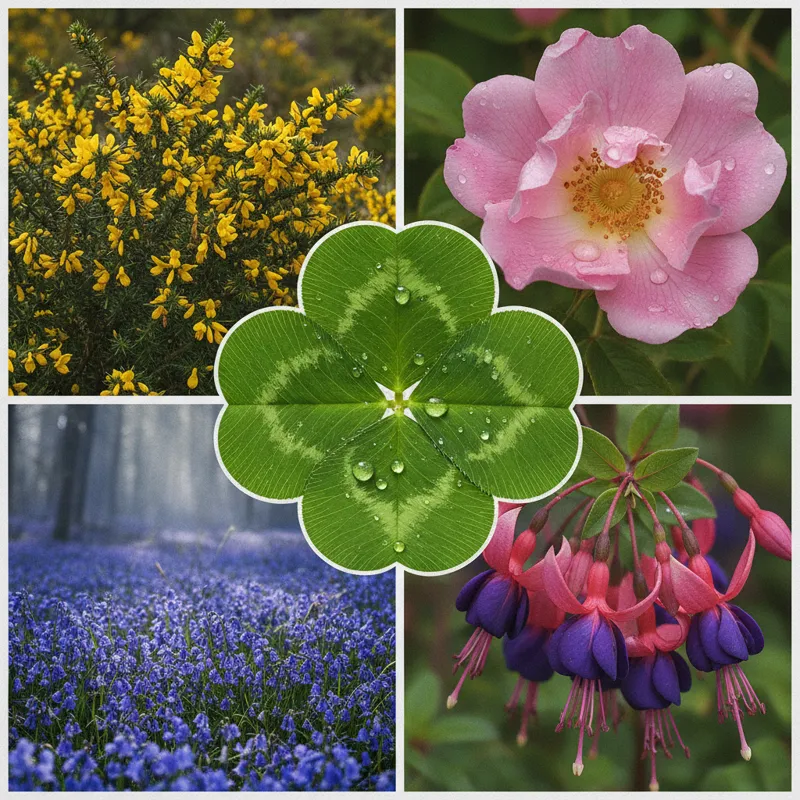
Many flowers have become emblematic of Ireland, recognized worldwide for their beauty and the stories they tell.
The Shamrock: Ireland’s Enduring Symbol
The Shamrock is undeniably the most recognized symbol of Ireland, particularly in the United States around St. Patrick’s Day. While its exact botanical identity has been debated for centuries, it’s generally accepted to be a young sprig of white clover (Trifolium repens), red clover (Trifolium pratense), or lesser trefoil (Trifolium dubium). These small, trifoliate leaves aren’t just pretty; they hold immense cultural weight. Tradition credits St. Patrick with using the three-leafed shamrock to explain the Holy Trinity to pagan Irish converts in the 5th century. This simple act cemented its place in Irish iconography. Today, it’s a powerful emblem of faith, heritage, and good luck. For those looking for Chai Tea Latte Calories, you might find solace knowing a well-tended shamrock offers calorie-free delight. You can find shamrock plants for sale readily in garden centers and online nurseries, especially in the lead-up to St. Patrick’s Day. They’re typically grown as houseplants in most US climates, appreciating bright, indirect light and consistent moisture.
Wild Irish Roses: Beauty and Resilience
Ireland boasts a variety of wild roses that add a delicate beauty to its hedgerows, woodlands, and coastal paths. The Dog Rose (Rosa canina) is perhaps the most common, with its pale pink or white single flowers gracing the landscape in early summer. The Burnet Rose (Rosa pimpinellifolia), also known as the Scotch Rose, is another hardy native, often found in coastal areas, with creamy white blooms followed by striking dark purple-black hips. These wild roses symbolize resilience, natural beauty, and often, love. They’re less about the opulent, cultivated garden roses and more about a rugged, unassuming charm. For US gardeners, species roses are generally quite hardy and adaptable. They prefer full sun and well-drained soil, and many are disease-resistant, making them a low-maintenance choice for a naturalized look in USDA hardiness zones 3-9, depending on the specific species.
The Fuchsia: A Vibrant Naturalized Beauty
While not native to Ireland, the Fuchsia has become so thoroughly naturalized that it’s now an iconic sight, particularly in the milder, western coastal regions. Species like Fuchsia magellanica, often called ‘Irish fuchsia’ or ‘hedge fuchsia’, thrive in the damp, mild climate, forming dense, vibrant hedges adorned with their distinctive dangling, bell-shaped flowers in shades of purple and red. Its vibrant presence speaks to Ireland’s ability to embrace and integrate beauty from elsewhere. For US gardens, fuchsias are popular, though often grown as annuals or container plants in colder climates (zones 6 and below) due to their sensitivity to hard frosts. In warmer zones (7-10), especially in the Pacific Northwest or parts of the South, they can be perennial and grow into impressive shrubs, requiring partial shade and consistent moisture.
Bluebells: Carpets of Spring Color
In late spring, ancient woodlands across Ireland transform into breathtaking carpets of deep blue and purple as the native Bluebell (Hyacinthoides non-scripta) comes into bloom. These delicate, nodding flowers are a cherished sight, heralding the arrival of warmer weather and providing vital early nectar for pollinators. Bluebells symbolize humility and constancy. Distinguishing the native Irish bluebell from the more aggressive Spanish bluebell (Hyacinthoides hispanica) is crucial; the native variety has flowers mostly on one side of the stem and a distinct, sweet fragrance. If you’re interested in Does Herbal Tea Have Caffeine, you might find the idea of foraging for native plants intriguing, though bluebells are not for consumption. For US gardeners, sourcing genuine wildflower seeds from Ireland for native bluebells can be challenging due to import restrictions and the species’ protected status in its native habitat. It’s often safer and more environmentally responsible to choose commercially available, non-invasive alternatives suitable for your region.
Gorse and Heather: The Wild Spirit of the Bogs and Mountains
No discussion of wild Irish flowers is complete without mentioning Gorse (Ulex europaeus) and Heather. Gorse, with its spiky evergreen foliage and brilliant yellow, coconut-scented flowers, is a year-round fixture on Irish hillsides and along coastlines. It’s incredibly hardy and provides shelter for wildlife. Heather, encompassing various species like Bell Heather (Erica cinerea) and Ling Heather (Calluna vulgaris), paints vast expanses of bog and moorland in shades of purple, pink, and white, especially from late summer into autumn. These plants embody the rugged, untamed beauty of the Irish landscape. The symbolism of heather often includes good luck, protection, and admiration. For cultivation in the US, gorse can be quite invasive in some regions (like parts of the Pacific Northwest), so careful consideration of local regulations is essential. Heathers, particularly Ling Heather, are more widely cultivated and make excellent groundcovers or rockery plants. They prefer acidic, well-drained soil and full sun, thriving in cooler summer climates (USDA zones 4-8), much like their native conditions. If you ever wondered about Tea in Spanish, you might be interested to know that some heather varieties have been used in herbal infusions for centuries, though typically less common than other herbal teas.
Bringing Irish Floral Charm to Your US Garden

Integrating Irish flowers into a US garden requires a practical approach, considering climate, soil, and plant availability.
Climate Considerations and Hardiness Zones
Ireland’s mild, damp climate is distinct. When choosing plants, align their needs with your specific USDA hardiness zone and microclimate. Many Irish natives are accustomed to consistently moist soil and cool summers. This means gardeners in areas with hot, dry summers or severe winters will need to select carefully or provide specific care (e.g., afternoon shade, regular irrigation, winter protection). For example, while many roses thrive in Ireland, intensely hot and humid US summers can pose challenges for some varieties due to fungal diseases.
Sourcing Authentic Irish Seeds and Plants
Reputable nurseries, both online and local, are your best bet for sourcing plants. Look for suppliers specializing in European natives or heritage varieties. When considering wildflower seeds from Ireland, always verify the source and ensure they are compliant with US import regulations to prevent the introduction of invasive species or plant diseases. For popular items like shamrock plants for sale, availability is usually seasonal, peaking around St. Patrick’s Day. Prioritize suppliers that provide clear botanical names, origin information, and cultural requirements.
Cultivation Tips for Key Species
- Shamrock (Trifolium spp.): Keep them indoors in a cool, bright spot. They appreciate consistent moisture but don’t like to sit in soggy soil. They may go dormant in summer, which is normal; reduce watering and they’ll revive.
- Wild Roses (Rosa spp.): Plant in full sun with good air circulation and well-drained soil. They are generally tough and require minimal pruning once established. Some wild types can spread, so consider their mature size.
- Fuchsia (Fuchsia magellanica): In warmer zones, choose a spot with morning sun and afternoon shade. Keep the soil consistently moist. In colder zones, treat as an annual or bring potted plants indoors before the first frost.
- Heather (Calluna vulgaris, Erica cinerea): These acid-loving plants need well-drained, acidic soil (pH 4.5-5.5) and full sun. Amend heavy soils with peat moss or pine bark. Regular watering is important during dry spells, especially for young plants.
St. Patrick’s Day and Beyond: Irish Flowers in US Celebrations and Decor
Irish flowers extend their charm beyond the garden, playing a significant role in cultural celebrations and home decor.
Traditional Irish Garden Plants for Cultural Events
St. Patrick’s Day is the most obvious occasion where Irish flowers take center stage. While the shamrock is paramount, you can create more sophisticated St. Patrick’s Day floral arrangements by incorporating other Irish-inspired elements. Think about the colors of the Irish flag: green, white, and orange. Use deep green foliage like ferns or ivy, white flowers such as narcissus or white roses, and hints of orange from tulips or other seasonal blooms. This approach offers a tasteful nod to Irish heritage without being limited to a single symbol. Incorporating traditional Irish garden plants, even as cut flowers, can elevate any gathering.
Everyday Elegance: Incorporating Celtic Flower Meanings
Beyond holidays, you can subtly weave Celtic flower meanings into your everyday decor. For instance:
- Roses: Represent love and beauty (a universal meaning, but with a wild, Irish spirit).
- Heather: Symbolizes good luck, protection, and admiration. A small pot of heather on a windowsill can bring a touch of the wild Irish countryside indoors.
- Ivy: Represents fidelity and eternity, often seen adorning ancient Irish ruins. A trailing ivy plant offers a classic, elegant touch.
- Hawthorn: Associated with the fairy realm and protection, though typically not brought indoors. A potted hawthorn sapling, if space allows, could be a unique garden addition. Understanding these deeper meanings allows for a more personal and reflective connection to Irish culture through its flora.
What Most People Get Wrong About “Irish Flowers”
When discussing Irish flowers, several common misconceptions often arise, largely due to simplified cultural portrayals. Firstly, many people assume that “Irish flowers” are exclusively green, or that all green plants are inherently Irish. While green is the dominant color of the landscape, and plants like shamrocks are iconic, Ireland’s floral palette is incredibly diverse. The vibrant purples of heather, the golden yellows of gorse, the pinks of wild roses, and the blues of bluebells all contribute significantly to the island’s beauty. Focusing only on green misses the rich spectrum of colors that truly define Ireland’s flora. Secondly, there’s a tendency to equate “flowers of Ireland” solely with its native species. As discussed, many naturalized plants, such as the fuchsia, have become so deeply integrated into the landscape and cultural consciousness that they are considered quintessentially Irish. While native flora of Ireland holds a special place, ignoring the contributions of naturalized species paints an incomplete picture. The distinction matters for conservation and ecological understanding, but for cultural appreciation, both play a vital role. Finally, people often overlook the subtle beauty and ecological importance of less famous wild Irish flowers. The iconic shamrock rightly gets attention, but countless other species like primroses, wood anemones, and various orchids contribute to the biodiversity and enchantment of the Irish countryside. These often small, unassuming blooms are just as much a part of Ireland’s floral heritage, offering quiet beauty and supporting intricate ecosystems. Appreciating Irish flowers means looking beyond the obvious and embracing the full, complex tapestry.
Frequently Asked Questions About Irish Flowers
Are shamrocks true four-leaf clovers?
No, a shamrock is traditionally a three-leaf clover. The four-leaf clover is a genetic mutation and a symbol of extra good luck, distinct from the shamrock’s cultural and religious significance.
Can I grow all Irish wildflowers in my US garden?
Not necessarily. The success of growing Irish wildflowers in the US depends heavily on matching your local climate and soil conditions to the plant’s native requirements. Some species may be invasive in certain US regions, and others might be protected or difficult to source ethically. Always research specific plant needs and local regulations.
What is the national flower of Ireland?
While the shamrock is widely recognized as the unofficial national symbol and floral emblem, Ireland does not have an officially designated national flower. The shamrock holds cultural precedence due to its association with St. Patrick.
Where can I buy Irish wildflower seeds?
You can find wildflower seeds from Ireland through specialized online seed retailers, botanical garden shops, or nurseries that import European species. Always prioritize reputable sources that can verify the origin and provide guidance on cultivation and potential invasiveness for your region. Ensure any seeds you buy are permitted for import into the United States.
Embracing the Enchantment of Ireland’s Flora
Exploring Irish flowers reveals a world far richer than just green. From the humble shamrock steeped in legend to the vibrant fuchsia and the hardy heather painting the wild landscapes, these blooms offer a profound connection to Ireland’s natural beauty and deep cultural heritage. Whether you’re planning a trip to the Emerald Isle, designing a St. Patrick’s Day floral arrangement, or simply seeking to bring a touch of Celtic charm to your garden in 2026, understanding and appreciating these enchanting flowers opens a truly rewarding experience. Their beauty isn’t just visual; it’s a living narrative of resilience, tradition, and the enduring spirit of Ireland.