You’re winding down for the night, aiming to escape the day’s stress, and you reach for a box of “tea.” It says “Lemon Ginger” or “Sleepytime,” and you assume it’s the perfect caffeine-free choice to help you relax. But a nagging question might pop into your head: does herbal tea have caffeine? It’s a simple question with a surprisingly nuanced answer that trips up even seasoned tea drinkers. The short answer is: no, true herbal teas are naturally caffeine-free. However, the long answer is more complicated and crucial for anyone strictly avoiding stimulants. The term “herbal tea” is a broad umbrella, and a few popular drinks that fall under it can pack a surprising caffeinated punch.
This guide will clear up the confusion for good. We’ll break down the fundamental difference between “true tea” and herbal infusions, give you a clear list of what’s safe to sip before bed, and point out the specific exceptions you need to know about. By the end, you’ll be able to navigate the tea aisle with total confidence, knowing exactly what’s in your cup.
The Single Plant That Defines “True Tea”
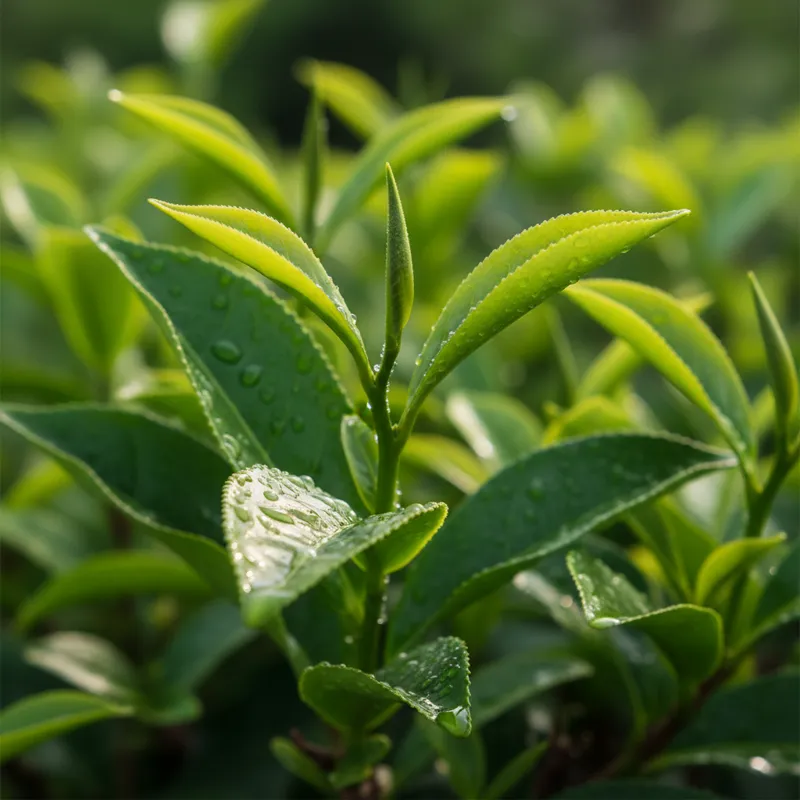
To understand what makes an herbal tea caffeine-free, you first have to understand what makes “regular” tea caffeinated. Every type of what we call “true tea”—black, green, oolong, white, and pu-erh—originates from a single plant species: Camellia sinensis. This evergreen shrub, native to Asia, naturally produces caffeine as a defense mechanism to deter insects.
The differences between black, green, and other true teas come down to how the leaves are processed after harvesting, specifically the level of oxidation they undergo. Black tea is fully oxidized, which gives it a dark color and robust flavor. Green tea is heated to prevent oxidation, preserving its fresh, vegetal taste. Oolong falls somewhere in between. Regardless of the processing, if the leaf comes from the Camellia sinensis plant, the resulting beverage will contain caffeine.
This is the most critical distinction. When we talk about “herbal tea,” we are not talking about this plant. Instead, we are referring to something else entirely.
What Exactly Is an Herbal Tea (or Tisane)?
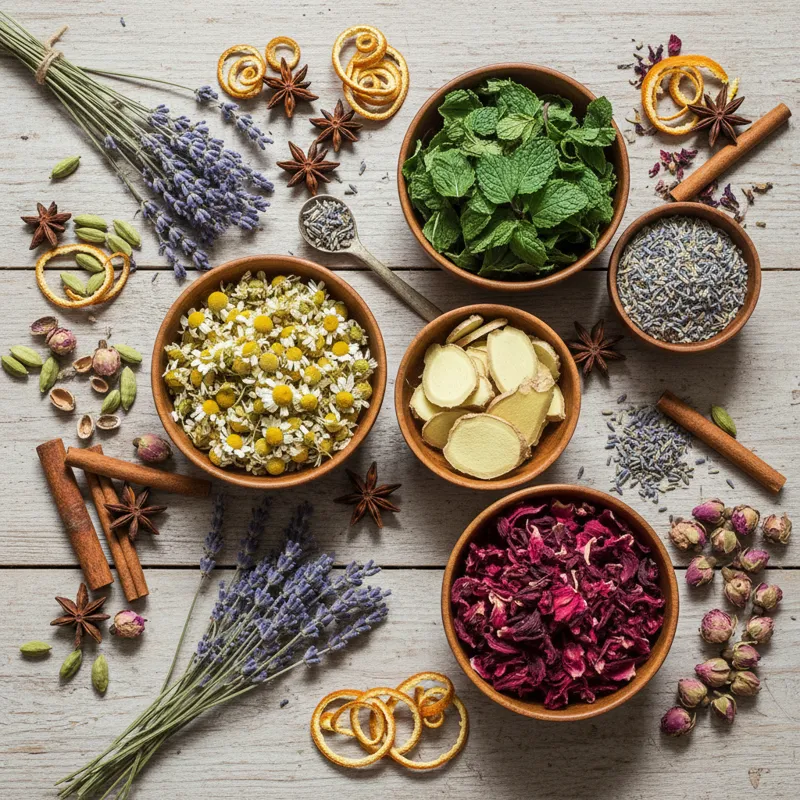
An herbal tea isn’t technically a tea at all. The proper term is “tisane” (pronounced ti-ZAN) or simply an “herbal infusion.” These beverages are made by steeping parts of various plants—like flowers, roots, seeds, bark, or leaves—in hot water. Since these plants are not Camellia sinensis, the vast majority of them do not naturally produce caffeine.
Think of it this way: making green tea is like making a beverage from a specific caffeinated plant. Making herbal tea is like making a beverage from almost any other plant. This is why the answer to “does herbal tea have caffeine?” is generally no. When you’re drinking chamomile, peppermint, or ginger tea, you’re drinking an infusion of those specific plants, none of which contain caffeine.
This is fantastic news for anyone looking for a warm, comforting beverage without the stimulant effect. You have a world of flavors and wellness benefits to explore that won’t interfere with your sleep or give you the jitters.
A Comprehensive List of Popular Caffeine-Free Herbal Teas

For those seeking a relaxing ritual, especially before bed, this list is your go-to guide. These are some of the most popular and widely available herbal infusions in the United States, all of which are naturally 100% caffeine-free.
For Relaxation and Sleep
- Chamomile Tea: The undisputed champion of bedtime teas. Made from the daisy-like flowers of the chamomile plant, it has a gentle, apple-like flavor. It’s renowned for its calming properties, making it a perfect pre-sleep beverage. For more on its traditional uses, the National Center for Complementary and Integrative Health provides detailed information.
- Lavender Tea: Known for its soothing floral aroma, lavender is often used in aromatherapy to promote relaxation. As a tea, it offers a fragrant and calming experience.
- Lemon Balm Tea: A member of the mint family, lemon balm has a delicate, citrusy flavor. It’s traditionally used to reduce stress and anxiety and improve mood.
- Valerian Root Tea: This one has a very earthy, potent aroma that isn’t for everyone, but it’s one of the most well-known herbal supplements for promoting sleep.
For Digestion and Comfort
- Peppermint Tea: With its strong, refreshing minty flavor, peppermint tea is a popular after-meal choice. It’s widely believed to aid digestion and soothe an upset stomach.
- Ginger Tea: Spicy, warming, and invigorating. Ginger tea is a go-to remedy for nausea, indigestion, and motion sickness. You can make it easily from fresh ginger root or buy it in tea bags.
- Fennel Tea: This tea has a mild, slightly sweet licorice-like flavor. Like peppermint and ginger, it’s often used to support digestive health.
For General Wellness and Flavor
- Rooibos (Red Tea): Hailing from South Africa, Rooibos has a naturally sweet, nutty, and smooth flavor. It’s rich in antioxidants and completely caffeine-free, making it an excellent alternative to black tea.
- Hibiscus Tea: Made from the vibrant petals of the hibiscus flower, this tea has a tart, cranberry-like flavor and a stunning deep red color. It’s delicious both hot and iced.
- Rosehip Tea: Made from the fruit of the rose plant, rosehip tea has a tangy, fruity flavor and is packed with Vitamin C.
The Surprising Exceptions: “Herbal” Teas That DO Contain Caffeine
Here’s where things get tricky. While the vast majority of herbal infusions are caffeine-free, there are a few notable exceptions. These beverages are made from plants other than Camellia sinensis, yet they have evolved to produce their own caffeine. If you’re sensitive to stimulants, these are the ones to watch out for.
Yerba Maté
Extremely popular in South America, Yerba Maté is made from the leaves of a holly tree native to the region. It has a strong, earthy, and somewhat grassy flavor. It’s known for providing a sustained energy boost that many users describe as less jittery than coffee. A typical cup of Yerba Maté contains a significant amount of caffeine, often close to that of a cup of coffee.
Guayusa
A cousin to Yerba Maté, Guayusa is another caffeinated holly tree found in the Amazon rainforest. Its flavor is smoother and less bitter than Maté, and it’s also gaining popularity in the U. S. as a coffee alternative. It contains a level of caffeine comparable to Yerba Maté and coffee.
Yaupon Holly
This is the only caffeinated plant native to North America. Yaupon was used by Native American tribes for centuries to make a caffeinated beverage. Its flavor is mild and pleasant, and it’s experiencing a resurgence, especially in the Southern U. S. Its caffeine content is typically lower than coffee but still significant.
Watch Out for Blends
Another common pitfall is herbal “blends.” A product might be marketed with a prominent herbal name, like “Raspberry Green Tea.” While it contains raspberry flavor, its base is green tea, meaning it contains caffeine. Always, always read the ingredients list on the box. If you see “black tea,” “green tea,” or “white tea” listed, the product is caffeinated.
What Most People Get Wrong: “Decaf” vs. “Caffeine-Free”
This is a critical point of confusion that can lead to accidental caffeine consumption. The terms “decaffeinated” and “caffeine-free” are not interchangeable.
Caffeine-Free (or Naturally Caffeine-Free): This means the product was made from ingredients that never contained caffeine in the first place. This applies to all the herbal teas we listed in the safe list, like chamomile, peppermint, and rooibos.
Decaffeinated (or Decaf): This means the product was made from something that originally contained caffeine (like black tea leaves from Camellia sinensis), which then went through a process to remove most of it. However, this process is not 100% effective. According to the FDA’s guidelines, decaffeinated tea and coffee must have at least 97% of their original caffeine removed. This leaves behind a small, trace amount—typically 2-5 milligrams per cup. For most people, this is negligible. But for someone with a high sensitivity to caffeine, it could still be enough to cause a reaction.
If you need to be absolutely certain you’re consuming zero caffeine, always choose products labeled “caffeine-free,” not “decaf.”
How to Be a Savvy Tea Shopper in 2026
Navigating the tea aisle doesn’t have to be a guessing game. With a little knowledge, you can pick the perfect brew every time. Here’s how to shop smart:
- Ignore the Front, Read the Back: The front of the box is for marketing. The real truth is in the ingredients list on the side or back panel. This is the single most important habit to develop. If it lists anything other than herbs, flowers, or spices, investigate further.
- Look for Key “Caffeine-Free” Indicators: Reputable brands will make it easy for you. Look for explicit labels like “Naturally Caffeine-Free,” “100% Caffeine-Free,” or “Herbal Infusion.”
- Memorize the Exceptions: Keep Yerba Maté, Guayusa, and Yaupon in your mind as the “herbal” impostors. If you see those on an ingredient list, you know it’s caffeinated.
- Check for Blends: Always be wary of flavored teas. “Peach Black Tea” or “Mint Green Tea” are caffeinated blends. The base tea determines the caffeine content.
Proper storage is also key to enjoying your tea. Keep your herbal infusions in an airtight container in a cool, dark place to preserve their flavor and aroma. This also helps prevent any issues with pests like the little black bugs in a house that can sometimes be attracted to pantry goods.
Beyond Caffeine: Why Herbal Tea Is a Wellness Staple
The absence of caffeine is a major draw for herbal tea, but its benefits go far beyond that. For centuries, people have used herbal infusions as part of their daily wellness routines. Creating a relaxing evening ritual can be a powerful tool for managing stress and improving sleep quality.
Imagine this: an hour before bed, you dim the lights, put away your phone, and prepare a warm cup of chamomile or lavender tea. This simple act signals to your brain and body that it’s time to unwind. Combining this with a comfortable sleep environment, perhaps by propping yourself up for a good read on an ergonomic adjustable bed base, can transform your sleep hygiene. It’s about building a sanctuary for rest. Whether you live in a simple apartment or a sprawling home, creating a personal space for calm is invaluable. Even those creating a massive personal sanctuary, like the impressive Travis Kelce house, understand the importance of dedicated zones for relaxation.
Herbal teas offer a simple, accessible, and delicious way to practice self-care and enhance your well-being, one cup at a time.
Disclaimer: While herbal teas are widely consumed and considered safe for most people, you should consult with a healthcare professional if you are pregnant, nursing, taking medication, or have a medical condition, as some herbs can interact with certain drugs or conditions.
Frequently Asked Questions
Does herbal tea have caffeine?
Generally, no. True herbal teas (also called tisanes or infusions) are made from plants that do not naturally contain caffeine, such as chamomile, peppermint, and rooibos. The major exceptions are Yerba Maté, Guayusa, and Yaupon, which are caffeinated despite not being “true tea.”
Is chamomile tea caffeinated?
No, chamomile tea is 100% naturally caffeine-free. It is made from the flowers of the chamomile plant and is one of the most popular choices for a relaxing, pre-bedtime beverage.
What is the best tea to drink before bed?
The best teas for bedtime are herbal infusions known for their calming properties. Top choices include chamomile, lavender, lemon balm, and valerian root tea. Any tea labeled “caffeine-free” is a safe bet.
Does peppermint tea have caffeine?
No, peppermint tea is completely caffeine-free. It is an infusion made from the leaves of the peppermint plant and is often enjoyed for its refreshing taste and digestive benefits.
How can I be sure my tea is caffeine-free?
The most reliable method is to read the ingredients list on the packaging. If it contains only herbs, spices, or flowers (and not black, green, white, or oolong tea leaves, Yerba Maté, or Guayusa), it is caffeine-free. Look for explicit labeling like “Naturally Caffeine-Free.”
Health, Diet & Wellness Disclaimer
The content on bangladeshcountry.com related to health, diet, nutrition, fitness, and mental wellness is provided for general informational purposes only. We are independent researchers and are not licensed medical doctors, therapists, or certified nutritionists.
The information shared is based on independent internet research and should not be considered a substitute for professional medical advice, diagnosis, or treatment. Certain ingredients or physical activities may not be suitable for everyone. Always consult with your healthcare provider or a qualified specialist before making dietary changes, starting a new wellness routine, or relying on health-related claims. Your use of this information is solely at your own risk.