Finding little black bugs scurrying across your countertops, marching through your pantry, or congregating near windows is never a welcome sight. These tiny invaders can appear suddenly, turning a comfortable home into a source of frustration. Dealing with them quickly and effectively requires more than just a spray; it demands understanding what you’re up against, how they got there, and a targeted approach to eviction.
Understanding Your Enemy: Identifying Common Little Black Bugs in Your House
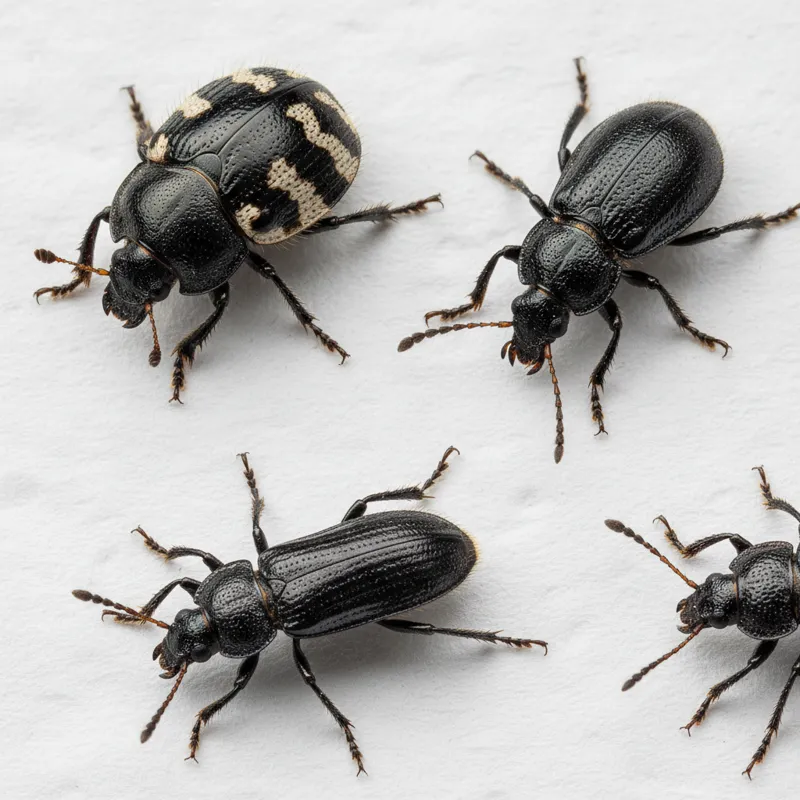
Before you can eliminate little black bugs in your house, you need to know exactly which bug you’re fighting. Misidentification often leads to ineffective treatment, wasting your time and resources. While many small black insects share a similar general appearance, their habits, food sources, and preferred environments vary significantly. Here’s a rundown of the usual suspects you might encounter.
Carpet Beetles
Often mistaken for bed bugs due to their size and shape, carpet beetles (Dermestidae family) are actually common pantry and fabric pests.
- Appearance: Small, oval-shaped, about 1/16 to 1/8 inch long. Color can vary from solid black to mottled patterns of black, brown, white, and yellow. Larvae are reddish-brown, bristly, and worm-like, often doing the most damage.
- Habits: Adults feed on pollen and nectar outdoors but fly indoors to lay eggs. Larvae feed on natural fibers like wool, silk, leather, fur, feathers, and dried foods.
- Where You’ll Find Them: Near windows (adults attracted to light), in closets, under furniture, in stored clothing, carpets, and sometimes in pantry items like pet food or spices.
Grain Beetles (Pantry Pests)
These beetles are a nuisance for anyone storing dry goods. There are several common types, but their control methods are generally similar.
- Sawtoothed Grain Beetles: Flat, reddish-brown, about 1/10 inch long, with six saw-like projections on each side of their thorax.
- Confused Flour Beetles: Reddish-brown, about 1/8 inch long, more oval than sawtoothed.
- Drugstore Beetles: Light brown, 1/10 to 1/8 inch long, cylindrical, with antennae ending in a three-segmented club. They can chew through foil and plastic.
- Habits: They infest a wide range of stored dry foods including flour, cereal, pasta, pet food, birdseed, spices, and even chocolate.
- Where You’ll Find Them: Directly inside infested food packages, on pantry shelves, in cabinets, and sometimes wandering onto countertops from a nearby source.
Spider Beetles
These peculiar-looking beetles have a body shape that makes them resemble tiny spiders.
- Appearance: Round, shiny, reddish-brown to black, with long, slender legs and antennae, giving them a spider-like appearance. They’re typically 1/16 to 1/8 inch long.
- Habits: They are scavengers, feeding on a wide range of organic materials including stored food products, dried animal matter, wool, and even old wood. They are particularly fond of damp, dark areas.
- Where You’ll Find Them: In dark corners of pantries, basements, attics, wall voids, and near pet food or rodent droppings.
Dermestid Beetles (Other Varieties)
Beyond carpet beetles, other dermestid beetles like Larder Beetles can also be found.
- Appearance: Larder beetles are typically 1/4 to 1/3 inch long, dark brown to black, with a distinctive pale, yellowish band across their wing covers that contains three dark spots.
- Habits: They feed on high-protein animal products such as cured meats, cheeses, dried pet food, dead insects, and animal carcasses.
- Where You’ll Find Them: In kitchens, pantries, attics, and basements, especially if there’s an undiscovered dead animal (like a mouse or bird) in a wall void or chimney.
Fungus Gnats
While technically flies, fungus gnats are often mistaken for tiny black bugs or fruit flies due to their size and dark appearance.
- Appearance: Tiny, delicate, dark-bodied flies, about 1/8 inch long, with long legs and segmented antennae. They look like miniature mosquitoes.
- Habits: Adults are attracted to moisture and decaying organic matter. Larvae live in damp soil and feed on fungi, decaying plant material, and plant roots.
- Where You’ll Find Them: Hovering around houseplants, near sinks, or other consistently damp areas.
Springtails
These ancient insects are more a nuisance than a pest, preferring damp environments.
- Appearance: Very small, less than 1/16 inch long, often dark gray or black. They have a distinctive “spring-tail” (furcula) under their abdomen, allowing them to jump.
- Habits: They thrive in high humidity and moisture, feeding on mold, mildew, and decaying organic matter.
- Where You’ll Find Them: In bathrooms, kitchens, basements, potted plant soil, under leaky sinks, or in areas with excessive condensation.
Booklice
Despite the name, these aren’t true lice and don’t bite humans or pets.
- Appearance: Pale or grayish, soft-bodied insects, less than 1/16 inch long. Some species are wingless.
- Habits: They feed on microscopic mold and fungi found on damp surfaces, especially paper, books, wallpaper glue, and stored grains.
- Where You’ll Find Them: In humid environments, among old books, stored papers, in damp pantries, or near leaky pipes.
Why Are These Little Black Bugs in Your House? Common Entry Points and Attractants

Understanding why little black bugs invade your living space is crucial for effective prevention and eradication. They aren’t usually seeking shelter from the elements like rodents; instead, they’re typically driven by the pursuit of food, moisture, or a suitable breeding ground. Many of these pests hitchhike into your home. They can arrive in groceries, especially dry goods like flour, rice, or pet food. Sometimes, they’ll come in on used furniture, vintage clothing, or even decorative items sourced from outdoors. A careful inspection of new acquisitions can save you a lot of trouble. Outdoor populations of certain beetles, like carpet beetles, will fly into homes through open windows and doors, especially during warmer months. They’re drawn to light, or simply stumble in through unsealed gaps. Your home also provides abundant resources. Food crumbs under appliances, spills in the pantry, or even pet food left out too long become an open invitation. Similarly, high humidity, leaky pipes, condensation, or damp soil in potted plants create the perfect environment for moisture-loving bugs like springtails, booklice, and fungus gnats. These conditions foster mold and mildew, which many tiny bugs readily consume. For example, a home that undergoes a Fire Marshal Inspection might reveal structural issues or overlooked damp spots that could be harboring pests, emphasizing how comprehensive home care impacts pest control.
6 Expert Hacks to Eliminate Little Black Bugs Fast!

Once you’ve identified your foe, it’s time to implement a targeted strategy. These six hacks combine identification, sanitation, and exclusion to quickly and effectively get rid of those irritating little black bugs in your house.
Hack 1: Precision Identification – Know Your Enemy Down to the Species
This isn’t just about general categorization. Knowing the exact type of bug allows you to target its specific food source and habitat. A carpet beetle eradication plan differs significantly from a fungus gnat strategy.
- Magnifying Glass & Flashlight: Get up close. Look for distinguishing features like antennae shape, body segmentation, wing patterns, and size.
- Sticky Traps: Place non-toxic sticky traps in areas where you see activity. These traps capture samples, allowing for closer inspection.
- Seal & Observe: If you suspect a food source, seal suspected items in clear bags. Observe them for a few days; if bugs emerge, you’ve found the source.
- Professional Help: If you’re unsure, take a clear photo or collect a specimen in a small container and consult with a local university extension office or a pest control professional.
Hack 2: Source Removal and Aggressive Sanitation
This is the single most critical step, particularly for pantry and carpet beetles. Without removing the source, any other treatment is temporary.
- Pantry Purge: Inspect all dry goods (flour, rice, pasta, cereals, pet food, spices, birdseed, dried fruit, nuts). Discard anything infested. Don’t just pick bugs out; microscopic eggs might remain.
- Thorough Cleaning: Vacuum pantry shelves, cabinets, and floors. Use the crevice attachment to get into corners and cracks where crumbs and eggs hide. Wipe down all surfaces with hot, soapy water or a mild disinfectant.
- Airtight Storage: Transfer all new and existing dry goods into sturdy, airtight containers made of glass, thick plastic, or metal. This prevents new infestations and contains existing ones.
- Regular Vacuuming: For carpet beetles, vacuum carpets, rugs, upholstered furniture, and especially under furniture, along baseboards, and in closets regularly. Pay attention to areas where lint and hair accumulate.
- Laundry: Wash or dry-clean infested fabrics (clothing, blankets, pet beds) in hot water if possible, or tumble dry on high heat for at least 30 minutes to kill all life stages.
Hack 3: Master Moisture Control
For moisture-loving pests like springtails, booklice, and fungus gnats, eliminating their water source is the ultimate weapon.
- Fix Leaks: Promptly repair any leaky pipes, faucets, or roof issues.
- Dehumidify: Use dehumidifiers in basements, bathrooms, and other damp areas to keep relative humidity below 50%.
- Improve Ventilation: Ensure bathrooms and kitchens are well-ventilated. Use exhaust fans during and after showers and cooking.
- Potted Plants: Allow potting soil to dry out between waterings to deter fungus gnats. Consider top-dressing with sand or gravel to prevent adult gnats from laying eggs.
- Address Condensation: Wipe down condensation from windows and pipes regularly.
Hack 4: Targeted Trapping and Baits
While not a primary eradication method for all pests, traps can help monitor activity and reduce populations.
- Pheromone Traps: For pantry pests like Indian meal moths (whose larvae are often associated with grain beetles), pheromone traps can be effective in luring and trapping adult males, disrupting the breeding cycle. Place them in pantries away from food items.
- Sticky Traps: Place glue traps or sticky traps in areas of suspected activity, particularly along baseboards or in damp areas, to catch crawling insects like spider beetles or springtails. For fungus gnats, yellow sticky traps placed near plants are very effective.
- DIY Vinegar Traps: While more for fruit flies, a small dish of apple cider vinegar with a drop of dish soap can attract and drown some small flying insects.
Hack 5: Strategic and Safe Insecticide Application
When used correctly and sparingly, insecticides can be a valuable tool. Always read and follow label instructions precisely.
- Diatomaceous Earth (DE): Food-grade DE is a natural, non-toxic powder that works by dehydrating insects. Sprinkle a very thin layer in cracks, crevices, behind appliances, and along baseboards where bugs travel. It’s particularly effective against crawling insects like beetles and springtails.
- Boric Acid: Similar to DE, boric acid can be used as a dust in inaccessible areas (like wall voids or under cabinets) for crawling insects. Caution: Keep out of reach of children and pets.
- Pyrethrin-based Sprays: These natural insecticides derived from chrysanthemum flowers offer a quick knockdown for many insects. Use them as a crack and crevice treatment, not as a broadcast spray. Apply directly to harborage areas or along entry points.
- Insect Growth Regulators (IGRs): These products disrupt the life cycle of insects, preventing them from maturing or reproducing. They’re often used in conjunction with other treatments for long-term control.
- Professional Products: Some professional-grade sprays and dusts are available to consumers, but their application requires careful attention to safety and placement. For specific product recommendations, you might consult resources like EPA-registered pest control product lists, or even insights from experts in the field like a knowledgeable professional such as Jerry Flowers, should you be seeking broader advice on home maintenance and safety.
Disclaimer: When using any chemical pest control product, always adhere strictly to the manufacturer’s instructions, wear appropriate personal protective equipment, and ensure adequate ventilation. Keep products away from children and pets. If in doubt, consult a professional.
Hack 6: Exclusion and Sealing Entry Points
Preventing new invaders is just as important as removing current ones.
- Seal Cracks and Gaps: Inspect your home’s exterior and interior for cracks in the foundation, gaps around utility pipes, and openings around windows and doors. Seal these with caulk or weatherstripping.
- Repair Screens: Ensure all window and door screens are in good repair, free of tears or holes.
- Door Sweeps: Install door sweeps on exterior doors to prevent crawling insects from slipping underneath.
- Ventilation Covers: Ensure attic and crawl space vents are screened to prevent entry.
What Most People Get Wrong When Dealing with Small Black Bugs
It’s easy to fall into common traps when facing a pest problem, leading to prolonged infestations and frustration. Many homeowners overlook fundamental aspects of pest control, often because the issue seems minor at first glance. The biggest mistake is misidentification or no identification at all. Assuming all tiny black bugs are the same leads to using general-purpose treatments that simply don’t work for the specific pest you have. Treating carpet beetles like pantry pests, for instance, won’t solve your fabric damage problem. Another common error is treating symptoms, not the source. Spraying visible bugs might kill a few, but if the breeding ground or food source isn’t eliminated, new bugs will quickly replace them. This is especially true for pantry pests, where an infested bag of flour can continuously replenish the population.Lack of persistence and consistency also hinders success. Pest control isn’t a one-and-done job; it requires ongoing monitoring and consistent application of methods, especially sanitation. Many give up too soon, or only clean once, allowing the problem to resurface. Lastly, ignoring the role of moisture is a significant oversight for many types of small black bugs. People might clean thoroughly but neglect a leaky faucet or overly damp potting soil, leaving an ideal habitat for pests like springtails and fungus gnats. Even in a well-maintained property, like Travis Kelce’s house, even minor overlooked issues can invite pests, demonstrating that vigilance is key for any homeowner.
When to Call the Professionals: Signs You Need Expert Pest Control
While many little black bug infestations can be handled with diligent DIY efforts, there are times when calling in a professional pest control service is the smartest, most efficient, and ultimately most cost-effective solution. You should consider professional help if:
- The infestation is widespread or severe: If you’re seeing large numbers of bugs throughout your home, or if they’ve invaded multiple rooms or inaccessible areas (like wall voids), it’s likely beyond typical DIY control.
- You can’t identify the bug: Without proper identification, targeted treatment is impossible. Professionals have the expertise to accurately identify pests and tailor a solution.
- DIY methods have failed: If you’ve consistently applied the hacks above for several weeks and the problem persists, the infestation might be more entrenched or complex than you initially thought.
- There are concerns about property damage or health risks: Some pests, like certain dermestid beetles, can cause significant damage to stored goods or natural fibers. If you suspect structural damage or have concerns about allergens or contaminants, get expert advice.
- You have limited time or ability: Pest control can be time-consuming and labor-intensive. If you’re unable to commit to the required effort, a professional can provide comprehensive service.
Professionals offer access to specialized equipment, more potent and targeted treatments (which may not be available to the general public), and a deep understanding of pest biology and behavior. They can also identify hidden harborage areas and offer long-term preventative strategies.
Preventing Future Infestations: Long-Term Strategies
Keeping little black bugs out of your house is an ongoing process, not a one-time fix. Implementing these long-term strategies will significantly reduce the likelihood of future infestations.
- Maintain a Strict Cleaning Schedule: Regularly clean your kitchen, pantry, and other living areas. Wipe down counters daily, sweep and vacuum floors frequently, and clean under appliances at least once a month. Don’t forget to clean out vacuum bags or canisters after each use, as they can become a breeding ground for collected pests and eggs.
- Proper Food Storage is Paramount: Always store dry food goods, pet food, and birdseed in airtight containers. This isn’t just for preventing pests; it also keeps food fresher and extends its shelf life.
- Inspect New Items: Before bringing groceries, used furniture, secondhand clothing, or outdoor decorative items into your home, always inspect them thoroughly for any signs of pests.
- Exterior Home Maintenance: Keep your yard tidy. Trim shrubs and trees away from the house, remove leaf litter, and clear gutters. Seal any cracks or openings in your home’s foundation, siding, and around utility lines.
- Control Humidity: Continue to use dehumidifiers in damp areas and ensure good ventilation throughout your home. Address any moisture issues promptly.
- Rotate Stored Items: If you keep stored goods like flour or grains for extended periods, try to rotate them. Use older items first to prevent them from becoming stale or infested.
People Also Ask (FAQ)
How do I identify tiny black bugs?
To identify tiny black bugs, observe their size, shape, and unique features using a magnifying glass. Note where you found them (pantry, damp area, fabric). Common types include carpet beetles (oval, often patterned), grain beetles (flat, found in food), spider beetles (round, spider-like), fungus gnats (tiny flying insects near plants), and springtails (jump when disturbed, found in damp areas). If unsure, take a clear photo and consult an online guide or a pest control expert.
What kills little black bugs naturally?
Natural methods for killing little black bugs include food-grade Diatomaceous Earth (DE), which dehydrates insects, and boric acid powder for hidden crevices. Thorough cleaning, vacuuming, and sealing food in airtight containers are primary natural preventative and control measures. For flying insects like fungus gnats, yellow sticky traps are effective.
Are tiny black bugs harmful?
Most tiny black bugs commonly found in homes, such as carpet beetles, grain beetles, springtails, and booklice, are not directly harmful to humans (they don’t bite or sting). However, they can cause significant damage to stored food, natural fibers, and property. Some people may experience allergic reactions to their shed skins or frass.
How do I get rid of little black bugs in my kitchen?
To get rid of little black bugs in your kitchen, first identify the bug. For pantry pests, discard all infested food, vacuum and wipe down shelves, and store all dry goods in airtight containers. For moisture-loving bugs, fix leaks, reduce humidity, and allow potted plant soil to dry out. Use targeted traps or natural dusts like DE as needed.
Can little black bugs come from drains?
Yes, some small bugs can come from drains, particularly if there’s a build-up of decaying organic matter, mold, and moisture. Fungus gnats and sometimes springtails are attracted to these damp, food-rich environments. Regularly cleaning drains with a stiff brush and hot water, or a specialized drain cleaner, can help eliminate their breeding grounds.