
Walking into a bubble tea shop for the first time can feel like trying to read a foreign language. The wall-sized menu is a dizzying grid of unfamiliar terms: taro, oolong, popping boba, cheese foam, 30% sweet. It’s easy to feel overwhelmed and just point at the first picture that looks good. But understanding the structure of a bubble tea menu is the key to unlocking a world of customized drinks that are exactly to your liking. This guide isn’t about telling you what to order; it’s about showing you how to order. We’ll break down the components, explain the most popular options, and give you the confidence to move beyond the “Number 1” and create your perfect cup.
The Anatomy of a Bubble Tea Order: A 4-Step Breakdown
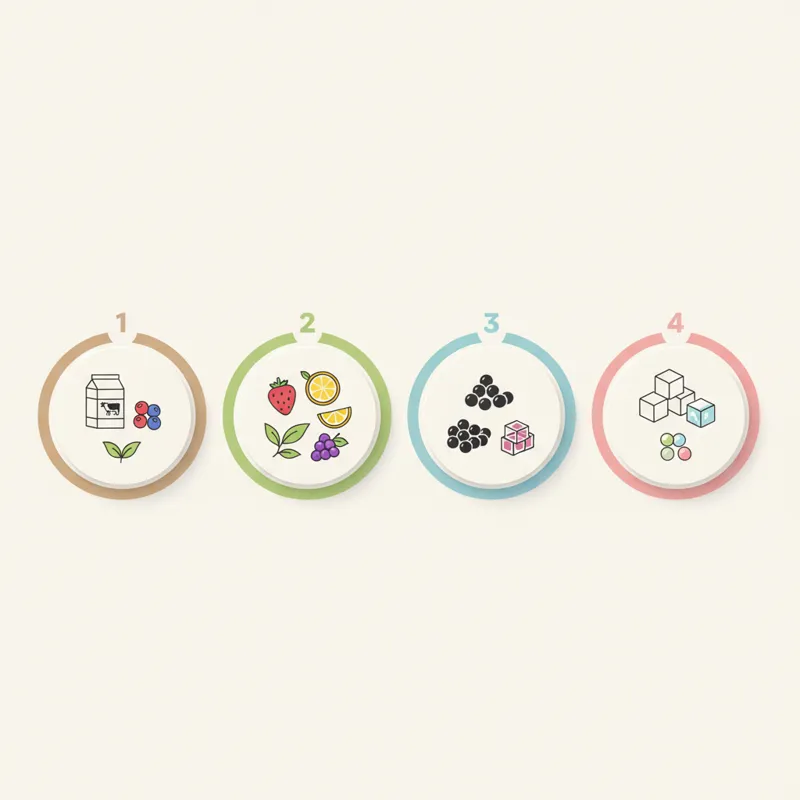
Almost every drink on a bubble tea menu can be deconstructed into four key decisions. Once you understand this framework, any menu becomes instantly manageable. Think of it less as a fixed list and more as a build-your-own-adventure for your taste buds.
Step 1: Choose Your Base (Milk Tea vs. Fruit Tea)
The first choice you’ll make is the fundamental liquid foundation of your drink. This decision sets the entire tone, determining whether your drink will be creamy and rich or light and refreshing.
- Milk Teas: This is the classic, iconic style. It starts with a brewed tea (usually black, green, or oolong) that’s combined with a creamer. The “creamer” can be fresh milk, oat milk, almond milk, or a non-dairy powdered creamer, which gives it a uniquely smooth and rich texture that many purists love.
- Fruit Teas: These are the vibrant, thirst-quenching alternative. Typically made with a green or black tea base, they are shaken with fruit syrups, purees, or fresh fruit pieces. They are almost always dairy-free and offer a lighter, more crisp experience.
- Specialty Bases: Many shops also offer other options like “slushes” (blended with ice), “smoothies” (thicker, often with yogurt or more fruit), or “lattes” (which may not contain any tea at all, focusing instead on milk and a flavor like taro or brown sugar).
Step 2: Pick Your Flavor
After you’ve chosen your base, you select the primary flavor. For milk teas, the flavor is often defined by the tea itself or an added powder/syrup. For fruit teas, it’s all about the fruit.
- For Milk Teas: You can go with a classic like Black Milk Tea or Jasmine Green Milk Tea. Or, you can choose a distinct flavor like Taro (a nutty, vanilla-like root vegetable), Thai (spiced black tea), or Brown Sugar (a deep, caramelized sweetness).
- For Fruit Teas: The options are vast. Mango, Strawberry, and Passion Fruit are extremely popular in the U. S. More traditional options include Lychee, Wintermelon, and Kumquat. The key here is deciding if you want a sweet, tart, or floral fruit profile.
Step 3: Select Your Toppings (The “Boba”)
This is where the “bubble” in bubble tea comes from. The toppings, often called “pearls” or “boba,” are the textural element at the bottom of your cup. The classic choice is tapioca, but the modern bubble tea menu offers so much more.
- Tapioca Pearls: The original. These are chewy, dark brown spheres made from the cassava root. They have a subtle, sweet flavor and a satisfyingly bouncy texture.
- Popping Boba: These are a completely different experience. They are small spheres with a thin gel-like skin filled with fruit juice that bursts in your mouth. Popular flavors include mango, lychee, and strawberry.
- Jellies: These are firm, chewy, and often fruit-flavored cubes or shapes. Lychee jelly and grass jelly (a mildly sweet, herbal option) are common standouts.
- Pudding: A scoop of creamy, silky egg custard pudding adds a decadent, dessert-like quality to the drink.
Step 4: Customize Your Sweetness and Ice Levels
This is the final, crucial step that puts you in complete control. Most shops allow you to specify how sweet you want your drink and how much ice you’d like. The levels are usually expressed as percentages.
- Sweetness: Standard is 100%, but you can usually ask for 75%, 50%, 30%, or even 0% (no sugar). If you’re trying a drink for the first time, ordering at 50% or 75% is a safe bet. You can always ask for more sugar, but you can’t take it away.
- Ice: Similar to sweetness, you can ask for regular ice, less ice, or no ice. Keep in mind that “no ice” may sometimes cost extra, as the shop has to fill the cup with more of the drink itself.
Decoding the Milk Tea Menu: Classics and Modern Twists
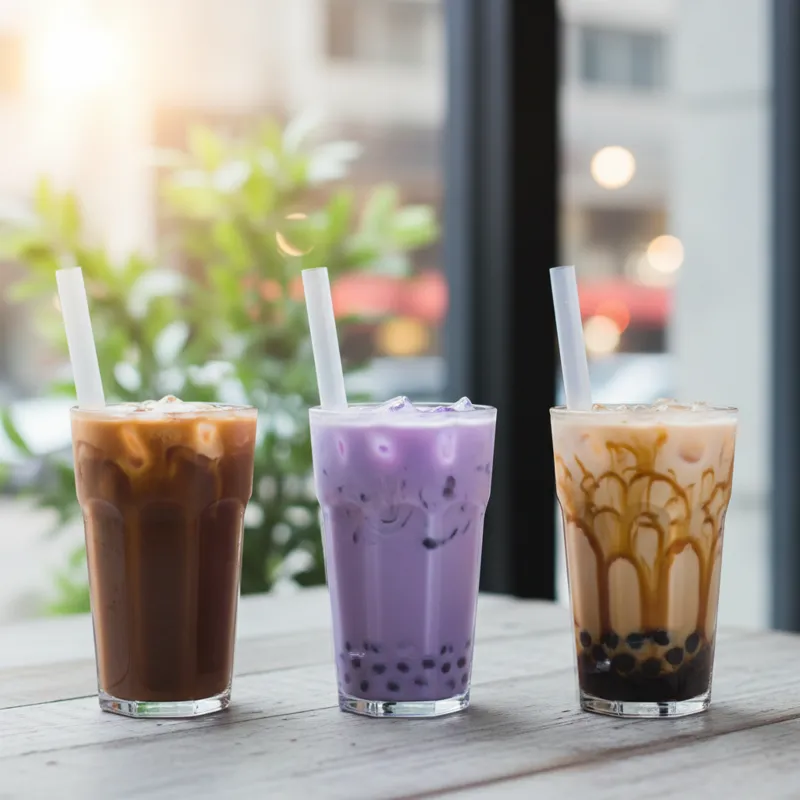
The milk tea section is the heart of most bubble tea menus. These drinks are comforting, rich, and range from simple and tea-forward to complex and dessert-like. A clean shop is essential for quality, and a proper commercial inspection of the facilities ensures that hygiene standards are met where your drink is prepared.
The Foundation: Classic Black Milk Tea
This is the benchmark. If you want to judge the quality of a bubble tea shop, order their classic black milk tea with boba. It’s a simple combination: a robust, often malty black tea (like Assam or Ceylon), creamer, sugar, and tapioca pearls. A great version has a strong tea flavor that isn’t masked by excessive sugar or creamer. It’s the little black dress of the boba world—timeless and always in style.
The Crowd-Pleaser: Taro Milk Tea Explained
Taro is that eye-catching purple drink you see everywhere. Made from the taro root vegetable, its flavor is unique and often a pleasant surprise for newcomers. It doesn’t taste like a vegetable. Instead, it has a nutty, slightly sweet, vanilla-like profile with a starchy mouthfeel, similar to a sweet potato. Most shops use a high-quality taro powder to achieve the flavor and color, while some premium spots may use fresh taro puree, which results in a thicker, more natural-tasting drink.
Global Flavors: Thai Tea, Hokkaido, and Okinawa
Many menus feature specialty milk teas with distinct regional profiles.
- Thai Tea: Instantly recognizable by its bright orange color, Thai tea is made from a strong black tea spiced with star anise, crushed tamarind, and other spices. It’s typically mixed with condensed milk, giving it a very sweet and creamy profile.
- Hokkaido Milk Tea: This style originates from Hokkaido, Japan, an area famous for its high-quality dairy. The flavor profile is distinguished by a rich, toffee-like caramel taste that pairs perfectly with the creamy milk.
- Okinawa Milk Tea: Similar to Hokkaido, this tea gets its name from a Japanese region. Its signature flavor comes from kokuto, an Okinawan brown sugar that has a deep, roasted, and complex molasses flavor. It’s less sweet than caramel and has a more robust taste.
The Refreshing World of Fruit Teas and Slushes
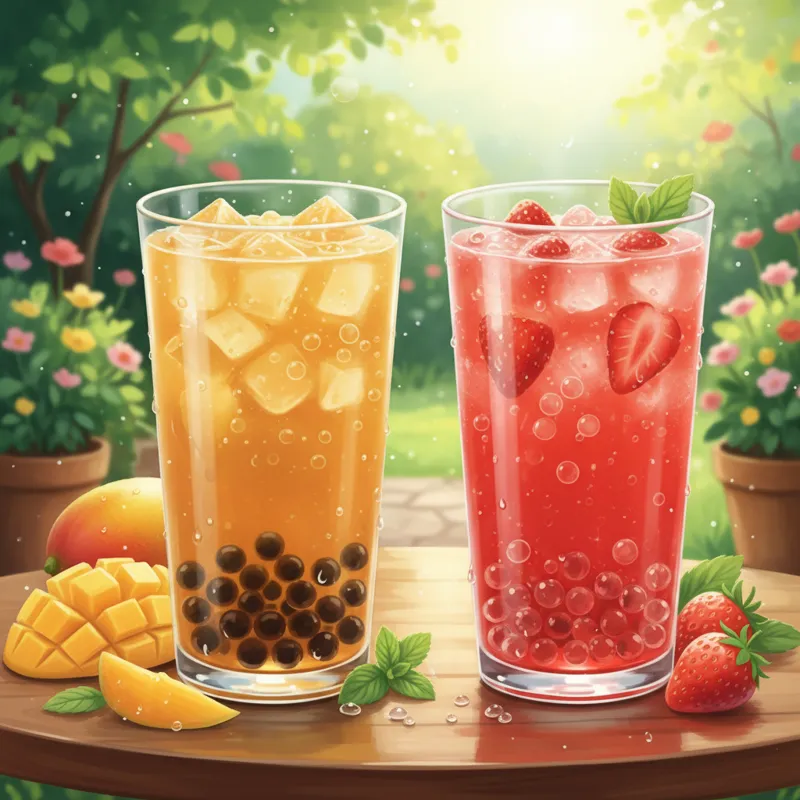
If you’re not in the mood for a creamy drink, the fruit tea side of the menu is your playground. These drinks are perfect for a warm day and showcase a different side of the bubble tea craft—balancing fruit sweetness with the subtle bitterness of tea.
Real Fruit vs. Syrups: What to Look For
The quality of a fruit tea often comes down to its ingredients. Many shops use flavored syrups, which are consistent and efficient. However, a growing number of premium shops are using real fruit purees or even muddled fresh fruit. You can often tell by looking at the drink—if you see pulp or fruit pieces, it’s likely made with the real thing. Don’t be afraid to ask the barista what they use. A shop that uses fresh ingredients is usually proud to say so.
Popular Pairings: Fruit Tea with Popping Boba
While you can add any topping to a fruit tea, the most popular pairing by far is fruit tea with popping boba. The burst of juice from the popping boba complements the fruit flavor of the tea, creating a fun, dynamic experience. A classic combination is a Passion Fruit Green Tea with Lychee Popping Boba. The tartness of the passion fruit is balanced by the sweet burst of lychee, creating a perfect symphony of flavor.
Beyond the Boba: A Guide to Toppings
The toppings are arguably the most exciting part of customizing your drink. They add texture and, in many cases, a secondary layer of flavor. Mixing and matching toppings is part of the fun.
The Chewy Category: Tapioca Pearls, Crystal Boba, and Jellies
This group is all about the “chew.”
- Tapioca Pearls: The undefeated champion. Should be soft on the outside with a firm, QQ (a Taiwanese term for a specific chewy texture) center.
- Crystal Boba: Also known as agar boba, these are a bit firmer and have a less chewy, almost crunchy texture. They are typically made from konjac jelly and come in a clear or lightly sweetened form.
- Jellies: Offered in cubes, stars, or other fun shapes, jellies provide a satisfyingly firm bite. Lychee, Mango, and Rainbow (a mix of fruit flavors) are menu staples.
The Creamy Category: Cheese Foam, Salted Crema, and Pudding
These toppings add a rich, savory, or dessert-like element that floats on top of or sinks to the bottom of your drink.
- Cheese Foam / Salted Crema: Don’t let the name scare you. This is a savory-sweet foam made from cream cheese, whipping cream, and a touch of salt. It floats on top of the tea and is meant to be sipped along with the drink. It adds a delicious salty contrast that cuts through the sweetness of the tea, especially fruit teas.
- Pudding: This is a simple, silky egg custard. Adding a scoop to a milk tea turns it into a full-fledged beverage-dessert hybrid.
What Most People Miss on the Bubble Tea Menu
With so many colorful options, it’s easy to overlook some of the best parts of a bubble tea menu. Many customers fall into a routine, ordering the same thing every time without exploring.
One of the biggest missed opportunities is the “Pure Tea” section. Many specialty shops take great pride in their tea sourcing, offering high-quality Oolongs, Jasmine Greens, or unique seasonal teas. Ordering one of these without milk or a strong flavor allows you to appreciate the quality of the tea itself, which is the foundation of the entire enterprise. It’s a different, more refined experience.
Another thing people often forget is that they can mix toppings. You don’t have to choose just one. Ask for half boba and half pudding, or mix popping boba with lychee jelly. Most shops are happy to accommodate for a small charge. While you likely won’t see exotic botanicals like rare Irish flowers on the menu, exploring floral teas like rose or osmanthus can provide a similarly delicate and aromatic experience.
Finally, don’t be afraid to ask for a recommendation. Tell the barista what flavors you usually enjoy (in coffee, desserts, or other drinks) and let them guide you. They know the menu better than anyone and can often point you to a combination you wouldn’t have thought of yourself.
Our Boba Drink List and Prices (Example Menu)
To help you visualize how this all comes together, here is an example of a typical bubble tea menu structure with estimated prices for 2026. Prices will vary by location and shop.
| Drink | Description | Medium (16oz) | Large (24oz) |
|---|---|---|---|
| CLASSIC MILK TEA | |||
| Classic Black Milk Tea | Freshly brewed Assam black tea with creamer. | $5.50 | $6.50 |
| Jasmine Green Milk Tea | Fragrant jasmine green tea with creamer. | $5.50 | $6.50 |
| Oolong Milk Tea | Roasted oolong tea with a rich, deep flavor. | $5.75 | $6.75 |
| FLAVORED & SPECIALTY TEA | |||
| Taro Milk Tea | Sweet and nutty with a creamy texture. | $6.00 | $7.00 |
| Brown Sugar Deerioca | Fresh milk with brown sugar syrup & boba (caffeine-free). | $6.25 | $7.25 |
| Thai Tea | Spiced black tea with condensed milk. | $6.00 | $7.00 |
| FRUIT TEA | |||
| Mango Green Tea | Sweet mango flavor paired with refreshing green tea. | $5.75 | $6.75 |
| Passion Fruit Green Tea | A sweet and tart tropical favorite. | $5.75 | $6.75 |
| TOPPINGS (+ $0.75 each) | |||
| Tapioca Pearls, Crystal Boba, Lychee Jelly, Grass Jelly, Pudding, Popping Boba (Mango/Lychee) | |||
Frequently Asked Questions About Ordering Bubble Tea
What is the most popular boba drink?
Across the United States, the Classic Black Milk Tea with boba and the Brown Sugar Milk Tea are consistently the top sellers. They are the quintessential bubble tea experiences. For fruit teas, Mango or Strawberry Green Tea are extremely popular choices.
What’s a good boba drink for a beginner?
A Classic Milk Tea at 50% or 75% sweetness is the perfect starting point. It gives you the foundational taste of tea, cream, and chewy boba. If you prefer something without dairy, a Mango Green Tea with boba or lychee jelly is a safe and delicious bet that’s hard not to like.
Is boba tea unhealthy?
Like any sweetened beverage, bubble tea is a treat. A standard 16oz milk tea can contain a significant amount of sugar and calories. However, the ability to customize sweetness is a major advantage. Ordering your drink with 30% or 0% sugar, opting for a pure tea base, and choosing lower-calorie toppings can make it a much lighter option. As the CDC notes, sugar-sweetened beverages are a major source of added sugars in the American diet, so being mindful of your customization choices is key. It’s about moderation, not deprivation, though some complex health situations might require more specific equipment, not unlike circumstances that would call for a hospital bed rental for at-home care.
Can I get bubble tea without caffeine?
Absolutely. Most menus have a “caffeine-free” section. Popular options include the Brown Sugar milk drinks (which are often just milk and syrup), fruit slushes, and herbal teas. You can also ask for any fruit tea to be made with water instead of tea for a refreshing, caffeine-free “juice.”
Health, Diet & Wellness Disclaimer
The content on bangladeshcountry.com related to health, diet, nutrition, fitness, and mental wellness is provided for general informational purposes only. We are independent researchers and are not licensed medical doctors, therapists, or certified nutritionists.
The information shared is based on independent internet research and should not be considered a substitute for professional medical advice, diagnosis, or treatment. Certain ingredients or physical activities may not be suitable for everyone. Always consult with your healthcare provider or a qualified specialist before making dietary changes, starting a new wellness routine, or relying on health-related claims. Your use of this information is solely at your own risk.