

In a large living room, the wrong coffee table can feel like a postage stamp on a billboard—lost, undersized, and ineffective. The space around it remains undefined, leaving your sectional or sprawling sofas feeling disconnected and adrift. The solution isn’t just a bigger table; it’s the right large coffee table. This single piece of furniture can act as a powerful anchor, a central hub that pulls the entire room together, creating a functional, stylish, and intentional living area. More than just a place to set a drink, an oversized cocktail table is a statement of purpose for the room, dictating flow, function, and feel. But getting it right involves more than just measuring your sofa; it requires a deliberate approach to scale, material, and styling to transform your space from awkward to amazing.
Why a Large Coffee Table Might Be Exactly What Your Space Needs
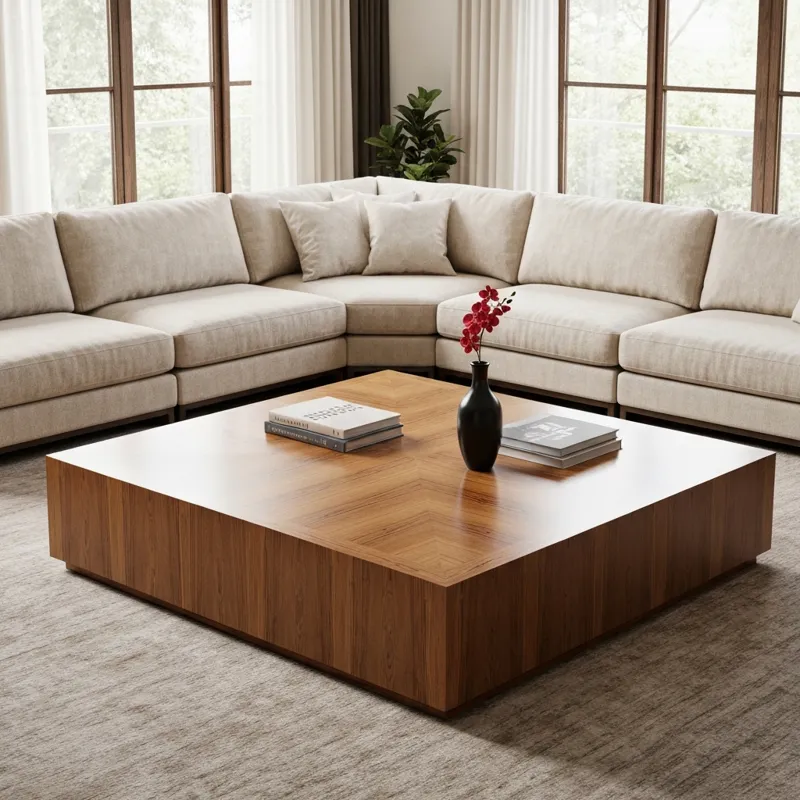
A substantial center table does far more than fill an empty spot. It fundamentally changes how you use and perceive your living room. In homes with open-concept floor plans or generously sized family rooms, it solves several key design challenges at once.
First, it establishes a gravitational center. Without a strong anchor, furniture in a large room can appear to float aimlessly. A large coffee table pulls sofas and chairs into a cohesive group, creating an intuitive zone for conversation and interaction. It signals, “This is where we gather.”
Second, it provides proportional balance. A massive sectional sofa requires a counterpart with visual heft. A small table looks comical and out of scale, highlighting the emptiness of the space rather than complementing the seating. A properly scaled table makes the entire furniture arrangement look deliberate and harmonious.
Finally, its functionality is unmatched. This is a surface for more than just a few remote controls. It’s a platform for board game nights, a casual dining spot for pizza and a movie, a display area for your favorite art books, and a durable surface for kids’ homework projects. An extra large living room table turns passive space into an active, usable hub for daily life.
Getting the Scale Right: The Non-Negotiable Rules of Proportion
Choosing the right size isn’t a matter of guesswork. Interior design relies on a set of well-established principles of proportion that ensure both aesthetic harmony and practical usability. Ignoring these rules is the fastest way to an awkward, uncomfortable room.
The Height Rule: Keep It Level
Your coffee table’s surface should be at or just below the height of your sofa’s seat cushions—ideally within one to two inches. A table that’s too low forces an awkward reach, while one that’s too high can feel like a barrier. Maintaining this consistent sightline creates a clean, uncluttered look and ensures ergonomic comfort.
The Length Rule: The Two-Thirds Guideline
For a standard sofa, the coffee table should be approximately two-thirds of the sofa’s total length. This prevents the table from overpowering the sofa or looking dwarfed by it. When asking “what size coffee table for a large sectional,” you apply this rule to the longest seating section. For a 120-inch sofa section, you’d look for a table around 80 inches long.
The Clearance Rule: Your 18-Inch Comfort Zone
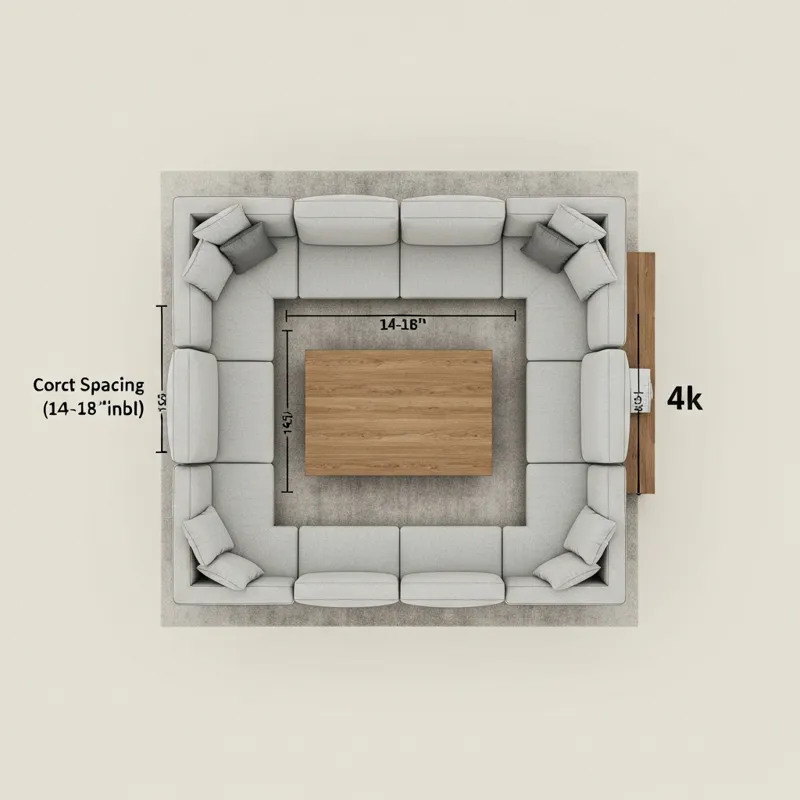
This is perhaps the most critical rule for functionality. You need to leave enough space between the edge of the coffee table and the front of your seating to walk through and sit down comfortably. Aim for 14 to 18 inches of clearance on all sides. Any less feels cramped; any more, and the table becomes too far away to be useful. This is the key measurement that determines the maximum footprint your table can have.
Sizing for Sectionals: A Special Case
Large sectionals demand a thoughtful approach.
- L-Shaped Sectionals: A large square or round coffee table works beautifully here. It fills the negative space in the “L” and is accessible from both sides of the sofa.
- U-Shaped Sectionals: This configuration creates a large, contained central area. It’s the perfect candidate for an oversized square cocktail table or a substantial rectangular one to fill the void and serve all seating areas effectively.
Measure the open space inside the sectional, then subtract the 14-18 inch clearance on each side to find your ideal table dimensions.
Material Choices for Oversized Cocktail Tables: Matching Form to Function
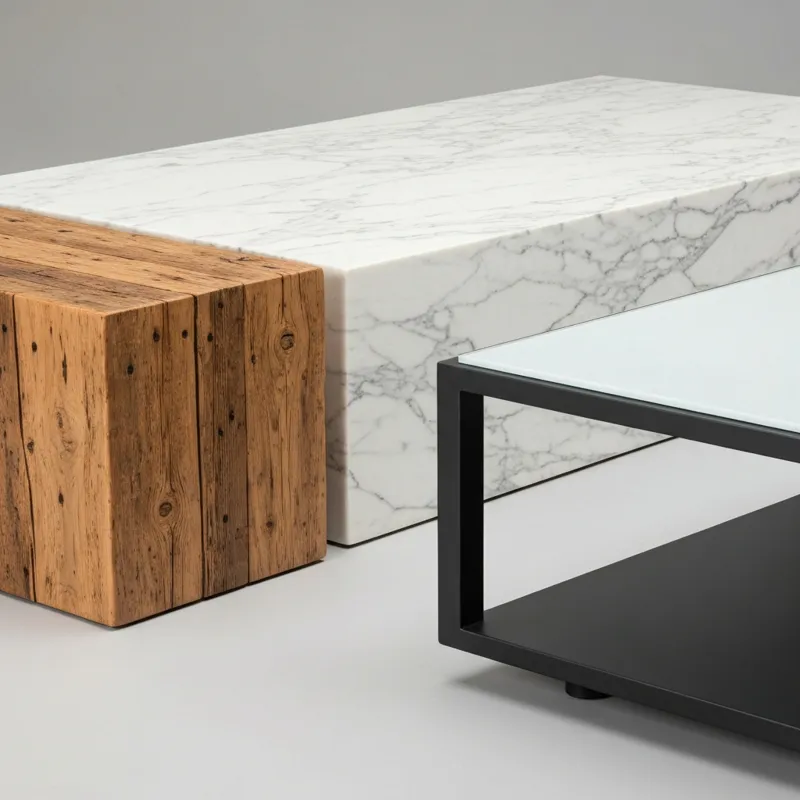
The material of your large coffee table dramatically impacts its visual weight and the room’s overall feel. A table’s substance is just as important as its silhouette.
Solid Wood: The Enduring Classic
Wood brings warmth, texture, and a sense of permanence to a room. It’s incredibly durable, making it a fantastic choice for busy family rooms. A natural wood coffee table can display beautiful grain patterns and can be refinished over the years. The main consideration is visual weight; a solid, dark wood table can feel very heavy. Lighter woods like oak or designs with carved legs can mitigate this.
Metal and Glass: Light and Modern
If you want the footprint of a large table without the visual bulk, a glass top is the answer. It keeps the space feeling open and airy, allowing light to pass through and showcasing a beautiful rug underneath. Paired with a sleek metal frame (in black, brass, or chrome), it lends a contemporary edge. The downsides are practical: glass shows every fingerprint and requires frequent cleaning. It is also important to ensure any glass furniture is made from tempered or safety glass to reduce the risk of injury, a standard recommended by safety organizations like the U. S. Consumer Product Safety Commission.
Stone and Marble: A Touch of Luxury
Materials like marble, travertine, or concrete add a sculptural, high-end feel. Each piece is unique, with its own veining and character. Stone is incredibly durable but also extremely heavy, making it difficult to move. It can also be porous and susceptible to staining if not properly sealed, so coasters are a must.
Upholstered Ottomans: Soft and Versatile
An oversized upholstered ottoman can function as a coffee table while also offering a soft surface for propping up feet or providing extra seating. They add valuable texture and can introduce a pop of color or pattern. To make them functional for drinks or decor, you absolutely need a large, sturdy tray to create a stable, flat surface.
The Common Mistakes to Avoid with a Substantial Center Table
Introducing a large piece of furniture comes with a few potential pitfalls. Being aware of them ahead of time can save you from a costly and frustrating mistake.
One of the biggest errors is confusing physical size with visual weight. A 48×48 inch table with a glass top and thin metal legs will feel infinitely lighter and smaller in a room than a 48×48 inch solid block of dark espresso wood. Consider how much visual space the piece will occupy, not just its footprint.
Another issue is failing to provide enough “breathing room.” If a large table makes navigating the living room feel like an obstacle course, it’s the wrong choice. The clearance rule isn’t just a suggestion; it’s essential for a comfortable, functional layout. In some tighter spaces, you might be better served by a cluster of versatile smaller coffee tables that offer a similar surface area with more flexibility.
Finally, don’t leave the surface a barren wasteland. A huge, empty tabletop can look sterile and uninviting. This vast expanse needs to be thoughtfully styled to break it up and add personality. This doesn’t mean clutter, but rather curated, intentional groupings.
A Practical Guide to Styling Your Large Coffee Table
Styling a substantial center table is an exercise in curated composition. The goal is to create a display that is beautiful, personal, and doesn’t interfere with the table’s function.
Start with a Tray
A large tray is your most powerful styling tool. It corrals smaller items—remotes, coasters, a candle—into a single, organized unit. This creates a neat focal point and instantly makes the surface feel less cluttered. On a rectangular table, place it off-center; on a square table, it can be centered or placed in one quadrant.
Use the Rule of Threes
Grouping items in odd numbers is a core tenet of design that is visually more appealing and dynamic than even-numbered groupings. As many design guides, including those from sources like Forbes Advisor, point out, this principle creates balance and interest. Try a stack of books, a decorative bowl, and a small plant as one grouping.
Vary Height, Shape, and Texture
Create visual interest by mixing objects of different scales and materials.
- Something Tall: A sleek vase with a few tall branches or flowers adds verticality.
- Something Low and Sculptural: A wide, low bowl, a string of decorative beads, or a unique metal object adds horizontal interest.
– Something Living: A small potted succulent, orchid, or a simple green plant brings life and an organic element to the composition. – Something Personal: A stack of your favorite coffee table books or a unique souvenir makes the space feel like yours.
This mix creates a dynamic landscape on your tabletop. For example, a rustic coastal coffee table could be styled with a tall glass vase of pampas grass, a low bowl of seashells, and a stack of books on photography.
Divide and Conquer
For a very large square or round table, mentally divide the surface into quadrants. Style two or three of the quadrants, leaving at least one empty for drinks or for visual breathing room. This approach keeps the styling feeling balanced and intentional rather than random.
Arranging Furniture Around Your Extra Large Living Room Table
The coffee table is the anchor, but its relationship with the surrounding seating is what defines the space. The arrangement should foster conversation and ease of movement.
For a large L-shaped or U-shaped sectional, the table should be centered within the open area created by the sofa. This ensures it’s reachable from as many seats as possible. Be sure to maintain that crucial 14-18 inch clearance all around.
In a more traditional layout with two sofas facing each other, a long rectangular table is the perfect bridge. It mirrors the shape of the sofas and defines the conversational axis. The length should ideally be about two-thirds that of the sofas, and it should be centered perfectly between them.
When adding accent chairs to any arrangement, position them so they form a complete conversational circle with the main seating. They should be angled inward toward the coffee table, close enough that a person sitting there can comfortably place a drink on its surface without standing up.
People Also Ask
- What is a good size for a large coffee table?
- A “large” coffee table is relative to the seating around it. A good size follows three rules: its height should be 1-2 inches below the sofa seat, its length should be about two-thirds the length of the sofa, and it should allow for 14-18 inches of clearance on all sides. For a 10-foot (120-inch) sofa, a table that is 70-80 inches long would be considered a good large size.
- Can a coffee table be too big for a room?
- Absolutely. A coffee table is too big if it violates the clearance rule, making it difficult to walk around, or if its visual weight overwhelms the space, making the room feel crowded and smaller than it is. Proper scale and proportion are key to a successful room layout.
- How do I make a large coffee table less imposing?
- To reduce the visual bulk of a large coffee table, choose one with “light” features. A glass or acrylic top allows you to see the floor underneath, creating an illusion of more space. Tables with thin, raised legs (“leggy” designs) also feel less heavy than solid, blocky styles. Styling with a single large tray can also help break up a vast surface.
- What’s the difference between a coffee table and a cocktail table?
- While there are subtle historical distinctions, in modern American interior design, the terms are used interchangeably. According to resources like Wikipedia, the term “cocktail table” emerged during the 1920s and was often associated with more formal, lower-profile designs. Today, for all practical purposes when shopping in 2026, there is no functional difference between a coffee table and a cocktail table.
Choosing a large coffee table is a defining moment in designing your living space. It’s a decision that goes beyond simple utility. By focusing on the foundational principles of scale, material, and thoughtful styling, you can select a piece that not only fits but elevates your room. It becomes the functional, beautiful centerpiece that anchors your furniture, invites connection, and finally makes your large living room feel complete, cohesive, and perfectly you.


