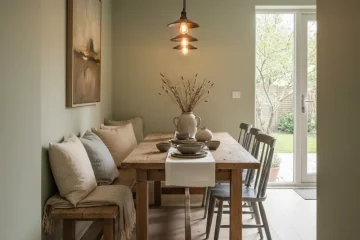
Choosing a new dining table can feel like a significant decision, given it’s often the focal point of a home. If you’re looking for real wood dining room table options or wooden dining table sets, you’ve likely come across white oak. A modern white oak dining table has become a highly sought-after centerpiece, blending natural beauty with contemporary aesthetics. It’s a choice that reflects both durability and a timeless design sensibility, making it a smart investment for any U. S. home in 2026. This guide will help you understand what makes white oak such an excellent material for modern dining, how to select the right table for your space, and what to consider for its longevity.
Why White Oak Stands Out for Modern Dining Tables

White oak isn’t just another hardwood; it possesses a unique combination of characteristics that make it particularly well-suited for a modern dining table. Its aesthetic appeal, structural integrity, and adaptability to various finishes set it apart from many other wood species commonly used in furniture.
First, let’s talk about durability. White oak is remarkably hard and dense. On the Janka hardness scale, which measures the resistance of wood to denting and wear, white oak typically ranks higher than its cousin, red oak, and is comparable to maple. This inherent toughness means a white oak dining table can withstand the daily rigors of family life – bumps, scrapes, and the general wear and tear that dining tables often endure – much better than softer woods. It resists dents and scratches, which is crucial for a piece of furniture that sees constant use. This isn’t just an aesthetic advantage; it contributes directly to the table’s longevity and value.
Then there’s the grain. White oak is celebrated for its distinctive, often straight and open grain pattern. Unlike the swirling, more pronounced cathedral grain of red oak, white oak typically exhibits a finer, linear grain that creates a clean, sophisticated look. This characteristic is precisely why it aligns so well with modern design aesthetics, which often favor understated elegance and natural textures. The consistent grain offers a calming visual appeal, allowing other elements in the room to stand out without competing for attention. Sometimes, you’ll also see “flake” patterns, known as medullary rays, especially in quarter-sawn white oak. These subtle, shimmering rays add depth and character without overwhelming the modern sensibility.
Color is another key factor. White oak naturally ranges from a light tan to a medium brown, often with grayish undertones. This neutral palette makes it incredibly versatile. It can be left in its natural state with a clear finish, allowing its inherent beauty to shine through, or it can be easily stained to achieve a wide array of tones, from whitewashed to rich, dark hues. For modern aesthetics, light or natural finishes are particularly popular, as they enhance the spaciousness and brightness of a dining area, aligning with contemporary trends that favor open, airy environments. This adaptability ensures that a modern white oak dining table can seamlessly integrate into diverse interior design schemes, from minimalist to industrial to Scandinavian.
Finally, white oak’s inherent resistance to moisture and decay is a significant benefit, especially in areas with fluctuating humidity. This makes it a stable material, less prone to warping or cracking compared to some other woods, contributing to the long-term integrity of the table.
The Hallmarks of a Modern White Oak Dining Table Design

Modern design emphasizes clean lines, functional forms, and a rejection of unnecessary ornamentation. A modern white oak dining table embodies these principles beautifully. Its design isn’t about intricate carvings or fussy details; it’s about the inherent beauty of the material and the thoughtful execution of its form.
One of the most defining characteristics is simplicity. Modern white oak tables often feature straightforward silhouettes, whether they are rectangular, round, or oval. The edges might be sharp and crisp, or softly eased for a more organic feel, but rarely are they heavily contoured. This simplicity allows the natural grain and color of the white oak to become the primary visual interest. It also ensures the table can serve as a versatile foundation for various dining chair styles and decor choices.
Base styles play a crucial role in defining the “modern” aspect. You’ll find a variety of bases designed to complement the clean lines of the tabletop:
- Slab Bases: These feature thick, solid panels of wood forming the supports, often running parallel to the tabletop. They provide a substantial, architectural look.
- Trestle Bases: While a traditional design, modern trestles are reimagined with cleaner, less ornate lines, often using thick, straight beams for support, sometimes angled or with a central stretcher. They offer stability and a distinctive visual anchor. This design can be particularly impressive for a large pedestal dining table reimagined with a modern aesthetic, though technically a trestle is different from a pedestal.
- Pedestal Bases: A single, central column support allows for maximum legroom and creates a sculptural focal point. Modern pedestal bases are typically clean-lined, often conical, cylindrical, or even angular and geometric, diverging from ornate traditional designs.
- Four-Leg Bases: The classic four-leg design is updated with slender, often tapered or angled legs that give the table a lighter, more elegant profile than bulky, traditional designs.
Finishes for a modern white oak dining table usually lean towards natural or lightly stained options. The goal is often to highlight the wood’s inherent beauty, not to mask it. Matte or low-sheen finishes are very popular in 2026, as they offer a more organic, understated look compared to high-gloss lacquers. These finishes protect the wood while maintaining its tactile quality and allowing its subtle variations in grain and tone to be appreciated. Some tables might feature a subtle whitewash or a very light gray stain to enhance the contemporary feel without obscuring the wood’s character.
The overall aesthetic integrates well with current design trends such as Japandi (a blend of Japanese minimalism and Scandinavian warmth), industrial chic (pairing wood with metal bases), and organic modernism (emphasizing natural materials and forms). The versatility of white oak allows it to adapt, making it a truly modern and adaptable choice.
Selecting the Right Size and Shape for Your Space

Choosing the correct size and shape for your modern white oak dining table is perhaps the most critical decision, directly impacting both the functionality and aesthetics of your dining area. It’s not just about how many people you can seat; it’s about flow, comfort, and visual balance.
Start by accurately measuring your dining space. Don’t just measure the room; consider doorways, windows, built-in cabinetry, and any other furniture that will share the space. A good rule of thumb is to allow at least 36-42 inches of clearance between the edge of the table and any walls or other furniture. This ensures people can comfortably pull out chairs, sit down, and walk around the table without feeling cramped. For homes that also require a solid wood counter height table in a different area, the same principles of clearance and functionality apply.
Once you have your measurements and clearance in mind, consider seating capacity:
- 4-Seater: Typically a table around 48-60 inches long (rectangular) or 36-48 inches in diameter (round/square). Ideal for smaller families or compact dining areas.
- 6-Seater: Rectangular tables usually range from 60-78 inches long. Round tables would need to be 48-60 inches in diameter. This is a common choice for average-sized families and entertaining.
- 8-Seater (or more): For a white oak dining table for 8, you’re looking at rectangular tables 78-96 inches long, or round tables 60-72 inches in diameter. These require a more substantial dining room.
Now, let’s explore shapes and their implications:
- Rectangular Tables: These are the most common and versatile, fitting well into most dining rooms. They maximize seating capacity along their length and are excellent for larger gatherings. They provide a clear visual path in rectangular rooms.
- Round Tables: Excellent for fostering conversation, as everyone is equidistant. They can make a smaller room feel less cluttered because they lack sharp corners, and they are perfect for square rooms or open-concept spaces where flow is important. A circular walnut dining table offers similar benefits in shape, though with a different wood aesthetic.
- Oval Tables: Combine some of the benefits of both rectangular and round tables. They offer more seating capacity than a round table of similar width but lack the sharp corners of a rectangle, promoting better flow and softening the room’s aesthetics.
- Square Tables: Best for square rooms or smaller dining areas, especially when seating four people. They provide an intimate setting. Larger square tables can sometimes feel vast and make conversation across the table more challenging.
Consider extension capabilities. Many modern white oak dining tables offer extension leaves, allowing you to expand the table for larger gatherings and then reduce its size for everyday use. This flexibility is invaluable for those who entertain periodically but don’t want a perpetually oversized table. Always check the ease of operation and how the leaves store.
Understanding White Oak Quality and Construction
The beauty and longevity of your modern white oak dining table hinge not just on its design but fundamentally on the quality of its wood and construction. Not all “white oak” tables are created equal, and understanding these differences is key to making a wise investment.
The most critical distinction is between solid white oak, white oak veneer, and engineered wood with a white oak finish.
- Solid White Oak: This means the entire table, or at least the tabletop, is constructed from solid planks of white oak. This is the highest quality option. Solid wood is incredibly durable, can be refinished multiple times over its lifetime, and develops a beautiful patina with age. It’s heavier, more robust, and more expensive. When buying solid white oak, look for planks that are carefully matched for grain and color, indicating attention to detail.
- White Oak Veneer: Veneer involves thin slices of real white oak wood glued onto a core material, often MDF (medium-density fiberboard) or plywood. High-quality veneers can look stunning and offer stability, as the core material is less prone to warping than solid wood. It’s also more budget-friendly. However, veneer tables cannot be deeply sanded or refinished multiple times, and if the veneer is damaged, it can be difficult to repair seamlessly. Ensure the veneer is thick (often 1/16th inch or more) and applied over a stable, dense core.
- Engineered Wood with White Oak Finish: This is generally a core material (like particle board or MDF) with a photographic white oak print or a very thin, often artificial, laminate layer designed to mimic white oak. These are the least expensive and least durable options. They scratch easily, cannot be refinished, and offer none of the natural character or longevity of real wood. Avoid these if durability and authentic aesthetics are your priorities.
Beyond the material, examine the construction and joinery. High-quality furniture uses traditional woodworking joints that ensure strength and stability without relying solely on screws and glue. Look for:
- Mortise and Tenon Joints: This involves one piece of wood (the tenon) fitting snugly into a hole (the mortise) in another. It’s incredibly strong and durable, often used where legs meet aprons or stretchers.
- Dovetail Joints: Most commonly seen in drawers, but a mark of quality. These interlocking “tails” and “pins” provide exceptional resistance to being pulled apart.
- Dowels and Biscuits: These are often used in conjunction with glue to reinforce joints, offering good stability.
Avoid tables primarily held together with visible screws or staples, as these tend to loosen over time. The underside of the table should be as well-finished as the top, indicating thorough craftsmanship. Check for smooth sanding, no sharp edges, and consistent finishing.
The origin and processing of the wood are also important. Reputable manufacturers use kiln-dried white oak. Kiln-drying removes moisture from the wood in a controlled manner, preventing it from warping, cracking, or shrinking significantly after it’s been made into furniture. Wood that hasn’t been properly dried can lead to structural problems down the line. Finally, consider sustainability. Many manufacturers now source their white oak from sustainably managed forests, which is an important ethical consideration for environmentally conscious buyers. The U. S. Forest Service provides extensive information on sustainable forestry practices.
Pairing Your Modern White Oak Table with Complementary Furniture
A modern white oak dining table is a statement piece, but its full potential is realized when paired thoughtfully with complementary furniture and decor. The beauty of white oak’s neutral tone and clean grain is its versatility, allowing it to integrate into a wide range of styles.
The most immediate pairing consideration is dining chairs. You have significant flexibility here:
- Wood Chairs: For a cohesive and warm look, pair your white oak table with chairs made from a similar wood, perhaps even white oak itself. Alternatively, a contrasting wood like walnut or ash can add visual interest. Look for chairs with simple, ergonomic designs, perhaps with subtle curves or tapered legs, to echo the modern aesthetic of the table.
- Upholstered Chairs: To add comfort, texture, and a pop of color, upholstered chairs are an excellent choice. Neutrals like gray, beige, or charcoal work beautifully for a sophisticated look. For a bolder statement, consider deep blues, greens, or even a soft terracotta. Materials like linen, boucle, or performance fabrics offer both style and practicality.
- Metal Chairs: For an industrial or contemporary edge, chairs with metal frames (black powder-coated steel, brushed brass, or chrome) can provide a striking contrast. Pair them with a simple wooden seat or a minimalist upholstered back.
- Mixed Materials: Don’t be afraid to mix and match! For example, a modern white oak dining table could be flanked by two upholstered armchairs at the heads, with four minimalist wooden or metal chairs along the sides. This adds depth and personality to your white oak dining set.
Beyond chairs, consider other elements in your dining space:
- Sideboards or Buffets: A matching white oak sideboard can create a unified look, but a contrasting piece can also be effective. Consider a piece in a darker wood (like walnut, if you’re interested in a circular walnut dining table elsewhere, you might appreciate its contrast here), a lacquered finish, or even a mixed-material design with stone or metal elements. The key is to maintain clean lines and a similar scale.
- Lighting Fixtures: Above your modern white oak dining table, a carefully chosen light fixture can define the space. Think minimalist pendant lights, sculptural chandeliers, or linear suspension lamps in black metal, brass, or even woven natural materials for a touch of organic modernism. The scale should be appropriate – not too small to be lost, not so large it overwhelms the table.
- Rugs: An area rug beneath your dining table can anchor the space, add warmth, and introduce color or pattern. Choose a rug that extends at least 24-30 inches beyond the table’s edge on all sides, allowing chairs to remain on the rug even when pulled out. Natural fibers like wool, jute, or sisal work well, or a subtle geometric pattern can enhance the modern vibe.
Finally, think about the overall design aesthetic you’re aiming for. A modern white oak dining table is incredibly versatile:
- Scandinavian: Pair with light wood chairs, minimalist decor, and natural textiles.
- Mid-Century Modern: Combine with chairs featuring classic forms (e.g., wishbone or Eames-inspired), alongside abstract art and geometric patterns.
- Industrial: Use metal-framed chairs, exposed brick, and raw textures.
- Japandi: Minimalist chairs, subtle ceramics, and natural, serene color palettes.
Even if your home leans towards a more classic or transitional style, a modern white oak dining table can introduce a fresh, updated element without clashing. For instance, it provides a striking counterpoint to an antique white dining room set, offering a contemporary anchor amidst more traditional pieces.
The Lifespan and Care of Your White Oak Dining Table
Investing in a modern white oak dining table means acquiring a piece of furniture that, with proper care, can last for generations. White oak is inherently durable, but like any natural wood product, it requires consistent attention to maintain its beauty and structural integrity. Neglecting basic care can lead to premature wear, staining, or even structural damage.
Daily care is straightforward. For regular dusting, use a soft, dry, lint-free cloth. Microfiber cloths are excellent for this. Avoid abrasive materials or dusting sprays that contain silicone, as silicone can build up and create a sticky residue over time, attracting more dust and making future refinishing difficult. For spills, wipe them up immediately with a slightly damp cloth, then follow with a dry cloth. White oak, particularly when properly sealed, has good moisture resistance, but prolonged exposure to liquids can still lead to water rings or damage to the finish.
Protection is paramount.
- Heat: Always use coasters under hot dishes and trivets under serving platters. Direct heat can damage the finish and potentially mark the wood, causing white rings or darkening.
- Moisture: Use placemats and coasters for glasses, especially those that “sweat.” Avoid leaving wet cloths or damp items on the table surface.
- Scratches: Place felt pads under any decorative items or appliances that sit on the table for extended periods. When moving items across the table, lift them rather than dragging. Be cautious with sharp objects like knives or scissors, and use a cutting board for food prep.
Periodic maintenance will help preserve the finish and nourish the wood. The specific routine depends heavily on the type of finish applied to your table.
- Oil Finishes (e.g., Rubio Monocoat, Osmo Polyx-Oil): These penetrate the wood, offering a very natural feel and appearance. They require reapplication every 1-3 years, or as needed, depending on use. Oiling helps to replenish the wood’s natural oils, maintain its luster, and enhance its protective barrier. Follow the manufacturer’s specific instructions.
- Lacquer or Polyurethane Finishes: These create a protective layer on the surface. They are generally more durable against spills and scratches but can be harder to repair locally if damaged. For these, a gentle wood cleaner designed for finished surfaces can be used occasionally. Avoid harsh chemical cleaners. If the finish wears down over many years, professional refinishing might be necessary.
- Wax Finishes: Less common on dining tables due to lower durability, but some artisanal pieces might feature them. These require periodic re-waxing to maintain protection and shine.
Controlling the environment is also crucial for natural wood furniture. Wood is hygroscopic, meaning it absorbs and releases moisture from the air. Significant fluctuations in humidity can cause wood to expand, contract, warp, or crack. Maintain a consistent indoor humidity level, ideally between 40-55%. In very dry climates, a humidifier can be beneficial; in very humid climates, a dehumidifier might be necessary. Avoid placing your table directly in front of heat vents, radiators, or in direct, prolonged sunlight, as these can cause excessive drying or fading. Forbes Home & Garden offers excellent general advice on wood furniture care.
Finally, addressing minor damage:
- Scratches: Very minor scratches on oil finishes can sometimes be buffed out with a fresh application of oil. For deeper scratches on lacquered surfaces, professional repair might be needed.
- Dents: Small dents can sometimes be raised by carefully applying a damp cloth and a hot iron (on a low setting), but this should be approached with caution and tested in an inconspicuous area first.
- Water Rings: These can sometimes be removed by gently rubbing with a paste of mineral oil and pumice, or by carefully applying heat with a hairdryer on a low setting. Always proceed slowly and test.
When in doubt, consult a professional furniture restorer. Their expertise can save your cherished modern white oak dining table from irreversible damage.
What Most People Get Wrong When Buying a White Oak Dining Table
Even with the best intentions, it’s easy to make missteps when purchasing a significant piece like a modern white oak dining table. Many common errors stem from overlooking practical considerations in favor of aesthetics or simply not knowing what questions to ask.
One of the most frequent mistakes is underestimating the true size requirements for their space. People often fall in love with a table’s look online or in a showroom, without adequately measuring their dining area and factoring in necessary clearance for chairs and walkways. A table that looks perfect in a spacious showroom might overwhelm a smaller dining room. Always measure your room and map out the table’s footprint, along with the required 36-42 inches of perimeter space, using painter’s tape on the floor. Don’t forget to consider traffic flow through the room.
Another common oversight is confusing solid white oak with veneer or engineered products. The term “white oak” can be used loosely by some retailers. A table marketed as “white oak” might only have a thin veneer over a cheaper substrate. As discussed earlier, the longevity, repairability, and overall value of solid wood are vastly different from veneer. Always ask for clarification on construction materials and inspect the table carefully – look at the edges and undersides for solid wood grain consistency. If the table seems too inexpensive for solid white oak, it probably isn’t.
Many buyers also neglect to consider the specific finish type and its implications for long-term care. Some tables have a durable, low-maintenance polyurethane finish, while others might have a more delicate oil finish that requires periodic reapplication. Without knowing the finish, you might inadvertently use the wrong cleaning products or be unprepared for the maintenance schedule, leading to premature wear or damage. Ask the retailer about the exact finish used and its recommended care.
Furthermore, people often fail to account for the overall aesthetic and practical integration with their existing furniture and lifestyle. A striking industrial-style white oak table might look out of place if the rest of your home is traditional, or conversely, a delicate, minimalist table might not hold up well to a boisterous family with young children. While a modern white oak dining table is versatile, it needs to align with your home’s established style and your daily needs. This means considering not just the table but also the white oak dining room set as a whole, including chairs and storage pieces.
Finally, a common error is not sitting at the table before buying. While you can’t always do this for online purchases, if possible, sit at the table with the chairs you intend to use. Check the legroom, table height, and how comfortable it feels. Sometimes a stunning design can be surprisingly impractical in use. The “sit test” can reveal crucial ergonomic details that photos simply can’t convey.
Modern White Oak Dining Table Trends for 2026
As we move through 2026, the modern white oak dining table continues to evolve, reflecting broader shifts in interior design, sustainability, and personal preferences. While its core appeal of durability and timeless design remains, several exciting trends are shaping new interpretations.
One prominent trend is an increased emphasis on sustainable and reclaimed white oak. Consumers are more conscious of environmental impact, driving demand for tables made from ethically sourced, certified wood, or even beautiful reclaimed white oak from old barns or industrial buildings. Reclaimed white oak often carries a unique character, with subtle imperfections and a rich history, which adds depth to modern designs. This aligns perfectly with the desire for authentic, natural materials.
Mixed materials are another strong trend. While white oak is beautiful on its own, designers are increasingly pairing it with other elements to create dynamic, textured pieces. Think white oak tabletops resting on sleek black metal bases, or bases featuring concrete or stone accents. This blend adds an industrial edge, a touch of sophistication, or a unique sculptural quality that elevates the table beyond a simple wooden piece. This concept extends to white oak dining room table pairings, where chairs might incorporate leather, rattan, or varied metals.Sculptural bases and unique forms are also gaining traction. Moving beyond the standard four legs, we’re seeing more artful pedestal designs, asymmetrical trestles, or integrated architectural bases that make the table a true statement piece. These designs often prioritize visual lightness despite their solid construction, creating a sense of spaciousness. For instance, a large pedestal dining table in white oak might feature a base with intriguing geometric cutouts or a flowing, organic shape.
There’s a growing appreciation for tactile finishes and natural textures. Matte and open-pore finishes that allow the natural grain of the white oak to be felt as well as seen are highly sought after. These finishes celebrate the authenticity of the wood and contribute to a more sensory, organic modern aesthetic. You might also see subtle cerused (wire-brushed) finishes that emphasize the grain pattern by filling it with a contrasting pigment, adding another layer of visual interest.
Finally, the integration of biophilic design elements is influencing dining spaces. This means bringing elements of nature indoors. A modern white oak dining table naturally fits this trend, and it’s often complemented by live plants, natural light, and organic forms in surrounding decor. The table becomes a grounding element in a space designed to foster well-being and a connection to the natural world. This trend reflects a broader cultural shift towards creating more serene and healthy home environments.
These trends highlight that while the core appeal of the modern white oak dining table remains its enduring quality and classic beauty, its expression is continuously refined to meet contemporary tastes and values.
Frequently Asked Questions (FAQ) About Modern White Oak Dining Tables
Here are some common questions people have when considering a modern white oak dining table:
Is white oak durable enough for a dining table?
Absolutely. White oak is one of the most durable hardwoods available for furniture. It has a high Janka hardness rating, making it very resistant to dents and scratches from everyday use. With proper care, a white oak dining table can last for generations.
How do I clean a white oak dining table?
For daily cleaning, use a soft, dry, lint-free cloth to dust. For spills, wipe immediately with a slightly damp cloth, then follow with a dry cloth. Avoid abrasive cleaners, silicone-based sprays, or harsh chemicals. The specific cleaning routine might vary slightly depending on the table’s finish (oil, lacquer, etc.), so always check the manufacturer’s recommendations.
Does white oak stain easily?
White oak itself is a dense wood, which makes it relatively resistant to deep penetration by stains and liquids compared to softer woods. However, the finish on your table is the primary barrier. A well-applied, quality finish (like a good lacquer or a penetrating oil) will protect the wood from most spills and stains if wiped up promptly. Without protection, any wood can stain.
What chair styles go best with a modern white oak table?
The versatility of a modern white oak dining table means many styles work well. Minimalist wooden chairs (like Scandinavian designs), upholstered chairs for comfort and texture, or sleek metal-framed chairs for an industrial touch are all popular choices. Mixing and matching different chair types can also create a dynamic and personalized white oak dining set.
Is white oak expensive?
Solid white oak furniture, especially a well-crafted modern white oak dining table, is generally considered an investment. Its durability, aesthetic appeal, and longevity command a higher price point than furniture made from veneers, softer woods, or engineered materials. However, its timelessness and ability to last for decades often make it a cost-effective choice in the long run.
What’s the difference between red and white oak?
While both are oaks, they have distinct differences. White oak is typically harder and more dense than red oak. Aesthetically, white oak usually has a straighter, more consistent grain pattern and a lighter, more neutral color (often with grayish undertones), making it favored for modern designs. Red oak has a more pronounced, swirling grain and a pinkish or reddish hue. White oak also has a closed-grain structure, making it more resistant to moisture, whereas red oak has an open-grain structure.
Can I put a modern white oak dining table in a small apartment?
Yes, but you need to be strategic. Consider a round or oval table, which can feel less imposing than a rectangular one in a tight space. An extension table is also a great solution, allowing you to expand seating only when needed. Always measure carefully to ensure adequate clearance around the table for comfortable movement.
A modern white oak dining table is more than just a place to eat; it’s an investment in enduring style, functionality, and the natural beauty of one of the finest hardwoods. By understanding its characteristics, selecting thoughtfully, and providing proper care, you’ll ensure this centerpiece serves your home beautifully for decades to come.