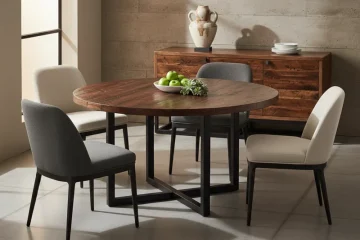
If you’re looking for dining table sets, finding quality retro style dining table and chairs can be a rewarding, though sometimes challenging, endeavor. The appeal of retro design isn’t just about nostalgia; it’s about a distinct aesthetic that blends iconic forms, durable materials, and a sense of timeless charm into modern living spaces. In 2026, the market for retro-inspired furniture is more robust than ever, offering everything from meticulously restored vintage pieces to high-quality contemporary reproductions. Understanding the nuances of these styles, materials, and sourcing options is key to making an informed purchase that perfectly complements your home.
Defining the Essence: What Exactly is “Retro Style” in Dining Furniture?

“Retro style” is a broad umbrella, encompassing designs from roughly the 1920s through the 1970s. It’s less a single look and more a celebration of distinct periods, each with its own signature materials, shapes, and philosophies. When you’re specifically searching for a retro style dining table and chairs, pinpointing which era appeals most to you will significantly narrow your focus and streamline your search.
Mid-Century Modern (1940s-1960s)
This is arguably the most popular and enduring retro aesthetic today. Characterized by clean lines, organic shapes, and a minimalist approach, Mid-Century Modern furniture prioritizes function and comfort without sacrificing style. Think designers like Charles and Ray Eames, Eero Saarinen, or Arne Jacobsen. Materials often include teak, walnut, rosewood, bent plywood, and sometimes fiberglass or metal accents. Chairs often feature tapered legs and sculptural forms, while tables are typically rectangular, round, or oval with slender bases. The color palette tends towards earthy tones, muted pastels, and occasional pops of vibrant color.
1950s Diner/Chrome & Formica (1950s)
For a distinctly American, upbeat retro vibe, the 1950s diner style is unmistakable. This look is all about shiny chrome, bright colors, and durable surfaces. Tables frequently feature chrome-plated steel legs and a Formica or laminate top, often with a contrasting trim. Chairs are typically upholstered in vibrant vinyl (think red, teal, or yellow), with chrome frames, often featuring a slight spring in the back for comfort. This style evokes a sense of casual fun and durability, perfect for a breakfast nook or an informal dining area.
Art Deco Influences (1920s-1930s)
While less common for full dining sets than Mid-Century, Art Deco elements can be found in some exquisite retro pieces. This era emphasizes geometric patterns, opulent materials, and a sense of luxury. Dining tables might feature exotic wood veneers, polished chrome, mirrored surfaces, or glass tops with intricate bases. Chairs are often upholstered in velvet or leather, with sleek, angular lines or subtle curves. Art Deco offers a sophisticated, glamorous take on retro, leaning into rich textures and bold statements.
Scandinavian Retro (Post-War Simplicity)
Often overlapping with Mid-Century Modern, Scandinavian retro emphasizes light woods (like birch or beech), clean lines, and a profound connection to nature. The designs are typically understated, highly functional, and built for longevity. Chairs are ergonomic and comfortable, often with woven seats or simple upholstery. Tables are straightforward, durable, and designed to maximize natural light and space. This style brings a warm, airy, and practical elegance to any dining space.
Key Materials and Construction for Authentic Retro Pieces

The materials used in retro dining furniture are central to its character and durability. Understanding these will help you assess quality, authentic design, and long-term care requirements for your chosen retro style dining table and chairs.
Wood Varieties: Teak, Walnut, Oak, and Rosewood
- Teak: Highly valued in Mid-Century Modern design for its durability, resistance to moisture, and beautiful grain. It often patinas gracefully over time to a rich, golden-brown.
- Walnut: A staple for its deep, warm tones and elegant grain. Walnut was a popular choice for high-end Mid-Century pieces and remains a premium wood for reproductions.
- Oak: While sometimes associated with more traditional styles, lighter oak finishes were used in some Scandinavian and American Mid-Century designs, offering strength and a subtle grain.
- Rosewood: Known for its striking dark grain patterns and reddish hue, rosewood was a luxurious choice in the Mid-Century era but is now often restricted due to sustainability concerns. Modern reproductions might use similar-looking veneers or alternative sustainable woods.
Metals: Chrome, Steel, and Brass
- Chrome: Synonymous with 1950s diner style, chrome-plated steel offers a bright, reflective, and durable finish. It’s also found in Art Deco and some Mid-Century designs, often in sleek, tubular forms.
- Steel: Used for frames and bases, steel provides strength. It might be chrome-plated, painted, or left with a brushed finish, particularly in more industrial-leaning retro pieces.
- Brass: Less common than chrome but present in more upscale Mid-Century or Art Deco designs, brass provides a warm, antique metallic accent, often for details like ferrules on chair legs or table bases.
Upholstery: Vinyl, Leatherette, and Textured Fabrics
- Vinyl/Leatherette: Essential for 1950s diner chairs, vinyl is durable, easy to clean, and available in a vast array of vibrant colors. High-quality vinyl feels supple and resists cracking.
- Leather: Genuine leather was used in more luxurious Mid-Century pieces, offering a sophisticated and long-lasting finish.
- Textured Fabrics: Wool, tweed, and various blends were popular for Mid-Century chairs, providing comfort and a tactile quality. Patterns could range from solids to geometric designs.
Tabletop Surfaces: Laminates, Glass, and Butcher Block
- Laminates (e.g., Formica): A defining feature of 1950s tables, laminates are incredibly durable, heat-resistant, and easy to clean. They came in solid colors, speckles, or even wood-grain patterns.
- Glass: Often used for Mid-Century and Art Deco tables, glass tops provide a sense of lightness and allow the design of the base to be fully appreciated. Tempered glass is standard for safety.
- Butcher Block: Less common than other options but occasionally found in more rustic or industrial retro styles, offering a solid, hard-wearing surface.
Sourcing Your Retro Dining Table and Chairs in 2026

Acquiring a retro style dining table and chairs today offers several avenues, each with its own advantages and considerations. Your choice will depend on your budget, desire for authenticity, and willingness to invest time in the search.
New Reproductions vs. Vintage Originals
- New Reproductions: Many manufacturers today create excellent reproductions of classic retro designs. These offer modern durability, often come with warranties, and are readily available. Quality can vary significantly, so research brands and read reviews. You’ll get a consistent look and modern comfort, often at a predictable price point.
- Vintage Originals: An authentic vintage piece offers a unique character and history that reproductions can’t match. However, originals might show signs of wear, require restoration, or come with a higher price tag for well-preserved examples. Verifying authenticity often requires some knowledge of the era’s designers and construction methods. The market for genuine vintage looking table options, especially from popular periods, is competitive.
Online Retailers: The Modern Marketplace
The internet has transformed furniture shopping. Major online retailers, specialized vintage e-commerce sites, and auction platforms offer a vast selection of both new reproductions and vetted vintage pieces.
- Advantages: Wide selection, easy comparison shopping, delivery to your door.
- Considerations: You can’t physically inspect the item, so rely heavily on detailed descriptions, high-resolution photos, and customer reviews. Be mindful of shipping costs for large furniture. Many reputable online sources provide clear provenance for vintage items.
Local Vintage Shops & Flea Markets
For those who enjoy the hunt, local vintage stores, antique malls, and flea markets are treasure troves.
- Advantages: You can inspect pieces in person, haggle on prices, and often discover unique, one-of-a-kind items. You might also find a best cheap dining table if you’re patient.
- Considerations: Inventory is unpredictable, and quality can vary wildly. You might need to arrange your own transport for larger items. Developing an eye for quality and potential restoration needs is beneficial.
Custom Builds and Restoration Services
If you have a very specific vision or acquire a damaged vintage piece, custom builders and restoration specialists can be invaluable.
- Custom Builds: A skilled artisan can create a bespoke retro dining set based on your specifications, offering unique materials or dimensions not readily available. This is typically the most expensive option.
- Restoration: Professional restorers can bring a worn vintage retro style dining table and chairs back to its former glory, repairing structural issues, refinishing wood, or reupholstering chairs. This preserves the authenticity while extending the piece’s lifespan.
What Most People Get Wrong When Buying Retro Dining Sets
Buying furniture, especially pieces with a specific aesthetic like retro, comes with its own set of potential missteps. Being aware of these common errors can save you time, money, and disappointment.
Misunderstanding “Authenticity” vs. “Style”
Many people equate “retro style” with “vintage.” While authentic vintage pieces are certainly retro, not all retro-styled furniture is old. Reproductions are plentiful and can offer excellent quality and durability without the maintenance challenges of truly old items. The mistake comes when buyers assume a piece labeled “retro” or “Mid-Century style” must be an antique, leading to inflated expectations or overpaying for new furniture. Always clarify whether you’re buying an original or a reproduction.
Overlooking Scale and Proportion
Retro furniture often has a lighter, more delicate visual profile than contemporary counterparts. However, this doesn’t mean every retro piece is small. People sometimes buy a stunning retro style dining table and chairs without properly measuring their space. A long, slender Mid-Century table might look perfect in a photograph, but overwhelm a small dining area, or conversely, a petite 1950s dinette set can look lost in a large, open-plan room. Always measure your dining area, including doorways and pathways, before committing. Consider how much space you need around the table for chairs to be pulled out comfortably and for people to walk through. This is crucial for all dining table ideas.
Neglecting Durability and Maintenance
Vintage items, by definition, have already lived a life. Even well-restored pieces may have inherent vulnerabilities or require specific care. For instance, original Danish teak tables might need special oiling, and vintage vinyl upholstery can crack if not conditioned properly. Reproductions, while new, can also vary in quality; some cheaper reproductions might use thin veneers or flimsy construction. Always inquire about the materials and recommended care for any retro dining set you consider. Durability should always be a consideration, especially for everyday use.
Underestimating Shipping and Assembly for Larger Pieces
Furniture logistics are often an afterthought. A stunning retro style dining table and chairs, particularly a vintage one, might require specialized freight shipping if purchased online, which can be surprisingly costly and complex. Reproductions usually come flat-packed or partially assembled, requiring you to put them together. Don’t assume free or easy delivery. Factor in shipping costs, delivery times, and whether you’ll need to hire help for assembly or moving heavy, delicate pieces into your home.
Integrating Retro Style into Your Home’s Aesthetic
A retro style dining table and chairs can be a striking focal point, but successful integration involves more than just dropping it into a room. Thoughtful design choices help it feel cohesive and intentional.
Blending Old and New
One of the most effective ways to incorporate retro furniture is by mixing it with contemporary pieces. A Mid-Century dining set, for example, pairs beautifully with a modern rug, minimalist lighting, or abstract art. The contrast highlights the unique qualities of each era, preventing the space from feeling like a museum exhibit. The key is to find commonalities – perhaps a shared color palette, a consistent level of formality, or a balance of clean lines. Don’t feel pressured to make your entire home a retro shrine; a single statement piece can be enough.
Color Palettes and Accessories
The color scheme around your retro dining set can dramatically influence its perceived era. For a 1950s vibe, lean into bright primary colors, pastels, or bold two-tone combinations. For Mid-Century, consider earthy tones, avocado green, mustard yellow, or burnt orange. Accessories like vintage-inspired artwork, pottery, lighting fixtures (like a Sputnik chandelier), or even period-appropriate tablecloths and dinnerware can enhance the theme without overwhelming it. Consider how your chosen retro style dining table and chairs fits within your existing breakfast room dining sets or formal dining room setup.
Lighting as a Key Element
Lighting plays a crucial role in setting the mood and highlighting your retro furniture. A period-appropriate pendant light or chandelier can instantly elevate the retro feel. For Mid-Century, think clean-lined Sputnik, saucer, or globe fixtures. For 1950s diner, perhaps a chrome fixture with milk glass shades. Beyond aesthetics, ensure your dining area has adequate and adjustable lighting for both everyday meals and entertaining.
Value, Longevity, and Sustainability Considerations
When investing in a retro style dining table and chairs, it’s wise to think beyond immediate aesthetics to consider long-term value, durability, and environmental impact.
Investing in Quality: What to Look For
Regardless of whether you choose vintage or reproduction, quality should be paramount.
- For Vintage: Inspect construction. Are joints sturdy? Is the wood solid, or is it veneer over particleboard? Check for deep scratches, warping, or insect damage. Minor cosmetic flaws are often part of the charm and can be addressed, but structural integrity is key.
- For Reproductions: Look for solid wood construction (where applicable), quality hardware, durable upholstery fabrics, and strong joinery (dovetail, mortise and tenon are good indicators). Read reviews, check warranties, and research the manufacturer’s reputation. Cheap reproductions often cut corners on materials and craftsmanship, leading to short lifespans.
Maintaining Your Retro Furniture
Proper maintenance is crucial for longevity.
- Wood: Dust regularly. Use appropriate wood cleaners and polishes, or specific oils for teak/walnut, to prevent drying and cracking. Avoid direct sunlight and extreme temperature changes.
- Chrome: Clean with a soft cloth and a gentle chrome cleaner to prevent tarnishing and rust. Avoid abrasive scrubbers.
- Vinyl: Wipe spills immediately. Use a vinyl cleaner and conditioner periodically to keep it supple and prevent cracking.
- Upholstery: Vacuum regularly. Spot clean spills immediately with appropriate fabric cleaners, testing in an inconspicuous area first.
The Environmental Aspect of Vintage vs. New
Choosing vintage furniture is inherently a sustainable practice. By giving an existing piece a new life, you reduce demand for new manufacturing, which in turn saves raw materials, energy, and avoids landfill waste. If opting for new reproductions, look for brands committed to sustainable sourcing of materials (e.g., FSC-certified wood) and environmentally responsible manufacturing processes. Longevity also plays a role in sustainability; a well-made piece, whether old or new, that lasts for decades is a more sustainable choice than frequently replacing cheaply made items.
Frequently Asked Questions About Retro Dining Furniture
How do I know if a piece is truly vintage?
Authenticating vintage furniture often involves examining labels or stamps from the manufacturer (e.g., Made in Denmark, Herman Miller), checking construction methods (e.g., hand-cut dovetail joints, specific hardware), and looking for signs of age like patina, wear consistent with decades of use, or specific material choices no longer common today. Researching known designers and their works is also helpful.
What’s the difference between Mid-Century Modern and 1950s retro?
While overlapping chronologically, Mid-Century Modern is an international design movement focusing on organic forms, functionality, and natural materials like teak and walnut, often with minimalist aesthetics. 1950s retro, particularly the “diner style,” is a more specific American aesthetic characterized by chrome, vinyl, and bright colors, reflecting the post-war boom and popular culture of that decade. Mid-Century is generally more refined, while 1950s diner is more playful and robust.
Are retro dining sets comfortable for everyday use?
Many are, yes. Mid-Century Modern chairs, especially those by renowned designers, were often engineered for ergonomic comfort. 1950s diner chairs, with their vinyl upholstery and spring backs, are also surprisingly comfortable for casual dining. However, comfort is subjective. Always try to sit in a chair if possible, or read reviews specifically addressing comfort before purchasing, especially if you plan to use it daily for long periods.
How do I clean and care for specific retro materials?
Specific care depends on the material. For wood, use wood-specific cleaners or oils. Chrome needs a non-abrasive cleaner. Vinyl requires gentle cleaning and conditioning to prevent cracking. Always test any cleaning product on an inconspicuous area first. Avoid harsh chemicals, direct sunlight, and extreme temperatures, which can damage vintage finishes.
Can I mix and match retro chairs with a modern table?
Absolutely! Mixing and matching is a popular design approach that adds character and personality. A set of vintage Mid-Century chairs can look fantastic with a minimalist glass or concrete table, creating a dynamic contrast. Conversely, sleek modern chairs can update a classic retro wooden table. The key is to find a unifying element, such as a consistent color, material, or scale, to ensure cohesion.
Where can I find retro table and chairs for sale near me?
To find retro table and chairs for sale near you, start by searching online marketplaces that allow local filtering, such as Facebook Marketplace, Craigslist, or specific vintage furniture apps. Check local vintage and antique stores, consignment shops, and architectural salvage yards. Flea markets and estate sales can also be excellent sources. Many cities also have specialty shops that focus exclusively on Mid-Century or other retro furniture styles. A quick online search for “vintage furniture [your city]” or “Mid-Century Modern furniture [your city]” will likely yield several local options.