
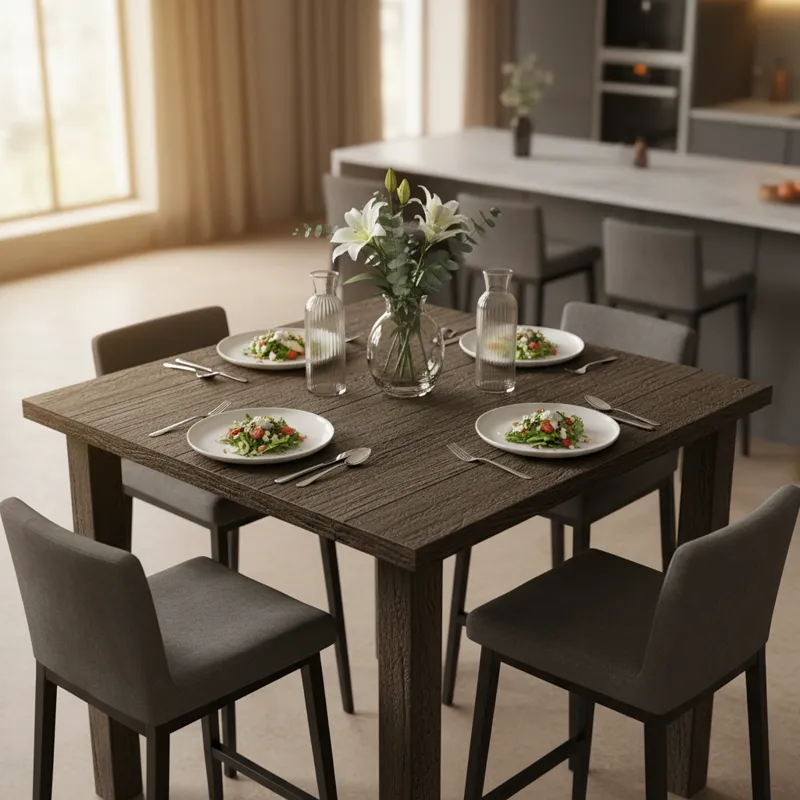
If you’re looking for large dining table sets, finding a quality square high top dining table can be challenging, as the market often prioritizes more traditional, lower-height options. Yet, for many contemporary homes across the United States, especially those dealing with smaller footprints or a desire for a more dynamic living space, the square high top dining table offers a uniquely compelling solution. It’s more than just a place to eat; it’s a statement about how you utilize your space, blend aesthetics with utility, and foster a casual, inviting atmosphere. This guide delves into everything you need to know about these versatile pieces, from their practical advantages and design considerations to common pitfalls and expert tips for integration into your home.
Understanding the Square High Top Dining Table
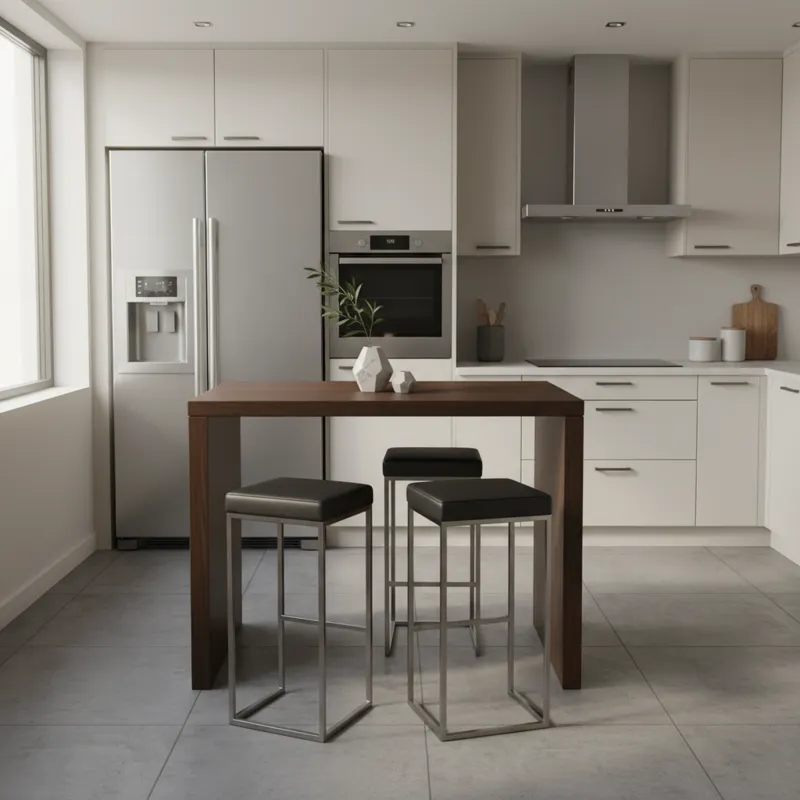
A square high top dining table, often simply called a “pub table” or “counter-height table” depending on its exact dimensions, stands taller than a standard dining table. While a conventional dining table usually measures around 28-30 inches in height, high top tables typically fall into two categories: counter height (around 34-36 inches) or bar height (around 40-42 inches). The “square” aspect, of course, refers to its tabletop shape, which distinguishes it from round, rectangular, or abstract designs. This specific combination of height and shape brings distinct advantages and a particular aesthetic to any room.
Defining “High Top” vs. Standard
The difference in height isn’t just a few inches; it fundamentally changes the dining experience. A standard table encourages a more formal, seated posture, often with feet flat on the floor. A high top table, conversely, necessitates stools rather than chairs, promoting a slightly more upright stance and a casual, conversational environment. This height also allows for easier standing and leaning, making it ideal for quick meals, entertaining, or even as a temporary standing workstation.
Why Square? The Geometry of Utility
The square shape is inherently efficient for smaller spaces. Unlike a round table which might feel bulky, a square table can be pushed flush against a wall or into a corner without wasting space. Its clean lines complement modern decor, and it provides an equitable dining experience, as everyone seated faces each other directly, fostering engagement. A square high top table for 4, for instance, offers each person a defined space without encroaching on others, perfect for intimate gatherings or daily family meals.
The Distinct Advantages of Choosing a Square High Top Dining Table
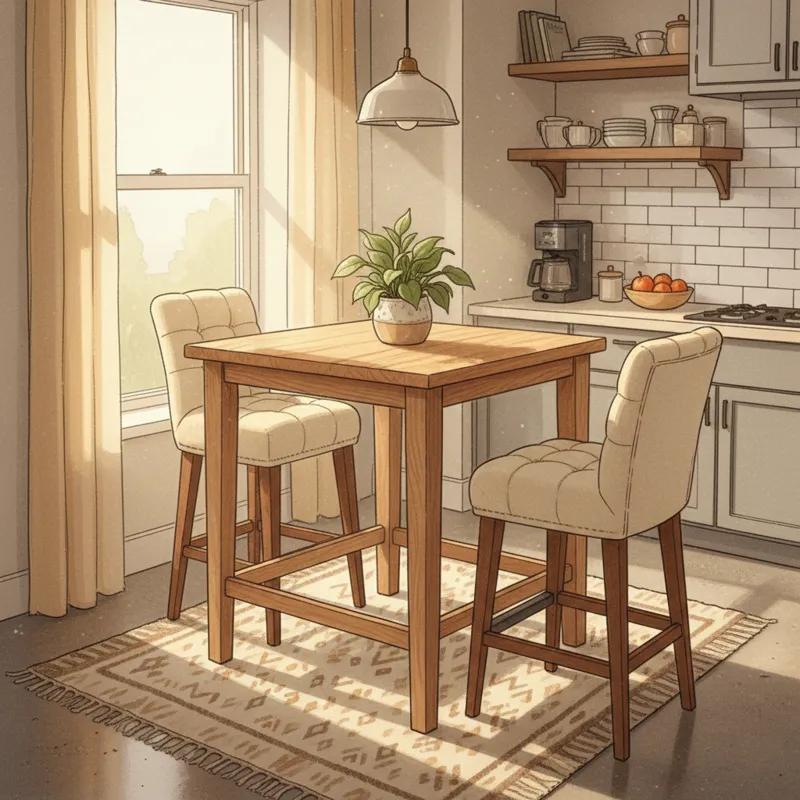
Homeowners increasingly seek furniture that offers both functionality and style, especially in urban environments where space is at a premium. The square high top dining table excels in this regard, providing a suite of benefits that address common challenges in contemporary living.
Optimizing Space in Smaller Dining Areas
One of the most compelling reasons to opt for a square high top dining table is its unparalleled ability to maximize space. Its compact footprint means it can fit into areas where a traditional table would feel cramped or impede traffic flow.
- Efficient Layouts: A square shape allows it to sit snugly against a wall or within an open-concept living area without protruding excessively. This is particularly useful in kitchens or studio apartments where every inch counts.
- Vertical Space Utilization: By raising the dining surface, you create a sense of openness below, making the room feel larger. It also aligns well with the visual plane of kitchen countertops, promoting a cohesive look.
- Reduced Clutter: With correctly sized stools, they often tuck completely under the table when not in use, freeing up valuable floor space and maintaining a clean, uncluttered aesthetic.
Versatility Beyond Dining
A high top table isn’t just for meals. Its elevated surface makes it incredibly adaptable to various activities throughout the day.
- Casual Social Hub: It naturally becomes a gathering spot for guests to stand and chat, enjoying appetizers and drinks. It encourages mingling in a way a lower table doesn’t.
- Temporary Workspace: For those who work from home, a square high top can serve as an excellent standing desk, promoting better posture and reducing sedentary time. It offers a dedicated surface for laptops, notebooks, and coffee, keeping work separate from lounging areas. This can even double as an office kitchen table.
- Food Prep and Serving Station: In kitchens lacking extensive counter space, a tall square kitchen table can extend your usable surface for meal preparation or function as a buffet station when entertaining.
A Modern Aesthetic and Enhanced Ambiance
The design of a square high top table inherently lends itself to contemporary decor, offering a fresh alternative to traditional setups.
- Sleek and Contemporary Look: Its elevated profile and often minimalist design choices align perfectly with modern, industrial, or minimalist interior styles.
- Open Sightlines: The higher surface doesn’t obstruct views across a room as much as a bulkier, lower table might, contributing to an airy, open feel.
- Casual & Interactive Atmosphere: Sitting at a high top often feels less formal, encouraging more relaxed conversation and interaction among diners and those standing nearby.
Navigating the Trade-offs: Considerations Before You Buy

While a square high top dining table offers many benefits, it’s crucial to acknowledge its specific characteristics and ensure they align with your lifestyle and needs. Ignoring these factors can lead to dissatisfaction down the line.
Seating Comfort and Stool Selection
The primary difference from a standard dining set lies in the seating. High top tables require stools, which come with their own set of considerations.
- Stool Height is Critical: The most common mistake is mismatched stool height. You need stools specifically designed for counter height (typically 24-26 inches seat height) or bar height (typically 28-30 inches seat height) to match your table. There should be roughly 10-12 inches between the top of the stool seat and the underside of the table.
- Backrests and Footrests: For comfort during longer meals, stools with backrests and footrests are highly recommended. Without these, even well-proportioned stools can become uncomfortable over time, especially for children or shorter adults.
- Stability and Swivel: Consider the stability of the stools, particularly if you have active children. Swivel stools offer convenience but might be less stable than fixed ones.
Accessibility Concerns
The elevated nature of these tables can pose challenges for certain individuals.
- Children: Younger children will need booster seats or specialized high-top high chairs to dine comfortably and safely. This isn’t ideal for all families.
- Elderly or Individuals with Mobility Issues: Getting onto and off high stools can be difficult for some. If your household includes seniors or anyone with knee, hip, or balance issues, a high top might not be the most practical choice.
- Pet Access: While not a major issue for people, some pet owners find that a high top table keeps curious pets away from food more effectively.
Stability and Safety
Due to their height, high top tables can sometimes feel less grounded than their lower counterparts.
- Center of Gravity: A taller table inherently has a higher center of gravity. Ensure the table base is sturdy and well-weighted to prevent wobbling. Pedestal bases can be very stable if properly designed, but four-leg designs with cross-bracing often offer maximum security.
- Construction Quality: Invest in a table with robust construction, especially at the joints. Cheap, flimsy high tops can be a safety hazard, particularly in active households.
Integration with Existing Decor
While versatile, a square high top needs to fit aesthetically and functionally within your home’s overall design.
- Visual Balance: Ensure the table’s height doesn’t overwhelm other furniture in the room. In an open-concept space, it should flow naturally with kitchen counters or living room furniture.
- Material Harmony: The table’s material and finish should complement existing woods, metals, and fabrics in your home.
Key Dimensions and Seating Capacity: Finding the Right Fit
Choosing the correct size for your square high top dining table is paramount for both aesthetics and functionality. It’s not just about fitting the table into the room; it’s about allowing comfortable seating and movement around it. The sweet spot for many homes is a square high top table for 4, balancing capacity with space efficiency.
Standard Dimensions for Square High Top Tables
Unlike rectangular tables, which have a broader range of lengths, square tables are defined by their equal side lengths.
- For 2 People: A compact square high top table will typically measure 24-30 inches (60-75 cm) per side. This is perfect for breakfast nooks or small studio apartments.
- For 4 People: The most common and versatile size for a square high top table is 30-36 inches (75-90 cm) per side. This provides ample space for four individuals to dine comfortably without feeling cramped. A 36-inch square table allows each person approximately 18 inches of personal space along the table edge.
- For 6 People: While less common for a pure square due to the deep center, a larger square high top around 42-48 inches (105-120 cm) per side can technically seat six, but it might feel a bit tight, especially if dishes are shared centrally. For a more comfortable six-seater, a rectangular high top is often preferred, or alternatively, a large square dining table set would need to be considered.
Understanding Seating Allowance
When planning your purchase, remember that each diner needs adequate elbow room. A good rule of thumb is to allow at least 24-26 inches (60-65 cm) of table edge per person. For square tables, this means:
- A 30×30 inch table can comfortably seat two.
- A 36×36 inch table is ideal for four, offering 18 inches per side.
Measuring Your Space
Before you even start looking at tables, measure your dining area carefully.
- Table Footprint: Measure the width and length of the space where the table will sit.
- Clearance for Movement: Critically, allow at least 36 inches (90 cm) of clear space around all sides of the table from any wall or other furniture. This ensures people can pull out stools, sit down, and walk around comfortably without bumping into things. For high top tables, this clearance is especially important due to the need to step up onto the stool.
- Visualizing the Space: Use painter’s tape on the floor to mark out the table’s dimensions and the required clearance. This gives you a realistic sense of how the table will fit and function in your room.
Materials Matter: Durability, Style, and Maintenance
The material of your square high top dining table profoundly impacts its appearance, longevity, and how much effort it requires to maintain. Each material offers a unique aesthetic and set of practical considerations.
Solid Wood
Types: Oak, maple, walnut, cherry, pine, reclaimed wood.Pros:
- Durability: Solid wood is incredibly robust and can last for generations with proper care.
- Aesthetic Appeal: Offers natural warmth, unique grain patterns, and develops a beautiful patina over time.
- Repairability: Scratches and dents can often be sanded out and refinished.
Cons:
- Cost: Generally more expensive, especially for hardwoods.
- Maintenance: Susceptible to water rings, scratches, and heat damage if not properly sealed or protected. Requires regular cleaning and occasional oiling or waxing.
- Weight: Can be very heavy, making it difficult to move.
Engineered Wood (MDF, Particle Board with Veneer)
Types: MDF (Medium-Density Fiberboard) or particle board topped with a thin layer of real wood veneer or laminate.Pros:
- Affordability: Much more budget-friendly than solid wood.
- Stability: Less prone to warping or cracking due to humidity changes than solid wood.
- Versatility: Can mimic the look of expensive hardwoods.
Cons:
- Durability: Veneers can chip, peel, or scratch, and are difficult to repair. The core material is vulnerable to moisture damage.
- Lifespan: Generally has a shorter lifespan than solid wood.
Metal
Types: Steel, wrought iron, aluminum, often used for bases or accents with other tabletop materials.Pros:
- Durability: Extremely strong and long-lasting, resistant to dents and scratches (depending on finish).
- Modern Aesthetic: Perfect for industrial, modern, or minimalist designs.
- Stability: Heavy metal bases contribute significantly to stability for high top tables.
Cons:
- Weight: Can be very heavy.
- Appearance: Can feel cold or industrial if not balanced with other materials.
- Maintenance: Powder-coated finishes are easy to clean, but some metals might show fingerprints or require specific polishing.
Glass
Types: Tempered glass is standard for tabletops due to its strength and safety.Pros:
- Elegant and Modern: Creates an open, airy feel, making small spaces appear larger.
- Easy to Clean: Wipes clean easily.
- Heat Resistant: Tempered glass can withstand moderate heat.
Cons:
- Fingerprints and Smudges: Shows dirt, fingerprints, and smudges very easily, requiring frequent cleaning.
- Scratch Prone: Can scratch if not careful, though tempered glass is durable.
- Weight: Glass tops can be surprisingly heavy.
- Perceived Fragility: Despite being tempered, some people are wary of glass in high-traffic areas.
Stone and Composites
Types: Marble, granite, quartz, concrete, ceramic.Pros:
- Luxury and Style: Offers a high-end, sophisticated look.
- Durability: Highly resistant to heat, scratches, and stains (especially quartz and granite).
- Unique: Each slab of natural stone is unique.
Cons:
- Cost: Very expensive.
- Weight: Extremely heavy, making moving difficult.
- Maintenance: Marble is porous and needs regular sealing to prevent staining; concrete also needs sealing. Quartz is less porous and easier to maintain.
- Fragility: Edges can chip if struck hard.
When choosing, consider not just your budget and style preference, but also how the table will be used daily and your willingness to commit to its specific maintenance requirements.
Design Styles and Aesthetics: Elevating Your Dining Space
A square high top dining table can be a centerpiece, grounding your room’s aesthetic. The right design style helps it integrate seamlessly with your existing decor or inspire a complete room refresh.
Modern/Contemporary
This style emphasizes clean lines, simple forms, and often a minimalist approach.
- Materials: Think sleek metal bases (chrome, brushed steel), glass tops, high-gloss lacquers (white, black), or light-toned engineered wood.
- Features: Unadorned surfaces, geometric bases, and a focus on functionality. A black extendable table in a high-top version would fit this style perfectly for its sleekness, though extendable high tops are less common for square shapes.
Industrial
Inspired by factories and urban lofts, industrial design is raw and functional.
- Materials: Heavy-gauge steel or cast iron bases, often with exposed rivets or welds, paired with thick, often reclaimed or distressed solid wood tops. Concrete tops also fit this aesthetic.
- Features: A rugged, utilitarian look that celebrates sturdy construction and raw materials.
Farmhouse/Rustic
This style brings warmth, comfort, and a touch of the countryside indoors.
- Materials: Distressed solid wood (pine, oak), often with visible knots and grain. Bases can be turned wood, simple straight legs, or even sometimes a wrought iron accent for a modern farmhouse twist.
- Features: A cozy, inviting, and slightly imperfect look. Chunky designs and natural finishes are common.
Transitional
Transitional style bridges the gap between traditional and contemporary, offering a balanced and sophisticated look.
- Materials: Often combines elements like a dark wood top with a subtly curved metal base, or a glass top with a more classic, finished wood base.
- Features: A blend of comfort and style, with less ornamentation than traditional but more warmth than purely modern. Focus on clean lines with soft edges.
Minimalist
An extreme form of modernism, focusing on absolute simplicity and utility.
- Materials: Often a single material dominates – a solid, light-colored wood, a clean white laminate, or a simple metal.
- Features: Absence of ornamentation, focus on essential forms, and a neutral color palette. The goal is to create a calm, uncluttered environment.
Choosing a style for your square high top dining table is about more than just personal preference; it’s about creating a cohesive and inviting atmosphere that reflects your home’s personality.
What Most People Get Wrong When Buying a Square High Top Dining Table
Buying furniture, especially a piece as central as a dining table, involves more than just liking its look. There are specific pitfalls unique to square high top dining tables that many buyers overlook, leading to buyer’s remorse.
1. Underestimating Stool Height Requirements
This is, by far, the most common error. People often buy a high top table and then struggle to find stools that are the correct height. There’s a significant difference between counter-height stools and bar-height stools. A counter-height table (34-36 inches) needs stools with a seat height of 24-26 inches. A bar-height table (40-42 inches) needs stools with a seat height of 28-30 inches. Miscalculating this leads to uncomfortable dining and an awkward aesthetic. Always measure the table’s height and then ensure there’s a 10-12 inch gap between the stool seat and the tabletop’s underside for comfortable legroom.
2. Ignoring Overall Room Scale
While high tops save floor space, their vertical presence can still dominate a very small room if not chosen carefully. A chunky, dark industrial high top might overwhelm a petite, light-filled kitchen. Conversely, a too-delicate glass high top might get lost in a large, open-concept area. It’s crucial to consider the visual weight of the table and how its height interacts with ceiling height and other tall furniture.
3. Prioritizing Looks Over Stability and Durability
The allure of a stylish, inexpensive high top can be strong. However, due to their elevated nature, stability is paramount. A wobbly high top table is not only annoying but potentially dangerous. Many people regret buying tables with flimsy bases, weak joints, or materials that can’t withstand daily use, especially with the added leverage that comes with being taller. Always check reviews, feel the construction quality in person if possible, and opt for sturdy materials.
4. Not Considering Daily Use Scenarios
A high top table changes how you interact with your dining space. Many buyers don’t fully consider if it suits their everyday life.
- Kids and Elderly: As mentioned, high stools can be challenging for young children or older adults. If this is a regular part of your household, a high top might create more inconvenience than convenience.
- Working from Home: While great for standing, sitting for prolonged periods on an unsupportive stool can be uncomfortable. If you plan to use it as an office kitchen table frequently, invest in ergonomic stools.
- Entertaining: While excellent for casual mingling, long, formal dinner parties might feel less comfortable at a high top.
5. Forgetting About Floor Protection
High top tables and their stools can be quite heavy and, when moved, can scratch or dent floors, especially hardwood. Many cheaper models don’t come with adequate floor protectors. Neglecting to add felt pads or rubber stoppers to both the table legs and all stool legs is a common oversight that leads to floor damage over time.
By being mindful of these common missteps, you can make a more informed decision and choose a square high top dining table that genuinely enhances your home and lifestyle.
Leading Brands and Where to Find Them
In 2026, the market for square high top dining tables is robust, with options spanning a wide range of budgets and styles. The key is knowing where to look and what to expect from different types of retailers.
Big Box Retailers & Department Stores
Stores like Target, Walmart, and large department stores often carry a selection of square high top dining tables, particularly those designed for smaller apartments or starter homes.
- Pros: Affordable prices, convenience, easy returns, often pre-packaged sets with stools.
- Cons: Limited selection in terms of unique styles or high-end materials. Quality might be entry to mid-level.
- Ideal For: Budget-conscious buyers, those needing a quick solution, or temporary setups.
Specialty Furniture Stores
These stores, both national chains (like Ashley Furniture, Rooms To Go) and local independent shops, offer a broader range of styles, materials, and price points.
- Pros: More diverse selection, knowledgeable sales staff, often higher quality materials and construction. You can frequently test stability and comfort in person.
- Cons: Generally higher prices than big box stores. Might have longer lead times for delivery, especially for custom orders.
- Ideal For: Buyers looking for specific styles, better quality, or personalized assistance.
Online Retailers
E-commerce giants like Amazon, Wayfair, Overstock, and dedicated online furniture stores (like West Elm, Crate & Barrel, Pottery Barn – which also have physical stores) offer the largest selection.
- Pros: Unmatched variety, competitive pricing, extensive customer reviews, convenient home delivery. You can often find exactly what you’re looking for, no matter how niche.
- Cons: Can’t physically inspect the table before purchase, relying solely on images and descriptions. Assembly is often required, and returns can be cumbersome due to size and weight.
- Ideal For: Shoppers who prioritize selection and competitive pricing, comfortable with online purchases and potential assembly.
Direct-to-Consumer (DTC) Brands
A growing segment, these brands bypass traditional retail markups, often focusing on specific aesthetics (e.g., minimalist, industrial) or sustainable practices.
- Pros: Unique designs, often high-quality materials for the price, transparent sourcing, direct customer service.
- Cons: Fewer physical showrooms, so you’re still largely buying online. Brand recognition might be lower.
- Ideal For: Design-savvy buyers looking for something distinct and values-aligned, comfortable with online-only experiences.
When shopping, compare prices, read reviews, and always double-check dimensions and material specifications to ensure the square high top dining table meets your expectations and needs.
Maintenance and Longevity: Keeping Your High Top Table Looking Its Best
A well-maintained square high top dining table can be a lasting fixture in your home. Longevity hinges on understanding its material and adopting appropriate care routines.
General Cleaning Tips
Regardless of material, a few universal practices can extend your table’s life:
- Wipe Spills Immediately: This is the golden rule. Acids, oils, and pigmented liquids can stain or damage surfaces quickly.
- Use Soft Cloths: Microfiber or soft cotton cloths prevent scratching. Avoid abrasive sponges or pads.
- Avoid Harsh Chemicals: Many common household cleaners contain chemicals that can strip finishes, dull surfaces, or damage sealants. Opt for pH-neutral cleaners or those specifically designed for your table’s material.
Material-Specific Care
The choice of material dictates specific maintenance protocols.
- Solid Wood:
- Clean with a damp cloth and mild soap (like diluted dish soap).
- Use wood polish or wax periodically (every few months) to protect the finish and restore shine.
- Always use coasters and placemats to prevent water rings, heat marks, and scratches.
- Keep away from direct sunlight and heat sources to prevent warping or fading.
- Engineered Wood (Veneer/Laminate):
- Wipe clean with a damp cloth. Avoid excessive moisture, as it can cause veneers to lift or particle board to swell.
- Use mild, non-abrasive cleaners.
- Treat scratches and chips with repair kits designed for laminate or veneer.
- Metal:
- Wipe clean with a damp cloth. For stubborn spots, a mild detergent can be used.
- For stainless steel, use a specialized stainless steel cleaner to prevent streaks and polish the surface.
- Check for rust on exposed metal parts and treat with appropriate rust removers or sealants if necessary.
- Glass:
- Clean regularly with a glass cleaner and a microfiber cloth to remove fingerprints and streaks.
- Use coasters to prevent scratches.
- Avoid placing extremely hot items directly on the glass, even if tempered.
- Stone (Marble, Granite, Quartz, Concrete):
- Wipe daily with a damp cloth and pH-neutral cleaner.
- For natural stone (marble, granite): Re-seal every 6-12 months (depending on use) to prevent staining. Avoid acidic cleaners (vinegar, lemon juice) which can etch the surface.
- For quartz and concrete: Less porous, but still benefit from pH-neutral cleaners and prompt spill cleanup. Concrete might also benefit from periodic re-sealing.
Preventive Measures and Routine Checks
- Floor Protectors: Always ensure felt pads or rubber glides are on the bottom of both table and stool legs to protect your floors and make moving easier. Replace them when they wear out.
- Tighten Fasteners: Periodically check and tighten any screws or bolts on both the table and stools. High top tables, due to their height, can experience more sway, making loose fasteners more noticeable and potentially unsafe. This is especially true for items that may need to be moved often, such as a foldable dining table for 6, but applies to fixed high tops as well.
- Sunlight Exposure: If possible, protect your table from prolonged direct sunlight, which can fade wood finishes, heat glass, or affect certain materials over time.
By integrating these simple practices into your routine, your square high top dining table will remain a beautiful and functional part of your home for years to come.
Integrating Your Square High Top Table into Your Home’s Flow
A square high top dining table doesn’t exist in isolation; its impact is fully realized when thoughtfully integrated into your home’s overall design and functional flow.
Strategic Placement
The square shape offers inherent flexibility for placement:
- Kitchen Island Extension: In open-concept kitchens, a high top can effectively extend a kitchen island or counter, creating a seamless transition from food prep to dining. This setup often forms a natural social hub.
- Corner Nook: Its square dimensions allow it to tuck neatly into an unused corner, making it perfect for breakfast nooks or small dining areas without obstructing walkways.
- Room Divider: In a studio apartment or a large open-plan space, a square high top can serve as a subtle room divider, delineating the kitchen or dining zone from the living area without blocking sightlines, much like a convertible kitchen table might be used to define space when open.
- Against a Wall: For maximum space-saving, place one side flush against a wall, using it as a two-seater and pulling it out only when more guests arrive.
Lighting Considerations
Lighting plays a critical role in defining the ambiance and highlighting your table.
- Pendant Lighting: A single statement pendant light or a cluster of smaller pendants hung directly above the center of the high top table can draw attention, provide functional light for dining, and enhance the table’s style. Ensure the light fixture is hung at an appropriate height, typically 30-36 inches above the tabletop, to avoid glare and allow for clear conversation.
- Task Lighting: If the table doubles as a workspace, consider supplementary task lighting, such as a directional track light or an adjustable desk lamp on a nearby surface.
- Ambient Lighting: Ensure the general room lighting is sufficient to prevent the high top area from feeling isolated or too dim.
Rug Choices and Flooring
A rug under your dining table can define the space, add warmth, and protect your floors.
- Size Matters: The rug should be large enough so that when stools are pulled out, their back legs still remain on the rug. A good rule of thumb is to have at least 24-30 inches (60-75 cm) of rug extending beyond each side of the table. For a 36-inch square high top, a 6×6 or 7×7 foot square rug would likely work well.
- Durability: Choose a durable, easy-to-clean rug material like polypropylene, wool, or a low-pile blend, as dining areas are prone to spills and traffic.
- Style and Color: The rug’s pattern and color should complement the table and the rest of the room. A bold pattern can make a statement, while a neutral tone provides a subtle anchor.
By considering these integration tips, your square high top dining table will not only be a functional piece of furniture but a harmonious and stylish element within your home.
Frequently Asked Questions About Square High Top Dining Tables
Understanding the nuances of square high top dining tables often involves addressing common queries that arise during the decision-making process. Here are some of the most frequently asked questions.
How many people can sit at a typical square high top table?
The seating capacity of a square high top table largely depends on its dimensions.
- A 24-30 inch (60-75 cm) square table comfortably seats 2 people.
- A 30-36 inch (75-90 cm) square table is ideal for 4 people, providing ample elbow room. This is often referred to as a “square high top table for 4.”
- Larger square tables, around 42-48 inches (105-120 cm), can technically accommodate 6, but it might feel a bit tight for extended dining, especially if the table legs impede comfortable seating at the corners. For more comfortable 6-person dining, a larger rectangular table is usually preferred.
What’s the ideal stool height for a square high top dining table?
The ideal stool height depends directly on the table’s height. You generally want about 10-12 inches (25-30 cm) between the top of the stool seat and the underside of the table.
- For a counter-height table (34-36 inches tall), you’ll need counter-height stools with a seat height of 24-26 inches.
- For a bar-height table (40-42 inches tall), you’ll need bar-height stools with a seat height of 28-30 inches.
Always measure your specific table and allow for enough leg clearance.
Are high top tables stable?
Yes, a well-constructed square high top table is stable. However, due to their increased height, stability is a critical factor to consider during purchase. Look for tables with:
- A heavy, wide base (e.g., a solid pedestal or a sturdy four-leg design with cross-bracing).
- Quality materials and robust joinery.
- Solid construction that doesn’t wobble when pressure is applied.
Flimsier models, especially those made with lighter materials or poor construction, may feel less stable.
Are square high top tables good for families with kids?
This depends on the age of your children.
- For younger children: They will likely need special booster seats or high chairs designed for high top tables, which can be less convenient than a standard dining setup. Safety also becomes a bigger concern with climbing onto high stools.
- For older children/teens: High top tables can be perfectly suitable, offering a modern, casual dining experience.
Ultimately, it’s a personal decision based on your family’s dynamics and comfort with elevated seating.
How do high top tables differ from counter height tables?
The terms “high top” and “counter height” are often used interchangeably, but there’s a subtle distinction.
- Counter Height: Specifically refers to tables that are approximately 34-36 inches tall, matching the height of most kitchen counters.
- High Top: Is a broader term that encompasses any table taller than a standard dining table. It can include counter-height tables but also extends to bar-height tables (approximately 40-42 inches tall).
So, all counter-height tables are high tops, but not all high tops are counter height. A tall square kitchen table can refer to either.
Do I need special chairs for a high top table?
Yes, you need stools, not standard dining chairs. These are specifically designed with higher seats to allow comfortable dining at an elevated table. Standard dining chairs are too short for high top tables.
Can a square high top dining table be used as a kitchen island?
Yes, a square high top dining table can absolutely double as a functional kitchen island, especially in smaller kitchens or open-concept living spaces. It provides additional counter space for food preparation, an informal dining area, and a versatile gathering spot. When doing so, ensure the surface material is durable and easy to clean, much like a regular kitchen countertop. You can even find models with built-in storage or shelving to maximize utility. For ideas on creating multi-functional spaces, you might also consider how a kitchen island integrates into overall kitchen design, which shares principles with a high top table’s role.
Are high top tables going out of style in 2026?
No, high top tables, particularly square designs, remain a popular and relevant choice in 2026, especially for urban dwellers and those with smaller living spaces. Their space-saving benefits, modern aesthetic, and versatility as multi-functional pieces align well with current interior design trends that prioritize efficiency, casual living, and adaptable furniture. As homes continue to shrink and open-concept living remains popular, the practical advantages of a square high top dining table ensure its continued demand. Dining table history and trends show a consistent evolution towards functional variety, and high tops fit this pattern.
How do I make a high top table feel cozy?
To make your square high top dining table feel more inviting and cozy, consider these elements:
- Comfortable Stools: Opt for stools with upholstered seats, backrests, and footrests.
- Warm Lighting: Use pendant lights with warm-toned bulbs or dimmer switches.
- Tabletop Decor: Add a small plant, a decorative bowl, or a table runner.
- Textiles: Drape a cozy throw blanket over one of the stools or use placemats with soft textures.
- Personal Touches: Incorporate elements that reflect your personality, making the space feel lived-in and welcoming.
These small details can transform a functional high top into a warm, inviting nook. For general home decor trends, often official government consumer guides or resources like the US Department of Housing and Urban Development might offer broader insights into housing and living space utilization.


