A stair handrail is far more than just a functional element; it’s a critical safety feature, a significant design statement, and an integral part of your home’s overall aesthetic. In 2026, homeowners are increasingly looking beyond basic utility, seeking handrail solutions that blend cutting-edge materials, timeless design, and adherence to evolving building codes. Whether you’re upgrading an existing staircase, installing a new one, or simply looking to enhance accessibility, choosing the right stair handrail requires careful consideration of safety, style, durability, and compliance.
Understanding Modern Stair Handrail Systems in 2026
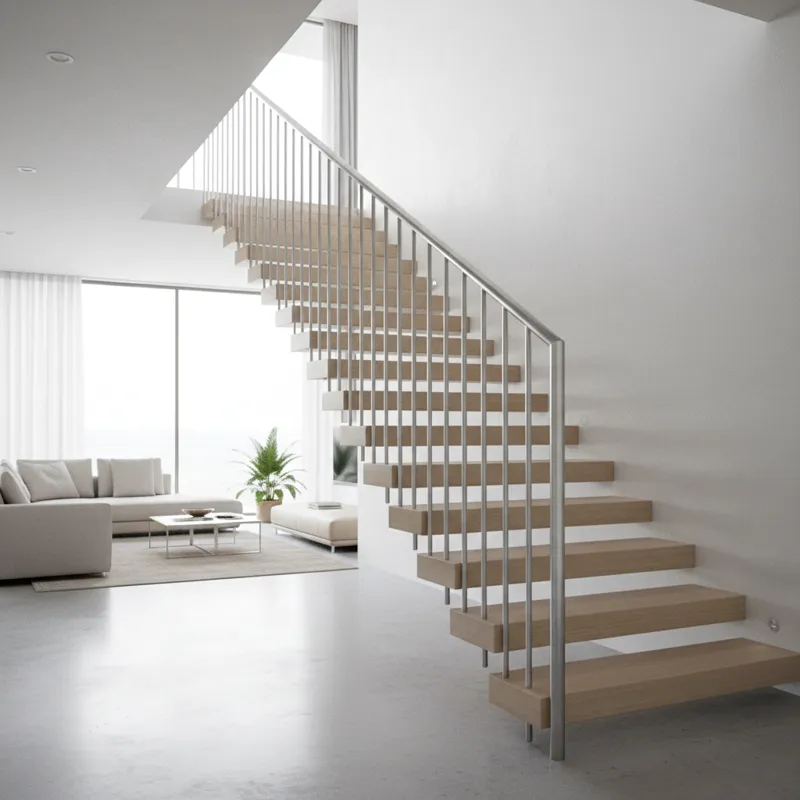
The landscape of home design and functionality continues to evolve rapidly. In 2026, we’re seeing a significant shift in how people view and select their stair handrail systems. It’s no longer just about a piece of wood or metal to grab onto; it’s about integrated design, smart material choices, and meeting stringent safety standards that protect everyone from toddlers to seniors. Homeowners are savvy, prioritizing solutions that offer longevity, require minimal maintenance, and contribute positively to indoor air quality and overall home value.
Key Considerations When Choosing Your Stair Handrail
Before diving into specific products, understanding the foundational aspects of a good stair handrail system is crucial. This thoughtful approach ensures you make a decision you won’t regret.
-
Safety and Building Codes
This is non-negotiable. Building codes, such as those set by the International Residential Code (IRC), dictate handrail height, grip size, load-bearing capacity, and baluster spacing. These codes are in place to prevent falls and ensure structural integrity. Ignorance of these regulations can lead to costly repairs, failed inspections, and, most importantly, unsafe conditions. Always verify local code requirements, as they can vary by jurisdiction.
-
Material Types
The material you choose impacts durability, maintenance, aesthetic, and cost. Common options include:
- Wood: Offers warmth and classic appeal. Hardwoods like oak, maple, and cherry are durable, while softer woods like pine are more budget-friendly but prone to dents. They require finishing (stain, paint, varnish) and periodic maintenance.
- Metal: Encompasses stainless steel, aluminum, wrought iron, and brass. Metals offer strength, modern aesthetics, and diverse finishing options. Stainless steel is corrosion-resistant and sleek; aluminum is lightweight and suitable for outdoor use; wrought iron provides classic, ornate designs; and brass offers a luxurious touch.
- Composite/Vinyl: These materials mimic wood or metal but offer superior weather resistance and minimal maintenance, making them ideal for outdoor or high-moisture environments.
- Glass: Often used as baluster infill with a minimalist top rail, glass panels create an open, airy feel, maximizing light and views. They require robust framing and are typically tempered or laminated for safety.
-
Design Styles
Your stair handrail should complement your home’s architectural style. Options range from traditional turned wood balusters and ornate wrought iron designs to ultra-modern, minimalist metal rails and glass systems that practically disappear. Consider the overall vibe you’re aiming for – industrial, rustic, contemporary, or classic.
-
Installation Complexity
Some handrail systems are designed for DIY installation, often coming in kit forms. Others, especially custom metalwork or glass systems, require professional installation to ensure structural integrity and code compliance. Be realistic about your skill level and available tools.
-
Maintenance Requirements
Different materials demand varying levels of care. Wood needs occasional cleaning, re-staining, or repainting. Metals might require polishing or wiping down. Composites are largely maintenance-free. Factor in the time and cost associated with upkeep when making your choice.
-
Budget
Stair handrail costs vary wildly based on material, design complexity, length, and installation. Set a realistic budget and explore options within that range. Remember that this is an investment in both safety and home value.
Best-Selling Stair Handrail Products Reviewed for 2026
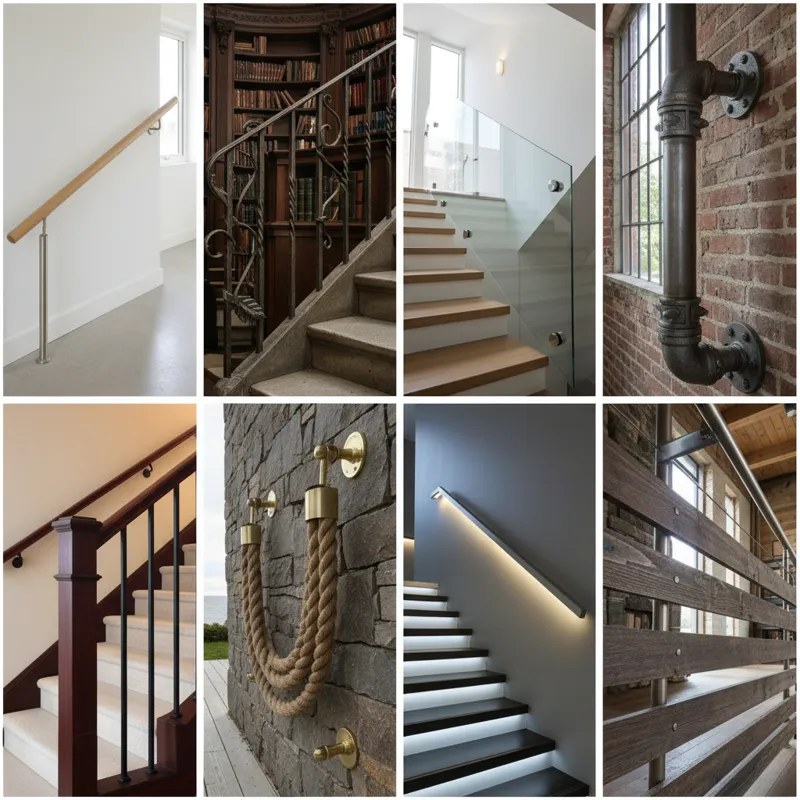
Based on current market trends, homeowner preferences, and advancements in materials and design, we’ve identified eight top-selling stair handrail products that offer an excellent balance of aesthetics, durability, and safety for residential applications in 2026.
1. The Classic Oak Stair Handrail System
Material: Solid Red Oak or White Oak, pre-sanded and ready for finishing.
Design: Traditional, often featuring a continuous top rail with turned wood staircase balusters and newel posts.
Key Features: Natural warmth, customizable finish (stain or paint), excellent grip, timeless appeal. Oak is known for its durability and resistance to wear, making it a reliable choice for high-traffic areas. Systems often come in modular sections for easier installation.
Pros:
- Versatile aesthetic, fits almost any traditional or transitional home.
- Extremely durable and long-lasting with proper care.
- Can be stained to match existing woodwork or painted for a fresh look.
- Comfortable and natural feel to the touch.
Cons:
- Requires finishing (staining, sealing) after installation, adding to labor.
- Vulnerable to scratches and dents if not properly maintained.
- Can be more expensive than some composite alternatives.
Ideal For: Homeowners seeking a traditional, warm aesthetic and willing to invest in a classic, enduring solution. Great for colonial, craftsman, or farmhouse-style homes.
2. The Modern Brushed Stainless Steel Railing
Material: 304 or 316-grade brushed stainless steel.
Design: Sleek, minimalist, often paired with thin metal balusters or cable infill.
Key Features: Exceptional corrosion resistance (especially 316 marine-grade), hygienic, contemporary look, minimal visual obstruction. The brushed finish reduces visible fingerprints and minor scratches.
Pros:
- Highly durable and resistant to rust, making it suitable for both indoor and some protected outdoor applications.
- Creates a modern, industrial, or minimalist aesthetic.
- Very low maintenance; simply wipe clean.
- Adds significant contemporary value to a home.
Cons:
- Higher upfront cost compared to wood or basic aluminum.
- Can feel cold to the touch.
- Installation often requires specialized tools and expertise to ensure precise alignment.
Ideal For: Contemporary homes, industrial lofts, or properties aiming for a clean, sophisticated, and low-maintenance look. Stainless steel’s inherent properties make it a robust choice.
3. Ornate Wrought Iron Banister System
Material: Solid wrought iron, often with a powder-coated finish.
Design: Highly decorative, featuring scrolls, twists, and intricate patterns. Can be custom-fabricated.
Key Features: Incredible strength and durability, classic elegance, allows for unique artistic expression. The weight and rigidity of wrought iron provide a substantial, secure feel. Wrought iron banister cost can vary widely based on complexity.
Pros:
- Unmatched strength and longevity.
- Creates a grand, traditional, or even gothic aesthetic.
- Customizable designs allow for unique, personalized touches.
- Suitable for both interior and exterior use (with proper finish).
Cons:
- Heavier and more difficult to install; usually requires professional welding or bolting.
- Can be significantly more expensive, especially for custom designs.
- Requires periodic re-painting or touch-ups if the powder coat is scratched.
- Can be visually heavy in smaller spaces.
Ideal For: Classic, Mediterranean, or Victorian-style homes looking to make a bold design statement. Excellent for grand entryways or exterior handrail solutions where durability is paramount.
4. Lightweight Powder-Coated Aluminum Railing
Material: Extruded aluminum, treated with a durable powder coat.
Design: Versatile, ranging from simple tubular designs to more decorative, often resembling wrought iron.
Key Features: Excellent weather resistance, lightweight for easier installation, available in many colors, won’t rust. The powder coat provides a durable, chip-resistant finish.
Pros:
- Rust-proof, making it perfect for outdoor stair handrail applications.
- Lightweight and easier for DIY installation compared to iron or steel.
- Wide range of colors and finishes available.
- Relatively low maintenance.
Cons:
- Not as inherently strong as steel or iron; might feel less substantial.
- Scratches in the powder coat can expose the aluminum, though it won’t rust.
- Can sometimes look less substantial than solid metals or wood.
Ideal For: Decks, porches, and other exterior handrail solutions. Also suitable for homeowners seeking a low-maintenance, rust-resistant option for interiors.
5. Composite Deck Railing System with Top Rail
Material: Wood-plastic composite (WPC) or PVC/vinyl.
Design: Mimics the look of painted wood or classic deck railings, often with baluster options ranging from composite to aluminum.
Key Features: Extremely weather-resistant, never needs painting or staining, splinters-free. Many systems integrate internal structural components for strength, allowing the outer layer to be purely aesthetic and protective.
Pros:
- Virtually maintenance-free; highly resistant to rot, insects, and fading.
- Excellent for exterior applications due to superior weather resistance.
- Easy to clean with soap and water.
- Consistent color and finish throughout.
Cons:
- Can feel less “natural” than real wood.
- Can be prone to chalking or fading over very long periods in extreme sun (though modern composites are much improved).
- Less customizable in terms of finish than wood.
Ideal For: Outdoor stair handrails, decks, and homeowners prioritizing minimal maintenance and extreme durability in all weather conditions.
6. Frameless Glass Panel Stair Railing
Material: Tempered or laminated safety glass (typically 1/2″ to 3/4″ thick) with minimal stainless steel or aluminum standoffs/caps.
Design: Ultra-modern, virtually invisible, maximizing light and open space.
Key Features: Provides unobstructed views, creates an expansive feel, sleek contemporary aesthetic. The glass panels are secured using robust hardware, meeting stringent safety standards for impact and load. This system often incorporates thin, discreet balustrade design ideas, letting the glass shine.
Pros:
- Creates an incredibly open, airy, and luxurious feel.
- Maximizes natural light, making spaces feel larger.
- Modern and sophisticated aesthetic.
- Easy to clean (though requires frequent cleaning to maintain clarity).
Cons:
- Highest cost among most options due to material and specialized installation.
- Shows fingerprints and smudges easily, requiring frequent cleaning.
- Installation is highly technical and almost always requires professionals.
- Potential for minor impact damage if not careful.
Ideal For: High-end, modern, or minimalist homes where maximizing light and views is a priority. Excellent for properties seeking a premium, contemporary upgrade.
7. Industrial Pipe Stair Handrail Kits
Material: Black iron pipe or galvanized steel pipe, often with a clear coat.
Design: Raw, rugged, and utilitarian. Modular components for a DIY-friendly installation.
Key Features: Strong, durable, distinctive industrial aesthetic. Kits come with pre-cut pipe lengths, flanges, elbows, and connectors, making assembly straightforward for the mechanically inclined. The raw material provides an authentic, robust feel.
Pros:
- Unique industrial or urban aesthetic.
- Very strong and sturdy.
- Relatively affordable, especially for DIY installation.
- Easy to customize length and configuration.
Cons:
- Aesthetic isn’t for everyone; might clash with traditional decor.
- Black iron pipe can rust if not properly sealed or maintained (galvanized avoids this).
- Can be cold to the touch.
Ideal For: Loft apartments, modern farmhouses, industrial-themed spaces, or anyone seeking a robust, distinctive, and potentially DIY-friendly stair handrail solution.
8. Smart LED-Integrated Handrail System
Material: Aluminum or stainless steel channel with embedded LED strips and diffuser.
Design: Modern, sleek, with subtle, integrated lighting.
Key Features: Enhanced safety through illumination, ambient lighting, energy-efficient LEDs, often dimmable and sometimes smart home compatible. The light runs along the underside or side of the rail, providing excellent visibility without glare, especially useful at night.
Pros:
- Significantly improves safety on stairs, especially in low-light conditions.
- Adds a contemporary, high-tech aesthetic.
- Energy-efficient and long-lasting LED lighting.
- Can contribute to overall home ambiance, much like a well-placed coffee candle contributes to a cozy feel.
Cons:
- Higher cost due to integrated electronics and specialized installation.
- Requires access to power, potentially involving an electrician for wiring.
- The aesthetic might be too modern for some traditional homes.
Ideal For: Modern homes, smart homes, or any household prioritizing enhanced safety and a contemporary, illuminated design element.
What Most People Get Wrong When Choosing a Stair Handrail
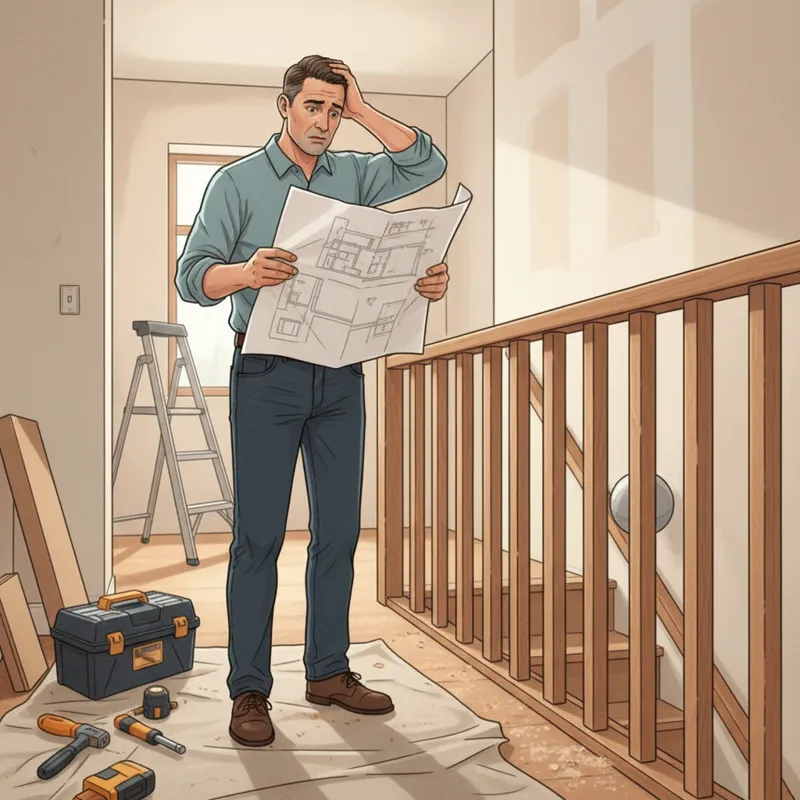
Even with good intentions, several common pitfalls can turn a stair handrail upgrade into a headache. Being aware of these can save you time, money, and frustration.
-
Ignoring Building Codes
This is by far the biggest mistake. People often select a beautiful design only to find it doesn’t meet local regulations for height, grip diameter, load capacity, or baluster spacing. Always consult your local building department or a qualified contractor before purchase and installation. Code compliance isn’t just about passing inspection; it’s about preventing serious falls and liability.
-
Underestimating Installation Complexity
Many homeowners, especially with more intricate systems like glass or custom metalwork, assume installation will be straightforward. In reality, precision, specialized tools, and often multiple hands are required. Misaligned posts, loose anchors, or improper baluster attachment can compromise safety. It’s often worth the professional fee for complex installations.
-
Neglecting Maintenance Requirements
A gorgeous wood handrail will look shabby quickly if not cleaned and re-finished periodically. A beautiful stainless steel one will show smudges and streaks without regular wiping. Factor in the long-term upkeep when choosing a material. If you prefer a “set it and forget it” approach, composite or powder-coated aluminum might be a better fit than raw wood or unsealed iron.
-
Prioritizing Style Over Functionality (Especially Grip)
While aesthetics matter, the primary function of a handrail is to provide a secure grip. Some ultra-thin or overly sculptural designs might look stunning but offer a poor, uncomfortable, or even unsafe grip for older adults or children. Ensure the rail feels secure and comfortable in hand, complying with grip-size requirements.
-
Poor Measurement and Planning
An inaccurate measurement can lead to costly material waste or an improperly fitting system. Account for wall studs, floor joists, and any existing architectural features. Don’t just measure the length; consider turns, landings, and the overall flow of the staircase. A detailed diagram or professional measurement is highly recommended.
Maintaining Your Stair Handrail for Longevity
Proper maintenance ensures your stair handrail remains safe, attractive, and durable for years to come. Here’s a brief guide based on material type:
- Wood: Regularly wipe with a soft, damp cloth. Avoid harsh chemicals. Inspect for scratches or chips annually and touch up or re-seal as needed. For heavily used rails, consider a fresh coat of varnish or paint every 5-7 years.
- Metal (Stainless Steel, Aluminum): Clean with a mild soap and water solution, then wipe dry with a microfiber cloth to prevent water spots. For stainless steel, consider specific stainless steel cleaners to maintain its luster and prevent smudges.
- Wrought Iron: Inspect for rust, especially at joints or where the finish might be compromised. Clean with a damp cloth. Touch up any chips in the powder coat with appropriate outdoor metal paint to prevent corrosion.
- Composite/Vinyl: Wash with soap and water periodically to remove dirt and grime. A soft brush can help with stubborn spots. These materials are largely resistant to most environmental factors.
- Glass: Clean glass panels with a streak-free glass cleaner and a microfiber cloth. Frequent cleaning helps maintain clarity, especially for high-traffic areas where fingerprints are common.
FAQ: Your Stair Handrail Questions Answered
Q: What is the standard height for a residential stair handrail in 2026?
A: Most U. S. building codes (like the IRC) specify a handrail height between 34 and 38 inches, measured vertically from the nosing of the stair treads to the top of the handrail. Always check your local jurisdiction’s specific requirements, as these can have slight variations.
Q: Can I install a stair handrail myself, or do I need a professional?
A: It depends on the complexity of the system and your DIY skills. Basic kits, especially those made from wood or industrial pipe, are often manageable for experienced DIYers. However, complex systems like glass panels, custom metalwork, or installations requiring precise structural anchoring are best left to professionals to ensure safety and code compliance.
Q: How do I know if my existing stair handrail meets current building codes?
A: You’ll need to measure its height, verify baluster spacing (typically no opening greater than 4 inches), check the grip size and profile, and assess its structural rigidity. If you’re unsure, consult a local building inspector or a reputable contractor specializing in stair remodels. They can provide an assessment based on the codes applicable in your area.
Q: Are exterior stair handrails different from interior ones?
A: Yes, primarily in material and finish. Exterior handrails must withstand weather elements like rain, snow, UV exposure, and temperature fluctuations. Materials like aluminum, composite, treated wood, or marine-grade stainless steel with durable, weather-resistant finishes are preferred. Interior handrails can often use a wider range of materials, including untreated woods or standard metals, as they are protected from the elements.
Q: What is the ideal grip size for a comfortable stair handrail?
A: Most codes specify a handrail circumference between 1-1/4 inches and 2 inches (or 1.25 to 2 inches in diameter) for a comfortable and secure grip. This range allows most adults to grasp the rail firmly without excessive effort or discomfort.
Choosing Your Ideal Stair Handrail
Selecting the perfect stair handrail in 2026 involves more than just picking a design you like. It requires a thoughtful balance of aesthetics, safety, material science, and adherence to regulatory standards. By considering the practicalities of installation and maintenance, and avoiding common missteps like ignoring building codes, you can invest in a stair handrail system that not only enhances your home’s beauty but also provides reliable safety and lasting value for years to come. Remember, the right stair handrail isn’t just an accessory; it’s a foundational element of your home’s integrity and style.