
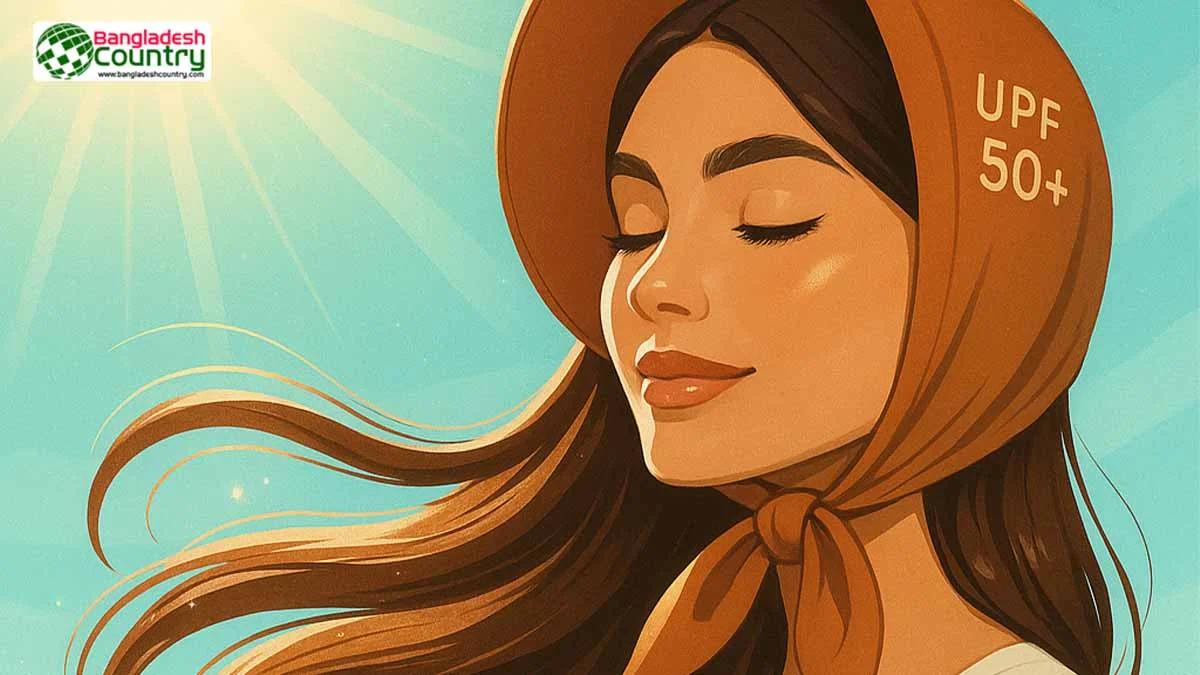
As we navigate 2026, the conversation around sun protection has rightly expanded beyond just our skin. While sunscreen has become a daily staple for many, the vulnerability of our hair to ultraviolet (UV) radiation often remains an afterthought. Yet, the sun’s relentless rays pose a significant threat to the health, strength, and vibrancy of our locks, leading to everything from color fade and dryness to brittleness and breakage. Protecting your hair from UV damage isn’t just about preserving its aesthetic appeal; it’s about maintaining its structural integrity and overall vitality, especially if you spend time outdoors or have color-treated hair. This guide delves into the mechanisms of sun damage and provides a practical, professional look at the seven most effective shields you can employ against it, ensuring your hair stays resilient and radiant year-round.
Understanding the Enemy: How UV Rays Damage Your Hair

To effectively protect your hair, it helps to understand precisely what UV radiation does at a molecular level. Hair, primarily composed of keratin protein, is surprisingly susceptible to environmental stressors, with UV light being one of the most significant. Unlike skin, hair cannot repair itself through cell regeneration, meaning any damage sustained is largely permanent until the hair grows out or is cut. The sun emits two primary types of UV radiation that impact hair: UVA and UVB. Both contribute to photodamage, but they affect different components of the hair strand.
The Role of UVA and UVB Radiation
UVA rays penetrate deeper into the hair shaft, targeting the hair’s natural pigment (melanin) and the protein structure within the cortex. This deep penetration leads to the breakdown of melanin, which is why colored hair fades and natural hair can lighten over time. More critically, UVA also degrades the keratin proteins and the disulfide bonds that give hair its strength and elasticity, resulting in weakened, brittle strands. UVB rays primarily affect the outer layer of the hair, the cuticle. These rays cause direct damage to the protein components on the surface, leading to cuticle lifting, roughness, and a loss of natural shine. The outer layer becomes compromised, making the hair more porous, susceptible to moisture loss, and vulnerable to further damage from styling, chemicals, and environmental factors.
Observable Effects of Sun Damage
The cumulative effect of this cellular and structural degradation is evident in various ways:
- Color Fade and Discoloration: For color-treated hair, UV exposure accelerates pigment breakdown, leading to brassiness, dullness, or a washed-out appearance. Even natural hair can develop unwanted undertones.
- Dryness and Brittleness: The loss of protective oils and structural integrity leaves hair parched and prone to snapping.
- Rough Texture and Frizz: Damaged cuticles lift, making hair feel coarse, look dull, and become more susceptible to frizz as it absorbs moisture unevenly from the air.
- Split Ends and Breakage: Weakened hair strands are far more likely to split at the ends or break off entirely, leading to shorter, uneven lengths and an overall appearance of unhealthiness.
- Reduced Elasticity: Healthy hair has a degree of stretch. Sun-damaged hair loses this elasticity, becoming stiff and more prone to permanent kinks or breakage when styled. Understanding these mechanisms reinforces why proactive uv hair protection is not just beneficial, but essential for maintaining long-term hair health.
The Crucial Need for UV Hair Protection in 2026

In 2026, our understanding of environmental stressors and their impact on our bodies continues to evolve. We’ve moved past thinking of sun protection as solely a summer beach activity for the skin. The reality is that UV radiation is present year-round, regardless of temperature or cloud cover, and its effects on hair are cumulative. Think about how often your hair is exposed. Whether you’re commuting to work, exercising outdoors, enjoying a weekend hike, or simply running errands, your hair is constantly under siege. This persistent, low-level exposure adds up, leading to the gradual degradation described earlier. For anyone investing in hair color, treatments, or simply striving for healthy, lustrous hair, ignoring UV exposure is counterproductive. The preventative approach to hair care has gained significant traction, making uv hair protection an indispensable part of a comprehensive beauty and wellness routine. Moreover, the increasing sophistication of hair care science means we now have more effective and elegant solutions available. Gone are the days of greasy, heavy formulations. Today’s hair sun protection products are designed to be lightweight, easy to apply, and often multitask, offering conditioning and styling benefits alongside their UV defense. Integrating these into your routine is a simple yet powerful step towards safeguarding your hair’s future.
7 Best Shields Against Sun Damage

Protecting your hair from the sun doesn’t require a radical overhaul of your lifestyle, but rather a strategic integration of protective measures. Here are the seven most effective shields against sun damage, offering both physical barriers and advanced product formulations.
1. Dedicated Leave-In UV Protectant Sprays and Mists
These are your frontline defense, specifically formulated to absorb, reflect, or scatter UV radiation before it can harm your hair. Modern leave-in UV protectant for hair often feature broad-spectrum filters, similar to those found in sunscreen for skin. They work by creating a protective barrier on the hair shaft. Ingredients like benzophenones, cinnamates, and silicones are common. Many also include antioxidants to combat free radical damage and conditioning agents to keep hair hydrated. Application is straightforward: mist evenly over damp or dry hair before sun exposure, paying particular attention to ends and areas most exposed. For effective application, a good quality spray bottle for hair can ensure even distribution, making sure every strand gets coated without oversaturation. Reapplication is key, especially after swimming or prolonged sun exposure.
2. Wide-Brimmed Hats and Scarves
Sometimes, the simplest solutions are the most effective. A physical barrier offers undeniable protection. A wide-brimmed hat shades not only your hair but also your scalp (crucial for skin cancer prevention) and your face. Look for hats made from tightly woven fabrics for maximum blockage. Scarves, particularly those made of silk or tightly woven cotton, offer a stylish and adaptable option. They fully encase your hair, shielding it from direct sunlight. This method is particularly effective for protecting the delicate ends and minimizing overall exposure. Plus, they can be a chic accessory.
3. UV-Filtering Hair Conditioners and Shampoos
While leave-in products provide the most direct and continuous protection, incorporating UV-filtering shampoos and conditioners into your wash routine adds an extra layer of defense. These products typically contain UV filters that bind to the hair shaft, offering residual protection even after rinsing. They act as a primer, preparing your hair for further protection. While they won’t offer the same intensity of protection as a dedicated spray, they help fortify your hair against daily environmental stressors. They’re an excellent foundation, especially for those with color-treated hair seeking to preserve their shade.
4. Styling Products with SPF/UV Filters
Many contemporary styling products, from gels and mousses to creams and hairsprays, now incorporate UV filters. This means you can integrate uv hair protection seamlessly into your existing hair routine. These products multitask, offering hold, texture, or shine while simultaneously guarding against sun damage. When choosing, look for explicit mentions of “UV filter,” “UV protectant,” or “SPF for hair” on the label. While ‘SPF’ is technically a skin metric, its use on hair products indicates the presence of sun-blocking ingredients. This category offers an easy way to ensure your hair is protected even on days when a hat might not be practical or a leave-in spray feels like an extra step.
5. Hair Oils and Serums with Natural UV Resistance (and Limitations)
Certain natural oils possess inherent, albeit limited, UV-filtering properties. Raspberry seed oil, for instance, is often cited for its natural SPF-like qualities, though it shouldn’t be relied upon as sole protection. Other oils like argan, coconut, and shea butter can offer a minor degree of UV defense by forming a protective barrier and providing antioxidants. The key here is “limited.” While these oils are fantastic for conditioning and adding shine, they do not provide broad-spectrum or robust enough protection on their own. They are best used in conjunction with dedicated hair sun protection products. Consider them a supportive measure that nourishes hair while contributing a small boost to its overall resilience.
6. Protective Hairstyles
Minimizing the surface area of your hair exposed to direct sunlight is a straightforward yet effective strategy. Hairstyles like braids, buns, and updos can significantly reduce UV exposure. By tucking your ends away and securing loose strands, you protect the most vulnerable parts of your hair, which are often the oldest and most damaged sections. A sleek bun, a sophisticated braid, or a simple ponytail can make a big difference, especially during prolonged outdoor activities. This is a no-cost, highly effective method that works synergistically with product-based protection.
7. Smart Scheduling and Shade Seeking
Sometimes, the best defense is avoidance. Being mindful of the sun’s intensity and adjusting your outdoor activities accordingly can greatly reduce your hair’s exposure. The sun’s UV rays are strongest between 10 AM and 4 PM. If possible, schedule your outdoor activities outside these peak hours. When you are outdoors, actively seek shade under trees, umbrellas, or awnings. Even partial shade can significantly reduce the amount of UV radiation reaching your hair. This behavioral adjustment is a simple, yet powerful, component of comprehensive uv hair protection. The Environmental Protection Agency (EPA) provides a valuable UV Index forecast, which can help you plan your day by knowing when UV levels are highest. You can check the EPA’s UV Index for your location to make informed decisions.
What Most People Get Wrong About UV Hair Protection
Despite increased awareness, several misconceptions still circulate regarding UV hair protection. Clearing these up is crucial for effective hair care.
“My Hair Is Dark/Thick, So It’s Immune”
While darker hair contains more melanin, which offers a minor degree of natural protection, it is by no means immune to UV damage. The sun’s rays can still degrade the melanin, leading to unwanted red or orange undertones, and more importantly, they can still break down the keratin structure, causing dryness and breakage. All hair types and colors require protection.
“Regular Sunscreen Is Fine for Hair”
This is a common and potentially damaging mistake. Skin sunscreens are formulated for skin. They often contain ingredients that can be too heavy, greasy, or difficult to wash out of hair, leading to buildup, dullness, and even an unpleasant texture. While some sunscreen ingredients are used in hair protectants, the overall formulation is specifically adapted for hair’s unique structure and aesthetic needs. Dedicated hair sun protection products are designed not to weigh down hair or leave a residue.
“Only My Scalp Needs Protection”
Protecting your scalp is absolutely critical for skin cancer prevention, and it’s a non-negotiable part of overall sun safety. However, neglecting the hair itself means you’re leaving your strands vulnerable to all the damage we’ve discussed. Both skin and hair require their specific forms of protection.
“One Application Lasts All Day”
Just like with skin sunscreen, the efficacy of hair protectants diminishes over time, especially with swimming, sweating, or prolonged sun exposure. Reapplication is essential, particularly if you’re spending several hours outdoors. Think of it as topping up your defense. For active days, carry a travel-sized mini perfume-style bottle filled with your hair mist for easy reapplication.
“My Conditioner Already Protects My Hair”
While some conditioners claim to have UV filters, their primary role is conditioning. The level of protection they offer is typically minimal and washes out. They serve as a good foundational step, but they are generally not sufficient for robust UV defense, especially during peak sun exposure. Dedicated leave-in UV protectants are formulated for sustained protection.
Integrating UV Hair Protection into Your Daily Routine
Making UV hair protection a consistent habit is easier than you might think. Here’s how to seamlessly integrate it into your daily and special occasion routines:
- Morning Prep: After showering, gently towel-dry your hair. Before applying any styling products, mist a dedicated leave-in UV protectant spray evenly throughout your hair. This creates your base layer of defense.
- Daily Styling: If you use a styling cream, gel, or mousse, opt for one that includes UV filters. This ensures continuous protection as you go about your day.
- Outdoor Activities: For beach days, hikes, or extended time outdoors, combine multiple layers of protection. Start with your leave-in spray, then don a wide-brimmed hat or stylish scarf. Reapply the spray every two to three hours, or immediately after swimming.
- Post-Sun Care: After a day in the sun, use a gentle, moisturizing shampoo and a deep conditioner. Look for formulations that help repair damage and replenish moisture. Consistency is paramount. Just as you wouldn’t skip your daily moisturizer, consistent uv hair protection ensures your hair remains resilient, vibrant, and healthy for years to come.
Beyond UV Protection: Holistic Hair Health for Sun Resilience
While targeted UV hair protection is indispensable, a holistic approach to hair health amplifies its resilience against environmental stressors. Healthy hair, from the inside out, simply handles external aggressors better.
- Internal Nourishment: Your diet plays a significant role. Ensure you’re consuming plenty of vitamins (especially A, C, E, and biotin), minerals (iron, zinc), and protein. Omega-3 fatty acids, found in fish and flaxseed, are excellent for scalp health and hair shine.
- Hydration: Just as your body needs water, so does your hair. Drink plenty of water daily to keep your hair and scalp hydrated. Topical hydration via leave-in conditioners and hair masks also helps maintain moisture levels, crucial for hair that’s exposed to drying sun and wind.
- Gentle Handling: Minimize harsh brushing, tight hairstyles that cause tension, and excessive heat styling. These practices can weaken hair strands, making them more susceptible to damage when combined with UV exposure. Using a silk pillowcase can also reduce friction and breakage overnight.
- Regular Trims: Removing split ends prevents further damage from traveling up the hair shaft. Regular trims keep your hair looking fresh and healthy.
- Scalp Health: A healthy scalp is the foundation for healthy hair growth. Ensure your scalp care routine addresses any issues like dryness or oiliness. Regular, gentle massage can also stimulate blood flow. By combining these holistic practices with dedicated uv hair protection, you create an environment where your hair can thrive, maintaining its strength, color, and luster even under the brightest sun. And speaking of holistic health and protection, don’t forget the skin around your eyes – it’s particularly vulnerable to sun damage and can benefit from a good best eye wrinkle cream as part of your overall anti-aging and protective regimen.
Frequently Asked Questions About UV Hair Protection
Here are some common questions people have when considering UV hair protection.
Is hair sunscreen really necessary?
Yes, absolutely. Hair sunscreen, or more accurately, dedicated UV protectants for hair, are crucial. Your hair, like your skin, is vulnerable to UV radiation, which causes damage like color fading, dryness, brittleness, and breakage. Since hair cannot repair itself, prevention is key to maintaining its health and appearance.
Can my regular conditioner protect my hair from the sun?
While some conditioners include UV filters, they typically offer only minimal and temporary protection that often washes away. They are not a substitute for dedicated leave-in UV protectant for hair. Think of them as a supportive measure, not your primary defense.
How often should I apply UV hair protection?
For most leave-in sprays and mists, reapply every two to three hours during prolonged sun exposure, or immediately after swimming or excessive sweating. Always follow the product’s specific instructions, but generally, consistent reapplication is key to maintaining effectiveness.
Does UV damage affect hair growth?
While UV radiation primarily damages the existing hair shaft, severe sun damage to the scalp can potentially impact the hair follicles, which are responsible for growth. However, direct effects on growth rate are less common than the damage to the hair’s structure itself. Protecting your scalp is also vital for preventing skin cancer.
What’s the difference between UV-A and UV-B for hair?
UVA rays penetrate deeper into the hair shaft, primarily causing color fade by degrading melanin and weakening the internal protein structure. UVB rays mainly affect the outer cuticle layer, leading to protein loss, dryness, and a rough texture. Both contribute to overall photodamage, hence the need for broad-spectrum uv hair protection.
Will UV protection make my hair greasy?
Modern hair sun protection products are formulated to be lightweight and non-greasy. Many come as fine mists or serums that absorb quickly without leaving residue or weighing down your hair. Choose products designed for your hair type to avoid any unwanted heaviness.
Embracing UV hair protection is a fundamental step toward achieving and maintaining truly healthy, vibrant hair. As we continue through 2026, let the understanding of solar impact on our hair become as routine as protecting our skin. By integrating these seven shields into your lifestyle, you’re not just guarding against immediate damage; you’re investing in the long-term resilience and beauty of your hair, ensuring it remains a crowning glory no matter the season.


