
If you’ve ever felt that persistent, nagging itch on your scalp or dealt with flakes that just won’t quit, you know how frustrating it can be. You’ve probably tried a dozen different products that promise relief, only to find they either don’t work or leave your hair feeling stripped and dry. This is where a well-formulated tea tree conditioner comes in. It’s not just another fragrant product; it’s a targeted treatment that leverages the potent, scientifically-backed properties of an essential oil to restore balance to your scalp. Think of it less as a simple hair softener and more as a crucial part of a healthy scalp ecosystem, working to address the root causes of common issues like dandruff, excess oil, and irritation.
What Exactly Is Tea Tree Conditioner and How Does It Work?
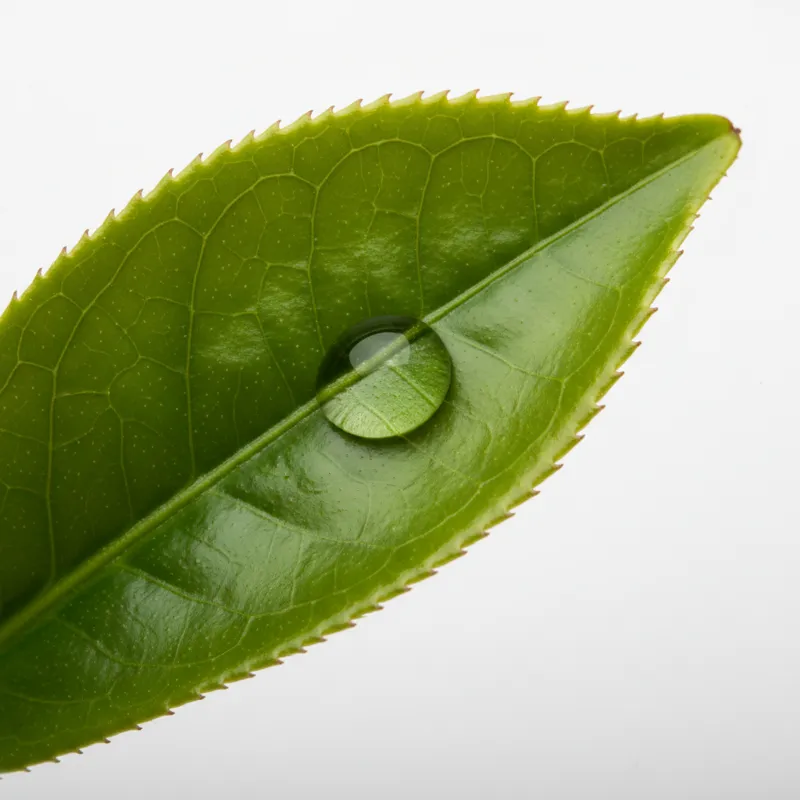
At its core, a tea tree conditioner is a hair conditioning product infused with tea tree oil. This isn’t just any fragrant oil; it’s a potent essential oil steam-distilled from the leaves of the Melaleuca alternifolia plant, native to Australia. For centuries, Aboriginal Australians have used its leaves for their medicinal properties, and modern science is continually validating this traditional wisdom.
The magic behind tea tree oil lies in its complex chemical makeup, particularly a compound called Terpinen-4-ol. This is the primary active ingredient responsible for the oil’s powerful antimicrobial and anti-inflammatory effects. When you work a tea tree conditioner into your scalp, you’re delivering this compound directly to the source of your problems.
Here’s a breakdown of the mechanism:
- Antifungal Action: Many common scalp issues, most notably dandruff, are linked to an overgrowth of a yeast-like fungus called Malassezia globosa. Tea tree oil’s antifungal properties help disrupt the growth of this microbe, reducing flaking and irritation.
- Antibacterial Properties: Your scalp is home to a microbiome of bacteria. When out of balance, this can lead to inflammation, clogged follicles, and even scalp acne. Tea tree oil helps cleanse the scalp, keeping harmful bacterial populations in check.
- Anti-Inflammatory Effects: The redness, itching, and general sensitivity that accompany scalp issues are all signs of inflammation. Terpinen-4-ol helps calm this response, providing that soothing, relieving sensation you feel almost immediately.
That signature tingling sensation is more than just a sensory experience. It’s a sign that the active components are stimulating blood flow to the scalp. This increased circulation helps deliver vital oxygen and nutrients to your hair follicles, creating a healthier environment for hair to thrive.
The Core Benefits: Beyond Just a Cooling Tingle
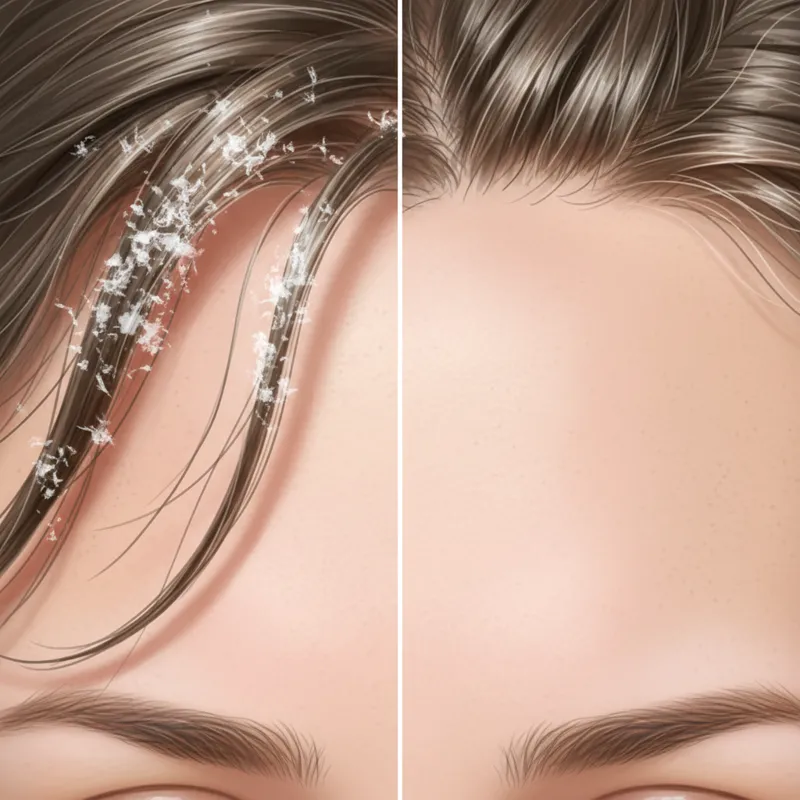
While the refreshing tingle is a well-known characteristic, the true value of a tea tree conditioner lies in its ability to solve persistent scalp problems. It’s a clarifying and balancing treatment that goes far beyond what a standard moisturizing conditioner can do.
A Powerful Ally Against Dandruff and Itchiness
For those fighting a constant battle with dandruff, a good tea tree conditioner can be a game-changer. By directly addressing the Malassezia fungus, it helps break the cycle of flaking and itching. Unlike some harsh medicated shampoos that can leave hair brittle, a conditioner format delivers these benefits while also providing necessary moisture and detangling for your hair strands.
Regulating an Oily Scalp
An oily scalp is often a result of overactive sebaceous glands producing too much sebum. This excess oil can clog hair follicles and leave hair looking greasy and flat. Tea tree conditioner acts as a gentle astringent, helping to dissolve and wash away this buildup. By clarifying the scalp without completely stripping it of its natural oils, it helps restore balance, which can lead to less oil production over time.
Soothing Inflammation and Irritation
Whether your scalp is irritated from product buildup, environmental stressors, or conditions like seborrheic dermatitis, the anti-inflammatory nature of tea tree oil provides welcome relief. It helps reduce redness and sensitivity, calming the feeling that your scalp is constantly “angry.” Improving scalp circulation and overall health creates a much better foundation for your hair, similar to how targeted skin treatments like a good microneedling pen can help rejuvenate the skin’s surface.
Promoting a Healthier Environment for Hair Growth
It’s crucial to be clear: tea tree oil does not directly cause hair to grow faster. However, it plays a vital supportive role. Clogged, inflamed, and unhealthy hair follicles cannot produce strong, healthy hair. By keeping follicles free of debris, reducing inflammation, and fighting off microbes, a tea tree scalp treatment creates the optimal environment for your natural hair growth cycle to proceed unimpeded.
Is Tea Tree Conditioner Right for Your Hair Type?

One of the most common questions is whether this type of conditioner is suitable for everyone. The answer depends on your specific hair and scalp needs, and the formulation of the product itself.
Ideal for: Oily Hair and Scalp
If your hair gets greasy less than a day after washing, you are the prime candidate. A tea tree conditioner will help clarify your scalp and remove the excess sebum that weighs your hair down, leaving it feeling lighter and cleaner for longer.
Excellent for: Dandruff-Prone and Flaky Scalps
This is the most well-known use case. Its antifungal properties make it one of the best natural options for controlling the symptoms of dandruff and seborrheic dermatitis. It soothes the itch while actively fighting the underlying microbial cause.
Beneficial for: Normal Hair as a Clarifying Rinse
Even if you don’t have a specific scalp issue, product buildup from styling gels, sprays, and dry shampoos can accumulate over time. Using a tea tree conditioner once a week can act as a “reset,” deeply cleansing your scalp and hair to remove residue and restore vibrancy.
Use with Caution for: Dry or Color-Treated Hair
This is where formulation is key. Traditional tea tree products can be too clarifying for hair that is already dry, damaged, or chemically treated. However, many modern formulas are designed to be gentler. If you have dry or colored hair, look specifically for a sulfate-free melaleuca hair product that includes hydrating ingredients like aloe vera, argan oil, shea butter, or glycerin to counteract any potential drying effects.
What Most People Get Wrong About Tea Tree Conditioner
Tea tree oil’s popularity has led to a few persistent myths and misunderstandings. Getting these straight will help you use the product effectively and safely.
Myth 1: “It’s a miracle cure for hair loss.”
This is a significant exaggeration. As mentioned earlier, tea tree oil can help create a healthy scalp environment, which is essential for healthy hair growth. However, it is not a direct hair growth stimulant and will not reverse genetic hair loss like male or female pattern baldness. It supports the hair you have; it doesn’t regrow hair that’s already gone.
Myth 2: “The stronger the tingle, the better it’s working.”
A mild, cooling, or tingling sensation is normal. Burning, stinging, or intense itching is not. This is a sign of irritation, suggesting the concentration is too high for your skin or that you’re having a sensitivity reaction. If you experience discomfort, rinse the product out immediately.
Myth 3: “I can just add tea tree oil to my regular conditioner.”
This is a dangerous idea. Pure essential oils are incredibly concentrated and can cause severe chemical burns or allergic reactions if applied directly to the skin. According to the National Center for Complementary and Integrative Health, tea tree oil can be toxic if swallowed and can cause skin irritation. Professionally formulated products use a precise, diluted concentration that is tested for safety and efficacy. Don’t try to play chemist in your bathroom.
How to Choose the Best Tea Tree Conditioner in 2026
The market is full of options, so knowing what to look for is essential. A truly effective product goes beyond just having “tea tree” on the label.
Check the Ingredient List
Look for Melaleuca Alternifolia (Tea Tree) Leaf Oil high up on the ingredient list, not buried at the very end. Also, seek out complementary soothing ingredients like peppermint oil (for extra cooling), aloe vera, chamomile, or eucalyptus. To properly inspect your scalp for irritation or progress, sometimes you need a different perspective. It’s like how a dental mirror is designed to help you see areas you normally can’t.
Consider Your Hair’s Needs
The best formulas are balanced. If you have an oily scalp but dry ends, find a product that clarifies at the root but also contains nourishing oils like coconut, jojoba, or argan oil for the lengths of your hair. This ensures you’re not solving one problem by creating another.
Sulfate-Free Is Often a Smart Choice
Sulfates (like Sodium Lauryl Sulfate) are strong detergents that can be overly stripping, which is especially damaging for color-treated, curly, or dry hair. A sulfate-free formula provides a gentler cleanse that preserves your hair’s natural moisture balance and color integrity.
Maximizing the Benefits: A Practical Routine
Using a tea tree conditioner correctly is just as important as choosing the right one. It’s a treatment, so apply it with intention.
- Shampoo First: Start by washing your hair with a suitable shampoo to remove initial dirt and oil. If you have significant scalp issues, pairing the conditioner with a tea tree shampoo can amplify the benefits.
- Focus on the Scalp: Unlike regular conditioners that are meant for the hair strands, apply this one directly to your scalp. Part your hair in sections to ensure even coverage. Just as a quality eyeliner pen gives you precision, taking a moment to apply the conditioner section by section ensures the active ingredients get where they need to go.
- Massage, Don’t Scrub: Use the pads of your fingertips (not your nails) to gently massage the conditioner into your scalp for 1-2 minutes. This not only feels great but also helps dislodge flakes and stimulates circulation.
- Let It Work: This is the most critical step. Leave the conditioner on for at least 3-5 minutes. This gives the active ingredients time to penetrate the skin and do their job. Rinsing too quickly will negate most of its benefits.
- Rinse Thoroughly: Rinse your hair and scalp completely with lukewarm water until no residue remains. Leaving conditioner behind can weigh hair down and potentially irritate the scalp.
Frequently Asked Questions (FAQ)
Can I use tea tree conditioner every day?
For very oily or problematic scalps, daily use might be fine, especially if the formula is gentle and hydrating. For normal to dry hair types, using it 2-3 times a week or as a weekly clarifying treatment is often sufficient to maintain a healthy scalp without causing dryness.
Will it strip my hair color?
A high-quality, sulfate-free tea tree conditioner is generally safe for color-treated hair. Sulfates are the primary culprits for stripping color, so avoiding them is key. If you have vibrant or freshly colored hair, it’s always wise to do a patch test.
What’s the difference between tea tree shampoo and conditioner?
A tea tree shampoo’s main job is to cleanse. It uses surfactants to lift away oil, dirt, and product buildup, delivering the tea tree oil in the process. A tea tree conditioner is designed to stay on the scalp for longer, allowing for deeper penetration of the active ingredients while also providing moisture, detangling, and protection to the hair shaft.
Can it help with scalp acne or folliculitis?
Yes, its antibacterial and anti-inflammatory properties can be very effective for mild cases of scalp acne and folliculitis (inflammation of hair follicles). By cleansing the follicles and reducing bacteria, it can help prevent and soothe these painful bumps.
Is the tingling sensation supposed to happen?
Yes, a mild, cooling tingle is a hallmark of tea tree and peppermint oil products. It’s caused by the stimulation of nerve endings in the scalp and increased blood flow. However, it should feel refreshing, not painful. If you experience burning or discomfort, discontinue use.
Ultimately, incorporating a tea tree conditioner into your routine is about reclaiming control over your scalp’s health. It’s a move away from masking symptoms and toward addressing the underlying causes of irritation and imbalance. As consumers continue to seek out effective, nature-derived solutions, as highlighted in the broader trend towards natural ingredients in the beauty industry reported by sources like Forbes, tea tree stands out not as a fad, but as a time-tested, proven powerhouse. When chosen wisely and used correctly, it can truly revolutionize the health of your scalp and, by extension, the vibrancy of your hair.
Disclaimer: The information provided on bangladeshcountry.com regarding skincare routines, chemical exfoliants (such as lactic acid), hair treatments, and cosmetics is based on general internet research and is intended for general informational and educational purposes only.
We are independent publishers and are not licensed dermatologists, medical estheticians, or cosmetic chemists. The content on this site is strictly not a substitute for professional dermatological advice, diagnosis, or personalized skincare consultations.
Skincare and haircare products containing active ingredients, acids, or strong chemicals can cause severe allergic reactions, skin burns, breakouts, or sensitivity. Results and reactions vary significantly depending on individual skin and hair types.
We strongly advise carefully reviewing all product ingredient lists, performing a patch test for 24-48 hours before full application, and consulting with a board-certified dermatologist before introducing new active ingredients into your routine. Reliance on any product recommendations or information provided on this site is strictly at your own risk. We assume no liability for any adverse skin reactions, allergies, or damages resulting from the use of these products.


