

Achieving truly radiant skin often feels like chasing a moving target. In a world saturated with skincare trends and promises, cutting through the noise to find effective, reliable ingredients is key. One such ingredient that consistently delivers is lactic acid, especially when formulated into a toner. As we move further into 2026, the understanding and appreciation for this gentle yet potent alpha hydroxy acid (AHA) continue to grow. If you’re looking to refine skin texture, brighten your complexion, and boost hydration without the harshness sometimes associated with stronger exfoliants, a lactic acid toner might just be the cornerstone your routine has been missing. Let’s delve into how this multitasking wonder works and explore some of the best picks to help you uncover your most radiant skin.
Understanding Lactic Acid: The Gentle Giant of AHAs
Lactic acid is an alpha hydroxy acid (AHA) derived from milk, though modern formulations often use synthetic or plant-based sources. Unlike its more aggressive cousin, glycolic acid, lactic acid possesses a larger molecular structure. This seemingly minor detail makes a significant difference: its larger size means it penetrates the skin more slowly and superficially, leading to a gentler exfoliation process. This characteristic makes lactic acid particularly appealing for those with sensitive skin types who still desire the benefits of chemical exfoliation. Beyond its exfoliating prowess, lactic acid is also a powerful humectant. This means it attracts and binds moisture to the skin, helping to improve hydration levels. So, you’re not just shedding dead skin cells; you’re also infusing your skin with much-needed moisture. This dual action is why a lactic acid toner can leave your skin feeling smoother, looking brighter, and noticeably plumper.
The Multifaceted Benefits of a Lactic Acid Toner
Integrating a lactic acid toner into your routine offers a spectrum of benefits, making it a versatile asset for various skin concerns.
- Gentle Exfoliation: At its core, a lactic acid toner acts as a mild chemical exfoliant. It works by dissolving the bonds between dead skin cells on the surface, allowing them to slough off more easily. This process reveals the fresher, brighter skin underneath, improving overall texture and reducing the appearance of minor imperfections.
- Enhanced Radiance and Brightness: By removing the dull, dead skin cell layer, lactic acid significantly enhances skin luminosity. It helps to fade hyperpigmentation, such as sun spots and post-inflammatory marks, leading to a more even and visibly brighter complexion.
- Improved Hydration: As a humectant, lactic acid draws moisture from the air and deeper layers of the skin into the epidermis. This makes it an excellent choice for individuals with dry or dehydrated skin, as it not only exfoliates but also boosts the skin’s moisture content, leading to a plumper, more supple feel.
- Smoother Skin Texture: Regular use of a lactic acid toner can dramatically improve skin texture. Fine lines and minor surface roughness become less apparent, and skin feels noticeably softer to the touch. This smooth canvas also allows other skincare products to penetrate more effectively.
- Stimulated Collagen Production: While milder than some other AHAs, consistent use of lactic acid can still stimulate collagen synthesis over time. Collagen is vital for skin elasticity and firmness, contributing to a more youthful appearance.
- Pore Clarity: While not its primary function, by keeping dead skin cells from accumulating, a lactic acid toner can help prevent minor pore blockages, contributing to clearer pores and a reduction in the severity of blackheads.
How Lactic Acid Toners Work: The Science Behind the Glow
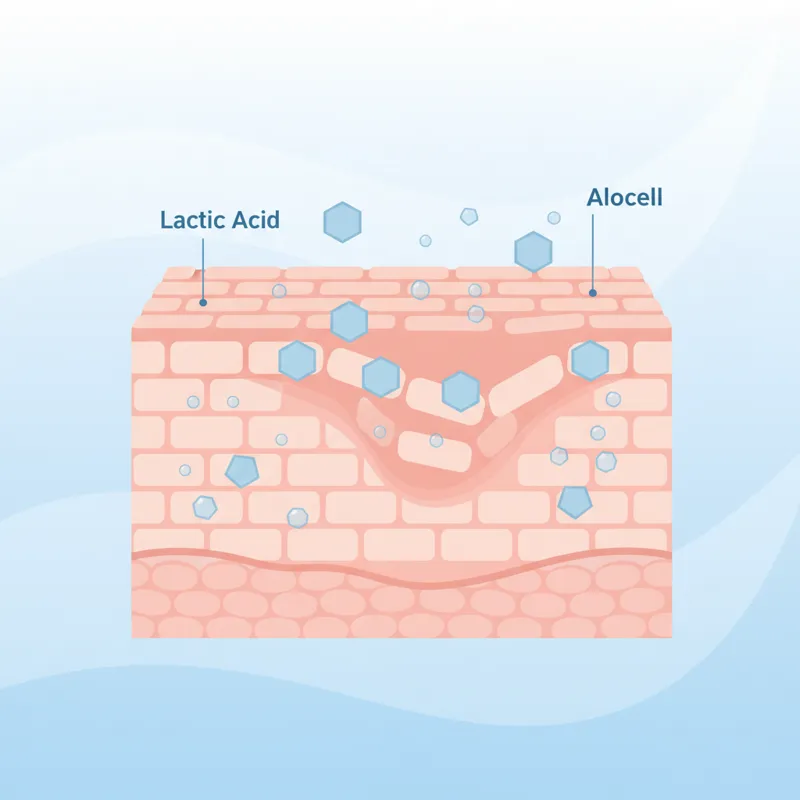
The effectiveness of a lactic acid toner stems from its unique molecular properties and interaction with the skin’s uppermost layer, the stratum corneum. All AHAs work by disrupting the ionic bonds between corneocytes – the dead skin cells that form the skin’s protective barrier. When these bonds are loosened, the dead cells can detach more readily, accelerating the natural shedding process. What sets lactic acid apart is its specific structure. As noted by sources like Wikipedia, lactic acid is a larger molecule compared to glycolic acid. This means it doesn’t penetrate as deeply or as quickly, leading to a more controlled and less irritating exfoliation. This slower penetration is particularly beneficial for sensitive skin types, as it minimizes the risk of redness, stinging, or irritation often associated with stronger chemical exfoliants. Furthermore, lactic acid is naturally part of the skin’s Natural Moisturizing Factor (NMF). This makes it particularly compatible with the skin. Its humectant properties are significant; it attracts water molecules and holds them in the skin, which not only hydrates but also helps strengthen the skin’s barrier function. A healthy skin barrier is crucial for overall skin health, protecting against environmental aggressors and retaining moisture. By improving both exfoliation and hydration, a lactic acid toner fosters a balanced skin environment that promotes cell turnover and enhances the skin’s natural ability to glow.
Who Benefits Most from a Lactic Acid Toner?
Lactic acid’s gentle nature and dual action of exfoliation and hydration make it suitable for a broader range of skin types than many other AHAs.
- Sensitive Skin: If you’ve found other chemical exfoliants too irritating, lactic acid is often a game-changer. Its larger molecule size and humectant properties mean less irritation while still delivering effective results.
- Dry or Dehydrated Skin: The hydrating aspect of lactic acid is a major plus. It helps to replenish moisture levels, making it ideal for those whose skin tends to feel tight or flaky.
- Dull or Lackluster Skin: For anyone seeking to bring back their skin’s natural radiance, a lactic acid toner is excellent. It effectively removes the dead surface cells that contribute to a dull complexion, revealing brighter skin beneath.
- Uneven Skin Tone and Texture: Whether you’re dealing with minor hyperpigmentation, rough patches, or a generally uneven skin surface, lactic acid can help smooth things out and promote a more uniform appearance.
- Mature Skin: Lactic acid helps to improve cell turnover, which slows down with age. Its ability to stimulate collagen and improve hydration also makes it beneficial for addressing fine lines and maintaining skin plumpness.
- Combination Skin: It can help balance areas of dryness and oiliness by promoting healthy cell turnover across the entire face without stripping the skin.
Integrating Lactic Acid Toner into Your Skincare Routine
Incorporating a new active ingredient, even a gentle one like lactic acid, requires a thoughtful approach.1. Cleansing First: Always start with a clean face. Use your preferred gentle cleanser to remove makeup, dirt, and impurities.2. Application: Dispense a small amount of lactic acid toner onto a cotton pad or into your clean hands. Gently swipe or pat it across your face, avoiding the immediate eye area.3. Frequency: Start slow. For most people, using a lactic acid toner 2-3 times a week in the evening is a good starting point. Observe how your skin reacts. If it tolerates it well after a few weeks, you might increase frequency to every other night, or even nightly for some, depending on the product’s concentration and your skin’s resilience. Listen to your skin—it will tell you what it needs.4. Layering: After the toner has fully absorbed (usually a minute or two), follow with your serums, moisturizers, and eye creams. Remember, your toner preps your skin to better absorb subsequent products, maximizing their benefits, like your favorite best eye wrinkle cream.5. Sunscreen is Non-Negotiable: Chemical exfoliants can increase your skin’s sensitivity to the sun. This is paramount. Always apply a broad-spectrum sunscreen with an SPF of 30 or higher every morning, even on cloudy days. Reapply as needed throughout the day, especially if you’re spending time outdoors. This protects your newly revealed skin and prevents further sun damage. You can read more about sun protection guidelines from reliable sources like the American Academy of Dermatology.6. Patch Test: Before applying any new product to your entire face, perform a patch test on a small, inconspicuous area (like behind your ear or on your inner forearm) to check for any adverse reactions.7. Avoid Over-Exfoliation: While lactic acid is gentle, using too many exfoliating products at once (e.g., another AHA, BHA, or retinoid) can still lead to over-exfoliation, causing irritation, redness, and a compromised skin barrier. Introduce one active at a time and space out their usage.
What Most People Get Wrong When Using Lactic Acid Toner
Even with a gentle ingredient like lactic acid, misconceptions can hinder results and even cause irritation. Here are common pitfalls:
- Over-exfoliating: The most frequent mistake. Just because it’s gentle doesn’t mean you should use it daily from the get-go, or layer it with three other acids. Starting with a low frequency (2-3 times a week) is crucial. Signs of over-exfoliation include redness, stinging, increased sensitivity, tightness, or even new breakouts. If you experience these, scale back immediately.
- Skipping Sunscreen: This isn’t just a recommendation; it’s a critical safety measure. Exfoliation removes the top layer of dead skin, making the new skin more vulnerable to UV radiation. Failing to use adequate, consistent sun protection can lead to more sun damage, hyperpigmentation, and premature aging, negating all the benefits of your lactic acid toner.
- Ignoring Skin Signals: Your skin communicates. If it feels tight, itchy, or looks unusually red, it’s telling you something. Pushing through irritation in the hope of better results will only compromise your skin barrier, leading to worse problems.
- Mixing Too Many Actives Too Soon: While some advanced users can strategically combine actives, beginners or those with sensitive skin should be cautious. Introducing a lactic acid toner alongside a strong retinoid, vitamin C serum, or another potent exfoliant without proper rotation can overwhelm the skin. Introduce one new active at a time and observe for several weeks before adding another.
- Expecting Instant Miracles: Skincare is a marathon, not a sprint. While some immediate glow might be visible, significant improvements in texture, tone, and radiance take consistent use over several weeks or even months. Patience is key.
- Using Too High a Concentration Initially: Lactic acid toners come in various concentrations, often ranging from 5% to 10% or even higher. Starting with a lower concentration (e.g., 5-8%) is always recommended, especially if you’re new to AHAs or have sensitive skin. You can always increase strength later if your skin tolerates it well.
Our 5 Best Lactic Acid Toner Picks for Radiant Skin (2026 Edition)
The market for lactic acid toners has matured significantly, offering a diverse range of formulations. Here are five top picks that stand out in 2026 for their efficacy, thoughtful ingredients, and ability to deliver truly radiant skin.1. The Everyday Glow Setter: Radiance Reset 5% Lactic Acid Daily Tone * Why it stands out: This formulation is a gentle powerhouse, ideal for daily or near-daily use once your skin has acclimated. At 5% lactic acid, it’s effective for subtle exfoliation and hydration without causing irritation. It’s buffered with soothing aloe vera and a blend of amino acids, which support the skin barrier.
- Best for: Beginners to chemical exfoliation, sensitive skin types, and those seeking consistent, gentle brightening.
- Key Ingredients: 5% Lactic Acid, Aloe Barbadensis Leaf Juice, Sodium PCA, Hyaluronic Acid.
- Our take: A fantastic entry point into lactic acid. It delivers a noticeable glow and improved texture without the common risks of over-exfoliation. Perfect for maintaining skin health and radiance.2. The Advanced Brightener: LuminaLift 8% Lactic Acid & Licorice Root Toner * Why it stands out: Stepping up to 8% lactic acid, this toner provides more intensive exfoliation and targets stubborn hyperpigmentation more effectively. The inclusion of licorice root extract is a smart move, known for its skin-brightening and anti-inflammatory properties, making it excellent for fading dark spots and evening out skin tone.
- Best for: Individuals familiar with AHAs, those with dullness, uneven skin tone, and hyperpigmentation concerns. Not for absolute beginners.
- Key Ingredients: 8% Lactic Acid, Glycyrrhiza Glabra (Licorice) Root Extract, Niacinamide, Glycerin.
- Our take: This is a serious toner for serious results. The combination with licorice root is particularly effective for brightening, and niacinamide helps to calm and strengthen the skin barrier. Use cautiously if new to stronger acids.3. The Hydration Hero: AquaSmooth Lactic + Ceramide Replenishing Toner * Why it stands out: This toner truly champions the hydrating aspect of lactic acid. While containing 7% lactic acid for effective exfoliation, its star feature is a robust ceramide complex. Ceramides are essential lipids that form the skin’s barrier, and this toner actively replenishes them, making it exceptional for dry or compromised skin.
- Best for: Dry, dehydrated, or barrier-compromised skin types that need exfoliation without further drying.
- Key Ingredients: 7% Lactic Acid, Ceramide NP, Ceramide AP, Ceramide EOP, Phytosphingosine, Cholesterol, Saccharide Isomerate.
- Our take: A standout for its barrier-supporting ingredients. It proves that you don’t have to sacrifice hydration for exfoliation. It leaves skin feeling incredibly soft and plump, reducing the common “tightness” some exfoliants cause.4. The Sensitive Skin Soother: Calm & Clear Lactic Acid Elixir (5% with Centella Asiatica) * Why it stands out: Formulated specifically with sensitive skin in mind, this 5% lactic acid toner integrates Centella Asiatica (Cica) and oat extract to minimize irritation and redness. It offers gentle exfoliation while actively soothing and repairing the skin.
- Best for: Very sensitive skin, reactive skin, or those prone to redness who still want to experience the benefits of AHAs.
- Key Ingredients: 5% Lactic Acid, Centella Asiatica Extract, Avena Sativa (Oat) Kernel Extract, Allantoin.
- Our take: This product is a testament to mindful formulation. It understands that sensitive skin can benefit from AHAs when buffered correctly. It provides a gentle resurfacing effect without provoking irritation, making it a true ally for delicate complexions.5. The Texture Perfector: Refine & Rebalance 10% Lactic Acid Resurfacing Tonic * Why it stands out: For those whose skin is well-acclimated to acids and desires a more potent treatment for significant texture concerns, this 10% lactic acid toner delivers. It’s balanced with pH adjusters and a touch of hyaluronic acid to mitigate potential dryness, but its primary focus is on effective skin resurfacing.
- Best for: Experienced AHA users with resilient skin, targeting persistent rough texture, stubborn congestion, and advanced signs of dullness.
- Key Ingredients: 10% Lactic Acid, Sodium Hyaluronate, Panthenol, White Willow Bark Extract.
- Our take: This is a powerful treatment, not for the faint of heart or new users. When used correctly, it can dramatically transform skin texture, revealing an exceptionally smooth and even surface. Always introduce slowly and prioritize consistent sun protection.Disclaimer: While we strive to provide knowledgeable and practical insights, this article is for informational purposes only and is not intended to provide professional medical advice. Always consult with a qualified dermatologist or healthcare professional regarding your specific skin concerns and before introducing new products, especially if you have pre-existing conditions or are pregnant or breastfeeding. Individual results may vary.
Choosing the Right Lactic Acid Toner for Your Skin
With so many excellent options, picking the right lactic acid toner involves a bit of self-assessment and understanding.
- Consider Concentration: If you’re new to chemical exfoliants or have sensitive skin, start with a lower concentration (5-8%). If your skin is resilient and you’re looking for more potent results, you can gradually work your way up to 10%.
- Look at Complementary Ingredients: Beyond lactic acid, what else is in the bottle? For dry skin, look for humectants like hyaluronic acid or soothing ingredients like ceramides. For redness-prone skin, calming agents like Centella Asiatica or aloe vera are beneficial. If hyperpigmentation is a primary concern, ingredients like licorice root or niacinamide can enhance the brightening effect.
- Understand Your Skin’s Current State: Is your barrier compromised? Are you experiencing active irritation? If so, focus on gentle, barrier-repairing formulas and always start slow. If your skin is robust and needs a push, a higher concentration might be appropriate.
- Patch Test, Always: Even with the gentlest formulas, a patch test is a non-negotiable step to prevent widespread irritation.
Maintaining Radiant Skin: Beyond Your Lactic Acid Toner
While a lactic acid toner is a powerful tool, achieving and maintaining radiant skin is a holistic endeavor. It’s about more than just one product; it’s about a comprehensive approach to skincare and overall well-being.
- Consistent Skincare Routine: Beyond your toner, a solid routine includes a gentle cleanser, a targeted serum (like one with antioxidants or peptides), a good moisturizer, and, as stressed, daily sunscreen. Each step plays a vital role in protecting and nourishing your skin. For specific concerns, adding a product like a best eye wrinkle cream can significantly enhance your results.
- Hydration, Inside and Out: Drinking plenty of water is fundamental for healthy skin. Topically, ensure your moisturizer is adequate for your skin type and locks in the benefits of your hydrating toner.
- Balanced Diet: What you eat profoundly impacts your skin. A diet rich in fruits, vegetables, healthy fats, and lean proteins provides essential nutrients and antioxidants that support skin health from within.
- Adequate Sleep: Your skin undergoes repair and regeneration processes while you sleep. Chronic sleep deprivation can lead to dullness, puffiness, and accelerated aging.
- Stress Management: High stress levels can manifest on your skin, leading to breakouts, dullness, and exacerbated conditions. Incorporate stress-reducing activities like meditation, yoga, or spending time in nature.
- Consider Complementary Treatments: Sometimes, addressing specific concerns like uneven skin tone might involve more than just topicals. Products like face tanning drops can offer an instant glow, while consistent care with your lactic acid toner works on true skin health. And for broader beauty goals, remember that holistic self-care extends to other areas, even down to using a nourishing nail growth nail polish for healthy nails.
Frequently Asked Questions About Lactic Acid Toners
Here are answers to some common questions about using lactic acid toners:
Can I use a lactic acid toner every day?
It depends on the concentration and your skin’s tolerance. For lower concentrations (5% or less) and resilient skin, daily use might be possible after an acclimation period. However, many people find 2-4 times a week sufficient and effective, minimizing the risk of over-exfoliation. Always start slowly and listen to your skin.
What concentration of lactic acid should I start with?
If you’re new to AHAs or have sensitive skin, begin with a lower concentration, typically 5-8%. This allows your skin to adapt without overwhelming it. You can gradually increase the concentration or frequency as your skin builds tolerance.
Can I use lactic acid with Vitamin C?
It’s generally advised to use them at different times of the day or on alternate days, especially if you have sensitive skin. Both are active ingredients and can increase sensitivity when layered. A common approach is lactic acid toner in the evening and Vitamin C serum in the morning.
Is it okay to use lactic acid with other AHAs or BHAs?
For most people, it’s best to avoid layering multiple exfoliating acids, especially when first introducing lactic acid. This can lead to over-exfoliation and irritation. If you have specific concerns that require different acids, consider alternating them on different days rather than using them simultaneously.
Will lactic acid cause purging?
Yes, some individuals may experience a “purging” phase when first introducing a lactic acid toner. This is characterized by a temporary increase in breakouts as the acid accelerates cell turnover and brings underlying congestion to the surface. Purging typically lasts a few weeks. If breakouts persist beyond that or are accompanied by significant irritation, it might be a reaction rather than purging, and you should scale back or discontinue use.
Is lactic acid toner safe during pregnancy or breastfeeding?
While lactic acid is generally considered one of the safer chemical exfoliants during pregnancy or breastfeeding due to its larger molecular size and gentler action, it’s critical to consult your doctor or dermatologist before using any new skincare products, including lactic acid, during these periods. They can provide personalized advice based on your individual health profile.
Disclaimer: The information provided on bangladeshcountry.com regarding skincare routines, chemical exfoliants (such as lactic acid), hair treatments, and cosmetics is based on general internet research and is intended for general informational and educational purposes only.
We are independent publishers and are not licensed dermatologists, medical estheticians, or cosmetic chemists. The content on this site is strictly not a substitute for professional dermatological advice, diagnosis, or personalized skincare consultations.
Skincare and haircare products containing active ingredients, acids, or strong chemicals can cause severe allergic reactions, skin burns, breakouts, or sensitivity. Results and reactions vary significantly depending on individual skin and hair types.
We strongly advise carefully reviewing all product ingredient lists, performing a patch test for 24-48 hours before full application, and consulting with a board-certified dermatologist before introducing new active ingredients into your routine. Reliance on any product recommendations or information provided on this site is strictly at your own risk. We assume no liability for any adverse skin reactions, allergies, or damages resulting from the use of these products.


